Norway El Prix winter EV test: 38% range loss and what UK drivers can learn
The January 2026 NAF El Prix was the coldest in the test's history, at around -31°C. UK winters are far milder, but the results show which cars hold range best and why no EV reached its rated figure.
Quick answers
- The January 2026 El Prix in Folldal, Norway, tested around two dozen EVs at temperatures as low as -31°C, the coldest in the test's history.
- On average, cars recorded a 38% reduction against official WLTP figures, and none matched its rated range.
- The Lucid Air Grand Touring went furthest at about 520km (322 miles); the Mercedes-Benz CLA was second with 421km.
- The MG 6S and Hyundai Inster each lost 29%, the smallest shortfalls of the official entries; the Tesla Model Y covered 359km after losing about 40%.
- UK winters are much milder than this test, so expect a smaller loss, but our existing UK guidance still applies: allow a margin on cold days.
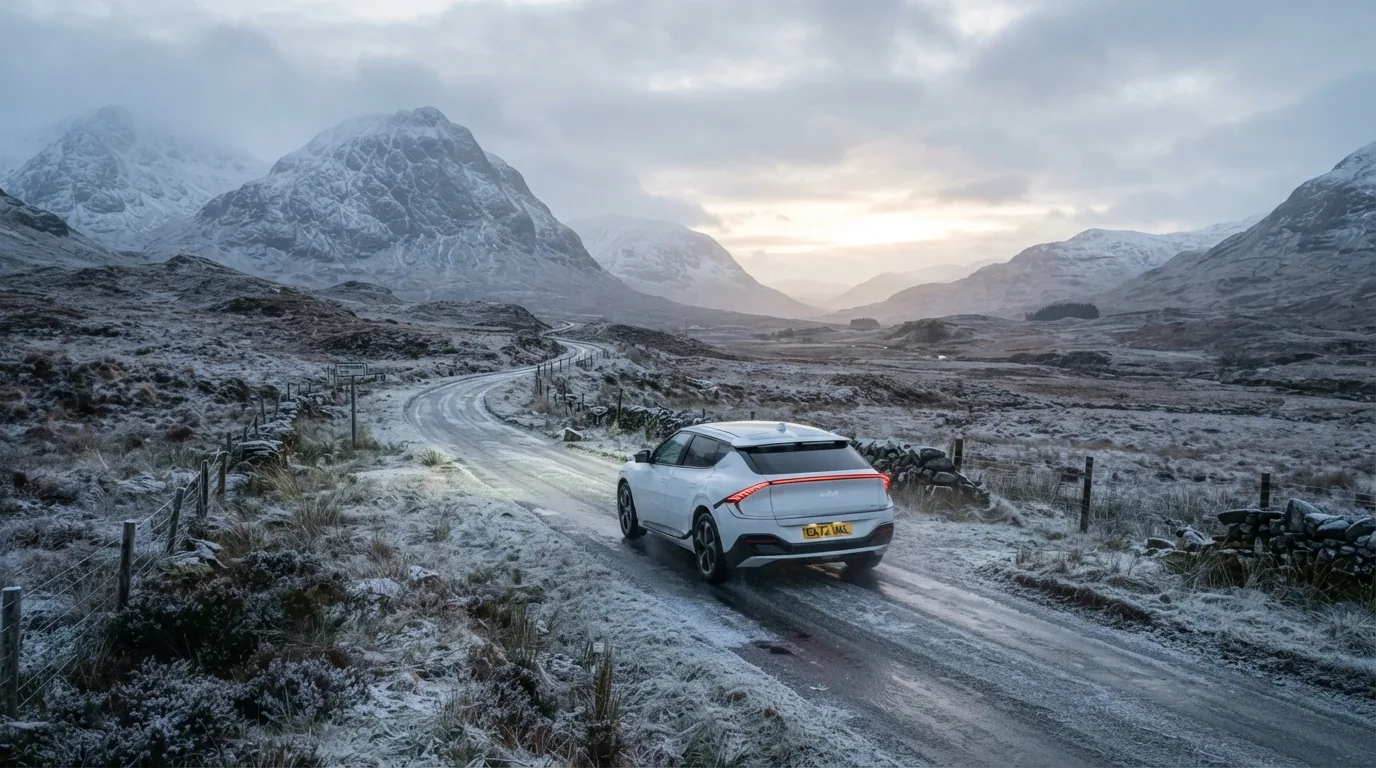
Norway’s annual NAF El Prix winter test, run in January 2026, found that electric cars lost 38% of their official WLTP range on average, and none matched its rated figure. It was the coldest El Prix yet, at around -31°C, so a UK driver will not see losses that large. It still shows which cars hold their range best as winter approaches.
This is the January 2026 test, the most recent one. It ran over two days in Folldal, with Norway’s motoring federation NAF and Motor magazine (Greenfleet).
How did the 2026 El Prix go?
The cars were charged fully and driven until they ran out, in conditions that fell to -31°C. The Lucid Air Grand Touring covered about 520km (322 miles), and the Mercedes-Benz CLA came second with 421km (Electrek; InsideEVs).
Distance and range retention are different measures. The Lucid is a large car with a big battery, so it went furthest in absolute terms, but it did not hold on to its rated range as well as some small cars.
| Car | Result |
|---|---|
| Lucid Air Grand Touring | About 520km, furthest |
| Mercedes-Benz CLA | 421km, second |
| Tesla Model Y | 359km, about 40% below rating |
| MG 6S | 29% loss, tied for smallest |
| Hyundai Inster | 29% loss, tied for smallest |
| MG IM6 | 30% loss |
Sources: Carscoops, Greenfleet, EV Powered.
Which cars held range best?
Small and mid-size cars did best on percentage. The MG 6S achieved 345km against a 485km WLTP rating, a 29% loss, and the Hyundai Inster matched that percentage (EV Powered). A pre-production Kia EV2 lost just 25%, covering 310.6km against a claimed 413km, although it is not in the official results.
For how heating technology affects winter range, see why an EV heat pump matters.
How does this compare with a UK winter?
Norway’s -31°C is far colder than a typical British January, so treat the 38% average as a worst case. UK studies show smaller losses: a 2023 What Car? test of 12 EVs found shortfalls of 16.2% to more than 30%, and a Tempcover analysis of 40 popular UK EVs, using EV Database figures, found an average cut of 27% (The Energyst).
| Study | Range loss |
|---|---|
| NAF El Prix 2026, around -31°C | 38% average |
| Tempcover, 40 popular UK EVs | 27% average |
| What Car? test (2023) | 16.2% to over 30% |
The AA says there is no evidence EVs struggle in UK cold. It reported that only 2.3% of its January 2024 call-outs to EVs were for batteries running out of power (Irish News). Our guide to the biggest myths about switching to an EV covers the wider fear.
Why does cold hit range so hard?
Cold slows the chemical reactions inside the battery, so the pack delivers less usable energy, and the car also spends more energy heating the cabin and the battery itself. Short trips suffer most, because the car heats everything from cold and never settles into an efficient state. Our explainer on what affects electric car range most ranks these factors, and the guide on charging in cold weather covers the slower charging that comes with them.
The El Prix is useful because every car faces the same road and the same cold.
What does the test not tell you?
A single run in one place, on one set of days, has limits. The result shows what happens at -31°C, not at 3°C with rain, which is a more typical British winter day. Wet roads and headwinds cost range too, and few commutes run a battery to empty.
The comparison across models is still worth reading. Even so, if you are choosing between two cars, the one that kept more of its rating in the Norwegian cold has at least shown it copes better with the cold.
What this means for you
UK studies suggest a loss of roughly a sixth to a third of rated range in cold conditions, so plan with a margin. Our guide to how much range you lose in winter goes further, and preconditioning while plugged in is the cheapest fix.
If winter range matters, see the best electric cars for cold weather range and check WLTP versus real-world range. Keep a margin when you charge, and use the route planner apps to find a charger before you need one.
How we test and where our numbers come from
Range figures are official WLTP combined values taken from manufacturer UK specification pages, with real-world estimates drawn from independent comparative testing. Prices are UK list prices at the time of the latest update. Tax, grant and charging-scheme figures come from GOV.UK and HMRC publications. We re-check every guide when pricing, specification or policy changes. Last checked 6 October 2026.
Frequently asked questions
Which winter does this Norway EV test cover?
The January 2026 El Prix, run over two days in Folldal by the Norwegian Automobile Federation (NAF) with Motor magazine. NAF runs the El Prix in both winter and summer, and the January 2026 winter test is the most recent winter result.
How cold was the El Prix?
Temperatures fell as low as -31°C, the coldest conditions in the test's history. Some reports give -32°C.
Which EV went furthest in the 2026 El Prix?
The Lucid Air Grand Touring, at about 520km (322 miles), followed by the Mercedes-Benz CLA with 421km.
Which EVs lost the least range?
The MG 6S and Hyundai Inster each lost 29%, tying for the smallest shortfall against WLTP. The MG IM6 lost 30%. A pre-production Kia EV2 lost 25% but is not in the official results.
Will my EV lose this much range in a UK winter?
Not at these temperatures. UK studies find smaller losses: a 2023 What Car? test showed shortfalls of 16.2% to more than 30%, and a Tempcover analysis of 40 popular EVs averaged 27%.
Sources and further reading
- greenfleet.netNAF / GreenfleetPrimary source referenced in this article.
- insideevs.com25 EVs Were Range-Tested In Extreme Cold. It Didn't Go WellOverview of the results.
- electrek.coLucid Air proves it's the 'king of range' again, crushing Norway's EV Winter TestLucid Air result and January 2026 timing.
- carscoops.comEV Range Claims Still Sound Great, Until Freezing Temps HitModel-by-model results including Tesla.
- evpowered.co.ukKia EV2 lays down range challenge at world's biggest winter EV driveKia EV2 prototype 25% loss and MG 6S and Hyundai Inster results.
- theenergyst.comResearch reveals which EVs retain the most range in winterUK Tempcover 27% average and What Car? shortfalls.

EV Compared
The EV Compared editorial team tracks the UK electric vehicle market full time: new model launches, list prices, WLTP and real-world range, public charging tariffs and the tax rules that decide what an EV actually costs to run. Every guide is checked against manufacturer specifications and official GOV.UK figures, and updated whenever the numbers move.
Related reading
View all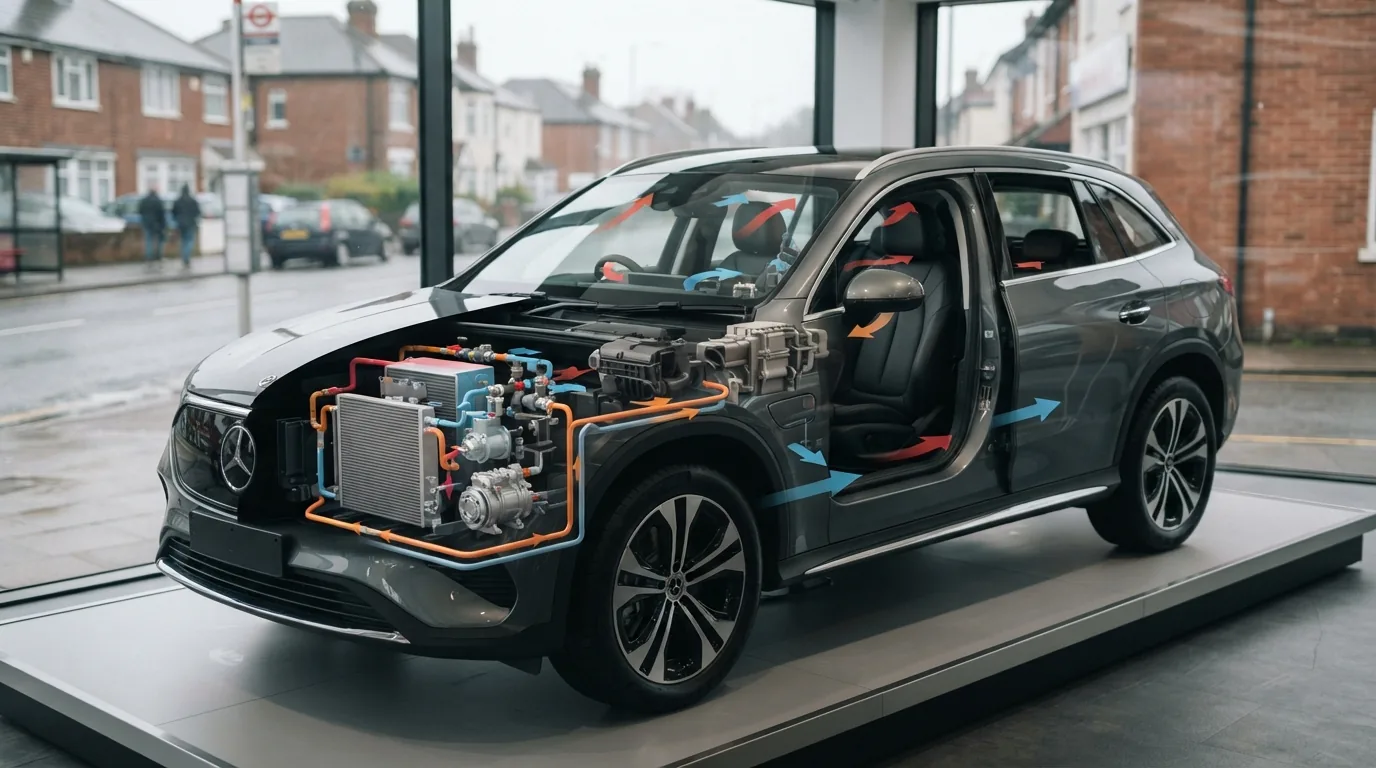
How Does the Heater Work in an Electric Car? Heat Pumps Explained
A heat pump can add 10 to 30 per cent to your winter range. Here is how it works, which EVs have one and whether it is worth specifying
How Much Range Do You Lose in Winter With an EV?
Honest figures on cold-weather range loss, which cars handle it best and how to minimise the impact
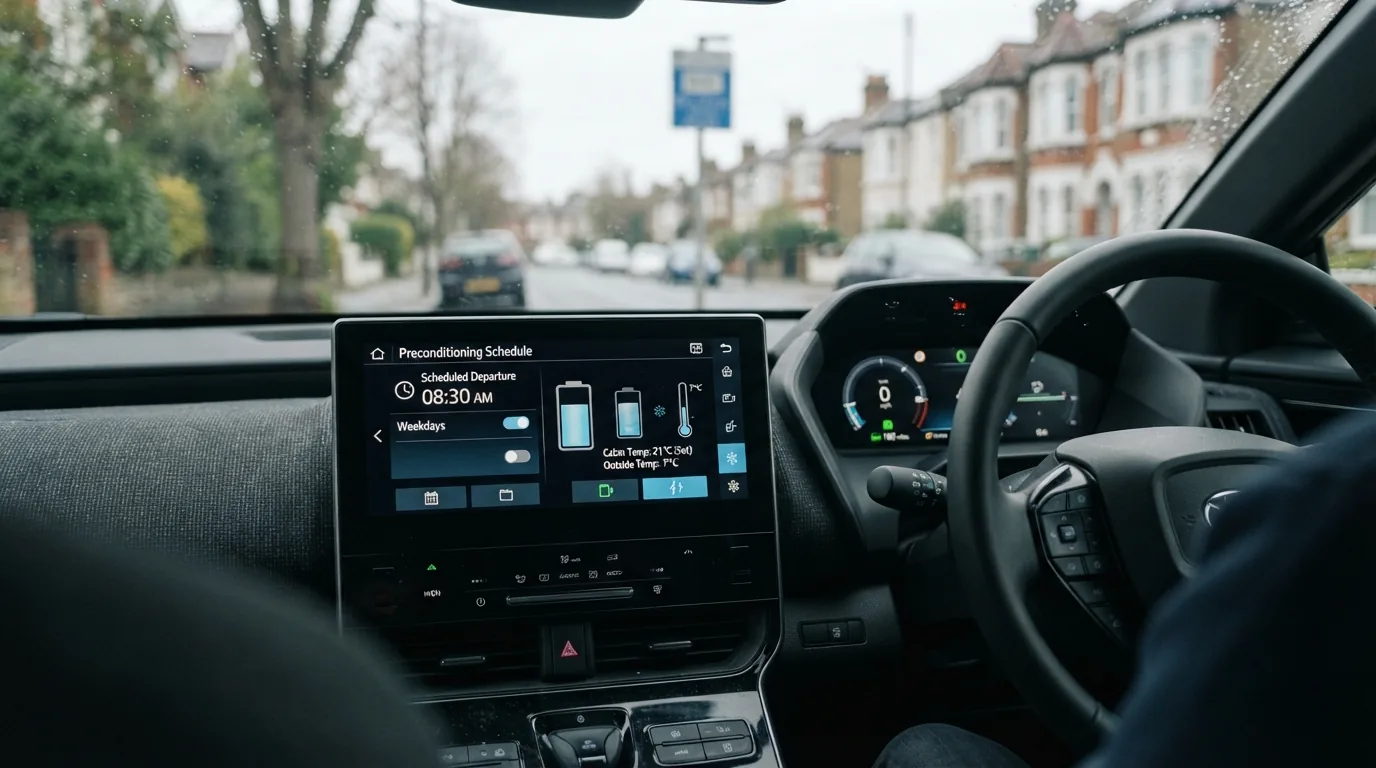
What Is Preconditioning and How Does It Help EV Range?
Battery preconditioning can recover 20 to 30 per cent of the winter range loss typical UK EV drivers experience. Here is how it works and how to use it
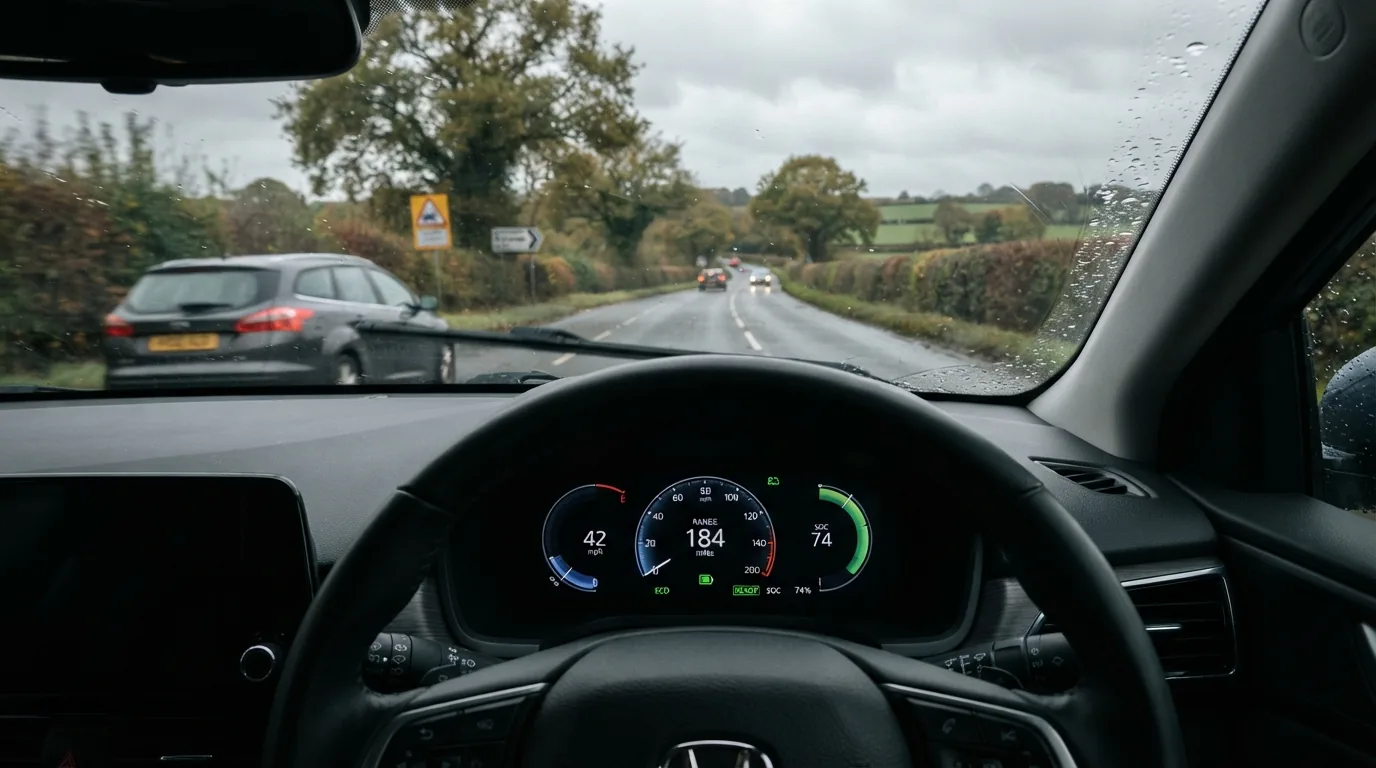
How Accurate Are WLTP Range Figures in the Real World?
The honest numbers behind official EV range claims and what UK drivers actually get
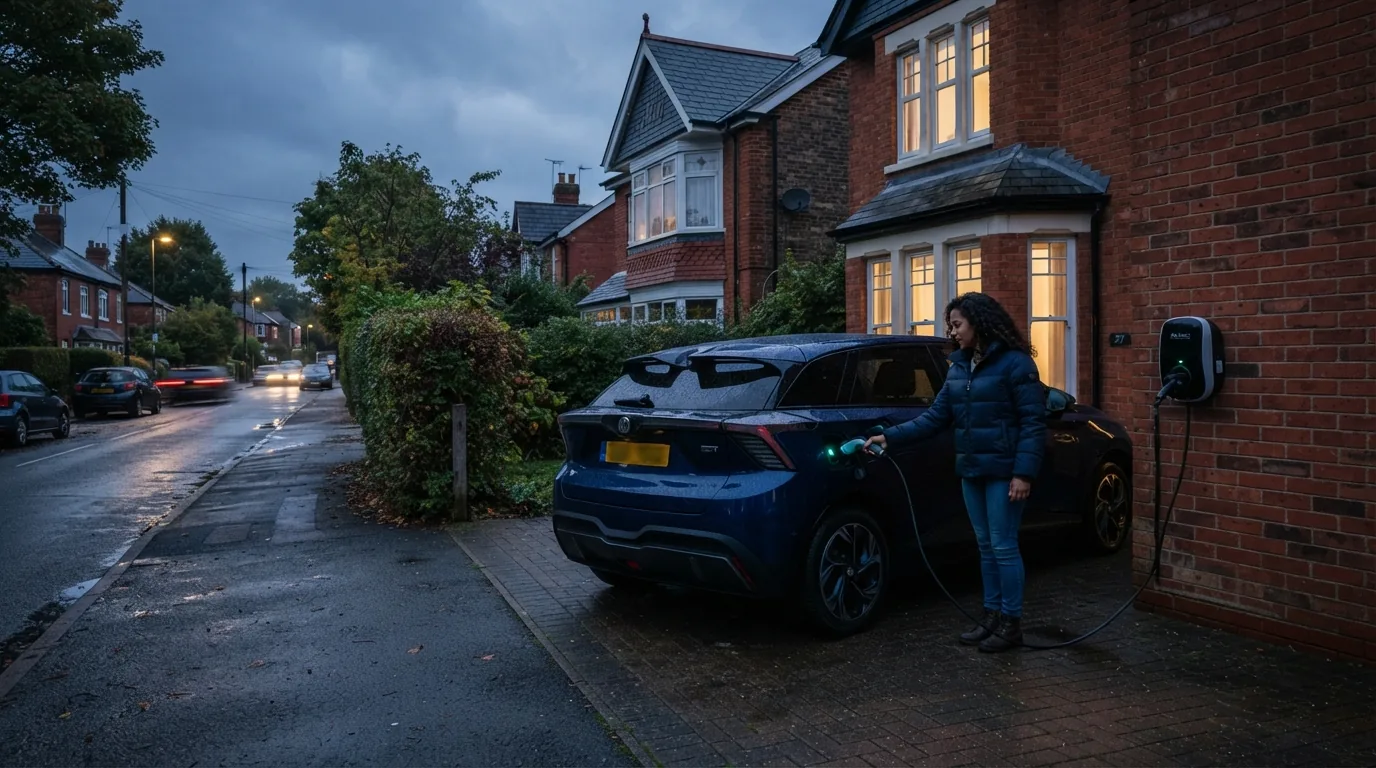
What Are the Biggest Myths About Switching to an EV?
The claims that put UK drivers off going electric, and what the evidence actually says
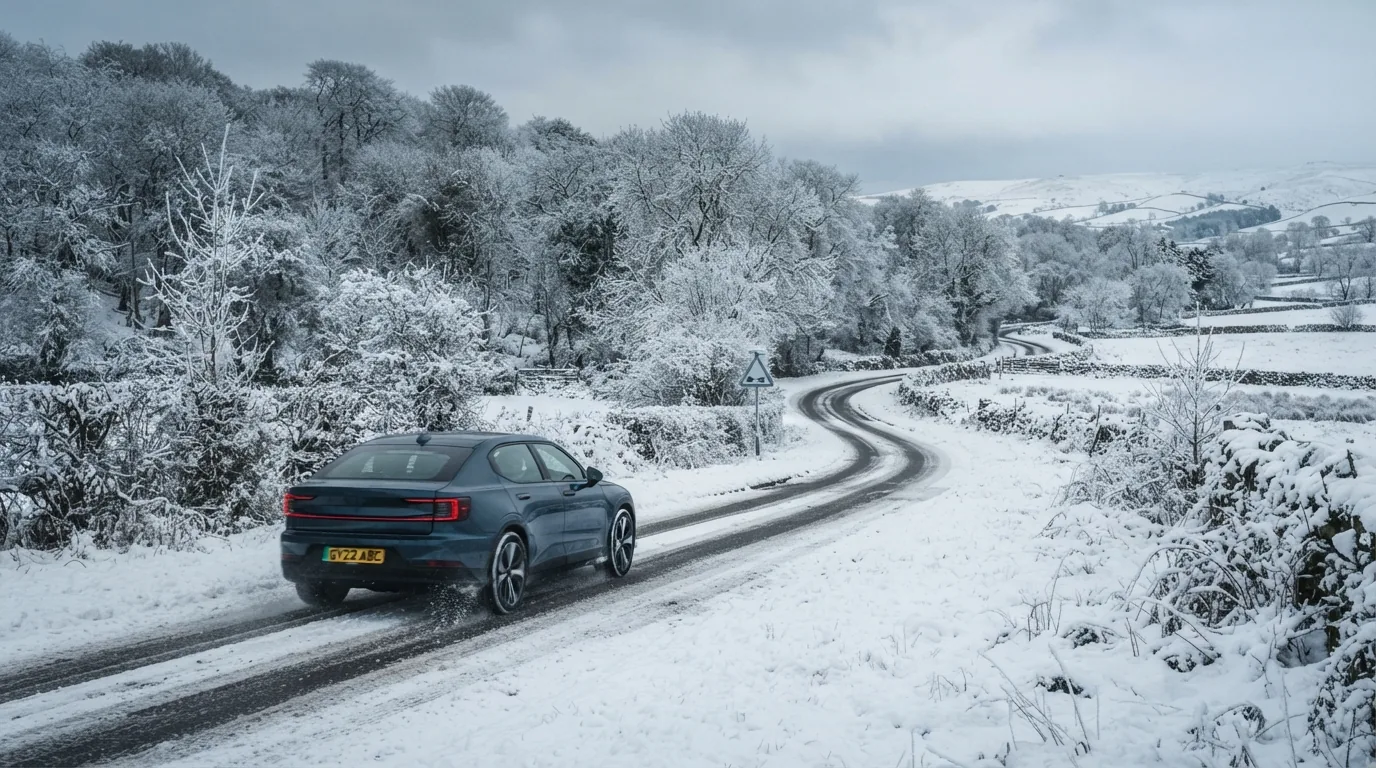
Best Electric Cars for Range in Cold Weather
Which UK EVs retain the most range when temperatures drop, ranked with heat pump data and winter test results