Aldi charging stations: prices, how to pay and where they are
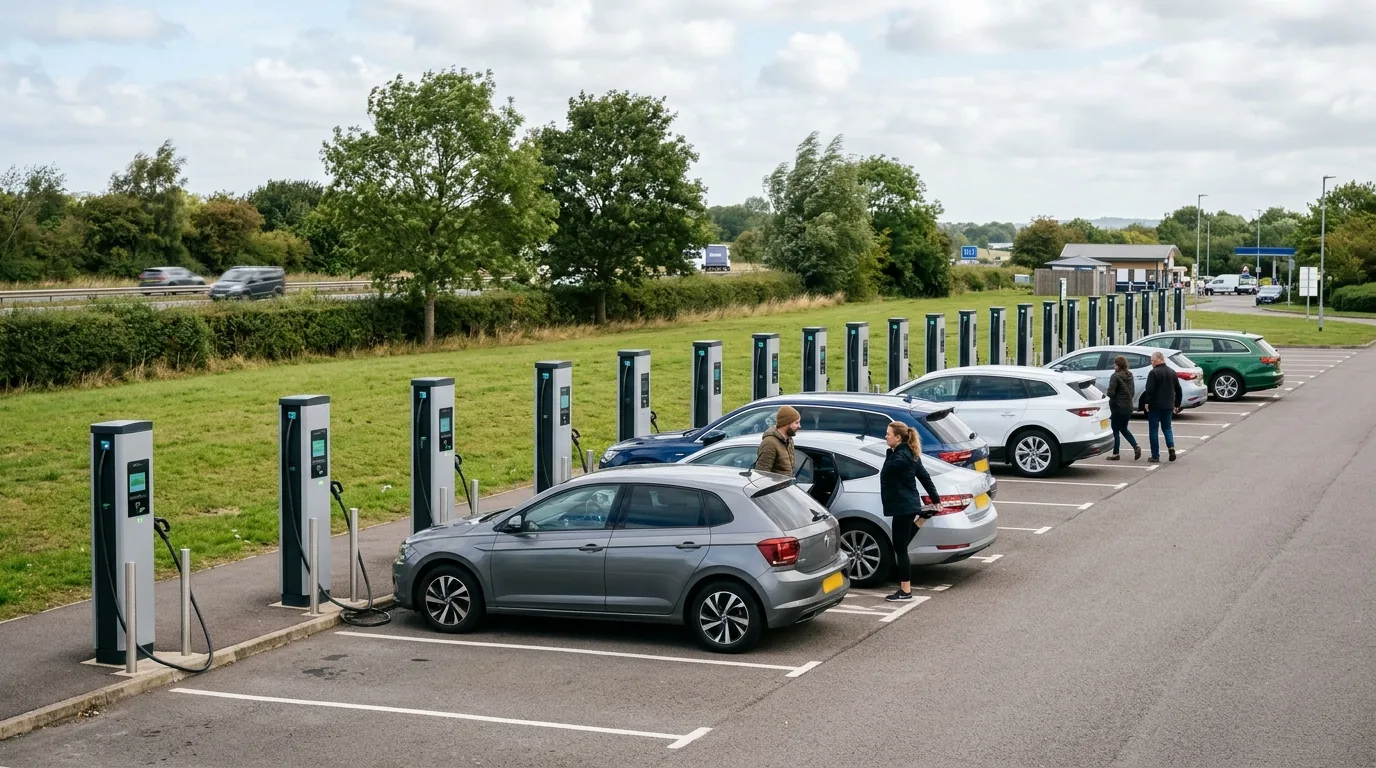
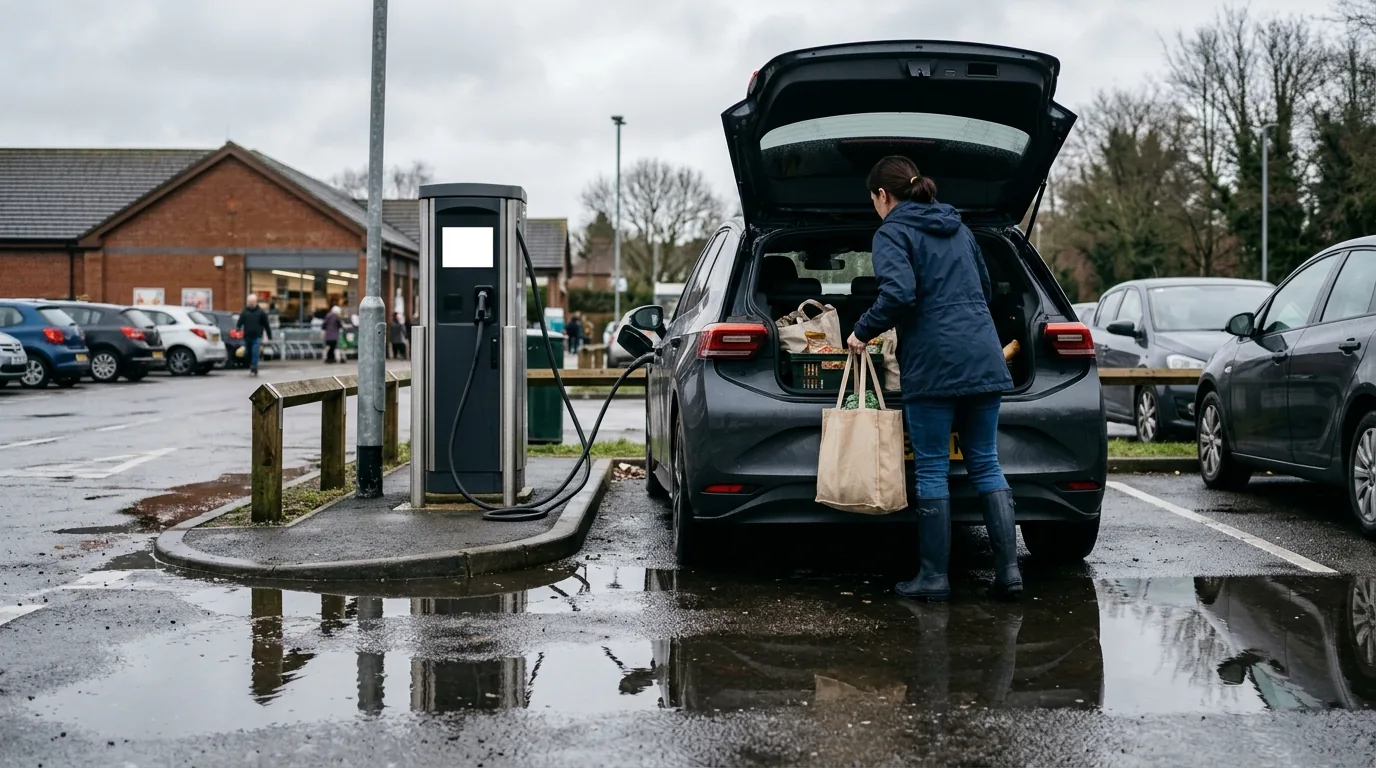
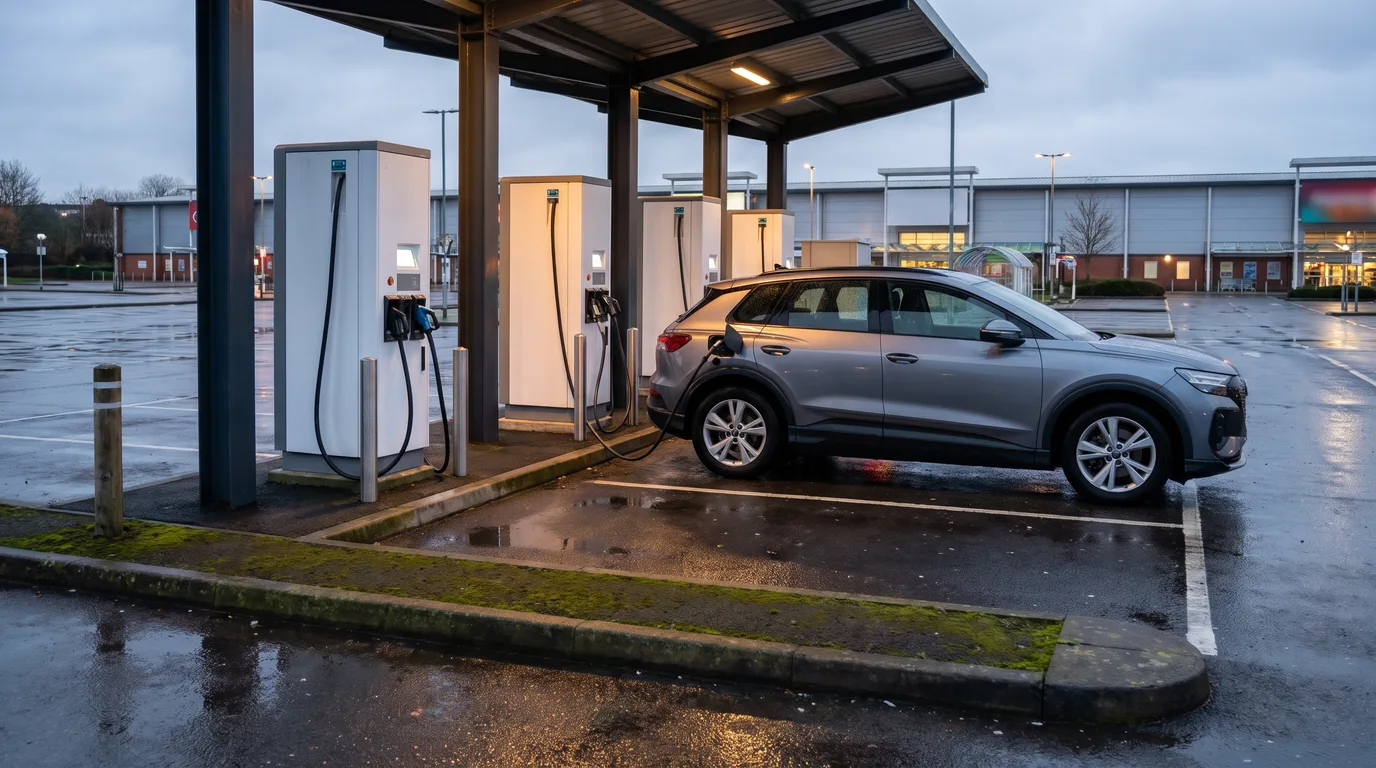
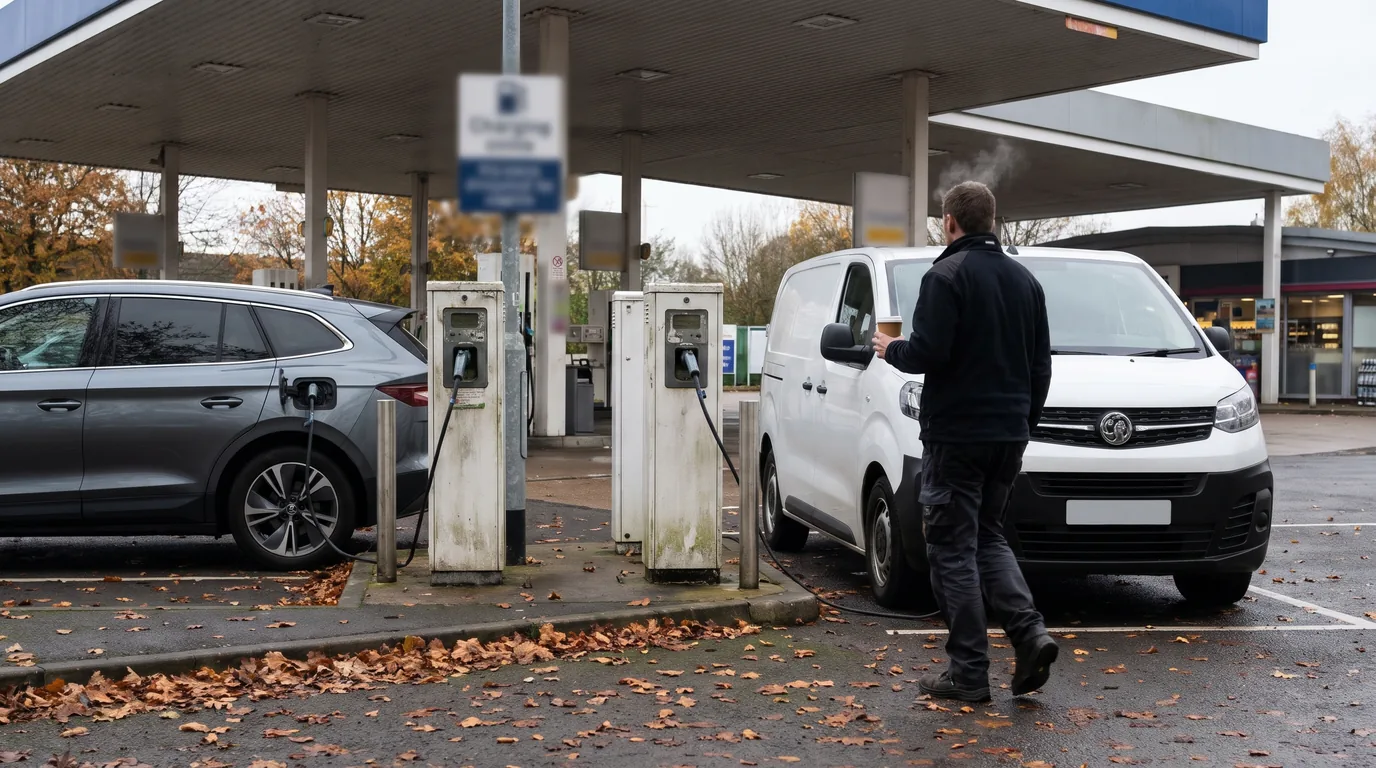
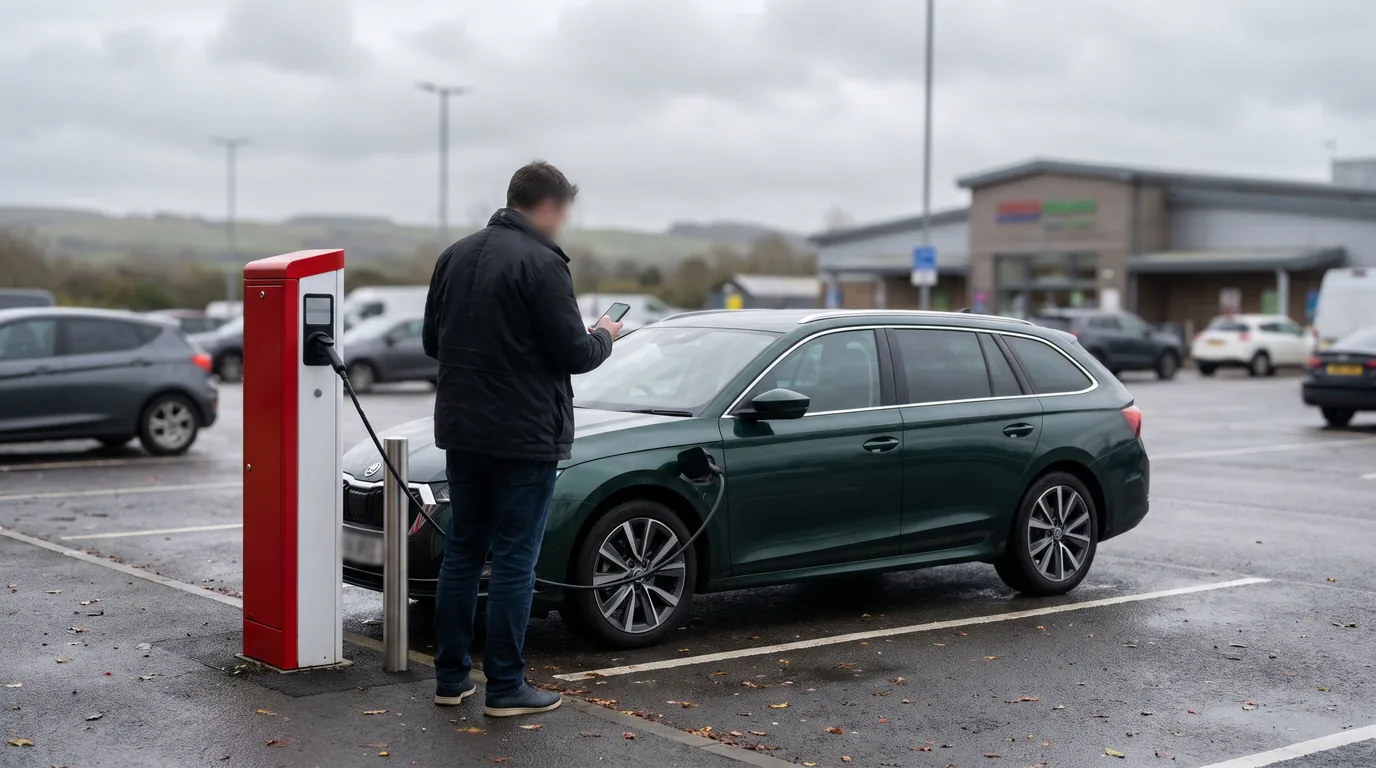
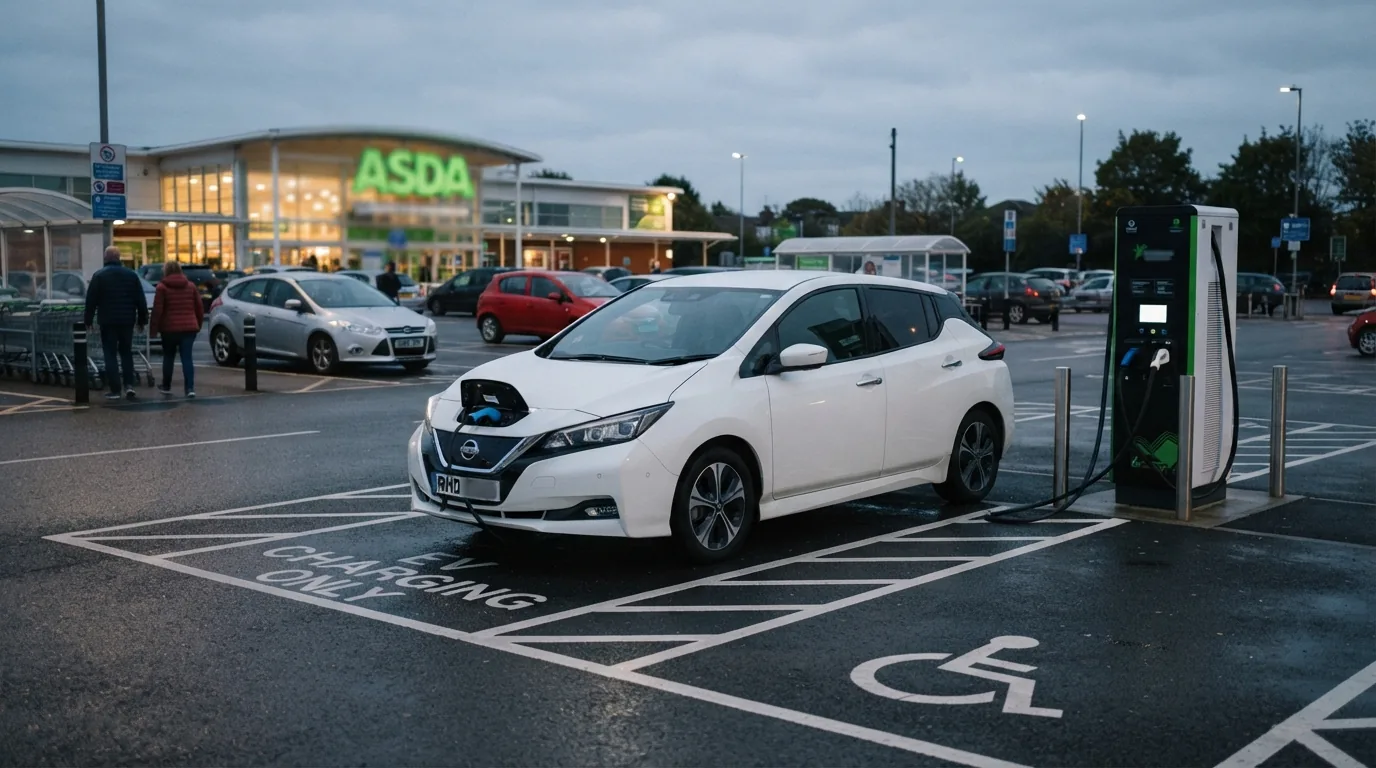
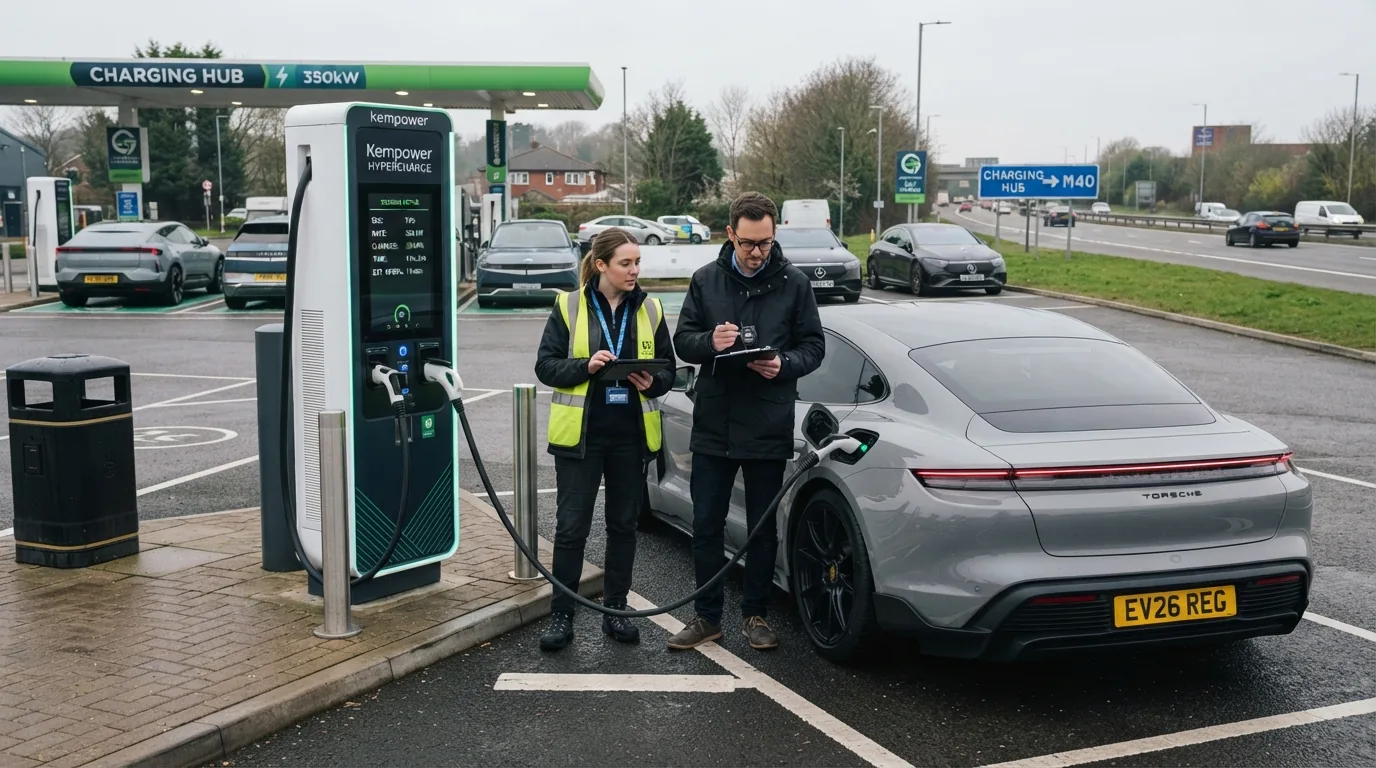
Aldi's car park chargers are run by Drax Electric Vehicles and cost 40p/kWh on fast chargers and 62p/kWh on rapid ones, paid by contactless or the Charge Assist app with no subscription.
Section
102articles
Aldi's car park chargers are run by Drax Electric Vehicles and cost 40p/kWh on fast chargers and 62p/kWh on rapid ones, paid by contactless or the Charge Assist app with no subscription.
BP Pulse charges 79p to 93p per kWh to pay as you go on its rapid and ultra-rapid chargers, and its £7.85 a month subscription pays for itself once you rapid charge about 40 kWh a month.
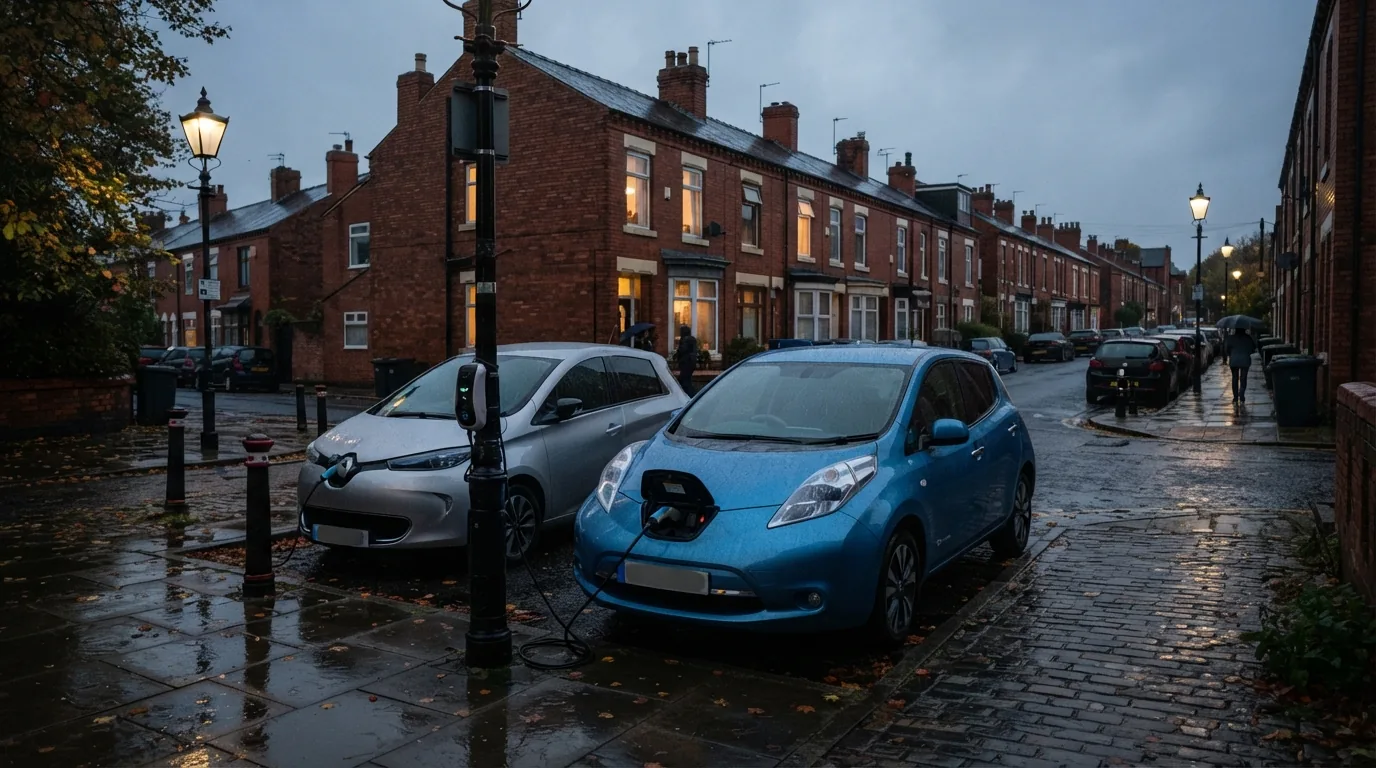
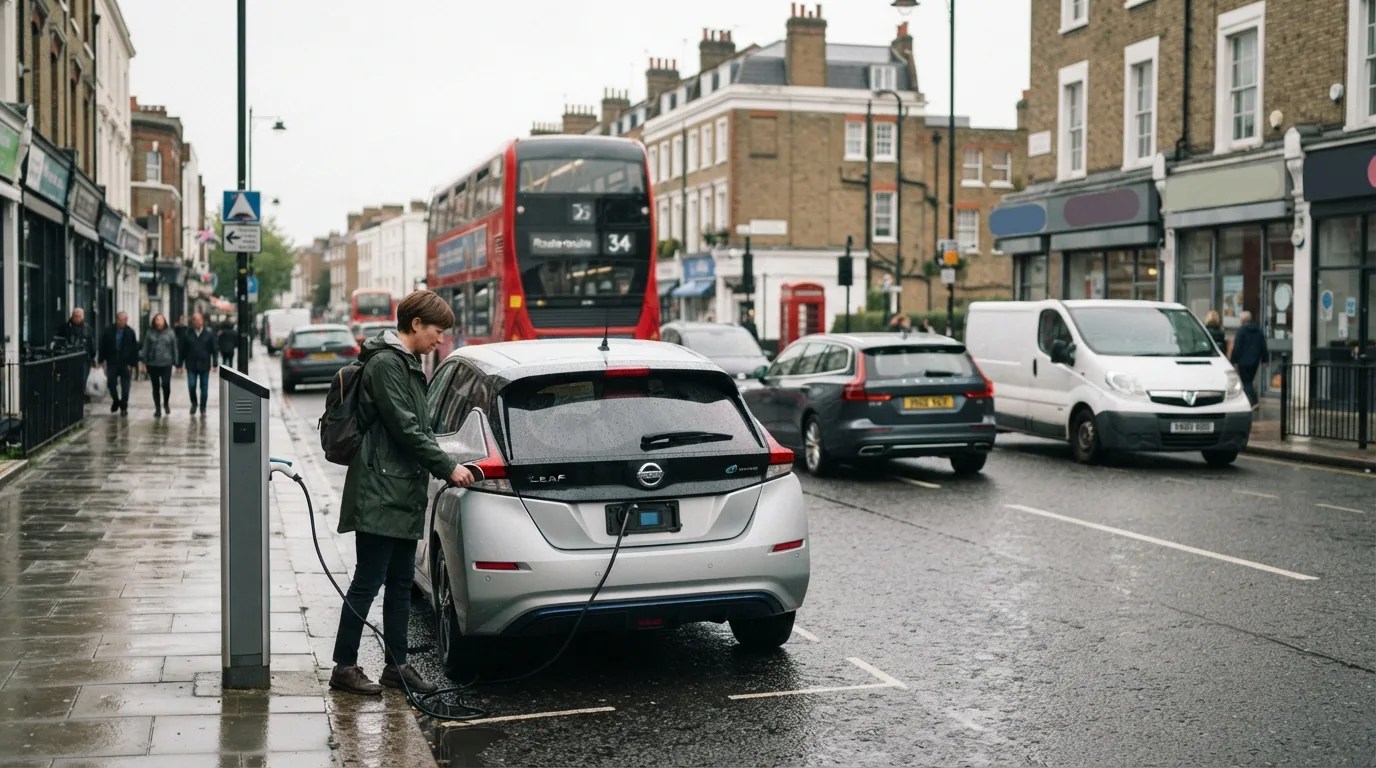
char.gy runs more than 6,000 slow on-street chargers mounted on lampposts, paid by app or browser at 39p/kWh on weekday nights and 59p/kWh by day.
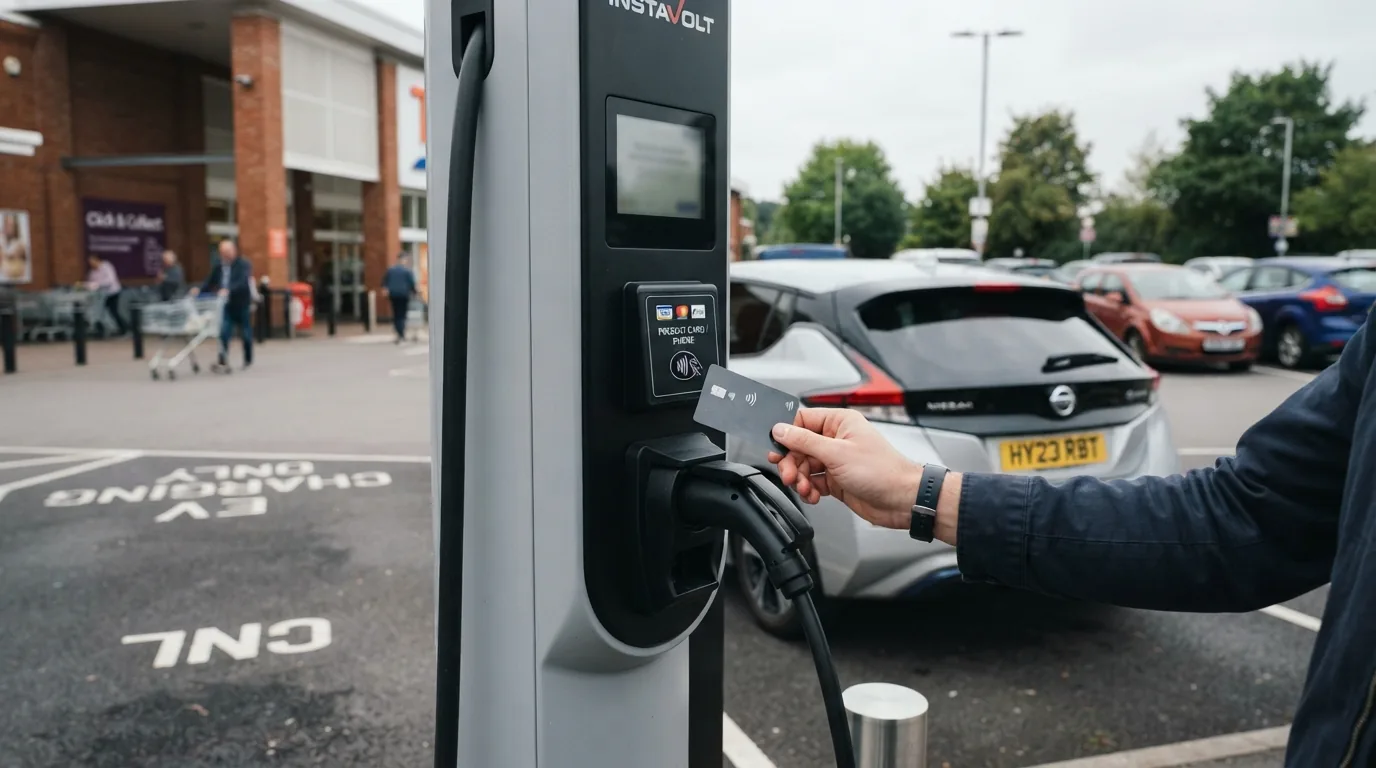
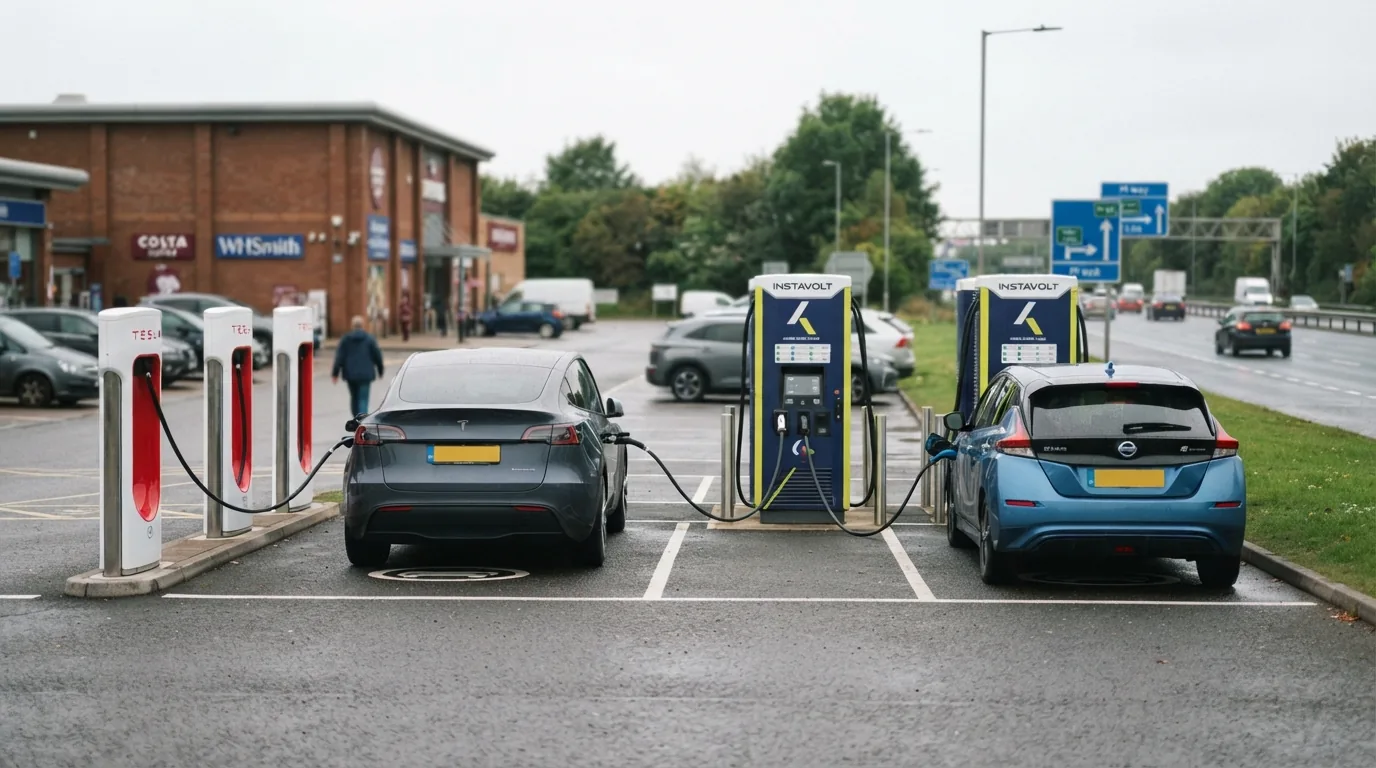
InstaVolt charges 92p/kWh at every rapid and ultra-rapid charger, falling to 55p/kWh for app and RFID sessions started between 8pm and 7am, with no subscription or connection fee.
Electroverse is a free Octopus Energy app and RFID card that starts and pays for charges on more than 1,300 networks at rates set by each operator, with discounts for Octopus EV tariff customers and optional network subscriptions.
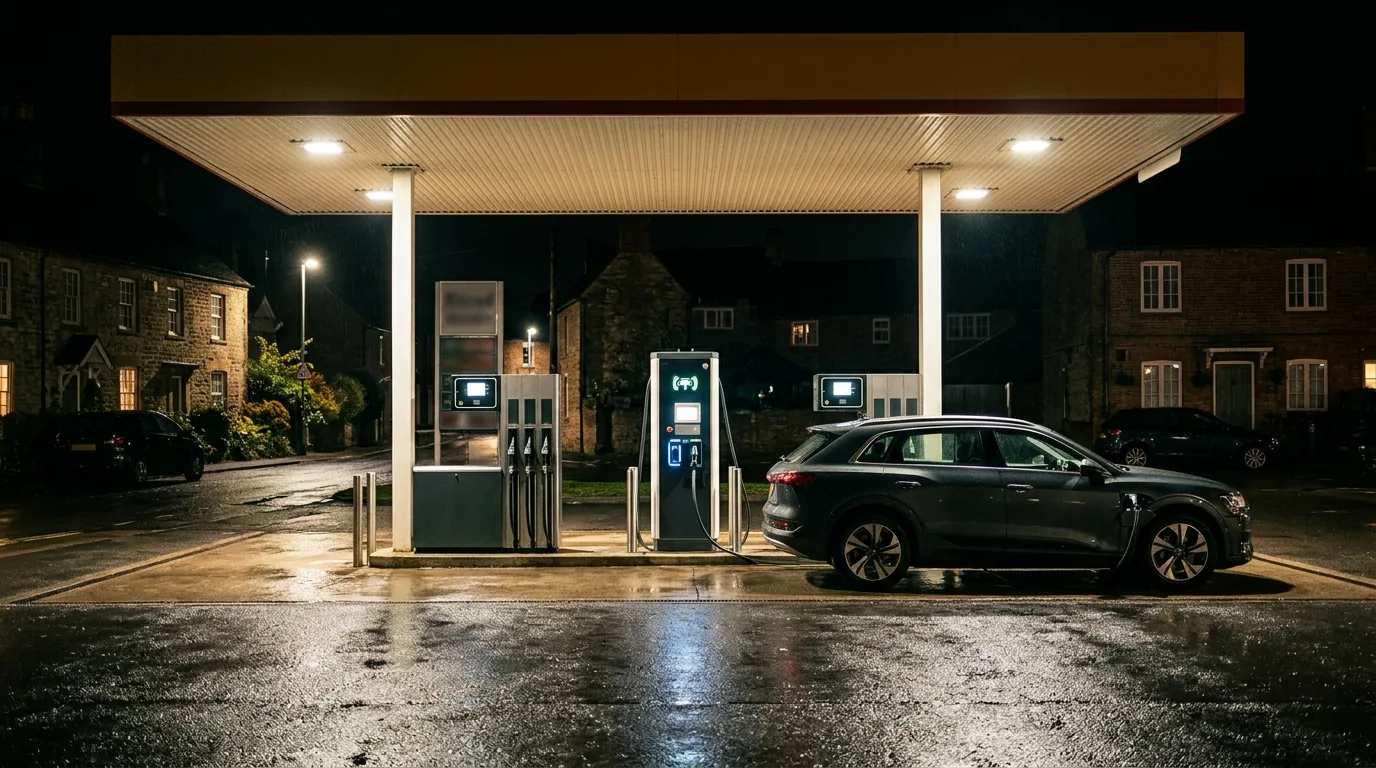
Shell Recharge rapid chargers cost 74p to 89p per kWh in November 2026, 10p less through the Shell App, and its on-street posts run by ubitricity cost 45p to 67p.
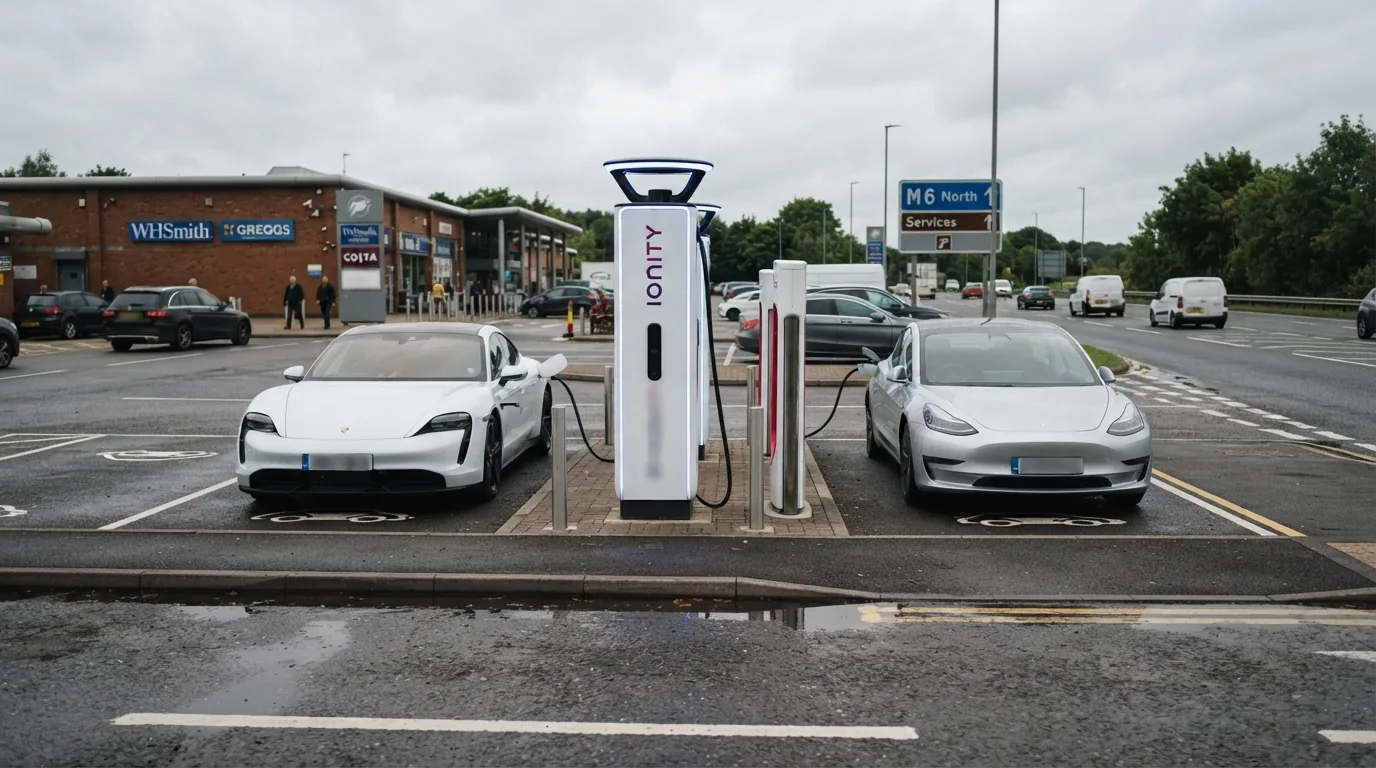
A Tesla Supercharger is Tesla's own rapid charging network: Tesla drivers paid 48p/kWh on it in October 2026, other EVs paid 69p at open sites, and both beat the 82p UK rapid average.
ubitricity runs Shell Recharge On-street, the UK's biggest charging network by charger count: lamppost points of about 5 kW, paid by the kWh by card or app, at 45p overnight, 56p in the day and 67p from 4pm to 8pm.
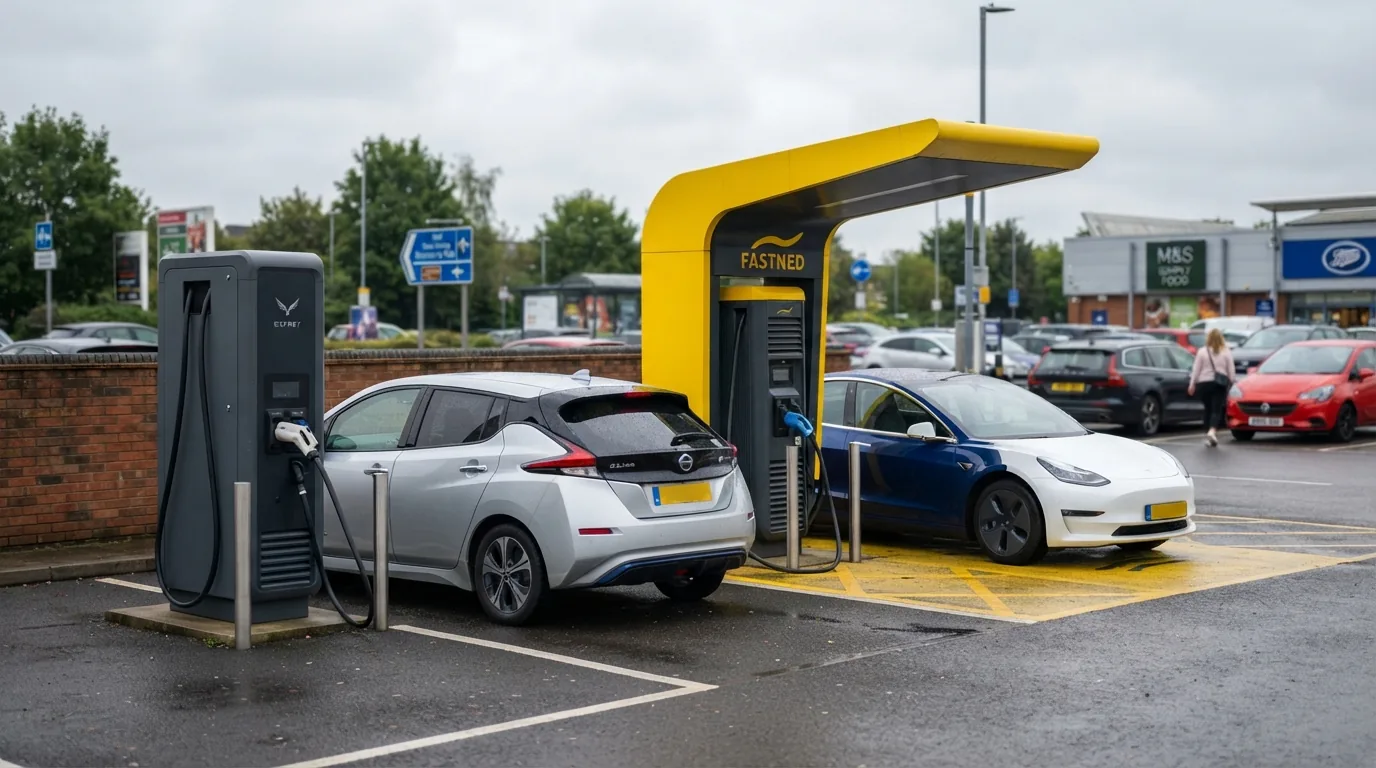
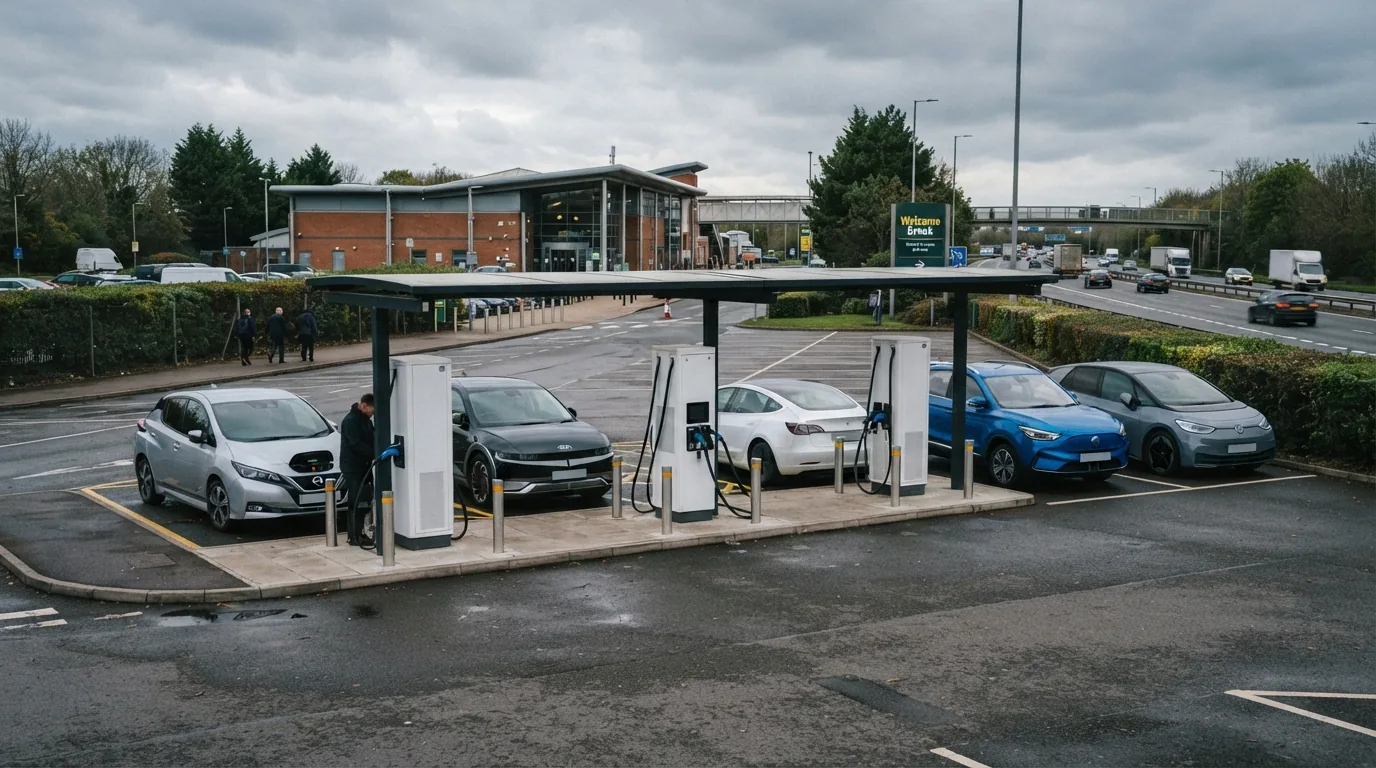
A CCS charger is a public DC rapid charger with a Combined Charging System plug, the standard almost all new electric cars in the UK use for fast charging.
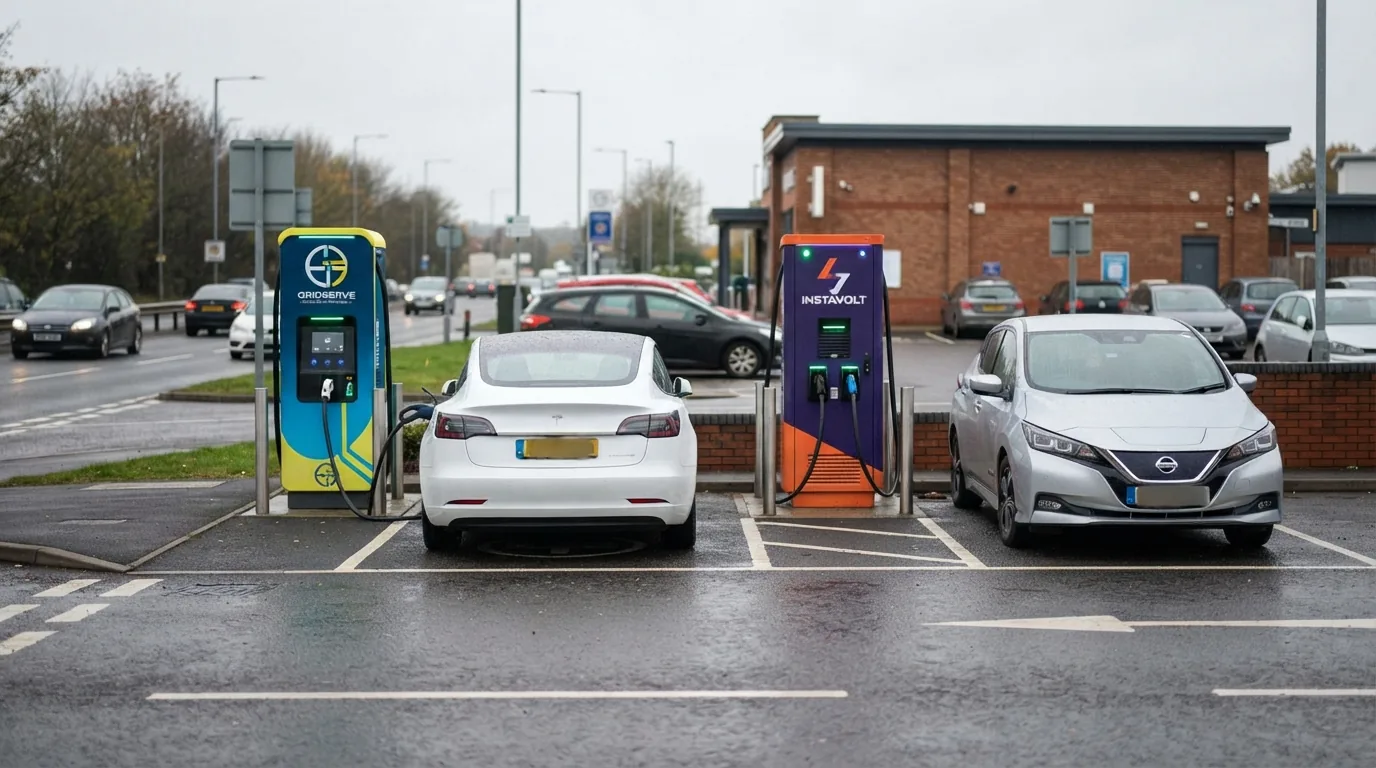
CHAdeMO is a DC rapid charging plug used mainly by Nissan Leafs built up to 2024, and in the UK you will find it at every InstaVolt site and on Gridserve's 50 kW bays, priced from 55p to 92p/kWh.
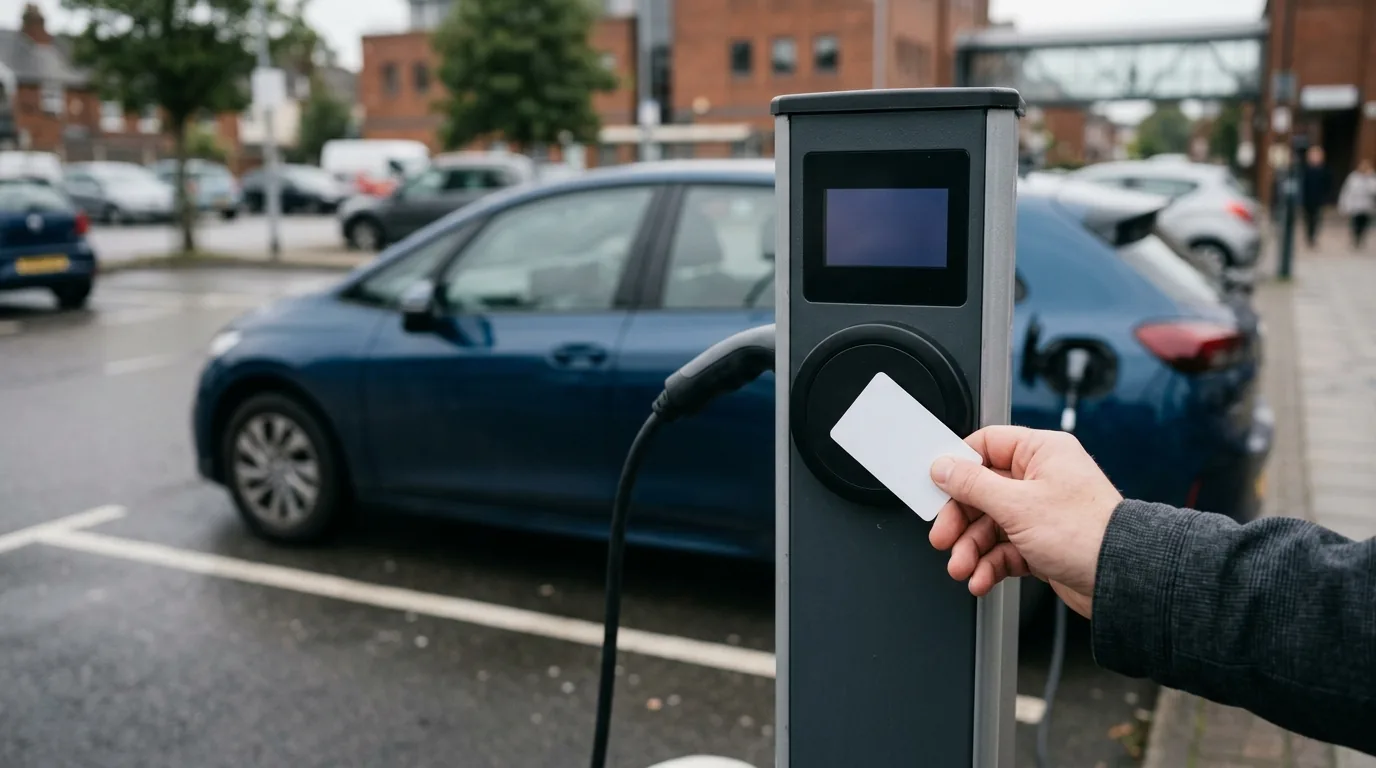
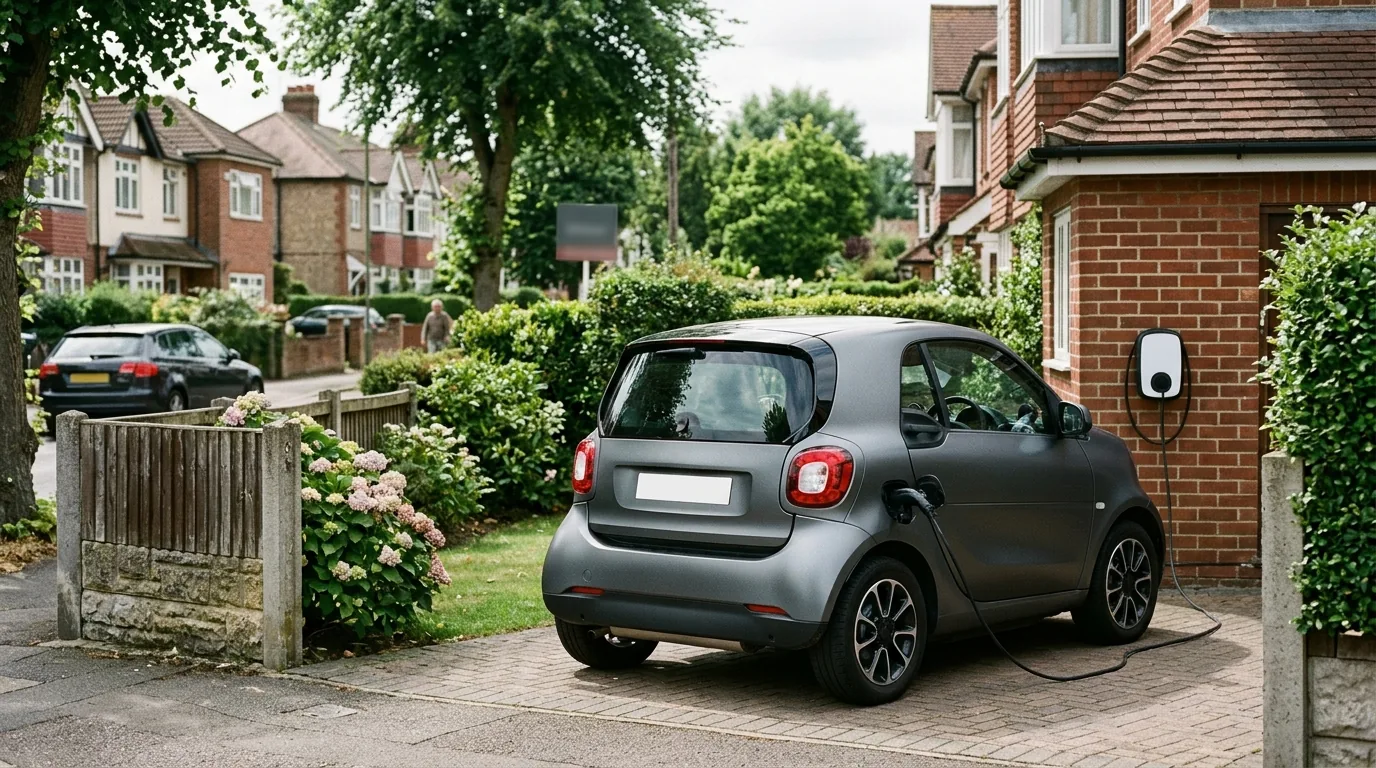
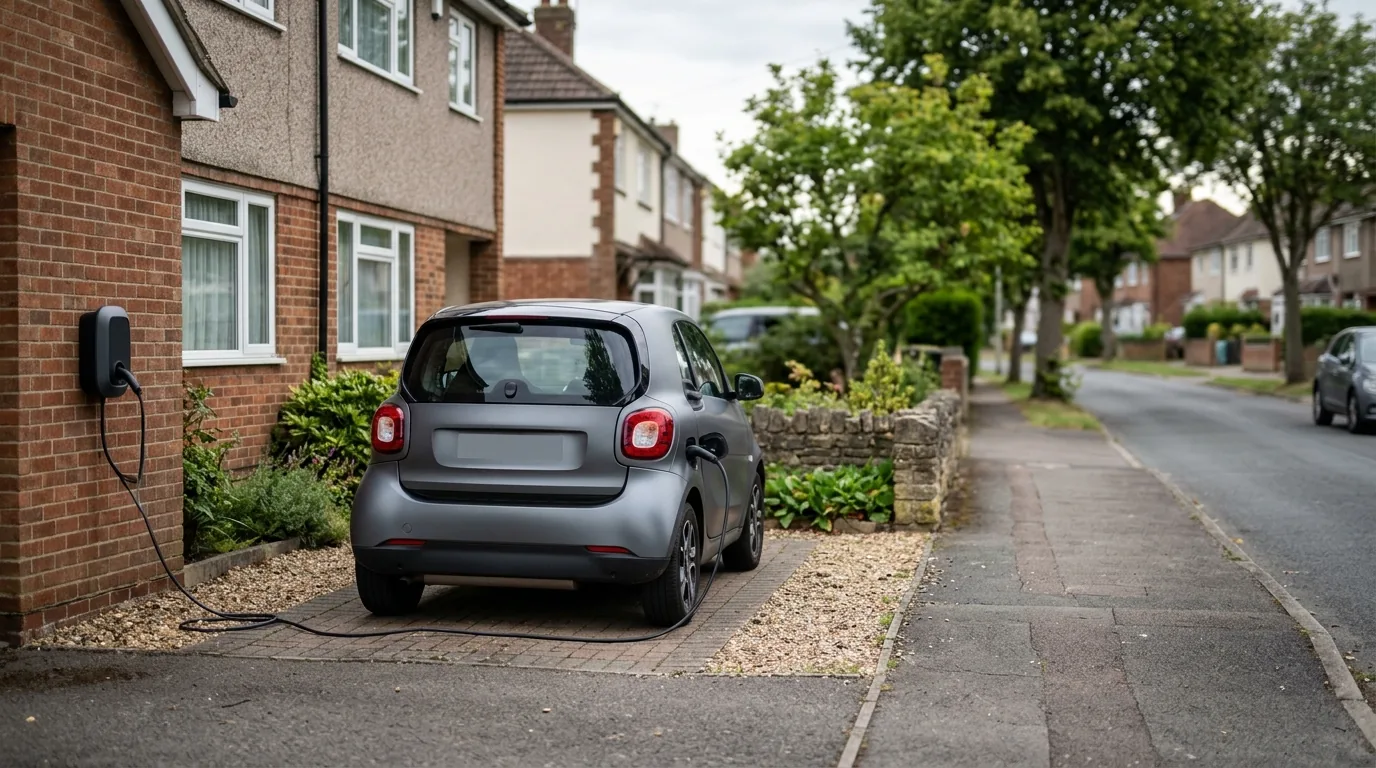
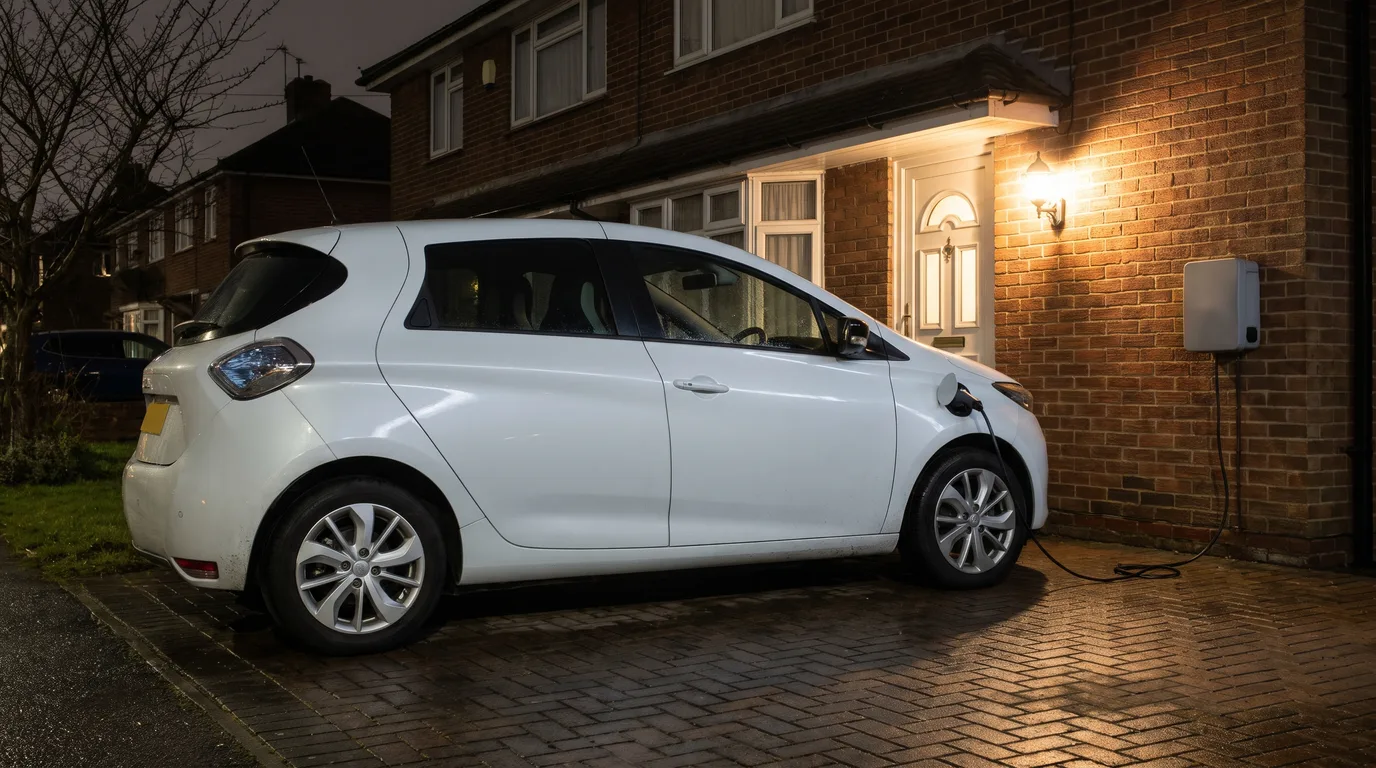
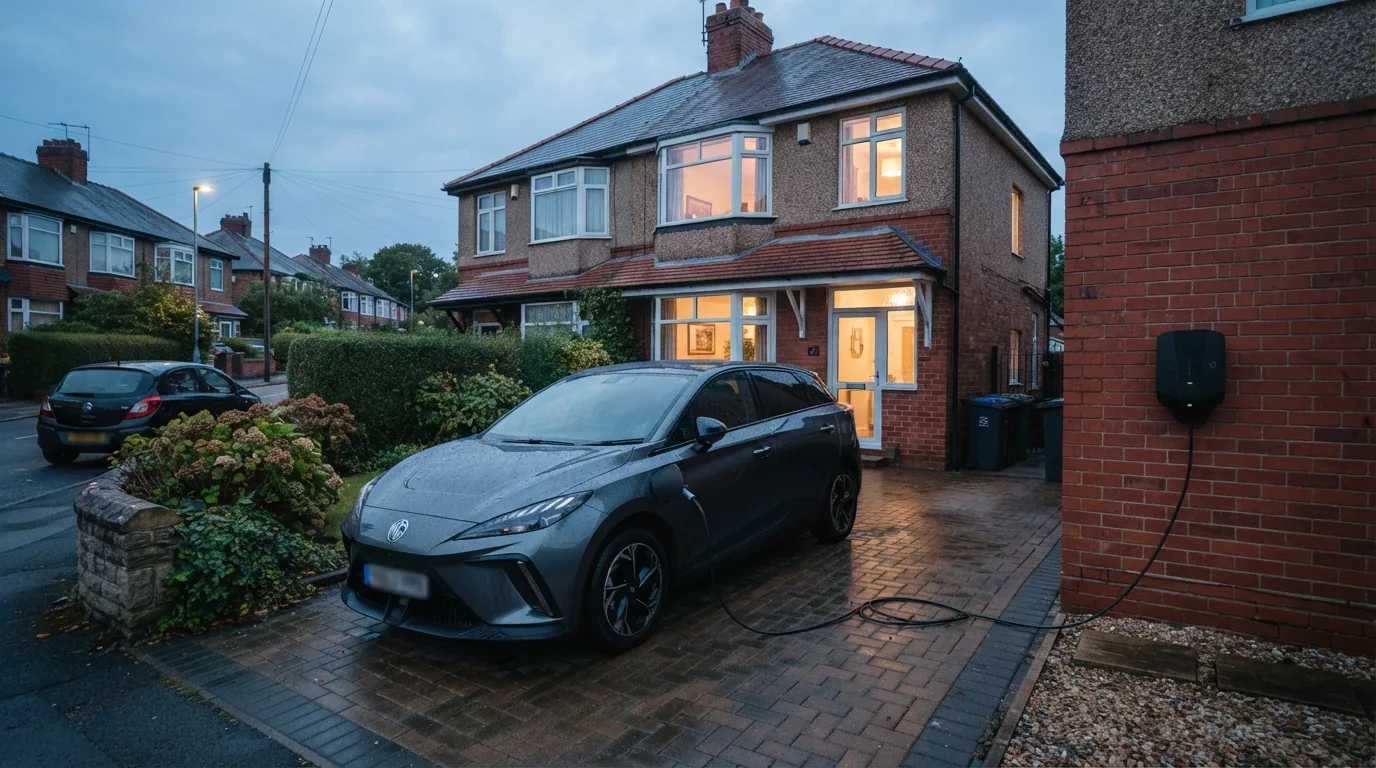
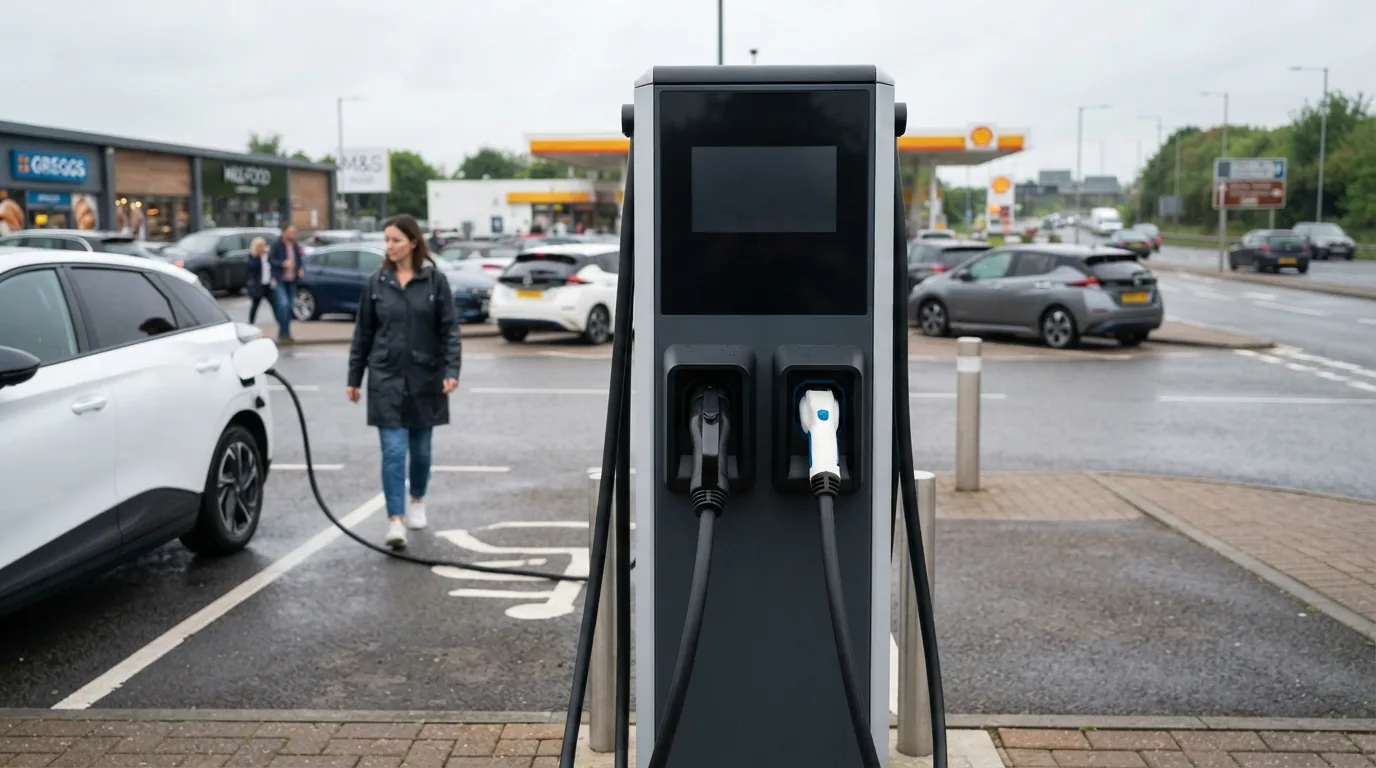
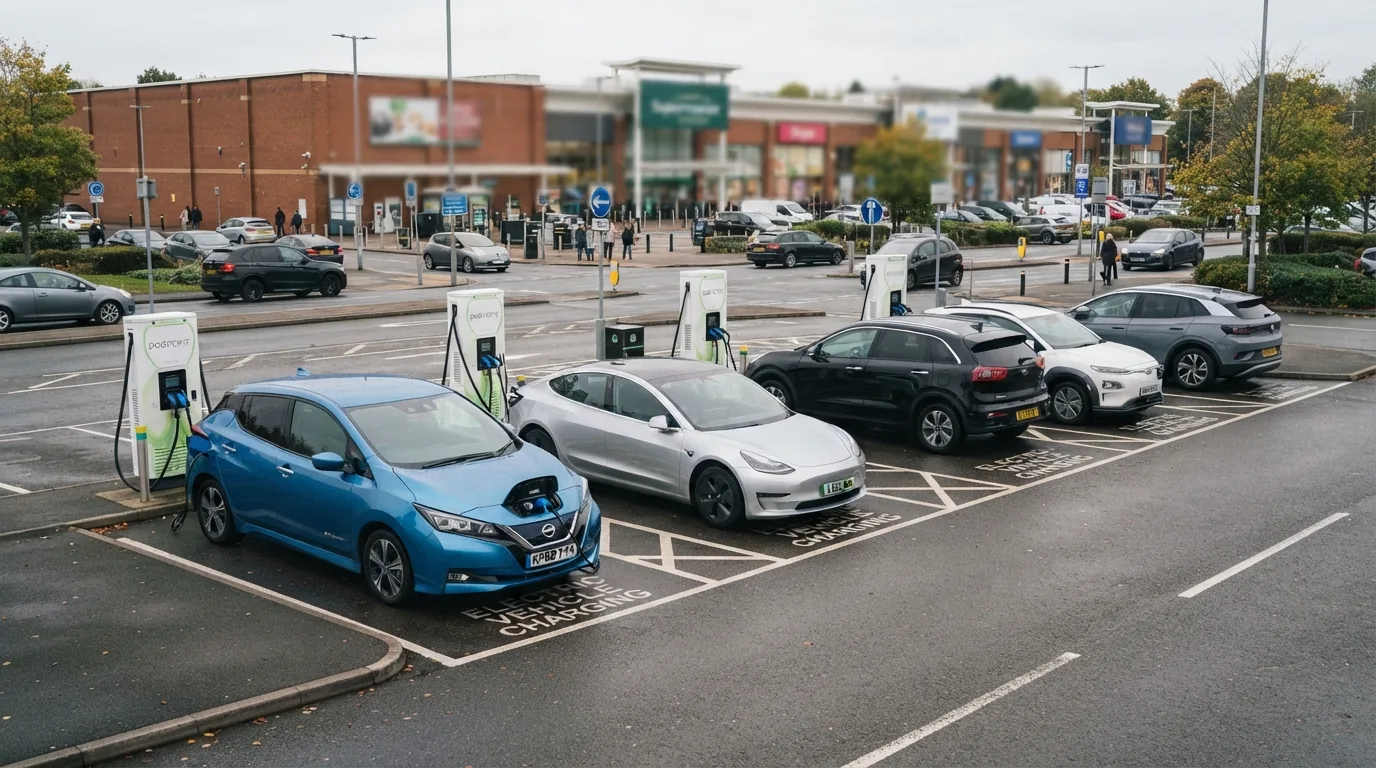
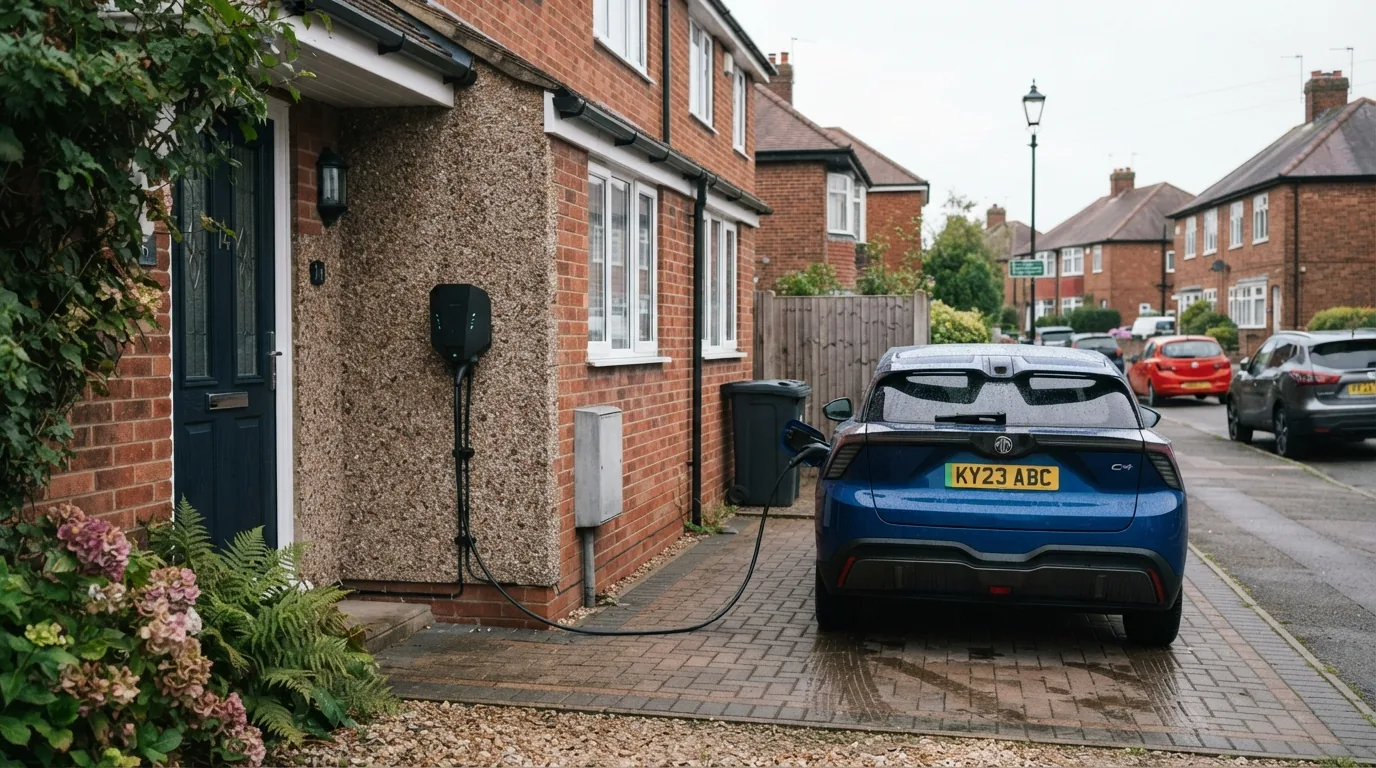
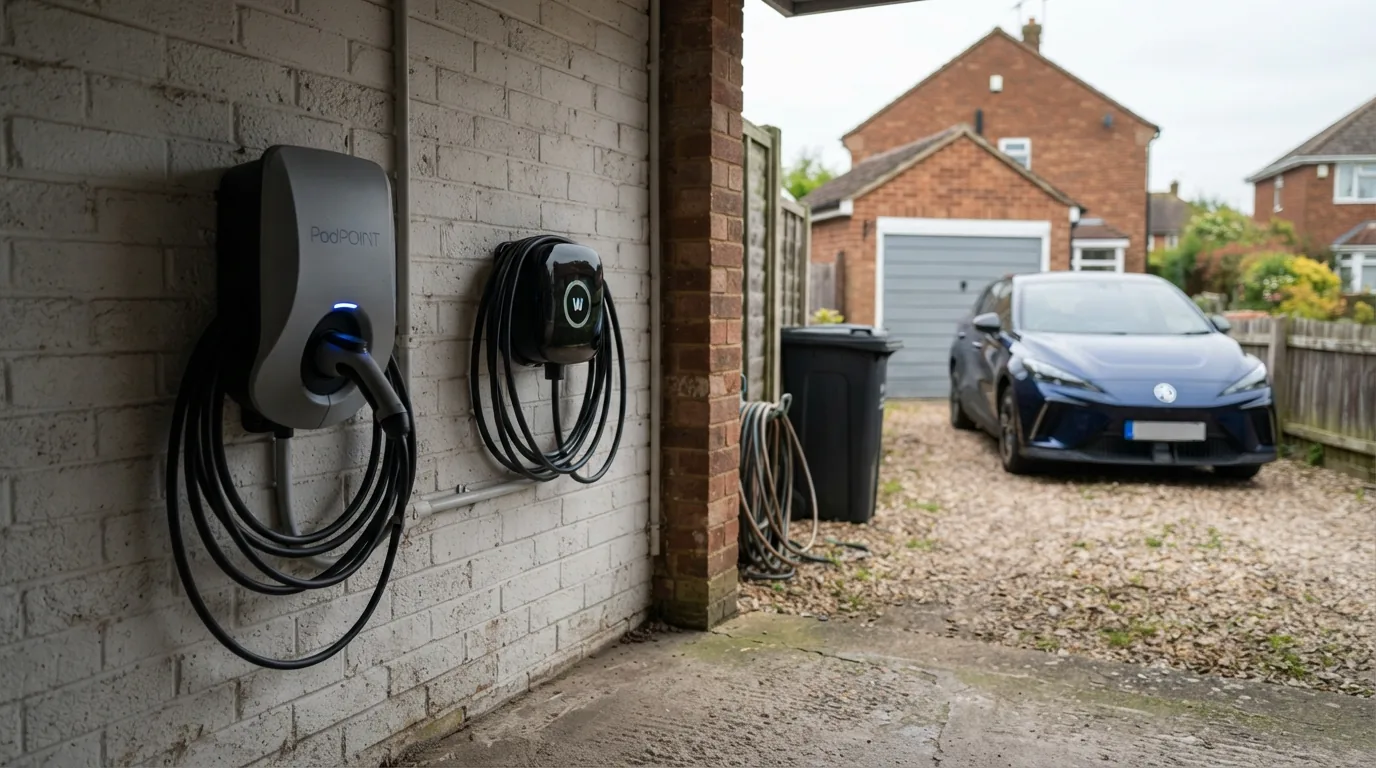
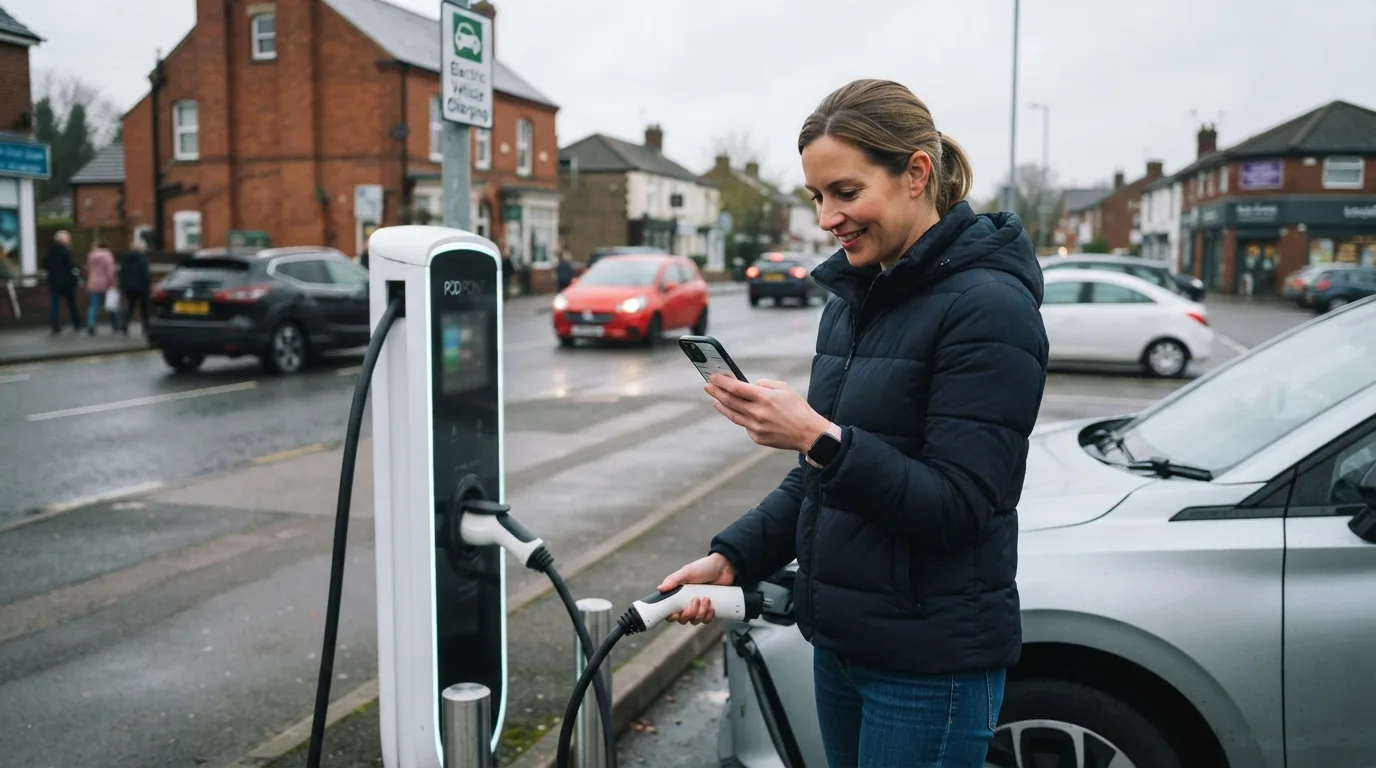
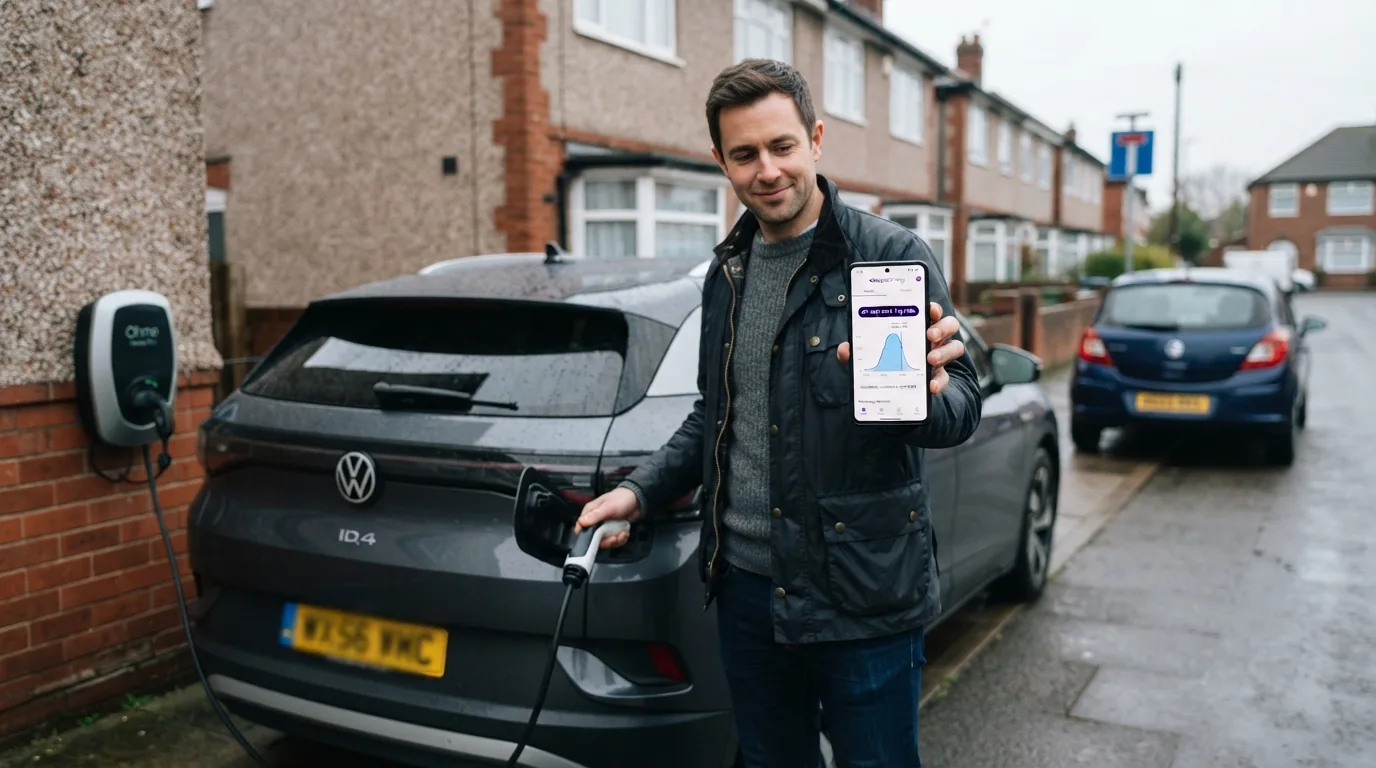
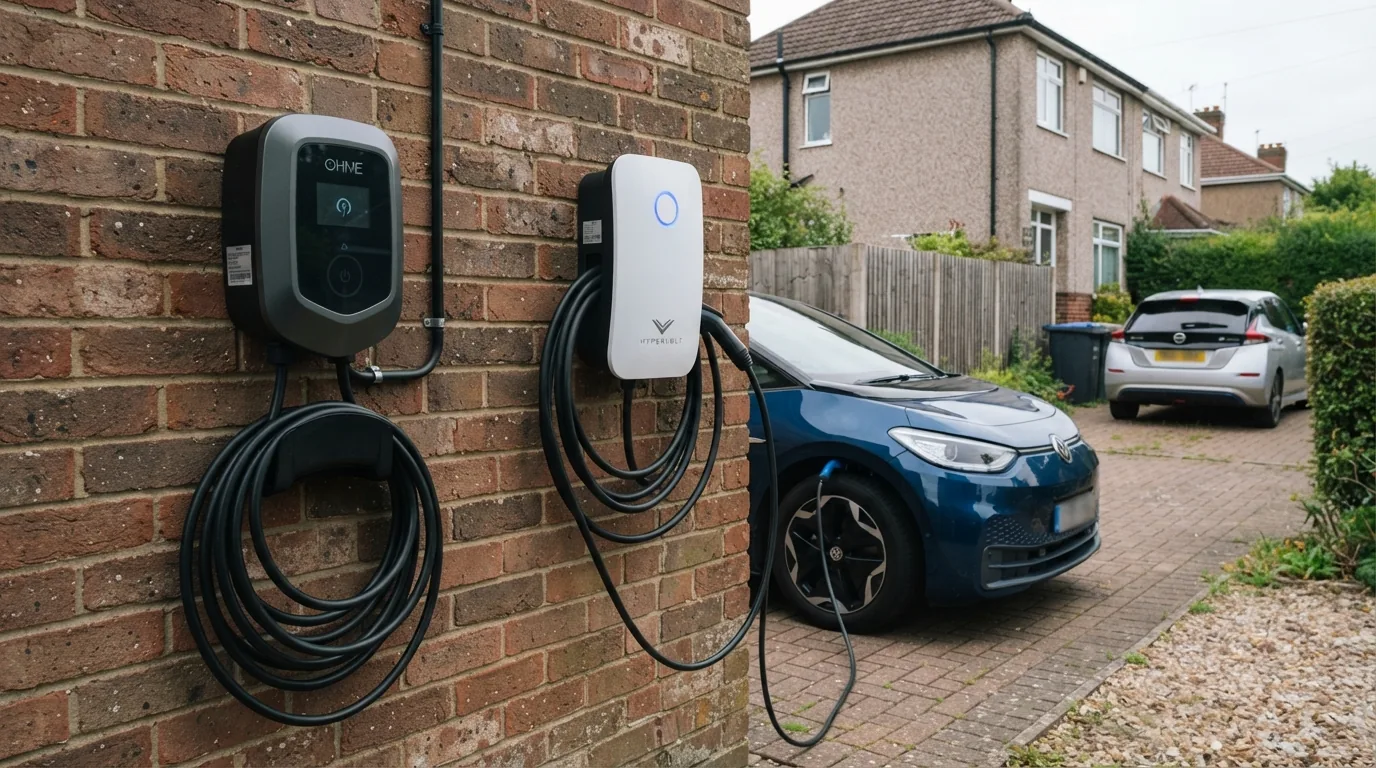
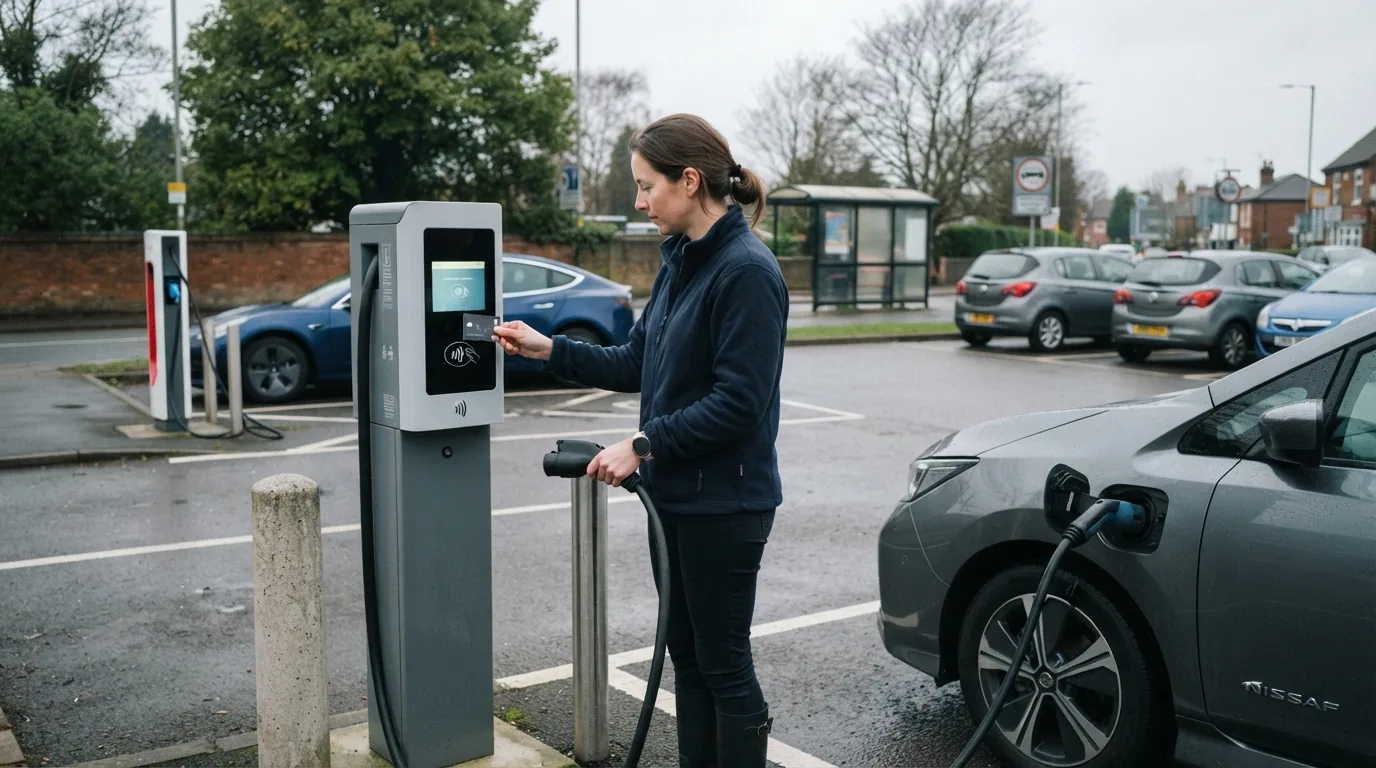
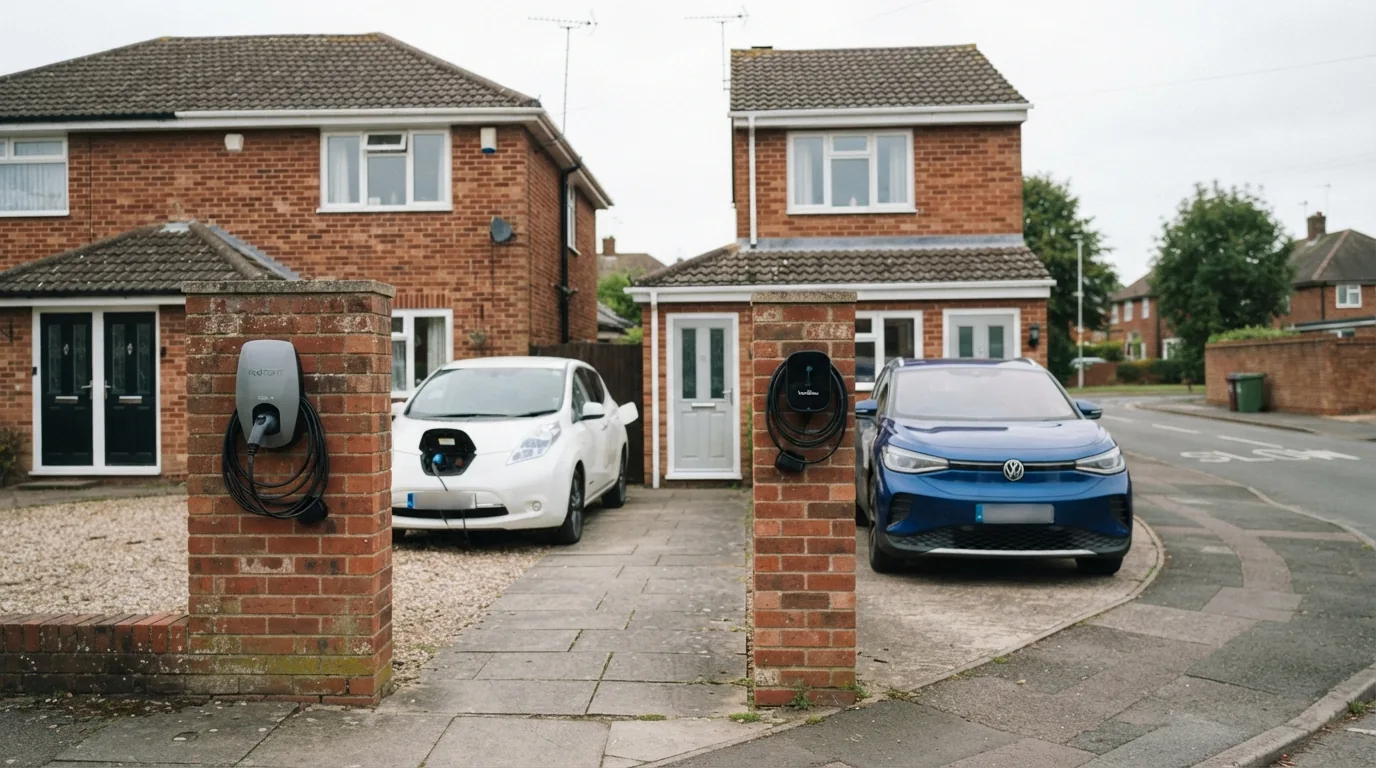
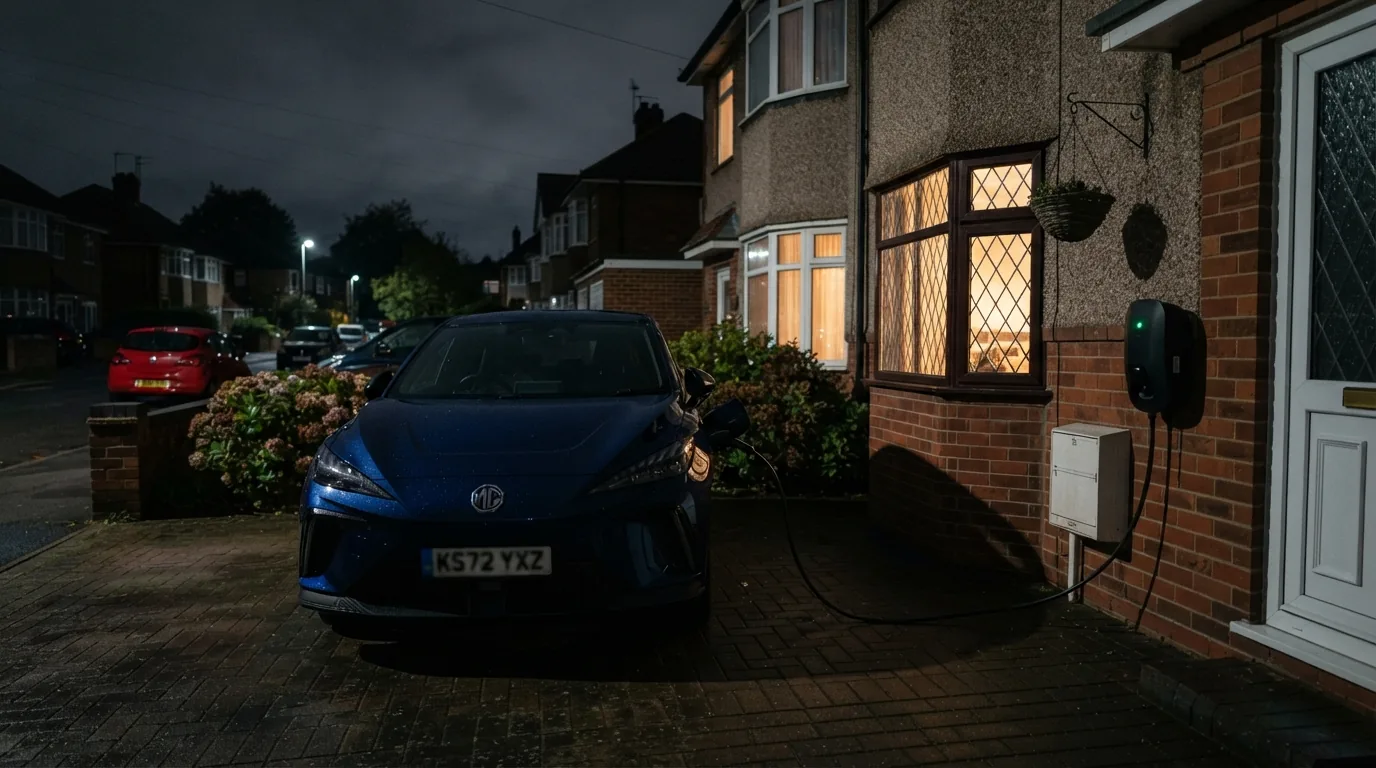
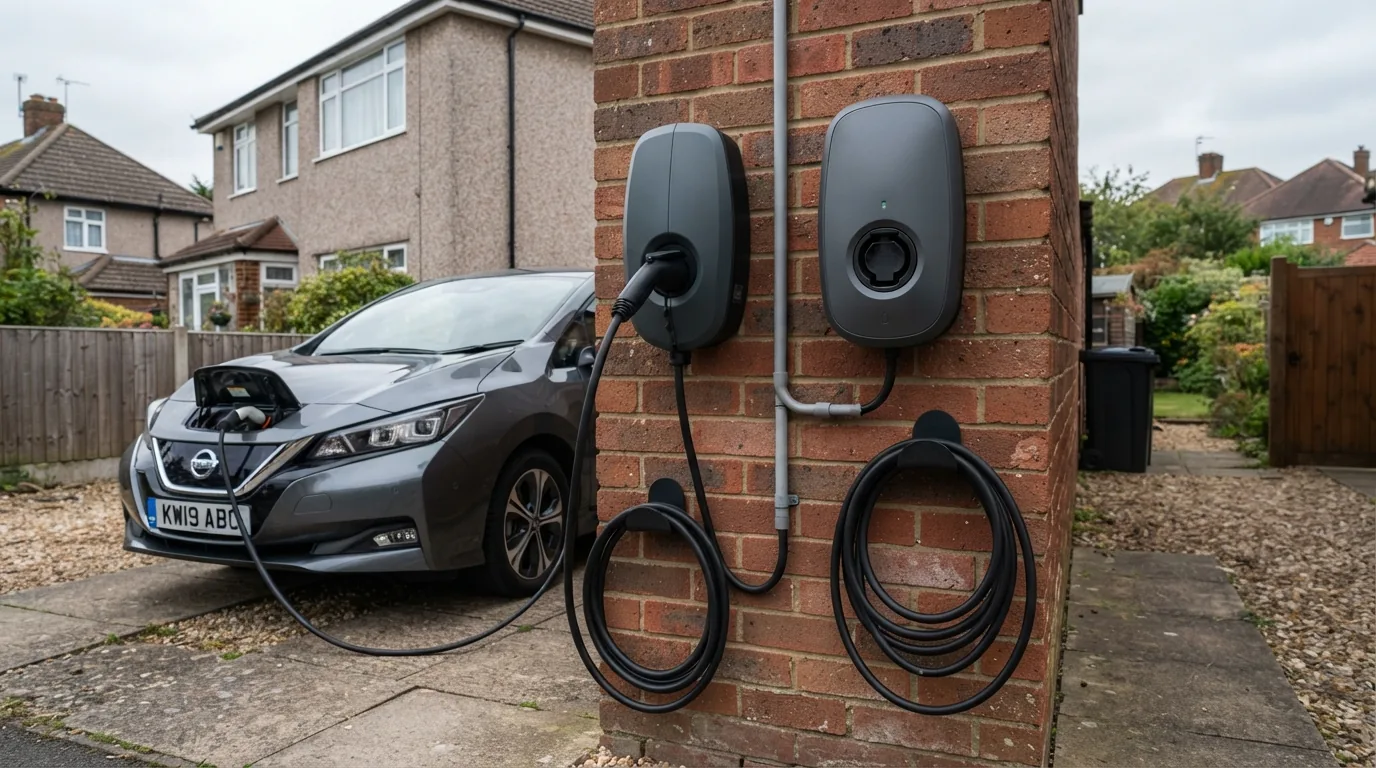
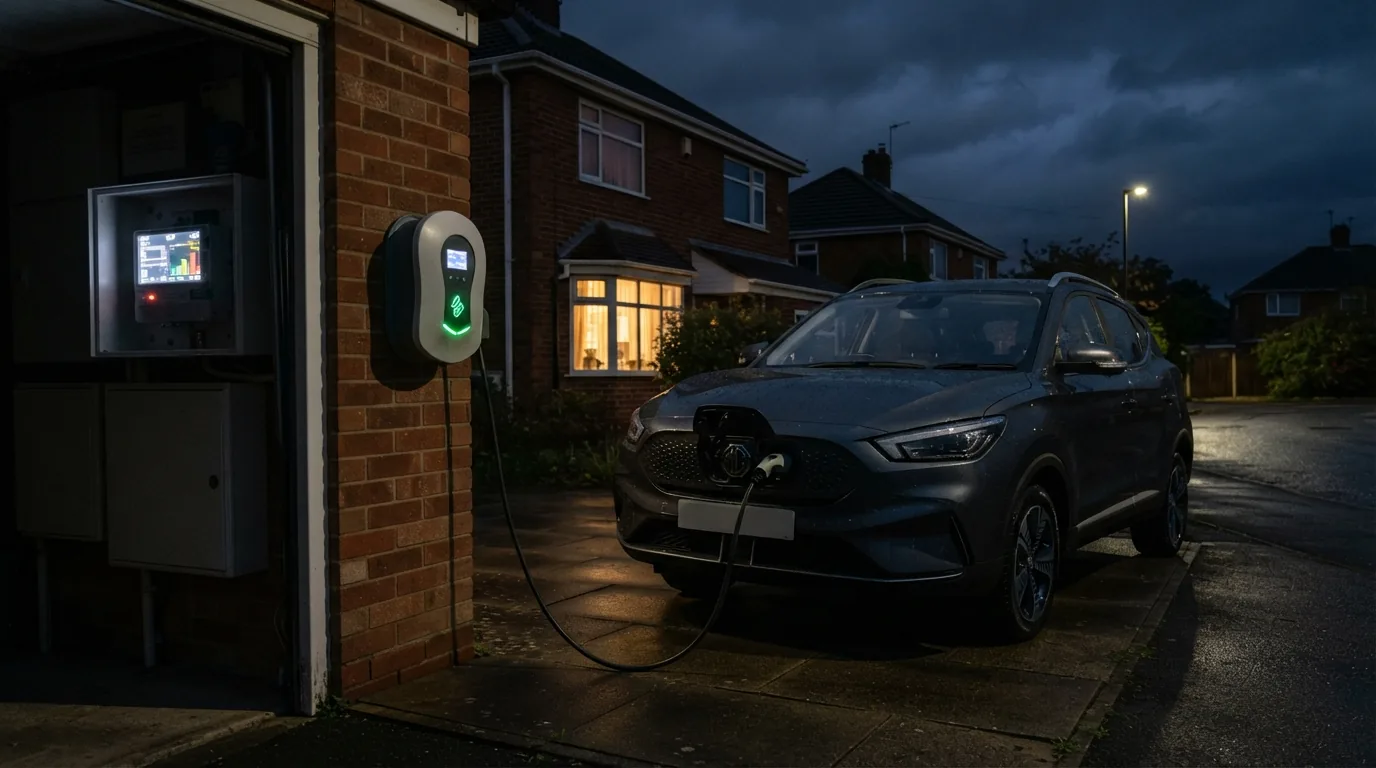
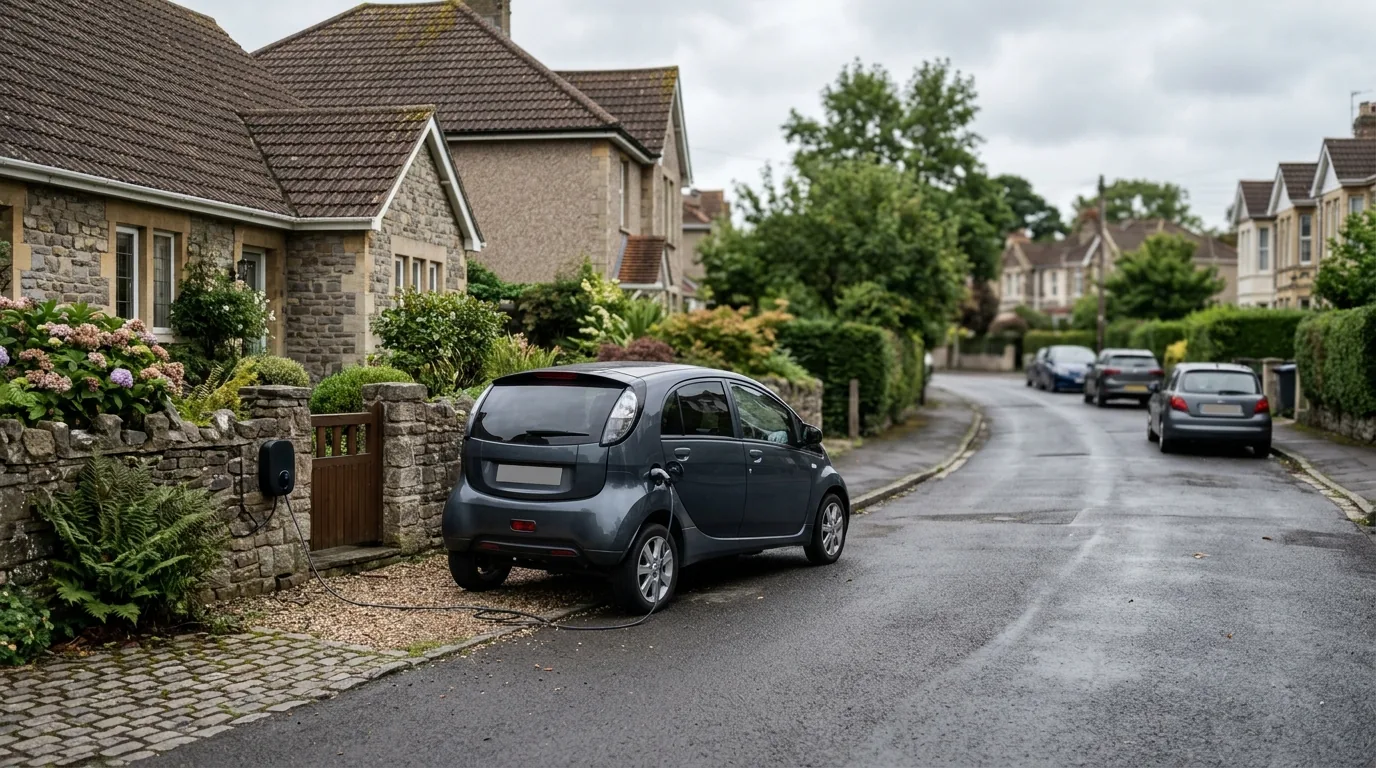
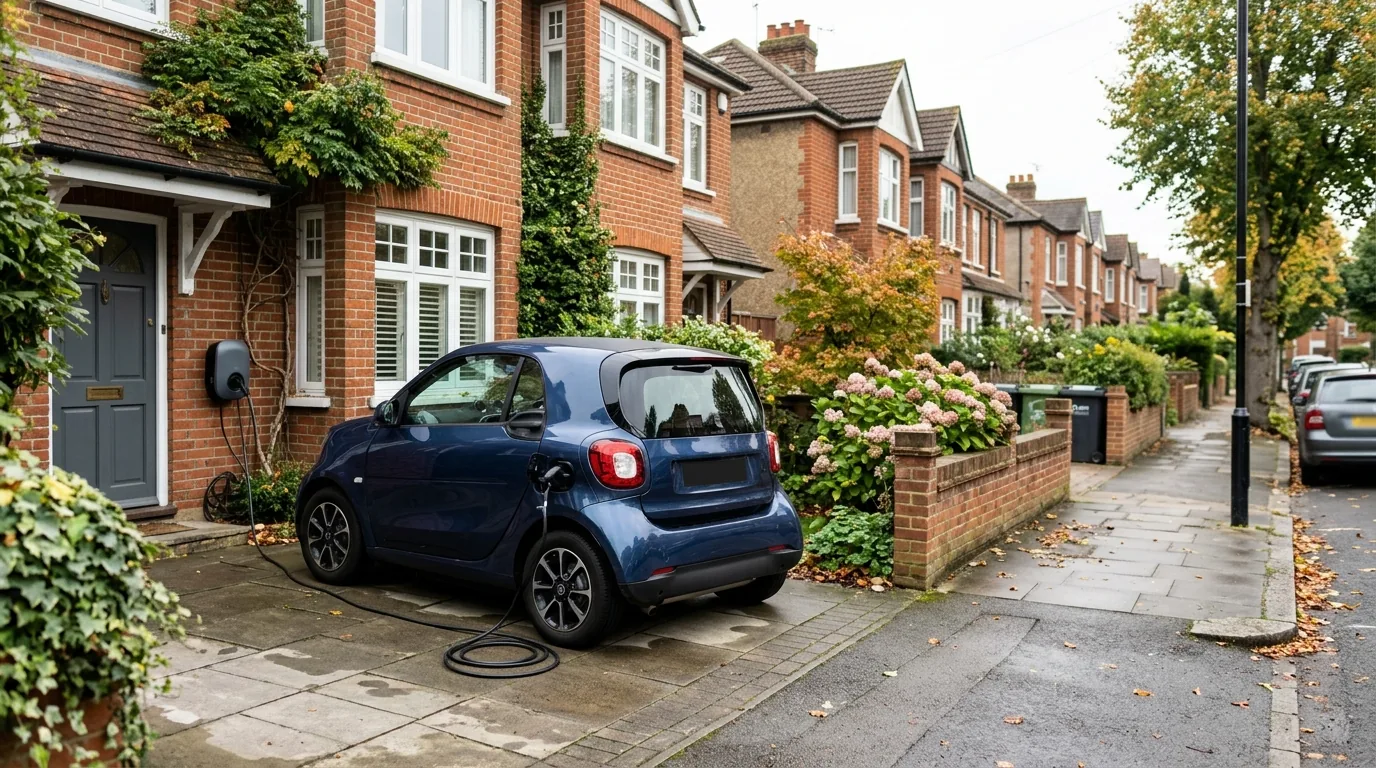
You charge an electric car by plugging it into a home wallbox, a public AC charger with your own Type 2 cable, or a rapid charger with a built-in CCS cable, then paying by app, card or contactless.
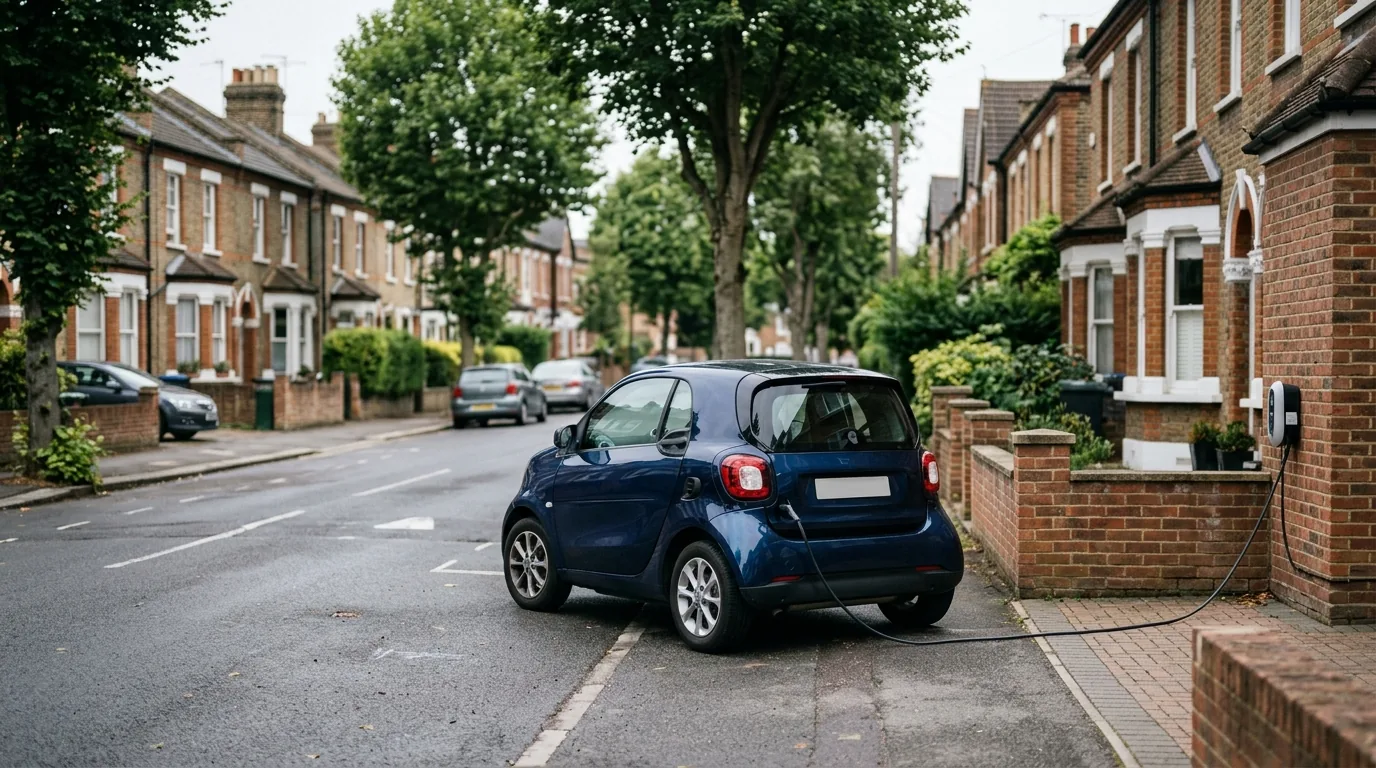
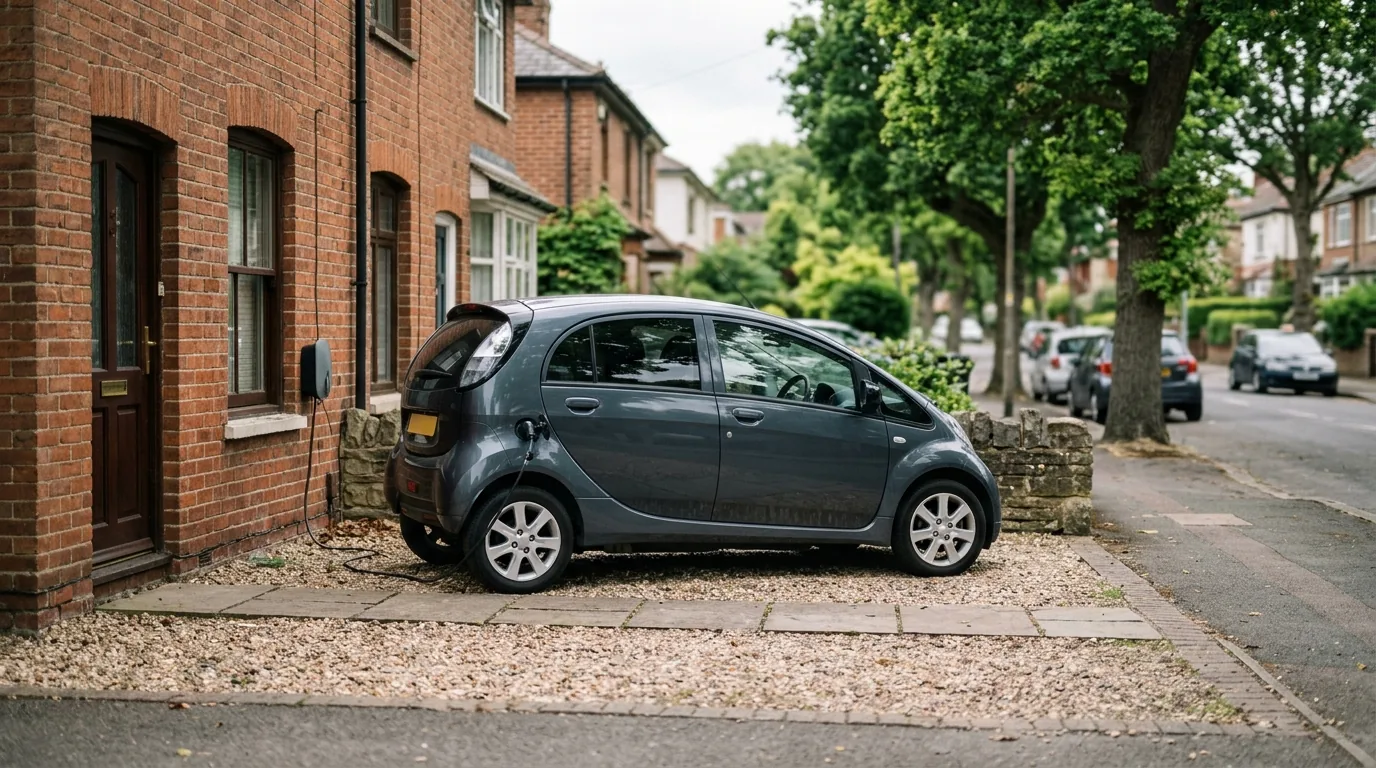
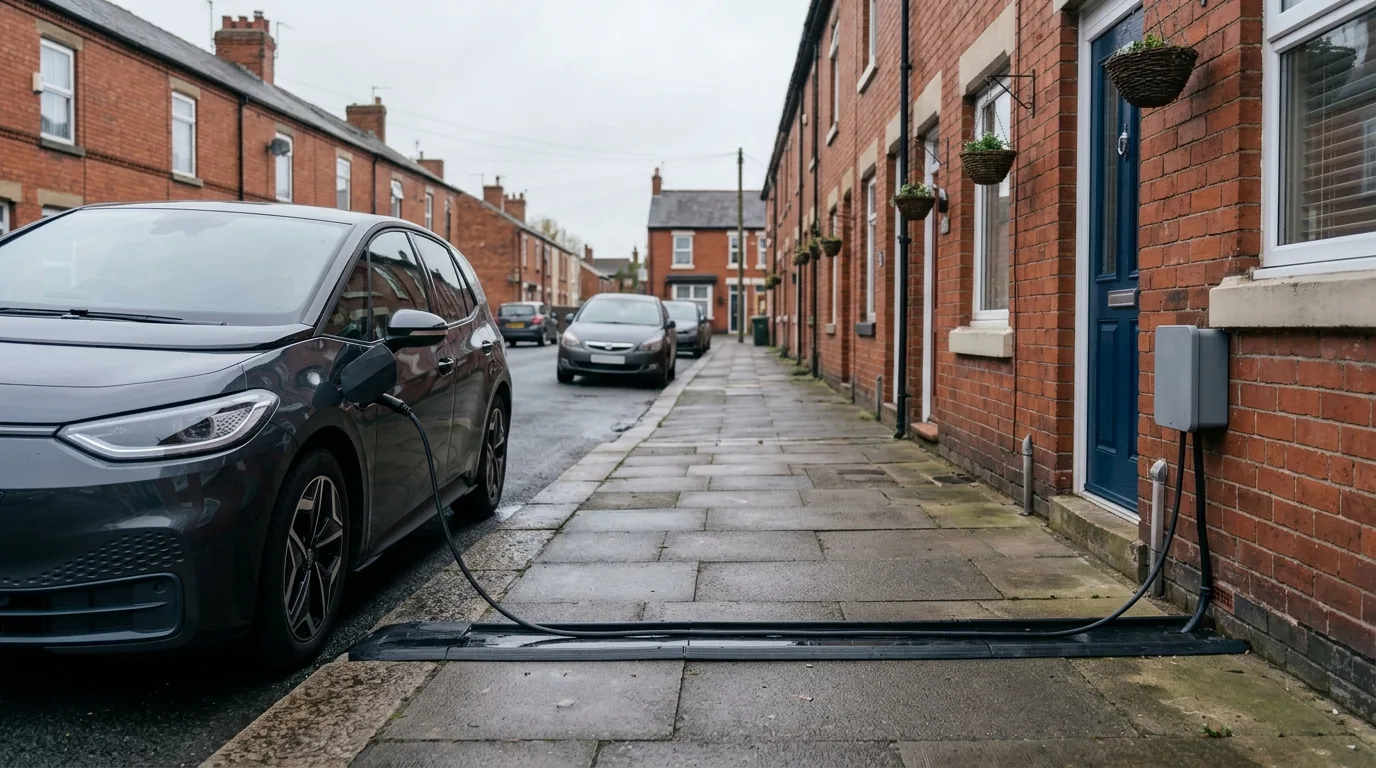
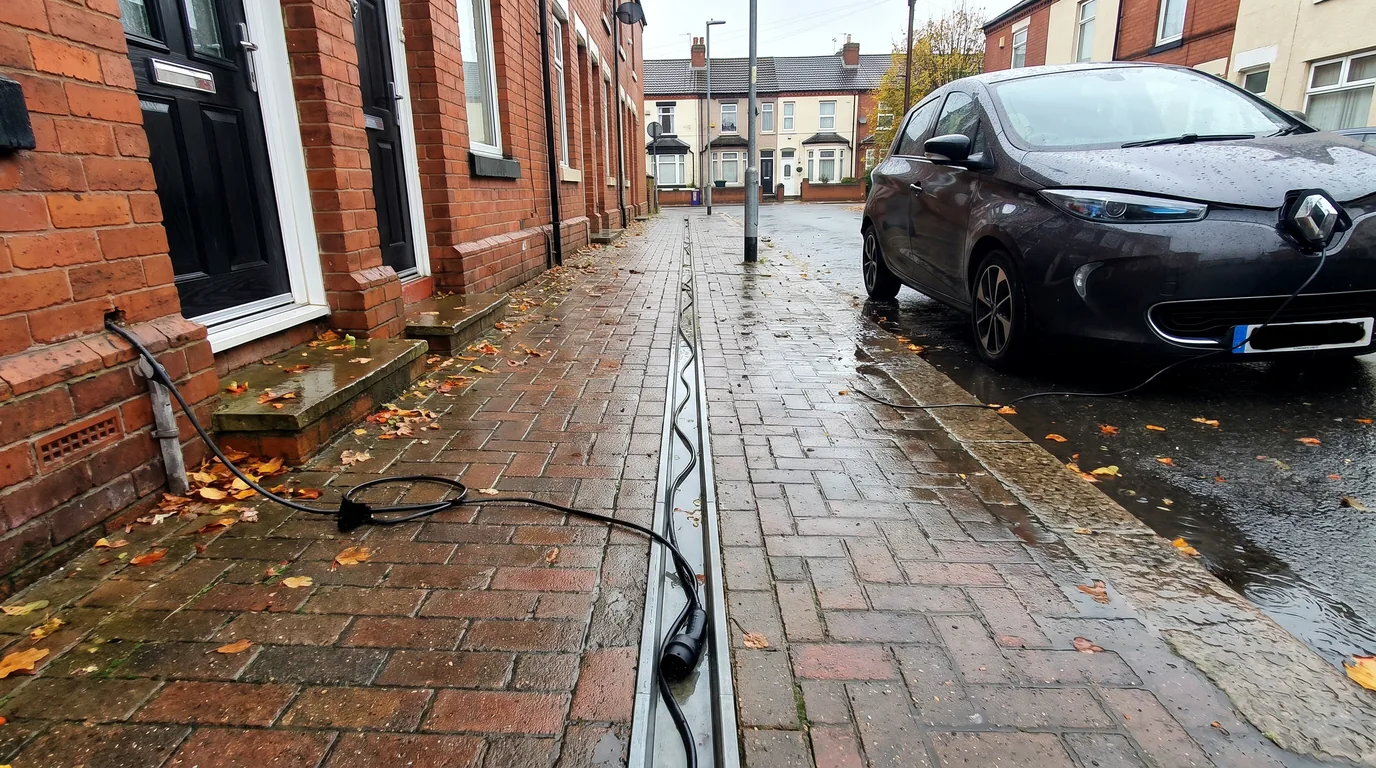
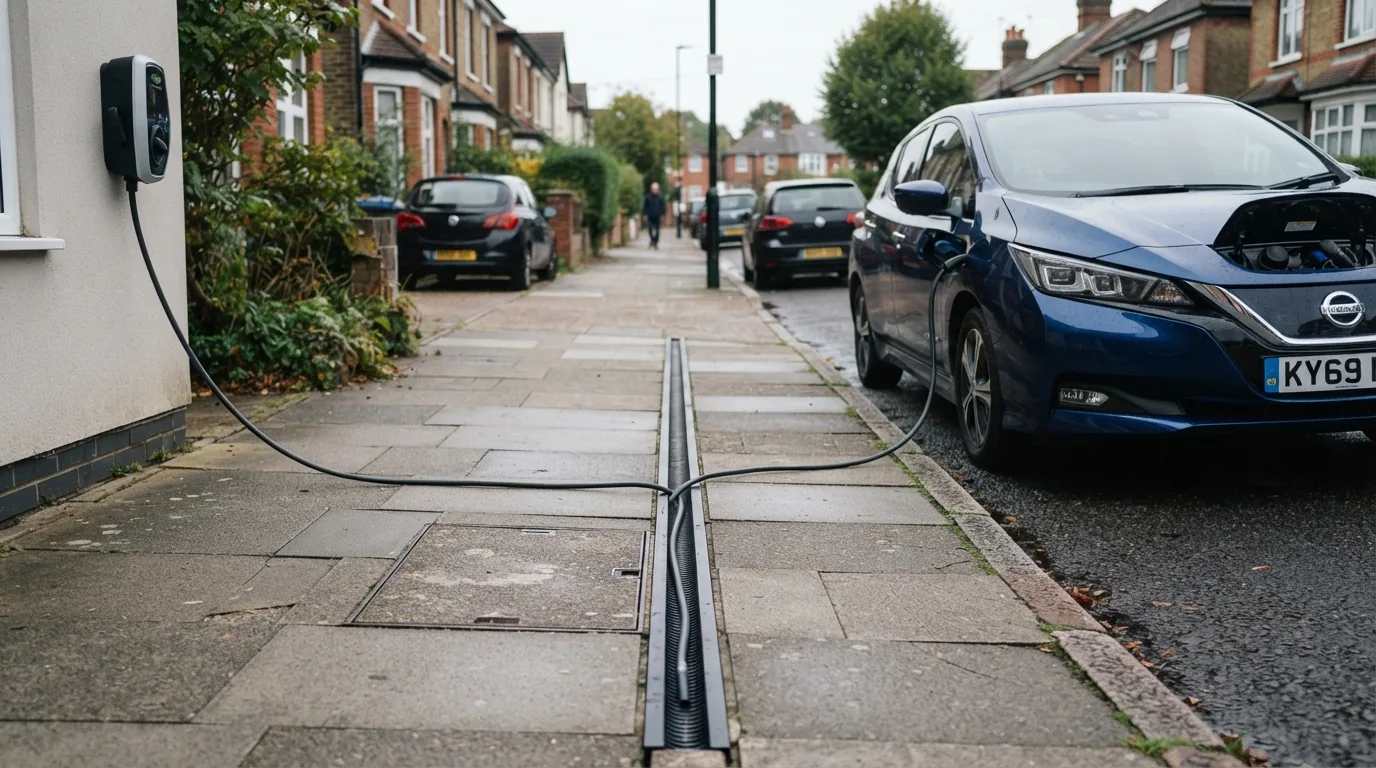
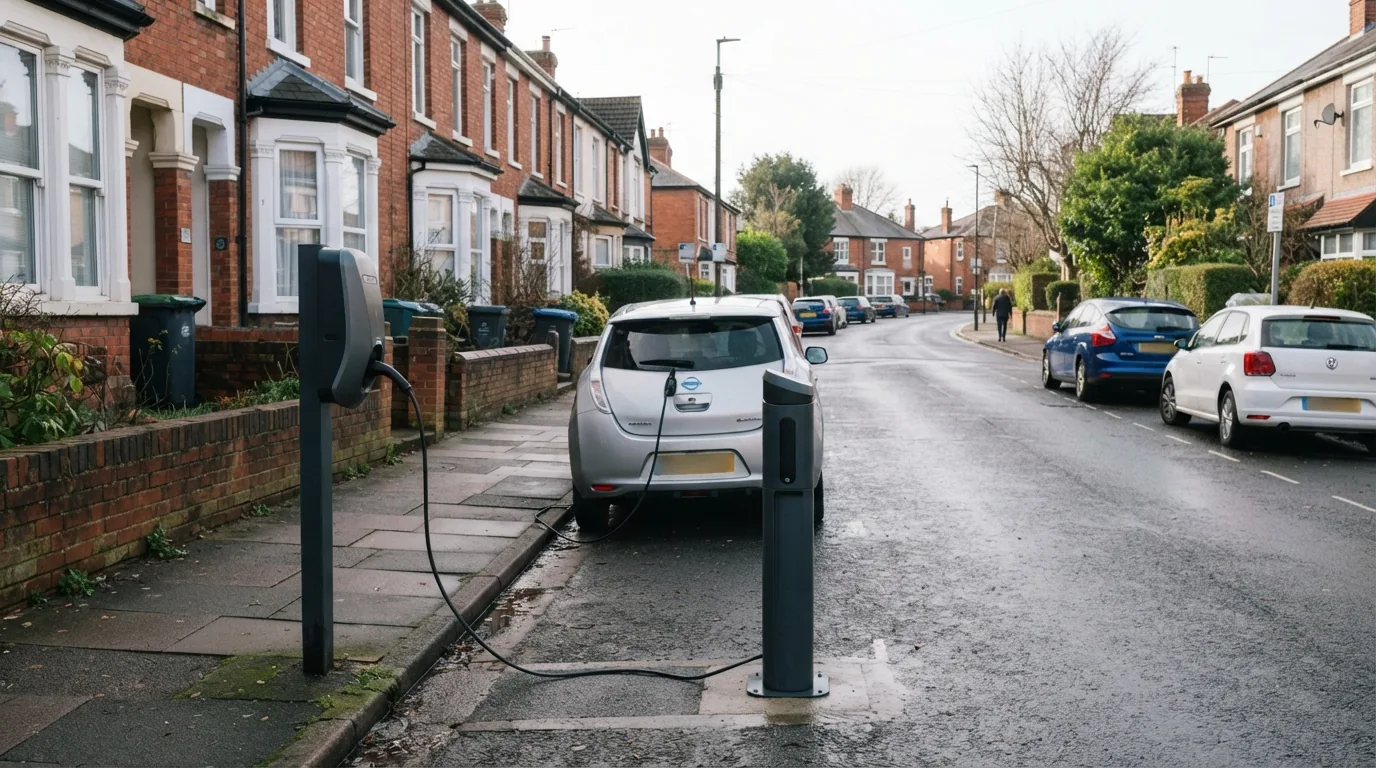
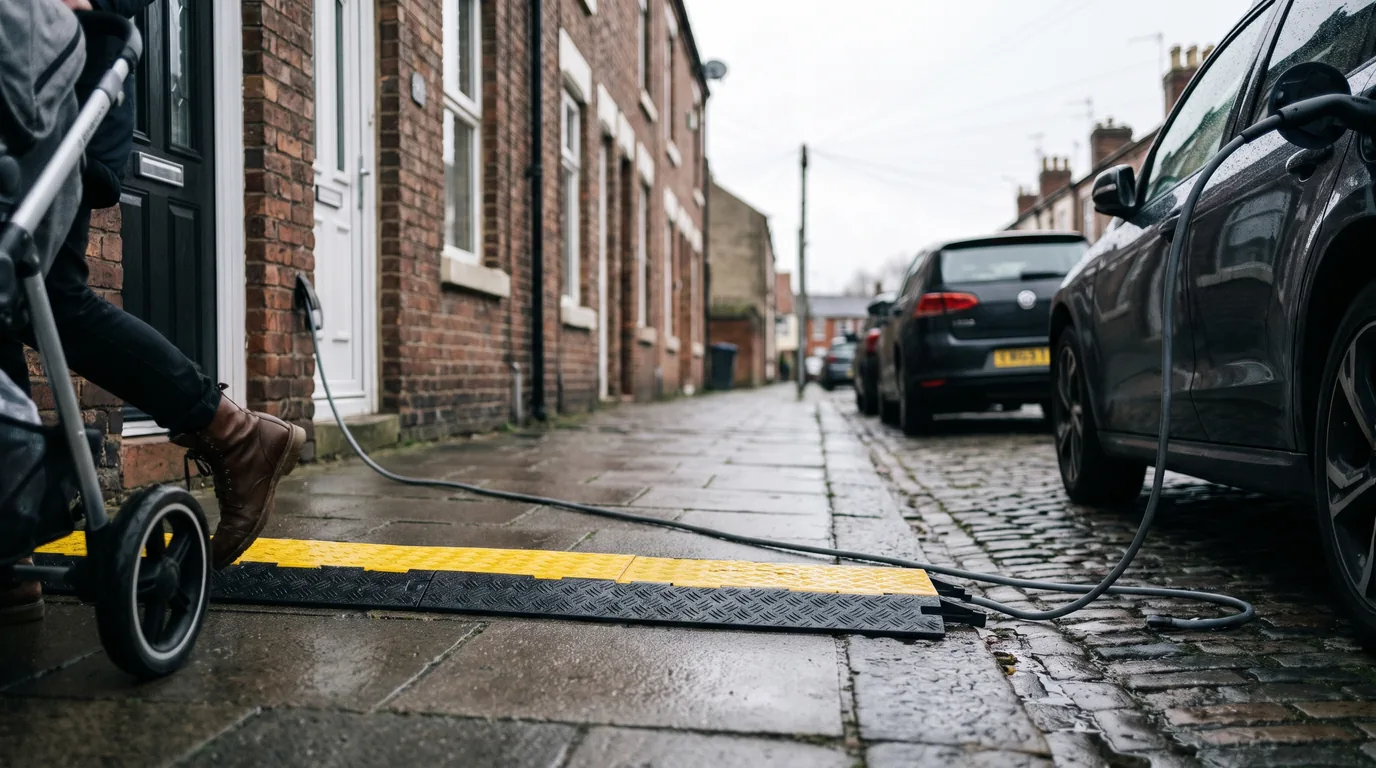
Kerbo Charge is a self-closing channel set into the pavement that carries your charging cable from a home charger to a car parked at the kerb, fully installed from £999 ex VAT where your council has signed up.
Lidl runs its own car park chargers and charges 59p/kWh rapid and 40p/kWh fast through the Lidl Plus app, against 74p and 55p if you pay by card or through the web page.
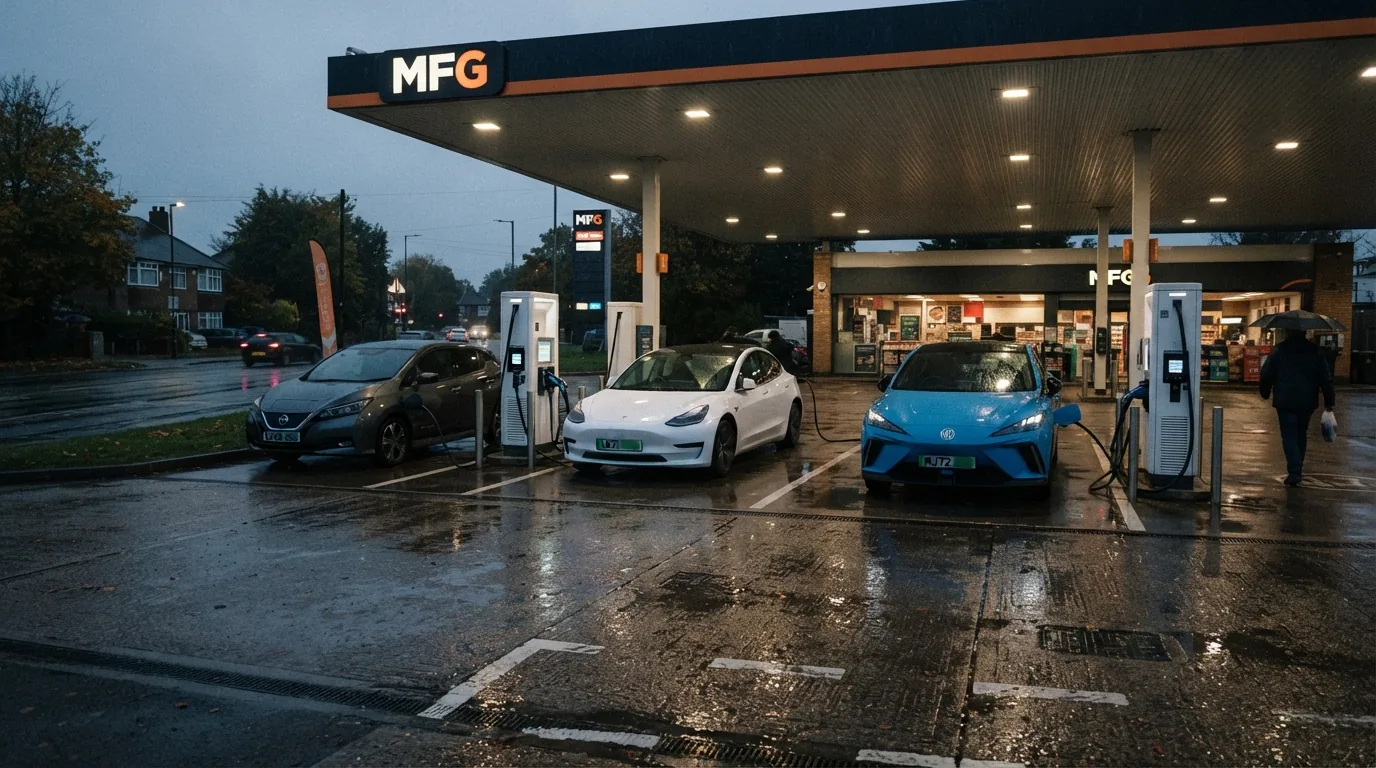
MFG EV Power charges 79p/kWh by contactless at every charger speed and 59p/kWh when you start the session in the free MFG Connect app, with no subscription or connection fee.
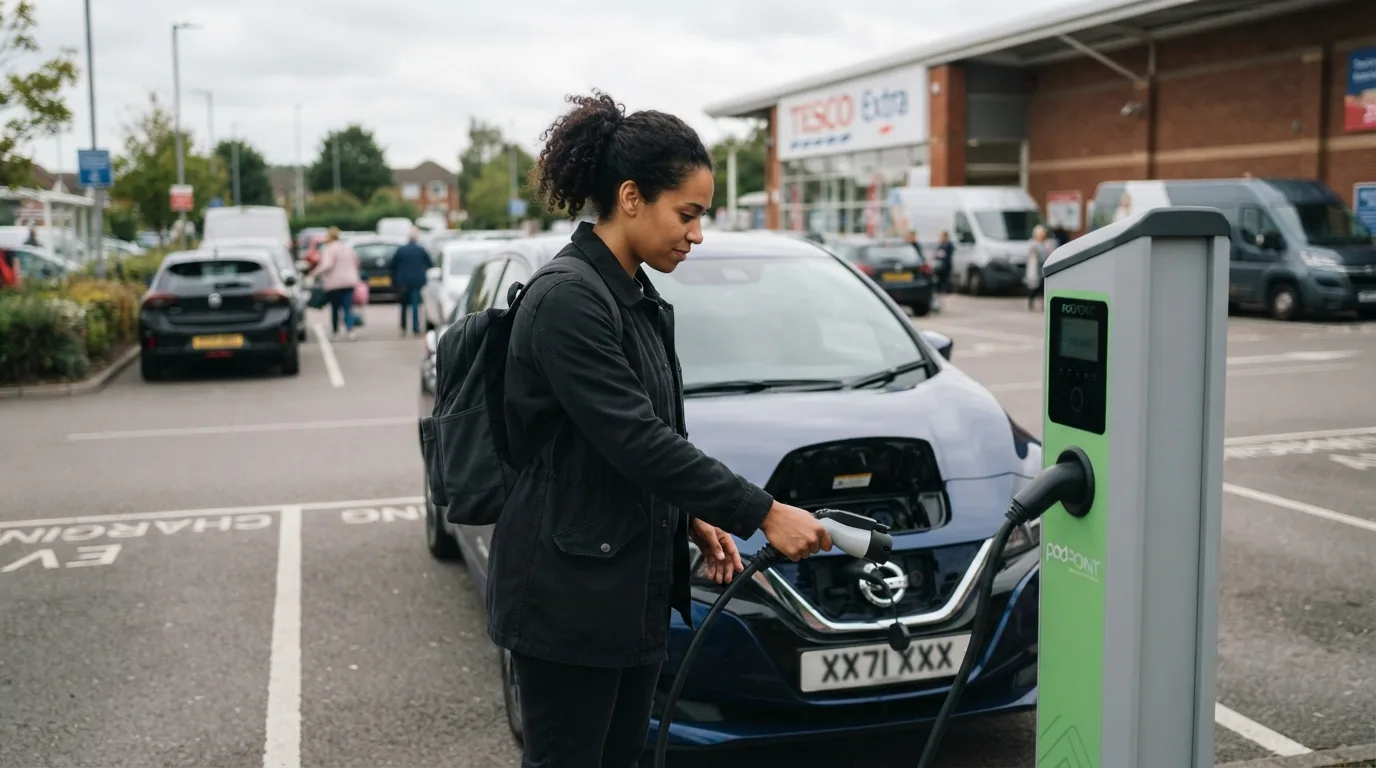
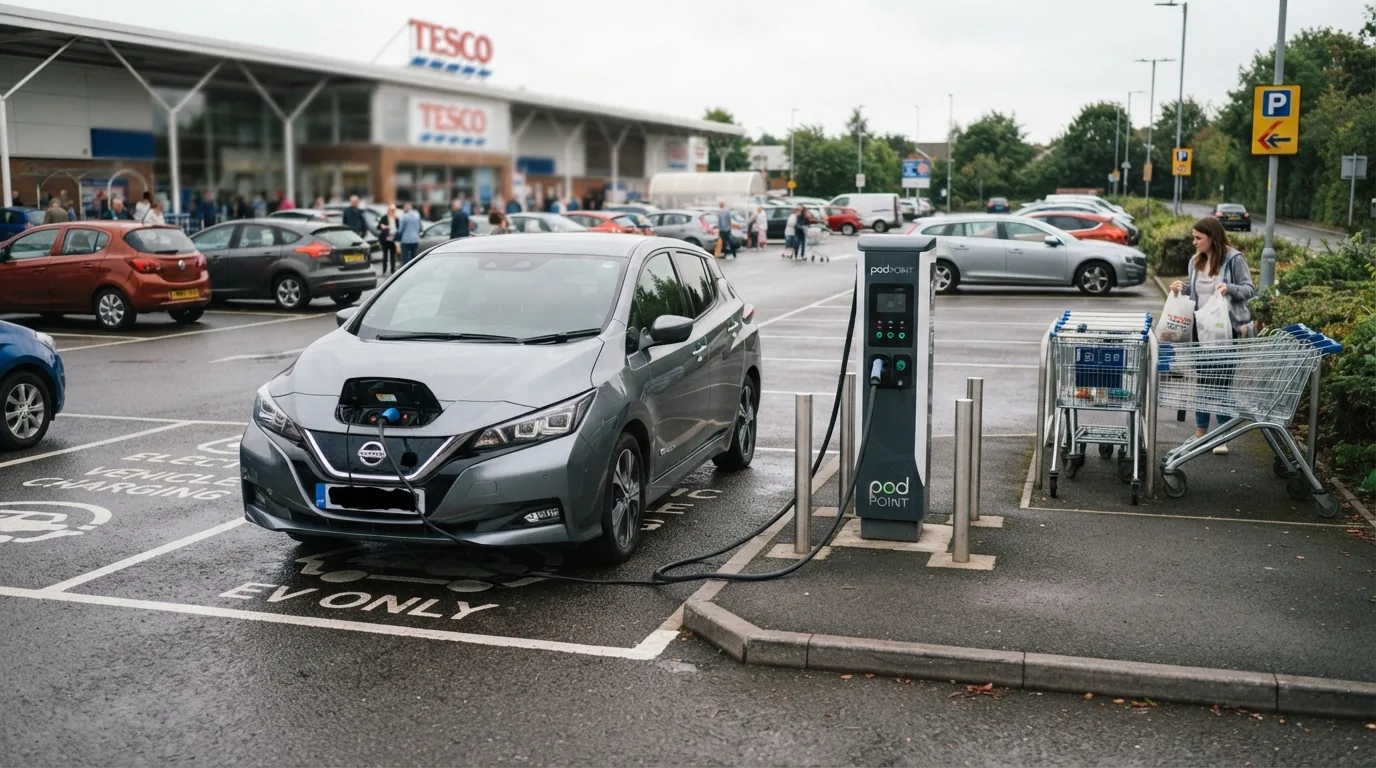
Tesco's car park chargers are run by Pod (formerly Pod Point) and are no longer free: they cost 44p/kWh on 7 kW posts, 49p on 22 kW, 62p on 50 kW and 69p on 75 kW, paid in the Pod Point app or through Zapmap, with one Clubcard point per £1.
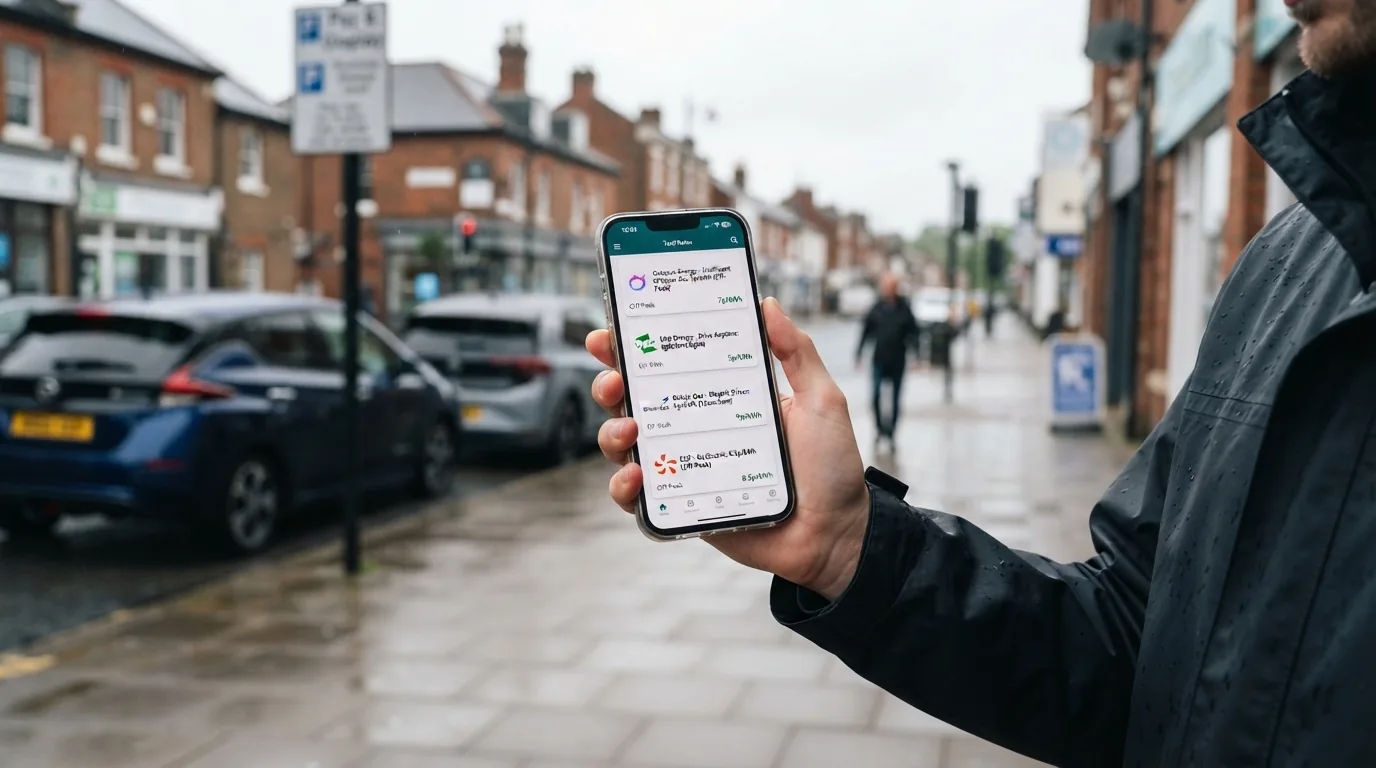
Zapmap is a free UK app for finding, planning around and paying for public EV charging; its £29.99 a year Premium plan adds in-car use and a 5% Zap-Pay discount, which pays for itself only for regular public chargers.
Yes: any electric car with a CCS connector can charge at Tesla Superchargers open to all drivers, which Zapmap says is now more than half the UK network, at an average of 69p/kWh in October 2026.
Gridserve runs the Electric Highway and its Electric Forecourts, charging 85p to 92p per kWh on DC chargers in November 2026, or 25% less for £7.99 a month.
A campaign report says the fixed grid charge on one rapid charger has risen 616% since 2021 and will reach £77.39 a day in 2027. Its £1.03 per kWh is a modelled cost for a quiet charger, not a price list. We work out what £1 would mean per mile and who is exposed.
Most electric cars fill overnight on a 7 kW home wallbox and add 10 to 80% in 12 to 35 minutes on a rapid charger, depending on the car.
Since 2 November, Volts earned in the InstaVolt app can be moved to Virgin Red at a rate of one to one. At 1p each as charging credit, they work out at 1% to 15% back on what you spend. Here is what that means on a real charge, and when keeping the credit makes more sense.
Omoda & Jaecoo UK and Octopus Energy are offering E5 buyers a choice: an Octopus Charge wallbox with standard installation, worth up to £1,029, or £1,000 of public charging credit. We work out what the credit buys in miles, how it compares with charging at home, and why you should check the end date.
British firm Allye Energy has launched the MEV, a fixed charger with 155kWh or 232kWh of storage built from whole second-life EV packs. It fills up slowly from an ordinary supply and releases the energy quickly to vans and cars. Deliveries are expected from spring 2027.
We worked out what 8,000 miles a year in a Tesla Model Y costs on each of the main UK EV tariffs, which ones connect to a Tesla directly, and where Tesla's own electricity licence stands.
The group behind Omoda, Jaecoo, Chery, Lepas and the coming iCaur brand announced the plan at its summit in Wuhu. It has not said how many stations, where, how fast or at what price. Here is what is confirmed, what is not, and what charging costs its drivers today.
We worked out the cost of a full charge for every new Tesla Model 3 and Model Y on a smart home tariff, the standard price cap, Tesla's Superchargers and other public rapid chargers.
E.ON Next has cut its smart EV tariff from 8p to 6.5p per kWh overnight and says it is the lowest off-peak rate on the market. The day rate is 34.04p, the window is six hours and you need a supported car or charger. Here is what a year of charging costs on it and its rivals.
Octopus put a variable Intelligent Octopus Go on sale on 29 October at 6.5p per kWh overnight, a day after E.ON Next's Drive Smart went to the same rate. Here is what each costs per mile and per year, and where they differ.
We set UK magazine real-world range tests against the official WLTP figure for every Model 3 and Model Y on sale in the UK, then worked out the distance between Supercharger stops in cold weather.
bp's Fuel & Charge card now works at eligible Tesla Superchargers, more than 2,000 of them in the UK, with sessions billed straight to the employer. bp has not published the per-kWh rate fleets will pay.
Non-Tesla drivers can pay a monthly or annual fee to get Tesla owner prices at Superchargers. We worked out how much charging you need to do before the fee is covered.
Tesla drivers paid an average of 48p/kWh on Superchargers in September 2026, while other EVs paid 69p at open sites. We set out what each group pays, how peak and off-peak pricing works and when a membership is worth it.
We worked out how far every new Tesla Model 3 and Model Y goes on a freezing UK day, how far it goes between Supercharger stops in winter, and what the cold does to the cost per mile.
Which sites are open, what you need on your phone, how to park when your charging port is in the wrong place, and when a Supercharging Membership pays for itself.
Three councils have signed a 15-year deal backed by £2.8m of Scottish Government funding and more than £15m from Believ. It covers towns, rural areas and the Isle of Arran, and Believ will also take over existing ChargePlace Scotland chargers.
The on-street charging firm is moving manufacturing to Scotland after buying Trojan Energy and its flush kerbside chargers. For drivers without a driveway, it signals more residential chargers on the way.
As cross-pavement charging becomes easier, liability is the main reason some councils still say no. Here is what the law and Highway Code say, what insurers warn, and how gullies change the picture.
The Irish operator's investment-grade loan is backed by future charging revenue and ring-fenced to repay the debt. It funds long-term council concessions in northern Scotland and four Midlands counties.
After bp pulse quit workplace charging in 2025, its depot customers were left looking for support. Now Fuuse will run the software and Drax the maintenance, with existing hardware warranties honoured.
Thirty-two chargers in Bedale, Northallerton, Stokesley and Thirsk are being replaced after the firm that installed them went bust. Meanwhile the county's main £8m scheme is being re-tendered, and rural 'charging deserts' remain.
Drivers in England without a driveway no longer need planning permission for a pavement cable channel, saving £300 to £500. But costs range from free to £1,200 depending on your council, and some councils still refuse them outright.
Be.EV has launched two monthly charging passes with a kWh allowance included. We work out the real cost per kWh, compare them with its 39p Flexi Pass and show who comes out ahead.
BYD has promised 300 megawatt chargers for Britain, yet the first car able to use the full 1,500kW is only due to reach buyers this quarter. Here is where they go, what they should cost and who gains.
Owners have under three months to move their chargers off ChargePlace Scotland. Here is who runs them next, which apps you will need and what Scottish councils charge per kWh.
More than 90% of councils now have public chargers, yet half offer nothing on-street. New LEVI deals in Hampshire, Peterborough and West Sussex show where help is arriving first.
Drivers without a driveway will soon skip a separate planning application for a pavement cable channel. But the council still controls the footway, and nobody gets a reserved bay.
VAT on home electricity fell to zero on 1 October, yet drivers on cheap EV tariffs gain least and public charging stays at 20%. Here is what the six-month cut is really worth to you.
A certification scheme rule, not a new law: businesses registered with schemes such as NICEIC and NAPIT must now ensure the people fitting chargers hold an accepted qualification. Here is what to ask before you book.

Idle fees, council penalty notices and private camera tickets can all hit an EV driver at a public charger. Here is what each costs, why app-guided stops still get fined and how to appeal.
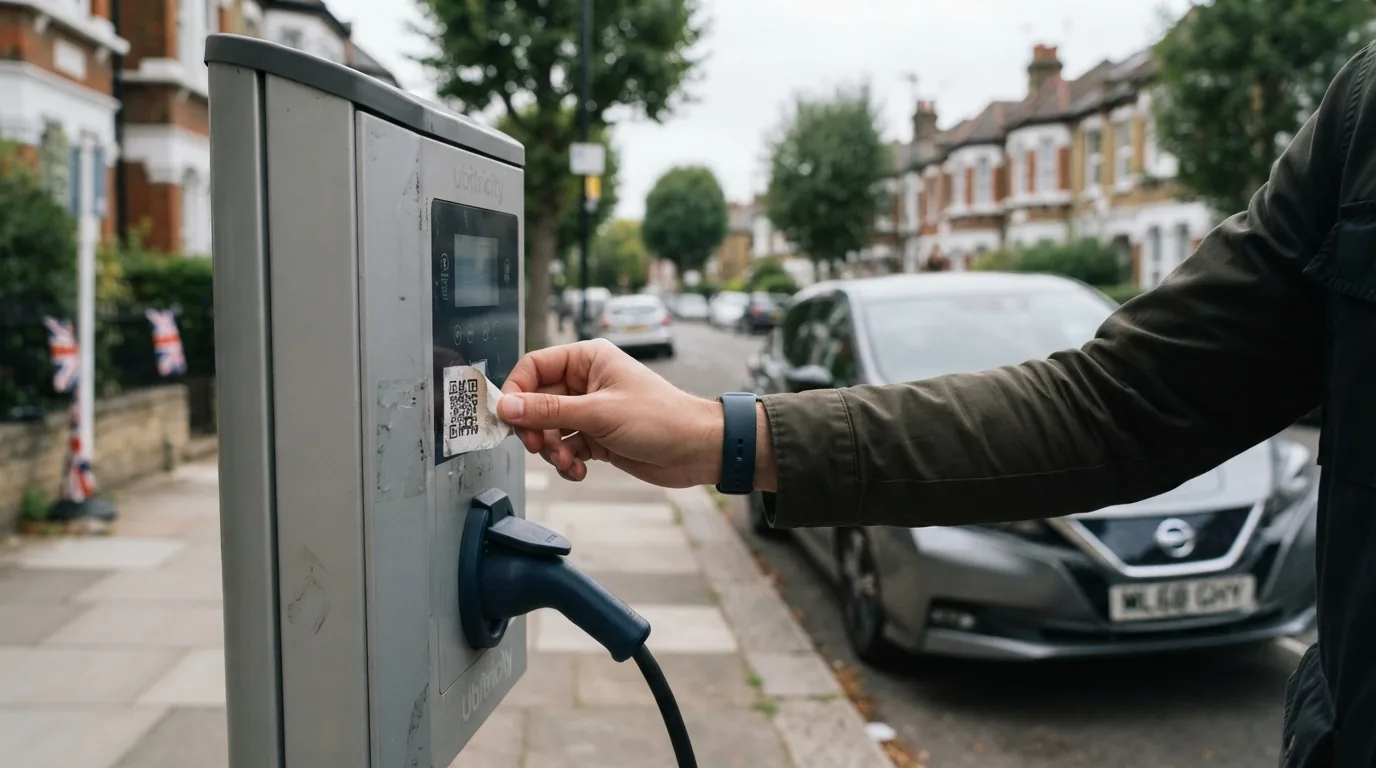
Fraudsters stick counterfeit QR codes over genuine ones on public chargers to steal card details. Cases have been reported in London and across Europe. Here is how to spot a tampered charger and pay safely.
Formula Space has launched a tougher cut-resistant sleeve for public charger cables as copper thieves turn to angle grinders. Here is what it does, why thefts are rising and what to do if your charger is cut.
Intelligent Octopus Go is 8p per kWh, EDF GoElectric holds at 6.66p and British Gas EV Power sits at 9.5p. Here is what each costs, when you can charge and how to choose before winter.
InstaVolt says at least one CHAdeMO connector will stay at each of its 900 existing sites and 300 new ones in development, a lifeline for drivers of older Nissan Leafs and other CHAdeMO cars.
After November, Moto, Extra and Roadchef can let rival networks in where Gridserve held exclusive charging rights. Roadchef has already signed BP Pulse for 30-plus sites.
Five ultra-rapid hubs opened in England in September, but published prices ran from 79p to 92p per kWh. Here is where they are, how fast they charge and what a top-up costs.
October's price cap barely moves the cost of charging at home, but a forecast points to 15% more in January. Here is what a charge and a mile now cost, and what an EV tariff saves.
Osprey has launched Go, which starts a charge automatically when a recognised car is plugged in. Here is how it works, the two-site rule and how it differs from Plug and Charge.
Rapid public charging averaged 77p/kWh in August, and MFG has kept its 59p summer price for drivers who use its app. Here is what the big networks charge, and the off-peak and subscription deals that cut the bill.
Drivers without a driveway now pay 20% VAT at the plug while home charging pays none. Here is what a Budget cut to 5% or 10% would save, and why the Treasury has so far said no.
Zapmap counted 122,724 public chargers at 47,441 locations at the end of July 2026. Year-on-year growth was 9.5%. On-street and en-route grew fastest to the end of June, while the average rapid charge still costs 77p per kWh.
The Welsh Government will waive non-domestic rates on EV charging bays and forecourts for a decade. It is a cost cut for operators rather than a discount at the charger, aimed at parts of Wales with few public points.
Two of the UK's biggest charging networks compared on price, reliability and which type of driver each suits
Why almost any new EV works at almost any UK public charger, and the two exceptions you need to know
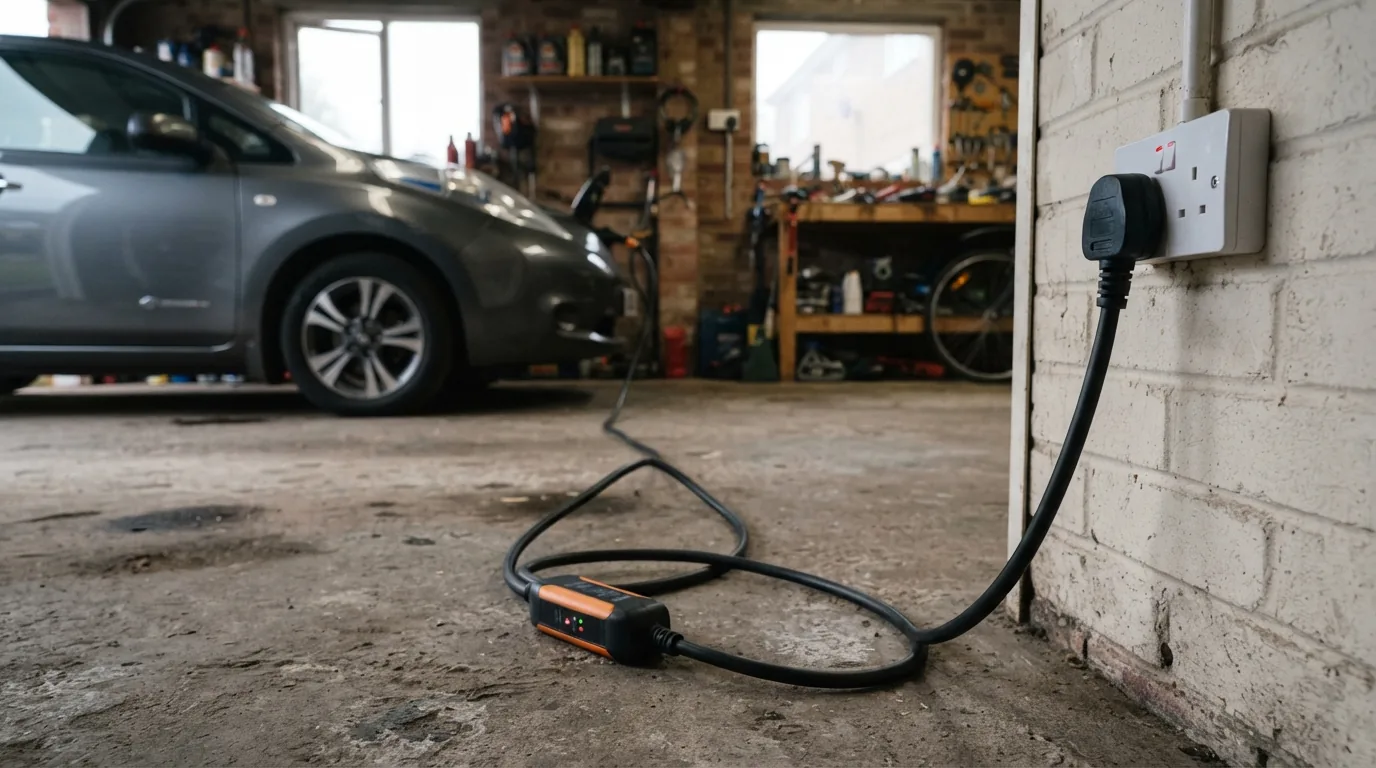
Yes, most cars ship with the cable, but speed and safety limits mean it works best for occasional or emergency use
The unwritten rules and legal realities of public EV charging, from ICEing to idle fees
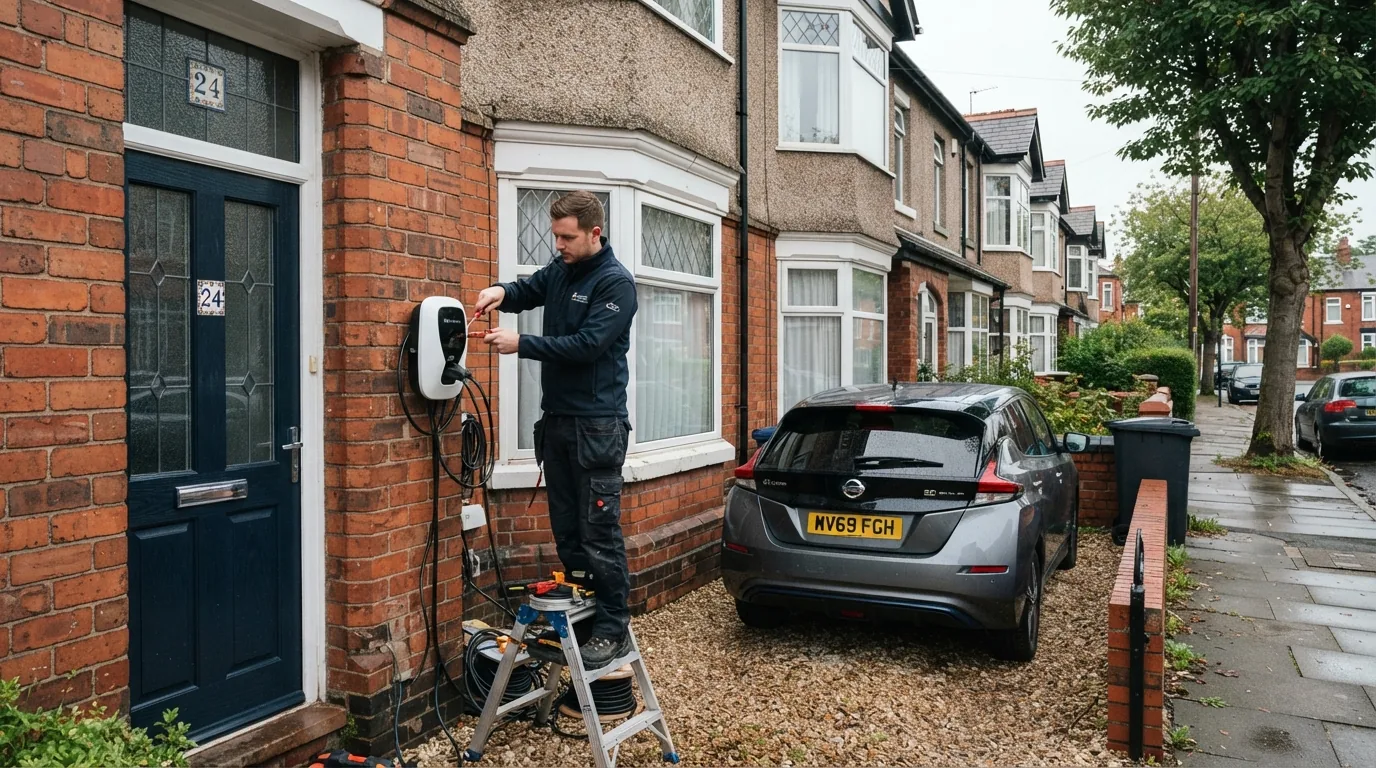
Everything you need to know about home EV charging, from wallboxes to tariffs, installation to solar
The most affordable smart wallboxes that still do the job properly, with UK prices and honest verdicts
How to charge in public for the least money, the networks, tricks and times that cut your bill
Since November 2024, tapping to charge is a legal right at rapid chargers, here is what changed and what remains patchy
A full 60kWh charge costs around £14.80 on the standard rate or about £4.80 on an overnight EV tariff. Here is the maths, plus how to get the cheapest possible home charging cost.
Two compact, smart chargers at similar price points, which one suits your home and charging setup?
The accreditations to check, the questions to ask, and what a fair quote should always include
Solar diversion chargers ranked, with UK prices and a clear explanation of what each one actually does with your surplus
Every home charger sold since June 2022 has an app by law, so which ones are genuinely useful and which are just ticking a box
Which networks to rely on for motorway miles, multi-stop routes and trips to Scotland
Which networks actually hit the 99% uptime target, and which ones to trust on a long journey
From Edinburgh and Glasgow to the NC500 and Western Isles, which networks to rely on
Your realistic options if you live in a flat, rent, or park in a communal space, including grants and what they actually cover
Which monthly plans actually save money, and who should not bother with one
Every major UK EV electricity tariff compared by rate, window, compatibility, and annual saving
Apps, planning strategies and backup options to avoid being stranded between charges
Two of the most trusted rapid networks compared on price, reliability, coverage and speed
The honest answer: technically no, practically yes, and here is why the wallbox pays for itself quickly
The top wallboxes ranked by use case, with UK prices, honest verdicts, and our pick for most drivers
See exactly what you will pay to charge at home, and which tariff saves you the most money
What a qualified electrician checks during an EV charger survey, when an upgrade is needed, and what it costs
Cross-pavement channels, the updated £500 grant, and on-street options for UK drivers with no off-street parking in 2026
Two ultra-rapid networks compared on price, speed, coverage and real-world experience for CCS drivers
Which service areas have the most chargers, fastest speeds and fewest queues in 2026
The battery science behind winter charging and practical tips for keeping sessions fast
A clear, honest comparison of both Octopus EV tariffs, including rates, eligibility, a real-world cost example, and a plain verdict on which one suits your setup.
A direct head-to-head on specs, tariff integration, solar, app quality, and price, with a clear verdict for each use case
A reliability-first comparison of two networks that punch above their weight on quality
Contactless, network apps, RFID cards and roaming accounts compared on price and convenience
The four permission layers explained: planning, building regulations, landlord consent and DNO notification
Where free public EV charging still exists in 2026, and how to find it near you
Connected Kerb is built for residential streets; Pod Point covers supermarkets and retail car parks. Here is how to pick the right network for your situation.
A direct comparison of price, speed, warranty and smart features for the two most popular home EV chargers in the UK
The data on uptime, fault rates and which operators actually meet the 99% target
Everything you need to know about charging your electric car away from home
Current prices by charger speed, network and payment method, with the real cost per mile
Ranked by use case: which network wins for motorway driving, reliability, price and urban coverage
A plain-English guide to the kW bands, real charging times, costs and what each tier means for your EV
Which home chargers integrate natively with Intelligent Octopus Go, and which just work with a manual schedule
What smart charging actually does, why it matters for your bill, and how to set it up without any technical knowledge
The mechanics of diverting surplus solar electricity to your car, which chargers do it, and whether the numbers stack up
Tesco, Lidl, Sainsbury's, Asda and Morrisons ranked for speed, price and reliability in 2026
Charge times by battery size and charger speed, and why overnight on a 7kW wallbox is all most UK drivers need
Tesla Superchargers are cheaper overall, especially for Tesla owners, while InstaVolt offers wider geographic coverage and tap-and-go contactless simplicity. Here is how to choose.
The practical differences explained, with real UK costs and a clear recommendation for most UK households
For most UK drivers, overnight off-peak charging cuts costs to around 7-8p/kWh, and a smart charger handles the scheduling automatically
The dedicated high-power charging destinations that can add 100 miles in under 20 minutes
Everything you need to know about socketed home EV chargers, including the best UK models, cable guidance, smart tariff compatibility and the EV Chargepoint Grant.
Which home EV chargers stand up to British weather, and why IP rating matters more than most buyers realise
For around 95% of UK homes, a 7kW single-phase charger is the practical maximum and the right choice. This guide explains why, covers the charging maths, and identifies the narrow cases where 11kW or 22kW is worth considering.
A step-by-step guide for the scenarios every EV driver will eventually face
A major expansion of high-power charging promises to end the queues at motorway services. We break down where the new units are going, which networks are involved, and what it means for long trips.
Competition between rapid-charging networks is heating up. We break down the new per-kWh tariffs, which networks have cut prices most, and the cheapest places to plug in right now.
The reinstated EV chargepoint grant covers up to £350 of installation costs. We explain who qualifies, how to apply, and which chargers are eligible under the updated rules.
We took five flagship EVs to the same 350kW charger to see which really delivers on its headline figures. The results reveal big gaps between claimed and real-world charging speeds.