Wales EV charging sites get 100% business rates relief to 2036
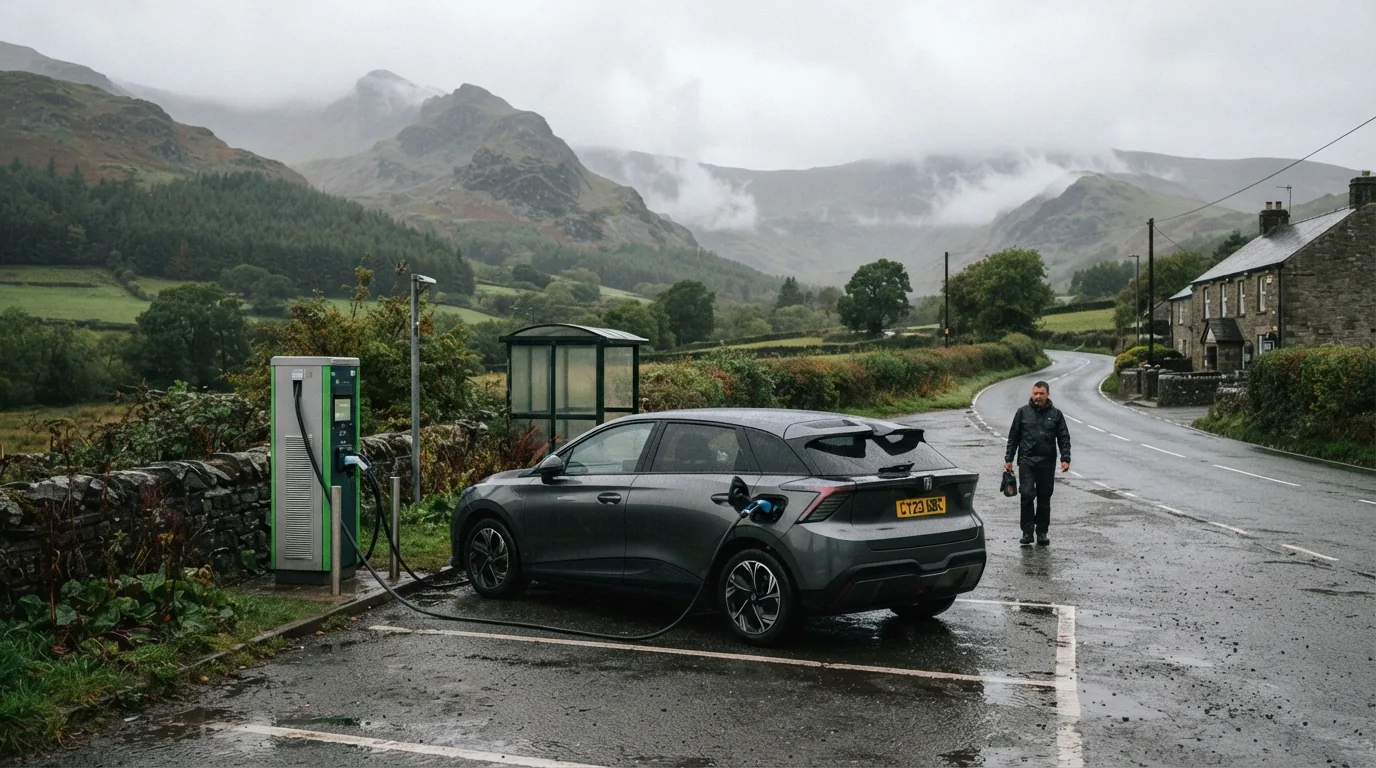
The Welsh Government will waive non-domestic rates on EV charging bays and forecourts for a decade. It is a cost cut for operators rather than a discount at the charger, aimed at parts of Wales with few public points.
Quick answers
- The Welsh Government announced in August 2026 that EV charging bays and forecourts will get 100% non-domestic rates relief until 2036.
- For the current financial year, councils are asked to grant it using discretionary powers, with relief backdated to the start of 2024-25 where relevant.
- Regulations due later in 2026 would put the relief on a statutory footing from 2027-28 to 2035-36, subject to Senedd approval.
- Wales had 6,066 public chargers in July 2026, while Rhondda Cynon Taf had just three per 100,000 residents.
- The relief cuts operators' costs; it is not a discount on the electricity you buy.
Wales will waive business rates on EV charging bays and forecourts for a decade, with 100% non-domestic rates relief running until 2036. The Welsh Government announced the move in August 2026, saying it should give operators certainty and encourage new sites in parts of Wales with few public chargers. For Welsh drivers it is an indirect benefit: it lowers what a site costs to run, not what you pay per kWh.
What has Wales announced?
Non-domestic rates are the property tax charged on commercial premises, the business equivalent of council tax. The Welsh Government has said charging bays and forecourts will receive full relief until 2036 (Welsh Government, electrive). Cabinet Minister for Finance Elin Jones said the switch to electric vehicles will only work if people can rely on the infrastructure behind it, and that the government wants to see “a thriving charging network right across Wales, including in the areas that need it most” (carwow).
How and when does the relief apply?
| Period | Mechanism |
|---|---|
| Current financial year | Councils asked to grant 100% relief using discretionary powers |
| Backdating | To the start of 2024-25 where applicable |
| 2027-28 to 2035-36 | Statutory relief, via regulations due later in 2026, subject to Senedd approval |
The timetable comes from electrive and Transport + Energy. The statutory step matters: discretionary relief depends on each council, whereas regulations would give operators certainty for planning sites.
Where is it aimed?
The policy particularly targets areas of Wales that currently have relatively few charging points. As of July 2026, Wales ranked ninth in the UK for public EV infrastructure with 6,066 chargers, but the spread is uneven. Rhondda Cynon Taf has only three public chargers for every 100,000 residents, Caerphilly four and the Vale of Glamorgan five (EV Powered). Those are the places where thin demand makes a site’s fixed costs, including rates, hardest to cover.
Will it make charging cheaper?
Not at the plug. Carwow notes the relief is not a discount on the electricity you buy; the benefit is the possibility of more chargers, better coverage and greater choice, especially where the network is least developed (carwow). Electricity, grid connection and equipment costs remain the biggest drivers of price. For where prices stand, see our public EV charging prices for October 2026 and the public charging VAT gap.
How does it fit with other support?
Rates relief sits alongside other measures rather than replacing them. Our guide to what government support exists for EV charging covers grants and schemes, and UK public charger numbers from Zapmap tracks the national picture.
What this means for you
If you drive in Wales, particularly in the South Wales valleys, expect no change to your tariff, but more chance of new sites over the next few years as operators factor in a decade of zero rates. Keep using your charging apps to check what is nearby, and see our guide to electric cars for rural drivers if you cover long distances away from motorways. Charge point operators and landowners considering a site should ask their council now about discretionary relief and backdating to 2024-25, since the statutory regulations were still to come.
How we test and where our numbers come from
Range figures are official WLTP combined values taken from manufacturer UK specification pages, with real-world estimates drawn from independent comparative testing. Prices are UK list prices at the time of the latest update. Tax, grant and charging-scheme figures come from GOV.UK and HMRC publications. We re-check every guide when pricing, specification or policy changes. Last checked 6 October 2026.
Frequently asked questions
What is the Welsh EV charging rates relief?
It is 100% relief from non-domestic (business) rates for EV charging bays and forecourts in Wales until 2036, announced by the Welsh Government in August 2026.
Will it make charging cheaper for Welsh drivers?
Not directly. It lowers the property costs of running a charging site, which the Welsh Government says should encourage investment, particularly where there are few chargers. It does not change per-kWh prices.
When does the relief start?
For the current year, councils are asked to grant it using discretionary powers, backdated to the start of 2024-25 where relevant. Regulations later in 2026 would make it statutory from 2027-28 to 2035-36, subject to Senedd approval.
Who announced it?
Elin Jones, the Welsh Cabinet Minister for Finance, in August 2026.
Sources and further reading
- gov.walesWelsh GovernmentPrimary source referenced in this article.
- electrive.comWales grants decade-long rates relief for EV charging sitesTimeline of the relief and the statutory regulations.
- transportandenergy.comWelsh EV public charging to get non-domestic rates reliefCoverage of the relief.
- carwow.co.ukWales gives EV charging firms a decade-long rates break: what does it mean for drivers?What the relief means for drivers, and the Elin Jones quote.
- evpowered.co.ukOne Welsh county has only three public charging points for every 100,000 residentsWelsh charger counts and local disparities.
- transportxtra.comDecade of rates relief for EV charging in WalesFurther coverage of the announcement.

EV Compared
The EV Compared editorial team tracks the UK electric vehicle market full time: new model launches, list prices, WLTP and real-world range, public charging tariffs and the tax rules that decide what an EV actually costs to run. Every guide is checked against manufacturer specifications and official GOV.UK figures, and updated whenever the numbers move.
Related reading
View all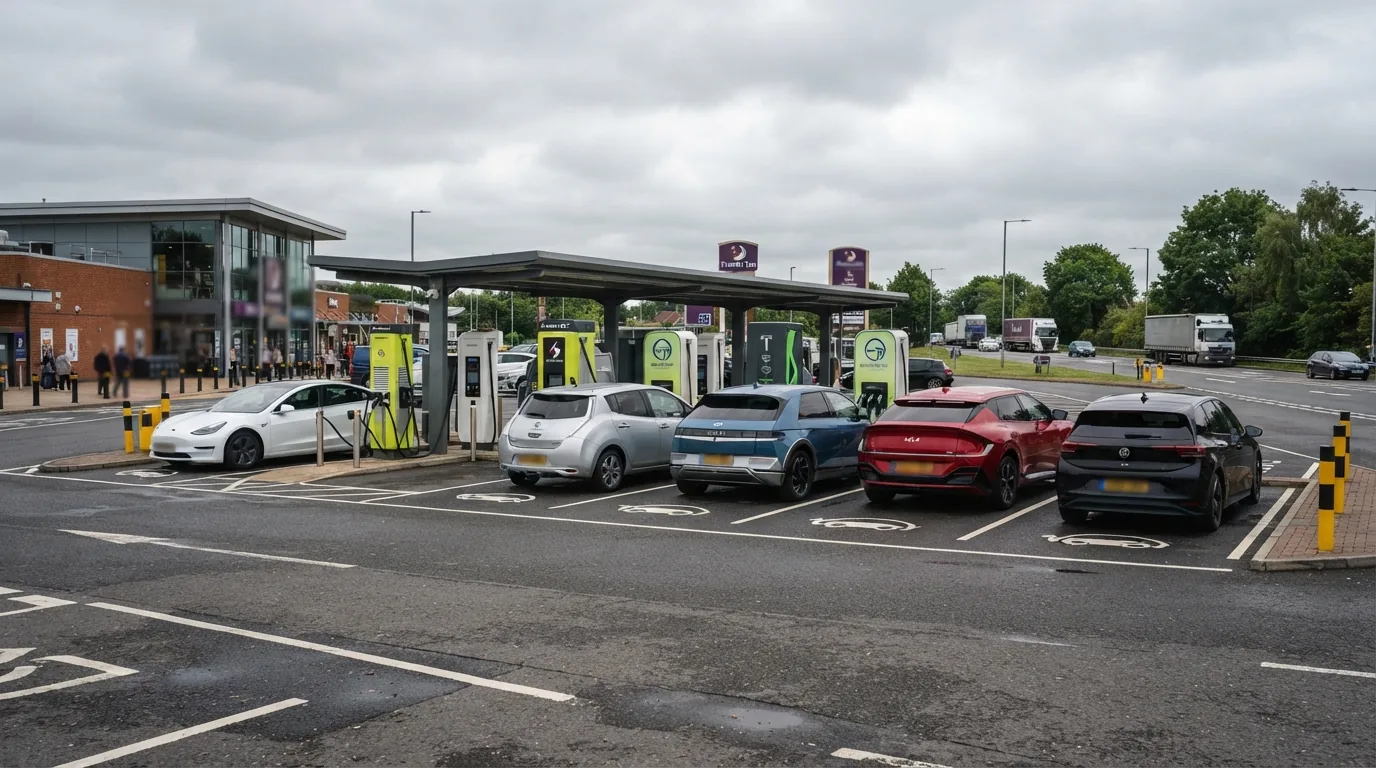
What Government Support Exists for EV Charging Infrastructure?
From individual socket grants to £381 million for public chargepoints: the full picture of UK government EV charging investment in 2026
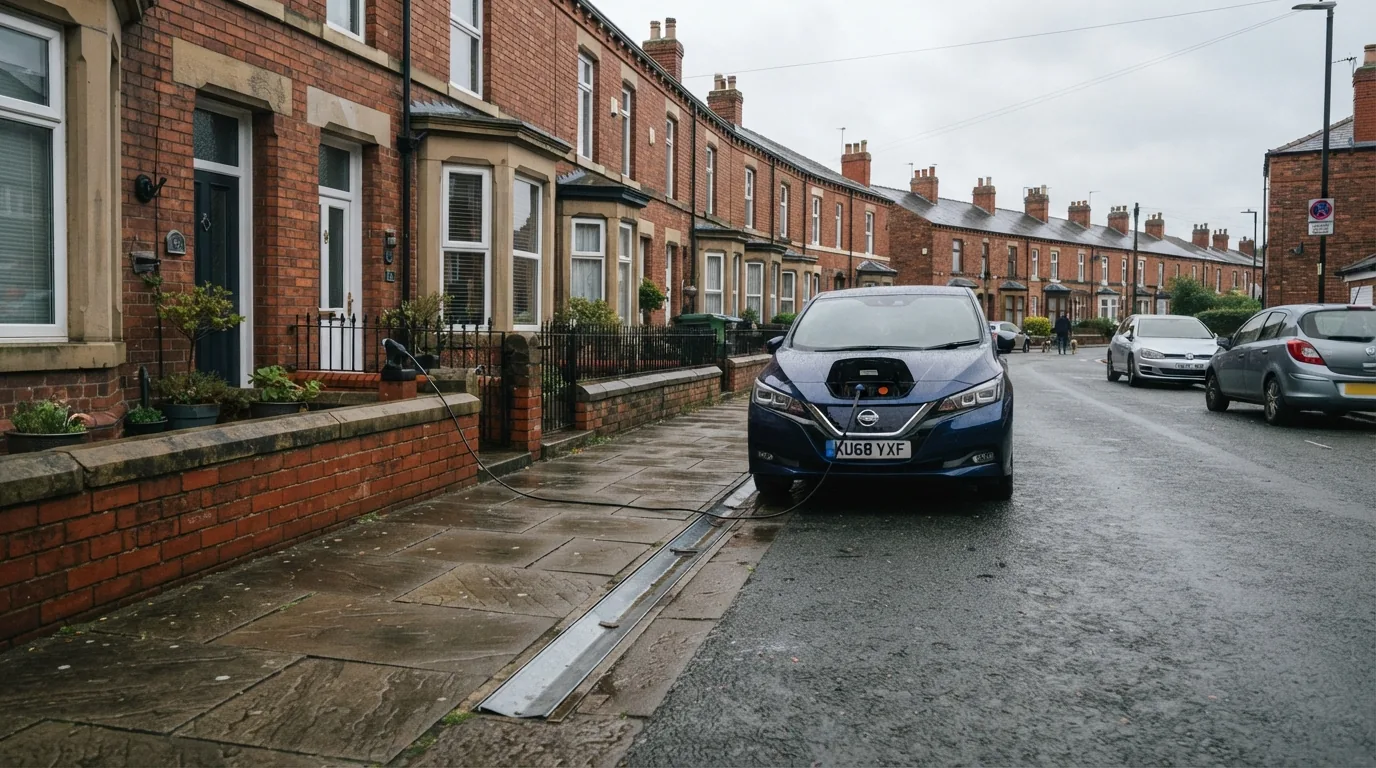
Cross-pavement EV charging in England: planning rules ease 21 October
Drivers without a driveway will soon skip a separate planning application for a pavement cable channel. But the council still controls the footway, and nobody gets a reserved bay.
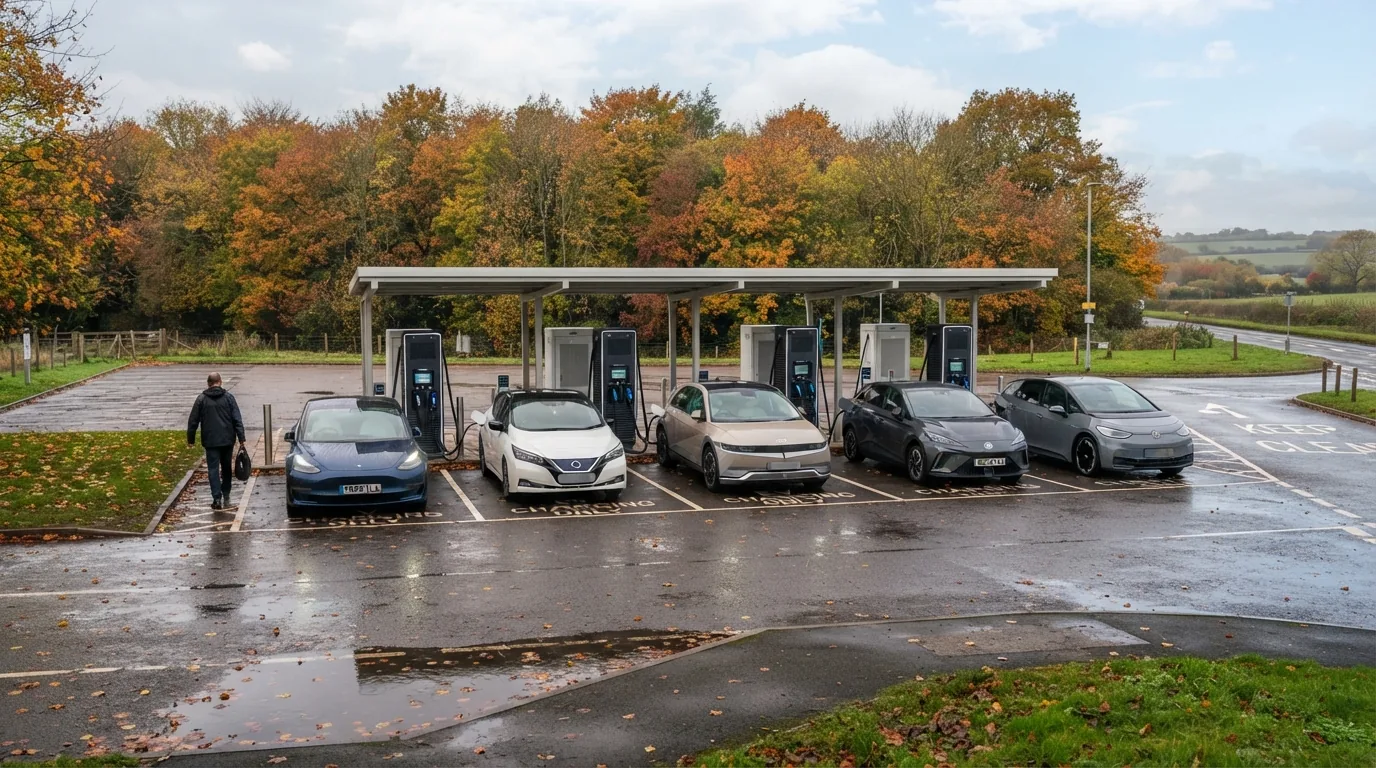
UK public chargers reach 122,724 as yearly growth eases to 9.5%
Zapmap counted 122,724 public chargers at 47,441 locations at the end of July 2026. Year-on-year growth was 9.5%. On-street and en-route grew fastest to the end of June, while the average rapid charge still costs 77p per kWh.
Workplace Charging Scheme: final year at £500 a socket
The government's workplace chargepoint grant has been extended for one last year to 31 March 2027, with the grant per socket raised from £350 to £500 and the cap per business lifted to £20,000.
Zapmap: rapid charging averages 77p/kWh as MFG keeps 59p app price
Rapid public charging averaged 77p/kWh in August, and MFG has kept its 59p summer price for drivers who use its app. Here is what the big networks charge, and the off-peak and subscription deals that cut the bill.
Public EV charging keeps 20% VAT as home electricity goes to 0%
Drivers without a driveway now pay 20% VAT at the plug while home charging pays none. Here is what a Budget cut to 5% or 10% would save, and why the Treasury has so far said no.