Workplace Charging Scheme: final year at £500 a socket
The government's workplace chargepoint grant has been extended for one last year to 31 March 2027, with the grant per socket raised from £350 to £500 and the cap per business lifted to £20,000.
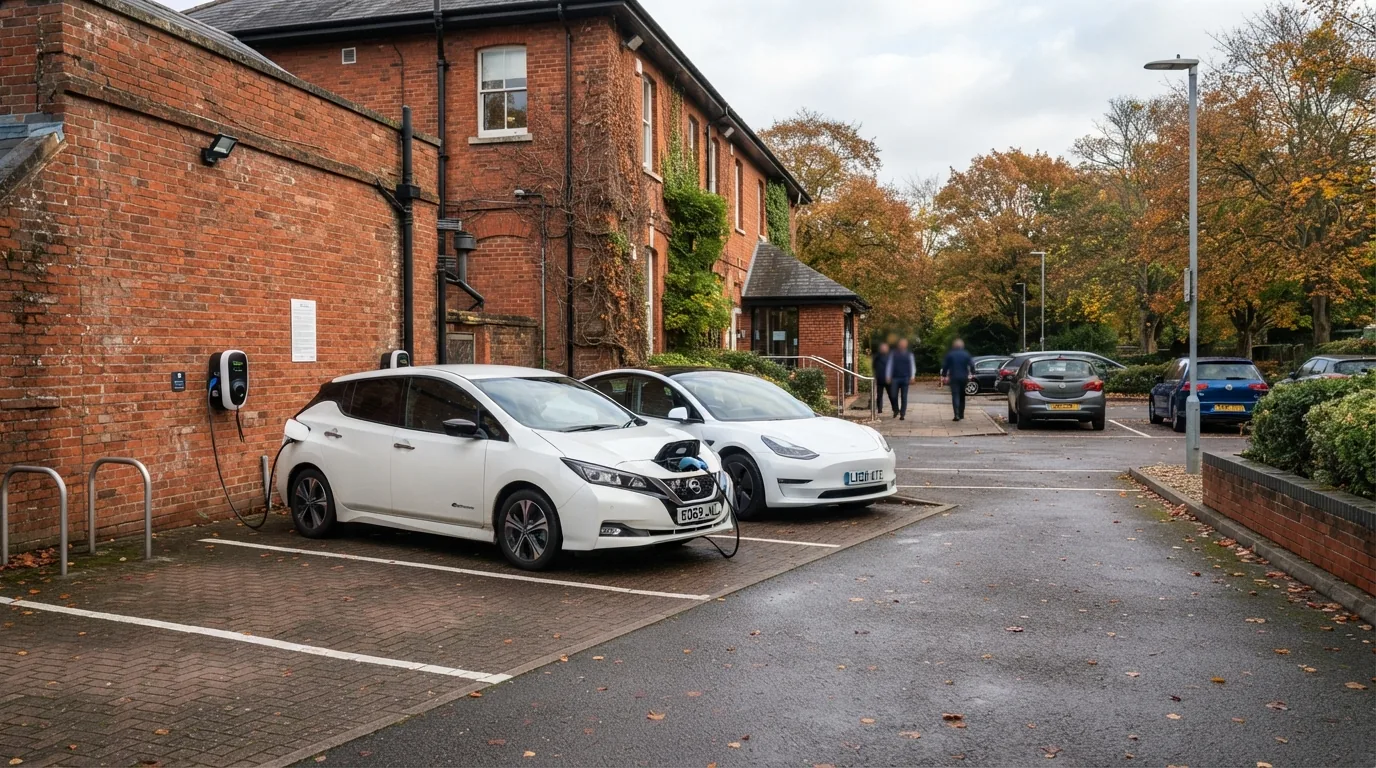
Quick answers
- GOV.UK says the Workplace Charging Scheme has been extended for a final year until 31 March 2027, which leaves just under six months from today.
- The maximum grant rose from £350 to £500 per socket for installations completed from 1 April 2026, capped at 40 sockets, or £20,000, per applicant.
- The grant covers up to 75% of purchase and installation costs including VAT, and is open to businesses, charities and public sector organisations.
- The EV Infrastructure Grant for Staff and Fleets, the Commercial Landlord Chargepoint Grant and the Residential Landlord Infrastructure Grant all closed on 31 March 2026.
- Vouchers must be claimed within six months of being issued, so a late application can run out of time before the scheme ends.
The Workplace Charging Scheme has entered its last year. The government grant for businesses, charities and public bodies now pays up to £500 per socket, up from £350, but GOV.UK describes 31 March 2027 as the end of a final year of funding. For a UK employer planning staff chargers, that leaves just under six months. Welsh sites have a separate benefit, covered in our report on Welsh business rates relief for EV charging.
The scheme has been extended for a final year until 31 March 2027, according to GOV.UK Find a grant. The higher rate applies to installations completed from 1 April 2026, and the maximum per applicant is 40 sockets, or £20,000.
What changed on 1 April 2026?
Two numbers moved. The grant per socket rose from £350 to £500, and because the 40-socket limit stayed, the most any one applicant can receive rose from £14,000 to £20,000 (Blink Charging).
| Until 31 March 2026 | From 1 April 2026 | |
|---|---|---|
| Maximum grant per socket | £350 | £500 |
| Socket limit per applicant | 40 | 40 |
| Maximum per applicant | £14,000 | £20,000 |
| Funding confirmed until | Not stated here | 31 March 2027 |
The grant is a contribution, not a full payment. It covers up to 75% of the purchase and installation costs including VAT, subject to the per-socket cap (GOV.UK installer guidance).
Who can apply?
The scheme is open to businesses, charities and public sector organisations that meet the applicant and site eligibility criteria. It covers England, Wales, Scotland and Northern Ireland, but not the Channel Islands or the Isle of Man. The process is voucher based: once approved, you receive a unique voucher code by email and give it to an OZEV-authorised commercial chargepoint installer.
The deadline that catches people out is the voucher itself. The installation must be completed and the voucher claimed within six months (180 days) of its issue date. We could not find guidance that spells out whether work must be finished and claimed by 31 March 2027 itself, or only applied for by then. The two readings differ for a late application, so check the applicant guidance or ask OZEV before relying on one.
Which sister grants have closed?
The Workplace Charging Scheme is now one of the few chargepoint grants left. Five schemes were extended to 31 March 2027 and three closed on 31 March 2026 (GOV.UK, EDF Energy).
| Grant | Status |
|---|---|
| Workplace Charging Scheme | Open to 31 March 2027 |
| EV Infrastructure Grant for Staff and Fleets | Closed 31 March 2026 |
| Commercial Landlord Chargepoint Grant | Closed 31 March 2026 |
| Residential Landlord Infrastructure Grant | Closed 31 March 2026 |
The staff and fleets grant stopped taking applications on 31 March 2026, and installers had until 26 May 2026 to submit claims. Sources reporting the changes also say the maximum rate for residents and landlords rose from £350 to £500 per socket on 1 April 2026, which matters if your building is a flat block rather than an office. Our homeowner chargepoint grant explainer covers the home side.
How does it compare with other support?
Workplace chargers are cheaper to fit with the grant, but the support is a one-off contribution, not a running subsidy. A £500 grant on a socket that costs, say, £1,000 to buy and fit would be limited by the 75% rule to £750, so the £500 cap would apply. On a cheaper installation, 75% could be the lower figure. For organisations considering the wider picture, the electric company car and fleet hub and our guide to electric cars for business use cover the vehicle side.
If you are in Scotland, separate help may be available, as covered in our Scotland charging grants guide. Our earlier explainer on how the Workplace Charging Scheme works covers the basics.
What this means for you
If you run a business, charity or public body and have been putting off workplace chargers, treat 31 March 2027 as the end of the funding, not the point at which to start. Get quotes from an OZEV-authorised installer, apply for the voucher early and allow for the six-month claim window, and do not assume the scheme will be extended again.
Count your sockets before applying. The grant stops at 40 sockets across all sites, so a larger rollout will not attract more than £20,000. If you are an employee, ask your employer whether they have applied: chargers installed this year will not attract a higher grant later, because GOV.UK describes this as the final year.
How we test and where our numbers come from
Range figures are official WLTP combined values taken from manufacturer UK specification pages, with real-world estimates drawn from independent comparative testing. Prices are UK list prices at the time of the latest update. Tax, grant and charging-scheme figures come from GOV.UK and HMRC publications. We re-check every guide when pricing, specification or policy changes. Last checked 6 October 2026.
Frequently asked questions
When does the Workplace Charging Scheme end?
GOV.UK says the scheme has been extended for a final year until 31 March 2027, and that funding is confirmed to that date. The guidance we could check does not say whether an installation must be finished by then, so confirm that with OZEV before relying on a late application.
How much is the Workplace Charging Scheme grant in 2026?
From 1 April 2026 the maximum is £500 per socket, up from £350, covering up to 75% of purchase and installation costs including VAT. The cap is 40 sockets across all sites per applicant, so £20,000 at most.
Who can apply for the Workplace Charging Scheme?
Businesses, charities and public sector organisations that meet the applicant and site eligibility criteria. It is available in England, Wales, Scotland and Northern Ireland, but not in the Channel Islands or the Isle of Man.
Which chargepoint grants have already closed?
The EV Infrastructure Grant for Staff and Fleets, the Commercial Landlord Chargepoint Grant and the Residential Landlord Infrastructure Grant closed on 31 March 2026. Five schemes were extended to 31 March 2027.
How long do I have to use a Workplace Charging Scheme voucher?
The installation must be completed and the voucher claimed within six months of the voucher's issue date. Your installer must be OZEV-authorised.
Sources and further reading
- find-government-grants.service.gov.ukGOV.UK Find a grantPrimary source referenced in this article.
- gov.ukWorkplace Charging Scheme: guidance for installersVoucher process, the 75% cost contribution and the six-month claim window.
- gov.ukChanges to electric vehicle chargepoint grant schemes from 1 April 2026Which grant schemes were extended and which closed.
- gov.ukWorkplace Charging Scheme: guidance for applicantsApplicant guidance for the scheme.
- edfenergy.comEV Charging Grants Are Changing: What Businesses and Public Sector Organisations Need to KnowSummary of the 2026/27 grant changes and closures.
- blinkcharging.comworkplace charging schemeInstaller summary of the £500 per socket and 40 socket limit.

EV Compared
The EV Compared editorial team tracks the UK electric vehicle market full time: new model launches, list prices, WLTP and real-world range, public charging tariffs and the tax rules that decide what an EV actually costs to run. Every guide is checked against manufacturer specifications and official GOV.UK figures, and updated whenever the numbers move.
Related reading
View all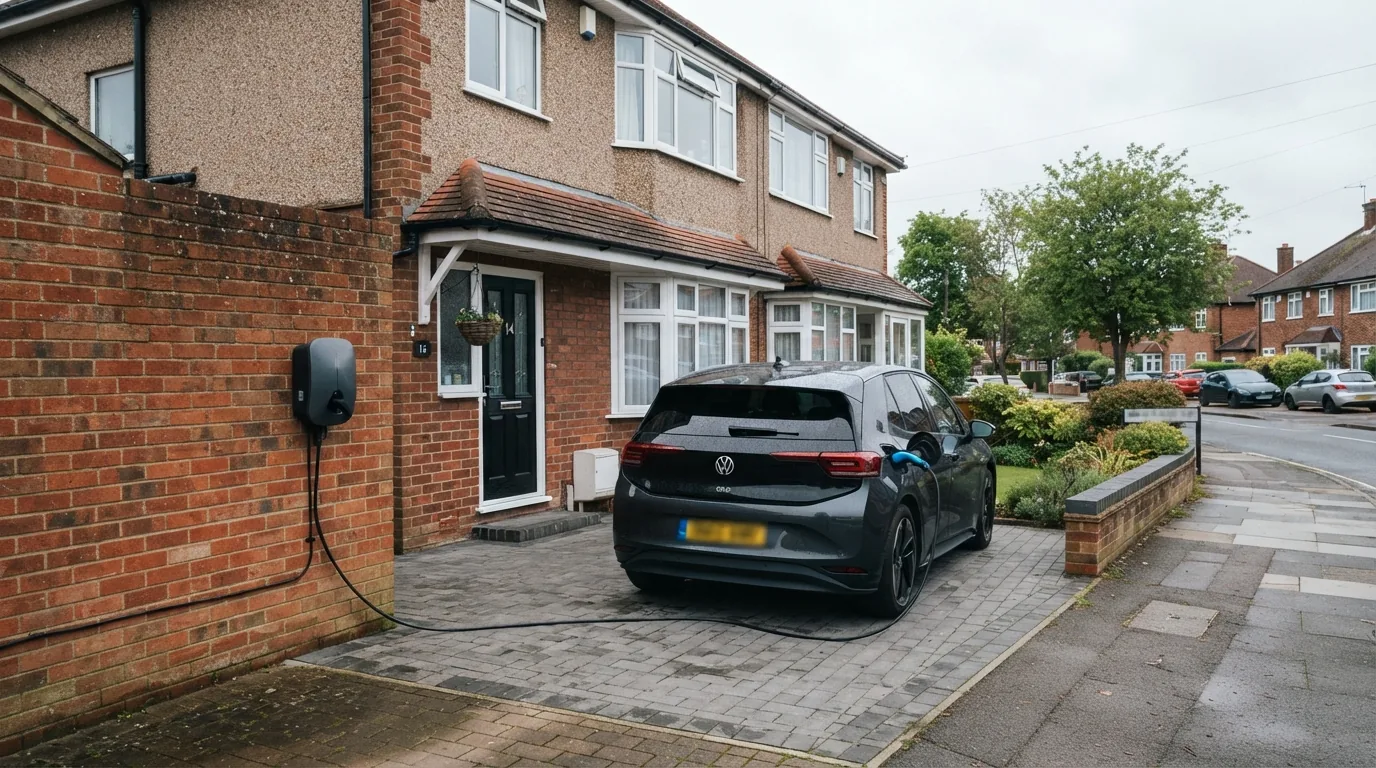
What Is the EV Chargepoint Grant for Homeowners?
Who can still claim the £500 home chargepoint grant in 2026, and who is no longer eligible
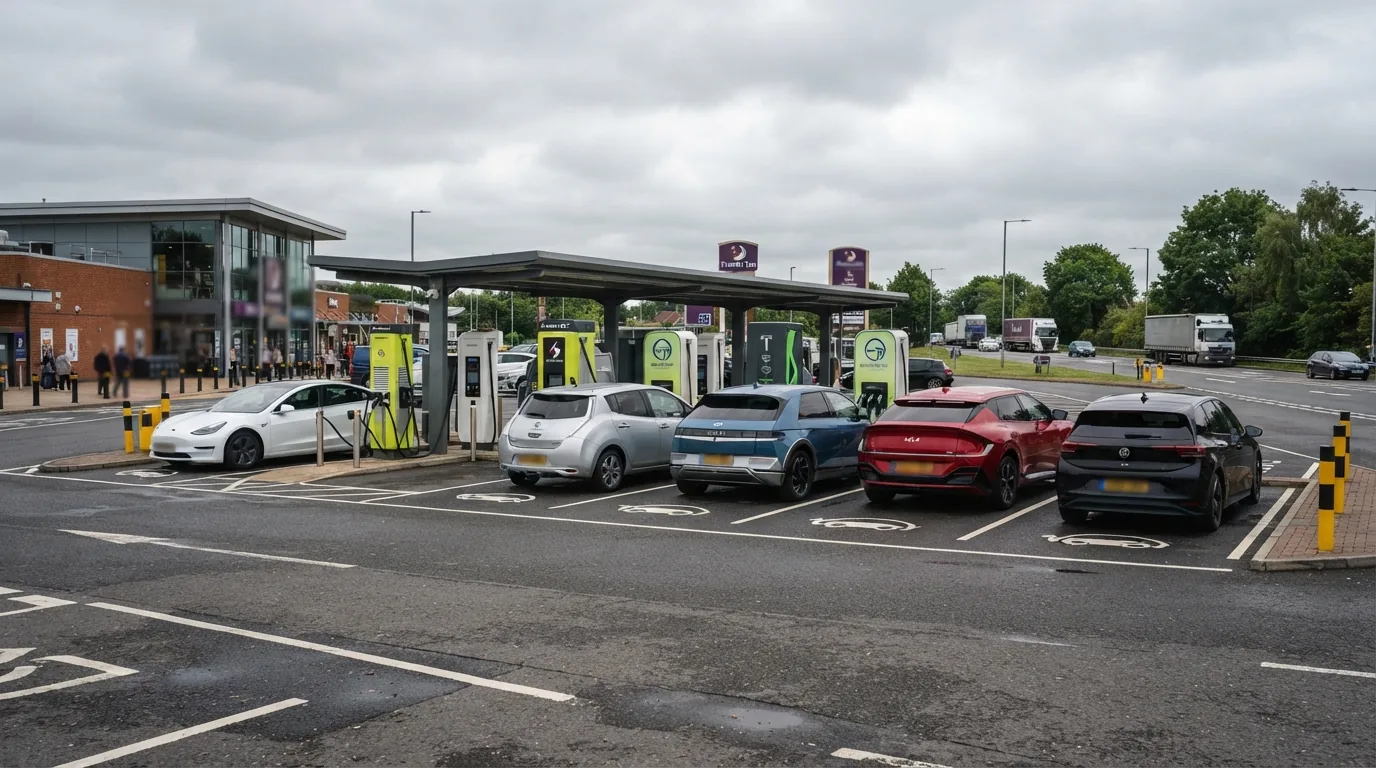
What Government Support Exists for EV Charging Infrastructure?
From individual socket grants to £381 million for public chargepoints: the full picture of UK government EV charging investment in 2026
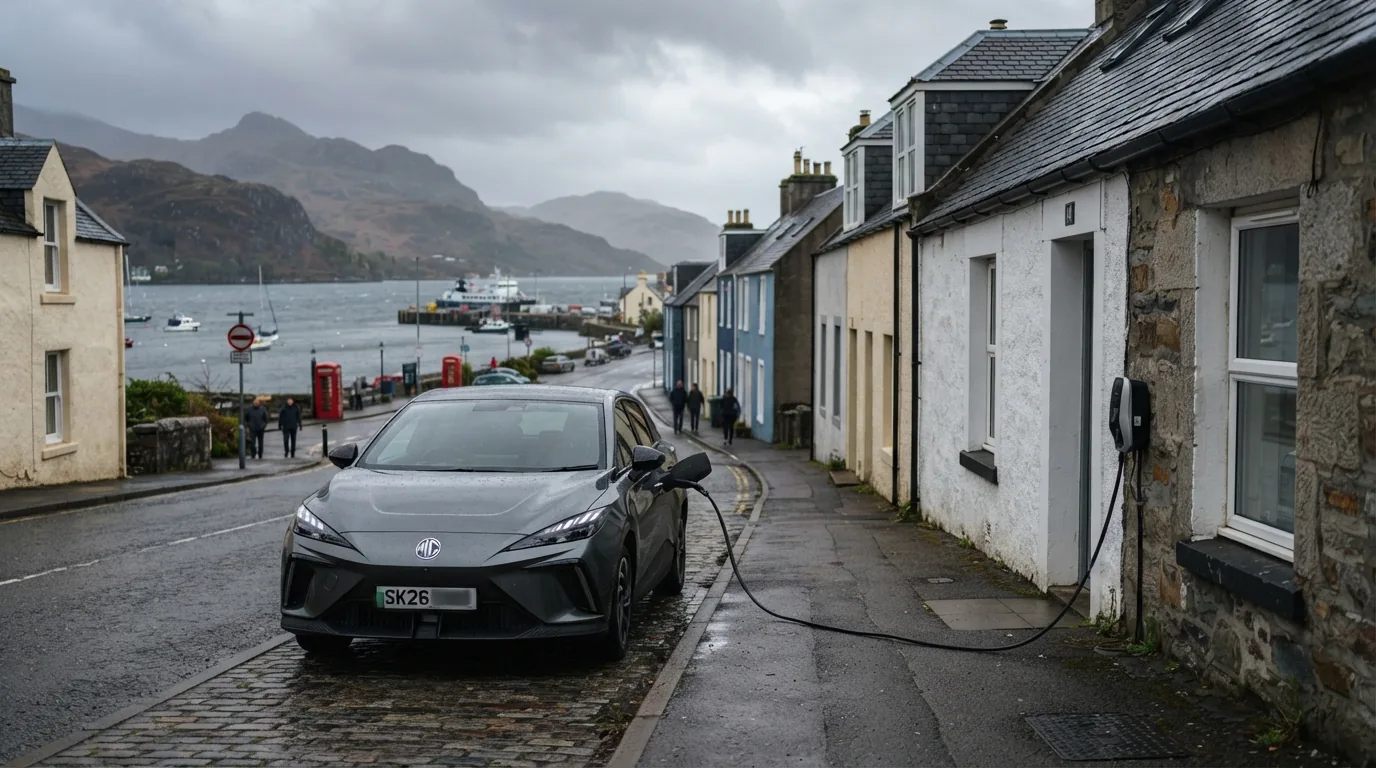
Scotland EV charging grants 2026-27: £17.8m, what you can claim
Scotland funds its own EV charging grants on top of UK schemes: rural and island chargers, cross-pavement home charging, flats and microbusinesses. Here is who qualifies and how much each pays.
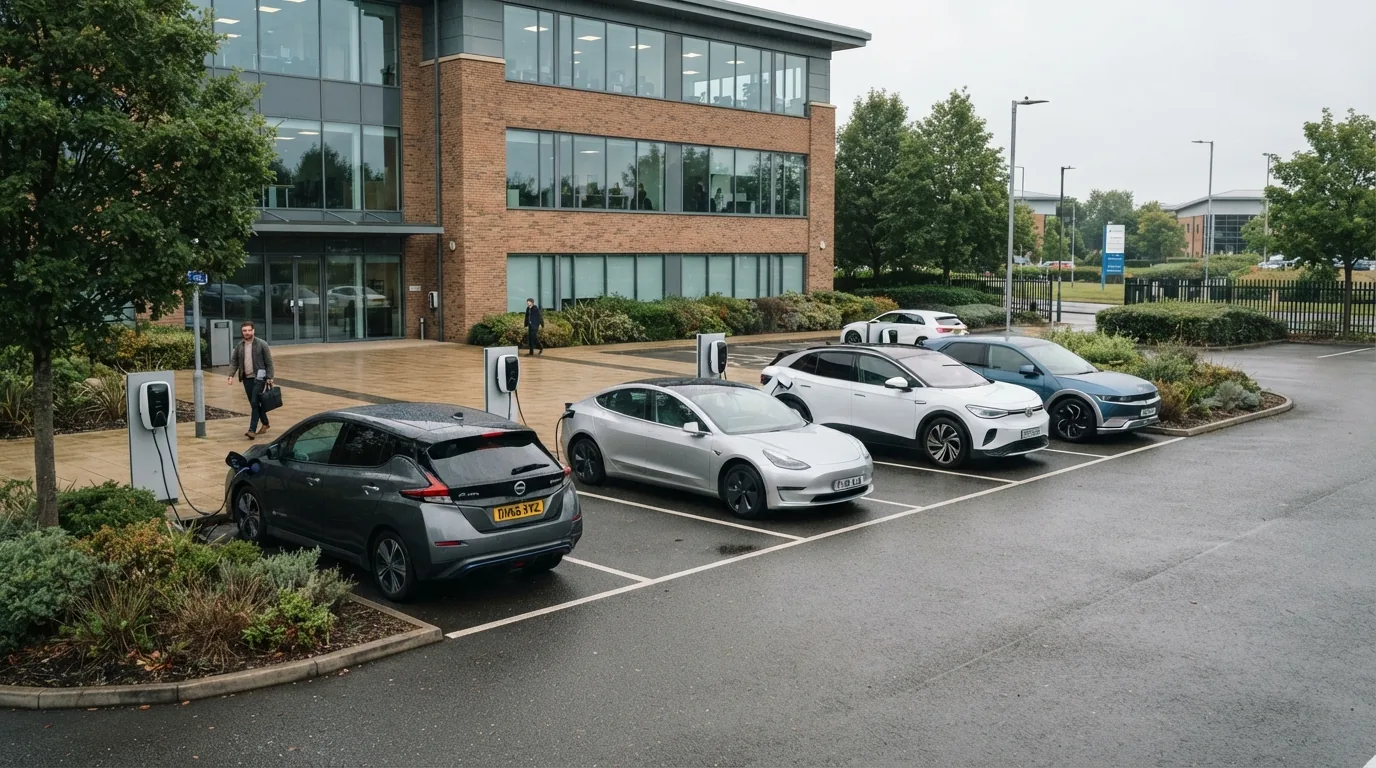
How Does the Workplace Charging Scheme Work in 2026?
Everything UK businesses need to know about the government grant covering 75% of EV chargepoint installation costs
Wales EV charging sites get 100% business rates relief to 2036
The Welsh Government will waive non-domestic rates on EV charging bays and forecourts for a decade. It is a cost cut for operators rather than a discount at the charger, aimed at parts of Wales with few public points.
Electric Company Cars and Salary Sacrifice in the UK Explained
Your complete guide to BIK tax, salary sacrifice schemes and fleet EVs in 2026