UK public chargers reach 122,724 as yearly growth eases to 9.5%
Zapmap counted 122,724 public chargers at 47,441 locations at the end of July 2026. Year-on-year growth was 9.5%. On-street and en-route grew fastest to the end of June, while the average rapid charge still costs 77p per kWh.
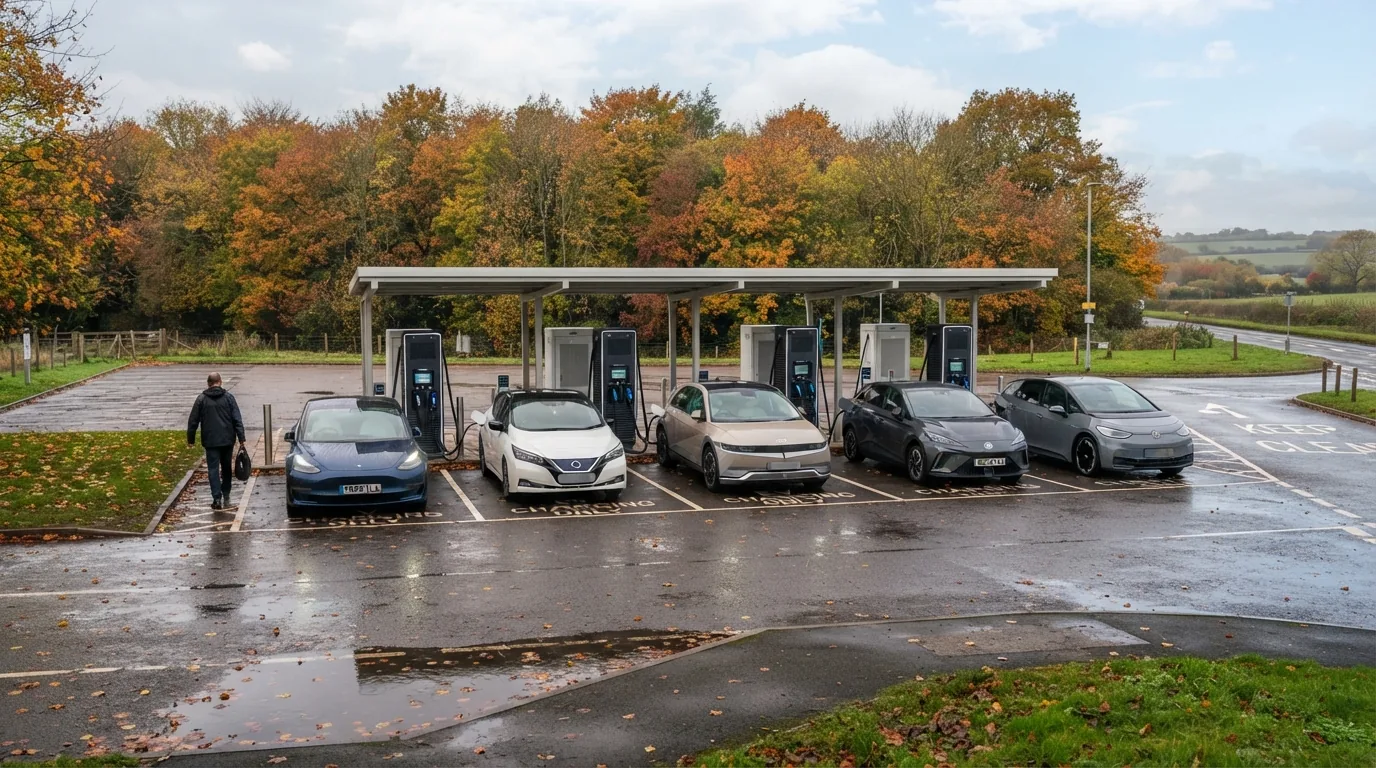
Quick answers
- Zapmap counted 122,724 public EV chargers across 47,441 locations in the UK at the end of July 2026, on 97,266 charging devices.
- Year-on-year growth was 11% in April, 10% at the end of June and 9.5% at the end of July. The June total was 121,171 chargers.
- At the end of June, on-street chargers grew 18% year on year to 39,859 and en-route chargers grew 15.2% to 13,711, while destination chargers grew 5.7%.
- The average pay-as-you-go price in August 2026 was 77p per kWh on 50kW-plus chargers and 54p per kWh on chargers up to 49kW.
The UK had 122,724 public EV chargers at the end of July 2026, according to Zapmap, at 47,441 locations and on 97,266 charging devices. Yearly growth has eased from 11% in April to 10% in June and 9.5% in July, but the network is still adding thousands of chargers a quarter, and the biggest gains are where drivers without driveways need them.
How big is the UK charging network now?
Zapmap now counts individual chargers (each lead), not just devices, which is why its headline figure is higher than the device total. The milestones this year:
| Date | Chargers | Year-on-year growth |
|---|---|---|
| End of April 2026 | 120,388 | 11% |
| End of June 2026 | 121,171 | 10% |
| End of July 2026 | 122,724 | 9.5% |
The April figure, which topped 120,000 for the first time, comes from EV Powered, and the June figure from Zapmap’s H1 report. The July total added 1,553 net new chargers on June, according to EV Fleet World’s report on the figures.
Where are the new chargers going?
Zapmap’s H1 report splits the network by use, with figures at the end of June:
| Type | Chargers | Year-on-year growth |
|---|---|---|
| En-route (long journeys) | 13,711 | 15.2% |
| Destination | Not published in the figures we checked | 5.7% |
| On-street | 39,859 | 18% |
On-street charging grew fastest, which is good news for the terraced-house drivers that councils have pledged to serve. Our report on on-street charging and the LEVI fund covers the gaps that remain. En-route growth matters for long trips, and our guide to ultra-rapid hubs shows where to find them. In April, Zapmap counted 13,346 ultra-rapid chargers of 150kW and above, up 40% year on year.
Is growth slowing?
Slightly. Zapmap recorded 11% year-on-year growth in April, 10% in June and 9.5% in July. A bigger network makes the same number of additions a smaller percentage, so the slowdown is partly arithmetic. The slower segment is destination charging at 5.7%, where chargers sit in car parks at shops, hotels and workplaces, while the faster-growing on-street and en-route segments are lifting the total.
What do the numbers not tell you?
A raw count says little about whether a charger works or is near you. Zapmap’s total includes slow chargers in car parks alongside 150kW hubs, and a single location can hold one socket or dozens. The 47,441 locations figure is a better guide to coverage than the headline total, and our reliability ranking of charging networks is a better guide to whether a stop will work when you arrive.
It also pays to separate growth from need. Drivers who park on the street rely on the 39,859 on-street chargers, a group that is still small next to the destination total, so the fastest-growing segment starts from a lower base.
What does it cost to use them?
More chargers have not yet pulled prices down. Zapmap’s August 2026 price index put the weighted average pay-as-you-go price at 77p per kWh on 50kW-plus chargers and 54p per kWh on chargers up to 49kW (Zapmap). Our October charging prices report breaks this down by network, and the state of public charging puts the numbers in context.
| Charger speed | Average pay-as-you-go price, August 2026 | Cost of 50kWh |
|---|---|---|
| 50kW and above | 77p per kWh | £38.50 |
| Up to 49kW | 54p per kWh | £27.00 |
What this means for you
A bigger network makes a public-charging-only life easier, but the price is the real test. At 77p per kWh, a 50kWh rapid session costs £38.50, so a home or workplace charger remains far cheaper for regular driving. Use the slower, 54p per kWh chargers when you can leave the car for longer, and compare networks before a long trip using our guide to cheap public charging options. We found no Zapmap end-of-August or end-of-September figures published yet, so July is the latest total.
How we test and where our numbers come from
Range figures are official WLTP combined values taken from manufacturer UK specification pages, with real-world estimates drawn from independent comparative testing. Prices are UK list prices at the time of the latest update. Tax, grant and charging-scheme figures come from GOV.UK and HMRC publications. We re-check every guide when pricing, specification or policy changes. Last checked 6 October 2026.
Frequently asked questions
How many public EV chargers are there in the UK?
Zapmap counted 122,724 public chargers at the end of July 2026, spread over 47,441 locations and 97,266 charging devices.
How fast is the UK charging network growing?
Zapmap recorded 11% year-on-year growth in April 2026 and 10% at the end of June, when it counted 121,171 chargers.
Which type of charger is growing fastest?
On-street chargers, up 18% year on year to 39,859 at the end of June, followed by en-route chargers, up 15.2% to 13,711. Destination chargers grew 5.7%.
How much does public rapid charging cost?
Zapmap's August 2026 price index put the average pay-as-you-go price at 77p per kWh on chargers of 50kW and above, and 54p per kWh on slower chargers up to 49kW.
Sources and further reading
- zapmap.comZapmapPrimary source referenced in this article.
- zapmap.comUK EV Charging Stats H1 2026End-June totals, year-on-year growth and the en-route, destination and on-street split.
- zapmap.comZapmap Price IndexAugust 2026 average pay-as-you-go prices.
- evpowered.co.ukUK charging network tops 120,000 devices for first timeApril 2026 total, 11% growth and ultra-rapid figures.

EV Compared
The EV Compared editorial team tracks the UK electric vehicle market full time: new model launches, list prices, WLTP and real-world range, public charging tariffs and the tax rules that decide what an EV actually costs to run. Every guide is checked against manufacturer specifications and official GOV.UK figures, and updated whenever the numbers move.
Related reading
View all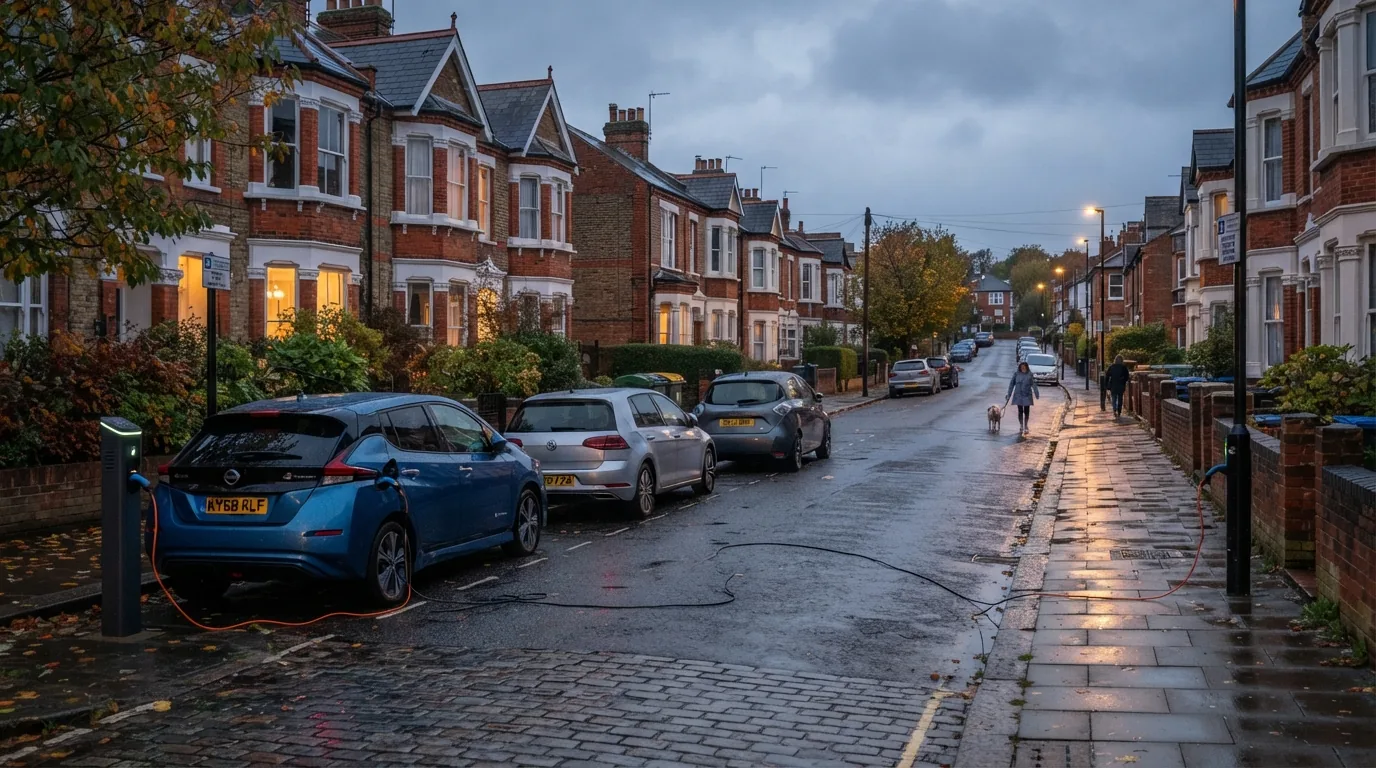
Half of UK councils still offer no on-street EV charging, FOI finds
More than 90% of councils now have public chargers, yet half offer nothing on-street. New LEVI deals in Hampshire, Peterborough and West Sussex show where help is arriving first.
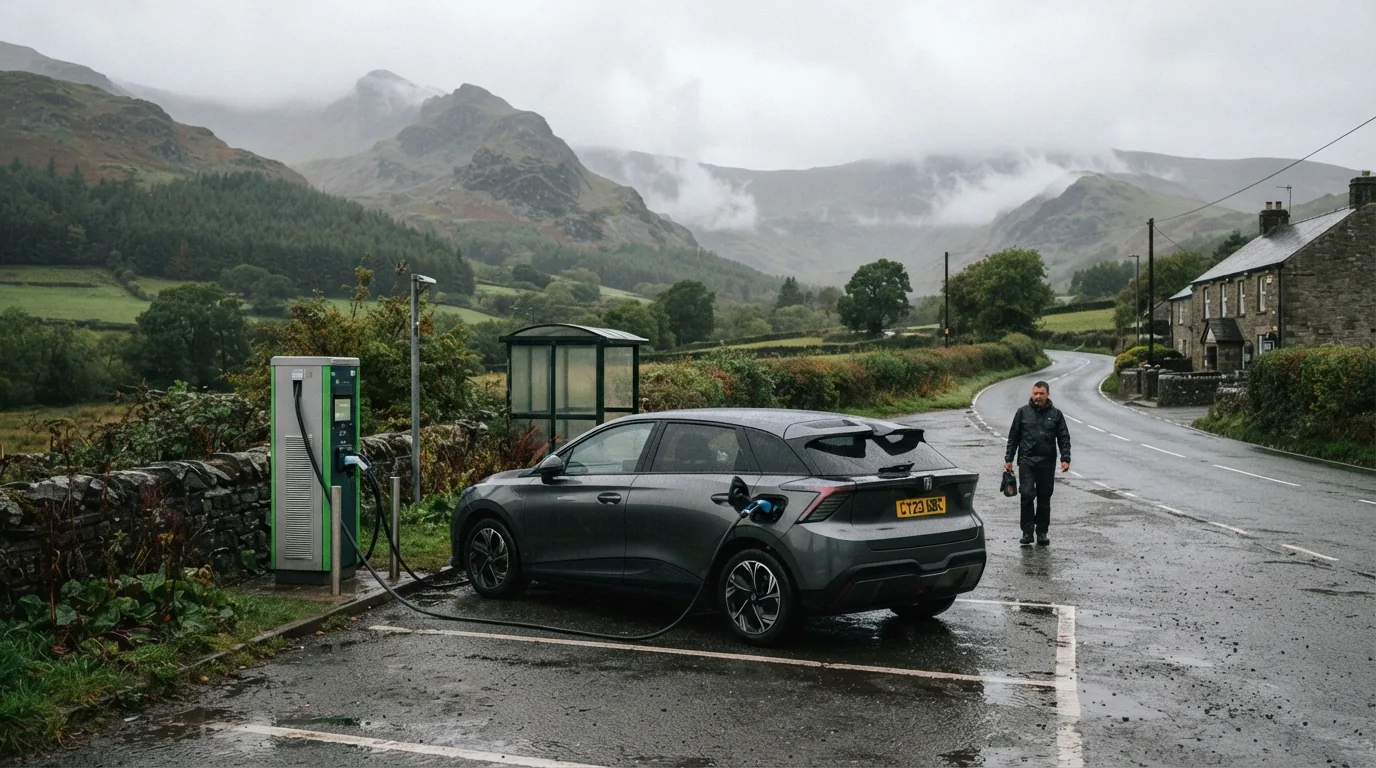
Wales EV charging sites get 100% business rates relief to 2036
The Welsh Government will waive non-domestic rates on EV charging bays and forecourts for a decade. It is a cost cut for operators rather than a discount at the charger, aimed at parts of Wales with few public points.
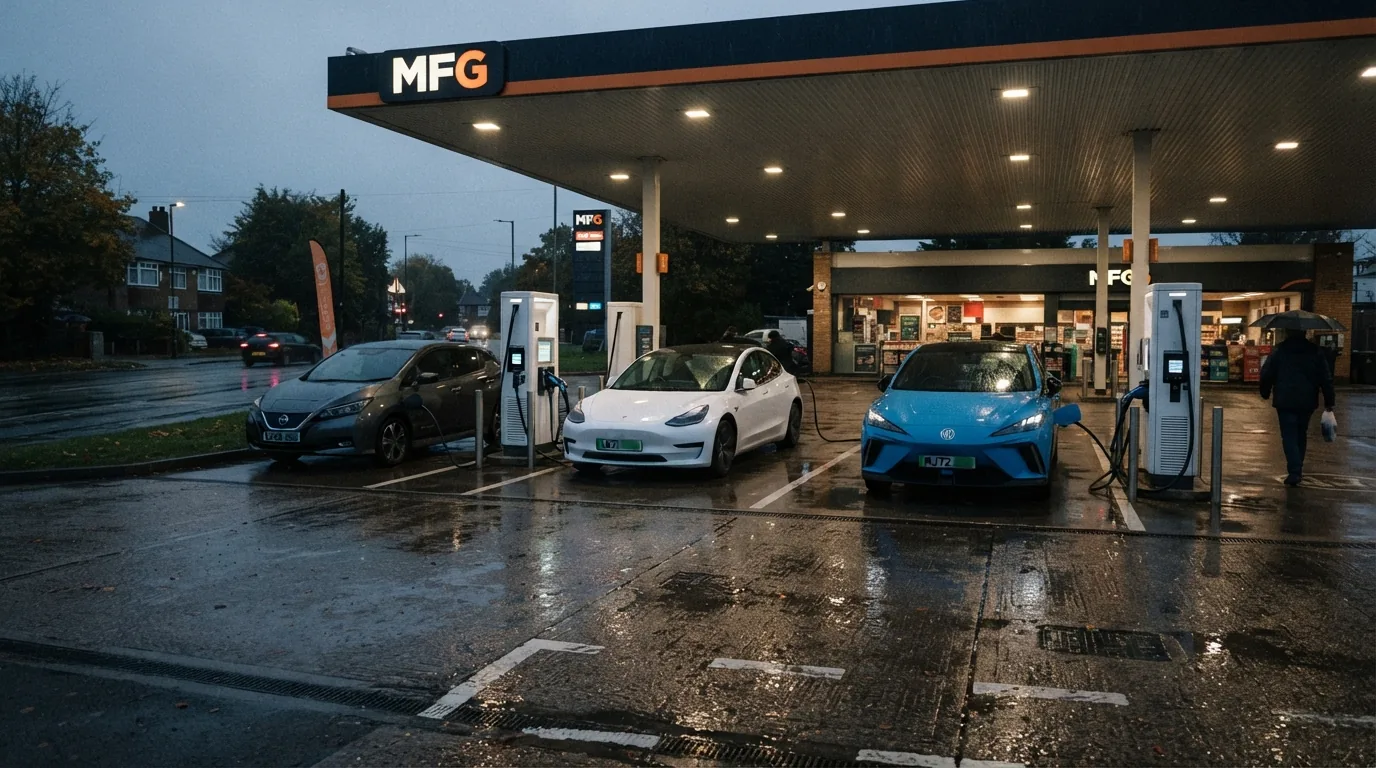
Zapmap: rapid charging averages 77p/kWh as MFG keeps 59p app price
Rapid public charging averaged 77p/kWh in August, and MFG has kept its 59p summer price for drivers who use its app. Here is what the big networks charge, and the off-peak and subscription deals that cut the bill.
Best Cheap Public EV Charging Options in the UK
How to charge in public for the least money, the networks, tricks and times that cut your bill
Most Reliable EV Charging Networks UK 2026, Ranked
Which networks actually hit the 99% uptime target, and which ones to trust on a long journey
Pod Point vs Connected Kerb: Which Is Best for On-Street EV Charging?
Connected Kerb is built for residential streets; Pod Point covers supermarkets and retail car parks. Here is how to pick the right network for your situation.