Fuuse and Drax take on 1,000 ex-bp pulse fleet customers and 14,000 sockets
After bp pulse quit workplace charging in 2025, its depot customers were left looking for support. Now Fuuse will run the software and Drax the maintenance, with existing hardware warranties honoured.
Quick answers
- Fuuse has been chosen as exclusive migration partner for almost 1,000 former bp pulse fleet 'depot' charging customers, with more than 14,000 charging sockets between them.
- Drax Electric Vehicles, part of Drax Group, will provide nationwide maintenance and continue existing hardware warranty support.
- bp pulse withdrew from workplace charging in July 2025 to focus on its public hubs and rapid charger network.
- In May 2026, bp pulse said it was looking for a migration partner after some fleets criticised a lack of support; it apologised for delays.
- The deal lets fleets keep their existing chargers rather than rip them out and replace them.
- Affected customers register through the link in their notification email from bp pulse, after which Fuuse validates their setup and guides the move.
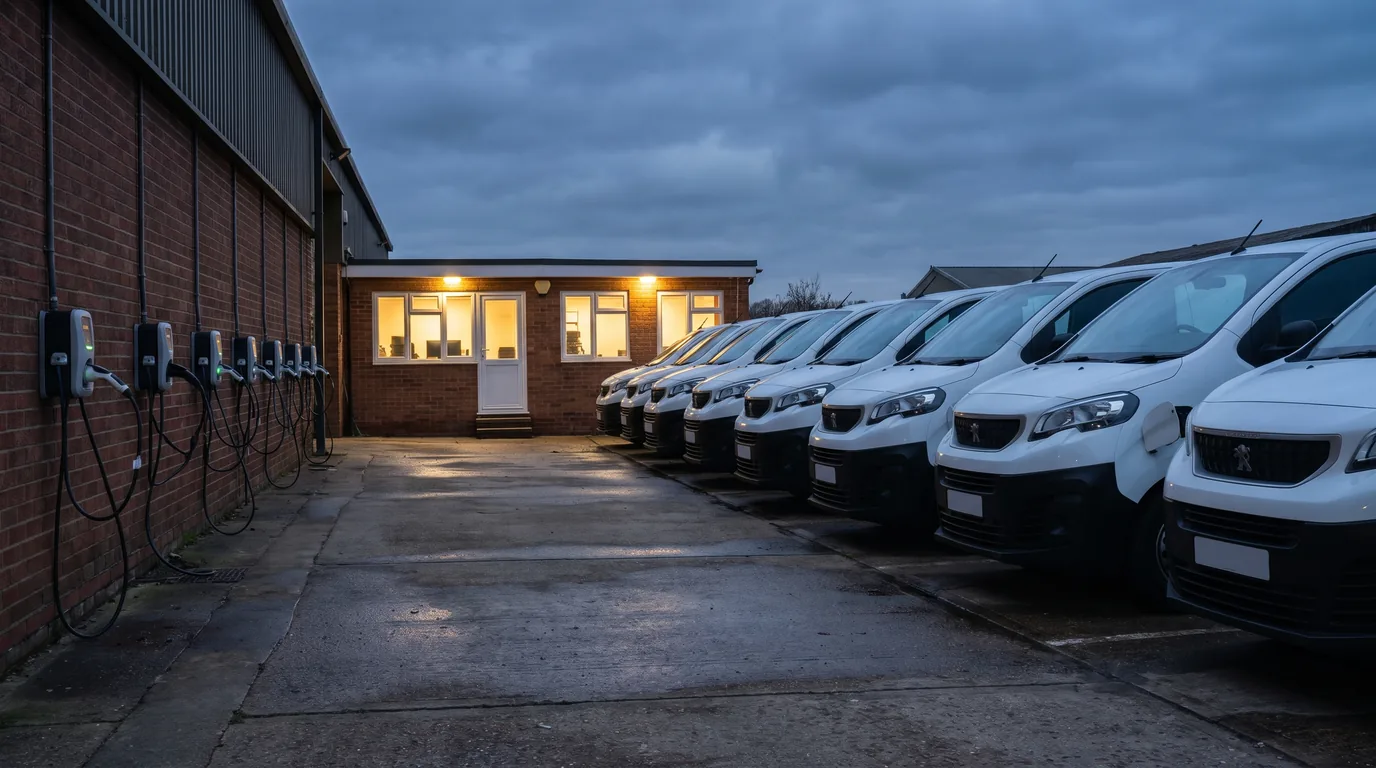
Almost 1,000 businesses left stranded when bp pulse quit workplace charging now have a new home for their chargers. Charge point software company Fuuse has been named exclusive migration partner for bp pulse’s former fleet “depot” charging customers, who between them have more than 14,000 charging sockets, according to Fleet News. Drax Electric Vehicles, part of Drax Group, will provide maintenance and continue existing hardware warranties.
For the fleets involved, it ends more than a year of uncertainty. They can keep the chargers they already paid for, rather than ripping them out and starting again. The companies call it one of the largest charging migrations the UK has seen.
What happened to bp pulse workplace charging?
bp pulse announced in July 2025 that it was withdrawing from workplace charging to concentrate on its public charging hubs and rapid charger network across the UK. A spokesperson told Fleet News at the time that it was aiming for a “simpler, more focussed and higher value company”.
The exit left a problem. Depot chargers rely on back-office software for access control, billing, load management and reporting, plus a maintenance contract. Without them, chargers can stop working properly. In May 2026, bp pulse said it was seeking a migration partner after some fleets criticised a lack of support, and it apologised to customers who had experienced delays in communication.
What has been agreed?
Fuuse will move the customers onto its charge point management platform, while Drax Electric Vehicles provides nationwide field maintenance. The key points:
| Detail | What it means for fleets |
|---|---|
| Customers | Almost 1,000 former bp pulse fleet depot customers |
| Chargers | More than 14,000 sockets |
| Software | Moves to the Fuuse platform |
| Maintenance | Drax Electric Vehicles, nationwide |
| Warranties | Existing hardware warranties continue |
| Hardware | Kept in place; no rip-and-replace |
The appointment follows more than a year of collaboration, hardware testing and platform development between bp’s EV charging business and Fuuse, to make sure existing chargers work properly on the new platform.
“Being selected as the exclusive migration partner is a huge endorsement of both our platform and our people,” said James Chapman, strategic sales director at Fuuse. “This is about more than just software. It’s about protecting customer investment, maintaining operational continuity and making what could feel like a disruptive change, incredibly straightforward.”
Adam Hall, energy services director at Drax Electric Vehicles, said: “With nationwide field service capability and continuity of existing hardware warranty support, we can help ensure charging infrastructure remains maintained, supported and fully operational. That means less disruption, reduced downtime and greater confidence for fleets relying on their vehicles every day.”
What should affected fleets do?
If you are a former bp pulse depot customer:
- Find the notification email from bp pulse, which contains a registration link.
- Register your migration through that link.
- Wait for Fuuse’s onboarding team, which will validate your charging setup, confirm service arrangements and guide you through the process.
- Check your warranty position. Existing hardware warranties continue under Drax, so keep any paperwork showing installation dates and terms.
- Review your tariffs and access settings once you are on the new platform, to make sure drivers can still charge and costs are allocated correctly.
Why does this matter beyond these fleets?
Because it shows a risk that every business installing chargers should think about: what happens if your provider leaves the market? Charge point hardware can last many years, but it depends on software and support. When a provider exits, customers can be left with chargers that are hard to manage or repair.
The bp pulse case ended reasonably well, with a migration that keeps hardware in use. But it took more than a year. When choosing a provider, fleets should ask:
- Is the hardware open? Chargers that support open standards such as OCPP can be moved to a different software platform if needed.
- Who maintains it? Is maintenance separate from software, and can it be transferred?
- What happens on exit? Is there a contractual commitment to migration support?
What about bp pulse’s public chargers?
They are not affected. bp pulse is concentrating on public charging, including hubs and rapid chargers. It has opened a charging and convenience hub on Cromwell Road in Hammersmith, extended an agreement with Transport for London to reinvest in on-street rapid chargers, and plans ultra-fast charging at more than 30 Roadchef motorway service areas from 2027. Our bp pulse and Shell Recharge comparison covers its public network.
How important is depot charging?
Very. Depot charging is where most company vans and many fleet cars charge, overnight and at low cost. It is a big reason electric vans make financial sense for businesses, as our guide to electric vans for fleets explains. Without reliable depot charging, fleets fall back on public chargers, which cost far more and carry 20% VAT.
That makes stable, well-supported depot charging part of the backbone of the EV transition for business. It is one reason the leasing and fleet industry is watching government policy so closely, from company car tax to the ZEV mandate.
What is a charge point management platform?
A charge point management platform, sometimes called a back office, is the software that sits behind chargers. For a fleet depot, it typically handles:
- Access control, so only authorised drivers or vehicles can charge.
- Load management, sharing the depot’s limited grid capacity between vehicles so the site does not exceed its connection.
- Scheduling, so vehicles charge when electricity is cheapest.
- Billing and reporting, allocating costs to vehicles, drivers or departments, and reporting energy use and emissions.
- Remote diagnostics, spotting faults and resetting chargers without a site visit.
Without that software, chargers may still deliver power, but fleets lose control of who charges, when and at what cost. That is why bp pulse’s exit was such a problem for its depot customers.
Why are open standards so important?
Many chargers use OCPP, the Open Charge Point Protocol, which lets hardware from one company work with software from another. Where chargers support open standards, a fleet can switch software provider without replacing hardware. Fuuse’s year of testing with bp’s charging business was about making sure the existing hardware would work reliably on its platform.
North Yorkshire Council learned the opposite lesson. When the company that installed its chargers went bust, the council could not access user manuals to transfer the work, and some equipment could not be moved to other operators. It is now replacing those chargers and moving them onto a Fuuse back office, as we report in our North Yorkshire story.
What should fleets look for in a charging contract?
Whether you are installing depot charging for the first time or reviewing an existing setup, ask:
- Does the hardware support OCPP or another open standard?
- Who owns the data, and can you take it with you if you change provider?
- Is maintenance separate from software, and what response times are guaranteed?
- What happens if the provider exits the market or is sold?
- How long is the warranty, and who honours it if the provider changes?
Why is depot charging so valuable?
Depot charging is usually the cheapest way to run an electric fleet. Vans and company cars charge overnight on business electricity rates, avoiding public charging prices that include 20% VAT. Smart scheduling can shift charging to the cheapest hours, and load management avoids costly grid upgrades.
That is especially important for vans, where the business case depends on low running costs. Our guide to electric vans for sole traders covers the economics for smaller businesses, and our guide to electric vans for fleets covers larger operations.
Who are Fuuse and Drax Electric Vehicles?
Fuuse is a UK charge point management software company that works with businesses, fleets and local authorities, providing the back-office systems and customer support behind chargers from several hardware makers. Drax Electric Vehicles is part of Drax Group, the energy company best known for Drax power station in North Yorkshire, and provides EV charging infrastructure, installation and field maintenance services. Together they split the job that bp pulse used to do alone: Fuuse runs the software and customer side, while Drax sends engineers to keep the hardware working and honours existing warranties.
That split, software from one specialist and maintenance from another, is becoming common. It gives fleets more flexibility, but it also means making sure both parts are covered by clear contracts.
Our view
bp pulse’s exit from workplace charging was a test of how the industry handles a major provider leaving, and for a long time it looked like a poor one. The Fuuse and Drax deal is the right outcome: hardware kept in service, warranties honoured and a single route to migrate. The lesson for every fleet is to choose open, transferable charging systems, so a provider’s change of strategy does not become your problem.
How we test and where our numbers come from
Range figures are official WLTP combined values taken from manufacturer UK specification pages, with real-world estimates drawn from independent comparative testing. Prices are UK list prices at the time of the latest update. Tax, grant and charging-scheme figures come from GOV.UK and HMRC publications. We re-check every guide when pricing, specification or policy changes. Last checked 24 October 2026. How we work out our own figures.
Frequently asked questions
What is happening to bp pulse workplace chargers?
bp pulse left the workplace and depot charging market in July 2025. Its almost 1,000 fleet depot customers, with more than 14,000 sockets, are moving to the Fuuse charge point management platform, with maintenance from Drax Electric Vehicles.
Do bp pulse fleet customers need to replace their chargers?
No. The migration is designed to let fleets keep their existing hardware. Fuuse tested bp pulse hardware for more than a year, and Drax will honour existing hardware warranties.
How do bp pulse depot customers migrate to Fuuse?
Register using the link in the notification email from bp pulse. Fuuse's onboarding team will then check your charging setup, confirm service arrangements and guide you through the move.
Is bp pulse closing its public chargers?
No. bp pulse left workplace charging to focus on its public charging hubs and rapid charger network. Its public chargers, including planned sites at Roadchef motorway services from 2027, are not part of this migration.
Who are Fuuse and Drax Electric Vehicles?
Fuuse is a UK charge point management software company. Drax Electric Vehicles is part of energy company Drax Group and provides EV charging infrastructure and field maintenance services.
Sources and further reading
- fleetnews.co.ukFleet NewsPrimary source referenced in this article.
- theenergyst.comFuuse and Drax Electric Vehicles partner to deliver migration for bp pulse fleet customersThe companies' announcement and description of the migration.

EV Compared
The EV Compared editorial team tracks the UK electric vehicle market full time: new model launches, list prices, WLTP and real-world range, public charging tariffs and the tax rules that decide what an EV actually costs to run. Every guide is checked against manufacturer specifications and official GOV.UK figures, and updated whenever the numbers move.
Related reading
View all
BP Pulse vs Shell Recharge: Which UK Network Wins?
Two of the UK's biggest charging networks compared on price, reliability and which type of driver each suits
Best Electric Vans for UK Fleets in 2026
Top electric vans ranked for fleet operators by range, payload, charging and total cost

Best Electric Vans for Sole Traders in the UK
Top electric vans for the self-employed: tax relief, real-world range and 2026 model rankings

Scotland EV charging grants 2026-27: £17.8m, what you can claim
Scotland funds its own EV charging grants on top of UK schemes: rural and island chargers, cross-pavement home charging, flats and microbusinesses. Here is who qualifies and how much each pays.
Workplace Charging Scheme: final year at £500 a socket
The government's workplace chargepoint grant has been extended for one last year to 31 March 2027, with the grant per socket raised from £350 to £500 and the cap per business lifted to £20,000.
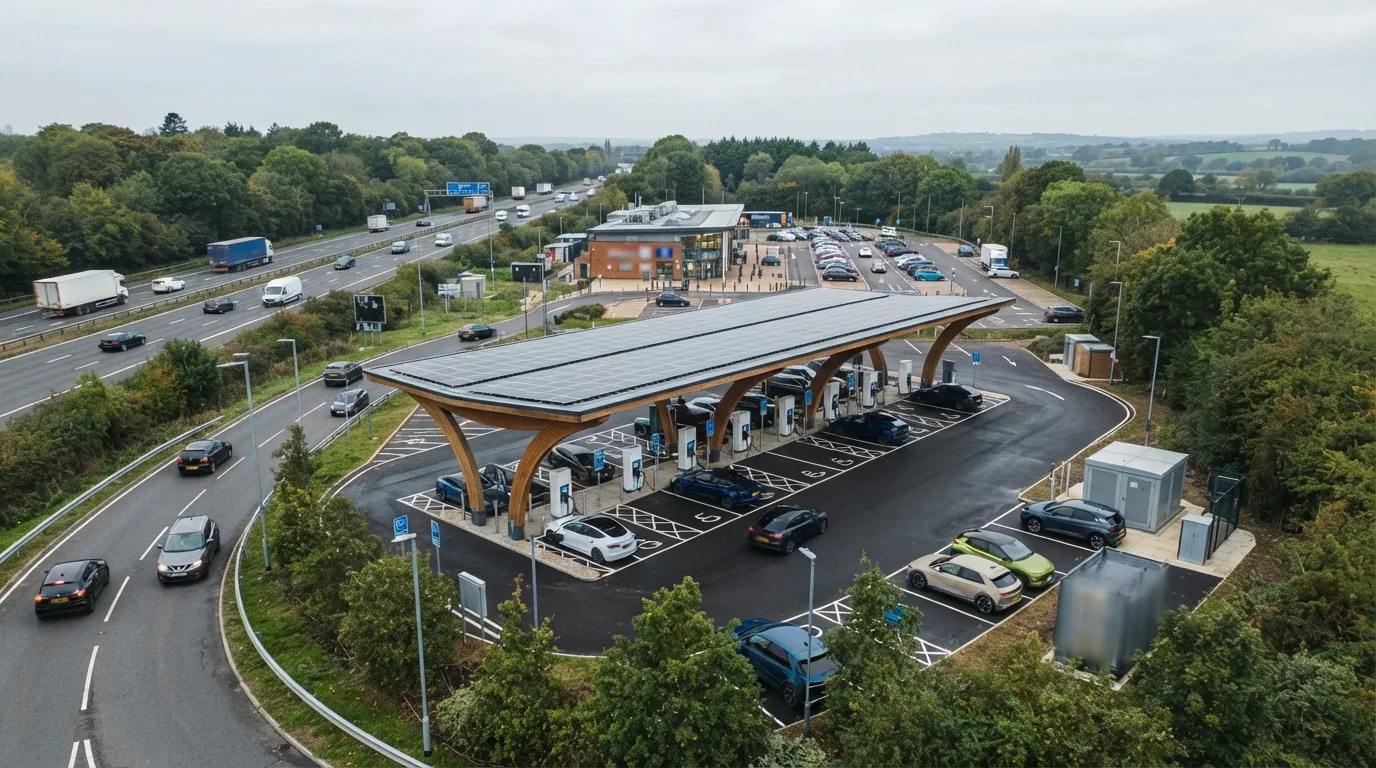
UK EV Charging Network Expansion: Where New Hubs Are Opening
120 new motorway charging bays from GRIDSERVE, NEC Birmingham's largest public hub, and 7 eHGV hubs coming in 2026 -- the infrastructure picture is moving fast