EV charger installers need a Level 3 EV qualification under scheme rules
A certification scheme rule, not a new law: businesses registered with schemes such as NICEIC and NAPIT must now ensure the people fitting chargers hold an accepted qualification. Here is what to ask before you book.
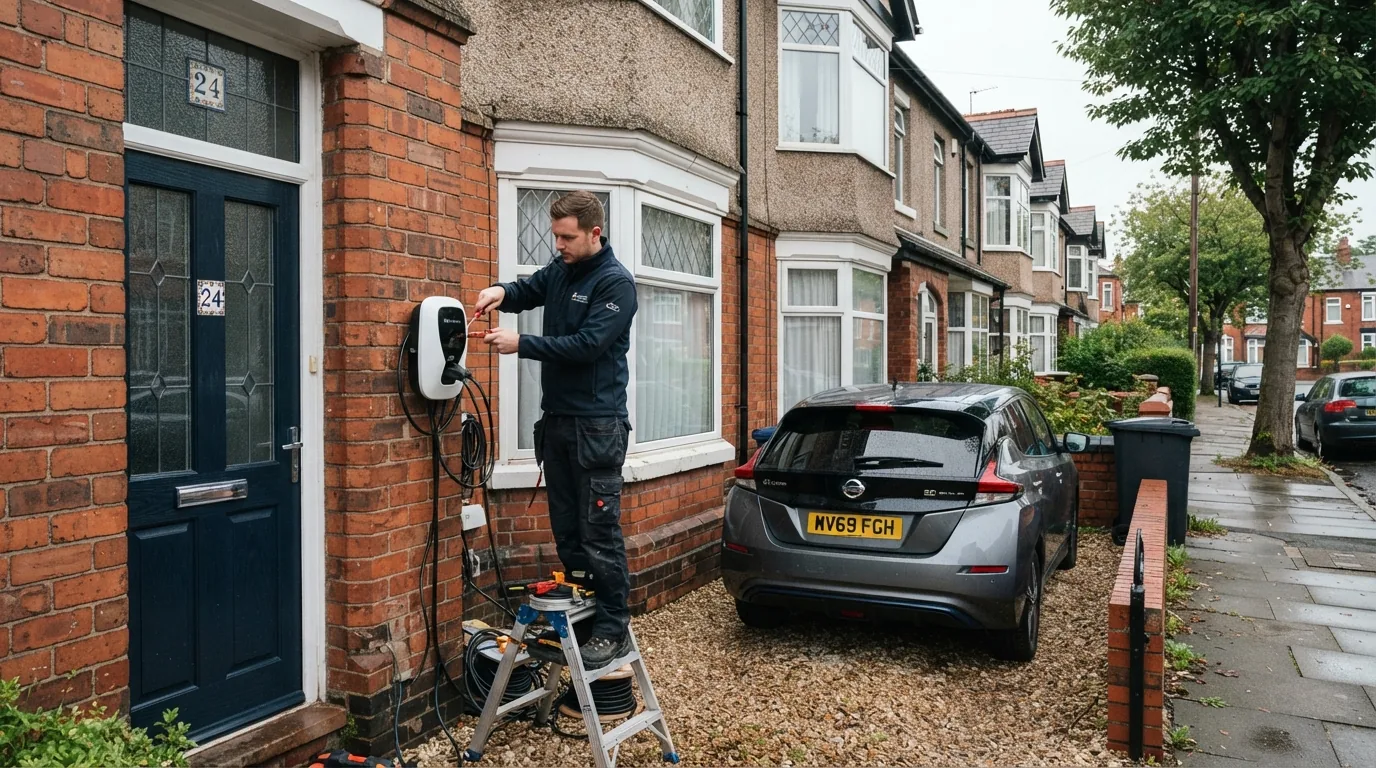
Quick answers
- From 1 October 2026, the updated Electrotechnical Assessment Specification (EAS) requires the relevant qualification for people doing EV charging equipment installation under certification scheme registration. It is a scheme requirement for registered businesses, not a new law.
- EV charging equipment installation is one of four low carbon work categories added to the EAS competence rules.
- The ECA says all employed persons doing the work, and the qualified supervisors responsible for it, must hold an acceptable qualification. Some training providers read this as each individual fitter needing their own.
- Two City & Guilds awards, 2919-01 and 2919-02, were added to the accepted list on 9 March 2026.
- A City & Guilds 2921-34 course is listed at 2 days and £270 to £370 excluding VAT by one training provider.
From 1 October 2026, the updated Electrotechnical Assessment Specification (EAS) requires people installing EV chargers for businesses registered with the main certification schemes to hold a recognised EV charging qualification. This is a scheme rule, not an act of Parliament: the sources describe it as a competence requirement for certified businesses, and we found nothing saying that installing a charger without the award is a criminal offence. If you are about to book a home charger, it is worth asking your installer for proof.
What has changed
The EAS is the assessment standard that electrical certification bodies use to judge the competence of the businesses they register. According to the ECA, the update means businesses doing EV charging equipment installation must make sure all employed persons, and all qualified supervisors responsible for the work, hold an acceptable qualification. EV charging is one of four low carbon work categories added to the rules, and the requirement to hold the qualification applies from 1 October 2026. NICEIC says the same date applies to its certified businesses, and defines employed persons broadly to include agency workers and subcontracted or self-employed labour working under the certification.
The ECA wording covers both employed persons and qualified supervisors. Some training providers go further and say each person physically fitting a charger must hold their own Level 3 EV qualification, so one supervisor can no longer sign off colleagues without it; we could not confirm that reading in the ECA or NICEIC wording (elec.training). Certification bodies such as NICEIC and NAPIT have published guidance for their registered businesses.
Which qualifications count
| Qualification | Scope | Note |
|---|---|---|
| City & Guilds 2919-01, Level 3 Award | Domestic, commercial and industrial EV charging equipment installation | Added 9 March 2026 |
| City & Guilds 2919-02, Level 3 Award | Domestic EV charging equipment installation | Added 9 March 2026 |
| City & Guilds 2921-34, Level 3 Award | EV charging equipment installation | 2 days, £270 to £370 excluding VAT, per one provider |
The EV award sits on top of core electrical training. Providers list an NVQ Level 3 in electrical installation, the 18th Edition wiring regulations and registration with a competent person scheme as the foundations (elec.training). The EV award itself is short, and one provider lists it at two days.
Why it matters
A chargepoint is a long-running load on your home circuit, so the work is not just plugging in a box. Our guide to whether your home wiring can handle an EV charger explains why. Under the scheme rules, a recognised qualification now sits behind what could previously rest on manufacturer training or a supervisor’s say-so, according to training providers.
One training provider says installers who relied on manufacturer training alone became non-compliant on 1 October (elec.training). That is a provider’s reading, not an official count, and we found no published figure for how many installers are affected.
What the sources do not say
We could not find any official estimate of an effect on installation prices or waiting times, so we do not make one. We did not confirm whether the rule applies to installers who work outside a certification scheme, nor how it applies to grant-funded installs, so check the conditions of any scheme you are using. Our chargepoint grant guide covers the schemes.
What this means for you
Before you pay a deposit, ask three things:
- Which EV charging qualification does the person doing the work hold?
- Which certification body is the firm registered with, such as NICEIC or NAPIT?
- Will they give you the electrical certificate and charger commissioning paperwork afterwards?
Our guide to choosing an EV charger installer covers quotes and what to compare, and our home charger buying guide covers the hardware. If you rent or live in a flat, read permission to install a home charger first.
How we test and where our numbers come from
Range figures are official WLTP combined values taken from manufacturer UK specification pages, with real-world estimates drawn from independent comparative testing. Prices are UK list prices at the time of the latest update. Tax, grant and charging-scheme figures come from GOV.UK and HMRC publications. We re-check every guide when pricing, specification or policy changes. Last checked 6 October 2026. How we work out our own figures.
Frequently asked questions
When do the new EV charger installer rules start?
1 October 2026, which has now passed. From that date the EAS requires the people doing EV charging installation work for certified businesses, and the qualified supervisors responsible for them, to hold the relevant qualification. It is a condition of scheme registration rather than a legal requirement.
Which qualifications are accepted?
The ECA says two City & Guilds awards were added to the accepted list with effect from 9 March 2026: 2919-01 for domestic, commercial and industrial EV charging equipment installation, and 2919-02 for domestic installation. Training providers also list City & Guilds 2921-34 as meeting the EAS requirement.
Do I need to check my installer's qualification?
It is sensible to, although the rule binds the installer's certification body registration rather than you. Ask which EV charging qualification the person doing the work holds, and which certification body, such as NICEIC or NAPIT, the firm is registered with.
Does this change what a home charger costs?
None of the sources we found gives a figure for any effect on installation prices, so we cannot say. The only cost quoted is for training, which one provider lists at £270 to £370 excluding VAT.
Sources and further reading
- eca.co.ukECAPrimary source referenced in this article.
- niceic.comEAS changes: what your business needs to knowNICEIC guidance for certified businesses on the new competence requirements.
- napit.org.ukChanges to EAS qualifications guideNAPIT guide to the EAS qualification changes.
- leepgroup.comLevel 3 EV Charging Qualification required by 1 October 2026Training provider summary of the 1 October 2026 deadline.
- elec.trainingHow to Become an EV Charge Point Installer (UK 2025-2026 Regulatory Update)Qualification route and the City & Guilds 2921-34 course length and price.

EV Compared
The EV Compared editorial team tracks the UK electric vehicle market full time: new model launches, list prices, WLTP and real-world range, public charging tariffs and the tax rules that decide what an EV actually costs to run. Every guide is checked against manufacturer specifications and official GOV.UK figures, and updated whenever the numbers move.
Related reading
View all
What Is the EV Chargepoint Grant for Homeowners?
Who can still claim the £500 home chargepoint grant in 2026, and who is no longer eligible
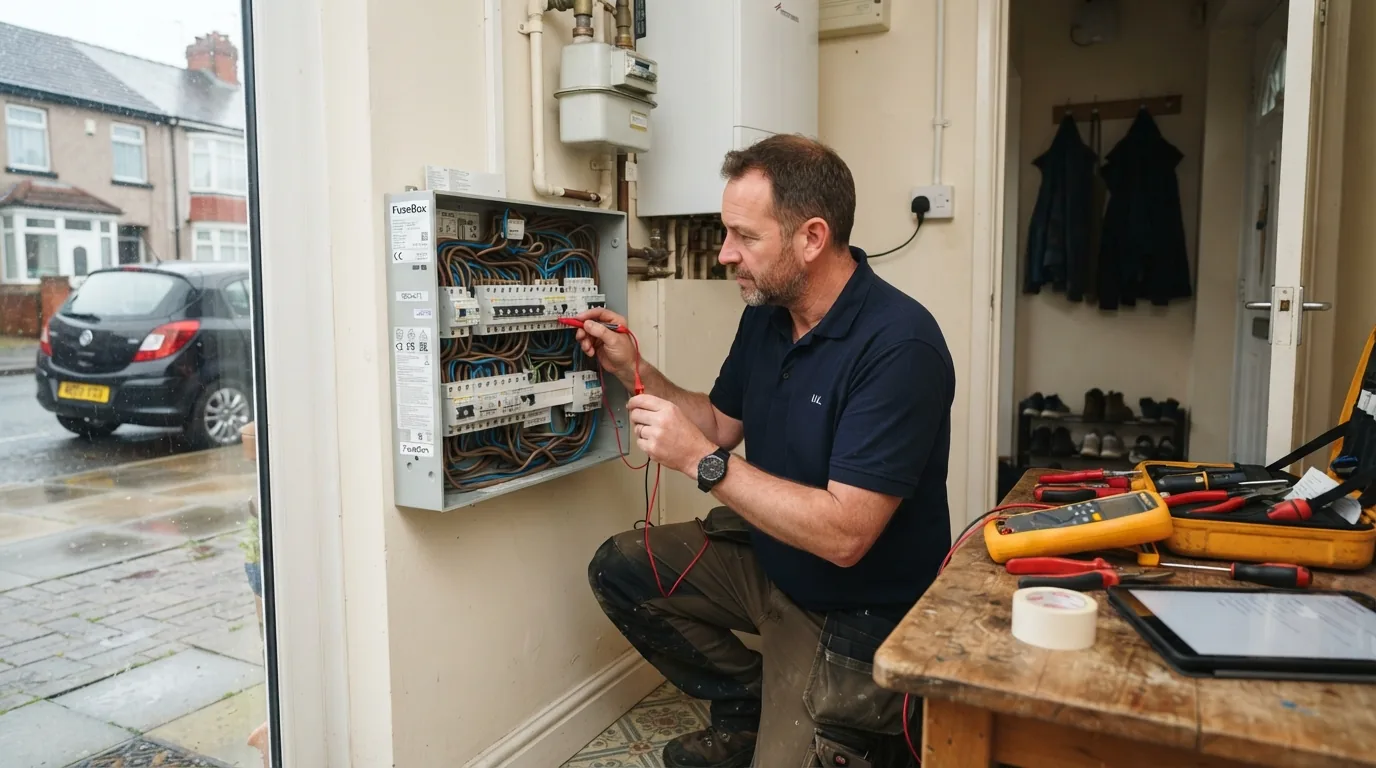
Can Your Home Wiring Handle an EV Charger? A UK Guide
What a qualified electrician checks during an EV charger survey, when an upgrade is needed, and what it costs
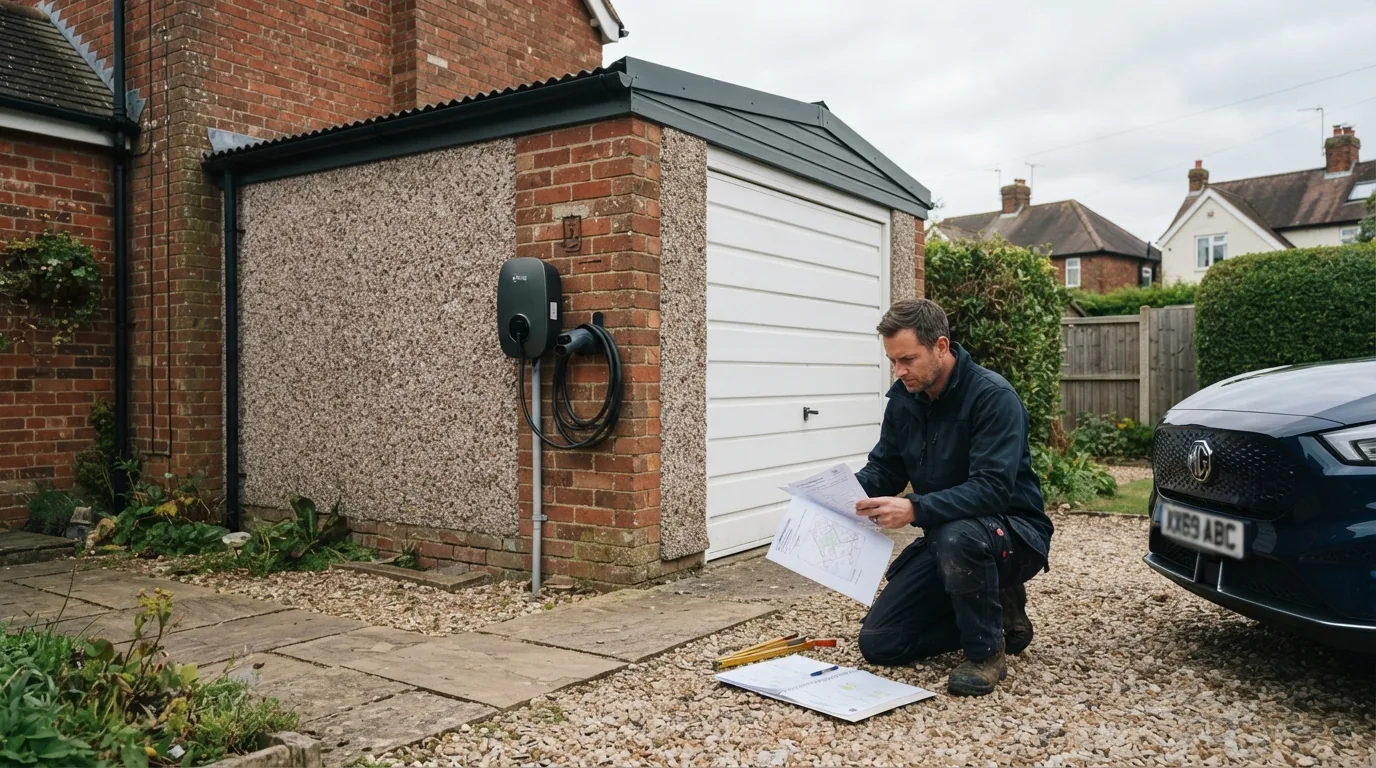
Do You Need Permission to Install a Home EV Charger in the UK?
The four permission layers explained: planning, building regulations, landlord consent and DNO notification
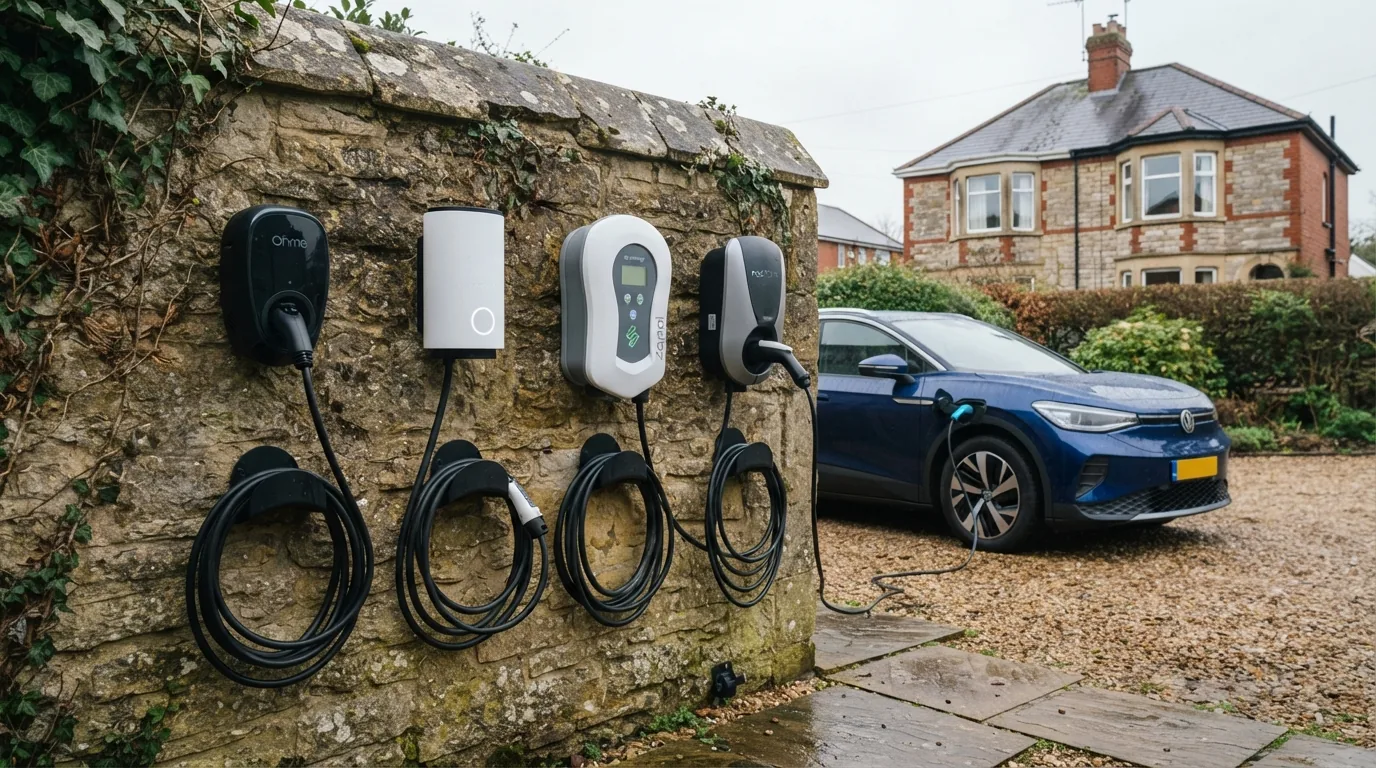
Best Home EV Chargers in the UK for 2026
The top wallboxes ranked by use case, with UK prices, honest verdicts, and our pick for most drivers
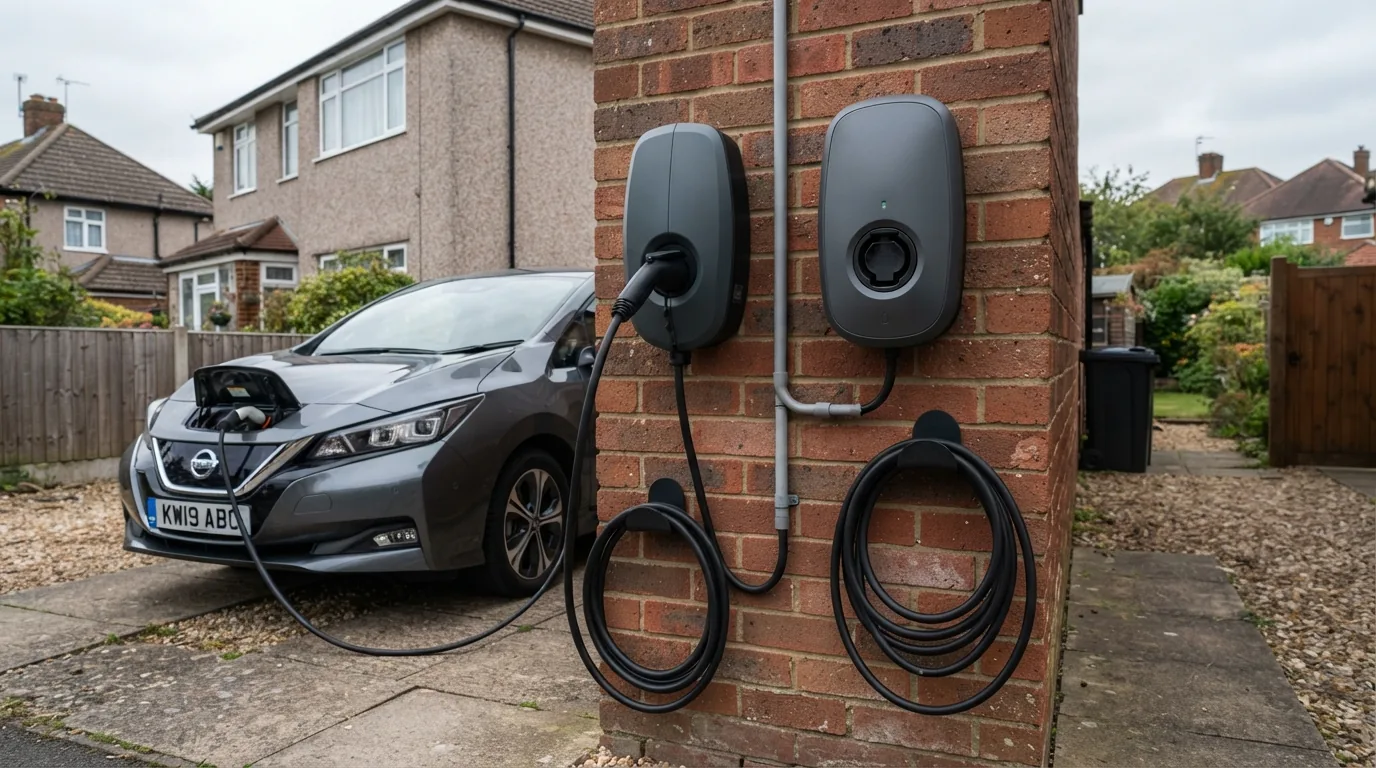
Tethered vs Untethered Home EV Chargers: Which Should You Choose?
The practical differences explained, with real UK costs and a clear recommendation for most UK households
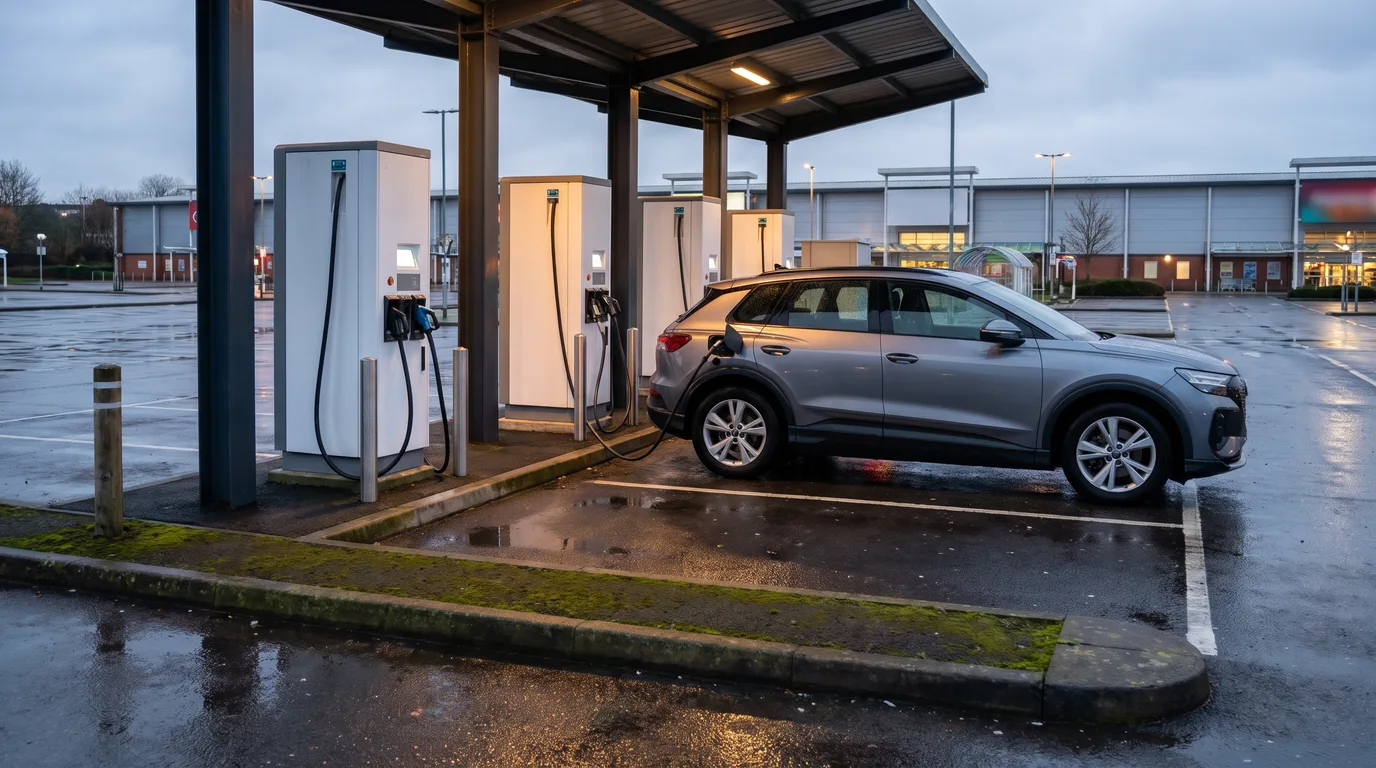
Rapid charging could reach £1 per kWh in 2027, report warns: what the figure means
A campaign report says the fixed grid charge on one rapid charger has risen 616% since 2021 and will reach £77.39 a day in 2027. Its £1.03 per kWh is a modelled cost for a quiet charger, not a price list. We work out what £1 would mean per mile and who is exposed.