Rapid charging could reach £1 per kWh in 2027, report warns: what the figure means
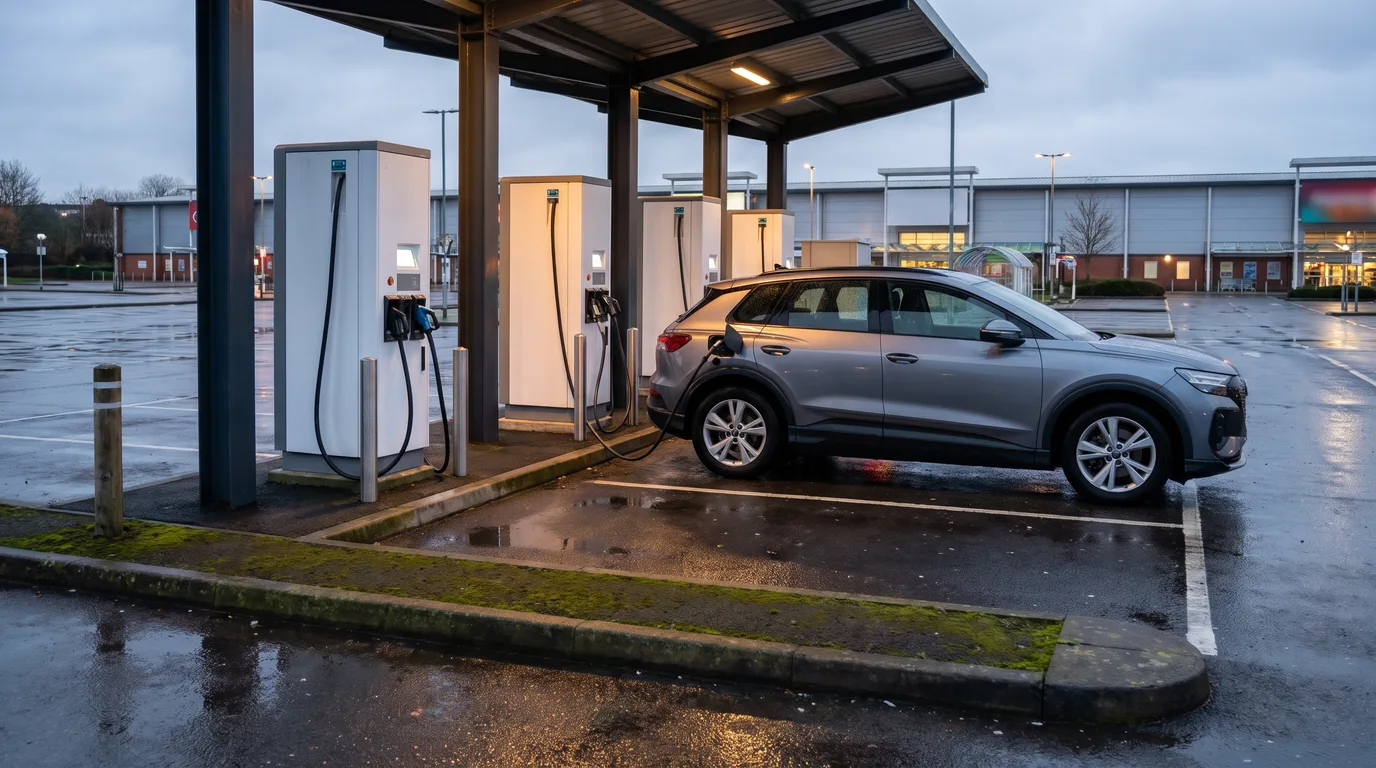
A campaign report says the fixed grid charge on one rapid charger has risen 616% since 2021 and will reach £77.39 a day in 2027. Its £1.03 per kWh is a modelled cost for a quiet charger, not a price list. We work out what £1 would mean per mile and who is exposed.
Quick answers
- A report called Reverse the Charge, by the newsletter The Fast Charge and the charging network Zest, says rapid charging at £1 per kWh could become common in 2027.
- The report says the fixed grid charge for one modelled rapid charger rose from £61.47 a week in 2021 to £440.13 a week in 2026, a 616% rise, and will be £77.39 a day (£541.73 a week) on published 2027 tariffs.
- The headline £1.03 per kWh is the report's modelled cost of electricity and grid charges at a charger selling about 100 kWh a day, before VAT and other costs; it is not a forecast of the price at every charger.
- Zapmap's Price Index puts the average pay-as-you-go rapid price at 82p per kWh in October 2026, up from the 79p the report used.
- On our figures, a car doing 3.5 miles per kWh costs 23.4p a mile at 82p, 28.6p a mile at £1 and 1.9p a mile on a 6.5p overnight home tariff.
- The report estimates operators will pay about £336m in grid charges in 2026 and £413m in 2027, and backs two industry rule changes, DCP 420 and DCP 454, that have not yet reached Ofgem.
- The Budget's £100m for cheaper public charging covers local, lower-powered chargers only, and home charging is not affected by these grid charges.
Rapid charging at £1 per kWh could become common in 2027, according to a report published on 11 November 2026 by the EV newsletter The Fast Charge and the charging network Zest. The report, Reverse the Charge, blames fixed grid charges, which it says have risen 616% for a typical rapid charger since 2021 and will rise again next year.
For a UK driver, the first thing to know is that nobody has announced a £1 price. The headline figure, £1.03 per kWh, is the report’s modelled cost of electricity and grid charges at a quiet rapid charger, before VAT. Zapmap’s average rapid price today is 82p. If £1 did arrive, we work out that it would add about 5p a mile to rapid charging for a typical electric car. Home charging is not affected.
What does the Reverse the Charge report say?
The report models one standard rapid charger with two 100kW connectors on a 232 kVA grid connection. According to its press release, the average fixed grid charge to keep that charger live was £61.47 a week in 2021 and is £440.13 a week in 2026, the 616% rise. On published 2027 tariffs it will be £77.39 a day, or £541.73 a week. The charge is paid whether or not a car is plugged in.
The authors say they averaged published tariffs from eight of Great Britain’s 14 distribution areas and added national transmission charges from the National Energy System Operator. Scaling the single charger up, they estimate:
| Report figure | 2021 | 2026 | 2027 |
|---|---|---|---|
| Fixed grid charge, one rapid charger, per week | £61.47 | £440.13 | £541.73 |
| Fixed grid charge, six-charger hub, per year | Not given | £137,698 | £169,477 |
| Grid charges paid by all rapid charger operators | Not given | About £336m | About £413m |
The national totals use Zapmap’s count of 29,246 rapid and ultra-rapid chargers in July 2026 and assume no new chargers are built. The report says its figures are conservative, because newer ultra-rapid chargers need larger connections.
Is £1.03 per kWh a forecast of what drivers will pay?
No, and this is the part most headlines skip. The Fast Charge says that at a standard rapid charger selling about 100 kWh a day, “which is about two or three visits”, electricity and grid charges alone will cost £1.03 per kWh on 2027 tariffs. That is before tax, rent, maintenance, payment fees, staffing or any margin.
So £1.03 is a cost, not a price, and it is the cost at a lightly used charger. The press release describes the 50 kWh per connector per day as an “early-stage benchmark”. The report is also a campaign document: The Fast Charge is a newsletter and Zest is a charging company that would gain from lower grid charges. That does not make the figures wrong, but every number here is theirs, and we could not check the tariff data behind them.
A fixed charge matters less the more electricity a charger sells. Dividing the report’s 2027 charge of £77.39 a day by different daily sales gives the fixed grid cost carried by each kWh. This is our arithmetic from the report’s figure:
| Energy sold per day | Fixed grid charge per kWh sold |
|---|---|
| 100 kWh (the report’s assumption) | about 77p |
| 200 kWh | about 39p |
| 400 kWh | about 19p |
| 800 kWh | about 10p |
Two 100kW connectors running flat out for 24 hours would deliver 4,800 kWh, so 100 kWh a day is about 2% of the theoretical maximum. At the report’s own assumption, the fixed charge alone is about 77p of the £1.03, which leaves about 26p for the electricity itself. That split is ours, not the report’s.
Zest also gave two real examples from busier sites. At an urban hub in Birmingham, electricity and grid costs take 48p of the 58p per kWh drivers pay before VAT. At an on-street ultra-rapid charger in London they take 58p of 64p. Neither is close to £1, but both leave little for everything else.
What does rapid charging cost now?
Zapmap’s Price Index, updated on 5 November, puts the weighted average pay-as-you-go price for rapid and ultra-rapid chargers at 82p per kWh in October 2026. Slower public chargers averaged 54p. The report used 79p, the average when it was prepared, and The Fast Charge notes the figure has since moved to 82p. When we reported the index in October, the August figure was 77p, so the average has risen 5p in two months.
Prices vary widely by network. Zapmap’s October page on the top 10 rapid networks names Tesla’s public sites as the cheapest, from 51p per kWh, and InstaVolt as the dearest at 92p. HM Treasury said at the Budget that prices at higher-powered chargers have risen 94% in real terms since 2021.
How much would £1 per kWh cost per mile?
We use 3.5 miles per kWh, the efficiency figure on our methodology page, and 7,500 miles a year, the same assumption as our Budget analysis. The charge column is 42 kWh, a 10 to 80% charge on a 60kWh battery. Prices were checked on 13 November 2026: Zapmap for public charging, Ofgem for the price cap and Octopus Energy for Intelligent Octopus Go.
| Where you charge | Price per kWh | Cost per mile | 10 to 80% on 60kWh | 7,500 miles |
|---|---|---|---|---|
| Home, Intelligent Octopus Go smart rate | 6.5p | 1.9p | £2.73 | about £139 |
| Home, Ofgem price cap rate | 26.32p | 7.5p | £11.05 | about £564 |
| Public slower chargers, Zapmap October average | 54p | 15.4p | £22.68 | about £1,157 |
| Public rapid, Zapmap October average | 82p | 23.4p | £34.44 | about £1,757 |
| Public rapid at £1 | 100p | 28.6p | £42.00 | about £2,143 |
| Public rapid at the report’s £1.03 | 103p | 29.4p | £43.26 | about £2,207 |
Moving from 82p to £1 adds about 5.1p a mile, £7.56 to a 10 to 80% charge and about £386 a year for a driver who does every mile on rapid chargers. Few drivers do. Someone who uses rapid chargers for a fifth of 7,500 miles, about 1,500 miles a year, would pay about £77 more.
Auto Express ran a similar example using the report’s 79p: the same 42 kWh costs £33.18 at 79p and £43.26 at £1.03, about £10 more.
One caution on our own table. Zapmap’s averages are prices drivers pay, which include 20% VAT. The report’s £1.03 is a cost before VAT. If an operator passed that cost on in full and added VAT, the price would be about £1.24 per kWh. We do not think that is a realistic forecast for the network as a whole, for the reasons above, but it shows the two numbers are not like for like. Our guide to the cost per mile of an electric car explains the sums.
Why have grid charges risen so much?
The report points to Ofgem’s Targeted Charging Review. It says a 2019 decision, applied since 2022, lets networks bill businesses on the capacity they could draw, not the electricity they use. For most businesses the report says the effect was negligible. A rapid charging site is unusual: it needs a large connection to deliver high power, but may sell little energy while it waits for traffic to build.
The government’s own review of public charging costs, led by Philip New and published with the Budget on 28 October, looked at the same issue. According to the report and The Fast Charge, it found the change had a “severe impact” on operators’ costs. The Fast Charge says the review wants this “urgently” addressed by Ofgem, while Auto Express reports the same wording as a call on the government to deal with the tension between its EV ambitions and the current rules. The press release says the review put the rise in standing charges at 83% to 283%, counting local distribution charges only, while the report’s 616% also includes transmission charges and fixed policy and supplier costs. The two figures measure different things.
What do Ofgem and the government say?
The Fast Charge says Ofgem pointed it to an industry working group and acknowledged its original modelling covered a limited list of user types. Ofgem said it was open to evidence where the decision “is having unintended consequences”, according to the newsletter. Auto Express says it approached Ofgem and the government for comment; its report carried no response from either.
The report also cites Ofgem briefings obtained under Freedom of Information. It says an October 2025 briefing for the Treasury described high fixed grid charges as keeping rapid chargers in an “unproductive cycle”, and that a May 2026 version repeated the analysis.
The Budget did act on charging costs, but not here. As we covered in our Budget report, the Treasury’s £100m over two years is for lower-powered chargers near homes, and VAT on public charging stays at 20%.
What fixes does the report want?
Two proposed changes to industry rules, known as DCP 420 and DCP 454. The Fast Charge says DCP 420 would let eligible sites drop to a lower charging band, and DCP 454 would go further and return them to a charge based on consumption. The report says both have been in working groups for three years and have not yet reached Ofgem for a decision. It wants Ofgem to approve one or both and the Chancellor to back that.
“The switch to capacity-based network charges was never intended to put the brakes on EV adoption,” said Robin Heap, founder and chief executive of Zest. Tom Riley, the report’s author and editor of The Fast Charge, called grid standing charges “effectively a feudal tax”. Jarrod Birch, head of policy at the trade body ChargeUK, told Auto Express that operators in a “largely pre-profit sector” increasingly “do not have the option to swallow further cost”.
Which drivers are most exposed?
Drivers who cannot charge at home. The press release cites RAC Foundation figures suggesting about a third of UK households have no off-street parking. Many of those drivers rely on slower on-street chargers, which the report did not model, but anyone who depends on rapid chargers for regular top-ups would feel a rise most. Our guide to living with an electric car without a driveway covers the options.
Drivers with a home charger are the least exposed. The grid charges in the report apply to large business connections, not domestic supplies. Best Chargers’ EV tariff comparison lists current overnight rates.
What can you do about rapid charging costs now?
- Compare networks before you plug in. Zapmap’s October range, from 51p to more than 90p, is wider than the gap between today’s average and £1.
- Use app and off-peak prices. Several networks charge less through their own app or at night. Our guide to cheap public charging options lists them.
- Keep rapid charging for journeys. Slower public chargers averaged 54p in October, about a third less than rapid.
- Do not budget on a guess. If you are costing an EV without a driveway, use today’s prices from our guide to public charging costs and add a margin. Our longer look at whether charging prices are going up or down gives the background.
Our view
The report makes a credible case that fixed grid charges are pushing up the cost of running rapid chargers, and the government’s own review appears to agree on the direction. The £1 headline needs care, though. It comes from a model of a quiet charger, produced by a campaign with an interest in the outcome, and busy sites spread the same charge far more thinly. What drivers can see for themselves is that Zapmap’s average has risen from 77p to 82p since August. Expect rapid prices to stay under pressure in 2027 unless Ofgem acts, shop around between networks, and if you can charge at home, none of this changes the case for doing so.
How we test and where our numbers come from
Range figures are official WLTP combined values taken from manufacturer UK specification pages, with real-world estimates drawn from independent comparative testing. Prices are UK list prices at the time of the latest update. Tax, grant and charging-scheme figures come from GOV.UK and HMRC publications. We re-check every guide when pricing, specification or policy changes. Last checked 13 November 2026. How we work out our own figures.
Frequently asked questions
Will rapid charging cost £1 per kWh in 2027?
Nobody has announced that price. The Reverse the Charge report says £1 per kWh could become common in 2027, based on a modelled cost of £1.03 per kWh for electricity and grid charges at a rapid charger selling about 100 kWh a day. Busier chargers spread the same fixed charge over more kWh, so their cost per kWh is lower. Zapmap's average for October 2026 was 82p.
What is a grid standing charge on a rapid charger?
It is a fixed daily charge an operator pays for its grid connection, whether or not a car is charging. The report says a 2019 Ofgem decision, applied since 2022, bills businesses on the capacity they could use, not on what they use. For one modelled rapid charger it puts the charge at £440.13 a week in 2026.
How much does rapid charging cost per mile?
At Zapmap's October 2026 average of 82p per kWh, a car that covers 3.5 miles per kWh costs about 23.4p a mile. At £1 per kWh it would be about 28.6p a mile. On a 6.5p overnight home tariff the same car costs about 1.9p a mile. These are our calculations.
Does this affect home charging prices?
No. The charges in the report are those paid by businesses with large grid connections, such as rapid charging sites. Home charging on a domestic tariff is not affected. Intelligent Octopus Go still advertises smart charging from 6.5p per kWh, and the Ofgem price cap rate is 26.32p per kWh until 31 December 2026.
What are DCP 420 and DCP 454?
They are two proposed changes to the industry rules on distribution charges. According to The Fast Charge, DCP 420 would let eligible sites drop to a lower charging band and DCP 454 would return them to a charge based on consumption. The report says both have spent three years in working groups and have not yet reached Ofgem for a decision.
Sources and further reading
- reversethecharge.co.ukReverse the Charge (The Fast Charge and Zest)Primary source referenced in this article.
- reversethecharge.co.ukReverse the Charge: launch press releaseMethod and figures: two 100kW connectors on a 232 kVA connection, £61.47 and £440.13 a week, £77.39 a day in 2027, 50 kWh per connector per day, £336m and £413m, 29,246 chargers, the Zest site examples, the RAC Foundation figure and quotes from Tom Riley and Robin Heap.
- fastcharge.email£1 per kWh may be common in 2027The Fast Charge, 11 November 2026: the £1.03 per kWh at about 100 kWh a day and what it leaves out, the hub figures, Ofgem's response, how DCP 420 and DCP 454 would work, and Zapmap's average moving from 79p to 82p.
- evfleetworld.co.ukEV charging costs could hit £1 per kWh in 2027 due to 'flawed' Ofgem policyEV Fleet World, 12 November 2026: confirms the weekly and daily charges, the £336m and £413m totals, the two Zest site examples and the Budget's £100m covering only lower-powered chargers.
- autoexpress.co.ukEV drivers brace for £1 per kWh charging prices as standing charges skyrocketAuto Express, 12 November 2026: the 10 to 80% example on a 60kWh car (£33.18 at 79p, £43.26 at £1.03), the ChargeUK quote, and that it approached Ofgem and the government for comment.
- zapmap.comUK EV Charging Price IndexOctober 2026 weighted average pay-as-you-go prices: 82p per kWh for rapid and ultra-rapid chargers (50kW and above) and 54p for slower chargers. Updated 5 November 2026, checked 13 November.
- zapmap.comUK Rapid EV Charging Prices: Top 10 NetworksOctober 2026 prices across the top 10 rapid networks: Tesla's public sites cheapest, from 51p per kWh, and InstaVolt dearest at 92p. The page's summary gives the range as 51p to 93p (updated 30 October 2026, checked 13 November).
- gov.ukCutting electric vehicle charging costsHM Treasury, 28 October 2026: £100m over two years from spring 2027 for lower-powered chargers, and real-terms price rises since 2021 of 69% and 94%.
- ofgem.gov.ukEnergy price cap unit rates and standing chargesElectricity price cap unit rate of 26.32p per kWh for 1 October to 31 December 2026, with no VAT on electricity (checked 13 November).
- octopus.energyIntelligent Octopus GoSmart charging from 6.5p per kWh, with six off-peak hours between 23:30 and 05:30 (checked 13 November).

EV Compared
The EV Compared editorial team tracks the UK electric vehicle market full time: new model launches, list prices, WLTP and real-world range, public charging tariffs and the tax rules that decide what an EV actually costs to run. Every guide is checked against manufacturer specifications and official GOV.UK figures, and updated whenever the numbers move.
Related reading
View all
Budget 2026: £100m to cut on-street charging prices, but public charging VAT stays at 20%
The Treasury will spend £100m over two years to cut prices at lower-powered chargers near homes and has set up a taskforce on using home tariffs at public chargers. It has also written 20% VAT on public charging into law. We work out how much of the gap with home charging the £150 saving closes.
Best Cheap Public EV Charging Options in the UK
How to charge in public for the least money, the networks, tricks and times that cut your bill
What Is the Cost Per Mile of an Electric Car in the UK?
From 2p per mile at home to 23p on a rapid charger, where you charge changes everything
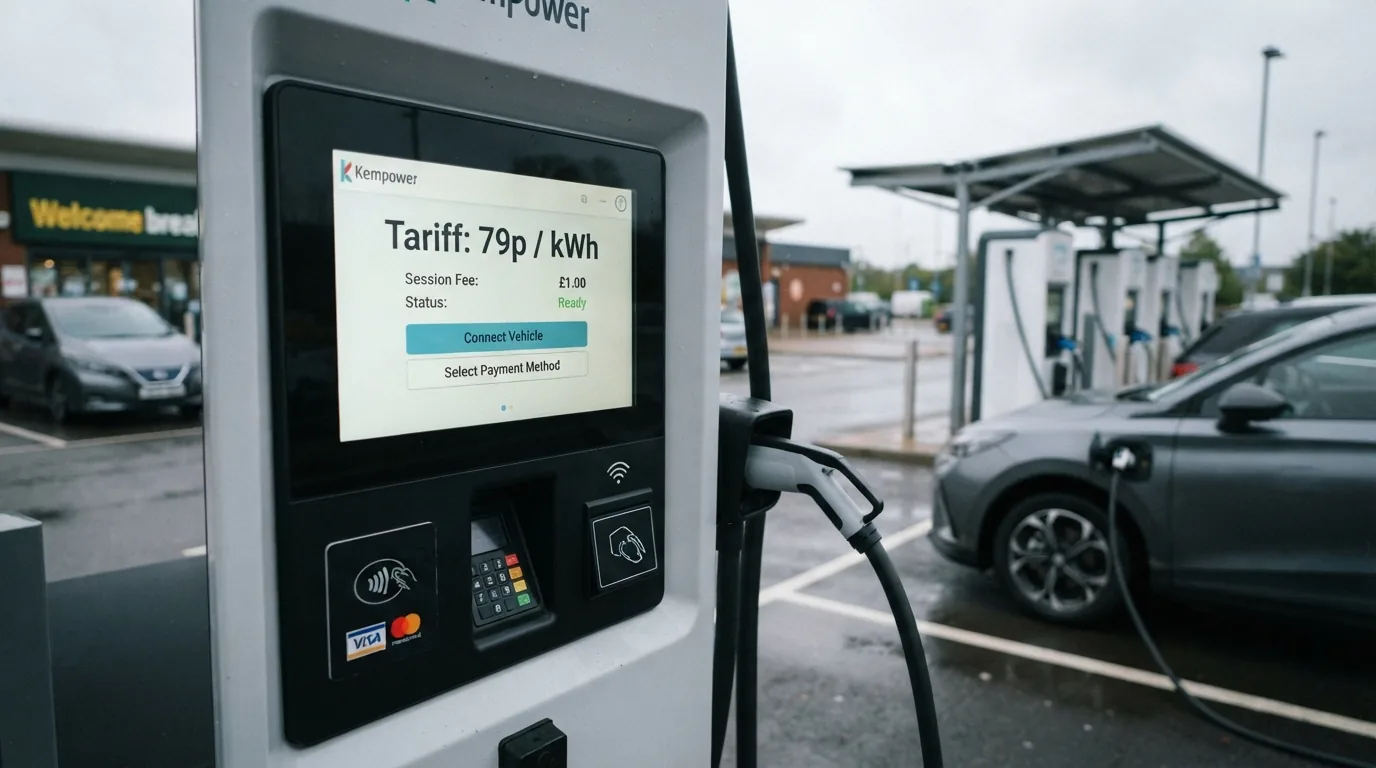
EV Charging Prices in 2026: Are They Going Up or Down?
Public rapid charging now averages 79p/kWh -- more than three times the cost of home charging -- and the trend is not uniformly improving
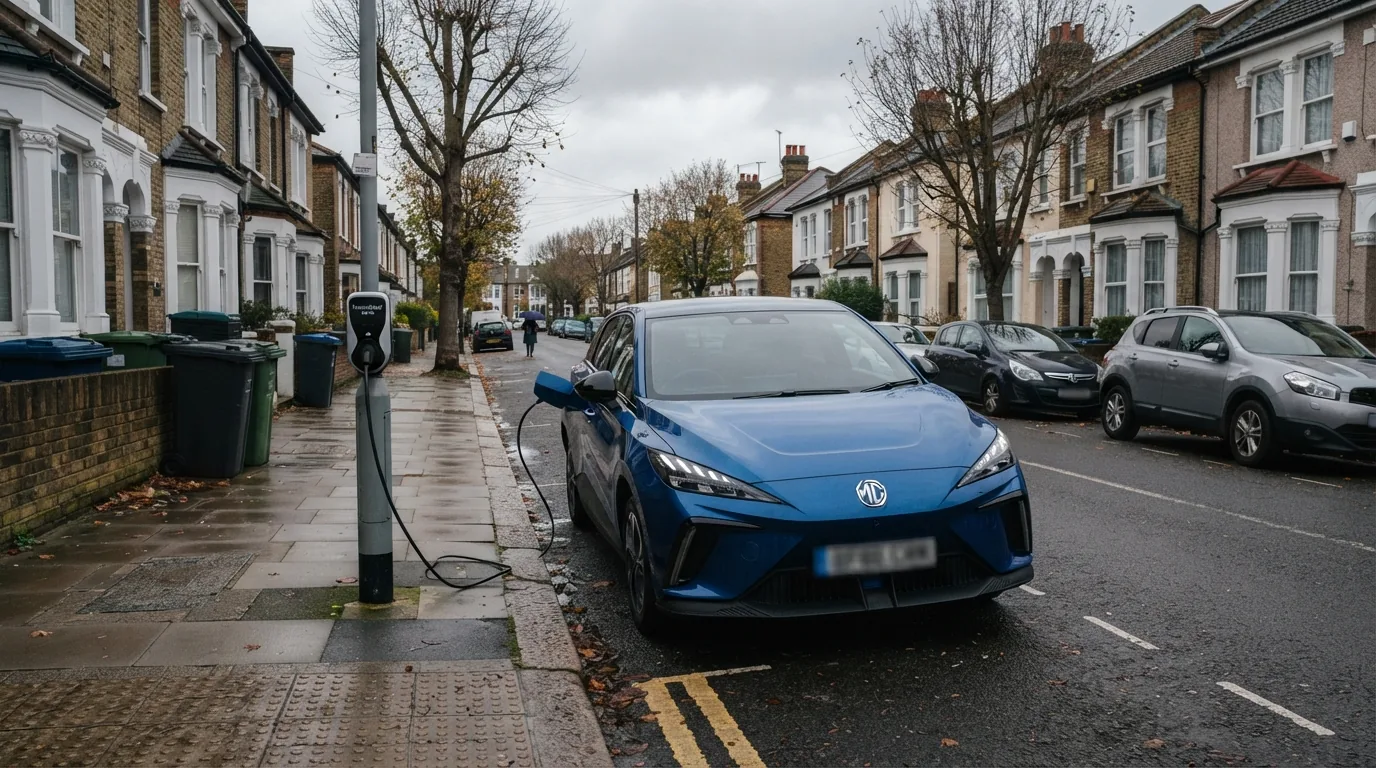
Can You Live With an Electric Car Without a Driveway?
The realistic options for UK drivers who park on the street
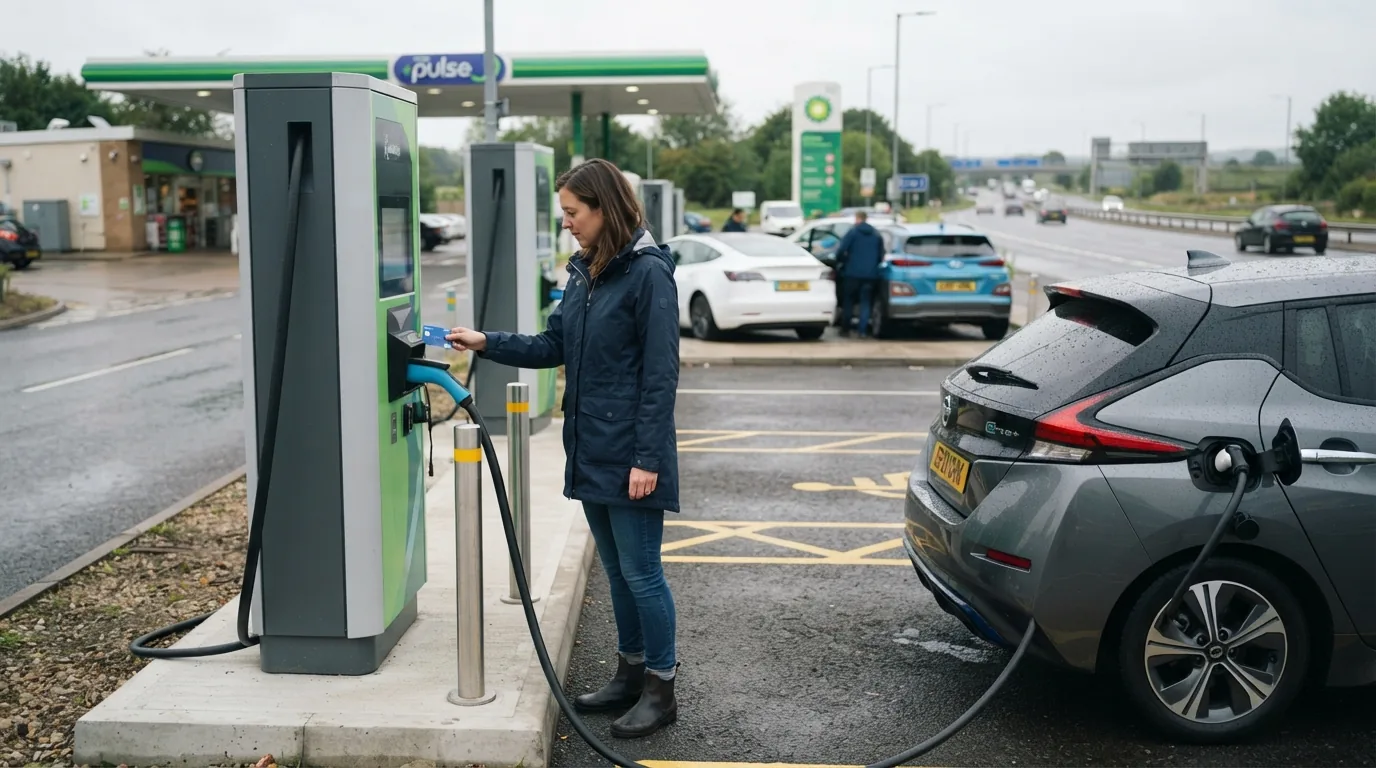
How Much Does Public EV Charging Cost in the UK in 2026?
Current prices by charger speed, network and payment method, with the real cost per mile