Trailing EV cables and pavement gullies: who is liable if someone trips?
As cross-pavement charging becomes easier, liability is the main reason some councils still say no. Here is what the law and Highway Code say, what insurers warn, and how gullies change the picture.
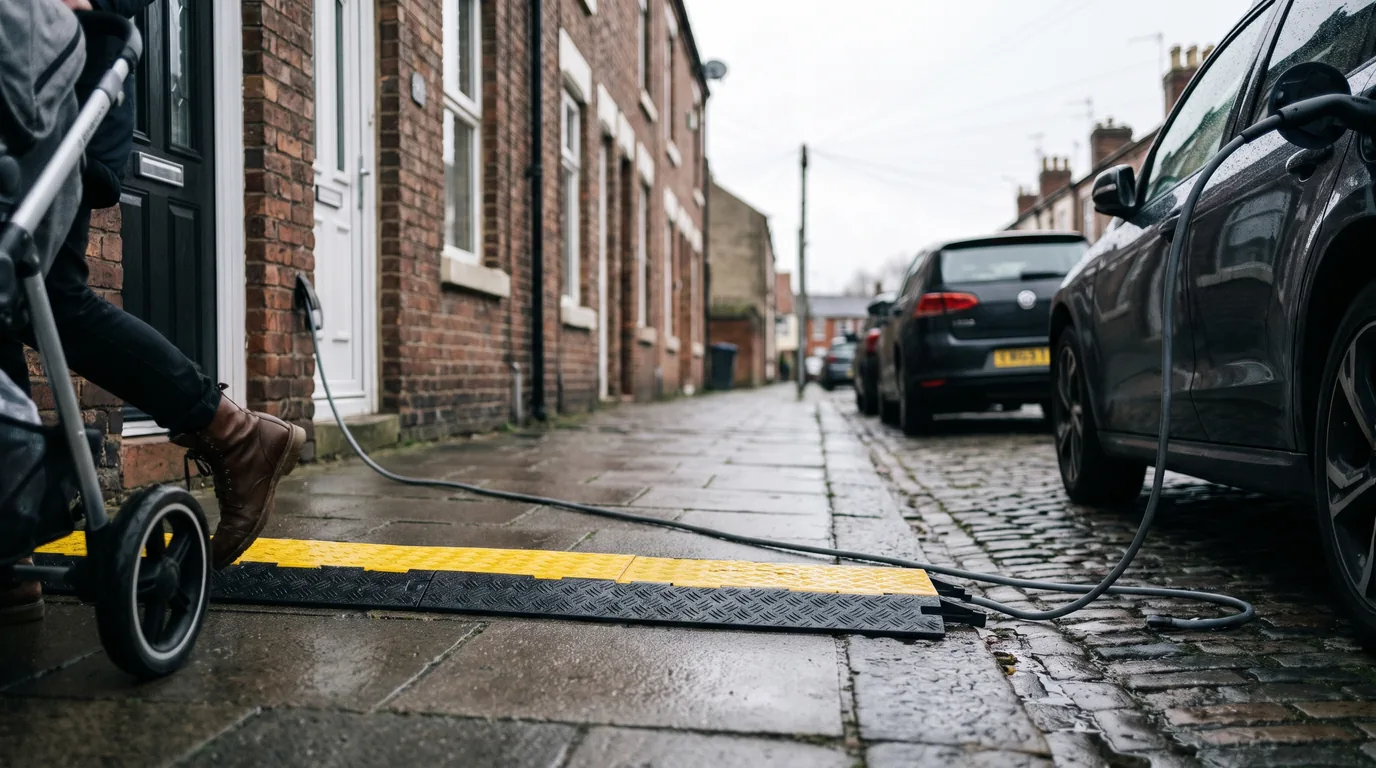
Quick answers
- The Highways Act gives councils the power to remove cables on the pavement that they consider dangerous, and trailing a cable can expose a driver to legal claims if someone trips.
- Rule 239 of the Highway Code, updated in 2022, says drivers should park close to the charge point and avoid creating a trip hazard from trailing cables.
- Insurers warn that daisy-chained cables can be a fire risk and cables left in wet conditions carry an electrocution risk.
- Planning permission is no longer needed for cross-pavement gullies in England from 21 October 2026, but councils must still authorise them.
- More than 20 councils, including Kent, Leicester, Worcestershire, Westminster, Hackney and Waltham Forest, have refused or held back on gullies, citing safety, maintenance and liability.
- Surrey's scheme, run with Kerbo Charge, charges £499 for a gully, cut from £1,000 by government funding, and received more than 100 applications in its first 24 hours.
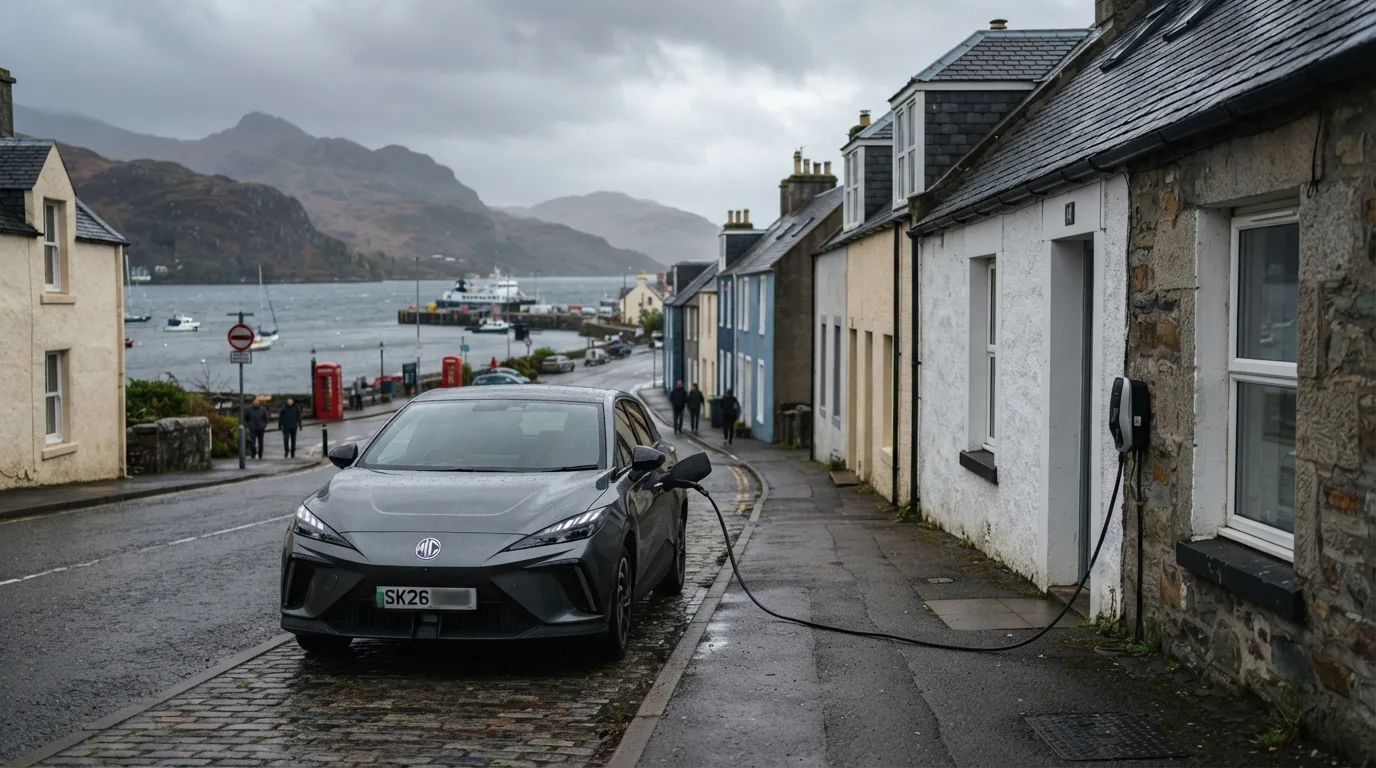
If you charge an electric car on the street outside your home, a cable across the pavement can land you in trouble. Councils can remove cables they consider dangerous under the Highways Act, and anyone who trips over one could bring a claim against you, insurance specialists at Quotezone warn, as reported by Cambridgeshire Live. Cross-pavement gullies, flush channels that carry the cable safely, are the answer, and from 21 October 2026 they no longer need planning permission in England.
But liability is also the main reason some councils still refuse gullies. More than 20 councils have held out, citing safety, maintenance and who pays if someone is hurt. This guide explains the rules, the risks and how to charge on the street without putting yourself or others at risk. Our gully postcode lottery report covers costs council by council.
What do the rules say about trailing cables?
Three sets of rules matter:
| Rule | What it says |
|---|---|
| Highways Act | Councils can remove cables on the pavement that they consider dangerous |
| Highway Code rule 239 (updated 2022) | Park as close as possible to the charge point and avoid creating trip hazards with trailing cables; display a warning sign; put cables away after charging |
| Local council policy | Some councils require permission before any cable crosses a public path; many ban it outright |
Trailing a cable is not automatically a crime, but it is risky. If someone trips and is injured, you could face a personal injury claim. And because councils can remove cables, your charging could simply be stopped.
What are the other safety risks?
Quotezone highlights two beyond tripping:
- Fire. Cables daisy-chained together, or domestic extension leads, can overheat and catch fire. Never use a household extension lead to charge an EV.
- Electrocution. Cables and connectors left outside in wet conditions carry a risk, especially if damaged.
“Without off-street parking, it can be tricky to charge your EV safely and owners need to be careful they don’t put themselves and pedestrians at risk,” said Greg Wilson, chief executive of Quotezone. “Installing a cable gully is a good way to overcome this problem, but drivers will need council permission.”
How do gullies change the picture?
A gully is a steel channel cut into the pavement and set flush with the surface. The cable runs inside it, with a lid that closes over it, so there is nothing to trip on. Gully makers such as Kerbo Charge, Gul-e, Pavecross and ACO say their products remove the trip hazard. Gul-e says its channels can take a truck driving over them and last “decades and decades” without maintenance.
From 21 October 2026, planning permission is no longer needed for gullies in England, outside conservation areas. But the pavement is still the council’s highway, so it must authorise the work, usually through a licence and an approved installer.
Why are some councils still saying no?
Liability is at the heart of it. Councils worry about who is responsible if:
- A gully is damaged, lifts or wears and someone trips.
- An installer goes out of business and nobody maintains the channel.
- A cable is left out of the channel or damaged.
- Wheelchair and pushchair users find pavements harder to use.
Waltham Forest says gullies “raise significant concerns including safety and accessibility of footways, parking pressures, maintenance responsibilities and liability, electrical safety and earthing standards”. Leicestershire County Council calls it “a new and very challenging area for local highway authorities”.
The holdouts reported by the Guardian include Kent, Leicester and Worcestershire, but most are in London, including Westminster and Hackney, where EV ownership is high and driveways are rare. Outside England, Powys council in Wales has said it does not plan to trial gullies soon, citing limited demand in its rural area.
How do councils that allow gullies manage the risk?
Usually through a licence. Typical conditions include:
- An approved installer and standard design.
- A bond or fees, sometimes with an annual licence fee. Redbridge charges £185 a year and Enfield £107.
- Resident responsibilities, such as keeping the lid closed and using the channel properly.
- Removal rules if you move or stop using it.
Surrey shows how it can work at scale. Its scheme with Kerbo Charge, backed by more than £250,000 of government funding, charges £499 for a gully, down from £1,000, and received more than 100 applications in its first 24 hours, according to Fleet News. “EV charging needs to be accessible for all Surrey residents, not just those with a driveway,” said councillor Matt Furniss.
What about insurance?
Check before you trail any cable or fit a gully:
- Public liability. Some home and motor policies include public liability cover, but not all, and it may not clearly cover charging equipment. Ask your insurer.
- Licence terms. If your council licence makes you responsible for the gully, make sure you are covered.
- Equipment. Use a proper EV charger or a manufacturer-approved charging cable, not extension leads.
How to charge on the street safely
- Never trail a cable across a pavement without your council’s permission.
- Apply for a gully if your council allows them; check the fees and licence terms.
- Use proper equipment: a home charger with a tethered or Type 2 cable, never a domestic extension lead.
- Put cables away after charging, as Highway Code rule 239 advises.
- Consider alternatives if your council says no: residential on-street chargers, lamp-post chargers and workplace charging. Our Connected Kerb report covers the growth of residential chargers.
Why is liability such a sticking point?
When a council allows a gully in the pavement, it is allowing something to be built into the public highway it is legally responsible for. Highway authorities have a duty to maintain footways, and people who trip on defective pavements can and do sue councils. Councils worry about several scenarios:
- A gully that wears, cracks or lifts over years of use, creating a trip hazard.
- A lid left open or a cable left trailing out of the channel.
- An installer that goes out of business, leaving nobody responsible for maintenance.
- Damage from utility works, when other companies dig up the pavement.
Each raises the question of who pays if someone is hurt: the council, the resident, the installer or an insurer. Clear licence terms can answer that, but some councils have decided the risk is not worth taking until national guidance or standards are clearer.
What do gully makers say?
Manufacturers argue their products are designed for exactly these risks. Gul-e says its steel channels can take a truck driving over them and last decades without maintenance, and that installation takes one to two hours. Kerbo Charge’s design uses a zip-style lid that closes over the cable. Both companies stress that a properly installed gully is far safer than the alternative many drivers already use: a cable laid across the pavement under a mat or cable protector.
The Guardian has reported that gully makers including Kerbo Charge, Gul-e, Pavecross and ACO say their products remove the trip hazard. The question for councils is less whether the products work on day one than who is responsible over the following decades.
How many households are affected?
A lot. About 9.3 million UK households have no off-street parking, according to the consultancy Field Dynamics, and one in three households in England lacks a driveway. London has the highest number of electric cars in Britain and the highest number of households without off-street parking, which is why the London holdouts matter so much.
For those households, the alternative to a gully is usually public charging, which costs far more per mile and carries 20% VAT, compared with home electricity, which is currently VAT-free. ChargeUK and YouGov estimate public charging at about 22p a mile, against just over 2p a mile for off-peak home charging.
What has the government done?
Several things:
- Scrapped planning permission for gullies in England from 21 October 2026, outside conservation areas, saving up to £300.
- Funded councils, with £25m for pavement gullies in England, distributed in different ways by each council.
- Launched consultations on making it easier for renters and leaseholders to install chargers and on chargers in covered car parks, which we cover in our consultations report.
What it has not yet done is set a single national standard for gully liability and maintenance, which some councils want before they agree to them.
Our view
Liability is a legitimate concern, but it is a solvable one. Councils such as Surrey show that standard designs, approved installers and clear licences can manage the risk, while giving residents access to charging that costs a fraction of public rates. Trailing cables across pavements is the worst of both worlds: risky for pedestrians and drivers alike. A clear national approach to gully liability would help the councils still holding out to say yes.
How we test and where our numbers come from
Range figures are official WLTP combined values taken from manufacturer UK specification pages, with real-world estimates drawn from independent comparative testing. Prices are UK list prices at the time of the latest update. Tax, grant and charging-scheme figures come from GOV.UK and HMRC publications. We re-check every guide when pricing, specification or policy changes. Last checked 24 October 2026. How we work out our own figures.
Frequently asked questions
Is it illegal to run an EV charging cable across the pavement?
It is not automatically a criminal offence, but it is strongly discouraged. Councils can remove cables they consider dangerous under the Highways Act, and you could face a legal claim if someone trips. Some councils require permission, and the Highway Code says not to create trip hazards.
Who is liable if someone trips over an EV charging cable?
If you trail a cable across the pavement and someone is injured, you could be held responsible and face a personal injury claim. With an approved gully, responsibility for the channel is usually set out in the council's licence or agreement, which is why councils are cautious.
What does the Highway Code say about EV charging cables?
Rule 239, updated in 2022, says drivers should park as close as possible to the charge point and avoid leaving trailing cables that create a trip hazard. It also recommends displaying a warning sign and putting cables away after charging.
Why do some councils refuse cable gullies?
Mostly over safety, accessibility, maintenance and liability: who is responsible if a gully is damaged or someone is hurt. Some also cite parking pressures, electrical safety standards and the look of cutting channels into pavements.
Does my car insurance cover charging cable accidents?
It depends on your policy. Some motor and home insurance policies include public liability cover that may extend to charging, but not all do. Check with your insurer before trailing any cable, and keep any council licence documents for a gully.
Sources and further reading
- cambridge-news.co.ukCambridgeshire LivePrimary source referenced in this article.
- theguardian.comOn-street EV charging in UK is postcode lottery as drivers face council objectionsMore than 20 councils holding out, including Westminster and Hackney, the 9.3 million households figure and gully makers' arguments.
- fleetnews.co.ukCouncil rolls out EV charging pavement gully programmeSurrey's £499 scheme with Kerbo Charge, 100 applications in 24 hours and DfT funding.
- theguardian.com'I can charge my car for £6': could new rules cut costs for EV drivers?The 21 October planning change, Waltham Forest's and Leicestershire's reasons, annual licence fees and installer comments.
- shropshirestar.comPowys council to focus on public EV charging infrastructure rather than pavement gulliesPowys council's decision not to trial gullies yet.

EV Compared
The EV Compared editorial team tracks the UK electric vehicle market full time: new model launches, list prices, WLTP and real-world range, public charging tariffs and the tax rules that decide what an EV actually costs to run. Every guide is checked against manufacturer specifications and official GOV.UK figures, and updated whenever the numbers move.
Related reading
View all
Connected Kerb opens Aberdeen factory to build 25,000 on-street chargers by 2030
The on-street charging firm is moving manufacturing to Scotland after buying Trojan Energy and its flush kerbside chargers. For drivers without a driveway, it signals more residential chargers on the way.
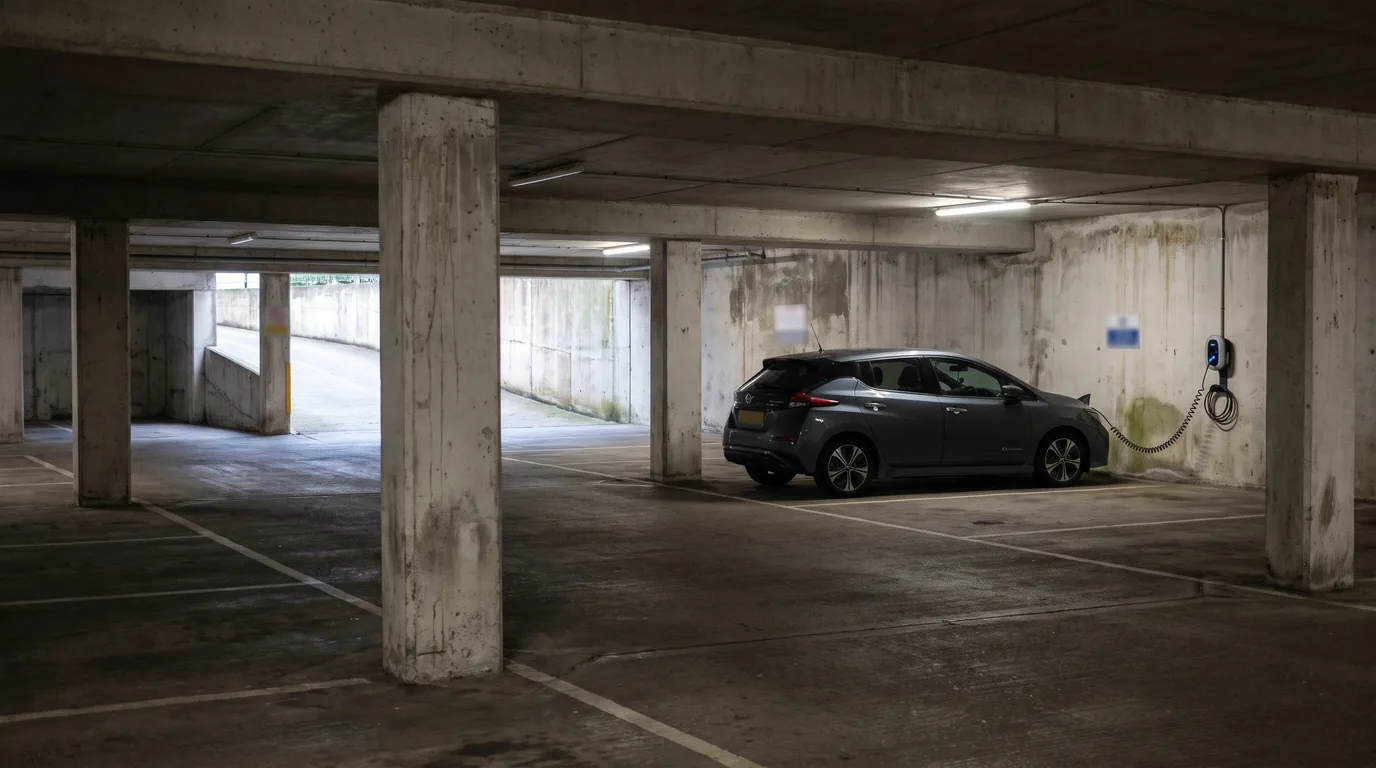
Renters and leaseholders could get a right to EV chargers under new consultations
Alongside scrapping planning permission for pavement charging, the Department for Transport is consulting on clearer rules for tenants and leaseholders and on chargers in new and refurbished covered car parks. Here is what is proposed and how to respond.
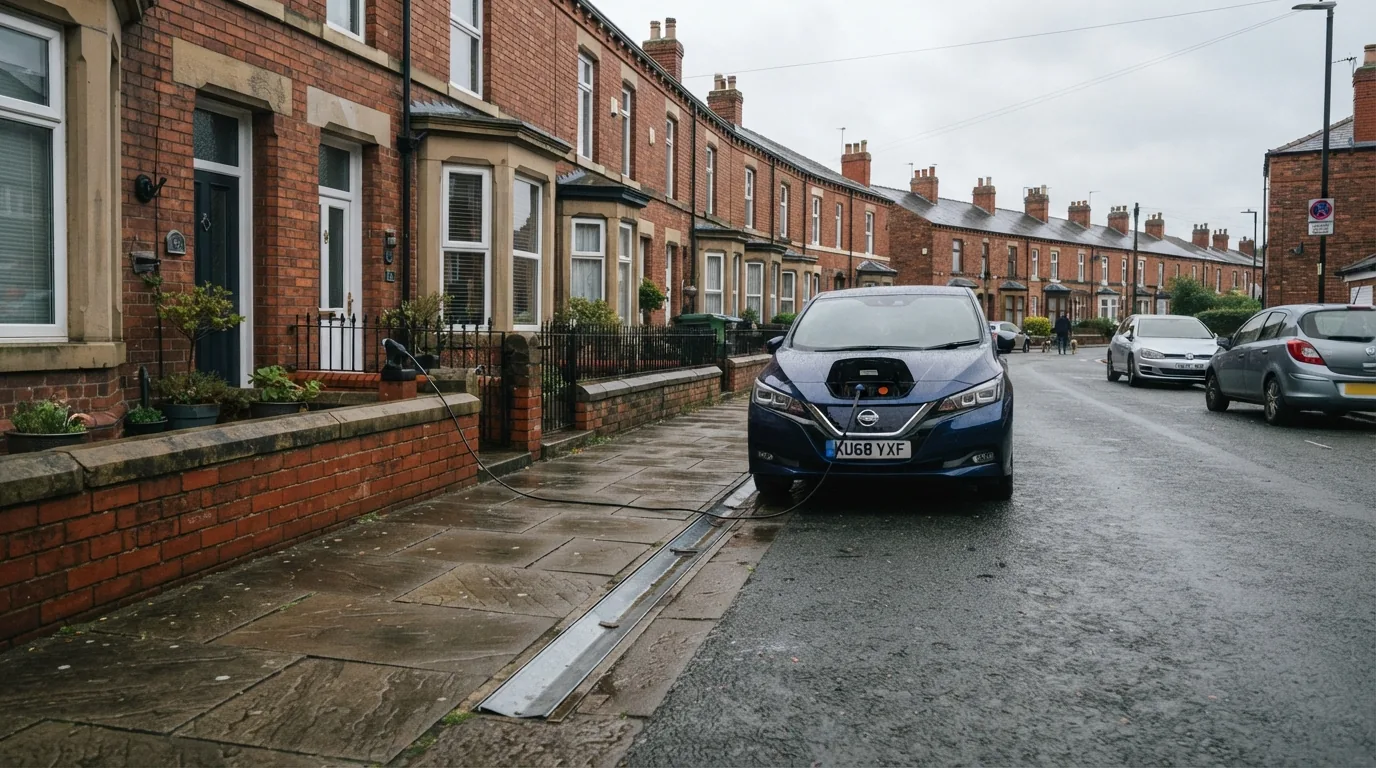
Cross-pavement EV charging in England: planning rules ease 21 October
Drivers without a driveway will soon skip a separate planning application for a pavement cable channel. But the council still controls the footway, and nobody gets a reserved bay.
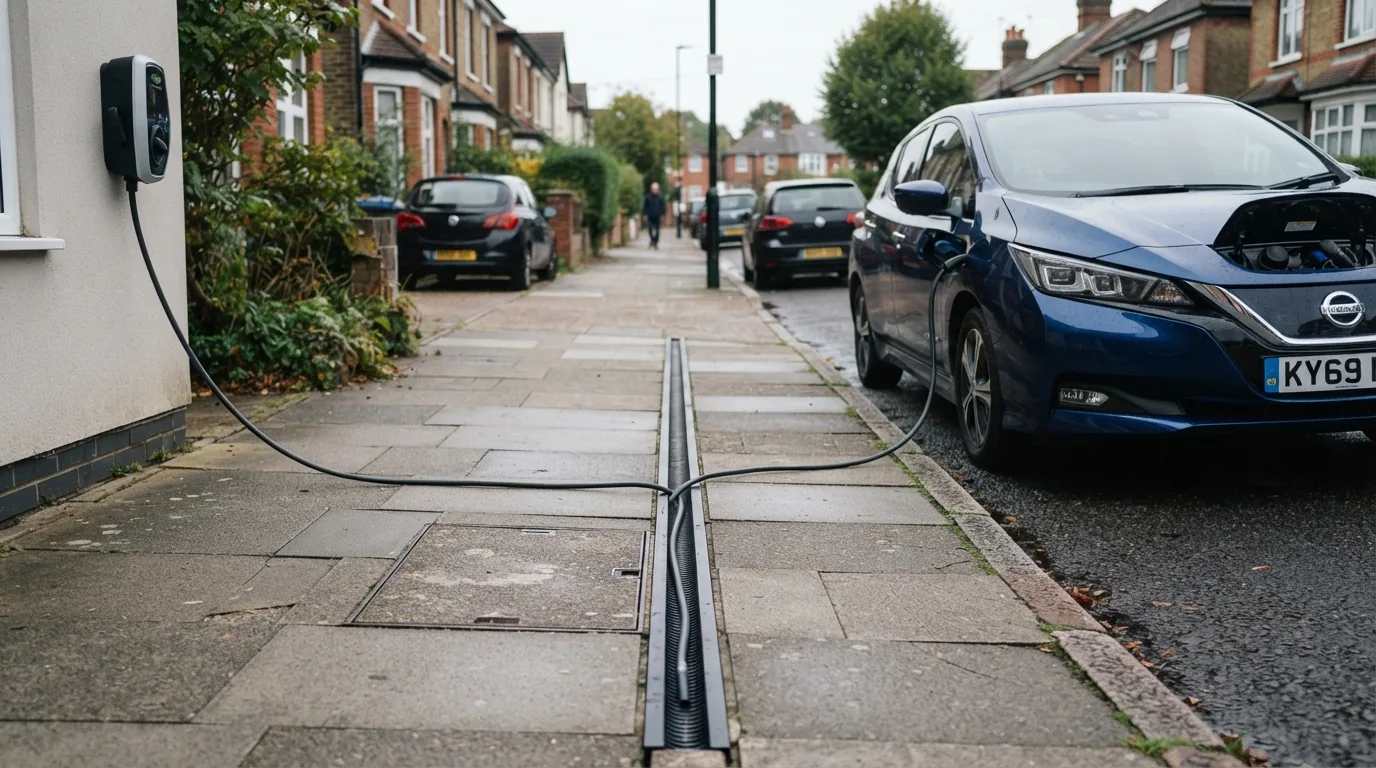
Can You Install an EV Charger Without a Driveway in the UK?
Cross-pavement channels, the updated £500 grant, and on-street options for UK drivers with no off-street parking in 2026
Scotland EV charging grants 2026-27: £17.8m, what you can claim
Scotland funds its own EV charging grants on top of UK schemes: rural and island chargers, cross-pavement home charging, flats and microbusinesses. Here is who qualifies and how much each pays.
UK public chargers reach 122,724 as yearly growth eases to 9.5%
Zapmap counted 122,724 public chargers at 47,441 locations at the end of July 2026. Year-on-year growth was 9.5%. On-street and en-route grew fastest to the end of June, while the average rapid charge still costs 77p per kWh.