Fake QR codes on EV chargers: how the quishing scam works
Fraudsters stick counterfeit QR codes over genuine ones on public chargers to steal card details. Cases have been reported in London and across Europe. Here is how to spot a tampered charger and pay safely.
Quick answers
- Criminals place counterfeit QR stickers over the genuine code on chargers, sending drivers to a fake payment page that captures card details.
- Charging operator Ionity lists Belgium, France, Spain, Germany, Italy and the Netherlands as affected, and the Camden New Journal reported a UK case at a street charger in Primrose Hill, London.
- In some cases, according to ESET, the real payment page loads on the second attempt, so the charge goes ahead and the victim sees nothing wrong.
- The RAC advises drivers to avoid QR codes at charge points and pay by an official app or other recognised method instead.
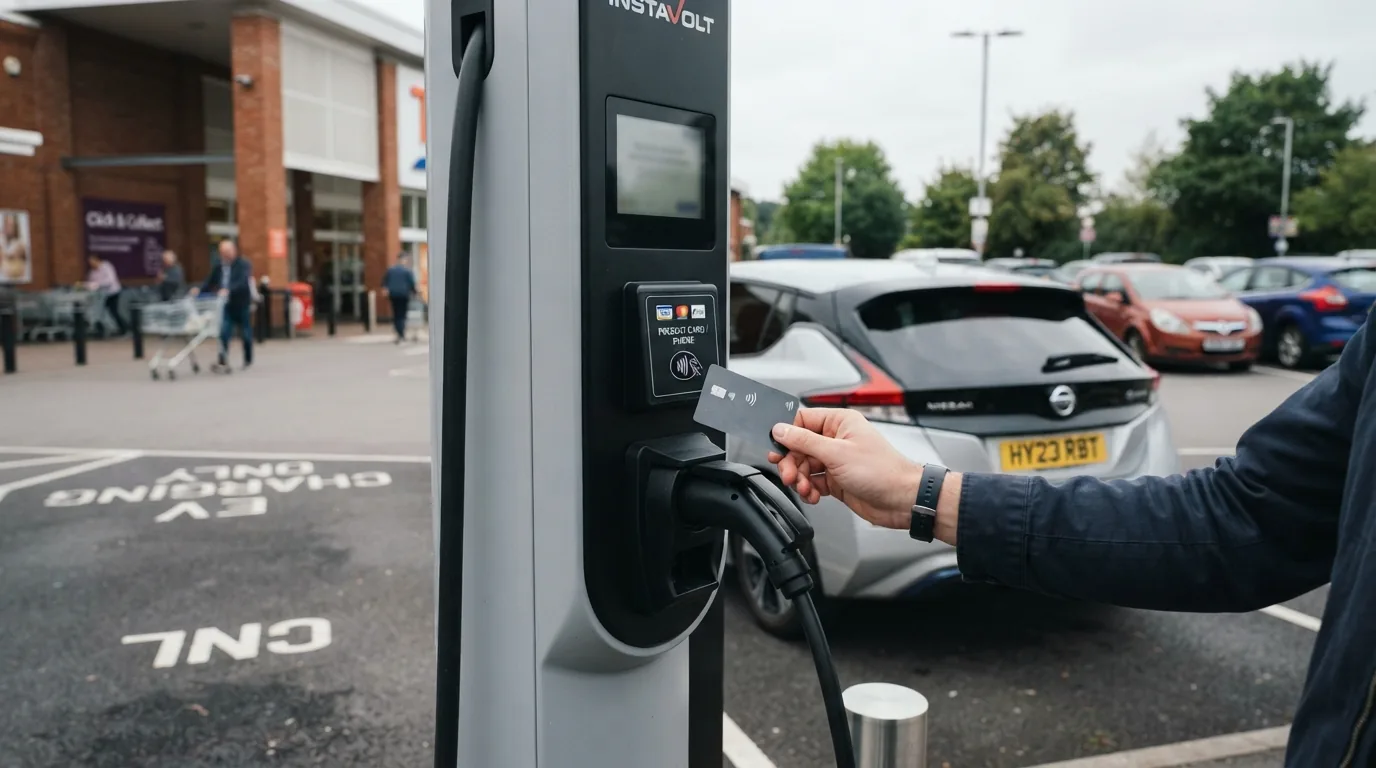
- Contactless card payment, the operator's own app or an RFID card removes the need to scan any code on the charger.
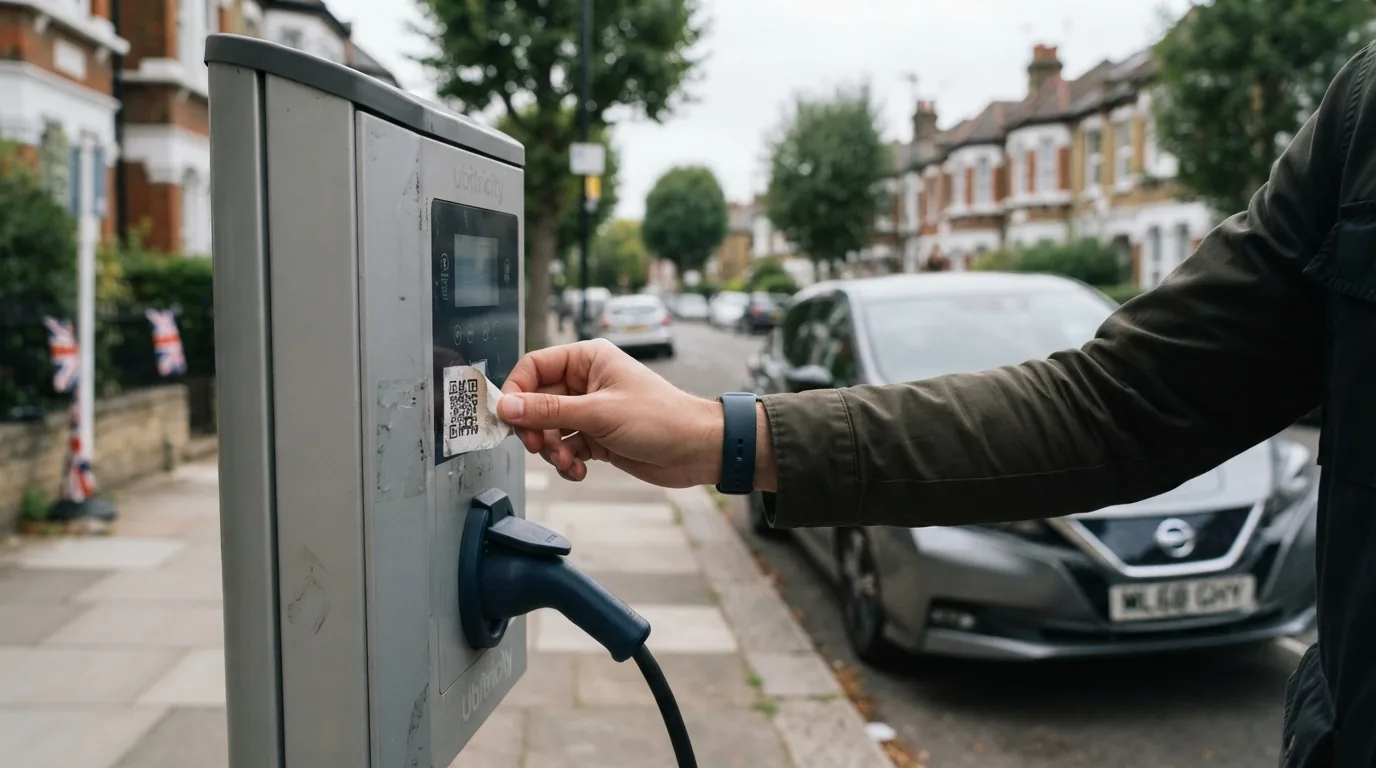
Fraudsters are sticking fake QR codes over the real ones on public EV chargers, sending drivers to counterfeit payment pages that capture card details. The scam, known as quishing, has been reported across Europe, and drivers in Primrose Hill, London, were targeted, according to the Camden New Journal. For UK drivers the fix is simple: you can pay without scanning anything stuck to the charger.
What happened in Primrose Hill?
A fake QR sticker was found covering the genuine payment details on a street charger in Primrose Hill. Daniel Baxter, 64, scanned the code while trying to charge his car near home, was sent to an unfamiliar website, and peeled back the sticker to find the real details underneath. He described it as “a very high quality forgery” in which “everything was the same apart from the QR code”, according to the Camden New Journal.
He believed he caught the scam early, because the fake code did not lead to an active site where he could enter bank details. The company that runs the street chargers, ubitricity, began inspecting the details on each lamppost.
How does the QR code scam work?
The method is low-tech. A criminal prints a QR code that points to a fake website and sticks it over the genuine code on the charger. Ionity says the fake sites closely mimic its official payment website and may try to steal payment details or other personal information.
Two details make it harder to spot. Security firm ESET reports that the correct site loads on a second attempt, so the driver finally pays and the charge goes ahead. It also reports that criminals may use signal jamming to stop drivers using charging apps and push them towards the QR code (WeLiveSecurity).
Where has it been reported?
| Place | What was reported | Source |
|---|---|---|
| Primrose Hill, London | Fake sticker over real payment details on a street charger | Camden New Journal |
| Belgium, France, Spain, Germany, Italy, Netherlands | Fake QR codes on chargers, according to Ionity’s alert | Ionity |
| Barking and Dagenham, Northumberland, Northamptonshire, South Tyneside, Pembrokeshire | Spike in fake QR codes on parking machines (not chargers) | RAC |
The last row is parking rather than charging, but it shows the same trick working on UK roadside payment points. The RAC says its advice applies at charge points and private car parks too.
How do you spot a tampered charger?
Ionity advises inspecting the code before scanning for signs of tampering: peeling edges, mismatched colours or a sticker placed over the original.
Also check that the web address that opens is your operator’s. If you notice anything unusual, report it to the operator’s customer service team.
Which payment methods avoid the risk?
| Method | Scans a code on the charger? | Notes |
|---|---|---|
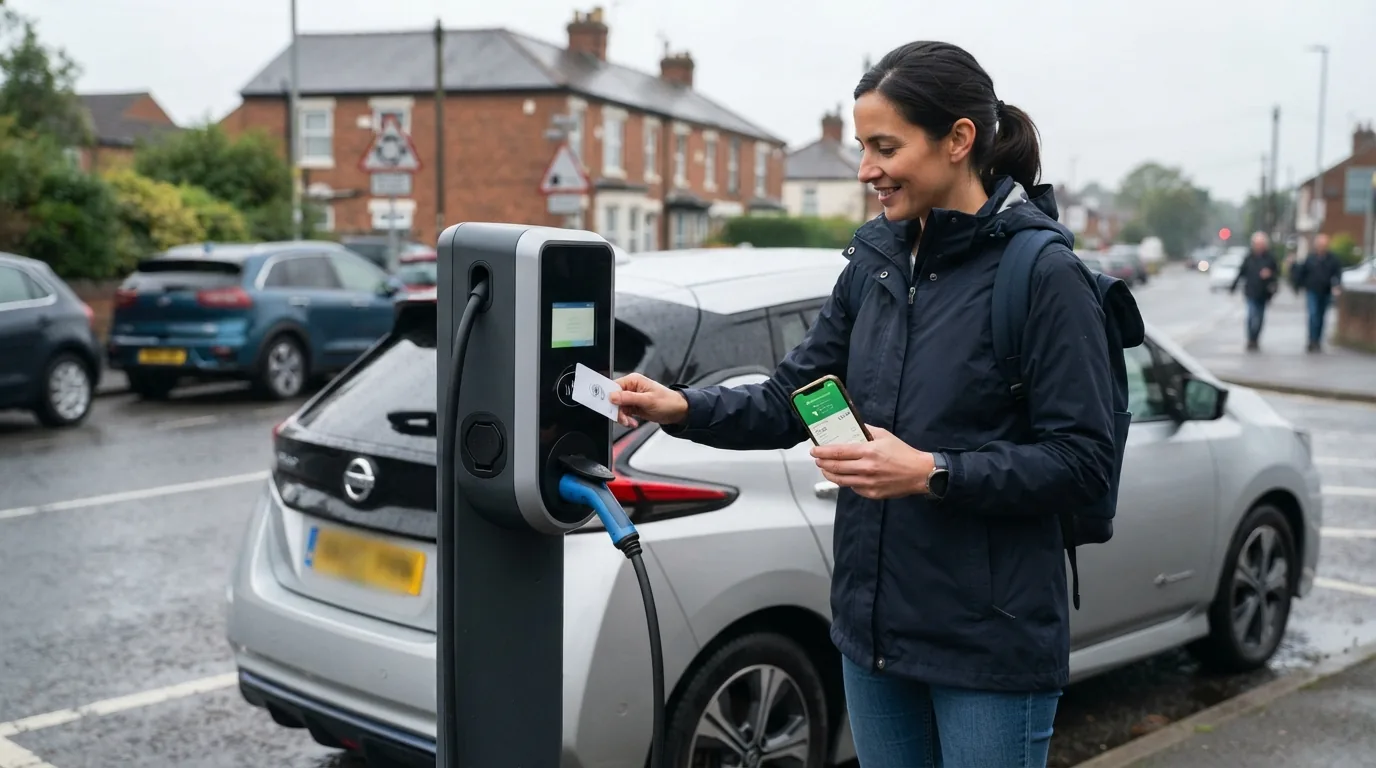
| Operator’s official app | No | Download it from your phone’s app store, not from a link on a charger |
| Contactless card or phone | No | Only where the charger has a reader. See contactless EV charging |
| RFID card | No | Tap the card issued by your network |
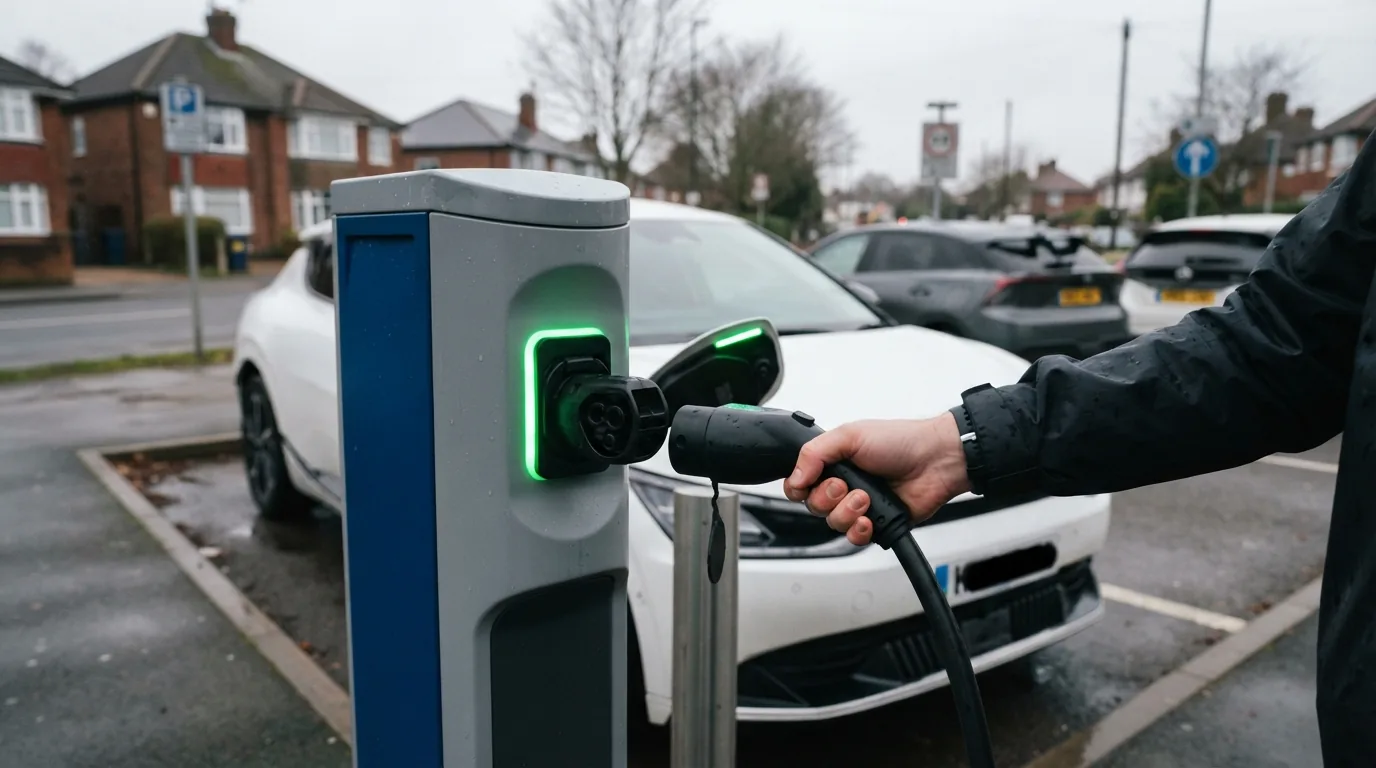
| Plug and Charge | No | The car authenticates itself. See Plug and Charge |
| QR code on the charger | Yes | The RAC advises avoiding it |
The RAC says drivers should avoid QR codes altogether and pay via an official app, including at EV charge points. Ionity gives similar advice: use its app, or contactless where a terminal is available.
What this means for you
Set up your main networks’ apps at home, before you need them on a cold street at night. Our guides to paying for public EV charging and EV charging payment apps cover the options, and ways to charge any EV at any public charger explains how to use networks you have no account with.
If you only have a QR code to scan, check it for tampering first and look at the web address that opens. If you have any doubt, find another charger. If you did enter card details on a suspicious page, call your bank immediately and tell the operator. Our October charging prices report shows what public charging typically costs, which helps you judge whether a price looks right.
How we test and where our numbers come from
Range figures are official WLTP combined values taken from manufacturer UK specification pages, with real-world estimates drawn from independent comparative testing. Prices are UK list prices at the time of the latest update. Tax, grant and charging-scheme figures come from GOV.UK and HMRC publications. We re-check every guide when pricing, specification or policy changes. Last checked 6 October 2026. How we work out our own figures.
Frequently asked questions
What is quishing at an EV charger?
Quishing is phishing through a QR code. Fraudsters stick a counterfeit QR code over the genuine one on a charger. Scanning it takes you to a fake payment website that collects your card details.
How can I tell if a charger QR code has been tampered with?
Ionity advises checking for peeling edges, mismatched colours or a sticker placed over the original code. If anything looks wrong, do not scan it, and report it to the operator.
Has this scam happened in the UK?
Yes. The Camden New Journal reported that drivers in Primrose Hill, London, were targeted, with a fake sticker covering the real payment details on a street charger. The RAC has also warned about fake QR codes on UK parking machines, and says the same caution applies at charge points.
What is the safest way to pay at a public charger?
Use the operator's official app, a contactless card or device if the charger has a reader, or an RFID card. Ionity recommends its app or contactless over scanning a code. All three avoid scanning anything stuck to the charger.
What should I do if I entered my card details on a fake page?
Contact your bank straight away so it can block the card and review recent transactions, then tell the charger operator what you found.
Sources and further reading
- camdennewjournal.co.ukCamden New JournalPrimary source referenced in this article.
- support.ionity.euFRAUD ALERT: Beware of fake QR Codes at our Charging LocationsIonity's warning, countries affected and advice to check stickers and use its app or contactless.
- rac.mynewsdesk.comBe QRareful: RAC warns drivers to watch out for parking payment scamsRAC advice to avoid QR codes and the UK areas where fake codes appeared on parking machines.
- welivesecurity.comQuishing attacks are targeting electric car ownersSecurity research context on charging station quishing in Europe.
- fleetworld.co.ukFake QR codes being used in parking and charging payment scamsUK trade coverage of fake codes on parking and charging payments.

EV Compared
The EV Compared editorial team tracks the UK electric vehicle market full time: new model launches, list prices, WLTP and real-world range, public charging tariffs and the tax rules that decide what an EV actually costs to run. Every guide is checked against manufacturer specifications and official GOV.UK figures, and updated whenever the numbers move.
Related reading
View all
Car finance compensation delayed to 2027: what it means for EV owners
The £7.5bn redress scheme is partly suspended while a tribunal hears legal challenges, so payouts look unlikely before 2027. Here is who qualifies, why 0% APR deals miss out and how to avoid scams.
Zapmap: rapid charging averages 77p/kWh as MFG keeps 59p app price
Rapid public charging averaged 77p/kWh in August, and MFG has kept its 59p summer price for drivers who use its app. Here is what the big networks charge, and the off-peak and subscription deals that cut the bill.
Can You Charge Any EV at Any Public Charger in the UK?
Why almost any new EV works at almost any UK public charger, and the two exceptions you need to know
What Is Contactless EV Charging and Where Can You Use It?
Since November 2024, tapping to charge is a legal right at rapid chargers, here is what changed and what remains patchy
Best EV Charging Payment Apps in the UK
Paying for public EV charging in the UK still involves too many accounts and apps. Here are the best options for simplifying payment across the fragmented UK charging network
What Is Plug and Charge and Where Can You Use It in the UK?
Plug and Charge lets your EV authenticate and pay automatically at compatible chargers. Here is how it works, which cars support it and where you can use it in the UK today