EV Tariffs October 2026: Octopus, EDF and British Gas Off-Peak Rates
Intelligent Octopus Go is 8p per kWh, EDF GoElectric holds at 6.66p and British Gas EV Power sits at 9.5p. Here is what each costs, when you can charge and how to choose before winter.
Quick answers
- EDF GoElectric is the cheapest of the three major EV tariffs in October 2026, at 6.66p per kWh from 11pm to 6am, ahead of Intelligent Octopus Go at 8p and British Gas EV Power at 9.5p.
- Intelligent Octopus Go's off-peak rate is 8p per kWh from 11:30pm to 5:30am on the fixed deal on offer since 20 October 2026 (it was 7.6p on the deal offered from 1 to 20 October), and its standing charge runs from 43p to 68p a day depending on region.
- Charging 60kWh costs about £4.00 on EDF GoElectric, £4.80 on Intelligent Octopus Go and £5.70 on British Gas EV Power, against £15.79 at the 26.32p price cap rate.
- EDF GoElectric works with any electric car and charger, so unlike Intelligent Octopus Go it does not need a smart-compatible car or charger.
- Charging outside the off-peak window is expensive: the peak rate on Intelligent Octopus Go is about 37p to 41.5p per kWh depending on region, so set a timer to start charging inside the window.
- Octopus brought exit fees back on some fixed products in 2026 because of volatile wholesale prices, and its Intelligent Octopus Go page lists a £50 early exit fee, so check the terms before you fix.
The cheapest of the three major EV tariffs this October is EDF GoElectric at 6.66p per kWh, followed by Intelligent Octopus Go at 8p and British Gas EV Power at 9.5p. All three are far below the 26.32p per kWh price cap rate, so the tariff you choose matters more than ever when you are charging 60kWh or more a week.
Wholesale prices have been unsettled this year, which is why the question of when to lock in a rate keeps coming up. We have set out the three big off-peak EV tariffs, the cost of a typical charge and the trade-offs to weigh before winter.
What are the main EV tariff rates this October?
EDF GoElectric has the lowest off-peak rate and the longest window; British Gas EV Power has the highest rate and the shortest window.
| Tariff | Off-peak rate | Off-peak window |
|---|---|---|
| EDF GoElectric | 6.66p per kWh | 11pm to 6am (7 hours) |
| Intelligent Octopus Go | 8p per kWh | 11:30pm to 5:30am (6 hours) |
| British Gas EV Power | 9.5p per kWh | Midnight to 5am (5 hours) |
Sources: EDF GoElectric, Intelligent Octopus Go and British Gas EV Power. Some trackers list British Gas EV Power at 9p per kWh, so confirm the current figure with British Gas. Check each supplier’s own page before switching, as rates differ by region and change on notice. EDF’s EV tariff page lists its current deals.
Intelligent Octopus Go: 8p since 20 October
Intelligent Octopus Go’s off-peak rate is 8p per kWh on the fixed deal Octopus has offered since 20 October 2026 (Octopus tariff data); the deal on offer from 1 to 20 October was 7.6p (Octopus tariff data). The standing charge runs from 43p to 68p a day depending on region. Octopus decides when your car charges within the window, so you need a compatible car or charger. Our guide to Octopus Go versus Intelligent Octopus Go explains which suits you, and our smart charger round-up lists compatible hardware.
EDF GoElectric: lowest rate, longest window
EDF GoElectric offers 6.66p per kWh for seven hours, from 11pm to 6am, and needs no smart charger (Best Chargers). That makes it the simplest option if your car or charger cannot talk to a supplier. The catch is the same on every tariff of this kind: electricity outside the window costs far more, so shift the dishwasher and washing machine into the cheap hours too. Our explainer on the best time to charge your EV at home covers how to line up your routine with the window.
British Gas EV Power: highest rate, but easy to run
British Gas EV Power charges 9.5p per kWh from midnight to 5am, and the rate covers everything your home uses in that window, not only the car (Best Chargers). The window is the shortest of the three, which suits a car with a modest battery. A bigger battery can need more than five hours of charging.
What does a charge cost on each tariff?
A 60kWh charge costs £4.00 on EDF GoElectric, £4.80 on Intelligent Octopus Go and £5.70 on British Gas EV Power, against £15.79 at the price cap rate.
| Tariff | Rate | Cost of 60kWh |
|---|---|---|
| EDF GoElectric | 6.66p per kWh | £4.00 |
| Intelligent Octopus Go | 8p per kWh | £4.80 |
| British Gas EV Power | 9.5p per kWh | £5.70 |
| Ofgem price cap, Direct Debit | 26.32p per kWh | £15.79 |
The cap figure comes from Energy Made Easy, covering 1 October to 31 December 2026. Our report on the Ofgem price cap and home EV charging has the detail, and the 0% VAT cut on electricity applies to all of these rates.
The gap between the cheapest and dearest EV tariff is only about £1.70 on 60kWh. The gap to a standard tariff is nearly £12. If you are still on a standard rate, switching matters far more than choosing between these three. For a wider look at what a charge costs, see how much it costs to charge an EV at home.
Should you fix before winter?
A fixed deal protects you from rises but can cost you to leave. Octopus brought exit fees back on some new fixed products in 2026, saying that when wholesale prices get very volatile it has to introduce them to keep fixed rates as low as possible (Money To The Masses). Octopus’s own Intelligent Octopus Go page lists a £50 early exit fee.
Before you sign, check three things: the length of the fix, the exit fee and whether the off-peak rate itself is fixed or tied to the supplier’s variable pricing. Our full EV tariff comparison shows every option, and the home charging cost calculator lets you test your own mileage.
What this means for you
If you have a smart-compatible car and want the lowest running costs, compare Intelligent Octopus Go and EDF GoElectric first. EDF is cheaper per kWh and needs no smart hardware. Intelligent Octopus Go suits you if you value Octopus’s scheduling. If you charge only occasionally, British Gas EV Power’s shorter window is less of a handicap.
Check your supplier’s page for the rate in your region, read the exit terms and set your charge to start inside the cheap window. Remember that a rate only helps if you charge inside the window: a car plugged in at 7pm on arrival home will pay the peak price, which is about 37p to 41.5p per kWh on Intelligent Octopus Go, depending on region. A timer in the car or charger app is a small habit that protects most of the saving, and it costs nothing to set up. If you are weighing the whole setup, smart charging and how it cuts your bills explains what a smart tariff adds.
How we test and where our numbers come from
Range figures are official WLTP combined values taken from manufacturer UK specification pages, with real-world estimates drawn from independent comparative testing. Prices are UK list prices at the time of the latest update. Tax, grant and charging-scheme figures come from GOV.UK and HMRC publications. We re-check every guide when pricing, specification or policy changes. Last checked 23 October 2026. How we work out our own figures.
Frequently asked questions
What is the cheapest EV tariff in the UK in October 2026?
EDF GoElectric has the lowest off-peak rate of the major EV tariffs at 6.66p per kWh, for seven hours from 11pm to 6am. Intelligent Octopus Go follows at 8p per kWh, then British Gas EV Power at 9.5p per kWh. Rates vary by region, so check each supplier's page.
Is EDF GoElectric cheaper than Octopus Go?
On the headline off-peak rate, yes: EDF GoElectric is 6.66p per kWh against 8p for Intelligent Octopus Go. EDF also gives seven off-peak hours against six and works with any car and charger. Octopus adds smart scheduling, which needs a compatible car or charger.
What does Intelligent Octopus Go cost per kWh in October 2026?
Its off-peak rate is 8p per kWh on the fixed deal Octopus has offered since 20 October 2026; the deal on offer from 1 to 20 October was 7.6p. It applies for six hours between 11:30pm and 5:30am, while the peak rate is about 37p to 41.5p per kWh and the standing charge is 43p to 68p a day, depending on region.
Do I need a smart charger for EDF GoElectric?
No. EDF GoElectric is a fixed overnight window tariff and does not need a smart charger; EDF says it works with any electric car and charger. Intelligent Octopus Go is different: it needs a compatible car or charger so Octopus can schedule charging in its cheapest slots.
What does British Gas EV Power charge per kWh?
British Gas EV Power charges 9.5p per kWh from midnight to 5am, for all the electricity you use in that window. That is the highest off-peak rate and the shortest window of the three major EV tariffs here, though some trackers list it at 9p, so confirm with British Gas.
Should I fix my EV tariff before winter?
A fixed rate protects you from price rises, but check the exit fees first. Octopus reintroduced exit fees on some fixed products in 2026, citing volatile wholesale prices, and lists a £50 early exit fee on Intelligent Octopus Go, so leaving early can cost money.
Sources and further reading
- bestchargers.co.ukEV ComparedPrimary source referenced in this article.
- edfenergy.comEV Tariffs For Your Car And HomeEDF GoElectric at 6.66p per kWh from 11pm to 6am, seven off-peak hours, and compatibility with any electric car and charger.
- octopus.energyIntelligent Octopus GoThe 8p per kWh rate, the 11:30pm to 5:30am off-peak window, six hours of smart charging, the need for an eligible car or charger and the £50 early exit fee.
- ofgem.gov.ukEnergy price cap unit rates and standing chargesThe Ofgem price cap for 1 October to 31 December 2026, which is the standard-tariff comparison point.
- api.octopus.energyIntelligent Octopus Go 12M Fixed October 2026 (Octopus tariff data)The 8.0p off-peak rate from 20 October 2026, peak rates of about 37p to 41.5p and standing charges of 43p to 68p a day by region, and the £50 exit fee.
- api.octopus.energyIntelligent Octopus Go 12M Fixed, 1 to 20 October 2026 (Octopus tariff data)The 7.6p off-peak rate on the deal available from 1 to 20 October 2026.
- britishgas.co.ukFind our best EV Tariffs for your electric vehicleBritish Gas EV Power at 9.5p per kWh from midnight to 5am, applying to all electricity used in that window.

EV Compared
The EV Compared editorial team tracks the UK electric vehicle market full time: new model launches, list prices, WLTP and real-world range, public charging tariffs and the tax rules that decide what an EV actually costs to run. Every guide is checked against manufacturer specifications and official GOV.UK figures, and updated whenever the numbers move.
Related reading
View all
E.ON Next Drive Smart cuts overnight EV charging to 6.5p per kWh
E.ON Next has cut its smart EV tariff from 8p to 6.5p per kWh overnight and says it is the lowest off-peak rate on the market. The day rate is 34.04p, the window is six hours and you need a supported car or charger. Here is what a year of charging costs on it and its rivals.
Octopus Go vs Intelligent Octopus Go: Which EV Tariff Should You Choose?
A clear, honest comparison of both Octopus EV tariffs, including rates, eligibility, a real-world cost example, and a plain verdict on which one suits your setup.
Intelligent Octopus Go drops to 6.5p, level with E.ON Next Drive Smart
Octopus put a variable Intelligent Octopus Go on sale on 29 October at 6.5p per kWh overnight, a day after E.ON Next's Drive Smart went to the same rate. Here is what each costs per mile and per year, and where they differ.
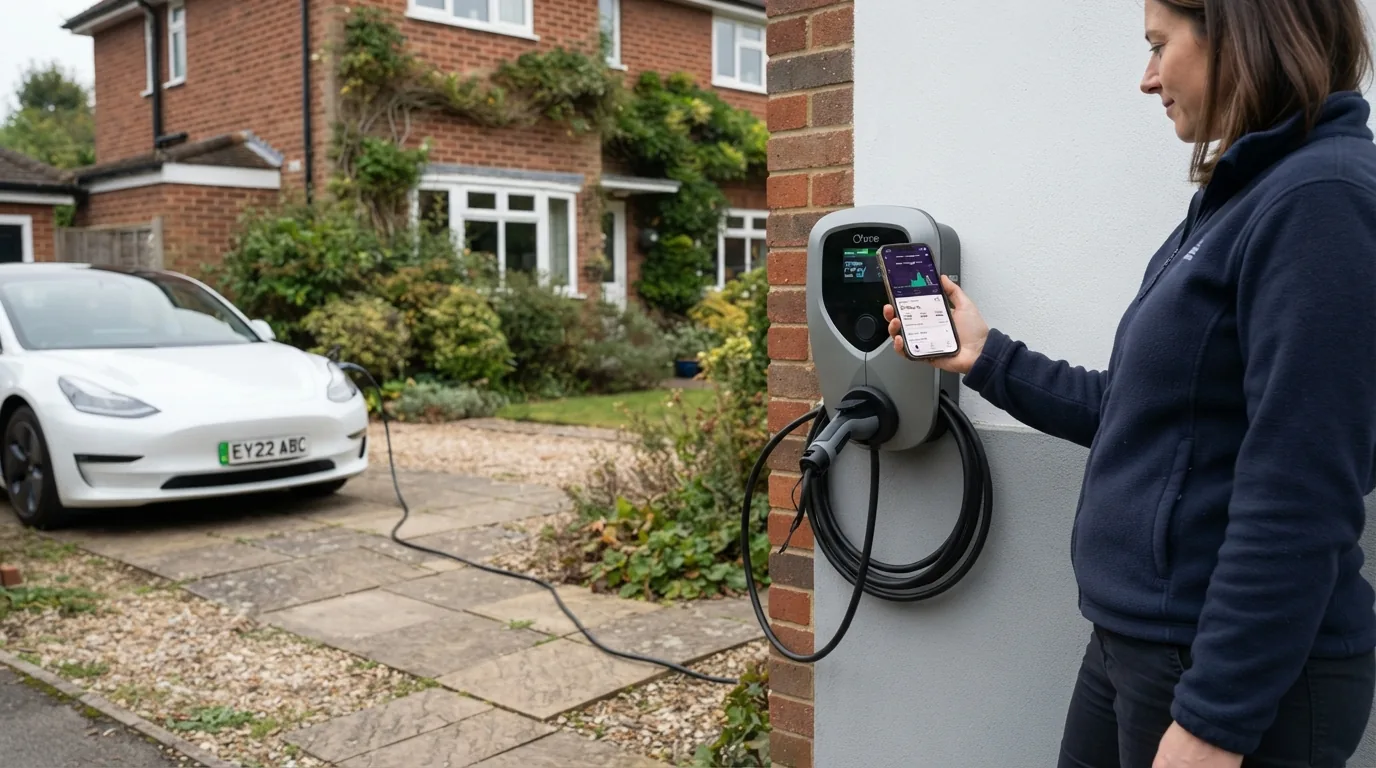
Best Smart EV Chargers for Octopus Energy Tariffs
Which home chargers integrate natively with Intelligent Octopus Go, and which just work with a manual schedule
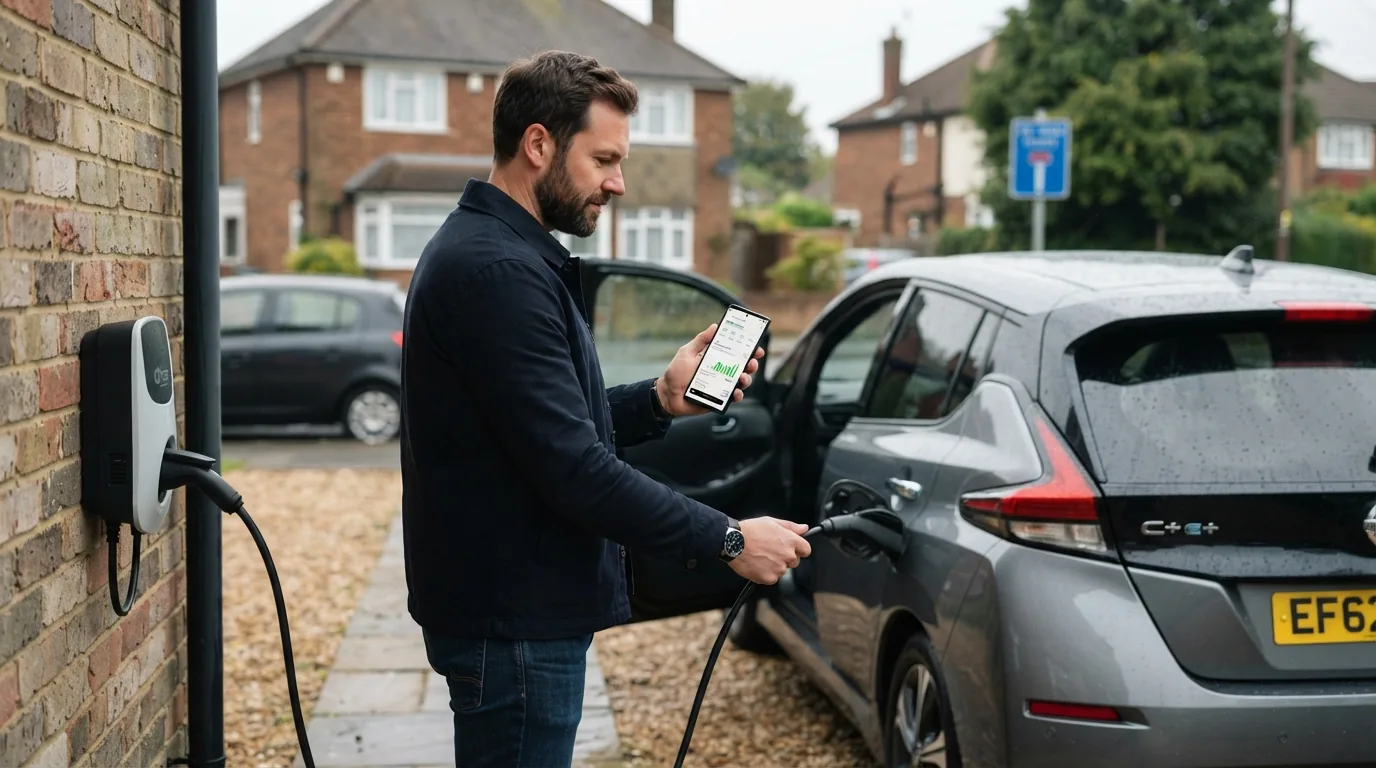
Smart EV Charging Explained: How It Cuts Your UK Bills
What smart charging actually does, why it matters for your bill, and how to set it up without any technical knowledge
Skoda Enyaq is October's best-selling EV as Tesla drops out of the top ten
The Enyaq led a close electric top ten in which only 540 registrations separated first from tenth. Tesla, top in September, registered just 282 cars. Here is what each of the ten costs, which qualify for the Electric Car Grant, and what they cost to charge at home.