Osprey Go Autocharge: plug in and charge without the app
Osprey has launched Go, which starts a charge automatically when a recognised car is plugged in. Here is how it works, the two-site rule and how it differs from Plug and Charge.
Quick answers
- Osprey launched Osprey Go on 7 September 2026 and says it is the largest UK charging network to offer Autocharge.
- Once set up through the Osprey app, a compatible car is recognised at plug-in and charging starts with no card tap or app action.
- You must charge twice through the app at two different Osprey locations before Go can recognise your car.
- Go applies the best available price for that site and time, and Osprey said it was extending dynamic pricing, with lower off-peak rates, across its network in September.
- Osprey says it is exploring Plug and Charge for a future release, so Go is not yet the same as Tesla-style Plug and Charge.
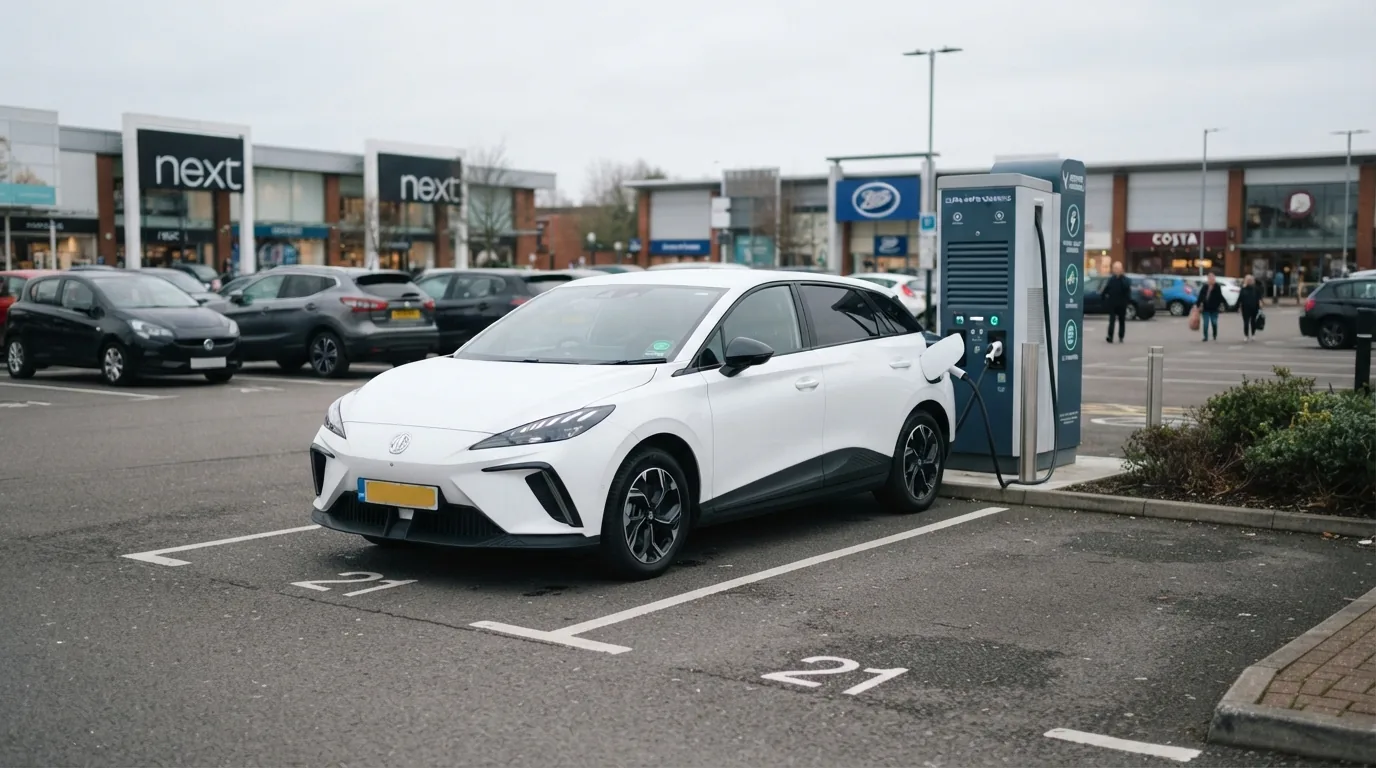
Osprey has launched Osprey Go, an Autocharge service that starts a charge as soon as a recognised car is plugged in, with no card tap and no need to open the app. Osprey announced it on 7 September 2026 and says it makes it the largest UK charging network to offer Autocharge (Osprey). For UK drivers it removes the most common point of friction at a public charger, provided you are willing to do a one-off setup.
How Osprey Go works
You set Go up in the Osprey app and enter your billing details. Once your car is registered, it shares a digital identifier when it connects, and Osprey’s in-house Iris software identifies it, starts the session and applies the best available price for that location and time (Osprey). Osprey says it developed Go in-house and trialled it with a beta group of real drivers before opening it to all app users.
The two-site rule
Go does not work on day one. Osprey needs two charging sessions, started through the app, at two separate Osprey locations before it can register a compatible vehicle (TechRadar). Osprey says only “compatible vehicles” will be recognised and publishes no model list that we found, so check the app before relying on it with your car.
| Step | What you do |
|---|---|
| 1 | Download the Osprey app and add billing details |
| 2 | Start a charge in the app at one Osprey site |
| 3 | Start a second charge in the app at a different Osprey site |
| 4 | Set up Osprey Go in the app and confirm your vehicle, then plug in and walk away |
Dynamic pricing and the best price
Go is tied to pricing. Osprey said it was extending dynamic pricing across its network in September, so drivers who charge outside peak periods pay lower rates for the same ultra-rapid charging (Osprey). Because Go applies the best available price automatically, you do not need to check the app for the cheapest option before you plug in. We have not found Osprey publishing a single headline rate for Go, so check the app at your site. Our October charging prices report shows where network prices sit.
How it differs from Plug and Charge
Tesla-style Plug and Charge relies on a certificate held by the car. Go instead recognises your car from the identifier it shares at plug-in, after the two app-started sessions. Osprey has said it is exploring Plug and Charge for a future release, which would add vehicle-based authentication for compatible cars. Our guide to Plug and Charge and where you can use it explains the difference in more detail.
| Osprey Go | Plug and Charge | |
|---|---|---|
| Setup | App setup plus two sessions at two Osprey sites | Car and charging account linked |
| Recognition | Digital identifier shared at plug-in | Certificate stored in the car |
| Network | Osprey | Wherever supported |
| Status at Osprey | Live | Being explored |
How it compares with other ways to pay
Autocharge sits beside the other options we cover in our guides to contactless charging and charging apps. Contactless needs no setup but means a card tap each time. An app needs a tap or scan. Go removes both once it is activated, but only on Osprey. For how Osprey stacks up against another network, see Osprey vs Fastned.
What this means for you
If you charge at Osprey sites regularly, make your two app sessions at different sites the next time you are out, then set Go up in the app. If you mostly use other networks, the benefit is small until more operators offer something similar. Either way, keep the app or a contactless card as a backup, because Go only recognises cars it has registered.
How we test and where our numbers come from
Range figures are official WLTP combined values taken from manufacturer UK specification pages, with real-world estimates drawn from independent comparative testing. Prices are UK list prices at the time of the latest update. Tax, grant and charging-scheme figures come from GOV.UK and HMRC publications. We re-check every guide when pricing, specification or policy changes. Last checked 6 October 2026.
Frequently asked questions
What is Osprey Go?
It is Osprey's Autocharge service. Once it is set up in the Osprey app, your car shares a digital identifier when you plug in, Osprey recognises it, starts the session and applies the best available price, without a card or app tap.
How do I activate Osprey Go?
Set it up in the Osprey app and enter your billing details. Osprey also needs two charging sessions, started through the app, at two different Osprey locations to recognise your car.
Is Osprey Go the same as Plug and Charge?
No. Go recognises your car from the identifier it shares at plug-in after two app-started sessions. Plug and Charge uses a certificate stored in the car. Osprey says it is exploring Plug and Charge for a future release.
Will Osprey Go make charging cheaper?
It applies the best available price for that site and time. Osprey said it was extending dynamic pricing across its network in September, so charging outside peak periods costs less for the same ultra-rapid service.
Sources and further reading
- ospreycharging.co.ukOspreyPrimary source referenced in this article.
- transportandenergy.comOsprey offers Autocharge with launch of Osprey GoLaunch coverage dated 7 September 2026.
- techradar.comOsprey's automatic EV charging promises to ease a major electric car frustrationAnalysis of the two-session registration and the limits of plug-in-and-walk-away charging.
- fleetnews.co.ukOsprey launches automatic EV charging featureFleet-focused coverage of the launch.

EV Compared
The EV Compared editorial team tracks the UK electric vehicle market full time: new model launches, list prices, WLTP and real-world range, public charging tariffs and the tax rules that decide what an EV actually costs to run. Every guide is checked against manufacturer specifications and official GOV.UK figures, and updated whenever the numbers move.
Related reading
View all
Gridserve's 24-bay M25 hub leads five new UK rapid hubs in September
Five ultra-rapid hubs opened in England in September, but published prices ran from 79p to 92p per kWh. Here is where they are, how fast they charge and what a top-up costs.
Best EV Charging Subscriptions for UK Drivers
Which monthly plans actually save money, and who should not bother with one
What Is Plug and Charge and Where Can You Use It in the UK?
Plug and Charge lets your EV authenticate and pay automatically at compatible chargers. Here is how it works, which cars support it and where you can use it in the UK today
The State of UK Public Charging in 2026
Over 120,000 charge points now live, ultra-rapid chargers up 40% year on year -- but reliability and pricing remain the real story
Zapmap: rapid charging averages 77p/kWh as MFG keeps 59p app price
Rapid public charging averaged 77p/kWh in August, and MFG has kept its 59p summer price for drivers who use its app. Here is what the big networks charge, and the off-peak and subscription deals that cut the bill.
What Is Contactless EV Charging and Where Can You Use It?
Since November 2024, tapping to charge is a legal right at rapid chargers, here is what changed and what remains patchy