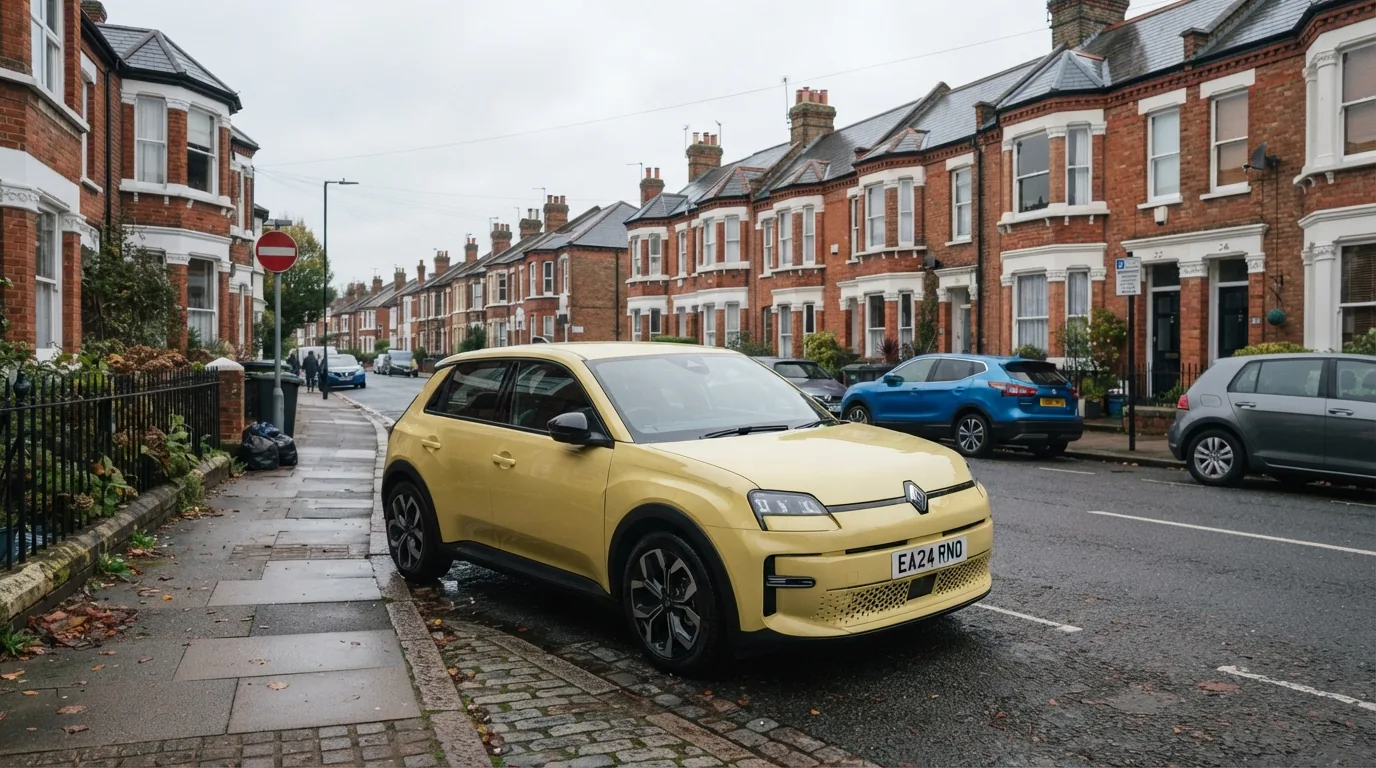
Renault 5 is the cheapest EV to insure at £418, index finds
MoneySuperMarket's 2026 index puts the Renault 5 at £417.64 a year and the Jaguar I-Pace at £921.59. Here is what sits behind the gap, and why repair costs still put pressure on EV quotes.
Quick answers
- The Renault 5 is the cheapest EV to insure in MoneySuperMarket's 2026 index, at an average of £417.64 a year.
- The Jaguar I-Pace 400SE is the dearest at £921.59, more than £500 a year above the Renault 5, with the Tesla Model Y Long Range and Standard Range next.
- The average EV premium on MoneySuperMarket fell from £587 in October 2025 to £561 in May 2026.
- ABI figures from 2024 put EV repairs at up to 25% more expensive and 14% slower than petrol or diesel repairs.
- Insurers paid a record £3.2bn in motor claims in the second quarter of 2026, and the ABI put the average premium across all cars at £566.
The Renault 5 is the cheapest electric car to insure in the UK, with an average annual premium of £417.64, according to MoneySuperMarket’s 2026 Electric Car Insurance Index. The Jaguar I-Pace is the dearest at £921.59, so the choice of model can change your bill by more than £500 a year. Insurers are also paying out record sums on repairs, which is why the picture for EV premiums is not one-way.
Which EVs are cheapest to insure?
The Renault 5 tops the table, with small, popular cars filling the rest of the top five (EV Powered). Which? has also covered the list (Which?).
The index uses average premiums for new electric cars, drawn from policies bought through MoneySuperMarket between 1 January and 5 May 2026. It covers drivers with a full UK licence and includes only models with at least 100 sales. It does not publish a single driver profile, so treat the figures as a ranking between models, not a quote.
| Rank | Model | Average annual premium |
|---|---|---|
| 1 | Renault 5 | £417.64 |
| 2 | Mini Cooper S Level 2 | £445.58 |
| 3 | Volkswagen ID.3 Life 204 | £477.81 |
| 4 | Mini Cooper S Level 3 | £486.05 |
| 5 | Nissan Leaf Tekna | £487.85 |
Source: MoneySuperMarket, via EV Powered. Premiums are averages across the policies the index recorded, not what you will be offered.
Our own guide to the cheapest electric cars to insure covers the wider field, including cars outside this index.
Which are the most expensive?
The Jaguar I-Pace 400SE is the priciest at an average of £921.59 a year, and the Tesla Model Y Long Range and Model Y Standard Range take second and third place. That puts the I-Pace more than £500 above the Renault 5. Higher purchase prices, performance and parts costs all push a quote up, though the index figures alone do not say which factor matters most for each car.
Are EV premiums coming down?
On MoneySuperMarket’s data, yes. The average premium across all EVs fell from £587 in October 2025 to £561 in May 2026. For comparison, the Association of British Insurers (ABI) put the average premium across all motor policies at £560 in the first quarter of 2026 (ABI), and at £566 in the second quarter (Insurance Times).
The two sets of figures are not like for like, since one covers comparison-site EV policies and the other covers all cars. Still, they point the same way: an average EV quote is now close to the average for the whole market. Our explainer on the true cost of EV insurance goes through what is driving that.
Why repairs still matter
Repairs are where EVs lose ground. ABI figures from 2024, reported by Fleet News, put EV repairs at up to 25% more expensive than for comparable petrol or diesel cars, and 14% slower. They are older than the 2026 premium data above.
The wider market is under strain too. Insurers paid a record £3.2bn in motor claims in the second quarter of 2026, up 7% on the same period of 2025, with the average claim at £4,900 (Insurance Times). The ABI blames rising repair costs as cars carry more cameras, sensors and driver-assistance systems. A Renault 5 has less to go wrong than a Model Y, but it is not exempt.
What this means for you
- Check the insurance group before you buy. Small, mainstream EVs such as the Renault 5, Mini Cooper and ID.3 rank well. Our Renault 5 versus Citroen e-C3 comparison shows how it stacks up on price and running costs.
- Quote at the trim level. The index lists specific variants, and trims within one model can differ.
- Compare on renewal. A lower average does not mean your quote is low. Use a comparison site and a direct quote, and look at the ways to cut your premium.
- Budget for the whole cost. Insurance sits alongside charging, tyres and servicing in the cost of owning an electric car.
The index sets a useful guide for shortlisting, but only a quote for your address, age and driving history tells you what you will pay.
How we test and where our numbers come from
Range figures are official WLTP combined values taken from manufacturer UK specification pages, with real-world estimates drawn from independent comparative testing. Prices are UK list prices at the time of the latest update. Tax, grant and charging-scheme figures come from GOV.UK and HMRC publications. We re-check every guide when pricing, specification or policy changes. Last checked 6 October 2026.
Frequently asked questions
What is the cheapest electric car to insure in the UK?
The Renault 5, according to MoneySuperMarket's 2026 Electric Car Insurance Index, with an average annual premium of £417.64. The Mini Cooper S Level 2 is second at £445.58 and the Volkswagen ID.3 Life 204 third at £477.81.
What is the most expensive EV to insure?
The Jaguar I-Pace 400SE, at an average of £921.59 a year. The Tesla Model Y Long Range and Model Y Standard Range take the next two places.
Why do EVs cost more to repair?
ABI figures from 2024, reported by Fleet News, put EV repairs at up to 25% more expensive than comparable petrol or diesel cars, and 14% slower. The ABI also says cameras, sensors and driver-assistance systems are pushing up repair bills across all modern cars.
Is EV insurance getting cheaper?
On MoneySuperMarket data, the average EV premium fell from £587 in October 2025 to £561 in May 2026. Across all cars, the ABI says the average premium rose £6 to £566 in the second quarter of 2026.
Sources and further reading
- moneysupermarket.comMoneySuperMarketPrimary source referenced in this article.
- evpowered.co.ukElectric car insurance: New data reveals the cheapest EVs to insureTop five and most expensive models from the index.
- which.co.ukThe cheapest electric cars to insure in 2026Which? coverage of the same cheapest-to-insure list.
- abi.org.ukMotor premiums remain stable, but cost of repairs still highQ1 2026 average premium of £560 and rising repair costs.
- insurancetimes.co.ukMotor insurance payouts hit record £3.2bn in second quarterQ2 2026 record payouts, average claim of £4,900 and average premium of £566.
- fleetnews.co.ukElectric vehicle repairs take longer and cost more than ICEABI figures on EV repair cost and repair time.

EV Compared
The EV Compared editorial team tracks the UK electric vehicle market full time: new model launches, list prices, WLTP and real-world range, public charging tariffs and the tax rules that decide what an EV actually costs to run. Every guide is checked against manufacturer specifications and official GOV.UK figures, and updated whenever the numbers move.
Related reading
View all
Renault 5 E-Tech 2027 update: more range, still from £21,495
Renault has added range and new tech to the 5 without touching the price. The catch: a Hyundai Ioniq 3 now offers more claimed miles for less money, so the value case has shifted.
Are Electric Cars Cheaper to Insure in the UK?
The latest UK quote data shows the average EV now costs less to insure than the average petrol or diesel car, but the full picture depends heavily on the model
Cheapest Electric Cars to Insure in the UK
Ranked by insurance group and real premium data for 2026 -- from under £400 to the models to avoid
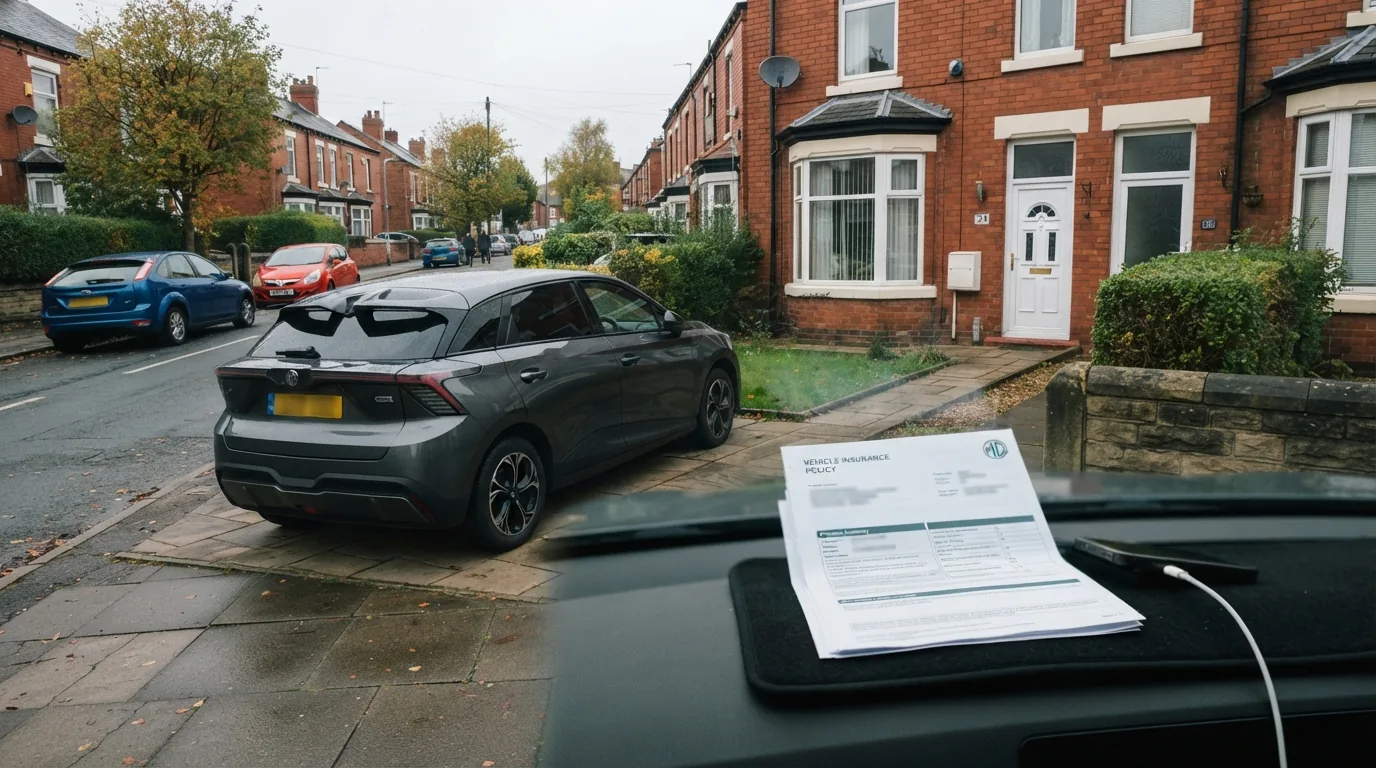
What Is the True Cost of EV Insurance in the UK?
Why electric car premiums are higher, how much higher, and how to close the gap
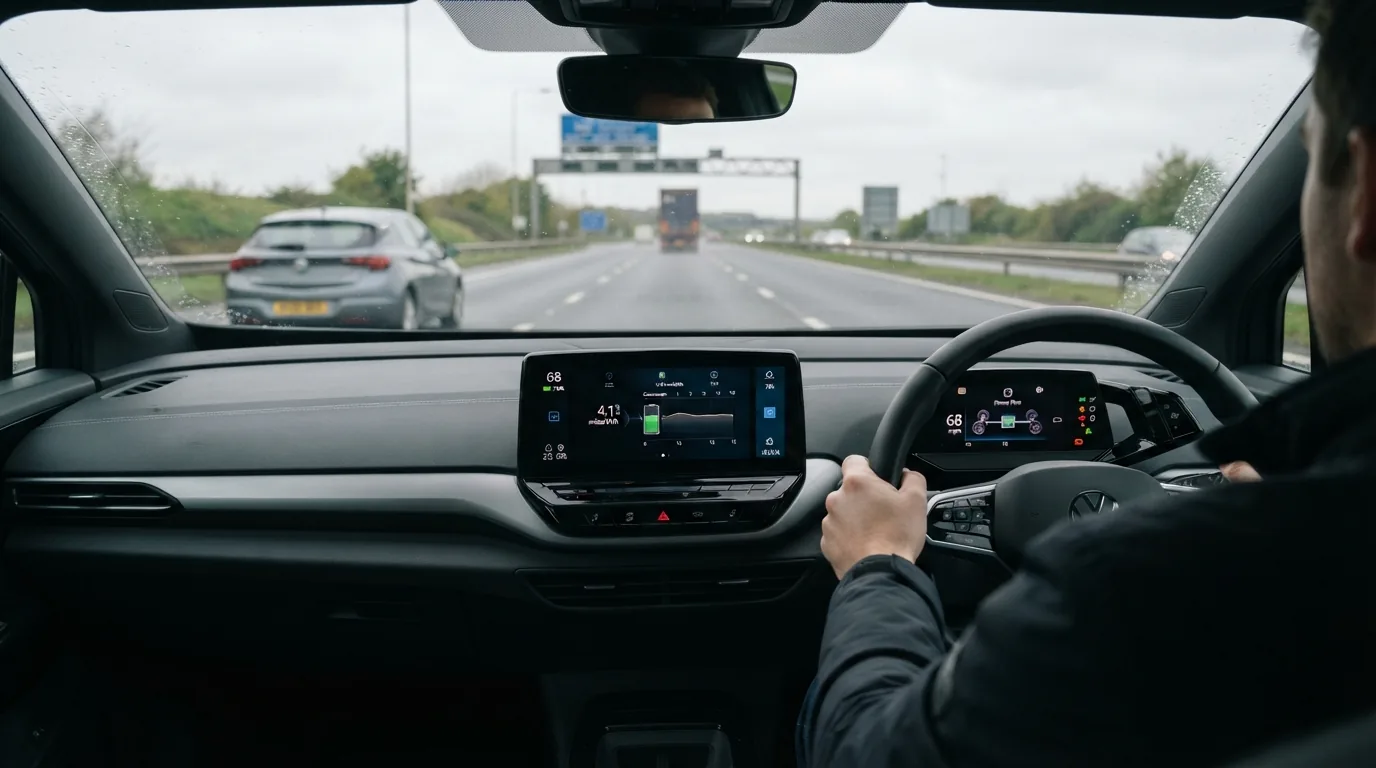
How Much Does an Electric Car Really Cost to Own in the UK?
A full breakdown of purchase price, charging, insurance, servicing and depreciation
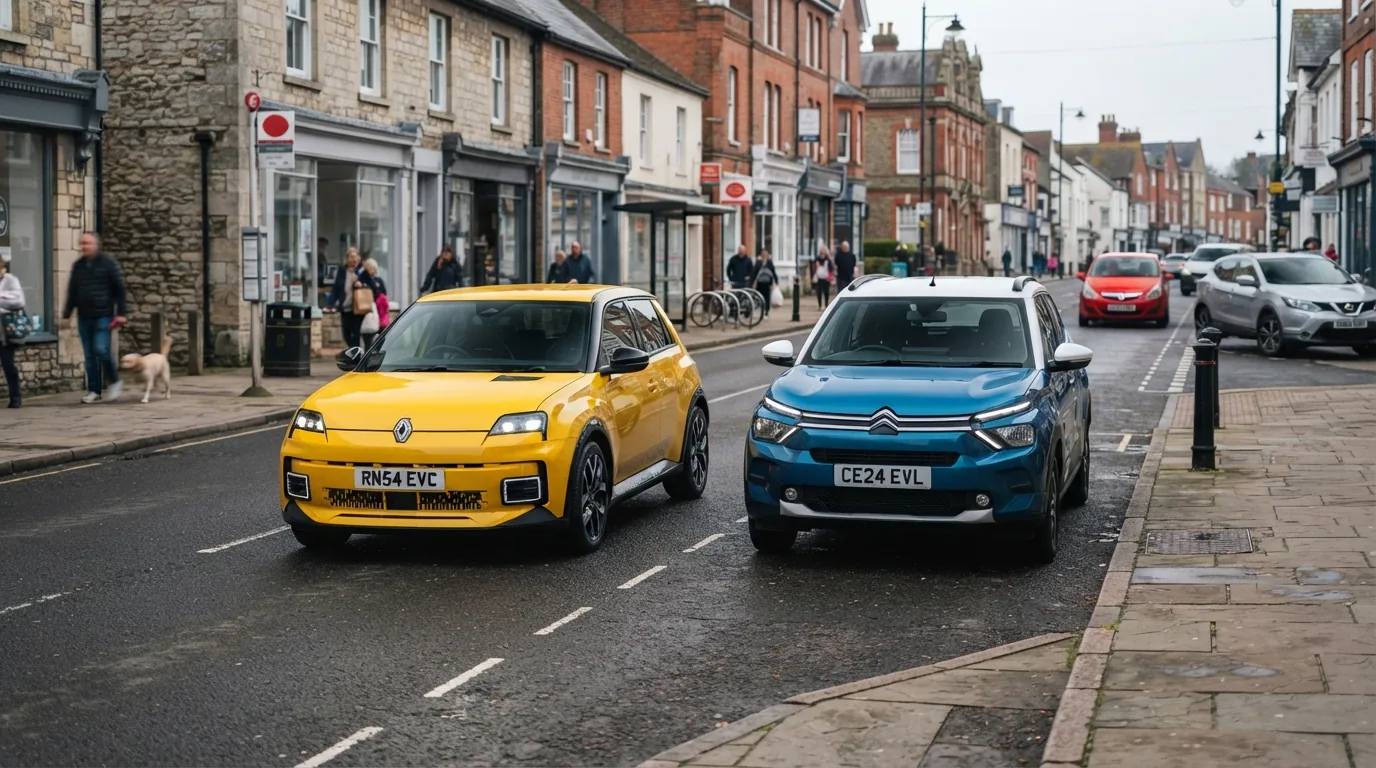
Renault 5 E-Tech vs Citroen e-C3: Best Budget EV for the UK?
The two most disruptive affordable electric cars of 2025 to 2026 go head to head