Best Used Electric SUVs UK 2026: Family Picks Ranked
The best used electric SUVs for UK family buyers in 2026, ranked by space, practicality, range and value
Quick answers
- The Hyundai Ioniq 5 (2021 to 2023) is our top used electric SUV for UK families with £22,000 or more to spend, offering a 527-litre boot, 220 kW DC charging and class-leading rear legroom.
- The Kia EV6 77.4kWh Long Range rear-wheel-drive regularly achieves 290 to 300 miles in mixed UK driving, and Kia's seven-year warranty transfers to later owners.
- The Tesla Model Y Long Range has the most space of any car here, with an 854-litre boot plus a 117-litre front frunk, plus 280 to 320 miles of real-world range and 250 kW Supercharger access, at £28,000 to £38,000 used.
- The Volkswagen ID.4 (£20,000 to £28,000, 543-litre boot) is the most conventional used electric SUV to drive, with 200 to 240 real-world miles and 135 kW maximum DC charging.
- On a tighter budget, the Kia e-Niro 64kWh costs £17,000 to £23,000 and manages 240 to 270 real-world miles, but its 77 kW maximum DC charging means longer rapid-charging stops.
- Before buying any used electric SUV, confirm the battery size (the Ioniq 5 came as 58kWh, 72.6kWh or 77.4kWh), get a state of health reading, and run the registration through GOV.UK's recall checker.
The best used electric SUV for most UK families in 2026 is the Hyundai Ioniq 5 (2021 to 2023), with the Kia EV6, Tesla Model Y Long Range, Volkswagen ID.4 and Kia e-Niro 64kWh the strongest alternatives depending on budget. A family SUV needs to do things a city runabout does not: carry four or five people in genuine comfort, accommodate significant luggage, handle a school run in the morning and a motorway run at the weekend, and do it all reliably. The good news is that the used EV market in 2026 offers a genuinely strong selection of family SUVs at prices that were unthinkable two years ago.
Here are the best options, ranked for UK family buyers.
At a glance: used electric SUVs for families
| Model | Typical used price | Boot space | Real-world range | Max DC charge | Key advantage |
|---|---|---|---|---|---|
| Hyundai Ioniq 5 (2021-2023) | £22,000 to £30,000 | 527 litres | 220 to 270 miles | 220 kW | 800V charging; exceptional rear legroom |
| Kia EV6 (2021-2023) | £23,000 to £32,000 | 490 litres | 260 to 300 miles | 233 kW | Best driver’s choice; 7yr warranty |
| Tesla Model Y Long Range (2021-2023) | £28,000 to £38,000 | 854 litres + 117 litre frunk | 280 to 320 miles | 250 kW | Best boot space; Supercharger access |
| Volkswagen ID.4 (2021-2023) | £20,000 to £28,000 | 543 litres | 190 to 240 miles | 135 kW | Most conventional feel; well priced |
| Skoda Enyaq 80 (2021-2023) | £20,000 to £27,000 | 585 litres | 200 to 250 miles | 135 kW | Big boot; VW Group platform |
| Kia e-Niro 64kWh (2019-2022) | £17,000 to £23,000 | 451 litres | 240 to 270 miles | 77 kW | Most affordable long-range option |
| Hyundai Kona Electric 64kWh (2019-2022) | £16,000 to £21,000 | 332 litres | 220 to 250 miles | 77 kW | Compact SUV; strong warranty |
| MG ZS EV (2021-2023) | £12,000 to £18,000 | 448 litres | 160 to 200 miles | 50 kW and up | Lowest entry price; good space |
1. Hyundai Ioniq 5 (2021 to 2023): our top family pick
The Ioniq 5 has become the most recommended used family EV in 2026 for buyers with a budget of £22,000 or above, and the reasons are compelling.
Its 800V electrical architecture supports up to 220 kW DC rapid charging. In practice this means a family can stop at a 350 kW charger and add 100 miles of range in under 15 minutes. For a family with children, the time saved on motorway journeys is a genuine quality of life improvement.
Rear legroom is class-leading for the car’s external footprint. Adults can sit comfortably behind tall adults. The flat floor (enabled by the skateboard platform) means no transmission tunnel intruding into the rear footwell. Boot space of 527 litres is competitive.
Battery longevity evidence from early Ioniq 5 fleets is very positive. Hyundai’s five-year warranty (eight years or 100,000 miles on the battery) provides reassurance. A 2021 car bought today may have up to three years of battery warranty remaining.
Used prices have fallen from the original £37,000 to £55,000 new price to £22,000 to £30,000 in 2026, representing strong value.
One thing to check: Confirm whether the car is the 58kWh or Long Range variant (72.6kWh on 2021 cars, 77.4kWh from 2022). All are available used and all are good, but range differs meaningfully. Whichever you choose, ask for a battery state of health (SoH) reading and check the battery before buying used, because degradation affects range over time.
2. Kia EV6 (2021 to 2023): best driver’s family SUV
The EV6 shares the E-GMP platform with the Ioniq 5 and has broadly similar capability, but wraps it in a lower-roofline, more dynamic body that sacrifices a little rear headroom for a sharper appearance and better aerodynamics.
Range is slightly better than the Ioniq 5 in real-world terms: the 77.4kWh Long Range rear-wheel-drive variant regularly achieves 290 to 300 miles in mixed UK driving, and the rear-wheel-drive version gives more range than all-wheel drive. Charging speed matches the Ioniq 5 at 233 kW peak DC.
Kia’s seven-year warranty (transferable to subsequent owners) is a major advantage. A 2021 EV6 bought in 2026 still has two years of comprehensive warranty remaining in addition to the battery warranty.
The boot is 490 litres with seats up. The cargo floor is flat and wide. The rear seats are comfortable for adults on longer journeys.
Versus the Ioniq 5: Choose the EV6 if you want a sharper driving experience and prioritise range efficiency. Choose the Ioniq 5 if rear passenger space and the slightly more spacious feel are the priority. Our Kia EV6 vs Hyundai Ioniq 5 comparison covers range and charging in more detail.
3. Tesla Model Y Long Range (2021 to 2023): best for total space
The Model Y is the bestselling EV in the UK for a reason. Its combination of interior flexibility, 280 to 320 miles of real-world range, and Supercharger access makes it the most practical long-distance family EV available at its price point.
The figures: an 854-litre boot plus a 117-litre front compartment (frunk), fold-flat rear seats creating a genuinely flat load area, and a raised seating position that suits family loading and unloading. An optional seven-seat configuration is available on some variants, though the third row is limited for adults. If boot size is the deciding factor, see how the Model Y compares with the Skoda Enyaq as a family car.
Tesla’s Supercharger network at 250 kW with no authentication or payment friction is still the best rapid charging experience available on any used EV. Families report significantly lower stress on long journeys compared to navigating multi-network public chargers.
What to check: Pre-2022 Model Ys may have panel gap and paint quality issues. Software version and the 12V auxiliary battery on older cars should be checked. Get a battery health reading before committing.
4. Volkswagen ID.4 (2021 to 2023): most conventional, well priced
The ID.4 is the choice for families transitioning from a petrol SUV who want the most seamless experience. It drives like a conventional, well-refined SUV. The infotainment system has improved significantly via software updates, addressing some of the early complaints about touchscreen controls.
Boot space is 543 litres. Rear passenger comfort is good. Real-world range from the 77kWh (usable) battery is 200 to 240 miles, depending on speed and temperature. Maximum DC charging is 135 kW, which is lower than the E-GMP platform cars but adequate for most family needs.
Used prices at £20,000 to £28,000 are competitive. The twin-motor (AWD) variant is available within this range for buyers who want four-wheel drive, though buyers focused on maximum range may prefer the lighter rear-wheel-drive versions.
5. Kia e-Niro 64kWh: best value for families on a tighter budget
For families who cannot stretch to £22,000 but need genuine long-range capability, the e-Niro 64kWh is the answer. Real-world range of 240 to 270 miles is enough for most UK long journeys. The 451-litre boot and flat rear floor make it a practical family hauler.
The seven-year Kia warranty on 2019 to 2022 models may still provide remaining coverage. Battery longevity with liquid cooling has been strong: most 2019 to 2021 examples show 88% to 94% SoH in 2026.
At £17,000 to £23,000, the e-Niro is the most accessible long-range family SUV on this list. Our used Kia e-Niro vs Hyundai Kona Electric comparison shows how it stacks up against its Korean cousin.
The main compromise: 77 kW maximum DC charging means longer rapid charging stops compared to the E-GMP platform cars or Tesla. For a family making regular long journeys, this is more noticeable.
Models to approach carefully
Two popular used electric SUVs need extra checks before you commit.
MG ZS EV (2019 to 2021, first generation): First-gen ZS EVs had a smaller 44.5kWh battery offering around 150 miles of range, with rapid charging at up to 50 kW DC. Check the generation carefully. Second-gen (2022 onwards) is a more capable car.
Jaguar I-Pace: Compelling and good value at £28,000 to £40,000 used, but a 2019 model safety recall affecting charging limits should be checked before buying. Run the VIN through Jaguar’s recall database, or the registration through GOV.UK’s recall checker. Also factor in higher energy consumption: the I-Pace uses more power per mile than equivalent competitors due to its size and weight. Used examples can also be affected by charging, suspension or software faults, so history and recall checks matter. See used Jaguar I-Pace vs Audi e-tron for the premium alternatives.
Where to next?
Return to the used EVs guide for the complete buying framework, or browse our best used electric cars shortlist across all price points and body styles. Before you hand over any money, work through the used EV buying checklist.
How we test and where our numbers come from
Range figures are official WLTP combined values taken from manufacturer UK specification pages, with real-world estimates drawn from independent comparative testing. Prices are UK list prices at the time of the latest update. Tax, grant and charging-scheme figures come from GOV.UK and HMRC publications. We re-check every guide when pricing, specification or policy changes. Last checked 23 October 2026. How we work out our own figures.
Frequently asked questions
What is the best used electric SUV in the UK?
The Hyundai Ioniq 5 (2021 to 2023) is our top pick for families with £22,000 or more, followed by the Kia EV6, the Tesla Model Y Long Range for total space, the Volkswagen ID.4, and the Kia e-Niro 64kWh on a tighter budget.
What is the best used electric SUV under £20,000?
The Kia e-Niro 64kWh is the best long-range choice at the lower end, at £17,000 to £23,000 with 240 to 270 real-world miles and a 451-litre boot. The Hyundai Kona Electric 64kWh (£16,000 to £21,000) is more compact, and the MG ZS EV (£12,000 to £18,000) is cheaper still but has less range.
Which used electric SUV has the biggest boot?
The Tesla Model Y Long Range has the most luggage space, with an 854-litre boot plus a 117-litre front frunk. Among the others, the Skoda Enyaq 80 offers 585 litres, the Volkswagen ID.4 543 litres, the Hyundai Ioniq 5 527 litres and the Kia EV6 490 litres.
Which used electric SUV charges fastest?
The Tesla Model Y Long Range peaks at 250 kW, just ahead of the Kia EV6 at 233 kW and the Hyundai Ioniq 5 at 220 kW. The Volkswagen ID.4 and Skoda Enyaq 80 manage 135 kW, while the Kia e-Niro and Hyundai Kona Electric top out at 77 kW.
How do I check a used electric SUV before buying?
Confirm the battery size, ask for a state of health reading and check the remaining battery warranty. Then enter the registration into GOV.UK's recall checker and review the MOT history for mileage and past failures. A paid history check from the RAC can also reveal outstanding finance.
Sources and further reading
- gov.ukCheck if a vehicle, part or accessory has been recalledSupports the advice to check a used car's registration for safety recalls, relevant to the 2019 Jaguar I-Pace charging-limit recall.
- gov.ukCheck the MOT history of a vehicleSupports checking recorded mileage and past test results before buying a used electric SUV.
- rac.co.ukHow to check car historySupports running a vehicle history check, including outstanding finance, before paying for a used car.
- hyundai.com5-Year Warranty | Hyundai Motor UKConfirms the eight-year or 100,000-mile high-voltage battery warranty alongside the five-year car warranty.
- kia.comKia EV6 Electric Car | Kia UKConfirms the EV6's 490-litre boot.
- zapmap.comMG ZS EV 44.5 kWh reviewFirst-generation ZS EV: 44.5kWh battery, rapid charging at up to 50 kW DC on CCS.

EV Compared
The EV Compared editorial team tracks the UK electric vehicle market full time: new model launches, list prices, WLTP and real-world range, public charging tariffs and the tax rules that decide what an EV actually costs to run. Every guide is checked against manufacturer specifications and official GOV.UK figures, and updated whenever the numbers move.
Related reading
View all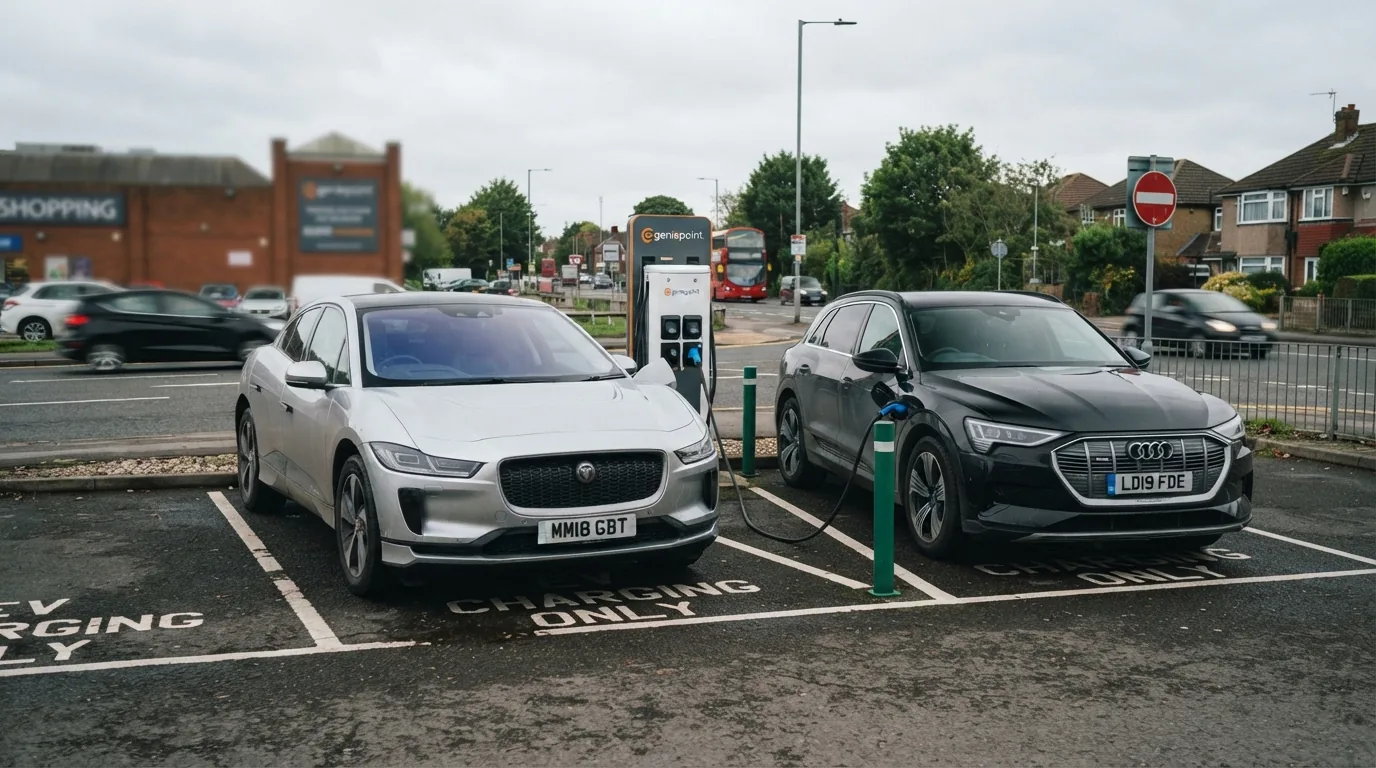
Used Jaguar I-Pace vs Used Audi e-tron: Premium Used EV Compared
Two early premium electric SUVs that have depreciated dramatically. Which one offers the better used buy in 2026 and what are the risks?
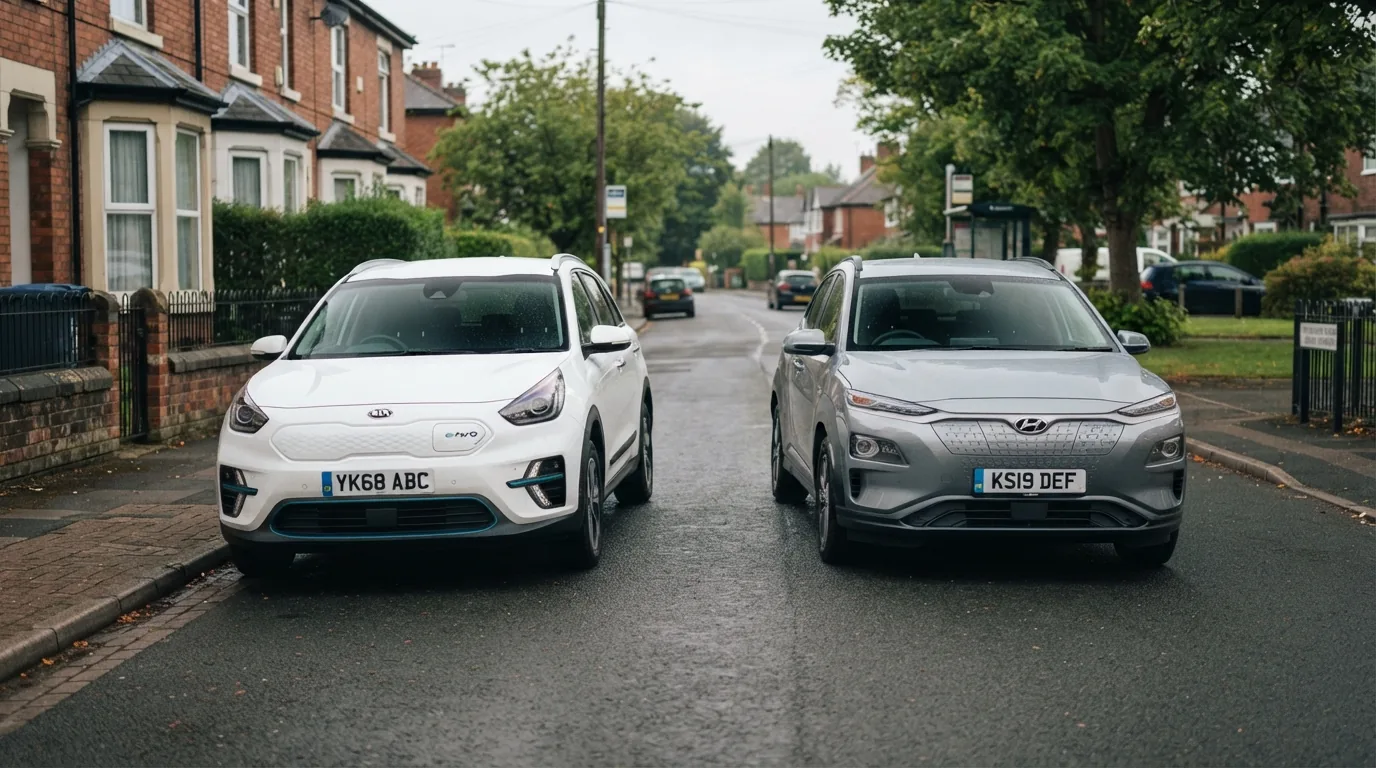
Used Kia e-Niro vs Used Hyundai Kona Electric: UK Comparison
Two closely related Korean EVs compete on space, range, warranty and value in the UK used market. We pick the winner for different buyer types
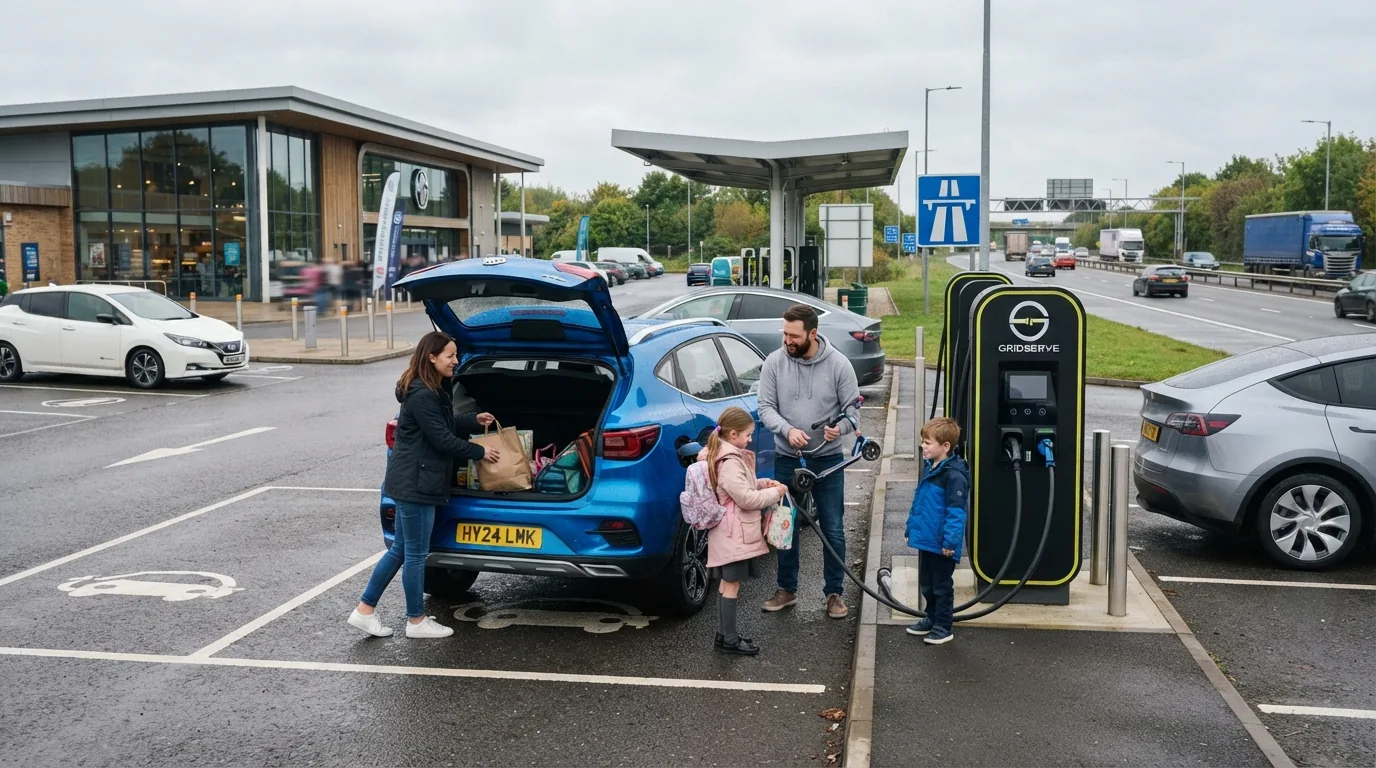
Best Electric SUVs for UK Families in 2026
Ranked by space, real-world range, charging speed and total value for families who need all three
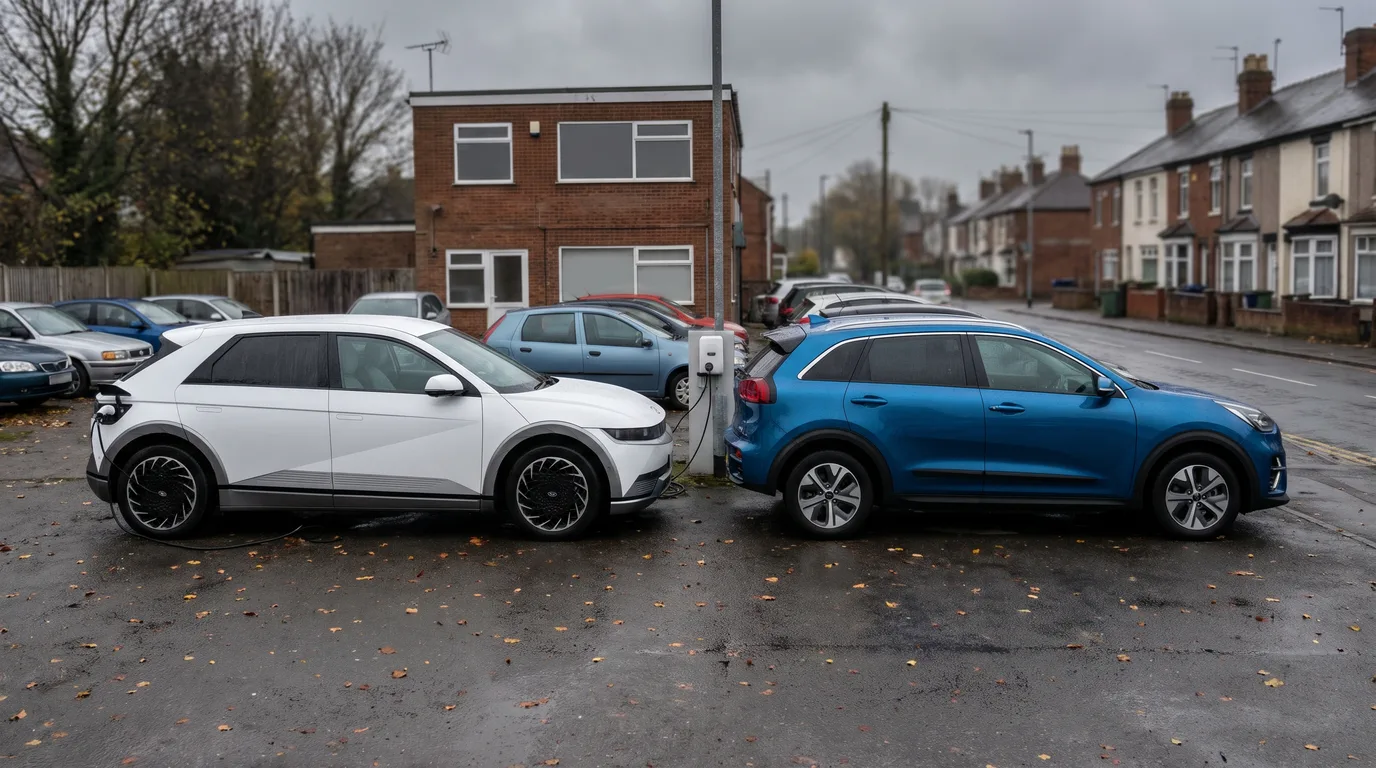
Used EV sales up 23% in Q3 2026 as one in 20 used buyers goes electric, but growth is slowing
SMMT says 97,625 used battery electric cars changed hands between July and September, and 2026 has already beaten last year's record total. But growth has dropped from 67% in the spring, fewer used EVs sold than in Q2, and hybrids added more cars. Here is what the figures mean if you are buying.
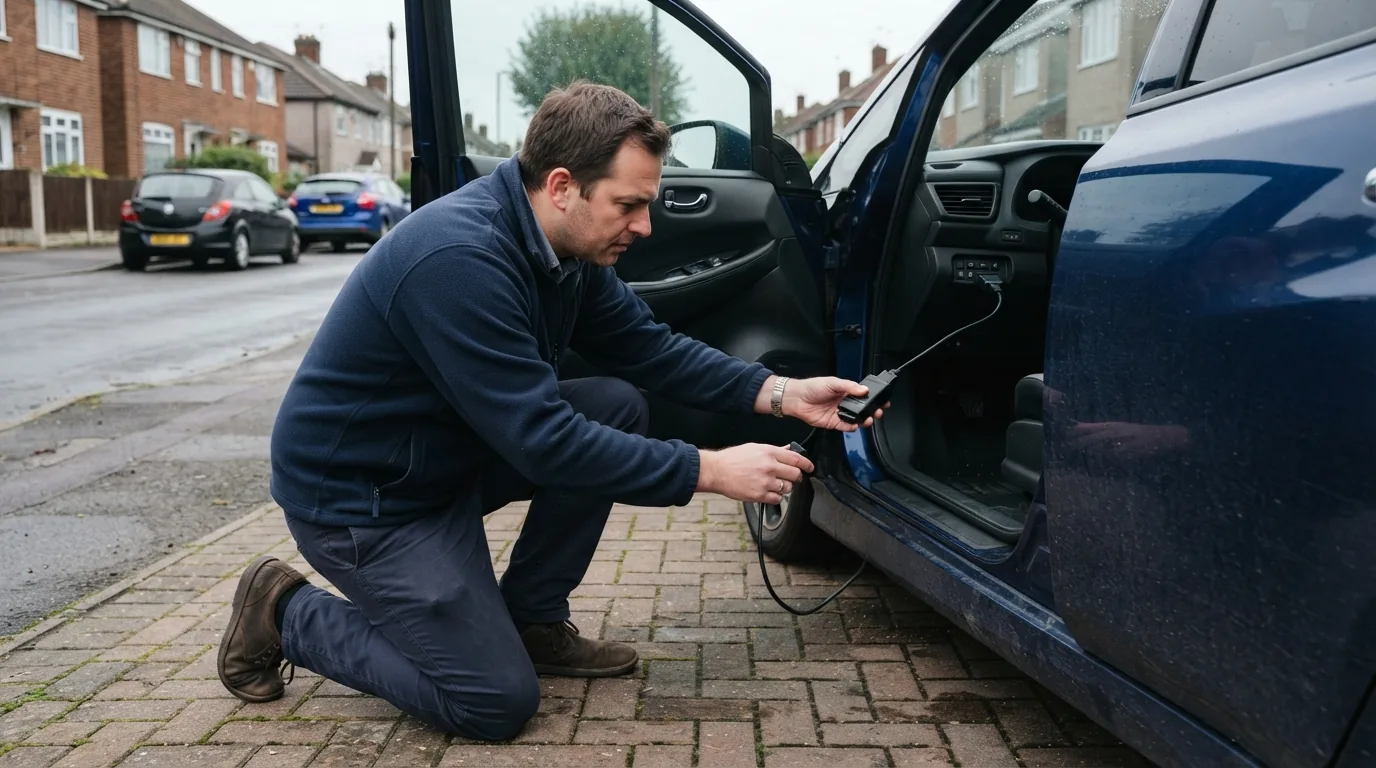
How to Check an Electric Car Battery Before Buying Used
A practical, step-by-step guide for UK buyers on checking battery state of health before you hand over any money
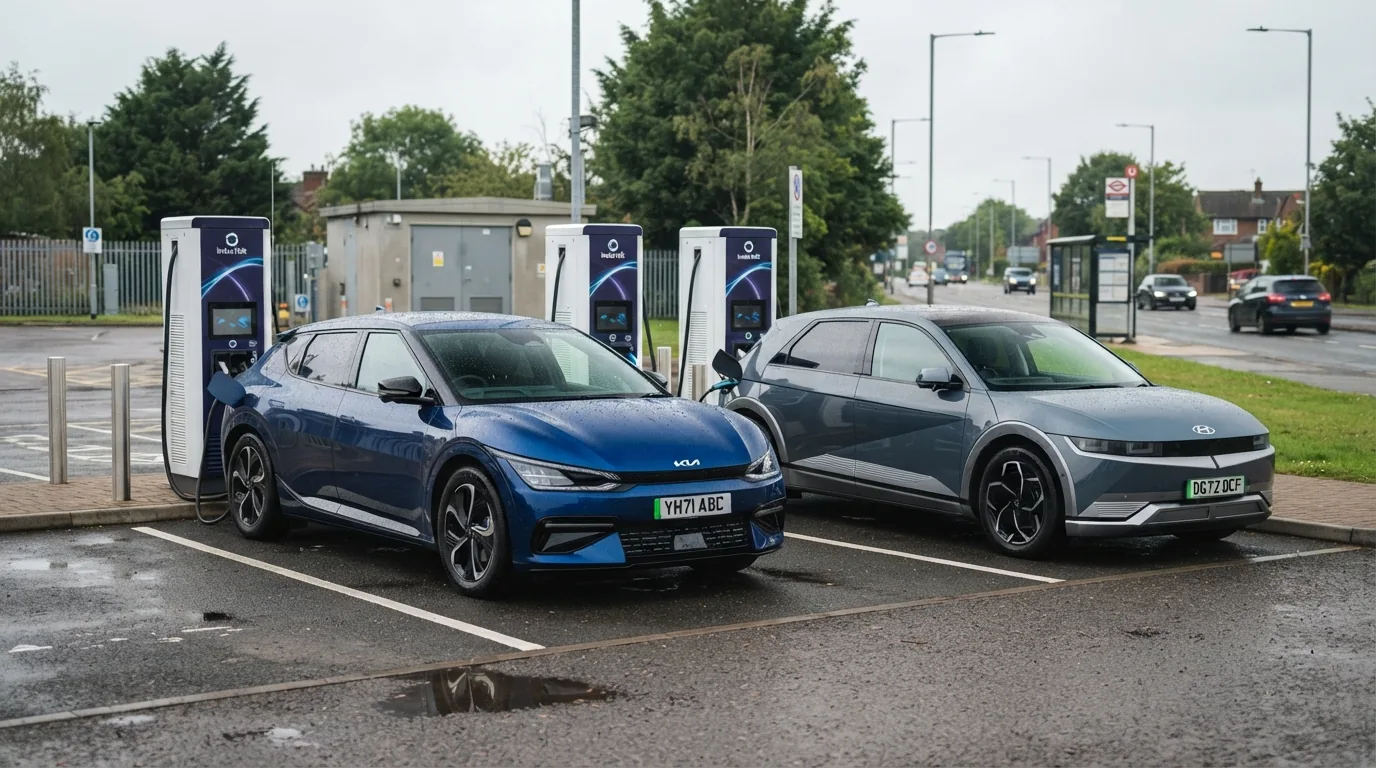
Kia EV6 vs Hyundai Ioniq 5: Range and Charging Compared
Sister cars with the same platform, different personalities. Which one is right for UK drivers?