VW ID.3 price, specs and trims UK
The VW ID.3 Neo costs from £33,080 to £40,000 in November 2026, £31,580 to £38,500 after the Electric Car Grant, and the Life 79kWh gives the most range for the money.
Volkswagen ID.3 at a glance
| Price from | £33,080 |
|---|---|
| Battery | 50 kWh |
| WLTP range | 258 miles |
| Peak rapid charging | 105 kW |
| 10 to 80% charge | 26 minutes at 105 kW (58 kWh battery) |
| Boot | 383 litres |
| Price range | £33,080 to £40,000 (November 2026) |
| After £1,500 grant | £31,580 to £38,500 |
| Trims | Life, Style, Style Launch Edition |
| Usable battery | 50 kWh, 58 kWh or 79 kWh |
| WLTP range | 258 to 390 miles |
| Power | 125 kW, 140 kW or 170 kW |
| Length | 4,265 mm |
| Width | 1,809 mm |
| Height | 1,561 mm |
| Wheelbase | 2,770 mm |
| Boot | 383 litres, 1,336 litres seats folded |
| Best value trim | Life 79kWh, £95 of list price per mile of range |
Quick answers
- The VW ID.3 Neo costs from £33,080 for the Life 50kWh to £40,000 for the Style 79kWh in November 2026, before the £1,500 Electric Car Grant.
- The Life 79kWh costs £36,995 and works out at £95 of list price per mile of WLTP range, against £142 for the Style Launch Edition, on EV Compared's sums.
- Upgrading a Life 58kWh to the 79 kWh battery costs £1,500 and adds 84 miles of WLTP range, while upgrading it to Style trim costs £3,005 and loses 21 miles.
- Metallic paint costs £830, or £990 for Dark Olivine Green, and Moonstone Grey is the only no-cost colour, according to Carwow.
- The grant applies only when the final price, including options, is under £42,000, so a £40,000 Style 79kWh with the £2,055 Technology package loses it.
- The ID.3 Neo is 4,265 mm long, 1,809 mm wide and 1,561 mm tall, with a 383-litre boot that grows to 1,336 litres with the rear seats folded.
The VW ID.3 price runs from £33,080 for the ID.3 Neo Life 50kWh to £40,000 for the Style 79kWh in November 2026, or £31,580 to £38,500 once the £1,500 Electric Car Grant comes off. This page covers the trims, what each step up buys, the options and their prices, and the full dimensions; for the driving verdict, safety and running costs, read our VW ID.3 review. EV Compared has not driven the ID.3 Neo, so everything here rests on Volkswagen’s published figures, UK price data and the reviews named.
How much is the VW ID.3 in the UK?
Six versions of the ID.3 Neo are on sale, priced from £33,080 to £40,000, according to Electrive’s report of Volkswagen UK’s list. The Neo replaced the old Pure, Pro and Pro S line-up when UK orders opened on 13 August 2026. The last column is our own figure: list price divided by WLTP range, as set out in our methodology.
| Version | List price (Nov 2026) | After grant | Battery (usable) | WLTP range | 0 to 60mph | List price per mile of range |
|---|---|---|---|---|---|---|
| Life 50kWh | £33,080 | £31,580 | 50 kWh | 258 miles | 8.6 sec | £128 |
| Life 58kWh | £35,495 | £33,995 | 58 kWh | 306 miles | 8.0 sec | £116 |
| Life 79kWh | £36,995 | £35,495 | 79 kWh | 390 miles | 7.1 sec | £95 |
| Style 58kWh | £38,500 | £37,000 | 58 kWh | 285 miles | 8.0 sec | £135 |
| Style Launch Edition 58kWh | £39,750 | £38,250 | 58 kWh | 280 miles | 8.0 sec | £142 |
| Style 79kWh | £40,000 | £38,500 | 79 kWh | 387 miles | 7.1 sec | £103 |
The 0 to 60mph times come from Carwow. The 50 and 58 kWh batteries use LFP chemistry and the 79 kWh battery uses NMC, Auto Express reports. Our news story on the ID.3 Neo’s UK launch price has the background to the line-up.
What does each step up buy?
The battery upgrades are the good value steps; the trim upgrades cost more and give back range. This table takes each common move in turn.
| Step | Extra cost | WLTP range change | List price per mile, before and after |
|---|---|---|---|
| Life 50kWh to Life 58kWh | £2,415 | 48 miles more | £128 to £116 |
| Life 58kWh to Life 79kWh | £1,500 | 84 miles more | £116 to £95 |
| Life 58kWh to Style 58kWh | £3,005 | 21 miles fewer | £116 to £135 |
| Style 58kWh to Style Launch Edition | £1,250 | 5 miles fewer | £135 to £142 |
| Style 58kWh to Style 79kWh | £1,500 | 102 miles more | £135 to £103 |
| Life 79kWh to Style 79kWh | £3,005 | 3 miles fewer | £95 to £103 |
Life is well equipped for a base trim. Auto Express lists 18-inch alloy wheels, dual-zone climate control, keyless entry, adaptive cruise control, front and rear parking sensors, a reversing camera, a 10.25-inch driver display and a 12.9-inch touchscreen with sat nav, Apple CarPlay and Android Auto. Motorpoint adds wireless phone charging.
Style costs £3,005 more than the equivalent Life. For that, Motoring Research and Auto Express list 19-inch wheels, LED Matrix headlights, heated front seats, a heated steering wheel, a heat pump, sports seats, privacy glass and ambient lighting. It is also rated for 21 fewer miles than the Life 58kWh, so you pay more and go less far.
Style Launch Edition adds £1,250 to the Style 58kWh and brings a head-up display, a panoramic glass roof, electrically adjustable front seats with massage, Travel Assist 3.0 and Park Assist Pro, according to Electrive. It is sold only with the 58 kWh battery, so it cannot be combined with the long-range pack.
The 79 kWh battery also changes rapid charging: it peaks at 183 kW against 105 kW for the smaller packs. Our page on ID.3 range and charging times covers what that means on a long trip.
Which options are worth having?
Moonstone Grey is the only no-cost paint; Glacier White, Grenadilla Black, Norwegian Sea Blue and Scale Silver cost £830 each, and Dark Olivine Green costs £990, according to Carwow.
Leasing broker Vehicleflex lists these option prices for the Style 79kWh in November 2026:
| Option | Price |
|---|---|
| Technology package | £2,055 |
| Sports package with DCC adaptive chassis control | £1,035 |
| Panoramic glass roof | £875 |
| 20-inch Zwickau alloy wheels | £795 (£995 with performance tyres) |
| Harman Kardon sound system | £735 |
| Bike carrier hitch preparation | £375 |
| Three-pin (Mode 2) charging cable | £190 |
| Variable boot floor | £75 |
Three are worth a look. The £75 variable boot floor is cheap and makes the load area easier to use. The £190 three-pin cable is a sensible backup if you visit people without a wallbox. And if a glass roof is the only Launch Edition feature you want, the £875 panoramic roof on a Style costs less than the £1,250 step up to the Launch Edition.
If you choose Life and live somewhere cold, ask the retailer to price the heat pump, which Motorpoint lists as optional on Life and standard on Style.
The bike carrier hitch is not a tow bar. Auto Express notes that the optional rear tow hook is designed only for bike carriers, so the ID.3 Neo is no use for towing a trailer or caravan.
How does the Electric Car Grant work on the ID.3, and are there discounts?
Every ID.3 Neo is in Band 2 of the Electric Car Grant, worth £1,500, but only while the final price stays under £42,000. Volkswagen defines that price as the list price plus options and VED, minus any cash discount, and the retailer takes the grant off at the point of order.
That limit matters on the dearer versions. A £40,000 Style 79kWh with the £2,055 Technology package comes to £42,055 and loses the grant, so the pack effectively costs £3,555. A Style Launch Edition at £39,750 has £2,250 of headroom before the same thing happens. Several rivals sit in Band 1, worth up to £3,750, according to GOV.UK: the Renault Megane E-Tech, Kia EV4 and Alpine A290 among them.
Discounts are already appearing. On 10 November 2026, Carwow’s dealer marketplace showed the Life 50kWh at £29,651 and the Life 79kWh at £33,331, against list prices of £33,080 and £36,995. Arnold Clark’s Wishaw branch listed a 76-plate Life 50kWh with 10 miles on the clock at £29,198 the same day.
What will an ID.3 cost a month?
Volkswagen UK’s current finance offer is £2,500 towards the deposit on an ID.3 Neo bought on Solutions PCP at 2.9% APR representative, for orders placed by 5 January 2027 at participating retailers, subject to status. The offer excludes the 79 kWh versions, so it applies to the Life 50kWh, Life 58kWh, Style 58kWh and Style Launch Edition. Volkswagen’s online finance calculator quotes monthly payments for your own deposit, term and mileage.
The deposit contribution narrows the gap to the Life 79kWh, which goes without it. If you are paying cash, the 79 kWh car is still the better buy on price per mile.
How does the ID.3 price compare with its rivals?
The ID.3 Neo sits in the middle of its class on price, and the Life 79kWh has more WLTP range than any rival in this table.
| Model and version | List price | Range (WLTP) | Boot | Length |
|---|---|---|---|---|
| Vauxhall Corsa Electric YES 50kWh | £27,505 | 221 miles | 267 litres | 4,060 mm |
| Renault Megane E-Tech Techno 220hp Comfort Range | £28,445 | 306 miles | 440 litres | 4,199 mm |
| MG4 Premium Long Range 64kWh | £29,995 | 280 miles | 388 litres | 4,287 mm |
| Volkswagen ID.3 Neo Life 50kWh | £33,080 | 258 miles | 383 litres | 4,265 mm |
| Alpine A290 GT+ | £33,995 | 235 miles | 326 litres | 3,997 mm |
| Kia EV4 Hatchback Air SR 58.3kWh | £34,745 | 273 miles | 435 litres | 4,430 mm |
| Volkswagen ID.3 Neo Life 79kWh | £36,995 | 390 miles | 383 litres | 4,265 mm |
| Mazda 6e Takumi | £38,995 | 348 miles | 337 litres | 4,921 mm |
On list price per mile of range, the Renault Megane E-Tech is the only car here that beats the Life 79kWh, at £93 against £95. The entry ID.3 is weaker: at £128 a mile it trails the MG4’s price and trims, at £107, and nearly matches the Kia EV4 at £127.
Within Volkswagen’s electric range, the ID.3 is the hatchback below the larger ID.4.
Buyers who need more room should look at the ID.4 SUV instead.
Buyers who need less car can save money with the smaller ID.Polo from £23,945.
VW ID.3 specifications and dimensions
The ID.3 Neo is 4,265 mm long and 1,809 mm wide, and every version shares the same body, boot and seating. Figures are from Carwow unless marked.
| Specification | Figure |
|---|---|
| Length | 4,265 mm |
| Width (without mirrors) | 1,809 mm |
| Height | 1,561 mm |
| Wheelbase | 2,770 mm |
| Turning circle | 11.5 m |
| Boot, seats up | 383 litres |
| Boot, seats folded | 1,336 litres |
| Seats | 5 |
| Kerb weight, 58 kWh | about 1.9 tonnes (Auto Express) |
| Power | 125 kW (50 kWh), 140 kW (58 kWh), 170 kW (79 kWh) |
| Drive | Rear-wheel drive |
| Top speed | 99mph |
| AC charging | 7.2 kW single-phase, 11 kW three-phase |
| Peak DC charging | 105 kW (50 and 58 kWh), 183 kW (79 kWh) (Electrive) |
| Towing | Bike carrier only |
On ID.3 boot space, 383 litres is 5 litres short of the MG4 and 57 litres short of the Renault Megane E-Tech, the roomiest car in the rivals table. Auto Express quotes 385 litres for the Neo and calls it “strictly average for the class”.
How will the ID.3 Neo hold its value?
The Neo has been on sale for only three months, so there is no settled used price yet. The early signs are the pre-registered cars already on dealer forecourts: Arnold Clark’s 10-mile Life 50kWh at £29,198 sits £2,382 under the £31,580 a new one costs after the grant.
The Neo also puts pressure on older ID.3s. The last pre-Neo Pro S 77kWh listed at £43,185 for 347 miles, or £124 of list price per mile on our sums; a new Life 79kWh costs £6,190 less for 43 miles more. Our used VW ID.3 buying guide covers what older cars sell for now.
Which VW ID.3 should you buy?
Buy the Life 79kWh if you want the most range for your money: £36,995, 390 miles of WLTP range and 183 kW rapid charging. Pick the Life 58kWh if you want the £2,500 finance deposit contribution and rarely drive far, and the Life 50kWh only if the lowest price matters more than range.
Choose Style if heated seats, Matrix headlights and a standard heat pump matter more than distance, and keep an eye on the £42,000 grant limit when adding options. The Style Launch Edition is the hardest to justify, at £142 of list price per mile. If boot space or a low list price is the priority, the Renault Megane E-Tech gives more of both.
How we test and where our numbers come from
Range figures are official WLTP combined values taken from manufacturer UK specification pages, with real-world estimates drawn from independent comparative testing. Prices are UK list prices at the time of the latest update. Tax, grant and charging-scheme figures come from GOV.UK and HMRC publications. We re-check every guide when pricing, specification or policy changes. Last checked 27 November 2026. How we work out our own figures.
Frequently asked questions
How much is the VW ID.3 Neo in the UK?
The VW ID.3 Neo costs from £33,080 for the Life 50kWh to £40,000 for the Style 79kWh in November 2026. Every version qualifies for the £1,500 Band 2 Electric Car Grant, so prices after the grant run from £31,580 to £38,500, provided options do not push the final price past £42,000.
Which VW ID.3 trim is the best value?
The Life 79kWh is the best value ID.3 Neo on list price per mile of range. At £36,995 it has 390 miles of WLTP range, which works out at £95 per mile on EV Compared's sums, against £116 for the Life 58kWh and £128 for the Life 50kWh.
How big is the VW ID.3 boot?
The ID.3 Neo's boot holds 383 litres with the rear seats up and 1,336 litres with them folded, according to Carwow. That is smaller than the Renault Megane E-Tech's 440 litres and the Kia EV4's 435 litres, and about the same as the MG4's 388 litres.
Can options make the VW ID.3 lose the Electric Car Grant?
Yes, options can cost you the grant. Volkswagen applies the £1,500 discount only when the final purchase price, including options, is under £42,000. A £40,000 Style 79kWh with the £2,055 Technology package comes to £42,055, which is over the limit.
Is there a finance offer on the VW ID.3 Neo?
Yes, Volkswagen UK advertises £2,500 towards the deposit on an ID.3 Neo bought on Solutions PCP at 2.9% APR representative. The offer excludes the 79 kWh versions and applies to orders placed by 5 January 2027 at participating retailers, subject to status.
Does the VW ID.3 Life have a heat pump?
No, the heat pump is an option on Life and standard from Style trim upwards, according to Motorpoint. If you choose Life and do a lot of winter driving, ask the retailer to price the heat pump before you order, and check the total stays under the £42,000 grant limit.
Sources and further reading
- electrive.comElectrive: VW ID.3 Neo starts at £33,080 in the UKUK list prices for all six versions, grant-adjusted Life prices, Style Launch Edition equipment (head-up display, panoramic roof, massage seats, Travel Assist 3.0, Park Assist Pro), peak DC charging of 105 kW (58 kWh) and 183 kW (79 kWh), UK orders from 13 August.
- carwow.co.ukCarwow: Volkswagen ID.3 Neo specificationsRRP and Carwow marketplace prices by version, 0 to 60mph times, 99mph top speed, 4,265 mm by 1,809 mm by 1,561 mm, 2.77 m wheelbase, 11.5 m turning circle, 383 and 1,336-litre boot, 7.2 kW single-phase and 11 kW three-phase AC.
- carwow.co.ukCarwow: Volkswagen ID.3 Neo coloursPaint prices: Moonstone Grey no cost, four metallics at £830, Dark Olivine Green at £990.
- vehicleflex.comVehicleflex: Volkswagen ID.3 Neo 170kW Style 79kWh option listOption prices listed for the Style 79kWh: Technology package £2,055, Sports package with DCC £1,035, panoramic roof £875, Harman Kardon £735, 20-inch wheels £795 or £995, bike carrier hitch preparation £375, three-pin cable £190, variable boot floor £75.
- volkswagen.co.ukVolkswagen UK: ID.3 NeoLife, Style and Style Launch Edition trims, 50, 58 and 79 kWh batteries, 7.1 to 8.6 second acceleration, eligible grant versions.
- volkswagen.co.ukVolkswagen UK: Electric Car GrantBand 2, £1,500 off when the final purchase price is under £42,000, defined as RRP plus options plus VED minus cash discounts; applied by the retailer at order.
- gov.ukGOV.UK: Electric Car Grant, eligible carsBand 1 maximum £3,750 and Band 2 maximum £1,500; ID.3 in Band 2; Megane, EV4 and A290 in Band 1; Corsa Electric in Band 2.
- volkswagen.co.ukVolkswagen UK retailer offer: The ID.3 Neo£2,500 deposit contribution on Solutions PCP, 2.9% APR representative, excludes 79kWh, ordered by 5 January 2027 from participating retailers; points to Volkswagen's finance calculator.
- motoringresearch.comMotoring Research: New 2026 Volkswagen ID.3 Neo to cost from £31,580Life equipment (18-inch alloys, dual-zone climate, rear-view camera, parking sensors) and Style equipment (19-inch alloys, LED Matrix lights, heated seats and wheel, heat pump), Launch Edition additions.
- motorpoint.co.ukMotorpoint: Volkswagen ID.3 Neo price, specs and release dateHeat pump standard on Style and optional on Life; Life includes adaptive cruise control and wireless phone charging.
- autoexpress.co.ukAuto Express: Volkswagen ID.3 Neo prices announcedLFP chemistry for the 50 and 58 kWh batteries and NMC for the 79 kWh, Life equipment including keyless entry and 10.25-inch display, Style additions including privacy glass and ambient lighting.
- autoexpress.co.ukAuto Express: New Volkswagen ID.3 Neo 2026 reviewKerb weight of around 1.9 tonnes for the 58 kWh car, optional rear tow hook for bike carriers only, 385-litre boot described as strictly average for the class.
- autoexpress.co.ukAuto Express: Volkswagen ID.3 prices and specsLast list prices of the pre-Neo ID.3, including the Pro S 77kWh at £43,185 with 347 miles.
- arnoldclark.comArnold Clark: nearly new Volkswagen ID.3 Neo 125kW Life 50kWh76-plate Life 50kWh with 10 miles, £29,198 retail price at Wishaw Volkswagen, checked 10 November 2026.
- autoexpress.co.ukAuto Express: New Volkswagen ID. Polo takes on the Renault 5Regular ID. Polo versions from September 2026 bring the UK starting price to £23,945.

EV Compared
The EV Compared editorial team tracks the UK electric vehicle market full time: new model launches, list prices, WLTP and real-world range, public charging tariffs and the tax rules that decide what an EV actually costs to run. Every guide is checked against manufacturer specifications and official GOV.UK figures, and updated whenever the numbers move.
Related reading
View all
VW battery recall reaches 85,000 EVs as Audi Q4 e-tron is added: what UK owners should do
Volkswagen Group's recall over battery cells that can overheat above 80% charge has grown to more than 85,000 cars worldwide, with Audi's Q4 e-tron now included. The US opt-out headlines do not describe the UK campaign. Here is what has changed and what UK owners should do.
VW ID.3, ID.4 and ID.7 battery recall: UK cars capped at 80% charge
Volkswagen UK has opened safety recall campaigns 93MV and 93MF for cars with high-voltage batteries from one supplier. Charging is being limited to 80% while dealers check the batteries. Here is what the cap means in miles, how to check it is active and what to do next.
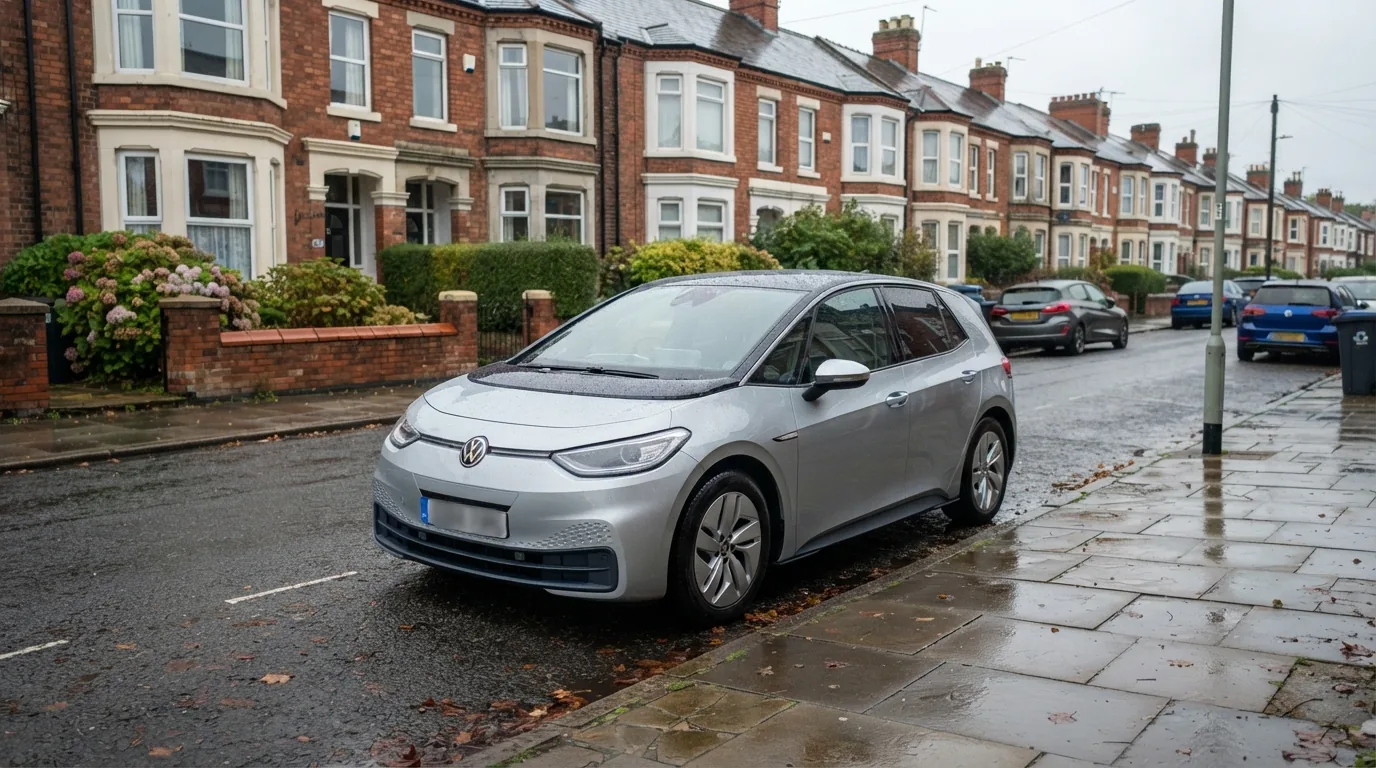
VW ID.3 Neo UK price: from £33,080 with up to 390 miles
Volkswagen's updated ID.3 hatchback is now the ID.3 Neo, with three new batteries, a 183kW peak charge rate and a UK starting price of £33,080 before the £1,500 Electric Car Grant.