EV battery fire risk: what UK data says about cars, e-bikes and chargers
Most lithium-ion fire headlines involve e-bikes and e-scooters, not electric cars. Here is what UK fire service and insurer data shows, and how to charge safely at home.
Quick answers
- Merseyside Fire and Rescue Service recorded 150 lithium-ion battery fires between April 2023 and August 2026, with five deaths linked to the batteries.
- London Fire Brigade attended a record 206 e-bike and e-scooter fires in 2025, 171 of them e-bikes.
- Bedfordshire Fire and Rescue Service counted 1,898 petrol and diesel vehicle fires in 2019 against 54 involving EVs.
- A Swedish Civil Contingencies Agency and US insurer study, reported by Autocar, put EV fires at 25 per 100,000 vehicles against 1,530 for petrol and diesel cars, though EV fires can be harder to put out.
- Allianz UK reported claims above £5m and £1.5m from two garage fires caused by faulty EV batteries stored after removal.
Most UK lithium-ion fire headlines involve e-bikes and e-scooters, not electric cars. Merseyside Fire and Rescue Service recorded 150 lithium-ion battery fires between April 2023 and August 2026, with five deaths (MFRS). The data we found says an electric car is less likely to catch fire than a petrol or diesel one, but the fires that do occur can be harder to fight.
What happened in Bootle?
Four people died in a house fire in Bootle, Merseyside, in the early hours of 22 September. Merseyside Fire and Rescue Service said an electrical event caused a lithium-ion battery to go into thermal runaway. The battery was on charge and was not fitted to the e-scooter at the time (BritBrief). It was not an electric car fire.
Where do UK lithium-ion fires come from?
London Fire Brigade attended 206 e-bike and e-scooter fires in 2025, a record, up from the previous high of 179 in 2023. Of those, 171 involved e-bikes and 35 e-scooters, and two people died (London Fire Brigade). The brigade says the cause is often failure of batteries, conversion kits or chargers bought online.
What does the data say about electric cars?
| Measure | Electric | Petrol and diesel |
|---|---|---|
| Vehicle fires, 2019 (Bedfordshire) | 54 | 1,898 |
| Fires per 100,000 vehicles (Swedish agency and US insurer study) | 25 | 1,530 |
Source: Autocar. The same article cites Honeywell data showing 239 UK fire and rescue service incidents linked to EVs from July 2022 to June 2023, up 83% on the 130 the year before, while the number of EVs on the road also rose. That count is not limited to cars and is not a rate. Hybrids fared worst in the Swedish figures, at 3,475 per 100,000. These are older figures and a single county, so they show a pattern rather than a precise national rate.
Why EV fires still worry insurers
Severity is the concern. Allianz UK warned motor traders after two garage fires produced claims of over £5m and £1.5m, both from faulty EV batteries removed and stored while awaiting collection by the manufacturer (Allianz). It says a damaged battery can enter thermal runaway, which can lead to explosions days or even weeks later (Fleet News). Those cases involved removed batteries in commercial premises, not cars charging on a driveway. For cost implications see our guides on whether electric cars are cheaper to insure and the true cost of EV insurance.
What this means for you
Your car is not the biggest lithium-ion risk in most homes. Cheap e-bike and e-scooter batteries and chargers, charged indoors or overnight, are. For your EV, the US National Fire Protection Association advises having a qualified electrician check your system and install the outlet, using equipment listed by a qualified testing laboratory, checking chargers and cords for damage and not using extension cords with the charger (Safety+Health).
- Read our home charging guide before choosing a setup.
- Compare home EV chargers and look at weatherproof outdoor units.
How we test and where our numbers come from
Range figures are official WLTP combined values taken from manufacturer UK specification pages, with real-world estimates drawn from independent comparative testing. Prices are UK list prices at the time of the latest update. Tax, grant and charging-scheme figures come from GOV.UK and HMRC publications. We re-check every guide when pricing, specification or policy changes. Last checked 6 October 2026.
Frequently asked questions
Are electric cars more likely to catch fire than petrol cars?
The data we found says no. Bedfordshire Fire and Rescue Service counted 1,898 petrol and diesel vehicle fires in 2019 against 54 EV fires, and a Swedish Civil Contingencies Agency and US insurer study put EV fires at 25 per 100,000 against 1,530 for petrol and diesel cars.
What caused the Bootle house fire in September 2026?
Merseyside Fire and Rescue Service said an electrical event put a lithium-ion battery into thermal runaway. The battery was on charge and was not fitted to the e-scooter at the time. It was not an electric car.
Why are EV fires harder to put out?
Allianz UK says a damaged, mishandled or incorrectly stored lithium-ion battery can enter thermal runaway, a rapid self-heating fire, with explosions possible days or even weeks later.
How can I charge my electric car safely at home?
The US National Fire Protection Association advises having a qualified electrician check your electrical system and install the outlet, using equipment listed by a qualified testing laboratory, checking chargers and cords for damage and not using extension cords.
Sources and further reading
- merseyfire.gov.ukMerseyside Fire and Rescue ServicePrimary source referenced in this article.
- britbrief.co.ukLithium-ion battery caused fatal Bootle house fireCause of the 22 September Bootle fire.
- london-fire.gov.ukRecord number of e-bike and e-scooter fires across London in 2025London Fire Brigade e-bike and e-scooter fire figures.
- autocar.co.ukHow much of a fire risk are electric vehicles?Bedfordshire figures, Honeywell's 239 UK EV fires and the Swedish study.
- fleetnews.co.ukUK insurer warning on EV battery fires after multi-million payoutAllianz UK's warning and the two garage-fire claims.
- allianz.co.ukAllianz UK warns motor traders of high risks and costs of EV battery firesThe two garage fires and thermal runaway warning.

EV Compared
The EV Compared editorial team tracks the UK electric vehicle market full time: new model launches, list prices, WLTP and real-world range, public charging tariffs and the tax rules that decide what an EV actually costs to run. Every guide is checked against manufacturer specifications and official GOV.UK figures, and updated whenever the numbers move.
Related reading
View all
Charging an Electric Car at Home in the UK: The Complete Guide
Everything you need to know about home EV charging, from wallboxes to tariffs, installation to solar
Do You Need a Home Charger for an Electric Car in the UK?
The honest answer: technically no, practically yes, and here is why the wallbox pays for itself quickly
Are Electric Cars Cheaper to Insure in the UK?
The latest UK quote data shows the average EV now costs less to insure than the average petrol or diesel car, but the full picture depends heavily on the model
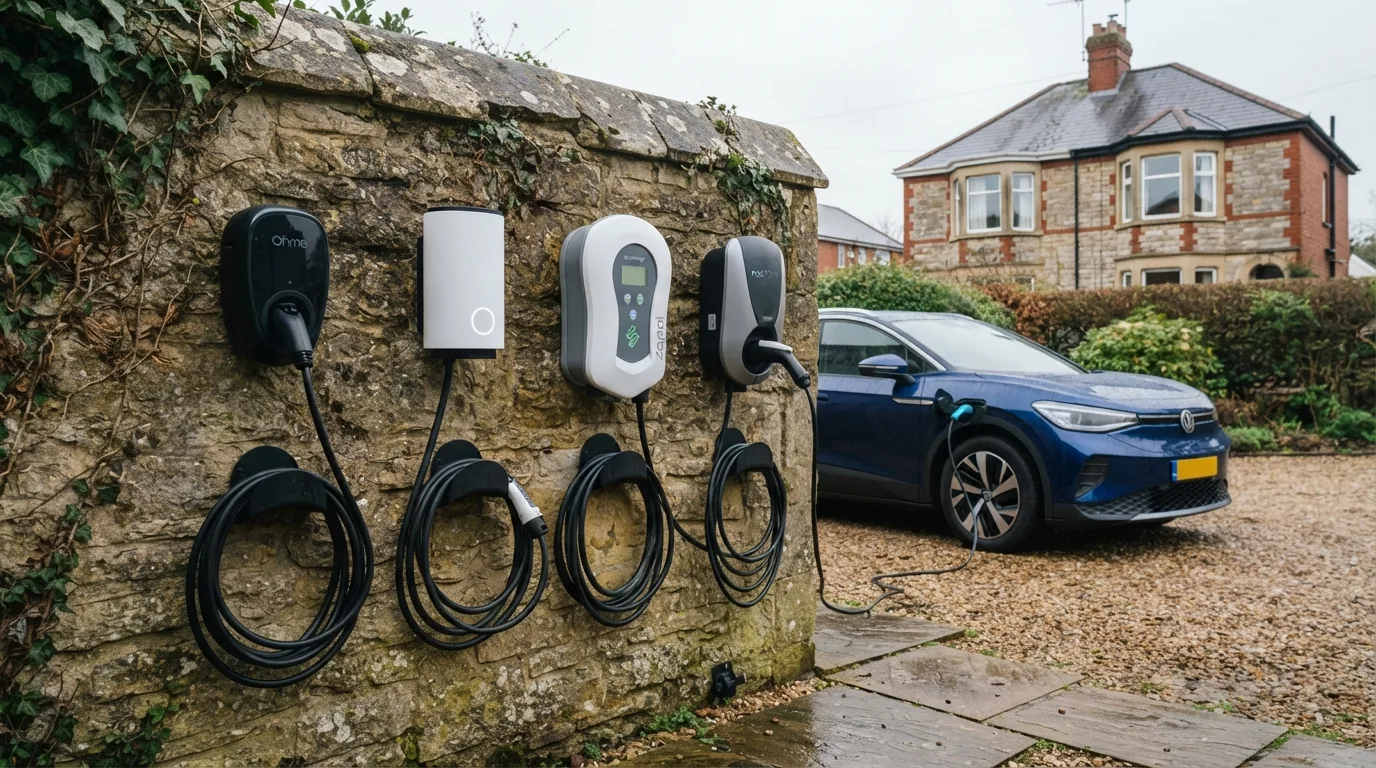
Best Home EV Chargers in the UK for 2026
The top wallboxes ranked by use case, with UK prices, honest verdicts, and our pick for most drivers
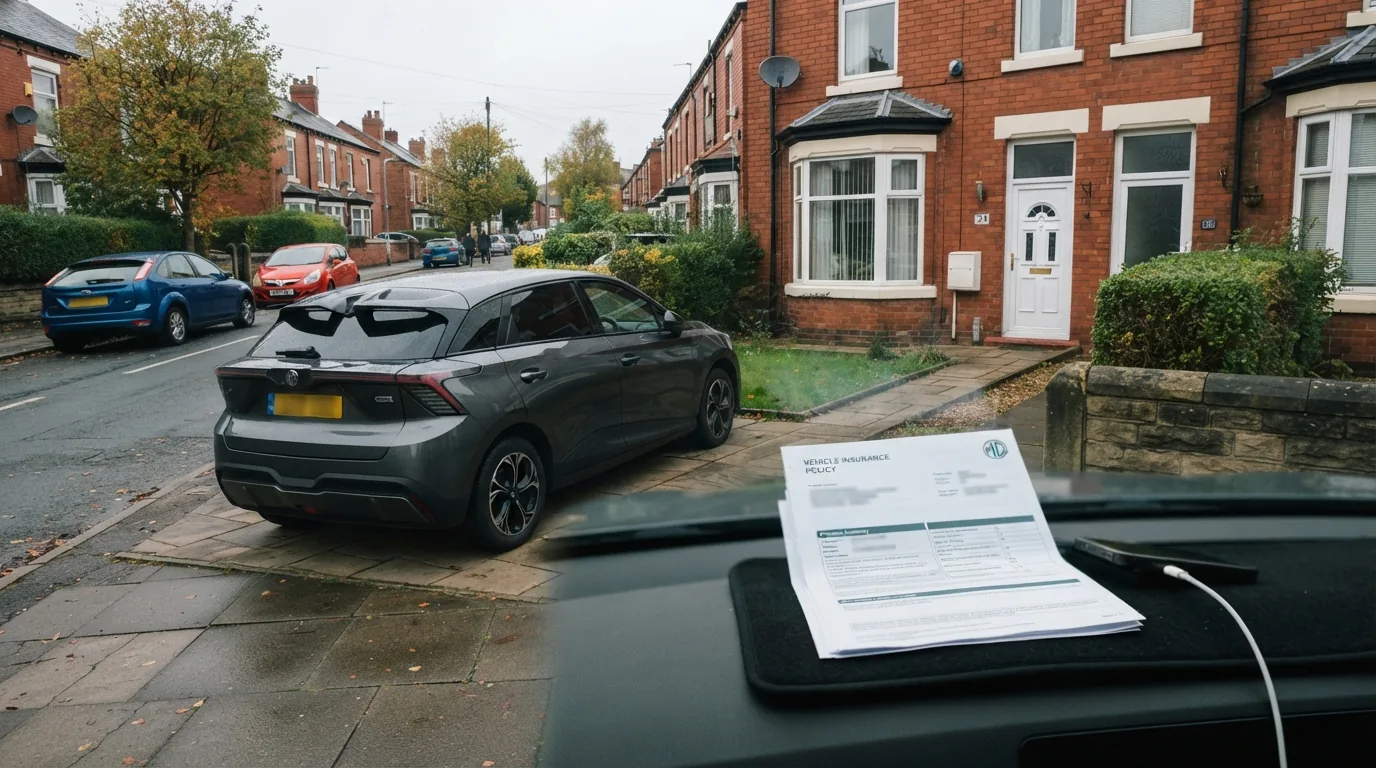
What Is the True Cost of EV Insurance in the UK?
Why electric car premiums are higher, how much higher, and how to close the gap
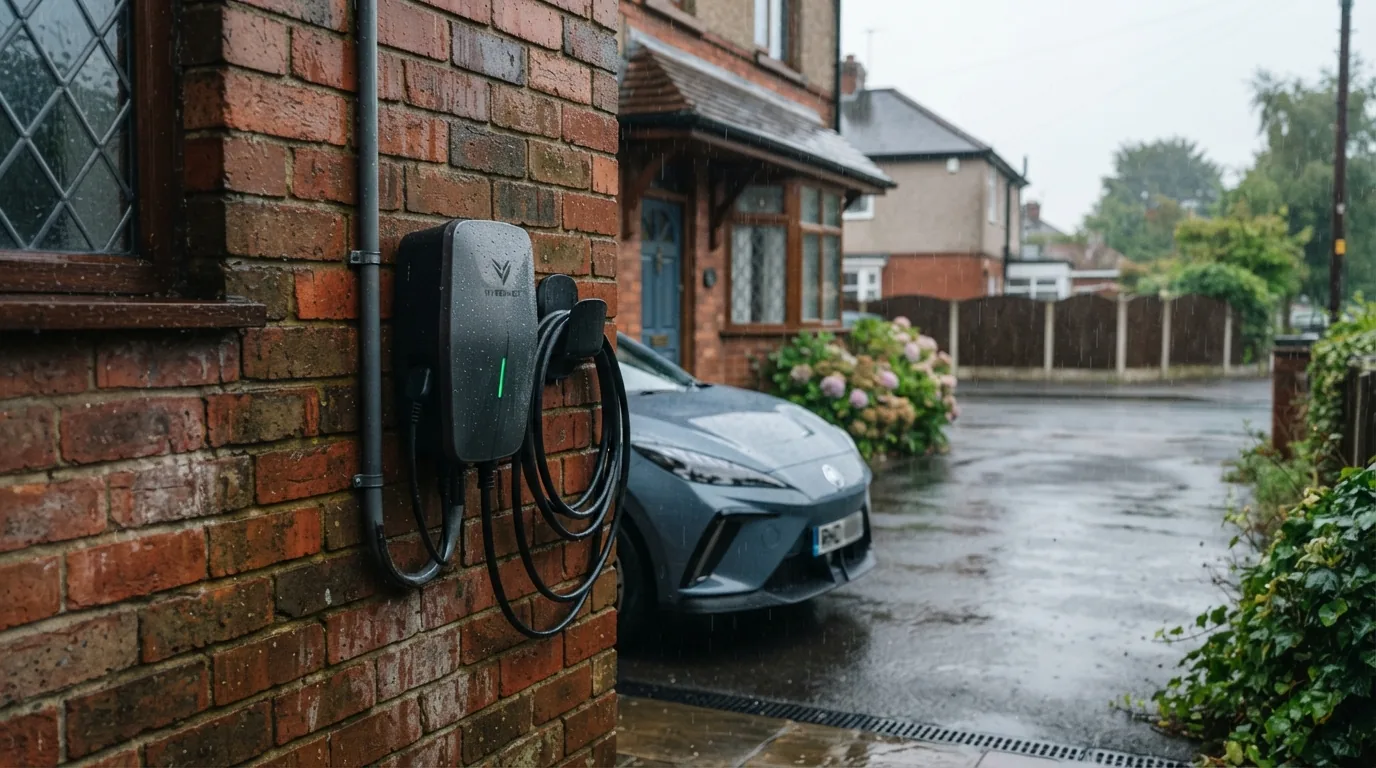
Best Weatherproof Outdoor EV Chargers for UK Homes
Which home EV chargers stand up to British weather, and why IP rating matters more than most buyers realise