AA data: running out of charge is under 2% of EV call-outs
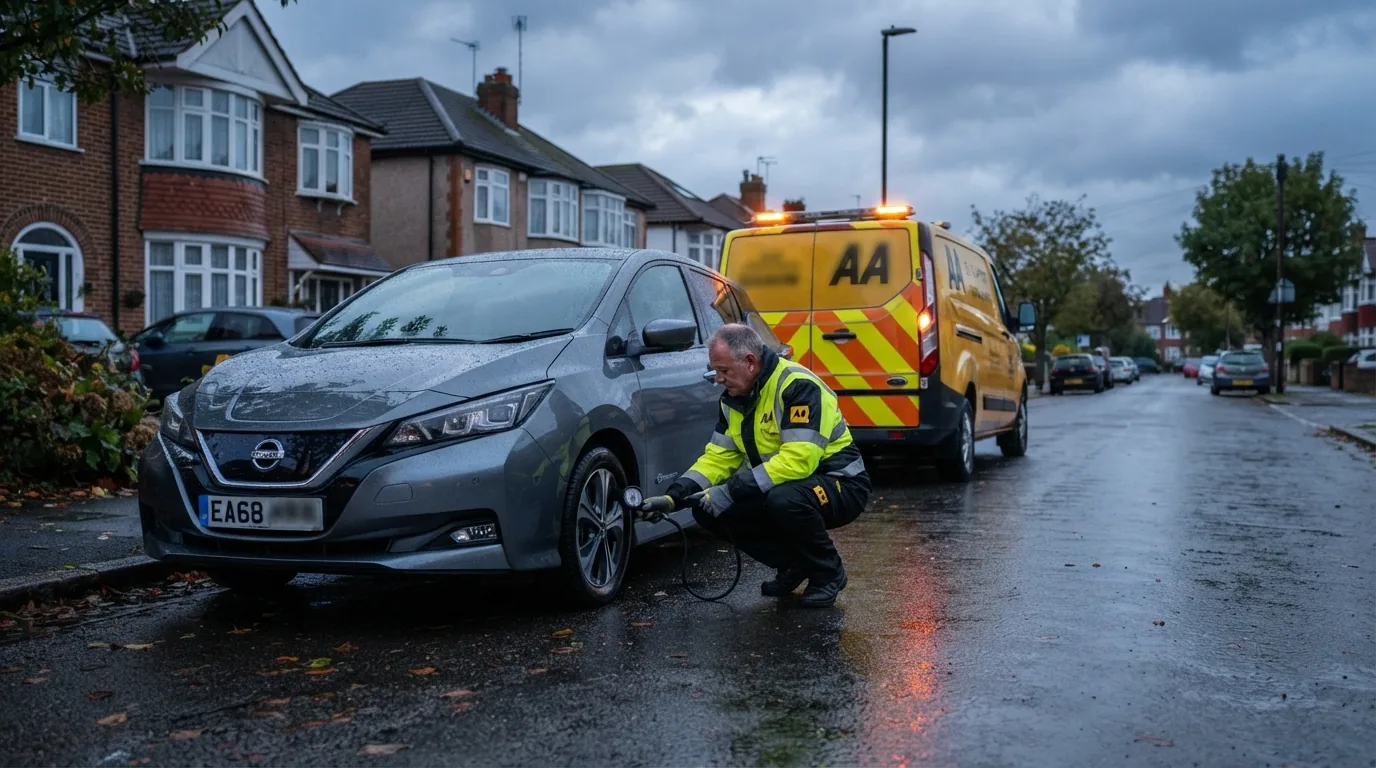
AA call-out figures for 2024 show out-of-charge cars are a small share of EV breakdowns, while tyres, wheels and the 12V battery top the fault list, just as they do for petrol and diesel cars.
Quick answers
- AA data put EV call-outs for cars that were out of charge at 1.85% of all EV call-outs in 2024, down from 8.26% in 2015. The figures were released in November 2024.
- The AA expects the share to fall to about 1%, which is roughly the proportion of petrol and diesel breakdowns caused by running out of fuel.
- The top 30% of EV breakdown faults are almost identical to those of petrol and diesel cars: tyres, wheels and the 12V battery.
- AA data show 89% of EV call-outs were fixed at the roadside, against 87.5% for petrol and diesel cars.
- Even so, 44% of more than 2,000 consumers surveyed by the AA and Autotrader said breakdown or roadside repair worries were a concern when considering an EV.
Out-of-charge cars made up fewer than 2% of the EV call-outs the AA attended in 2024: 1.85%, down from 8.26% in 2015. The AA released those figures in November 2024 (Motoring Research). The fear of being stranded with a flat battery remains one of the main reasons drivers hesitate, so it is worth seeing what actually leaves EV drivers waiting for a patrol. These are the AA’s own call-out figures, so they say nothing about drivers who never called for help.
The AA brought that argument to the Mythbusters EV Rally in September, a five-day run across Britain that finished in Twickenham on 11 September (AA).
What does the AA data say about flat batteries?
The 1.85% figure is a share of AA call-outs to electric cars, not of all electric cars on the road. The 2015 figure of 8.26% measures the same thing, the share of EV call-outs that were for a flat drive battery. The AA deals with around 8,000 breakdowns a day across all vehicle types, of which only around five or six are EVs that are out of charge, according to the AA figures reported by Motoring Research.
The AA expects the share to fall to about 1%, roughly the proportion of petrol and diesel breakdowns caused by running out of fuel. In other words, the gap between the two is small and closing.
| Measure | Figure | Source year |
|---|---|---|
| EV call-outs that were out of charge | 8.26% | 2015 |
| EV call-outs that were out of charge | 1.85% | 2024 |
| EV call-outs for batteries out of power, January | 2.3% | January call-outs, reported by the AA |
| AA’s expected level, roughly the share of petrol and diesel breakdowns caused by running out of fuel | About 1% | AA expectation |
What actually breaks down on an EV?
The AA says the top 30% of EV breakdown faults are almost identical to those on petrol and diesel cars: tyres, wheels and the 12V battery (AM Online). The small 12V battery that runs the lights, locks and computers is the weak point. In AA data, the 12V battery in a petrol or diesel car is a more likely reason for a call-out than the main battery pack of an electric car (AM Online).
Tyres also affect range, covered in our guide to what affects electric car range most.
Are EVs easier or harder to fix at the roadside?
Slightly easier, on AA numbers. Almost 89% of EV breakdowns were successfully repaired at the roadside, against 87.5% for petrol and diesel cars (AM Online). The same coverage reports that 81.2% of UK workshops are already equipped to work on EVs.
| Roadside repair success | Rate |
|---|---|
| Electric cars | Almost 89% |
| Petrol and diesel cars | 87.5% |
Does winter change the picture?
Cold weather cuts range, but the AA said it had no evidence EVs struggle in UK cold. It reported that 2.3% of its January EV call-outs were for batteries running out of power, the lowest level since September 2023 (Irish News). For how much range to allow, see our guide on how much range you lose in winter.
Why do drivers still worry?
Research by Autotrader and the AA, carried out in December 2025 among more than 2,000 consumers, found 44% were concerned about breakdowns or roadside repairs when considering an EV. Concern was highest among drivers aged 75 and over at 56%, and in the North East at 52% (AM Online).
The worry sits oddly with the call-out data. It also matters for the many first-time buyers we hear from, covered in the biggest myths about switching to an EV. Our report on the UK passing 2 million zero-emission cars shows how large the fleet has become.
The Mythbusters EV Rally
The rally ran from 7 to 11 September 2026, with two teams covering more than 1,850 miles: more than 1,000 miles for cars and vans and about 850 for trucks and trailers (Greenfleet). Stops included Exeter, Solihull, Llanberis Pass, Newcastle and Corby before the finish at Everything Electric Greater London. The AA’s stated aim was to test myths with live demonstrations, from charging infrastructure to long-distance driving.
What this means for you
If breakdown fear is what is holding you back, the AA data suggest out-of-charge call-outs are now a small share of EV breakdowns and that the usual faults match petrol and diesel cars. Check your tyres and pressures, have the 12V battery tested if the car has sat unused, and keep breakdown cover that includes recovery to a charger.
Plan long trips with a route planner and leave a buffer. A nervous first-time driver will find more practical advice in our guide for nervous first-time EV drivers.
How we test and where our numbers come from
Range figures are official WLTP combined values taken from manufacturer UK specification pages, with real-world estimates drawn from independent comparative testing. Prices are UK list prices at the time of the latest update. Tax, grant and charging-scheme figures come from GOV.UK and HMRC publications. We re-check every guide when pricing, specification or policy changes. Last checked 6 October 2026.
Frequently asked questions
How often do electric cars run out of charge?
Rarely, measured by AA call-outs. The AA put out-of-charge electric cars at 1.85% of all EV call-outs in 2024, down from 8.26% in 2015. It deals with around 8,000 breakdowns a day across all vehicle types, of which only five or six are EVs that are out of charge.
What is the most common reason an electric car breaks down?
The AA says the top 30% of EV faults are almost identical to those on petrol and diesel cars: tyres, wheels and the 12V battery. The 12V battery in a petrol or diesel car is a more likely reason for a call-out than the traction battery in an electric car.
Can an electric car be fixed at the roadside?
Usually. AA figures show almost 89% of EV breakdowns were successfully repaired at the roadside, against 87.5% for petrol and diesel cars.
Does cold weather make electric cars run out of charge more often?
The AA has said there is no evidence that the UK's colder weather means EVs struggle, even if range is slightly reduced. It reported that 2.3% of its January EV call-outs were for batteries running out of power, the lowest level since September 2023.
What was the Mythbusters EV Rally?
A five-day EV Rally from 7 to 11 September 2026 that covered more than 1,850 miles across Britain in two teams, with the AA taking part. It finished at Everything Electric Greater London in Twickenham on 11 September.
Sources and further reading
- theaa.comThe AAPrimary source referenced in this article.
- greenfleet.netEV Rally 2026 to cross finish line at Everything ElectricRally dates, mileage, route and Twickenham finish.
- motoringresearch.com'Out of charge' EV breakdowns fall to lowest ever levelAA out-of-charge shares: 1.85% in 2024 and 8.26% in 2015.
- am-online.comThe reasons behind electric vehicle breakdowns on UK roadsCommon EV breakdown causes in AA data.
- am-online.comEV roadside repairs easier than petrol or diesel, new data suggestsThe 44% concern figure and the roadside repair rates.
- irishnews.comNo evidence electric cars struggle with UK's cold weather, AAThe AA's January out-of-power share of 2.3%.

EV Compared
The EV Compared editorial team tracks the UK electric vehicle market full time: new model launches, list prices, WLTP and real-world range, public charging tariffs and the tax rules that decide what an EV actually costs to run. Every guide is checked against manufacturer specifications and official GOV.UK figures, and updated whenever the numbers move.
Related reading
View all
What Are the Biggest Myths About Switching to an EV?
The claims that put UK drivers off going electric, and what the evidence actually says
First Week With an EV: A New Owner's Survival Guide
What to do on days one to seven to get your EV ownership off to the right start
UK has 2.017 million zero-emission cars on the road, DfT says
Zero-emission cars made up 27.3% of new registrations in the second quarter but only 5.8% of the 34.9 million cars in use. Here is why the fleet changes so slowly.
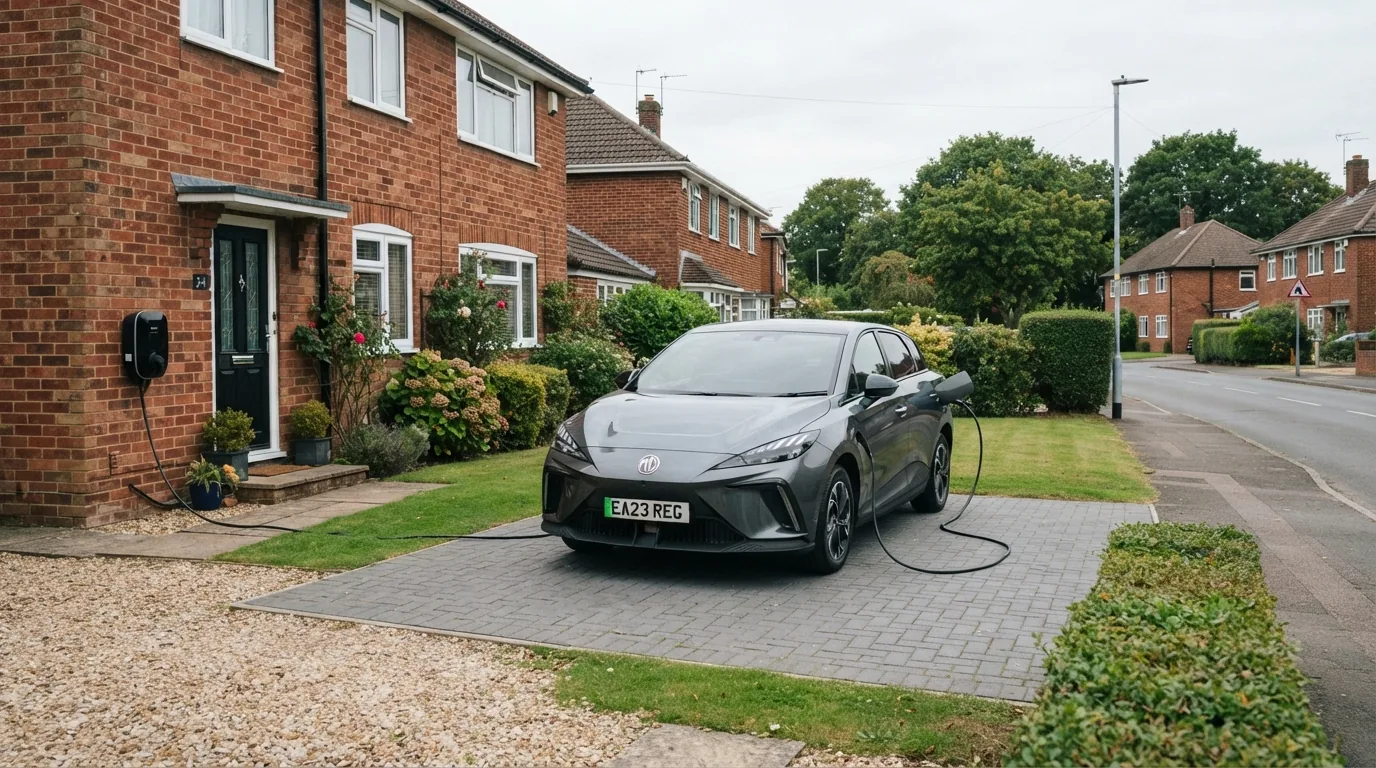
Best Electric Cars for Nervous First Time EV Drivers
The EVs that are most reassuring and easiest to live with for drivers making the switch
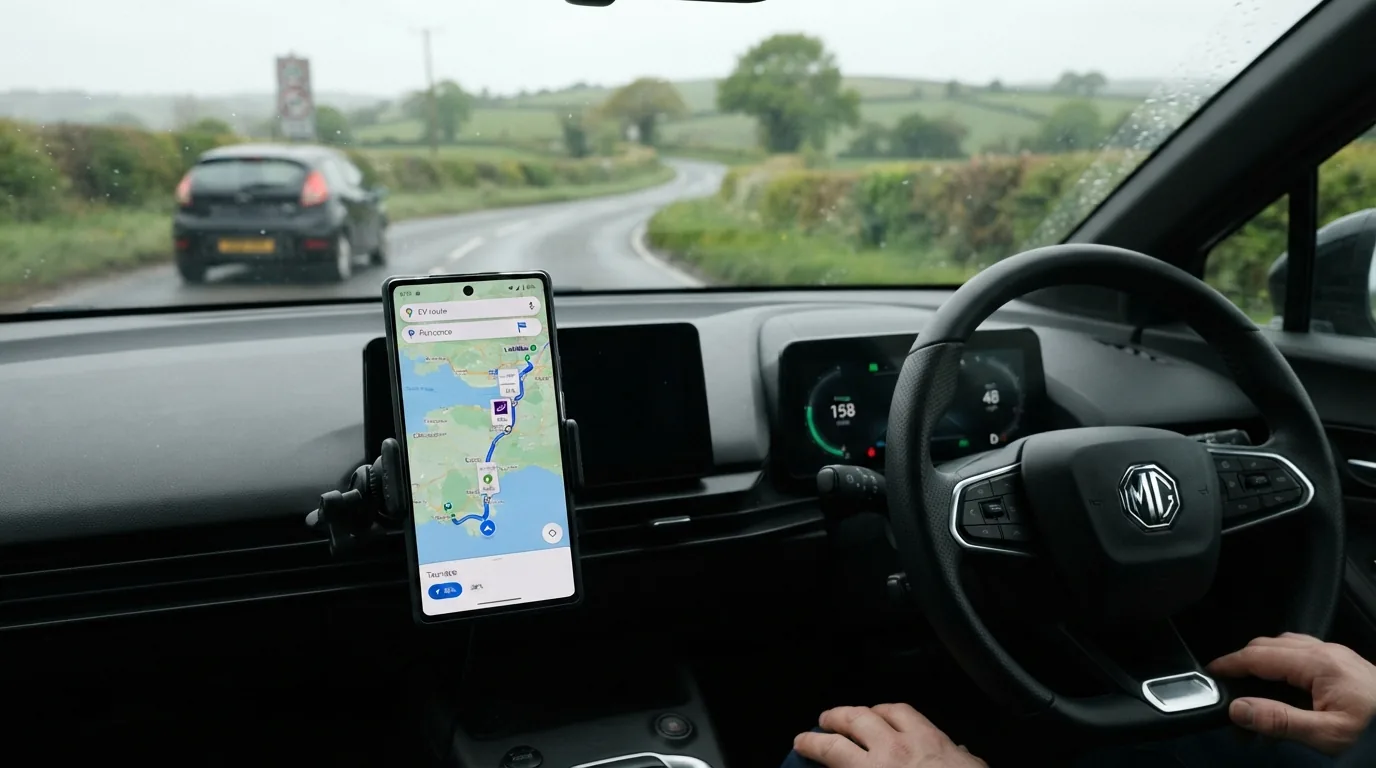
Best EV Route Planner Apps for Long UK Journeys
Planning a long EV journey in the UK requires more than Google Maps. These are the route planner apps that actually understand battery range, charging stops and arrival state of charge
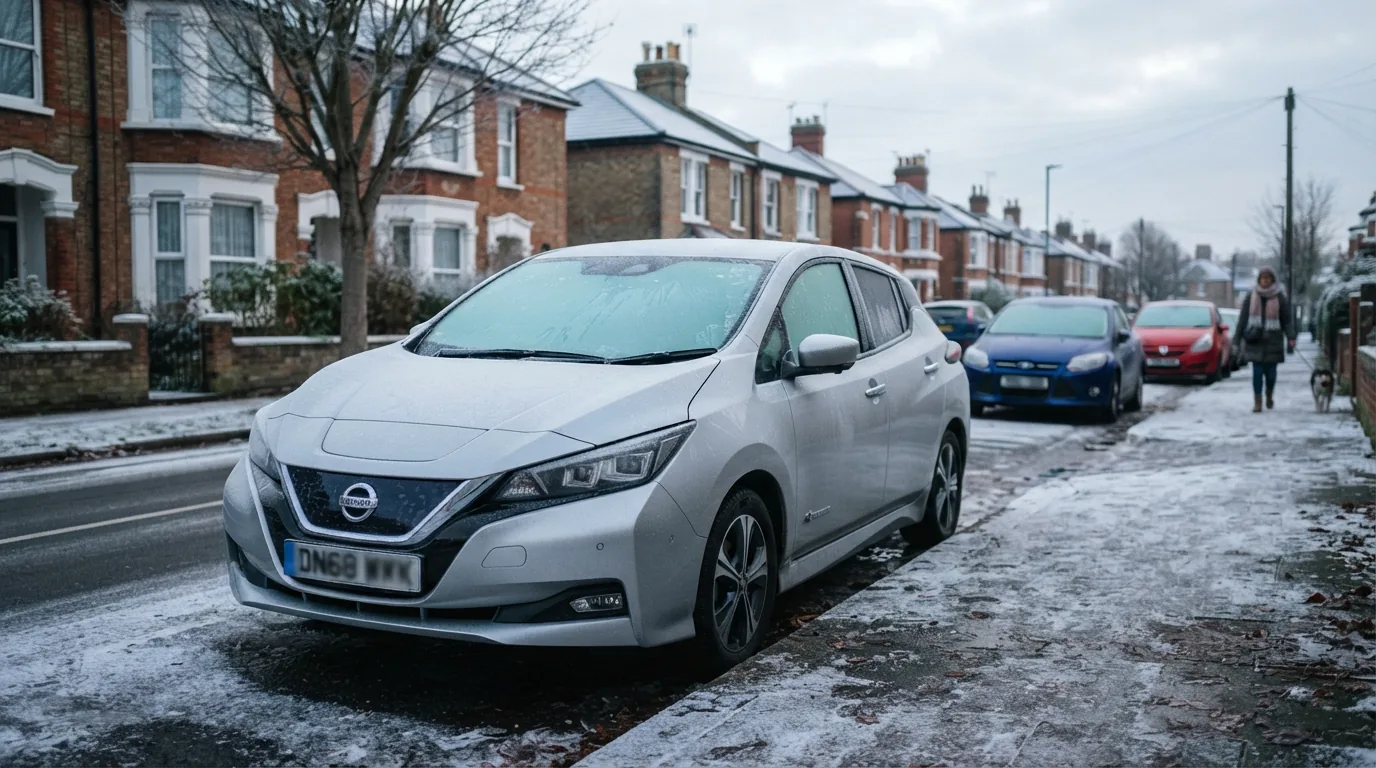
How Much Range Do You Lose in Winter With an EV?
Honest figures on cold-weather range loss, which cars handle it best and how to minimise the impact