Honda Super-N UK price: from £18,995 with Boost mode
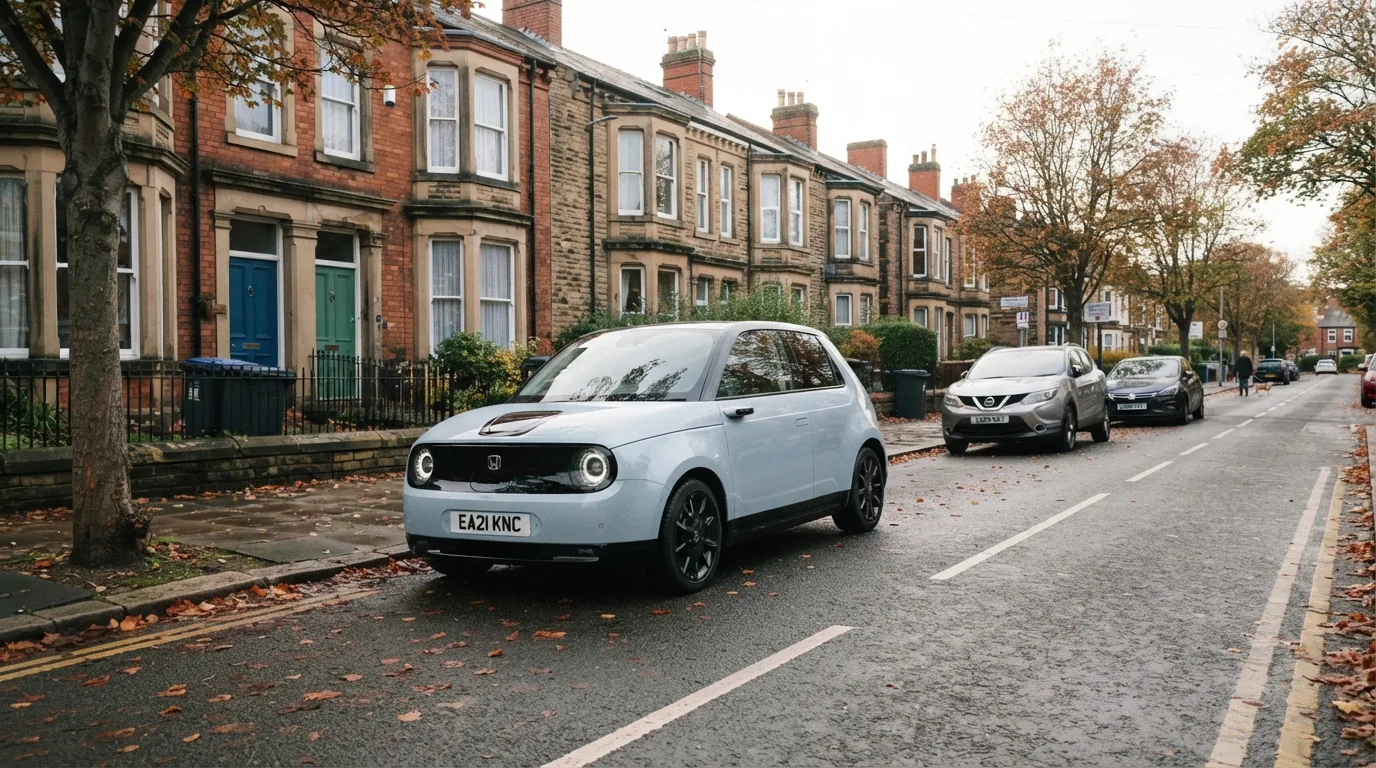
The Honda Super-N costs from £18,995 on the road, offers up to 199 miles in the city but 128 miles combined, and is not eligible for the Electric Car Grant. Here is how it stacks up against its rivals.
Quick answers
- The Honda Super-N costs from £18,995 on the road in the UK, in a single trim, with orders opened on 22 June 2026.
- Its 29.6kWh battery gives a combined WLTP range of 128 miles, rising to 199 miles in urban driving.
- Boost mode lifts power from 47kW to 70kW and cuts 0 to 62mph from 14.5 seconds to around 10 seconds.
- DC charging peaks at 50kW, with 15 to 80% in around 30 minutes.
- The Super-N is Japan-built and is reported as not eligible for the Electric Car Grant, so £18,995 is the price with no grant applied.
- The £12,240 Dacia Spring and the £18,495 Ioniq 3 42kWh (both after the grant) are cheaper, so the Super-N's case rests on character rather than price.
The Honda Super-N is on sale in the UK from £18,995 on the road, with no Electric Car Grant available. It is a small, boxy city car with a 128-mile combined range and a Boost mode that makes it quicker than its modest 47kW output suggests. For UK drivers, the question is whether a fun-first small EV is worth more than the cheapest alternatives.
Honda opened orders on 22 June 2026 (electrive), and the car went on sale in July. The price was confirmed in Honda UK’s release and by AM Online.
What do you get for £18,995?
The Super-N comes in a single UK trim, so the price is the price. Standard equipment includes a Bose eight-speaker sound system, ambient lighting, wireless Apple CarPlay and Android Auto, and Honda’s full Sensing safety suite (evpowered).
| Spec | Honda Super-N |
|---|---|
| Price (on the road) | £18,995 |
| Battery | 29.6kWh |
| WLTP combined range | 128 miles |
| Urban range | Up to 199 miles |
| Power | 47kW, 70kW in Boost mode |
| 0 to 62mph | 14.5 seconds, around 10 seconds in Boost |
| DC charging | Up to 50kW, 15 to 80% in around 30 minutes |
| Boot | 162 litres, 967 litres with rear seats folded |
Figures from The EV Report and evpowered.
What are Boost mode and the simulated gearbox?
The e-axle delivers 47kW in normal driving and 70kW when you select Boost mode, which cuts the 0 to 62mph time from 14.5 seconds to around 10 seconds. Honda has also fitted a simulated seven-speed transmission and Active Sound Control, which adds an engine-style sound. None of that adds real performance, but it is aimed at drivers who want a small car to feel engaging rather than appliance-like.
How does it compare with its rivals?
The Super-N is not eligible for the Electric Car Grant, so it is dearer than both rivals below once their grants are applied.
| Car | UK price | Note |
|---|---|---|
| Dacia Spring | From £12,240 | After Dacia’s own £3,750 grant; £15,990 before it. 140 miles WLTP |
| Honda Super-N | £18,995 | 128 miles WLTP, 199 miles urban |
| Hyundai Ioniq 3 | From £18,495 | Advance 42kWh after the £3,750 grant (£22,245 before); 213 miles WLTP |
Prices from Motoring Research and Hyundai UK. The Hyundai Ioniq 3 is £500 cheaper after the grant and goes further, though it is a more conventional hatchback, and the Renault Twingo is another small rival to watch.
The Spring is cheaper and has a longer combined range, at 140 miles against the Super-N’s 128, but it is a basic car. The Super-N’s case rests on character, four-adult seating that Honda claims, its Magic Seats layout and a better equipment list. Its weakness is the 128-mile combined figure: for motorway-heavy driving it is short, and 50kW charging is slow by current standards.
Who is it for?
It suits town and suburban drivers with off-street or workplace charging, a second car, or anyone who wants a small EV with some personality. Our guide to small electric cars for city drivers and the list of the cheapest new EVs you can buy show the wider field, and the Electric Car Grant guide explains how grants affect rival prices.
What this means for you
If most of your driving is under 100 miles a day, the 199-mile urban figure covers a week of commuting on one charge. If you regularly do long motorway journeys, look at a longer-range car. Compare the Super-N with the Spring and the Ioniq 3 on price and range before ordering, and check the on-the-road price at your dealer, since £18,995 is the starting figure for the one trim.
How we test and where our numbers come from
Range figures are official WLTP combined values taken from manufacturer UK specification pages, with real-world estimates drawn from independent comparative testing. Prices are UK list prices at the time of the latest update. Tax, grant and charging-scheme figures come from GOV.UK and HMRC publications. We re-check every guide when pricing, specification or policy changes. Last checked 6 October 2026.
Frequently asked questions
How much is the Honda Super-N in the UK?
The Super-N starts at £18,995 on the road. There is one trim in the UK, so that is the price you pay before any options or finance.
What is the Honda Super-N's range?
The combined WLTP range is 128 miles. Honda quotes up to 199 miles in urban driving, which is the figure that matters for a car built for town use.
What does Boost mode do?
It raises the e-axle's output from 47kW to 70kW, which cuts the 0 to 62mph time from 14.5 seconds to around 10 seconds.
When can I get a Honda Super-N?
Orders opened on 22 June 2026 and the car went on sale in July. We have not found a confirmed first-delivery date, so ask your dealer.
Does the Honda Super-N qualify for the Electric Car Grant?
No. The Super-N is built in Japan and reports say it is not eligible for the Electric Car Grant, so the £18,995 price has no grant taken off. Several rivals, including the Ioniq 3, do get the grant.
Sources and further reading
- hondanews.euHonda UKPrimary source referenced in this article.
- electrive.comHonda Super-N now available to order in the UKOrder date of 22 June 2026.
- am-online.comHonda confirms £18,995 Super-N EV pricePrice confirmation.
- theevreport.comHonda Super-N Opens UK Orders at £18,995Boost mode output and range figures.
- motoringresearch.comDacia Electric Car Grant slashes cost of Spring EV to just £12,240Dacia Spring pricing.
- electriccarscheme.comHonda Electric Car: Super-N Price, Range And Salary Sacrifice CostGrant ineligibility and Japan build.
- evpowered.co.ukHonda Super-N UK pricing and arrival date announced for July 2026Single specification, equipment and boot figures.
- hyundai.newsHyundai Motor UK opens reservations on the New IONIQ 3Ioniq 3 starting price.

EV Compared
The EV Compared editorial team tracks the UK electric vehicle market full time: new model launches, list prices, WLTP and real-world range, public charging tariffs and the tax rules that decide what an EV actually costs to run. Every guide is checked against manufacturer specifications and official GOV.UK figures, and updated whenever the numbers move.
Related reading
View all
Nissan Pixo revealed: 161-mile Twingo twin due in UK in early 2027
Nissan is back in the city car class with a Renault Twingo twin, but UK prices are not out yet. Here is what 161 miles, 50kW charging and an expected £18,000 price would buy you.
Best Small Electric Cars UK 2026: Our Ranked Picks From Under £15,000
Compact, affordable and practical: the small EVs that work hardest in urban Britain
Hyundai Ioniq 3 opens UK orders at £18,495 with full £3,750 grant
Hyundai's small electric hatch gets the full £3,750 grant on every trim. That buys up to 308 miles of claimed range for £21,995, less than a longer-range Renault 5 or Kia EV2.
Renault Twingo E-Tech UK price: 163 miles for under £20,000
Renault promises a sub-£20,000 electric Twingo with 163 miles of range, but the UK price list and grant status are still unconfirmed. Here is what is known and how it stacks up.
Hyundai Ioniq 3 vs Kia EV2: £2,250 cheaper, 33 more miles
The Ioniq 3 and Kia EV2 share batteries and charging speeds, but the full £3,750 grant on every Ioniq 3 makes the Hyundai cheaper at both battery sizes. Here is how they compare on price, range and space.
Cheapest Electric Cars UK 2026: New EVs Under £30,000 Ranked by Price
From £14,495 to £30,000: the new electric cars that offer the most genuine value in the current market