Motor Ombudsman EV disputes hit a record 1,317 in Q2 2026
EV complaints to The Motor Ombudsman nearly doubled in a year, but the biggest cause was customer service and purchase problems, not batteries. Here is what goes wrong and how to escalate.
Quick answers
- The Motor Ombudsman received 1,317 EV disputes in April to June 2026, up 95% from 676 a year earlier and the highest quarterly total on record.
- Monthly cases were 416 in April (+79%), 446 in May (+87%) and 455 in June (+121%).
- Customer service and purchase issues made up 45% of Q2 EV disputes.
- In Q1 2026, battery issues were 10% of EV disputes and electrical or software issues 11%.
- The Motor Ombudsman says EVs generate far fewer complaints per vehicle than non-EV equivalents.
EV disputes reaching The Motor Ombudsman nearly doubled in the second quarter of 2026. It received 1,317 cases between April and June, up 95% from 676 a year earlier and the highest quarterly total it has recorded (The Motor Ombudsman). The biggest cause was not battery faults but how cars were sold and how customers were treated.
What the figures show
Cases rose year on year in every month of the quarter.
| Month | 2026 cases | Change on 2025 |
|---|---|---|
| April | 416 | +79% (from 233) |
| May | 446 | +87% (from 238) |
| June | 455 | +121% (from 205) |
| Q2 total | 1,317 | +95% (from 676) |
The Motor Ombudsman links the rise to more people driving EVs and a record number of consumers turning to it for help. It also points to artificial intelligence tools signposting more people to it, and continued financial pressure on households. It adds that EVs generate far fewer complaints per vehicle than non-EV equivalents (Warranty Solutions Group). A bigger number of cases therefore does not show EVs are less dependable.
What goes wrong
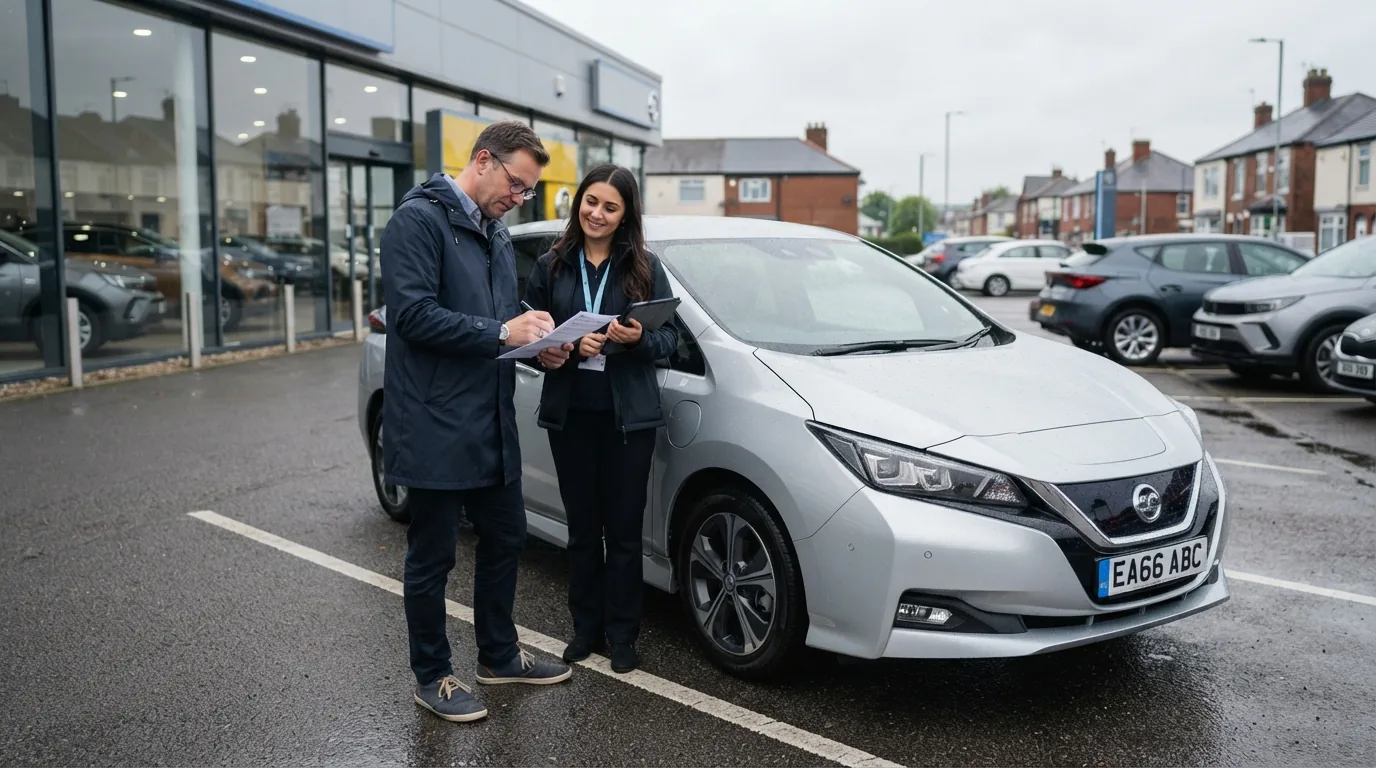
Customer service and purchase issues made up 45% of Q2 EV disputes. Buyers reported vehicles advertised with lower mileage than the real figure, part-exchange values changed by the seller and confirmed sale prices not honoured after a deposit was paid.
Technical faults are a smaller share. In Q1 2026, battery issues were 10% of EV disputes and electrical or software issues 11% (The Motor Ombudsman). That sits at odds with the common fear of expensive battery failures, though a battery warranty claim is still worth documenting. Our guide to what EV warranties actually cover explains the cover on offer.
Why the headline number needs context
A rise of 95% in a year sounds alarming, but three things sit behind it. There are more EVs on UK roads, so more owners and buyers can have a problem. More people are being directed to the ombudsman, including by AI tools. And household budgets are tight, which makes a disputed deposit or a changed part-exchange value matter more.
Each of those pushes volumes up without saying anything about the cars. The more useful reading is the mix: nearly half of cases are about how a sale or a complaint was handled, which is a retailer problem rather than a technology problem. Because the ombudsman says EVs produce fewer complaints per vehicle than non-EV equivalents, buyers should worry less about the powertrain and more about the paperwork.
How the quarter compares with Q1
The Q1 2026 report gave a different cut of the same data: battery issues were 10% of EV disputes and electrical or software issues 11%. Combined, that is about a fifth of cases, against the 45% for customer service and purchase issues in Q2. The two reports measure different quarters, so treat the comparison as a guide to the shape of complaints, not a trend.
How to escalate a dispute
The Motor Ombudsman covers businesses that have signed up to its codes, so check that your retailer or manufacturer is accredited before relying on it. A typical route:
| Step | Action |
|---|---|
| 1 | Complain in writing to the dealer or manufacturer and keep copies |
| 2 | Allow the business to respond and use its complaints process |
| 3 | If unresolved, take the case to The Motor Ombudsman, with the paperwork |
Your paperwork matters. Keep the advert, the order form, deposit receipts, messages and part-exchange valuation. Most of the Q2 purchase problems turn on what was promised in writing.
What this means for you
Screenshot the advert and confirm the mileage, price and part-exchange value in writing before paying a deposit. If something goes wrong, put the complaint in writing and keep the trail. When buying used, our used EV buying checklist and guide to checking a battery before buying help you avoid the disputes in the record numbers, and our buying and owning hub has more.
How we test and where our numbers come from
Range figures are official WLTP combined values taken from manufacturer UK specification pages, with real-world estimates drawn from independent comparative testing. Prices are UK list prices at the time of the latest update. Tax, grant and charging-scheme figures come from GOV.UK and HMRC publications. We re-check every guide when pricing, specification or policy changes. Last checked 6 October 2026.
Frequently asked questions
How many EV disputes did The Motor Ombudsman receive in Q2 2026?
It received 1,317 EV disputes between April and June 2026, up 95% from 676 a year earlier and the highest quarterly total on record.
What are the main causes of EV complaints?
Customer service and purchase issues accounted for 45% of Q2 2026 EV disputes. In Q1 2026, battery issues were 10% and electrical or software issues 11%.
What purchase problems do EV buyers report?
The Motor Ombudsman cites vehicles advertised with lower mileage than the real figure, part-exchange values changed by sellers and confirmed prices not honoured after a deposit.
Are EVs less reliable because complaints have doubled?
Not on this data. The Motor Ombudsman says EVs generate far fewer complaints per vehicle than non-EV equivalents, and links the rise to more EV drivers, more people being pointed to it by AI tools and household financial pressure.
Sources and further reading
- themotorombudsman.orgThe Motor OmbudsmanPrimary source referenced in this article.
- themotorombudsman.orgEV disputes brought by consumers to TMO in Q1 2026Q1 2026 battery and electrical or software shares.
- consumer.warrantysolutionsgroup.co.ukEV disputes brought by consumers to TMO in Q2 2026 (Warranty Solutions Group)Republished summary of the Q2 figures.

EV Compared
The EV Compared editorial team tracks the UK electric vehicle market full time: new model launches, list prices, WLTP and real-world range, public charging tariffs and the tax rules that decide what an EV actually costs to run. Every guide is checked against manufacturer specifications and official GOV.UK figures, and updated whenever the numbers move.
Related reading
View all
Skywell UK importer closure: what owners of new brands should know
Innovation Automotive, Skywell's UK importer, ceased trading at the end of June 2026, and Skywell has paused UK sales while it looks for a replacement. Here is what is confirmed for BE11 owners, what is not, and general information on your consumer rights.
Used EV battery disputes: why written proof decides refunds
MotorCheck's analysis of 375,328 Financial Ombudsman decisions, reported by Honest John, found dealers won every battery case where they had written proof of disclosure and lost every one where they did not. Here is what to ask for and how to claim.
EV Warranties Explained: What UK Buyers Are Actually Covered For
Vehicle warranties, battery warranties, transferability and the gaps you need to know about
Most Reliable Used Electric Cars in the UK
Which used electric cars have the strongest reliability records in 2026? Warranty data, owner surveys and long-term evidence ranked
Buying and Owning an Electric Car in the UK: The Complete 2026 Guide
Everything you need to know about costs, charging, depreciation and day-to-day life with an EV
How to Check an Electric Car Battery Before Buying Used
A practical, step-by-step guide for UK buyers on checking battery state of health before you hand over any money