EV road tax 2025 and 2026: VED rates, the £50,000 supplement and Tesla examples
A new electric car pays £10 of vehicle tax in its first year and £200 a year after that, with an extra £440 a year from year two to year six if its list price is over £50,000.
Quick answers
- Electric cars have paid vehicle excise duty since 1 April 2025, and a new electric car registered on or after that date pays £10 for its first year and the £200 standard rate after that in 2026/27.
- From 1 April 2026 the expensive car supplement applies to electric cars only when the list price is more than £50,000, against £40,000 for petrol and diesel cars.
- The expensive car supplement is £440 a year in 2026/27 and runs for five years from the second time the car is taxed, so an electric car over £50,000 pays £640 a year in years two to six.
- A Tesla Model 3 at £37,990 and a Tesla Model Y at £44,990 both sit under the £50,000 line, so each pays £200 a year from the second year with no supplement.
- A Range Rover Electric EV550 Autobiography at £154,070 pays £3,210 in vehicle tax over its first six years at 2026/27 rates, against £166 a year to charge for 8,000 miles at home on a 6.5p/kWh off-peak tariff.
- Electric cars registered between 1 April 2017 and 31 March 2025 pay £200 a year with no expensive car supplement, and those registered from 1 March 2001 to 31 March 2017 pay £20 a year.
- From 1 April 2028 Electric Vehicle Excise Duty adds 3p a mile for electric cars and 1.5p a mile for plug-in hybrids, paid alongside VED, so 8,000 miles adds £240 a year.
EV road tax since April 2025 is £10 for a new electric car’s first year, then the £200 standard rate. If the car’s list price is over £50,000, it also pays a £440 supplement every year from the second year to the sixth, making £640 a year at 2026/27 rates.
That is the short version. The detail depends on when the car was first registered, what it cost new, and from April 2028, how far you drive it. This guide covers all three, with Tesla figures and a worked example for one very expensive electric SUV.
How much is road tax on an electric car in 2026?
What you pay depends on the date your electric car was first registered. Electric cars were exempt from vehicle excise duty (VED, the official name for road tax) until 1 April 2025. Since then every electric car pays, at one of three rates set out by gov.uk for the 2026/27 tax year, which runs from 1 April 2026 to 31 March 2027.
| First registered | First year | Standard rate (12 months) | Expensive car supplement |
|---|---|---|---|
| On or after 1 April 2025 | £10 | £200 | £440 a year in years 2 to 6 if list price is over £50,000 |
| 1 April 2017 to 31 March 2025 | Already passed | £200 | None for zero emission cars |
| 1 March 2001 to 31 March 2017 | Already passed | £20 | None |
The £200 standard rate is the same for petrol, diesel and electric cars registered since April 2017. Paying in 12 monthly Direct Debits costs £210 in total, and a single six-month payment by Direct Debit is £105. The first-year rate is where electric cars still gain: a new petrol or diesel car pays a first-year rate based on its CO2 emissions, while a zero emission car pays £10. The BVRLA’s March 2026 factsheet says the £10 first-year rate for new EVs is held until March 2030.
If you bought an electric car between 2017 and early 2025, you pay the £200 standard rate and nothing more, however much the car cost. Our guide to vehicle excise duty on EVs from 2025 explains how the switch from zero to £200 happened.
What is the expensive car supplement for electric cars over £40,000?
The expensive car supplement is an extra £440 a year, added to the standard rate for five years from the second time the car is taxed. For electric cars first registered on or after 1 April 2025, it now applies only when the list price is more than £50,000. Petrol and diesel cars still pay it above £40,000.
The threshold for zero emission cars was £40,000 until the Budget 2025 policy paper of 26 November 2025 raised it to £50,000. The change covers licences that start on or after 1 April 2026, so an electric car priced between £40,000 and £50,000 now pays £200 a year instead of £640. The government’s paper puts the cost to the Exchequer at £50 million in 2026/27, rising to £505 million in 2030/31.
“List price” has a specific meaning. The BVRLA, the leasing industry’s trade body, explains that it is the manufacturer’s full advertised price before any discount or grant, including VAT, delivery and any optional extras fitted at the factory. A car advertised at £48,000 can cross the £50,000 line once paint and wheel options are added, and a dealer discount does not pull it back under. Our explainer on how the expensive car supplement affects EV owners covers the edge cases.
Electric cars registered before 1 April 2025 never pay the supplement, according to the gov.uk rate tables. That makes a used electric car from 2024 or earlier a way to own a £60,000 electric car and pay only £200 a year in vehicle tax.
How much is Tesla road tax in the UK?
A Tesla bought at the entry price of either mainstream model pays £200 a year after the first year, because both sit under £50,000. The performance versions cross the line and pay £640.
The Tesla Model 3 starts at £37,990 in November 2026. It pays £10 for its first year and £200 a year from then on. It was already under the old £40,000 line, so the threshold change made no difference to the entry car.
The Tesla Model Y starts at £44,990 in November 2026, and here the new threshold matters. Under the £40,000 rule it would have paid £640 a year from its second to sixth years. At £44,990 it now pays £200, a saving of £440 a year and £2,200 over the five years the supplement would have run, at 2026/27 rates.
The quickest versions are a different story. Carwow lists the Model 3 Performance at £59,990, and Auto Express lists the Model Y Performance at £62,000. Both are over £50,000, so each pays £640 a year from the second year to the sixth, then drops back to £200. If you are choosing a trim, the price at the till is not the only cost: crossing £50,000 adds £2,200 of tax over five years. For company car drivers the tax that matters more is benefit in kind, covered in our guide to Tesla company car tax.
Worked example: road tax on a £154,070 electric SUV
For a car well over the threshold, the supplement becomes a noticeable running cost. The Range Rover Electric EV550 Autobiography has a list price of £154,070, according to the UK prices JLR published on 2 September 2026.
Here is what it pays in vehicle tax at 2026/27 rates if registered this month:
- Year one: £10 first-year rate.
- Years two to six: £200 standard rate plus £440 supplement, so £640 a year, or £3,200 over five years.
- Total for the first six years: £3,210.
- Year seven onwards: £200 a year.
Set that against the cost of driving it. EV Compared works out efficiency as WLTP range divided by usable battery, then prices the electricity at a stated tariff (our methodology). The Range Rover Electric’s 372 miles from 118.5 kWh gives 3.14 miles per kWh. Covering 8,000 miles costs £166 a year charging at home on a 6.5p/kWh off-peak tariff, or £671 a year at the 26.32p/kWh price cap rate.
So for an owner who charges overnight, the £640 vehicle tax bill in year two is almost four times the year’s electricity. Every Range Rover Electric version, up to the £225,240 SV Black LWB, pays the same £640: the supplement is a flat amount, not a percentage of the price.
What is the pay-per-mile EV tax from 2028?
From 1 April 2028, electric cars will pay Electric Vehicle Excise Duty (eVED) of 3p a mile, and plug-in hybrids 1.5p a mile. The government’s policy paper, updated on 28 October 2026, describes it as an extension of VED that drivers renew alongside their existing vehicle tax. You start paying at your first VED renewal after 1 April 2028.
At renewal you give an odometer reading and an estimate of the coming year’s mileage. You pay upfront or spread the cost across the year, and a reading at the end of the year settles any difference. The government plans to check estimates against the mileage recorded at MOTs. The rates rise with CPI inflation from 2029/30.
At 3p a mile, 8,000 miles adds £240 a year. Our page on the 3p a mile charge works through other mileages.
The government’s consultation response says overpayments will not be refunded automatically at launch, as we explain in our piece on eVED refunds arriving in 2030.
Back to the worked example. A Range Rover Electric registered this month first renews after April 2028 in November 2028, its third year. At 2026/27 VED rates plus eVED at 8,000 miles, that year’s bill would be £880: £200 standard rate, £440 supplement and £240 mileage charge. A Model 3 or Model Y under £50,000 would pay £440 on the same mileage.
Does EV road tax differ in Scotland, and are there exemptions?
There is no separate Scottish rate: the DVLA collects vehicle tax at the same gov.uk rates in Scotland as in England and Wales. The eVED policy paper says the mileage charge will cover all UK-registered electric and plug-in hybrid cars.
Exemptions are narrow. Electric cars lost theirs on 1 April 2025. The disability exemption still applies, on one vehicle at a time, and vehicles made before 1 January 1986 count as historic. Even an exempt car must be taxed with the DVLA; the bill is simply zero.
What about hybrids?
Hybrids are not zero emission cars, so the higher threshold does not help them: they pay the expensive car supplement above £40,000, not £50,000. From April 2028 plug-in hybrids will also pay eVED at 1.5p a mile, on top of the fuel duty already in the price of the petrol they burn.
What it means for choosing an electric car
Road tax is now a reason to look closely at list price, not a reason to avoid electric cars. Three practical points follow from the rules above.
First, if you are shopping between £45,000 and £55,000, check the full list price with options before you order. Staying at or under £50,000 saves £440 a year for five years. Moving down one trim or skipping a factory option can be worth more in tax than it costs in kit.
Second, a used electric car registered before 1 April 2025 never pays the supplement, whatever it cost new. That makes a 2024 Model 3 Performance or a large premium SUV from that year cheaper to tax than the same car bought new today.
Third, the bigger change for high-mileage drivers is the 3p a mile from 2028, not the supplement. At 20,000 miles a year it would come to £600, more than the £440 supplement. Our guide to EV running costs and tax puts vehicle tax beside insurance, charging and servicing.
The next Budget could change the picture again, as we set out in our look at the Autumn Budget and electric cars.
The verdict, based on published gov.uk rates rather than any car we have driven: for buyers of a Tesla Model 3 or Model Y at the entry price, EV road tax is £10 and then £200 a year, the same standard rate a petrol car pays. Low-mileage drivers who charge at home gain most. Buyers of electric cars over £50,000, and drivers covering big mileages after April 2028, should put the supplement and the mileage charge into their sums before they sign.
How we test and where our numbers come from
Range figures are official WLTP combined values taken from manufacturer UK specification pages, with real-world estimates drawn from independent comparative testing. Prices are UK list prices at the time of the latest update. Tax, grant and charging-scheme figures come from GOV.UK and HMRC publications. We re-check every guide when pricing, specification or policy changes. Last checked 10 November 2026. How we work out our own figures.
Frequently asked questions
What is the road tax for electric cars in 2026?
A new electric car registered on or after 1 April 2025 pays £10 for the first year and £200 a year after that, at the 2026/27 rates on gov.uk. If its list price is more than £50,000 it also pays the £440 expensive car supplement each year from year two to year six, making £640 a year.
Do electric cars over £40,000 pay the expensive car supplement?
Not any more, unless they cost more than £50,000. From 1 April 2026 the threshold for zero emission cars rose from £40,000 to £50,000 for licences starting on or after that date. Petrol, diesel and hybrid cars still pay the supplement above £40,000.
How much is road tax on a Tesla Model 3?
A Tesla Model 3 at its £37,990 list price pays £10 in the first year and £200 a year after that. The Model 3 Performance, which Carwow lists at £59,990, is over the £50,000 line, so it pays £640 a year from the second year to the sixth, then £200.
How will the 3p per mile EV tax work?
From 1 April 2028, drivers of electric cars will pay Electric Vehicle Excise Duty at 3p a mile when they first renew their vehicle tax after that date. You give an odometer reading and estimate the year's mileage, pay upfront or spread it over the year, and the government plans to check mileage against MOT records.
Is EV road tax different in Scotland?
No. Vehicle tax is collected by the DVLA at the rates on gov.uk, and there is no separate Scottish rate. The government says the pay-per-mile charge from April 2028 will apply to all UK-registered electric and plug-in hybrid cars, so Scottish drivers pay the same as drivers in England and Wales.
Are any electric cars exempt from road tax?
Electric cars lost their general exemption on 1 April 2025, but some drivers still pay nothing. The disability exemption applies to one vehicle at a time, and vehicles made before 1 January 1986 are historic. You still have to tax an exempt vehicle with the DVLA, even though the bill is zero.
Sources and further reading
- gov.ukVehicle tax rate tables£10 first-year rate for zero emission cars, £200 standard rate, £210 by 12 monthly Direct Debits, £105 for six months by Direct Debit, £440 expensive car supplement for five years from the second time the car is taxed, £640 combined, and the £40,000 and £50,000 thresholds.
- gov.ukVehicle tax for electric, zero and low emission vehiclesRates by registration date: £10 then £200 from 1 April 2025, £200 for 2017 to 2025, £20 for 2001 to 2017, and the supplement above £50,000 for cars registered from 1 April 2025 (updated 2 April 2026).
- gov.ukIncrease in the Vehicle Excise Duty expensive car supplement threshold for zero emission carsPolicy paper of 26 November 2025 raising the threshold from £40,000 to £50,000 for zero emission cars first registered from 1 April 2025, for licences starting on or after 1 April 2026, with the Exchequer cost by year.
- gov.ukElectric Vehicle Excise Duty (eVED)3p a mile for electric cars and 1.5p for plug-in hybrids from 1 April 2028, paid alongside VED, mileage estimates checked against MOT data, CPI uprating from 2029/30, applies to all UK-registered electric and plug-in hybrid cars (updated 28 October 2026).
- gov.ukThe introduction of Electric Vehicle Excise Duty (eVED): consultation responseThe eVED system will not support automatic refunds at launch (updated 13 July 2026).
- gov.ukVehicles exempt from vehicle taxElectric cars no longer exempt from 1 April 2025; disability exemption on one vehicle at a time; historic vehicles made before 1 January 1986; exempt vehicles must still be taxed.
- gov.ukRates for cars registered on or after 1 March 2001Band A, including zero emission cars, at £20 for a 12-month payment.
- bvrla.co.ukExpensive Car Supplement: new £50,000 threshold for electric vehiclesList price for VED includes VAT, factory-fitted options and delivery, before discounts or grants; first-year rate for new EVs held at £10 until March 2030.
- carwow.co.ukNew Tesla Model 3 Standard: on sale now, price and specsModel 3 Standard RRP of £37,990 (page updated 2 October 2026).
- carwow.co.ukTesla Model 3 Performance review and pricesModel 3 Performance RRP of £59,990 (page updated 13 February 2026).
- autoexpress.co.ukTesla Model Y reviewModel Y Performance at £62,000.
- media.jlr.comRange Rover Electric: a new era for the original luxury SUVRange Rover Electric UK prices from £154,070 (EV550 Autobiography SWB) to £225,240, 118.5 kWh usable battery, 372 miles WLTP, released 2 September 2026.

EV Compared
The EV Compared editorial team tracks the UK electric vehicle market full time: new model launches, list prices, WLTP and real-world range, public charging tariffs and the tax rules that decide what an EV actually costs to run. Every guide is checked against manufacturer specifications and official GOV.UK figures, and updated whenever the numbers move.
Related reading
View all
Do Electric Cars Need Oil? What EVs Use Instead and What Still Needs Servicing
Electric cars need no engine oil or oil changes, but most still carry reduction gear oil, coolant and brake fluid that the maker's schedule checks or replaces.
Are electric cars reliable? The latest reliability data by brand and model
Yes: electric cars break down less often than petrol and diesel cars, but reliability varies widely from one electric model to the next.
Tesla Model 3 price UK tracker: Model 3 and Model Y prices this month
A new Tesla Model 3 costs from £37,990 and a Model Y from £44,990 in November 2026, with no change to any of the eight UK trims since October.
Best home energy tariffs for Tesla owners
We worked out what 8,000 miles a year in a Tesla Model Y costs on each of the main UK EV tariffs, which ones connect to a Tesla directly, and where Tesla's own electricity licence stands.
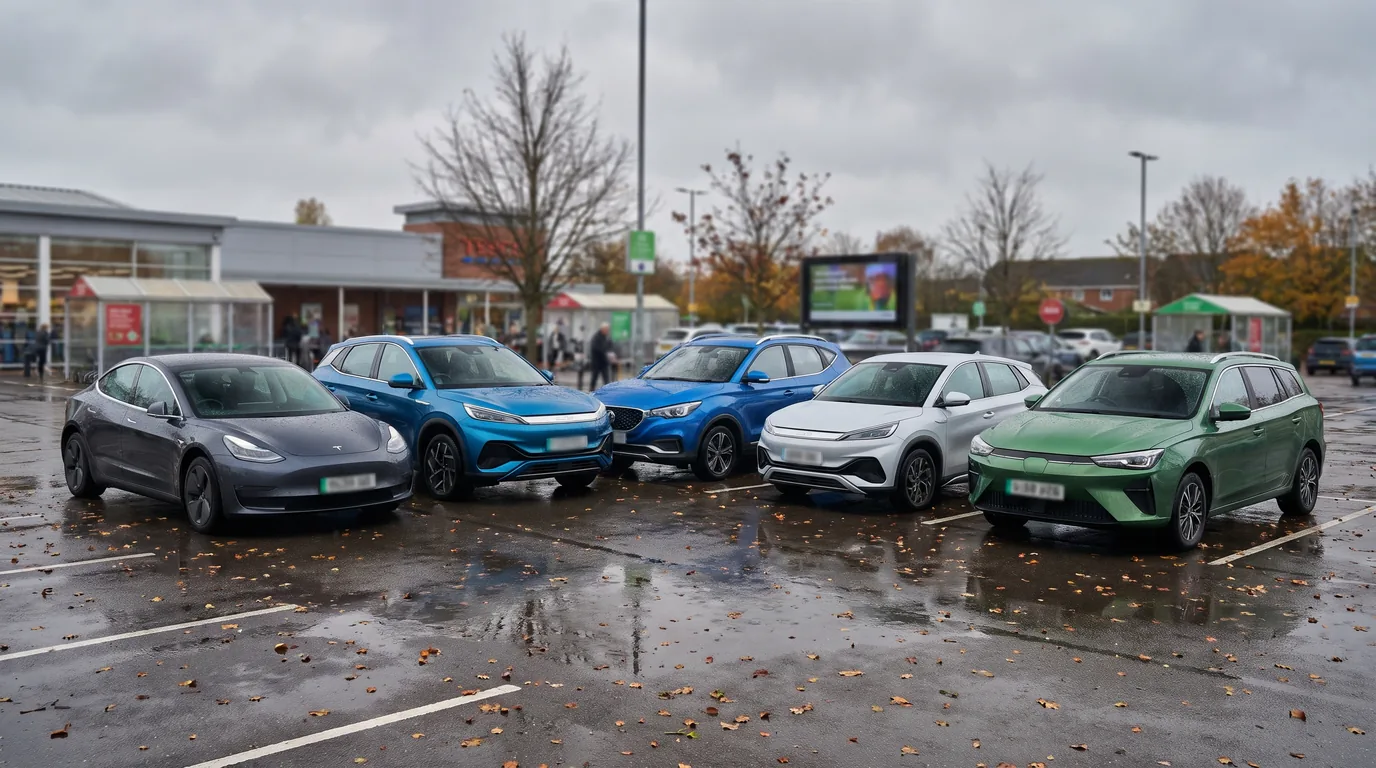
Best Tesla alternatives in the UK: nine rivals ranked by price per mile of range
We divided the November 2026 list price of nine Tesla rivals by their official range. Four cars beat the best-value Tesla, and the Model Y comes last.
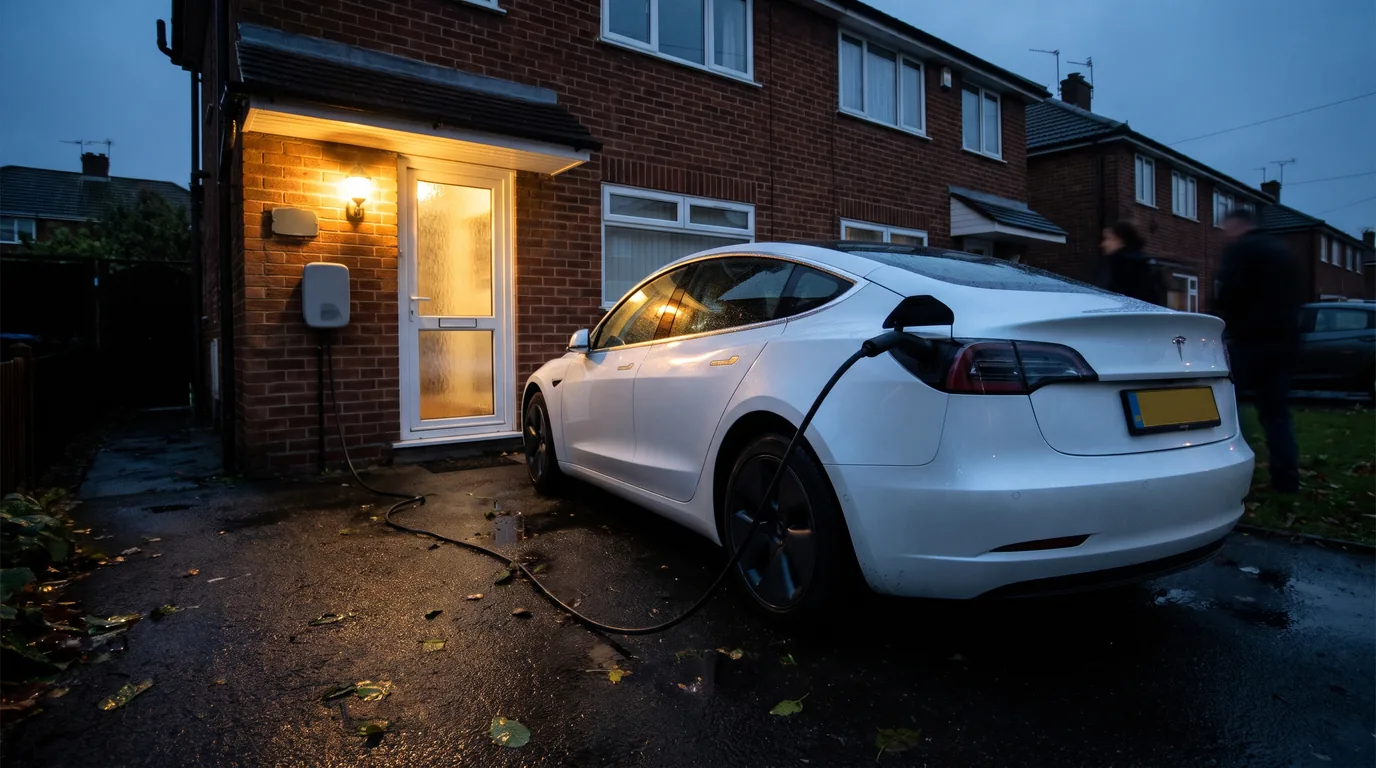
How much does it cost to charge a Tesla in the UK?
We worked out the cost of a full charge for every new Tesla Model 3 and Model Y on a smart home tariff, the standard price cap, Tesla's Superchargers and other public rapid chargers.