Autumn Budget 2026 and electric cars: what to watch
The Budget is on 28 October. Nothing in it is known yet. This preview sets out the rules already in place for electric car drivers and the open questions on VAT, fuel duty and company cars.
Quick answers
- The Autumn Budget is on Wednesday 28 October 2026, Chancellor John Healey's first, with an OBR forecast published the same day. This is a preview: we do not yet know what it will contain.
- Existing policy, not Budget news: pay-per-mile eVED is due from April 2028 at 3p a mile for electric cars and 1.5p for plug-in hybrids, and household electricity VAT is 0% until 31 March 2027.
- Public charging VAT is still 20%. HMRC is appealing a February 2026 tribunal ruling that 5% can apply.
- The 5p fuel duty cut is due to end on 31 December 2026. The default rates are 55.95p a litre from 1 January 2027 and 57.95p from 1 March 2027, but final rates are to be confirmed at the Budget.
- EV company car tax is legislated at 4% in 2026/27 rising to 9% in 2029/30. What happens after that is an open question.
Chancellor John Healey presents his first Budget on Wednesday 28 October 2026. This is a preview, written before the Budget: we do not know what it will contain, and we will update this page after the Chancellor speaks. What follows is the policy already in place and the questions drivers are asking.
When is the Budget?
Healey confirmed the date in a letter to the Treasury Committee (GOV.UK). The OBR will publish its economic and fiscal forecast the same day.
| Measure | Position as of 6 October 2026 |
|---|---|
| Pay-per-mile eVED | Policy confirmed in July 2026: 3p a mile for EVs, 1.5p for plug-in hybrids from April 2028 |
| EV company car tax | Legislated: 4% in 2026/27, 5%, 7% and 9% by 2029/30 |
| Household electricity VAT | 0% in Great Britain until 31 March 2027 |
| Public charging VAT | 20%, with an HMRC appeal pending |
| Expensive Car Supplement | £50,000 threshold for zero emission cars from 1 April 2026 |
| Fuel duty | 5p cut due to end 31 December 2026; final rates to be confirmed at the Budget |
What is eVED and what will it cost?
The government’s 13 July 2026 consultation response confirmed that electric cars will pay 3p a mile and plug-in hybrids 1.5p a mile from April 2028 (Transport + Energy). At 10,000 miles a year, 3p a mile comes to £300, on top of standard vehicle excise duty. Our explainer on pay-per-mile road tax and the Treasury’s road-pricing review give the background. Whether the Budget says more about how it will work is not known.
What about charging VAT?
VAT on household electricity in England, Scotland and Wales is 0% from 1 October 2026 to 31 March 2027, according to HMRC’s brief. Public charging still carries 20%. A tribunal ruled in February 2026 that 5% can apply to public charging, but HMRC is appealing and its 20% position stands for now (Fleet News). Whether the Budget touches public charging VAT is open. Our reports on the public charging VAT gap and the home electricity VAT cut cover the position.
Company car tax and the Expensive Car Supplement
EV benefit in kind is legislated at 4% in 2026/27, 5% in 2027/28, 7% in 2028/29 and 9% in 2029/30 (The Electric Car Scheme). Rates beyond 2029/30 are not set, which is what employers and salary sacrifice drivers are watching. Our benefit in kind guide explains how the rates work.
The Expensive Car Supplement threshold for zero emission cars rose from £40,000 to £50,000 from 1 April 2026. The supplement is £440 a year and applies for five years to cars above the threshold.
Fuel duty and the 2030 target
The 5p fuel duty cut is due to end on 31 December 2026. The default rates are 55.95p a litre from 1 January 2027 and 57.95p from 1 March 2027, but the government says final rates will be confirmed at the Budget (PetrolPrices). Our piece on the running cost gap explains the effect on EV savings.
Separately from the Budget, the government’s review of the 2030 ZEV mandate target is a consultation, covered in our ZEV mandate review report.
What we could not confirm
We have not stated any Budget funding for the Electric Car Grant, because the figures we found date from the November 2025 Budget and we could not confirm they are the latest. The grant is still available on eligible cars priced at £37,000 or less.
What this means for you
Nothing here should stop you buying now. If you drive high mileage, budget about 3p a mile from 2028. If you rely on public rapid chargers, watch for any VAT news but do not plan around one. The grants and policy guide and our grant eligibility list stay current.
How we test and where our numbers come from
Range figures are official WLTP combined values taken from manufacturer UK specification pages, with real-world estimates drawn from independent comparative testing. Prices are UK list prices at the time of the latest update. Tax, grant and charging-scheme figures come from GOV.UK and HMRC publications. We re-check every guide when pricing, specification or policy changes. Last checked 6 October 2026.
Frequently asked questions
When is the Autumn Budget 2026?
Wednesday 28 October 2026. Chancellor John Healey confirmed the date in a letter to the Treasury Committee, and the OBR will publish its forecast alongside it.
How much will pay-per-mile eVED cost?
Under the policy confirmed in the government's July 2026 consultation response, electric cars will pay 3p a mile and plug-in hybrids 1.5p a mile from April 2028. At 10,000 miles a year that is £300 for an electric car. This is existing policy, not a Budget announcement.
What is VAT on public EV charging?
20%. Household electricity in Great Britain is at 0% from 1 October 2026 to 31 March 2027. A tribunal ruled in February 2026 that 5% can apply to public charging, but HMRC is appealing and 20% still applies. Whether the Budget changes this is not known.
Will EV company car tax change?
Benefit in kind rates for electric cars are already set at 4% in 2026/27, 5% in 2027/28, 7% in 2028/29 and 9% in 2029/30. What happens beyond that is not known.
Will the fuel duty cut end?
The 5p cut is due to end on 31 December 2026 and default rates rise from 1 January 2027. The government says final rates will be confirmed at the Budget, so check after 28 October.
Sources and further reading
- gov.ukGOV.UKPrimary source referenced in this article.
- transportandenergy.comGovernment publishes response to 'pay per mile' eVED consultationeVED rates, start date and consultation outcome.
- gov.ukTemporary zero rate of VAT for domestic electricity in Great BritainHMRC brief on the 0% rate from 1 October 2026 to 31 March 2027.
- fleetnews.co.ukHMRC appealing court ruling on 5% public charging VAT rate for EVsThe tribunal ruling and HMRC's appeal.
- electriccarscheme.comAutumn Budget 2026: What's Confirmed for Electric Car Salary SacrificeLegislated EV benefit in kind rates.
- petrolprices.co.ukFuel duty and the 28 October 2026 BudgetFuel duty schedule and the Budget decision.

EV Compared
The EV Compared editorial team tracks the UK electric vehicle market full time: new model launches, list prices, WLTP and real-world range, public charging tariffs and the tax rules that decide what an EV actually costs to run. Every guide is checked against manufacturer specifications and official GOV.UK figures, and updated whenever the numbers move.
Related reading
View all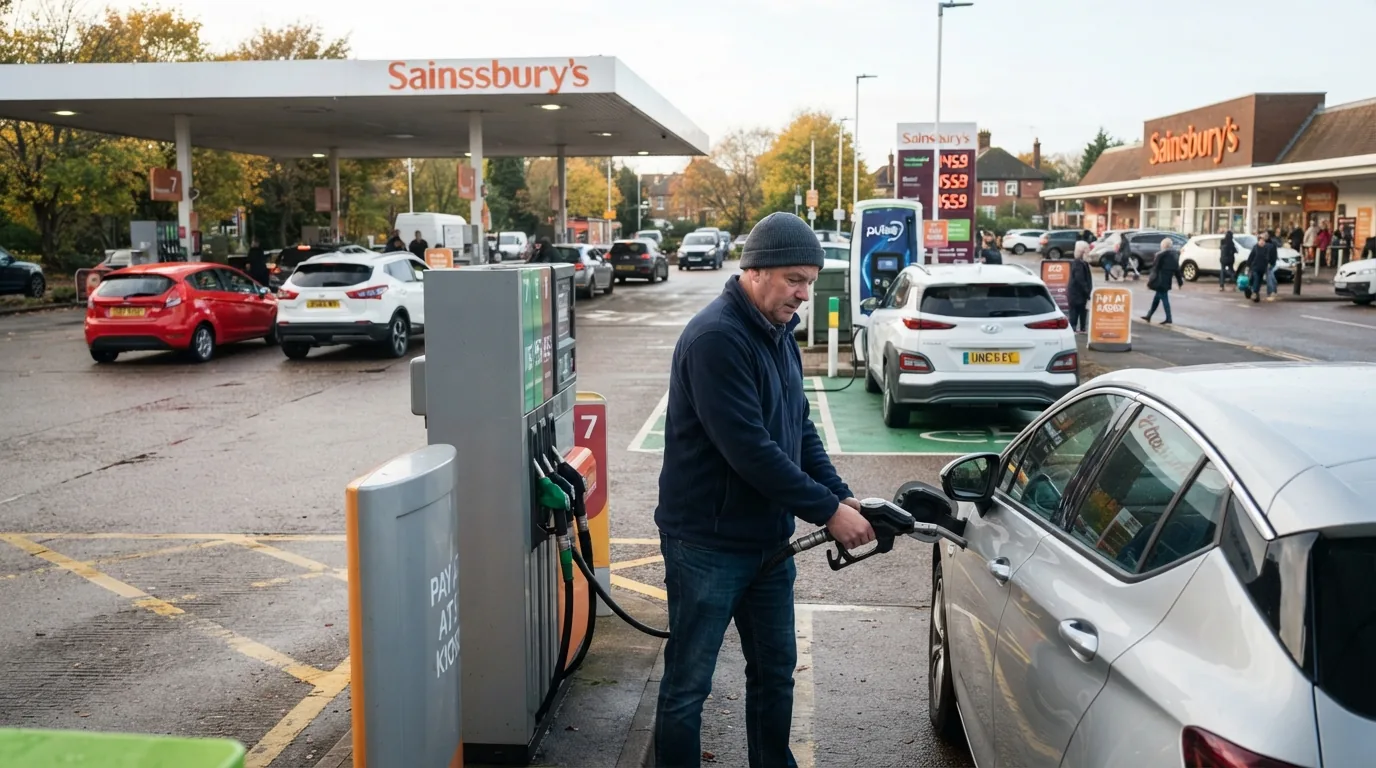
Fuel Duty 5p Cut Ends 31 December: What It Means for EV Costs
The 5p fuel duty cut runs out on 31 December 2026, and the Budget on 28 October must decide whether it goes. Here is what the default rises would do to the petrol-versus-EV running cost gap.
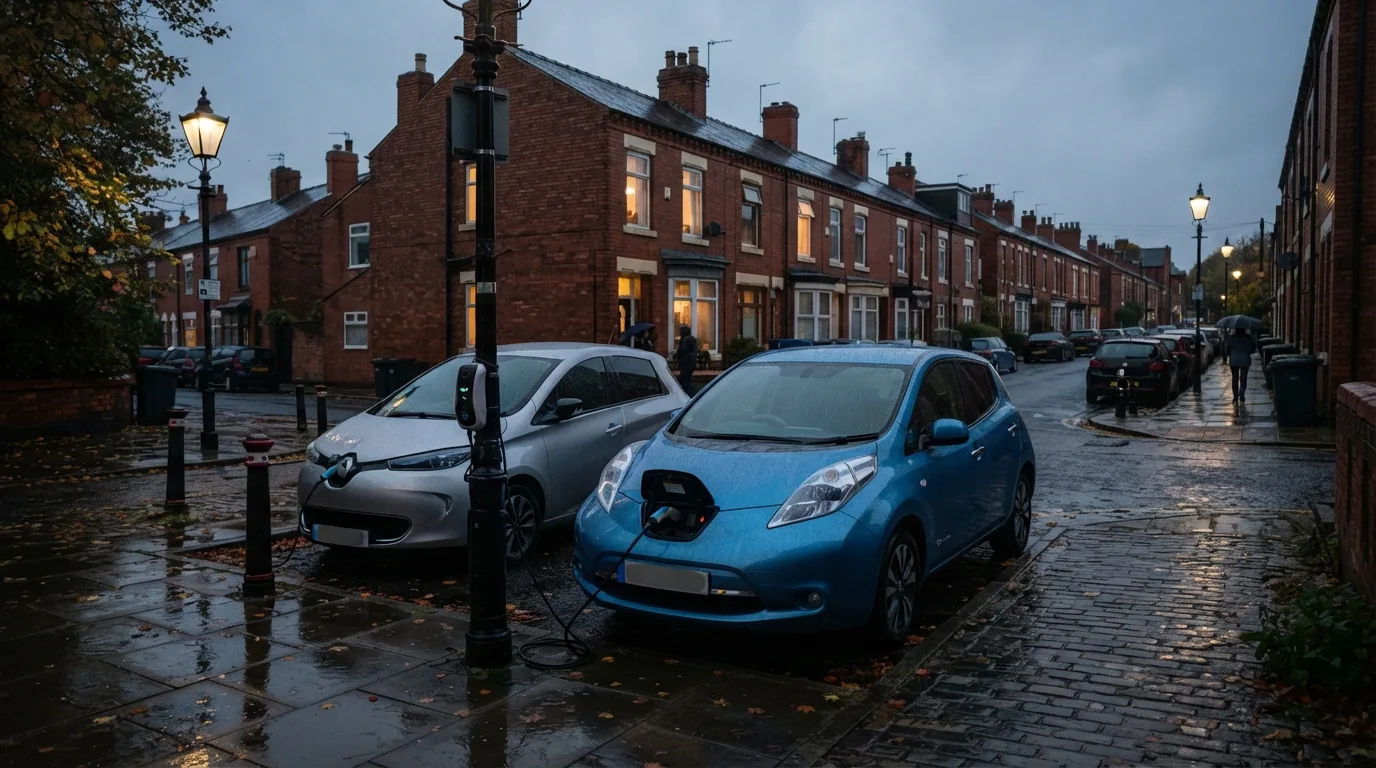
Public EV charging keeps 20% VAT as home electricity goes to 0%
Drivers without a driveway now pay 20% VAT at the plug while home charging pays none. Here is what a Budget cut to 5% or 10% would save, and why the Treasury has so far said no.
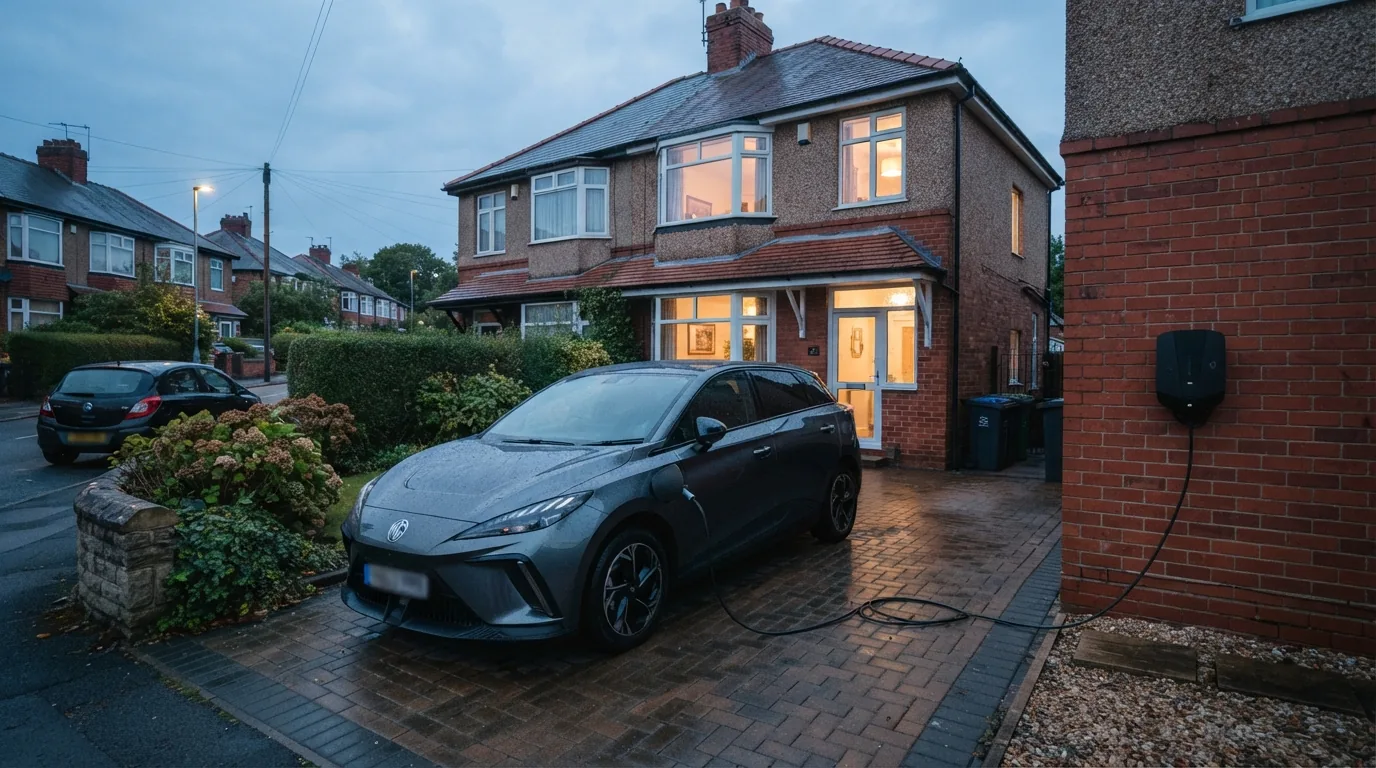
Electricity VAT cut to 0%: what EV drivers save until March
VAT on home electricity fell to zero on 1 October, yet drivers on cheap EV tariffs gain least and public charging stays at 20%. Here is what the six-month cut is really worth to you.
Salary sacrifice leasing up almost 165% as used EV demand grows
BVRLA data shows salary sacrifice volumes up almost 165% year on year in the first quarter of 2026, while Tusker says deliveries through its used EV scheme are up more than 500%. Here is what that means if you are thinking of joining a scheme.

What Is the Benefit in Kind Rate for Electric Cars?
The electric car BiK rate is 4% for 2026/27, rising to 9% by 2029/30 on a confirmed schedule. Here is what that means for your tax bill, with worked examples and a full multi-year projection.
Will EV Owners Pay Per Mile Road Tax in the Future?
The government has confirmed a 3p per mile EV road tax from April 2028, here is what it means and how much it will cost