Fuel Duty 5p Cut Ends 31 December: What It Means for EV Costs
The 5p fuel duty cut runs out on 31 December 2026, and the Budget on 28 October must decide whether it goes. Here is what the default rises would do to the petrol-versus-EV running cost gap.
Quick answers
- The 5p fuel duty cut is due to end on 31 December 2026, and the Budget on 28 October 2026 will confirm what happens next.
- If the default schedule stands, duty on petrol and diesel rises by 3p to 55.95p a litre on 1 January 2027 and by a further 2p to 57.95p from 1 March 2027.
- On our illustrative 45mpg petrol car and home-charged EV, the default rises would lift the annual running cost gap over 8,000 miles from about £803 to about £851.
- Pay-per-mile eVED of 3p a mile for electric cars starts in April 2028, which would be about £240 a year at 8,000 miles.
- Petrol averaged 173.8p a litre in the week ending 27 September 2026, so an EV charged at more than about 61p per kWh would cost more per mile than our petrol example.
The 5p cut in fuel duty is due to end on 31 December 2026, and the Budget on 28 October will decide whether it does. Under the current default, duty on petrol and diesel rises by 3p to 55.95p a litre on 1 January 2027, then by 2p to 57.95p from 1 March (PetrolPrices). That would nudge up the saving from switching to an electric car, though the gap is smaller than you might expect.
This is a preview: the Budget has not happened, and nothing has been announced on fuel duty.
Where fuel duty stands now
Prime Minister Sir Keir Starmer announced on 20 May 2026 that the 5p cut, introduced in March 2022, would be extended for the rest of the year (ITV News). Rises that had been planned from September were scrapped, as reported by What Car?. The government estimated the move would save the average motorist over £120, and the reason given was pump prices after Iran restricted tankers through the Strait of Hormuz.
Duty therefore stays at 52.95p a litre on petrol and diesel until 31 December (GOV.UK). Prices at the pump have since climbed again: the UK average for petrol reached 173.8p a litre in the week ending 27 September 2026 (Fuel Finder).
| Date | Petrol and diesel duty | Change |
|---|---|---|
| Until 31 December 2026 | 52.95p a litre | 5p cut in place |
| 1 January 2027 (default) | 55.95p a litre | +3p |
| 1 March 2027 (default) | 57.95p a litre | +2p |
What could the Budget do?
Three outcomes are possible, and we cannot say which is likelier.
- Let the default stand. Duty rises in two steps, as in the table above.
- Extend the cut again. Duty stays at 52.95p. The cut has been extended repeatedly since 2022, and with petrol rising again the political pull is obvious, but the cost to the Treasury is the counterweight.
- Change the timing. Delay or reshape the two steps, which would split the difference.
The decision matters to EV drivers only at the margin, but it sets the backdrop for the next change: the pay-per-mile charge on electric cars.
What the rise does to running costs
To show the effect, we have built an illustrative comparison (EV Compared illustrative calculation). The assumptions are ours, not official figures: a petrol car doing 45mpg, an electric car doing 3.5 miles per kWh, 8,000 miles a year, and home electricity at the October 2026 price cap rate of 26.32p per kWh (Uswitch). Petrol uses the 173.8p average above, with each duty increase carrying VAT on top, so 3p becomes 3.6p and 5p becomes 6p at the pump.
| EV Compared illustrative calculation | Petrol per litre | Petrol per mile | Petrol per year | Home EV per year | Gap |
|---|---|---|---|---|---|
| Now | 173.8p | 17.6p | £1,405 | £602 | £803 |
| After 1 January default | 177.4p | 17.9p | £1,434 | £602 | £832 |
| After 1 March default | 179.8p | 18.2p | £1,453 | £602 | £851 |
The full default schedule adds about £48 a year to the petrol bill of this example car. That is real but small beside the roughly £800 gap that already exists at home charging prices. Crude oil, which helped push petrol up about 5p in September, moves the number far more than duty does.
Public charging is a different story
The same sums look different away from your driveway. On our assumptions, petrol costs 17.6p a mile today, so an electric car charged at more than about 61p per kWh (61.4p exactly, at 3.5 miles per kWh) costs more per mile than the petrol car. Check your own network’s price against that line, because the duty decision does nothing for drivers who rely on pricier public charging. Our public charging cost guide and petrol versus EV cost per mile comparison show where the break-even sits for different networks.
The bigger change: eVED in 2028
Electric cars pay no fuel duty, but a pay-per-mile charge is coming. Electric vehicle excise duty (eVED) is due to start in April 2028 at 3p a mile for battery electric cars and 1.5p for plug-in hybrids (ICAEW). At 8,000 miles, 3p a mile is £240 a year, which would take about £240 off the running cost gap in our table, leaving roughly £560 to £610 depending on the fuel duty outcome. Our explainer on pay-per-mile road tax covers how it will work.
What this means for you
If you drive a petrol or diesel car and are weighing a switch, the fuel duty decision should not drive the timing. The default rises add about £48 a year to a typical petrol bill, while your home electricity tariff and annual mileage change the sums by far more. Use our running cost calculator with your own mileage, and check our home charging cost guide before you rely on a public-charging-only plan.
If you already own an EV, nothing changes on 1 January. Watch the Budget on 28 October for the fuel duty line and for any news on eVED, and read our Budget preview for electric cars for the wider picture.
How we test and where our numbers come from
Range figures are official WLTP combined values taken from manufacturer UK specification pages, with real-world estimates drawn from independent comparative testing. Prices are UK list prices at the time of the latest update. Tax, grant and charging-scheme figures come from GOV.UK and HMRC publications. We re-check every guide when pricing, specification or policy changes. Last checked 6 October 2026.
Frequently asked questions
When does the 5p fuel duty cut end?
It is due to end on 31 December 2026. The government extended it on 20 May 2026 and scrapped the staged rises that had been planned from September. The Budget on 28 October 2026 will confirm what happens from 1 January 2027.
How much will fuel duty rise on 1 January 2027?
Under the current default, duty rises by 3p to 55.95p a litre on 1 January 2027, then by 2p to 57.95p from 1 March 2027. Final rates will be confirmed at the Budget.
Has the Budget decided what happens to fuel duty?
No. The Budget is on Wednesday 28 October 2026, and nothing has been announced on fuel duty. This article sets out the default position and the likely options.
Do electric cars pay fuel duty?
No. Electric cars pay no fuel duty. They pay vehicle excise duty, and from April 2028 a pay-per-mile charge of 3p a mile for battery electric cars is due to start.
Sources and further reading
- gov.ukGOV.UKPrimary source referenced in this article.
- petrolprices.co.ukFuel Duty and Tax Date ConfirmedBudget date, the 31 December end date and the default 55.95p and 57.95p rates.
- itv.comFuel duty increase to be scrapped, says StarmerThe 20 May 2026 announcement extending the 5p cut.
- whatcar.comFuel duty frozen until at least the end of 2026Coverage of the extension.
- fuel-finder.ukPrice Pulse: week ending 27 September 2026UK average petrol price of 173.8p a litre.
- uswitch.comEnergy price cap October 2026: Ofgem confirms 4% increaseElectricity unit rate from October 2026.
- icaew.comHow will the new duty on electric cars workeVED rates and start date.

EV Compared
The EV Compared editorial team tracks the UK electric vehicle market full time: new model launches, list prices, WLTP and real-world range, public charging tariffs and the tax rules that decide what an EV actually costs to run. Every guide is checked against manufacturer specifications and official GOV.UK figures, and updated whenever the numbers move.
Related reading
View all
Autumn Budget 2026 and electric cars: what to watch
The Budget is on 28 October. Nothing in it is known yet. This preview sets out the rules already in place for electric car drivers and the open questions on VAT, fuel duty and company cars.
Will EV Owners Pay Per Mile Road Tax in the Future?
The government has confirmed a 3p per mile EV road tax from April 2028, here is what it means and how much it will cost
EV Running Cost Calculator: Electric vs Petrol Cost Per Mile
Enter your mileage and charging tariff to see exactly how much you save switching to electric
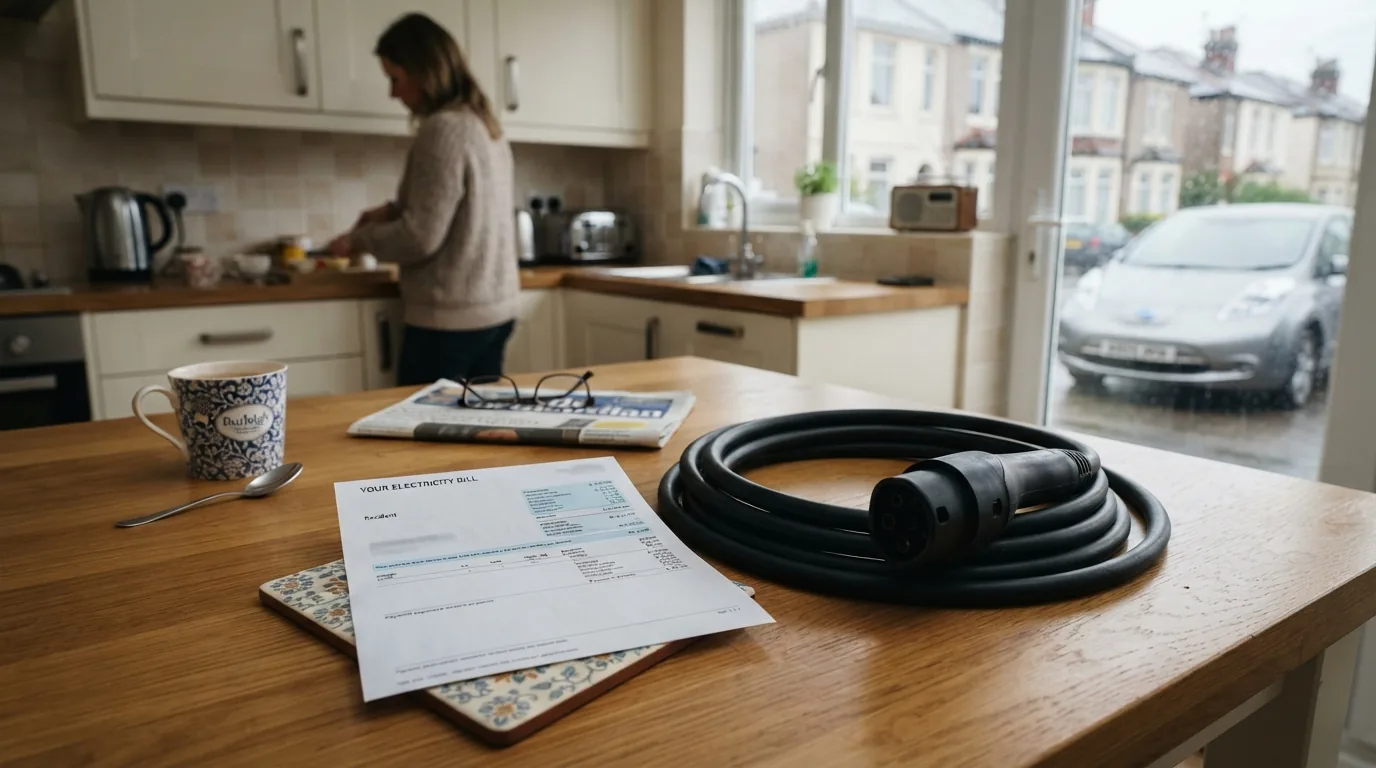
How Much Does It Cost to Charge an EV at Home in the UK?
A full 60kWh charge costs around £14.80 on the standard rate or about £4.80 on an overnight EV tariff. Here is the maths, plus how to get the cheapest possible home charging cost.
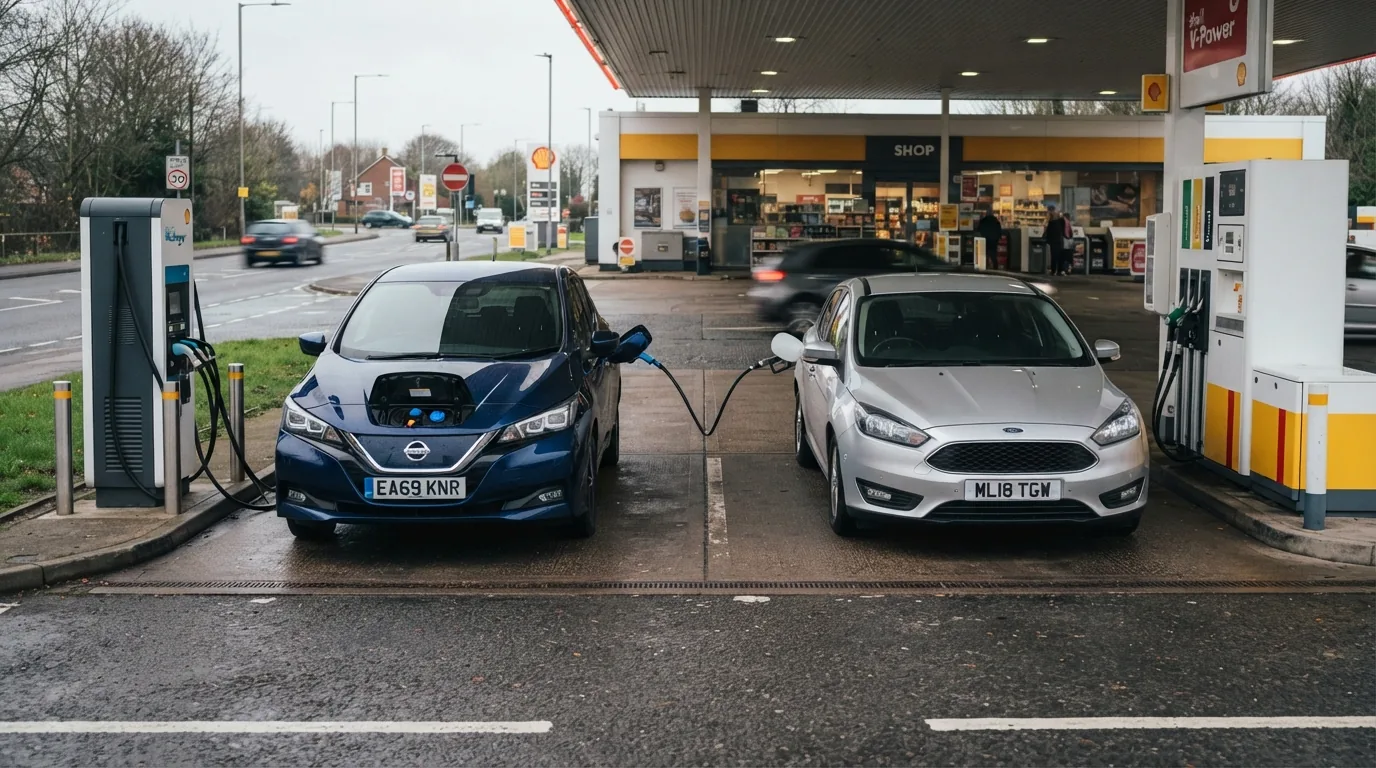
How Does EV Charging Cost Compare to Petrol Per Mile?
Home charging wins clearly -- public charging is closer than you might think. UK figures for 2026.
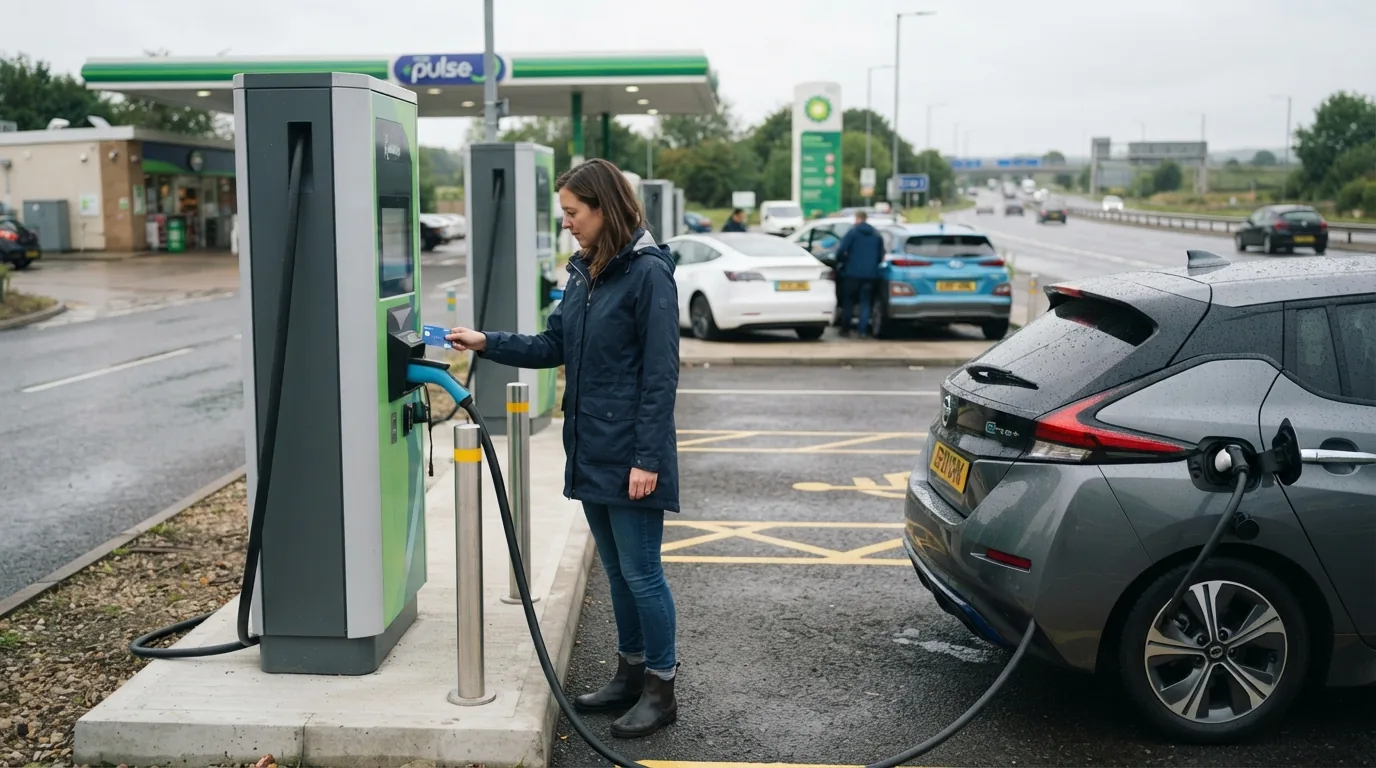
How Much Does Public EV Charging Cost in the UK in 2026?
Current prices by charger speed, network and payment method, with the real cost per mile