Kia PV5 Cargo vs Ford E-Transit Custom: Range, Price and Charging
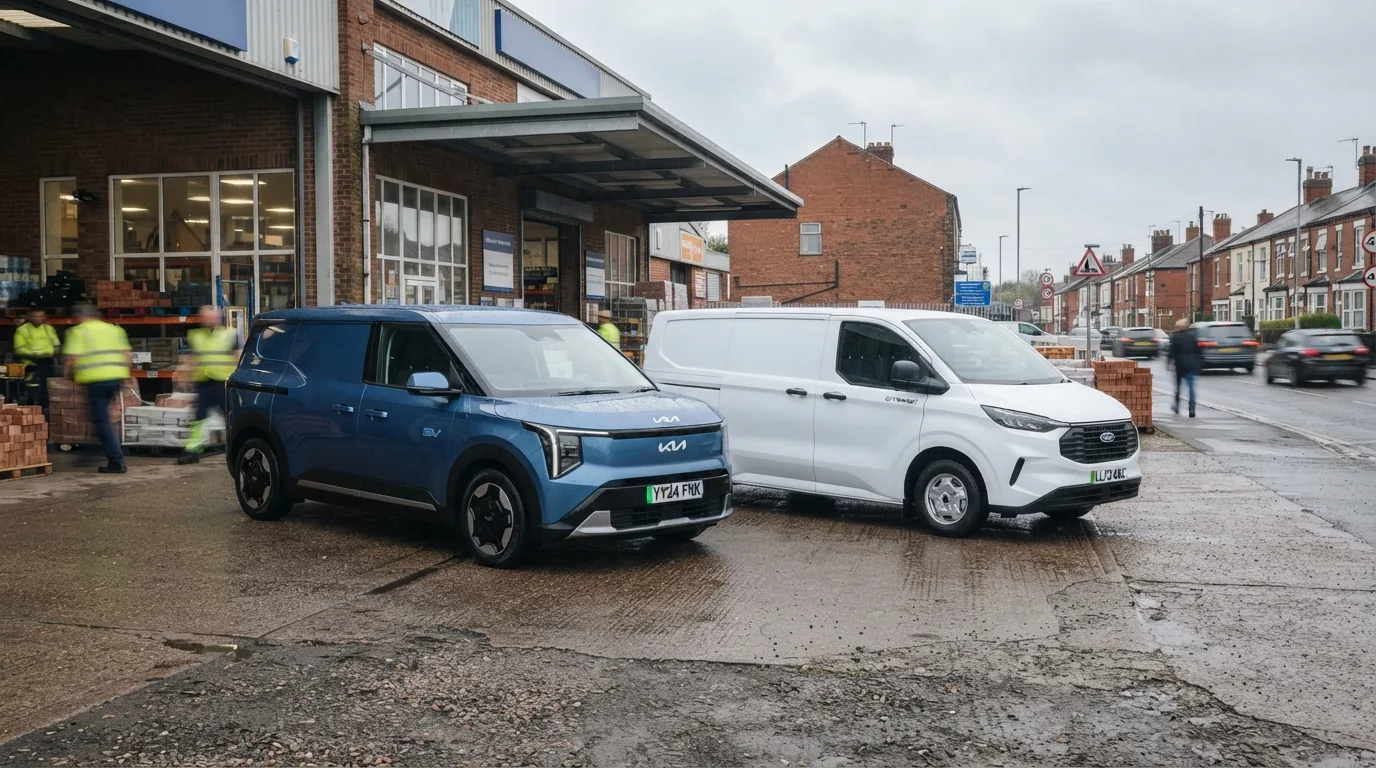
Kia's PV5 Cargo costs about £15,000 less than Ford's updated 71kWh E-Transit Custom before the grant, yet goes further on a charge. The catch is a smaller load bay and a lower payload.
Quick answers
- The Kia PV5 Cargo starts at £27,645 plus VAT, or £30,145 for the Long Range battery, against £45,495 plus VAT for the Ford E-Transit Custom Trend.
- The Long Range PV5 has a 71.2kWh battery and a claimed 258 miles, against 232 miles from the E-Transit Custom's 71kWh battery.
- Ford quotes 10 to 80% in about 29 minutes at 125kW; Kia says the PV5 takes under 30 minutes on a 150kW charger.
- The PV5 Cargo Long Range carries 690kg and offers 4.4m3, while the larger E-Transit Custom reaches 1,088kg in Trend form.
- Both vans are large vans under the Plug-in Van Grant, worth up to £5,000 (capped at 35% of the price), which comes off these prices excluding VAT. We show prices before and after it.
Kia’s PV5 Cargo undercuts Ford’s updated E-Transit Custom by roughly £15,000 before VAT and the grant, and the Long Range version claims 258 miles against Ford’s 232. The comparison is not like for like: the PV5 is the smaller van, with less payload and load space. For sole traders and small fleets, the question is whether you need the Ford’s extra capacity enough to pay for it.
How do the prices compare?
All figures below exclude VAT and are before the Plug-in Van Grant. The PV5 Cargo starts at £27,645 for the Essential with the standard range battery and £30,145 with the Long Range battery (Autotrader). The E-Transit Custom Trend starts from £45,495 and the Limited from £47,045 (Foray Motor Group).
The PV5 Cargo is classed as a large van under the grant rules, so it is eligible for the £5,000 Plug-in Van Grant, and Ford lists the same £5,000 saving on the E-Transit Custom. The grant is worth 35% of the price up to £5,000 for large vans, so at these prices the full £5,000 applies. Taking it off gives the figures in the table, which are our own arithmetic from those list prices. The Ford prices are dealer-quoted and we could not confirm them against Ford’s own list.
| Van | List price ex VAT | After £5,000 grant ex VAT |
|---|---|---|
| Kia PV5 Cargo Essential (standard range) | £27,645 | £22,645 |
| Kia PV5 Cargo Essential (Long Range) | £30,145 | £25,145 |
| Ford E-Transit Custom Trend | £45,495 | £40,495 |
| Ford E-Transit Custom Limited | £47,045 | £42,045 |
Our guide to the Plug-in Van Grant explains how the discount is applied.
Which goes further on a charge?
The Long Range PV5 pairs a 71.2kWh battery with a 160hp motor and a claimed 258 miles on the WLTP cycle (FleetPoint).
Ford raised the E-Transit Custom’s usable battery from 64kWh to 71kWh for 2026, lifting claimed range from 209 miles to 232 miles (Fleet News). Our report on the bigger E-Transit Custom battery covers the earlier announcement.
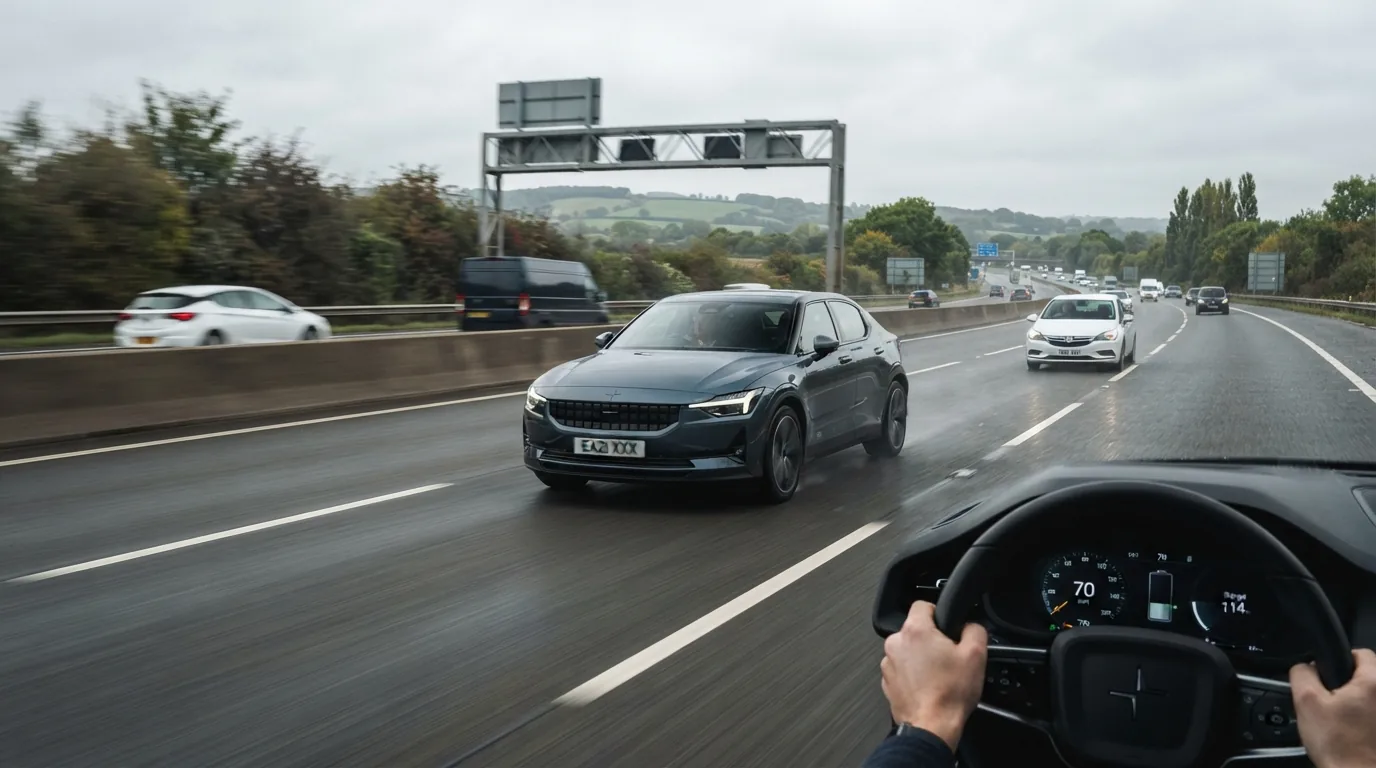
On paper the Kia wins by 26 miles, even though the batteries are almost the same size. That is the benefit of a smaller, lighter van. Motorway driving and a full load will cut both figures, as our look at range drop on the motorway explains.
How do they compare on charging?
Ford says an E-Transit Custom built from early 2026 charges from 10 to 80% in about 29 minutes on a 125kW DC charger (Fleet News). Kia says the PV5 can go from 10 to 80% in under 30 minutes when connected to a 150kW charger (Kia). Its 120kW (160hp) figure is the motor output, not the charging rate.
That makes charging a draw. A lunch stop covers either van, so battery size and price matter more than peak kilowatts.
Payload and load space
This is where the Ford earns its price. The PV5 Cargo Long Range has a 690kg payload and 4.4m3 of cargo volume (Van Reviewer), against 790kg in the standard range version. Auto Express gives the E-Transit Custom’s highest payload as 1,088kg, in Trend form (Auto Express).
| Spec | Kia PV5 Cargo Long Range | Ford E-Transit Custom |
|---|---|---|
| Battery | 71.2kWh | 71kWh |
| Claimed range (WLTP) | 258 miles | 232 miles |
| 10 to 80% charge | Under 30 minutes (150kW charger) | About 29 minutes (125kW charger) |
| Payload | 690kg | Up to 1,088kg |
| Starting price ex VAT | £30,145 | £45,495 |
Ford also offers all-wheel drive on the updated van, available with 136hp, 218hp and 282hp outputs. For other rivals, see our E-Transit v Vauxhall Vivaro Electric comparison.
What this means for you
- Light loads, local rounds: the PV5 is the value pick. A £25,145 net price for the Long Range is hard to ignore, and 258 miles claimed is generous for a van of this size.
- Heavy tools or materials: check your typical load against 690kg. If you regularly exceed it, the Ford’s 1,088kg is worth the extra money.
- Grant timing: confirm with your dealer how the £5,000 is applied to the invoice, and work out the price after VAT if you cannot reclaim it.
- Fleets and sole traders: our electric vans for sole traders guide covers running costs, and the tax benefits of electric vans show how much you can claw back.
Passenger buyers can read about the Kia PV5 Passenger separately.
How we test and where our numbers come from
Range figures are official WLTP combined values taken from manufacturer UK specification pages, with real-world estimates drawn from independent comparative testing. Prices are UK list prices at the time of the latest update. Tax, grant and charging-scheme figures come from GOV.UK and HMRC publications. We re-check every guide when pricing, specification or policy changes. Last checked 6 October 2026.
Frequently asked questions
Is the Kia PV5 Cargo cheaper than the Ford E-Transit Custom?
Yes, by a wide margin. The PV5 Cargo starts at £27,645 plus VAT and £30,145 for Long Range, according to Autotrader. The E-Transit Custom Trend starts from £45,495 plus VAT. All prices are before the Plug-in Van Grant.
Which van has the longer range?
The Kia PV5 Cargo Long Range, with up to 258 miles on the WLTP cycle from its 71.2kWh battery. The updated E-Transit Custom claims up to 232 miles from 71kWh. Real-world range will be lower for both.
How fast do the two vans charge?
Ford says an E-Transit Custom built from early 2026 charges from 10 to 80% in about 29 minutes on a 125kW DC charger. Kia says the PV5, on a 150kW charger, takes under 30 minutes for 10 to 80%.
Does the Plug-in Van Grant apply to both vans?
Yes. The PV5 Cargo is classed as a large van and is eligible for the £5,000 grant, and Ford dealers list the same £5,000 saving on the E-Transit Custom. Both figures are before VAT.
Is the PV5 Cargo a like-for-like rival for the E-Transit Custom?
Not quite. The PV5 is the smaller van, with 4.4m3 of cargo space and a 690kg payload in Long Range form, whereas the E-Transit Custom is a larger medium van with a payload of up to 1,088kg.
Sources and further reading
- autotrader.co.ukAutotraderPrimary source referenced in this article.
- vanreviewer.co.ukKia PV5 Cargo electric van reviewLong Range price, 690kg payload and 4.4m3 load volume.
- fleetpoint.orgKia expands PV5 range with 71.2kWh Long Range chassis platformThe 71.2kWh Long Range battery on the PV5 range.
- kia.comKia PV5 CargoKia's UK page for the PV5 Cargo.
- fleetnews.co.ukRange boost for Ford E-Transit Custom71kWh battery, 232 miles WLTP and 29-minute 10 to 80% charge at 125kW.
- professionalvan.comFord E-Transit Custom gets longer range, faster charging and new AWD option for 2026Details of the 2026 E-Transit Custom update.
- foraymotorgroup.co.ukNew Ford E-Transit Custom Finance OfferE-Transit Custom Trend and Limited prices excluding VAT and the £5,000 grant saving.
- autoexpress.co.ukFord E-Transit Custom reviewPayload of up to 1,088kg in Trend form.

EV Compared
The EV Compared editorial team tracks the UK electric vehicle market full time: new model launches, list prices, WLTP and real-world range, public charging tariffs and the tax rules that decide what an EV actually costs to run. Every guide is checked against manufacturer specifications and official GOV.UK figures, and updated whenever the numbers move.
Related reading
View all
Best Electric Vans for Sole Traders in the UK
Top electric vans for the self-employed: tax relief, real-world range and 2026 model rankings
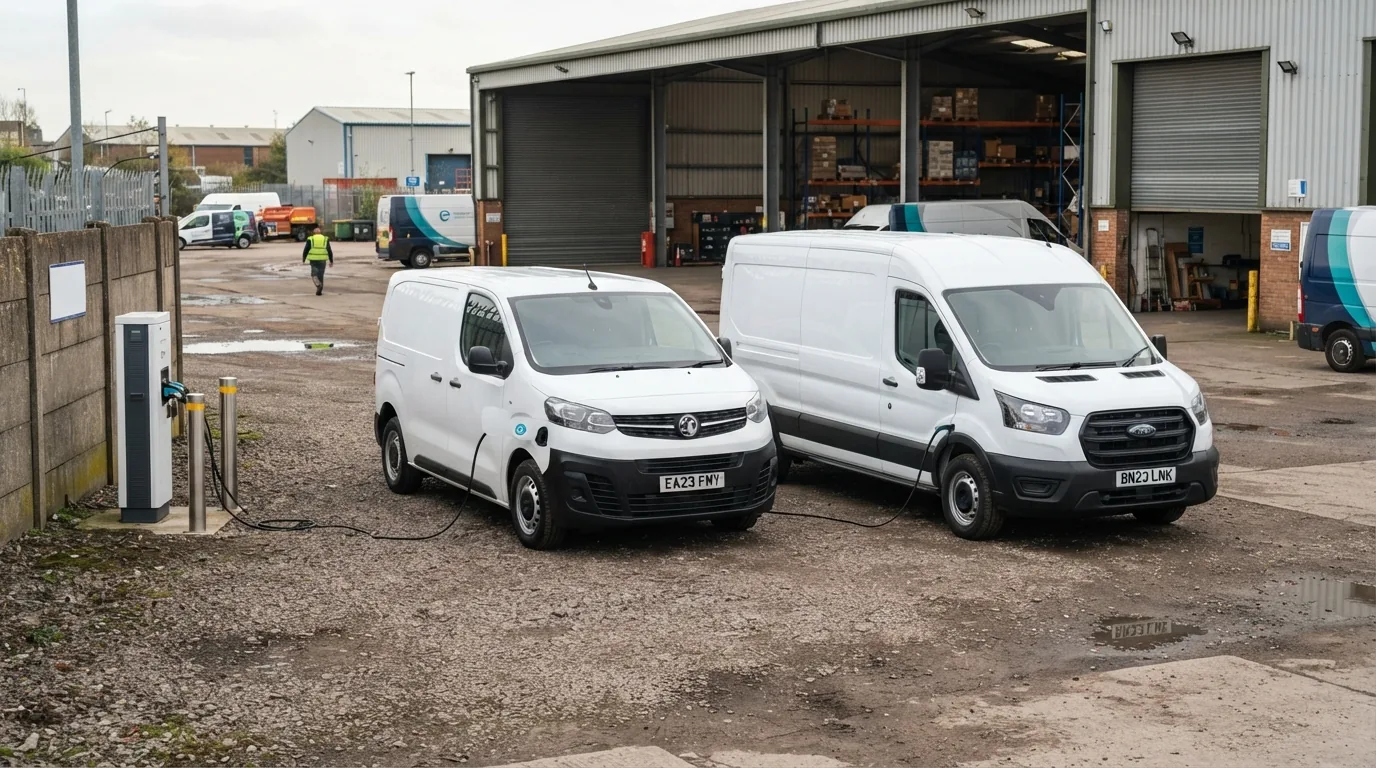
Ford E-Transit vs Vauxhall Vivaro Electric: Best UK Fleet Van?
Head-to-head on range, payload, price and fleet running costs in 2026
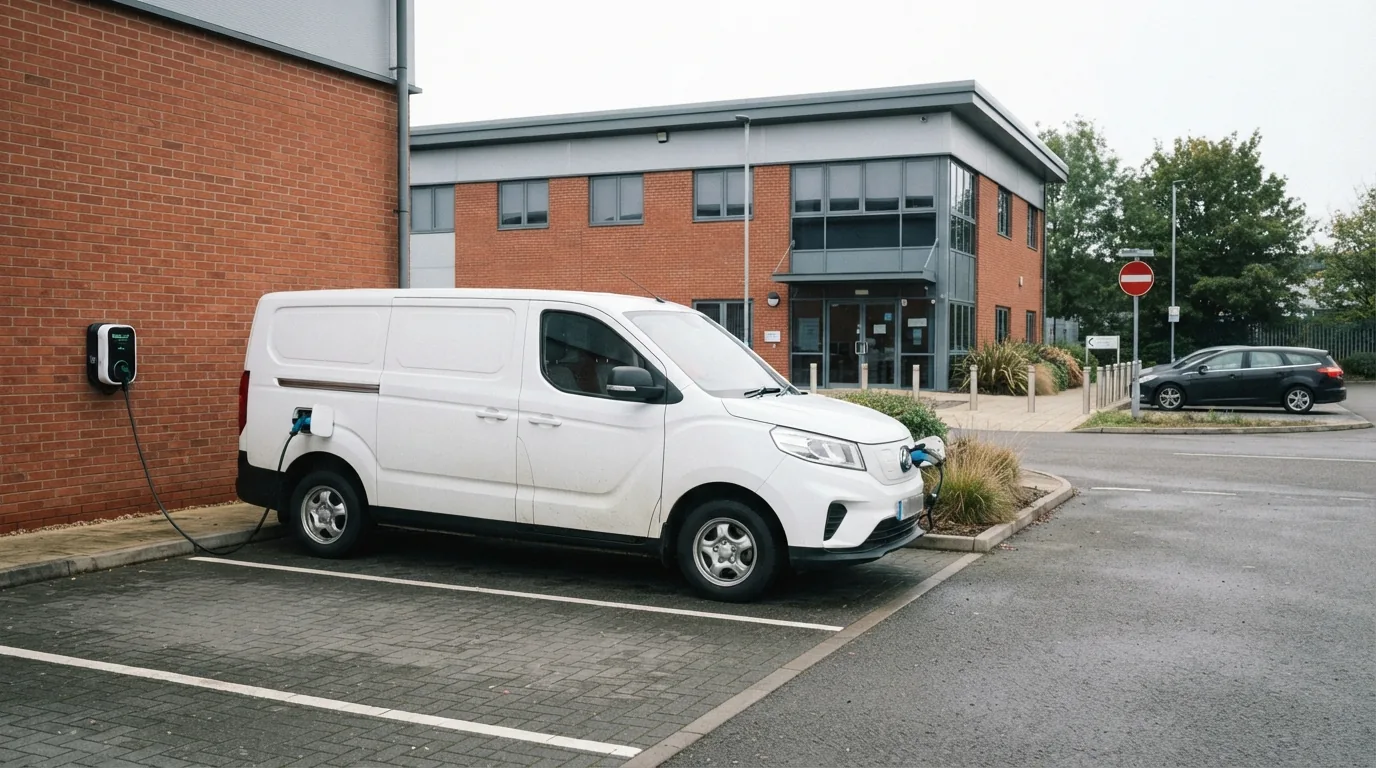
Best Electric Vans Eligible for the UK Plug in Van Grant
The Plug-in Van Grant offers up to £5,000 off a new electric van. These are the models that earn it and deserve it.
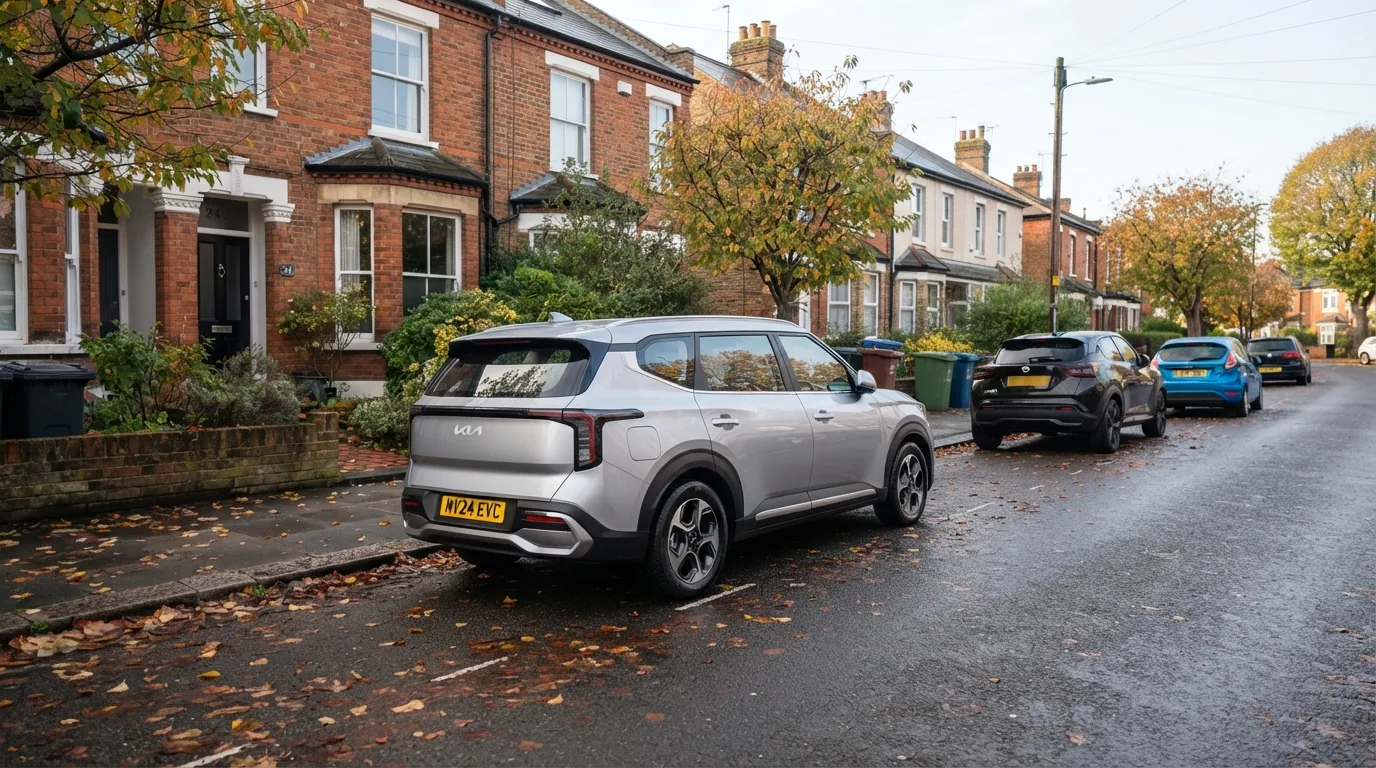
Kia PV5 Passenger seven-seater UK price from £36,995
Kia's van-based electric MPV gains a seven-seat version, with customer deliveries due from October. It starts at £36,995, well under the electric SUVs it rivals, but its grant status was still unconfirmed at launch.
Why Does Your EV Range Drop on the Motorway?
The physics and numbers behind why motorway driving cuts your electric car's range more than any other factor

What Are the Tax Benefits of an Electric Van for UK Businesses?
Capital allowances, zero BIK, VED exemptions and running cost savings in 2026