Used EV prices rise as diesel values slump on £2-a-litre fuel
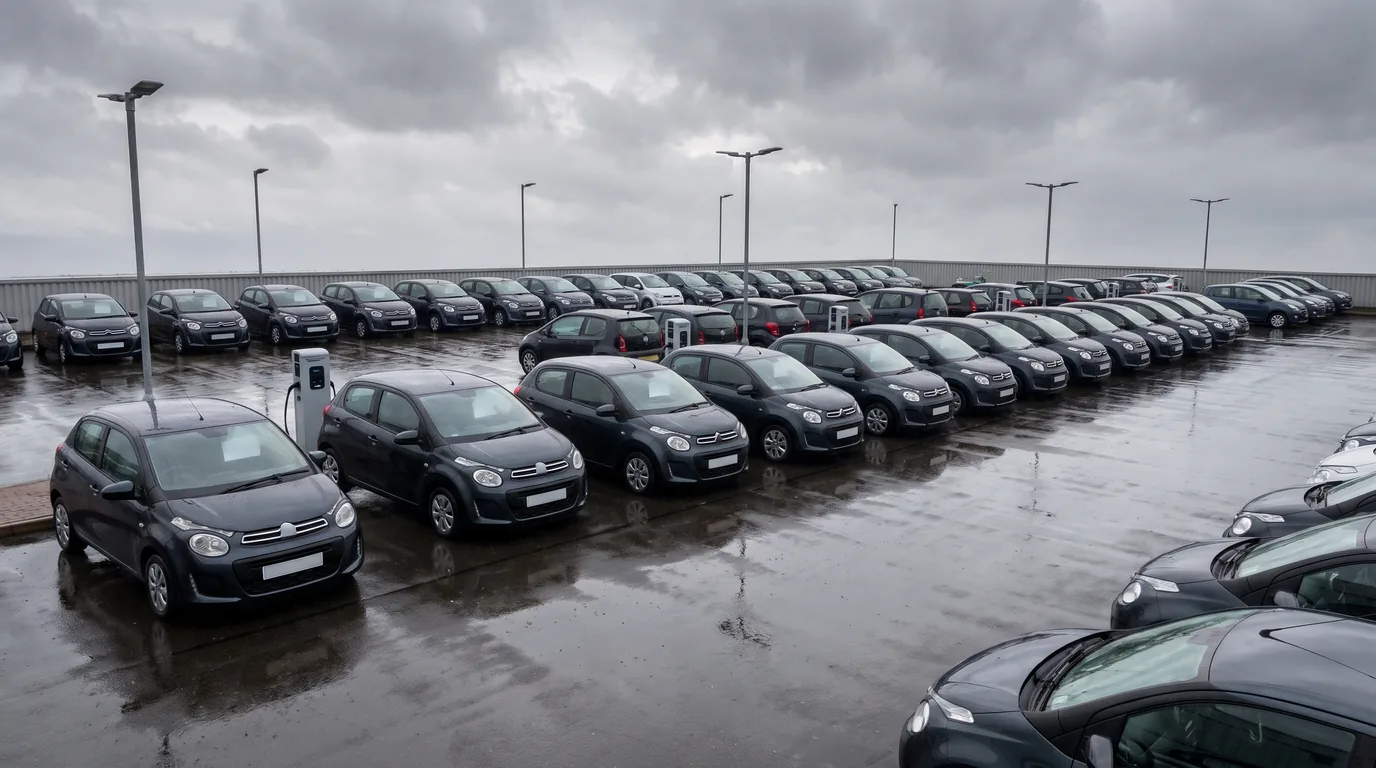
Record pump prices have split the used car market. Electric and hybrid values are rising, diesels are taking longer to sell, and buyers who move now can still find used EVs priced below equivalent petrol cars.
Quick answers
- Solera Cap HPI says used battery EV values rose 0.3% in October 2026 at three years and 60,000 miles, while used diesel values fell 0.6%, the weakest fuel type for five months running.
- Used diesel values at three years and 30,000 miles have fallen 6.9% over 12 months, with the decline sharpening since March.
- Autotrader says demand for used electric cars rose 40% year on year in September, ahead of 26% supply growth, pushing used EV asking prices up 2.8%.
- Used diesel demand fell 19.2% in September while supply fell only 6.8%, and diesel asking prices slipped 0.8% to an average £13,924.
- Diesels took an average of 41 days to sell in September, against 33 days for EVs and 32 days for hybrids.
- The RAC reported diesel passing £2 a litre for the first time in October; the average later eased to 199.9p.
- Cap HPI says many used EVs remain cheap compared with equivalent petrol and diesel cars, though the advantage could soften if oil prices fall.
Used electric car prices are rising while used diesel values slide, as record pump prices push buyers towards cheaper-to-run cars. Solera Cap HPI says used battery EV values rose 0.3% in October 2026, while used diesel values fell 0.6%, making diesel the weakest fuel type for the fifth month in a row, according to Fleet News. Over 12 months, three-year-old diesels have lost 6.9% of their value.
Autotrader’s data tells the same story from the forecourt. Demand for used electric cars rose 40% year on year in September, outstripping a 26% rise in supply and pushing asking prices up 2.8%, as AM reported. For anyone buying or selling a used car this autumn, the market has changed. Here is what the numbers show.
What is happening to used EV values?
After a long period of falling values, used EVs are now among the strongest performers in the used market. The key figures:
| Measure | Electric | Hybrid | Diesel |
|---|---|---|---|
| Cap HPI trade value change, October (3 years, 60,000 miles) | Up 0.3% | Up 0.5% | Down 0.6% |
| Autotrader demand change, September year on year | Up 40% | Not reported | Down 19.2% |
| Autotrader asking price change, year on year | Up 2.8% | Not reported | Down 0.8% |
| Average days to sell, September (Cap HPI) | 33 | 32 | 41 |
Across the whole used market, values at three years and 60,000 miles fell just 0.3% in October, a little over £90. The headline is stability, but underneath, fuel type now makes a big difference.
“Demand for electric cars is comfortably outpacing supply, supporting continued price growth, while record fuel costs are adding pressure to traditionally fuelled cars, particularly diesel,” said Marc Palmer, head of strategy and insights at Autotrader.
Why are diesels losing value so quickly?
Because running costs have become impossible to ignore. The RAC reported diesel passing £2 a litre for the first time in October, before the average eased slightly to 199.9p. AM reported diesel at around 195p, about 23p more than petrol, with an average tank costing around £105 to fill.
“Over the past 12 months, values at three years and 30,000 miles have fallen by 6.9%, and the trajectory shows how quickly buyer sentiment towards running costs can feed through into used car prices,” said Chris Plumb, head of current valuations at Cap HPI. “Diesel at around 195p a litre is difficult for buyers to ignore, particularly when they are comparing it with hybrid and electric alternatives.”
The fall sharpened from March, when the oil supply crisis linked to the war with Iran began. We cover the bigger picture in our report on Ember’s oil savings analysis.
Supply is part of the problem for diesel sellers. Diesel demand fell 19.2% in September, but supply fell only 6.8%, so there are more diesels for sale than buyers want. Like-for-like diesel asking prices slipped to an average £13,924.
Why are hybrids doing best?
Hybrids rose most in Cap HPI’s October data. “For many buyers it offers lower fuel costs without requiring a change in how they use or refuel their car, and that is supporting demand and values,” said Plumb.
That is a useful reminder that not every buyer moving away from diesel is ready for an EV. Our electric versus hybrid guide can help you decide which suits you.
Are used EVs still good value?
Yes. Despite the rise, Cap HPI said earlier this year that many used EVs remain cheap compared with equivalent petrol and diesel cars where direct comparisons exist. Autotrader has said it sees plenty of examples of three to five-year-old EVs priced the same as or below similar petrol models.
There are a few reasons used EV prices stay relatively low:
- New car discounts. Car makers are cutting new EV prices to hit ZEV mandate targets, which caps what people will pay for nearly new used EVs. Our analysis of year-end ZEV discounts explains why.
- The Electric Car Grant. Up to £3,750 off eligible new EVs narrows the gap between new and used.
- Supply. Many EVs came from fleets and leasing, and a steady flow is reaching the used market.
Cap HPI says younger used EVs are particularly affected by new car offers, while independent dealers are returning to used EVs as margins improve.
What could change the trend?
Cap HPI expects EVs to keep some of their advantage while fuel costs stay high, but warned the support “could soften if oil prices return to more normal levels”. It also expects the wider used market to weaken through the final quarter of 2026 as more cars come up for sale.
Two other things to watch:
- The Budget on 28 October. A fuel duty rise from January would add to diesel’s pain; an extended freeze would ease it. Our Autumn Budget preview covers the options.
- Company car tax on used EVs. HMRC is reported to be open to taxing used EVs on their real value, which could boost demand from salary sacrifice schemes, as we report in our used EV company car tax story.
What should you do if you are buying?
If you are thinking about a used EV, the market is moving against bargain hunters, but slowly. Practical steps:
- Check battery health. Ask for a battery health report or certificate. Our guide to getting a battery health certificate explains what to look for.
- Work out your charging. A used EV is best value if you can charge at home. Public charging can cost ten times more per mile than off-peak home charging.
- Use a checklist. Our 15-point used EV buying checklist covers charging cables, warranties and software updates.
- Compare budgets. Our guide to used EVs under £15,000 is a good place to start.
What should you do if you are selling a diesel?
If you were planning to change car anyway, waiting is unlikely to get you a better price. Diesel has been the weakest fuel type for five months, and diesels take eight to nine days longer to sell than EVs or hybrids. Dealers are pricing diesel stock cautiously because it sits on forecourts longer.
If your diesel suits you, there is no need to sell in a hurry. Values are falling gradually, not collapsing, and a well-kept car you already own is usually cheaper to keep than to replace.
Which used EVs are the best value now?
Prices vary widely by model, age and battery size. In general:
- Small, older EVs such as early Nissan Leafs and Renault Zoes are the cheapest way into electric driving, though their range is limited. Our used Nissan Leaf and Renault Zoe comparison covers them.
- Three to five-year-old family EVs such as the Hyundai Ioniq 5, Kia EV6 and Tesla Model 3 often offer the best balance of range, space and price. Auto Express named the used Ioniq 5 its Used Car of the Year, available from just over £13,000, as we report in our Used Car of the Year story.
- Nearly new EVs are under the most pressure from new car discounts and the Electric Car Grant, so check the price of the equivalent new car with grant and offers before buying.
Cap HPI says younger used EVs are particularly affected by new car offers, so the sweet spot is often a car two to four years old.
How does battery health affect value?
Battery health is the biggest unknown when buying a used EV, and it can make a big difference to price. Most EV batteries degrade slowly, and many cars keep most of their original capacity after several years, but there are exceptions, particularly cars that were rapid charged very frequently or kept at full charge in hot conditions.
A battery health certificate gives you an independent measurement. Most manufacturers also offer a separate battery warranty, typically eight years and a set mileage, guaranteeing a minimum capacity. Check how much of it remains on any car you consider.
What about used hybrids?
Hybrids were the strongest performers in Cap HPI’s October data, with values up 0.5%, and they sell almost as quickly as EVs. For buyers who cannot charge at home, a used hybrid can cut fuel bills without changing how you refuel. Plug-in hybrids make sense only if you can charge them regularly; otherwise they carry battery weight without the fuel saving.
Will diesel values recover?
Not while fuel prices stay high. Diesel’s price premium over petrol, about 23p a litre in October, makes diesel cars especially expensive to run. Diesels still make sense for some very high-mileage drivers and those who tow heavily, but for most private buyers, demand has moved on. Cap HPI’s figures show diesel has been the weakest fuel type for five months in a row.
Our view
October’s figures confirm a shift we have been expecting: fuel prices are now driving used car values as much as age and mileage. Used EVs, long the market’s problem child, are finally rising, while diesels are taking the hit. For buyers who can charge at home, a used EV remains one of the best-value ways to cut running costs, and prices have not yet caught up with the change in demand.
How we test and where our numbers come from
Range figures are official WLTP combined values taken from manufacturer UK specification pages, with real-world estimates drawn from independent comparative testing. Prices are UK list prices at the time of the latest update. Tax, grant and charging-scheme figures come from GOV.UK and HMRC publications. We re-check every guide when pricing, specification or policy changes. Last checked 24 October 2026. How we work out our own figures.
Frequently asked questions
Are used electric car prices going up?
Yes, modestly. Autotrader says used EV asking prices rose 2.8% year on year in September as demand jumped 40%, and Solera Cap HPI recorded a 0.3% rise in used EV trade values in October. After years of falling values, the market has turned.
Why are used diesel cars losing value?
Mainly because of fuel prices. Diesel passed £2 a litre at some forecourts in October, and buyers are choosing cheaper-to-run hybrids and EVs instead. Used diesel demand fell 19.2% in September and values have dropped 6.9% in a year.
Is now a good time to buy a used electric car?
Prices are starting to rise, so the cheapest point may have passed, but many used EVs are still priced at or below equivalent petrol cars. If you can charge at home, running costs make a used EV especially good value while fuel prices are high.
Should I sell my diesel car now?
If you were planning to change anyway, diesel values are falling, so waiting is unlikely to help. Cap HPI says diesel has been the weakest fuel type for five months in a row, and diesels are taking longer to sell than EVs or hybrids.
Will used EV prices keep rising?
Cap HPI expects EVs to keep some of their advantage while fuel prices stay high, but says support could soften if oil returns to normal levels. Big discounts on new EVs also hold down the prices of nearly new used ones.
Sources and further reading
- fleetnews.co.ukFleet NewsPrimary source referenced in this article.
- am-online.comDiesel cars lingering on forecourts as demand plunges 19%Autotrader's September demand, supply and price figures for diesel and EVs, and quotes from Cap HPI and Autotrader.
- fleetnews.co.ukUsed EV values to outperform market, but advantage will narrowCap HPI's outlook, the effect of new EV discounts and the Electric Car Grant, and independent dealers returning to used EVs.

EV Compared
The EV Compared editorial team tracks the UK electric vehicle market full time: new model launches, list prices, WLTP and real-world range, public charging tariffs and the tax rules that decide what an EV actually costs to run. Every guide is checked against manufacturer specifications and official GOV.UK figures, and updated whenever the numbers move.
Related reading
View all
Hyundai Ioniq 5 named Used Car of the Year, from about £13,000
With diesel above £2 a litre, an electric car has won Auto Express's top used car award for the first time. Here is why the Ioniq 5 won, what a used one costs and the checks to make before you buy.
HMRC open to cutting company car tax on used EVs, leasing firms say
Used electric cars on salary sacrifice are taxed as if they were brand new. Leasing firm Ayvens says HMRC is 'up for' a change, and the BVRLA wants used EVs taxed on 35% of their original price.
Jaecoo 7, BYD Seal and Leapmotor C10 lead a Chinese shift in UK car leasing
The UK's largest lease broker says the Jaecoo 7 is its most-delivered car for a second year, the BYD Seal is its top EV and electric cars have jumped to 39% of deliveries. Price, it says, now beats the badge.
Mercedes CLA: electric or hybrid? Just £435 apart, and the EV is the better car
With diesel near £2 a litre, the CLA is a rare chance to compare electric and petrol versions of the same car at almost the same price. UK testers prefer the EV, and the running cost gap is large if you can charge at home.
Autumn Budget 2026: what EV drivers want from John Healey on 28 October
The new Chancellor's first Budget lands as fuel prices bite, the ZEV mandate is under review and public charging still carries 20% VAT. Here is what the motor industry, charging firms and drivers are asking for, and what is already fixed.
ZEV mandate: carmakers need 265,000 more EV sales by year end
Even after a record September, electric cars make up only 26.2% of 2026 sales so far against a 33% target. Here is what that gap means for EV discounts and when to order.