Chinese brands take 23.3% of UK car sales as Jaecoo 7 tops September
Nearly one in four new cars sold in September came from a Chinese brand, even though cars built in China get no Electric Car Grant. Here is what it means for prices, discounts and resale.
Quick answers
- Chinese brands registered 81,776 of the 350,518 new cars sold in the UK in September 2026, a 23.3% share, up from 38,934 cars a year earlier.
- BYD was the UK's second-biggest brand in September with 20,140 registrations, behind Volkswagen on 25,972, while the Jaecoo 7 was the best-selling car with 10,814.
- Battery-electric cars hit a record 99,199 registrations in September, up 36.3%, for 28.3% of the market.
- Cars built in China do not qualify for the Electric Car Grant of up to £3,750, so BYD, Omoda and Jaecoo have offered their own discounts in its place.
- The UK has not imposed new tariffs on Chinese EVs, but reports on 5 October said ministers were considering tariffs of up to 45%, similar to the EU's.
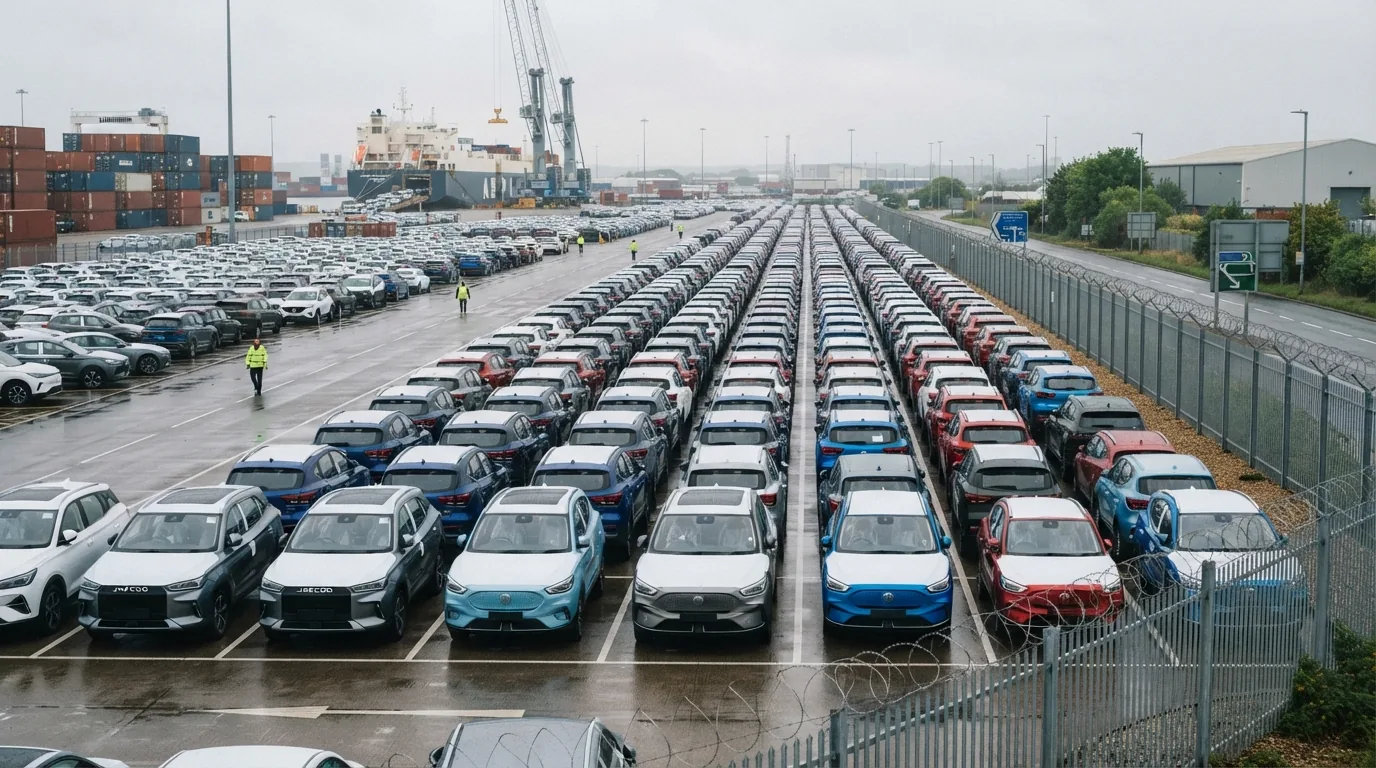
Chinese brands accounted for 81,776 of the 350,518 new cars registered in the UK in September, a 23.3% share and more than double their volume a year earlier, according to SMMT figures published on 2 October and analysed by GoodCarBadCar. The Jaecoo 7 was the country’s best-selling car and BYD was the second-biggest brand, behind only Volkswagen. For anyone shopping for an electric car, it matters because the cars behind this growth are largely built in China, get no help from the Electric Car Grant, and are being sold with maker-funded discounts that put pressure on prices across the market. The next model in the pipeline is covered in our Omoda 4 UK launch report.
September is a number-plate change month and one of the two busiest of the year. The overall market grew by about 12%, and the SMMT said it was the best September since 2017. Battery-electric cars also hit a record 99,199 registrations, up 36.3%, for 28.3% of the market.
How fast is the Chinese share growing?
In September 2025, Chinese brands registered 38,934 cars, about 12.4% of a smaller market. A year on, their volume has more than doubled and their share has risen by almost 11 percentage points.
| Period | Chinese-brand registrations | Share of UK new car market |
|---|---|---|
| September 2025 | 38,934 | About 12.4% |
| September 2026 | 81,776 | 23.3% |
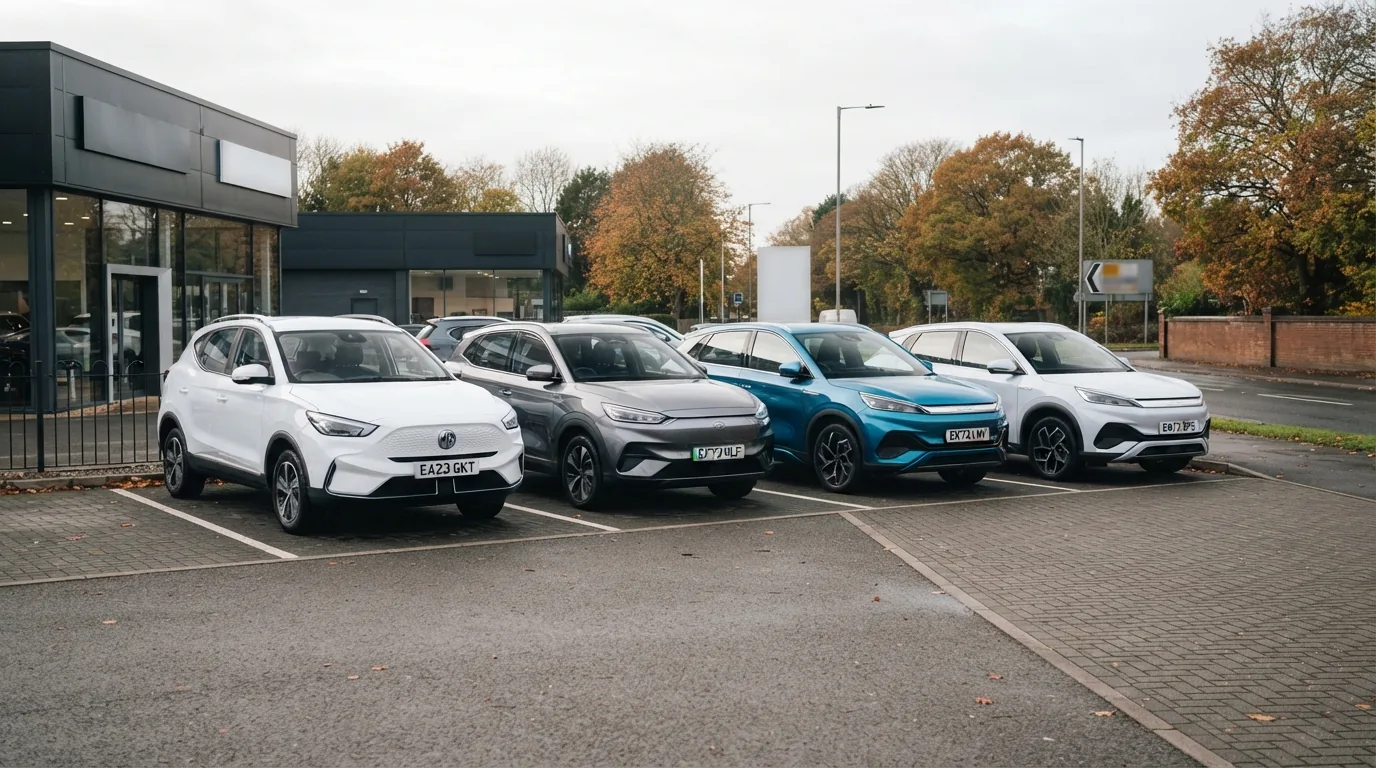
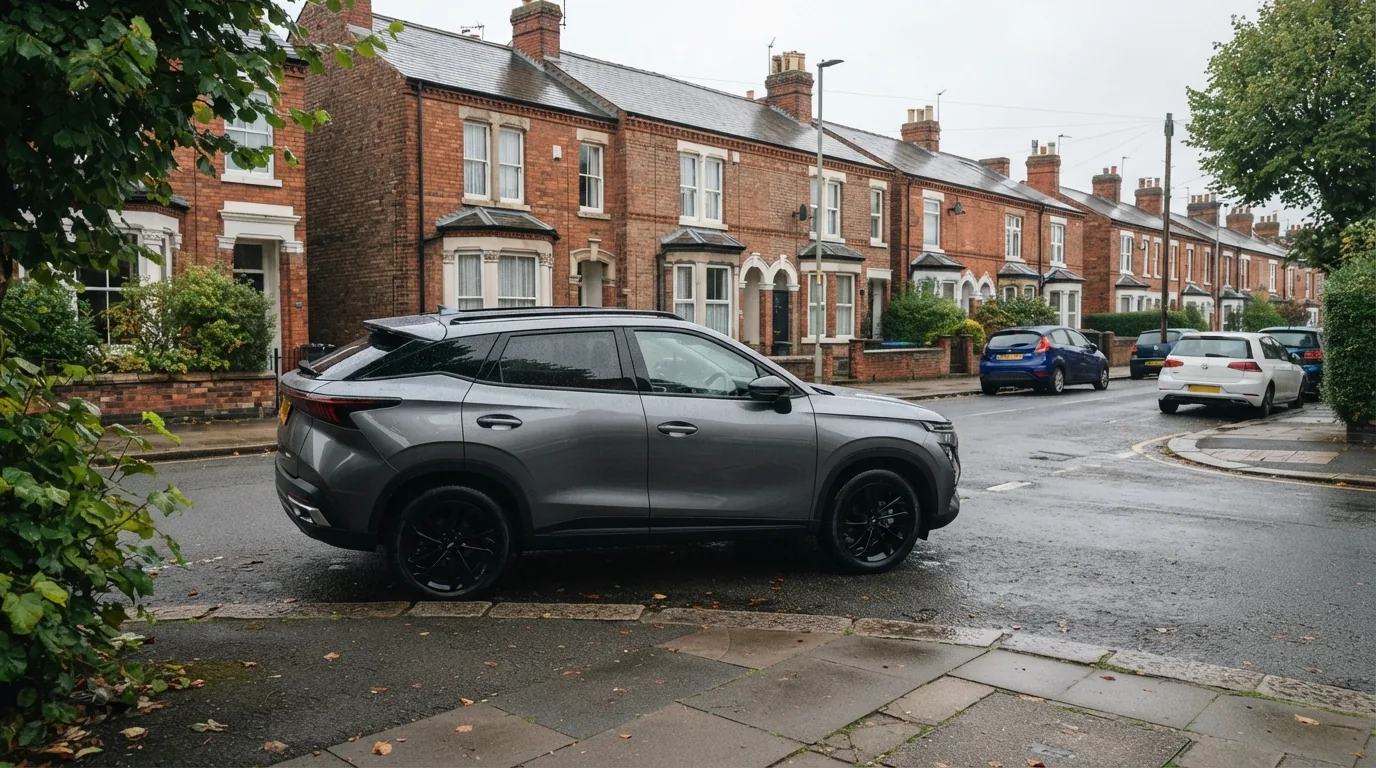
The September total is spread across 15 Chinese brands. Some, like MG, have been on sale here for years; others are new arrivals that most UK buyers had not heard of until recently. Our guide to the Chinese EV brands now on sale in the UK covers who they are and how their cars compare.
Which Chinese brands are selling most?
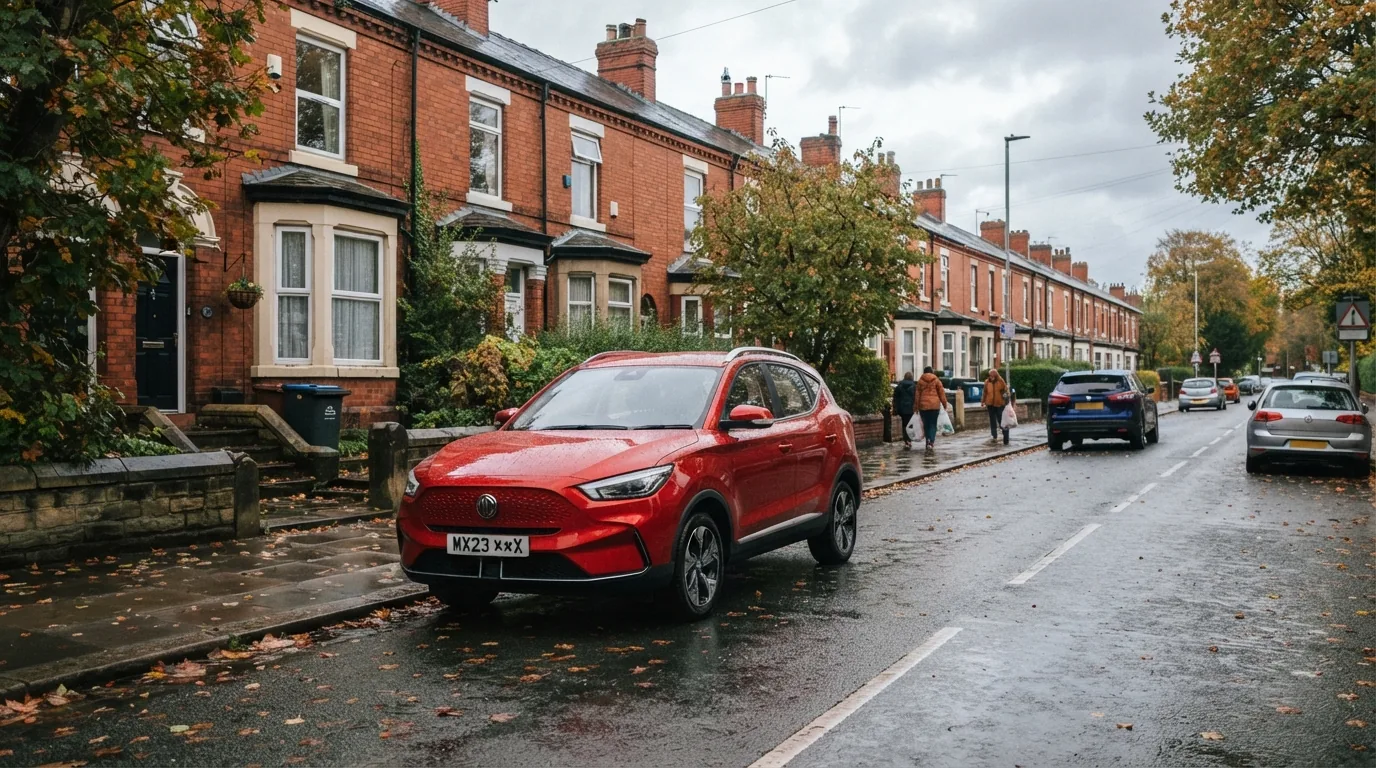
BYD was the standout, with 20,140 registrations putting it second among all makes, ahead of Kia on 18,399, according to Carwow. BYD UK’s own count is slightly lower, at 20,129, and we cover that in more detail in BYD’s record September. MG was close behind on 18,026, its first month above 18,000 UK registrations, as we report in MG’s record September.
| Brand | Chinese brand? | September 2026 registrations | Share of market |
|---|---|---|---|
| Volkswagen | No | 25,972 | 7.4% |
| BYD | Yes | 20,140 | 5.7% |
| Kia | No | 18,399 | 5.2% |
| MG | Yes | 18,026 | 5.1% |
| Jaecoo | Yes | 15,057 | 4.3% |
| Omoda | Yes | 7,241 | 2.1% |
| All 15 Chinese brands | Yes | 81,776 | 23.3% |
Shares are calculated by EV Compared from the 350,518 total. Jaecoo and Omoda both belong to the Chery group, which also sells Chery and Lepas models in the UK, and the four brands together outsold Volkswagen in September.
Over the year so far, MG is just short of 80,000 registrations, BYD is on about 68,000 and Jaecoo about 59,000, according to GoodCarBadCar.
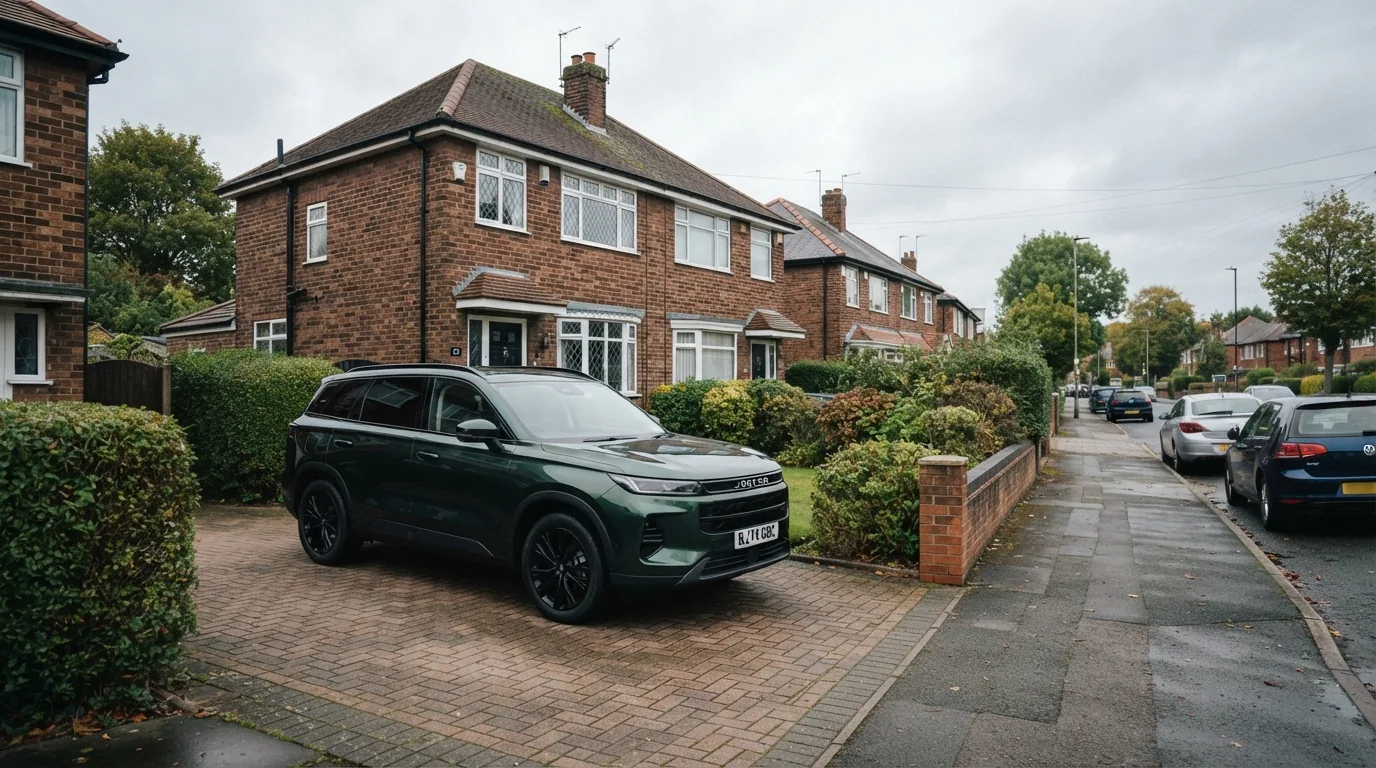
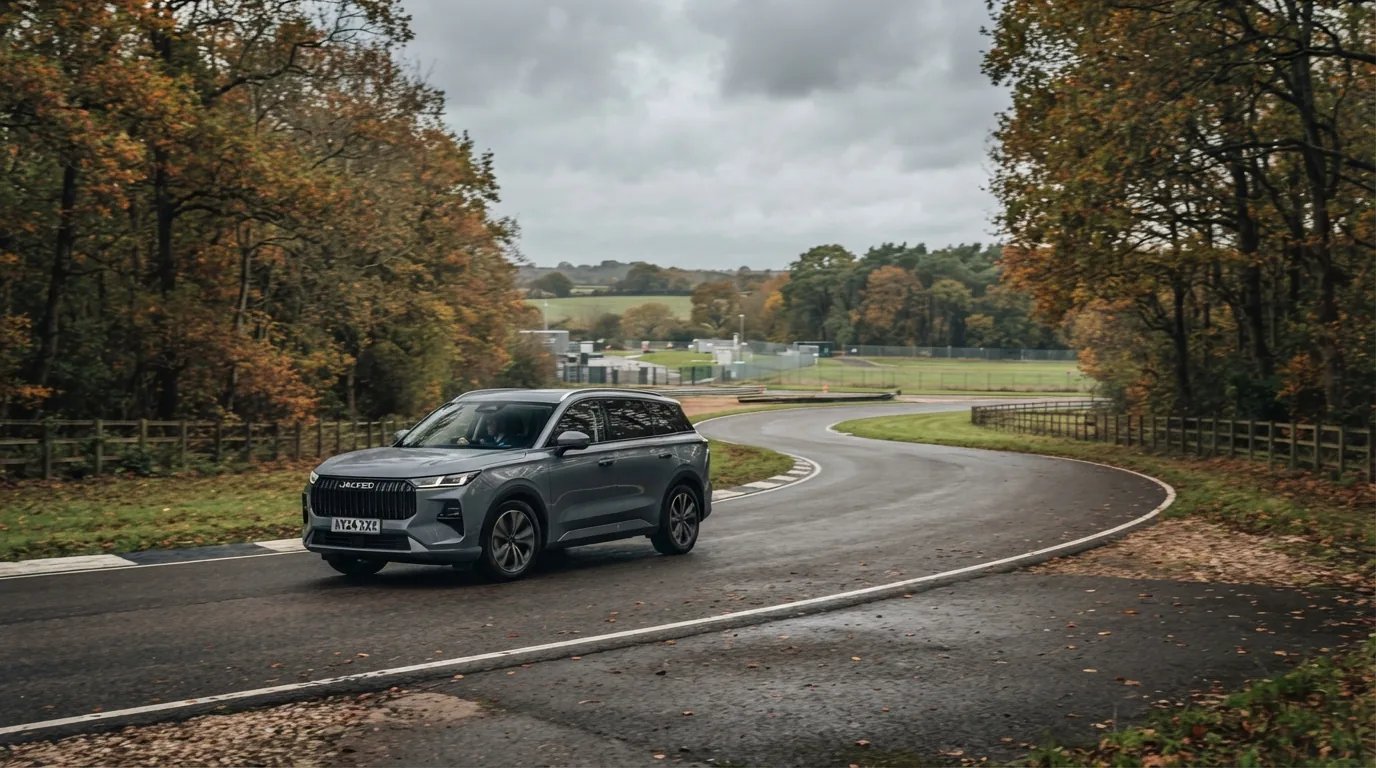
At model level, the Jaecoo 7 topped the chart with 10,814 registrations, ahead of the Tesla Model 3 on 9,929 and the Ford Puma on 6,958. That lifted the Jaecoo 7 to second in the year-to-date rankings with 39,473 registrations, 3,453 behind the Ford Puma on 42,926.
Are these Chinese cars electric?
Not necessarily, and the headline figure does not tell you. The 81,776 figure covers every fuel type. Chinese brands sell petrol, hybrid and plug-in hybrid models alongside their EVs, and the brand totals published on 2 October were not split by powertrain. So it is not possible to say from these figures how many of September’s 99,199 battery-electric cars came from Chinese brands.
What the figures do show is that the best-selling car in the country was not the best-selling EV: that title went to the Tesla Model 3, second overall on 9,929. If you are drawn to a Chinese brand because you want an EV, check exactly which version you are being quoted for.
Why do Chinese-built cars miss out on the Electric Car Grant?
The Electric Car Grant, worth up to £3,750, is tied to the environmental standards of the factory that builds the car. Lilian Greenwood, speaking as transport minister, said she did not expect any car assembled in China to be eligible, explaining that “if you generate a lot of the electricity that powers your factory through coal power stations, then you are not going to be able to access this grant”, as reported by Fleet News.
The Chinese brands have responded with their own money. BYD, Omoda and Jaecoo have offered their own discounts in place of the grant, according to Electric Car Scheme. Our list of EVs eligible for the Electric Car Grant shows which models do qualify. Beijing’s new curbs on overseas discounting could change that, as we explain in China’s export price war rules and UK deals.
The striking thing about September is that Chinese brands more than doubled their volume without the government’s help. That suggests their prices and equipment are competitive enough to win buyers even when a rival car carries a grant.
Will the UK put tariffs on Chinese cars?
Not yet. On 5 October, electrive reported that ministers were considering tariffs of up to 45% on Chinese EVs, similar to the EU’s. The EU’s anti-subsidy tariffs have been in place since October 2024. The UK has so far used subsidy rules, through the grant, to favour cars built outside China rather than taxing imports.
No new tariff has been announced. For now, Chinese-built cars pay the standard 10% import duty.
What does this mean for prices, discounts and resale values?
Three things follow for buyers.
Price pressure on established brands. With Chinese brands funding their own discounts and taking almost a quarter of the market, rivals have to compete hard on price, and a grant on a European or Korean car is no longer an automatic price advantage.
Discounts that could change. A maker-funded discount is a commercial decision, not a government scheme, so it can be changed or withdrawn at any time. If tariffs arrive, the room for those discounts would shrink.
Resale values remain the open question. As our guide to EV depreciation explains, residual values depend partly on brand familiarity, and many of the 15 Chinese brands are too new in the UK to have a long used-car track record. Heavy new-car discounting can also weigh on used prices. That matters most on PCP finance, where the predicted future value sets your monthly payment.
What this means for you
Chinese brands are now a mainstream part of the UK market rather than a niche, and we think any buyer looking for value should have them on the shortlist. The September figures show that plenty of people are already choosing them over cars that come with a government grant.
But compare carefully. Put the Chinese car’s price after its maker discount against a rival’s price after the Electric Car Grant, check whether you are being quoted for a pure EV or a hybrid, and look at the guaranteed future value on any PCP deal as closely as the monthly payment. There is no confirmed tariff, so there is no reason to rush an order on that basis alone, but a discount on offer today is not guaranteed to be there in six months.
How we test and where our numbers come from
Range figures are official WLTP combined values taken from manufacturer UK specification pages, with real-world estimates drawn from independent comparative testing. Prices are UK list prices at the time of the latest update. Tax, grant and charging-scheme figures come from GOV.UK and HMRC publications. We re-check every guide when pricing, specification or policy changes. Last checked 6 October 2026.
Frequently asked questions
What share of UK new car sales do Chinese brands have?
Chinese brands took 23.3% of UK new car registrations in September 2026, or 81,776 of 350,518 cars. That compares with about 12.4% in September 2025, when they registered 38,934 cars.
Which Chinese car brand sells the most in the UK?
BYD was the biggest Chinese brand in September 2026 with 20,140 registrations on SMMT figures, ahead of MG on 18,026. Over the year to date MG leads, with just under 80,000 registrations against about 68,000 for BYD.
Do Chinese electric cars get the Electric Car Grant?
No. Cars built in China are not eligible for the UK Electric Car Grant, which is worth up to £3,750, because of the emissions from the power used to make them. Several Chinese brands, including BYD, Omoda and Jaecoo, have offered their own discounts instead.
Will the UK put tariffs on Chinese electric cars?
Nothing has been decided. Reports on 5 October said ministers were considering tariffs of up to 45% on Chinese EVs, similar to the EU's, but no new tariff has been announced.
What was the UK's best-selling car in September 2026?
The Jaecoo 7 was the best-selling new car in September 2026 with 10,814 registrations. The Tesla Model 3 was second on 9,929 and the Ford Puma third on 6,958.
Sources and further reading
- goodcarbadcar.netGoodCarBadCarPrimary source referenced in this article.
- carwow.co.ukBest-selling cars in September revealed: Jaecoo 7 takes top spotTop three models, the Jaecoo 7's year-to-date total and the brand ranking of Volkswagen, BYD and Kia.
- bydukmedia.comBYD achieves highest ever UK sales in single month and quarter, achieving 20,129 registrations in SeptemberBYD UK's own September count of 20,129 registrations.
- smmt.co.ukRecord electric car market powers bumper SeptemberBest September since 2017, and battery-electric registrations of 99,199, up 36.3%, for a 28.3% market share.
- autocar.co.ukJaecoo 7 named UK's best-selling car as Chinese brands take nearly quarter of marketThe Jaecoo 7 as September's best-selling car and Chinese brands' near-quarter share of the market.
- fleetnews.co.ukChinese-made electric vehicles to not qualify for Electric Car GrantTransport minister Lilian Greenwood on why cars assembled in China will not get the grant.
- electriccarscheme.comChinese EVs not eligible for UK Electric Car GrantChinese-built EVs' exclusion from the grant, Lilian Greenwood's comments and BYD, Omoda and Jaecoo offering their own discounts.
- electrive.comUK apparently considering special tariffs on Chinese EVsReported UK consideration of tariffs of up to 45% on Chinese EVs.

EV Compared
The EV Compared editorial team tracks the UK electric vehicle market full time: new model launches, list prices, WLTP and real-world range, public charging tariffs and the tax rules that decide what an EV actually costs to run. Every guide is checked against manufacturer specifications and official GOV.UK figures, and updated whenever the numbers move.
Related reading
View all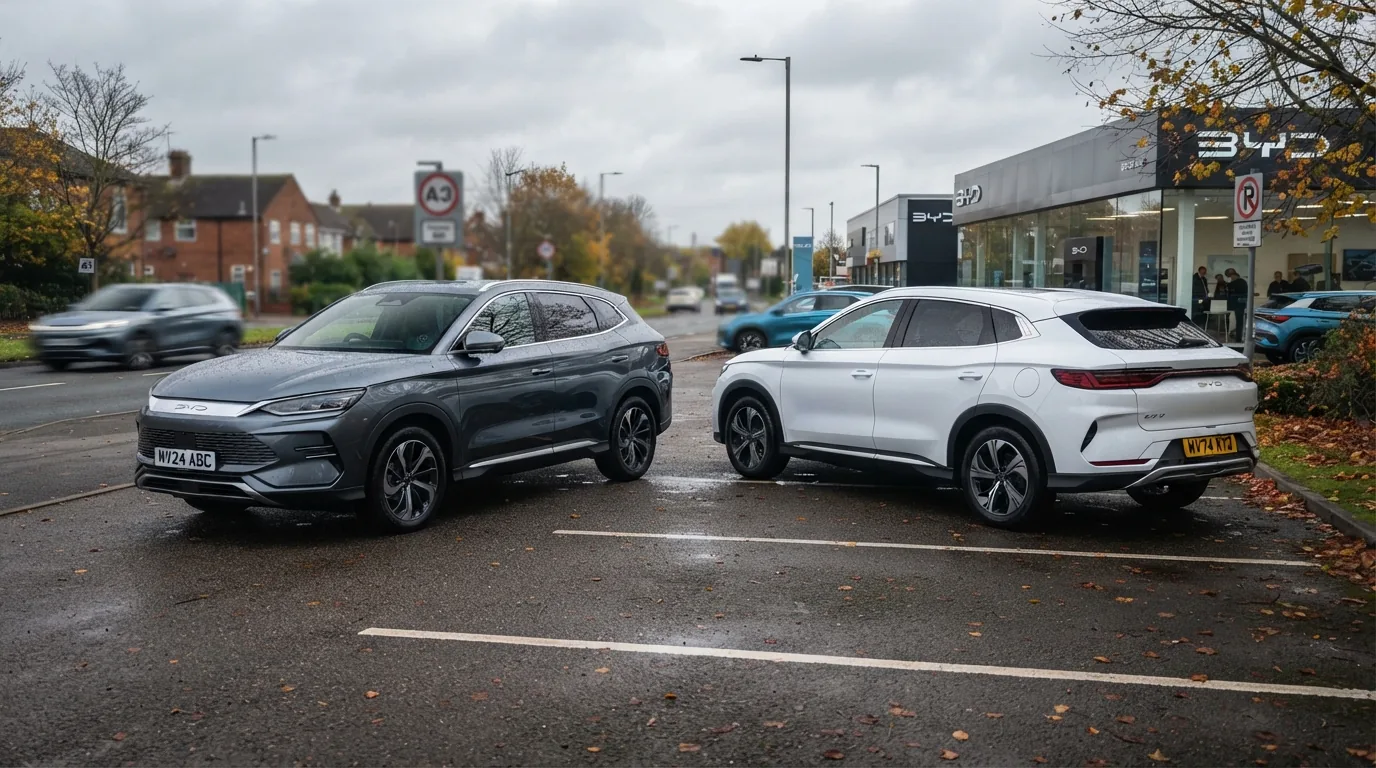
BYD hits record 20,129 UK sales in September, second only to VW
BYD outsold every brand except Volkswagen without any Electric Car Grant help, and plug-in hybrids appear to have done much of the lifting. Here is what its push means for deals and resale values.
Chery's four UK brands outsold Volkswagen with 32,830 September sales
Jaecoo, Chery, Omoda and Lepas beat Britain's biggest single brand by 6,858 cars, but two-thirds of Omoda and Jaecoo sales were hybrids or plug-in hybrids rather than fully electric cars.
China car exports pass 2025 total as Beijing curbs price war abroad
Chinese carmakers have already shipped more cars abroad this year than in all of 2025, while Beijing has told them not to take their home price war overseas. Here is what it means for UK deals.
MG breaks 18,000 UK sales in a month for the first time
MG registered 18,026 cars in September 2026 for a 5.14% share and its biggest quarter yet, yet its best seller was the petrol-hybrid HS, not an EV. Here is what that means for electric buyers.
Omoda 4 UK launch: hybrid small SUV due this quarter, EV to follow
The Omoda 4 is a small SUV, reported at about 4.42m long, due in the UK in the fourth quarter of 2026 with a self-charging hybrid, and an electric version confirmed. UK prices and trims have not been announced.
Chery to open UK R&D base as Sunderland deal eyes 2027 production
The group behind September's best-selling car still imports every model, and its Nissan deal is non-binding. Here is what Millbrook and Sunderland's Line 1 could change for UK buyers.