China car exports pass 2025 total as Beijing curbs price war abroad
Chinese carmakers have already shipped more cars abroad this year than in all of 2025, while Beijing has told them not to take their home price war overseas. Here is what it means for UK deals.
Quick answers
- China exported more than 6.2 million passenger cars in the first eight months of 2026, already above the roughly 6 million passenger cars it shipped in all of 2025. Exports of all vehicle types reached 7.15 million, also past the 2025 total of 7.1 million.
- Passenger car exports jumped 67.1% in August to around 890,000, while domestic passenger car sales fell 25.6% to just below 1.5 million.
- On 1 September, three Chinese government bodies issued 20 provisions telling carmakers to avoid disruptive pricing, steep price changes and arbitrary surcharges overseas.
- Chinese brands took 23% of UK car sales in September, so any change in their discounting would be felt widely by British buyers.
- The code is guidance, not a UK price rule, so expect fewer sudden mid-year price cuts rather than the end of deals.
China has exported more cars in the first eight months of 2026 than in the whole of 2025, and its government has now told carmakers not to bring their home price war abroad. For UK drivers, who bought Chinese brands in record numbers last month, the question is whether the discounts that helped drive that growth will become rarer. For the latest offers, see our UK EV price cuts roundup.
According to the Associated Press, China exported more than 6.2 million passenger vehicles from January to August, while exports of all vehicle types came to 7.1 million in 2025, including about 6 million passenger vehicles, so this year’s passenger total has already passed last year’s (ABC News/AP). Passenger car exports in August rose 67.1% to around 890,000, driven by plug-in hybrids and pure electric cars.
Why is China exporting so many cars?
The home market is shrinking. Chinese passenger car sales fell 25.6% year on year in August to just below 1.5 million, as intense competition and a slowing economy hit demand (ABC News/AP). Factories built for a bigger market now need buyers elsewhere, and Fortune describes the surge in shipments as a flood into global markets.
| Measure | Figure |
|---|---|
| Passenger car exports, January to August 2026 | More than 6.2 million |
| Passenger car exports, full year 2025 | About 6 million |
| Exports of all vehicle types, full year 2025 | 7.1 million |
| Exports of all vehicle types, January to August 2026 | About 7.15 million |
| Passenger car exports, August 2026 | Around 890,000, up 67.1% |
| Domestic passenger car sales, August 2026 | Just below 1.5 million, down 25.6% |
Britain is one of the destinations. Chinese brands took 23% of UK car sales in September (our report), with BYD ranking second overall on 20,129 registrations.
What has Beijing told carmakers to do?
On 1 September the Ministry of Commerce, the Ministry of Industry and Information Technology and the State Administration for Market Regulation issued 20 provisions covering overseas pricing, dealerships, advertising, labour rights, data security, intellectual property and antitrust compliance (Caixin Global).
On pricing, companies should set prices on costs and international supply and demand, and should not disrupt market competition in pursuit of an “improper competitive advantage”. They should avoid creating disorder among sales channels, and must not impose arbitrary surcharges beyond the displayed price or collect undisclosed fees (CarExpert). Reports also say makers should avoid large price fluctuations that disrupt foreign markets and should not force overseas dealers to sell at a nominated price (SCMP).
An analyst quoted by the South China Morning Post said initial signs of discount wars abroad had prompted regulators to step in, and Semafor reports the move is aimed at avoiding both lower profits and harsher trade measures from partners.
Will UK deals disappear?
Probably not overnight. The provisions are guidance from Beijing, not a UK rule, and none of the sources we found says any brand has changed UK pricing because of them. What the text targets is behaviour: steep or frequent cuts and surcharges that change the price on the day.
Chinese brands have also been competing on grants. BYD, MG and Leapmotor have all used them. Those are fixed, published offers rather than the sort of sudden cuts the code discourages, so they may continue.
There is also a UK policy layer. The government is weighing duties on Chinese cars (UK tariffs report), and the EU has threatened tariffs on Chinese plug-in hybrids (what that means for the UK). Cheaper cars at risk of tariffs and a Beijing request to stop cutting prices both point the same way: less room for the deepest discounts.
What does this mean for used values?
Heavy new-car discounting pulls down what similar used cars are worth, because a buyer can get a new one for little more. If Chinese brands hold prices steadier, that pressure eases. We have not seen data yet showing any UK used price change from the code, so treat it as a direction rather than a result.
What this means for you
If you want a Chinese-brand EV, do not assume the offer you see today will be repeated in January. Published grant-style discounts and dealer deals are the more dependable kind, so ask for the full price in writing and check what is included.
If you are happy with a current offer, the guidance is not a reason to wait. Waiting only makes sense if you are aiming at a model that is about to be repriced, which our buy or wait guide helps you judge. Either way, compare the final on-the-road price rather than the headline figure, because the code itself singles out undisclosed fees.
How we test and where our numbers come from
Range figures are official WLTP combined values taken from manufacturer UK specification pages, with real-world estimates drawn from independent comparative testing. Prices are UK list prices at the time of the latest update. Tax, grant and charging-scheme figures come from GOV.UK and HMRC publications. We re-check every guide when pricing, specification or policy changes. Last checked 6 October 2026.
Frequently asked questions
What has China told its carmakers to do overseas?
On 1 September 2026 the Ministry of Commerce, the Ministry of Industry and Information Technology and the State Administration for Market Regulation issued 20 provisions. They cover overseas pricing, dealerships, advertising, labour rights, data security, intellectual property and antitrust compliance. Prices should reflect costs and supply and demand, and companies should not disrupt competition to gain an improper advantage.
Will Chinese EV discounts in the UK end?
Not necessarily. The guidance asks carmakers to avoid steep or frequent price changes, not to stop offering deals. It is guidance rather than a UK law, and no brand has yet announced changes to UK pricing because of it.
How many cars is China exporting?
The Associated Press, citing the China Association of Automobile Manufacturers, reported that China exported more than 6.2 million passenger vehicles in January to August 2026. In all of 2025 it exported 7.1 million vehicles of all types, including about 6 million passenger vehicles, so the passenger total has already passed last year's. Including commercial vehicles, exports for the eight months reached about 7.15 million.
Why are Chinese carmakers exporting so much?
Their home market is shrinking. Passenger car sales in China fell 25.6% year on year in August, under pressure from intense competition and a weak economy, so makers are looking abroad for volume.
Could this affect used EV values in the UK?
Steeper new-car discounts tend to pull down used values of similar models, so steadier new prices should reduce that pressure. No data yet shows a change in UK used prices from the code.
Sources and further reading
- caixinglobal.comCaixin GlobalPrimary source referenced in this article.
- carexpert.com.auChina warns its car brands against overseas price warsDetail on pricing, surcharges and dealer rules.
- semafor.comBeijing warns automakers against overseas price warsAnnouncement and context on the guidance.
- abcnews.comChina's car exports in first 8 months surpass 2025 total, as EV sales soarExport totals, August growth and the fall in domestic sales.
- fortune.comChinese car exports are increasingly flooding the worldBackground on the export surge.
- scmp.comChina tells carmakers, suppliers to avoid price wars abroadGuidance on limiting large price fluctuations overseas.

EV Compared
The EV Compared editorial team tracks the UK electric vehicle market full time: new model launches, list prices, WLTP and real-world range, public charging tariffs and the tax rules that decide what an EV actually costs to run. Every guide is checked against manufacturer specifications and official GOV.UK figures, and updated whenever the numbers move.
Related reading
View all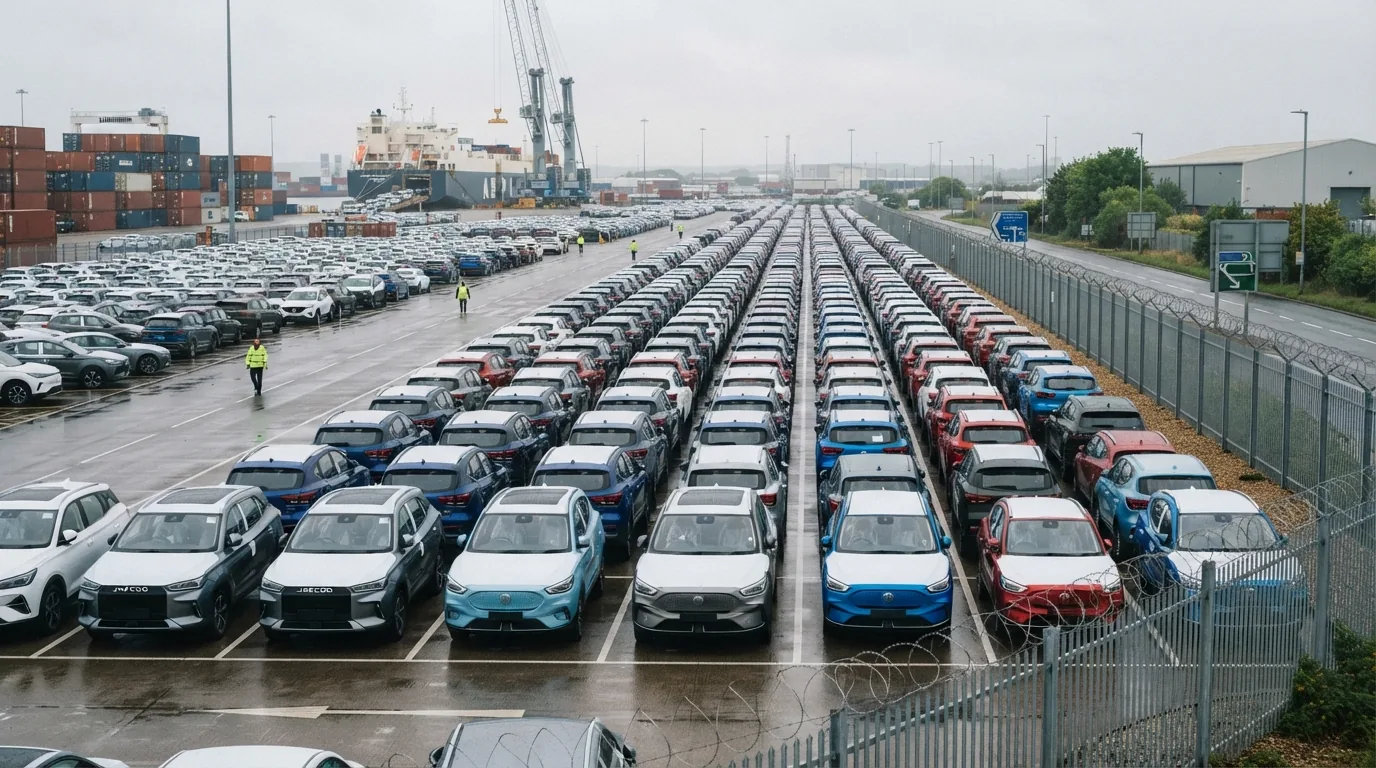
Chinese brands take 23.3% of UK car sales as Jaecoo 7 tops September
Nearly one in four new cars sold in September came from a Chinese brand, even though cars built in China get no Electric Car Grant. Here is what it means for prices, discounts and resale.
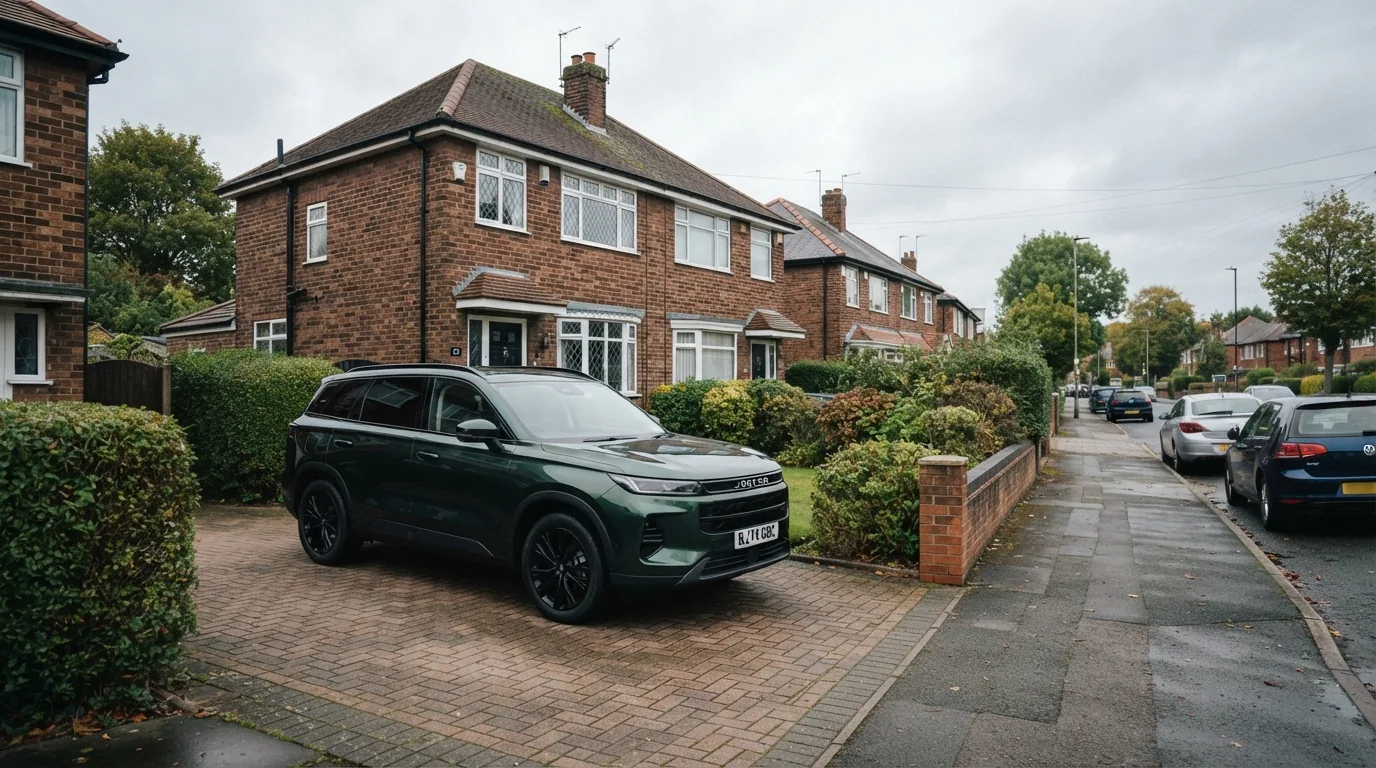
Chery's four UK brands outsold Volkswagen with 32,830 September sales
Jaecoo, Chery, Omoda and Lepas beat Britain's biggest single brand by 6,858 cars, but two-thirds of Omoda and Jaecoo sales were hybrids or plug-in hybrids rather than fully electric cars.
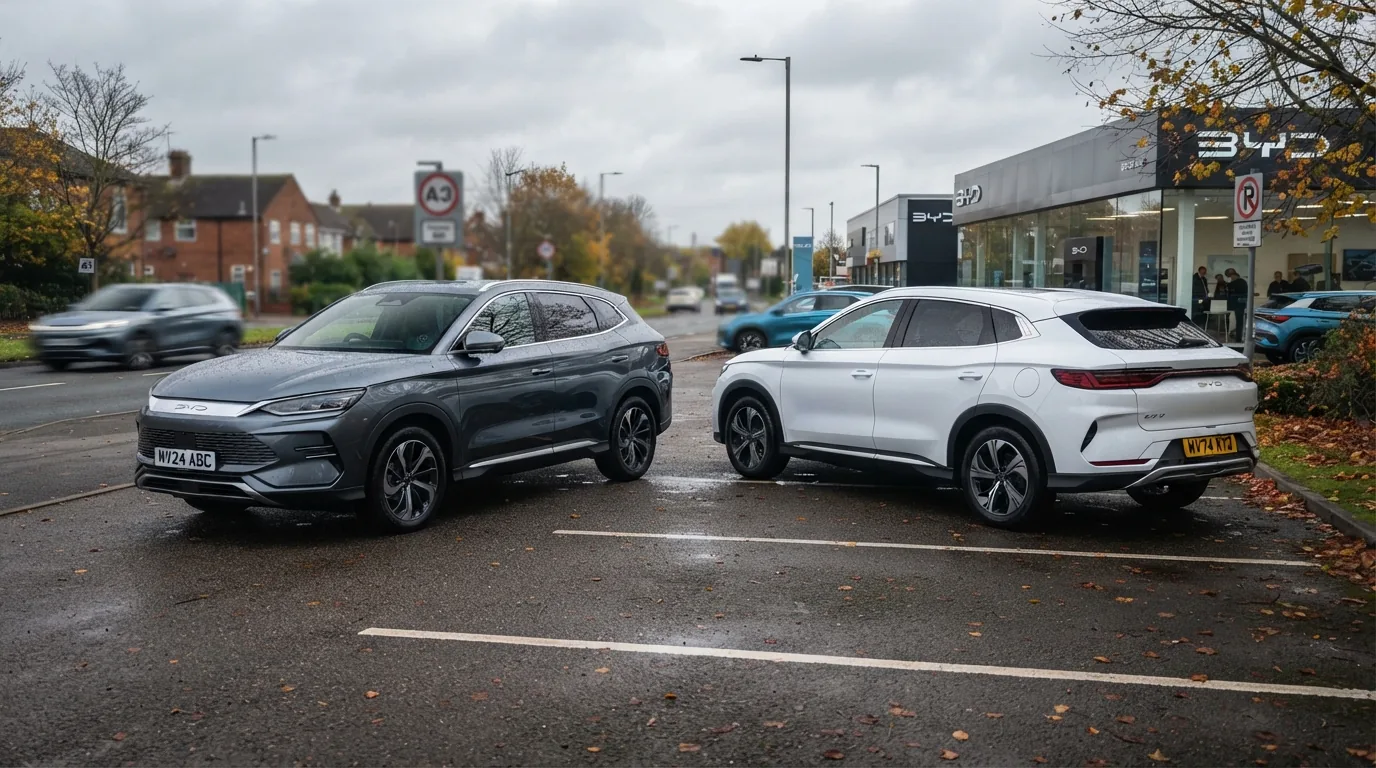
BYD hits record 20,129 UK sales in September, second only to VW
BYD outsold every brand except Volkswagen without any Electric Car Grant help, and plug-in hybrids appear to have done much of the lifting. Here is what its push means for deals and resale values.
EU Chinese plug-in hybrid tariffs threat: what it means for UK
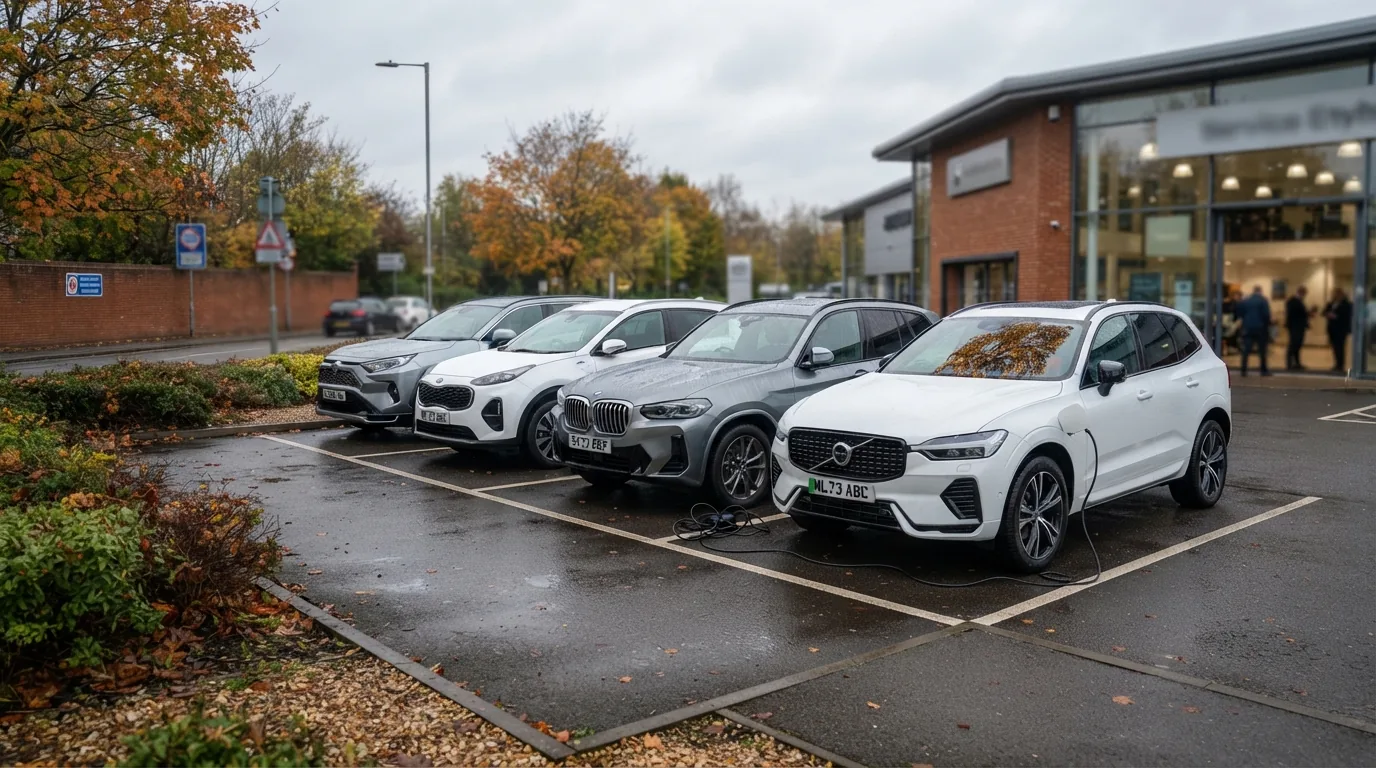
Brussels has asked China to cap its hybrid exports or face new duties, but nothing is agreed. Britain charges only the standard 10% on Chinese cars today, and ministers are reportedly weighing tariffs on Chinese EVs.
EV price cuts UK: Toyota and Vauxhall October offers
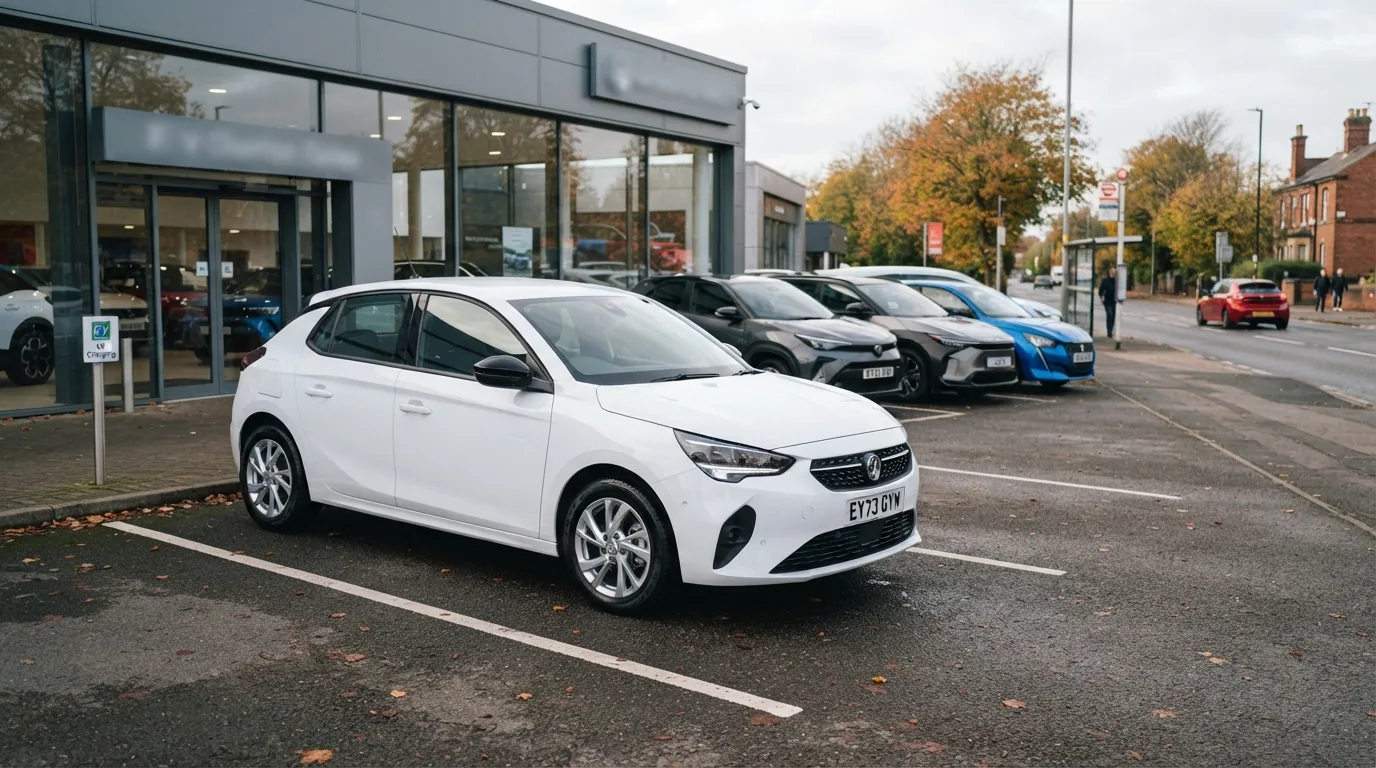
As of 6 October 2026, Toyota and Vauxhall have electric car offers running to 15 December. Here is what we could confirm, where the money comes from and what to ask the dealer.
UK weighs Chinese EV tariffs of up to 45%: what it means for prices
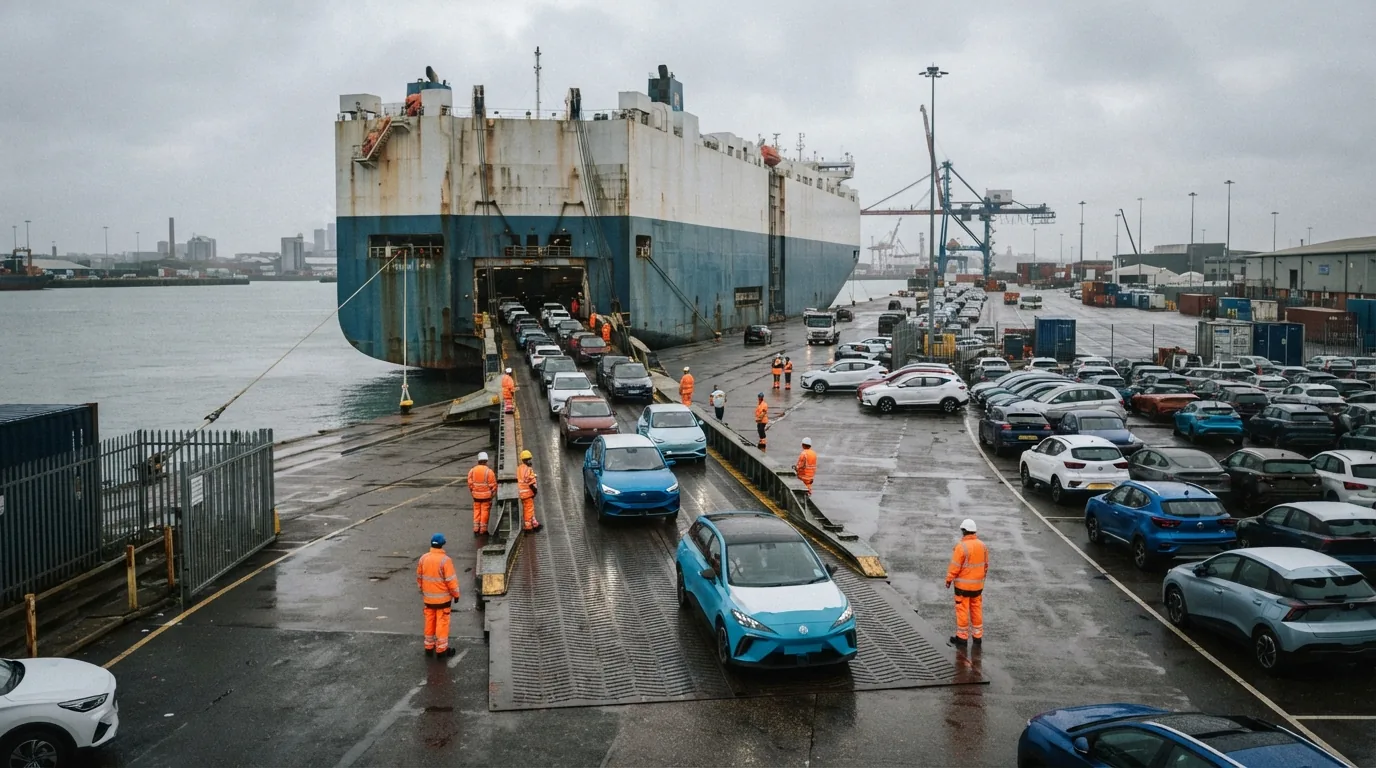
The Times reports that ministers are drawing up options to match the EU's duties, which would end Britain's open door to Chinese-built EVs. Nothing is decided, and the government has not confirmed a plan.