Plug-in hybrid sales jump 56% to a record 17% of UK market
Plug-in hybrids grew faster than fully electric cars in September, up 55.7% to 59,563 registrations. Here is what drove it and whether a PHEV or an EV suits you better now.
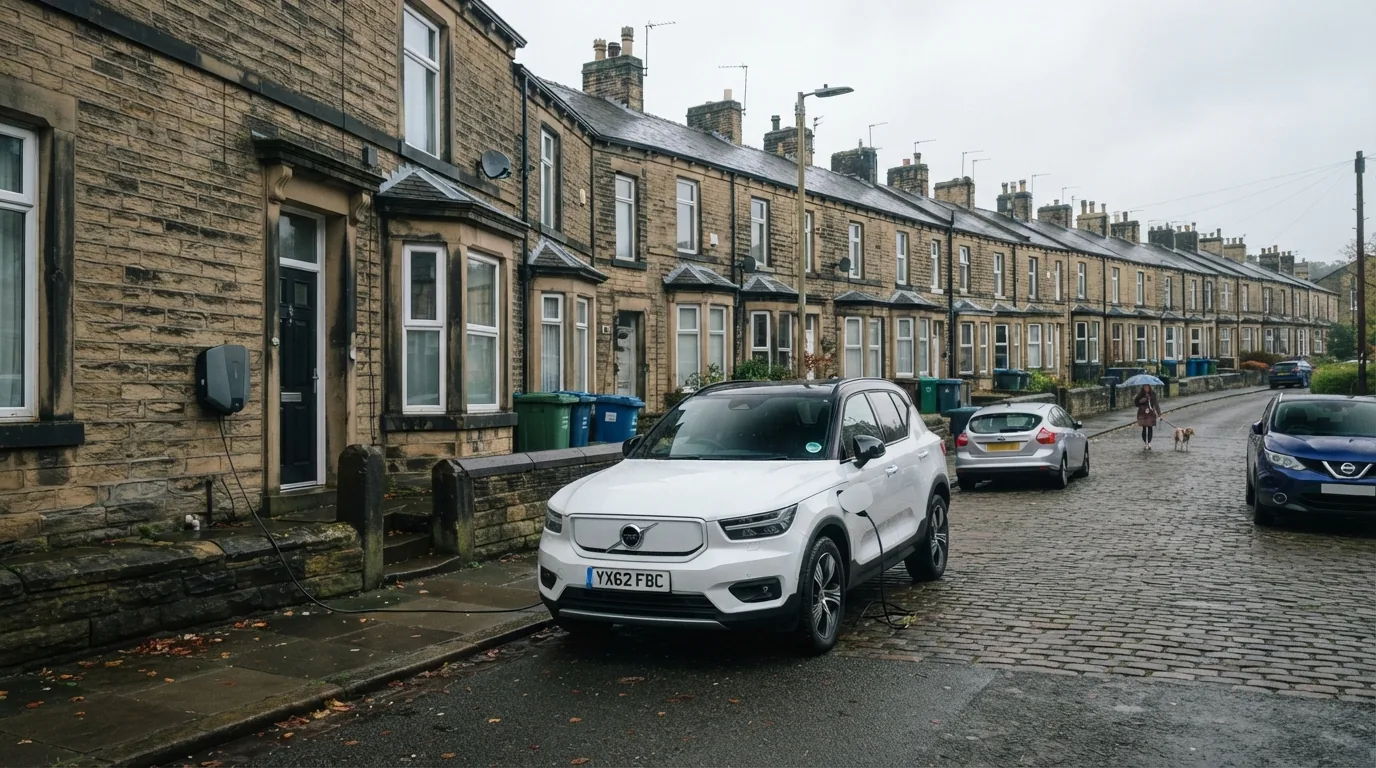
Quick answers
- Plug-in hybrid registrations rose 55.7% to a record 59,563 in September 2026, a record 17.0% of the UK market.
- Fully electric cars rose 36.3% to 99,199 and took 28.3% of the market, so PHEVs grew faster than BEVs.
- Self-charging hybrids went the other way, down 4.2% to a 13.1% share, while all electrified cars took a record 58.4%.
- Company car tax relief for plug-in hybrids runs on a temporary easement from April 2026 to 2028, with 2028/29 changes weakening the advantage.
Plug-in hybrid registrations jumped 55.7% to a record 59,563 in September 2026, taking a record 17.0% of the UK new car market, according to SMMT. Fully electric cars took the headlines with a record 99,199 registrations, but plug-in hybrids grew faster. For UK drivers it shows a large group of buyers moving towards electrified cars while still wanting a petrol engine as back-up, and it raises the question of whether a plug-in hybrid or a full EV is the better buy.
How the September numbers break down
The market grew 12.1% to 350,518 cars, and electrified vehicles (battery electric, plug-in hybrid and hybrid) took a record 58.4% share (Electrifying). Battery electric cars rose 36.3% to 99,199 and a 28.3% share, up five percentage points (Electrek). Our full September EV sales report covers the battery electric side in detail.
| Powertrain | September 2026 registrations | Change on year | Market share |
|---|---|---|---|
| Battery electric (BEV) | 99,199 | up 36.3% | 28.3% |
| Plug-in hybrid (PHEV) | 59,563 | up 55.7% | 17.0% |
| Hybrid (HEV) | 45,838 | down 4.2% | 13.1% |
| All electrified | Not quoted | Not quoted | 58.4% |
The hybrid figures come from Just Auto. The pattern is clear: the two plug-in types are growing and the self-charging type is shrinking, so buyers who want electrified cars are choosing to plug in.
Why plug-in hybrids are growing so fast
The sources we found credit the BEV growth to model choice, discounts and the Electric Car Grant. None of the sources we found gives a single official reason for the PHEV jump, so what follows is our reading, not an SMMT finding.
Chinese brands. BYD recorded 37,995 UK registrations in the first half of 2026, up 95%, as its retail network grew from five sites to 143, with a growing line of DM-i plug-in hybrids. Chery’s Jaecoo 7 was the UK’s best-selling new car in March 2026, according to SMMT figures reported by Motoring Research. Our report on Chinese brands’ 23% share shows how much of the market they now hold.
Company car tax. A temporary tax easement runs from April 2026 to 2028 and keeps plug-in hybrids attractive to company car drivers, with some PHEVs rated as low as 7% benefit in kind. The same source says the 2028/29 changes make that advantage much less compelling over a typical lease.
Plug-in hybrid or full EV: which makes sense now?
A plug-in hybrid only beats a petrol car on running costs if you charge it regularly, because otherwise you are carrying a battery while burning fuel. A full EV removes the petrol engine and its servicing, and our hybrid versus full electric guide sets out the sums. The grant also matters: our Electric Car Grant guide lists the eligible electric cars.
| Your situation | Better fit |
|---|---|
| Home charging and mostly local trips | Full EV |
| No reliable charging, occasional long trips | Plug-in hybrid |
| Company car with the temporary tax easement | Check both, as tax rates differ by model |
| Cheapest running costs for high mileage | Full EV with home charging |
Reading the numbers against the full EV result
The two plug-in types together took 45.3% of the market, which is 28.3% for BEVs plus 17.0% for PHEVs. Self-charging hybrids at 13.1% make up the rest of the 58.4% electrified total. BEV share has risen five points on a year ago, and PHEVs have grown even faster in percentage terms, up 55.7% against 36.3%. A bigger percentage rise from a smaller base is expected, so the 99,199 BEVs still outnumber PHEVs by about 40,000 cars. The point worth noting is that growth is coming from plug-in cars while the self-charging category falls, which fits buyers choosing cars they can plug in, though SMMT has not said why.
What the record means for the market
Plug-in hybrids now hold 17.0% of the market, more than one car in six, and the 59,563 registrations are close to 60% of the battery electric total. Self-charging hybrids at 13.1% are now smaller than plug-in hybrids by almost four points. That matters for the wider picture: with the ZEV mandate gap still open, the strength of plug-in hybrids shows demand for electrified cars is there, even where buyers are not yet ready for a full EV.
What this means for you
If you can charge at home, a full EV is likely the cheaper car to run and the type the Electric Car Grant covers (for eligible electric cars). If you cannot, or you cover long distances with patchy charging, a plug-in hybrid is a reasonable step, provided you plug it in. Company car drivers should check the tax rate on the exact model, because the easement is temporary and the rules tighten from 2028/29.
How we test and where our numbers come from
Range figures are official WLTP combined values taken from manufacturer UK specification pages, with real-world estimates drawn from independent comparative testing. Prices are UK list prices at the time of the latest update. Tax, grant and charging-scheme figures come from GOV.UK and HMRC publications. We re-check every guide when pricing, specification or policy changes. Last checked 6 October 2026.
Frequently asked questions
How many plug-in hybrids were sold in the UK in September 2026?
SMMT figures show 59,563 plug-in hybrids were registered, up 55.7% on September 2025. That is a record volume and a record 17.0% share of a 350,518-car market.
Did plug-in hybrids outsell electric cars?
No. Fully electric cars registered 99,199, or 28.3% of the market, against 59,563 plug-in hybrids at 17.0%. The PHEV total grew faster, though: 55.7% against 36.3% for BEVs.
Are self-charging hybrids also growing?
No. Hybrid electric vehicle registrations fell 4.2% in September and their share dropped to 13.1%.
Is a plug-in hybrid or a full EV better for me?
A PHEV suits drivers who cannot charge reliably or regularly make long journeys, but it only saves money if you plug in often. A full EV is cheaper to run for drivers with home charging, and the Electric Car Grant is for eligible electric cars.
Sources and further reading
- smmt.co.ukSMMTPrimary source referenced in this article.
- electrifying.comSMMT new car sales up September 2026Coverage of the September 2026 SMMT figures.
- electrek.coUK EV sales record September 2026, Tesla Model 3Coverage of the September 2026 SMMT figures.
- just-auto.comUK car market gets a BEV boost in SeptemberHybrid electric vehicle registrations down 4.2% to a 13.1% share.
- fleetnews.co.ukGovernment to legislate to avoid company car tax hike on PHEVsCompany car tax treatment of plug-in hybrids.
- wessexfleet.co.ukTax changes affecting fleets in 2026 and beyondThe temporary tax easement from April 2026 to 2028 for company car drivers.
- automotiveworld.comBYD passes its 100,000 UK sales milestone in three yearsBYD's first-half 2026 UK registrations and retail network growth.
- motoringresearch.comJaecoo 7 becomes Britain's best-selling car in March 2026Jaecoo 7 topped the UK chart in March 2026.

EV Compared
The EV Compared editorial team tracks the UK electric vehicle market full time: new model launches, list prices, WLTP and real-world range, public charging tariffs and the tax rules that decide what an EV actually costs to run. Every guide is checked against manufacturer specifications and official GOV.UK figures, and updated whenever the numbers move.
Related reading
View all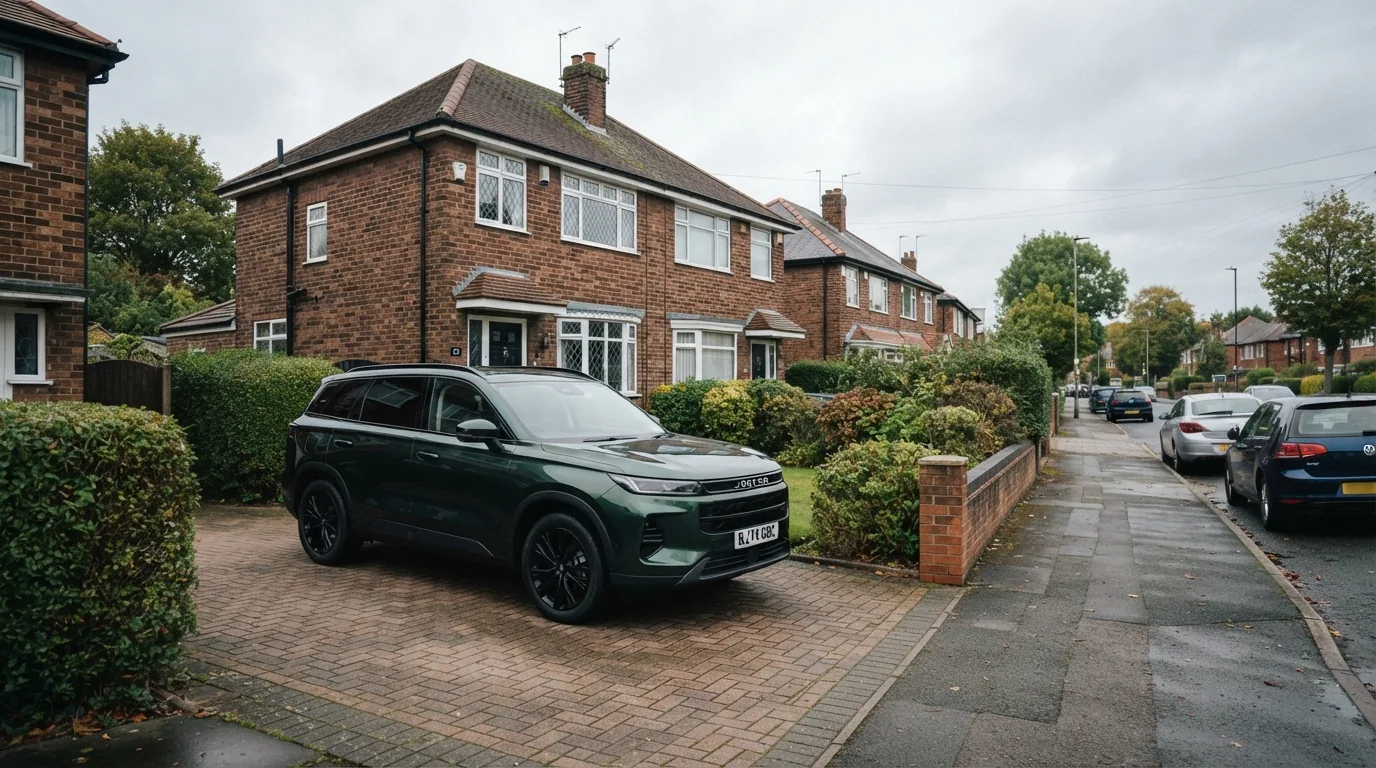
Chery's four UK brands outsold Volkswagen with 32,830 September sales
Jaecoo, Chery, Omoda and Lepas beat Britain's biggest single brand by 6,858 cars, but two-thirds of Omoda and Jaecoo sales were hybrids or plug-in hybrids rather than fully electric cars.
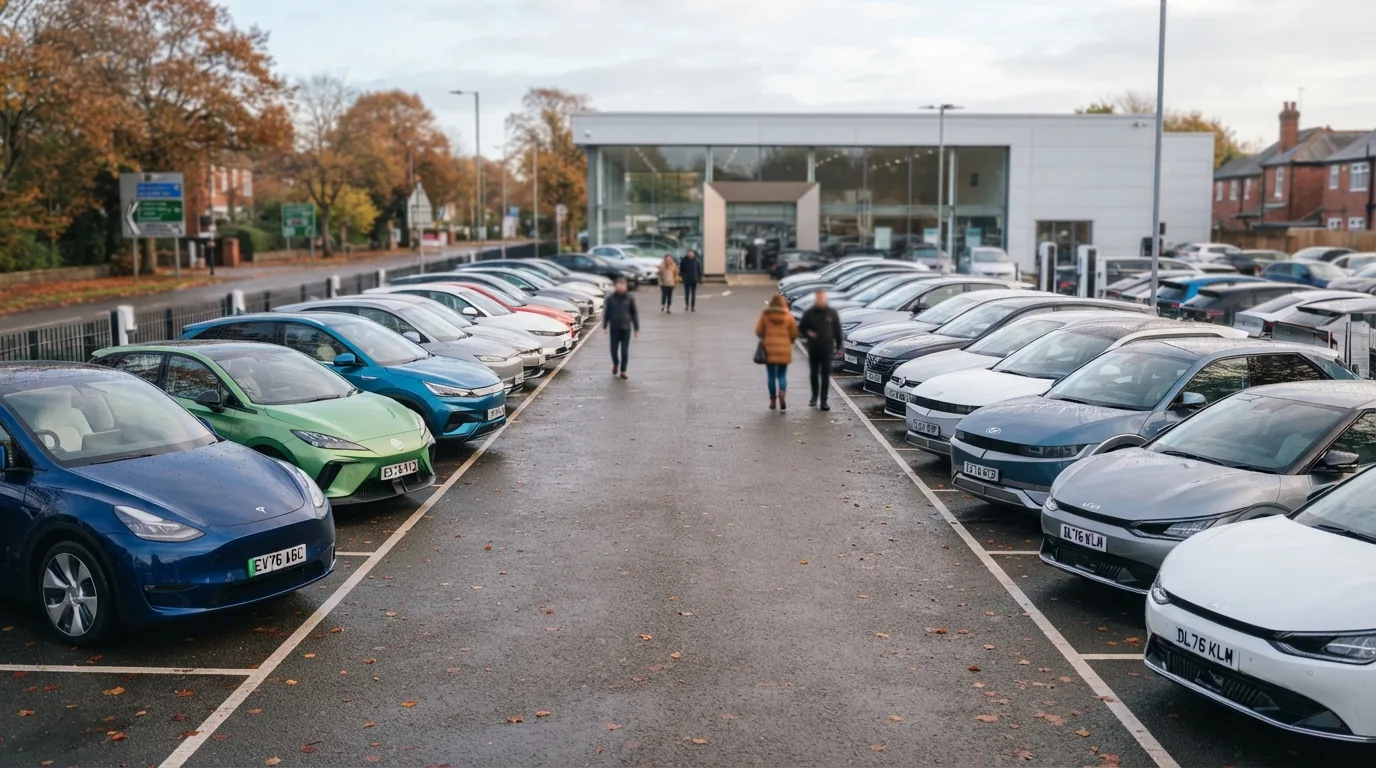
UK electric car sales hit record 99,199 in September
Battery electric cars took 28.3% of the plate-change month, the best ever for UK EV registrations. The year to date is still 26.2%, well short of this year's 33% ZEV mandate target.
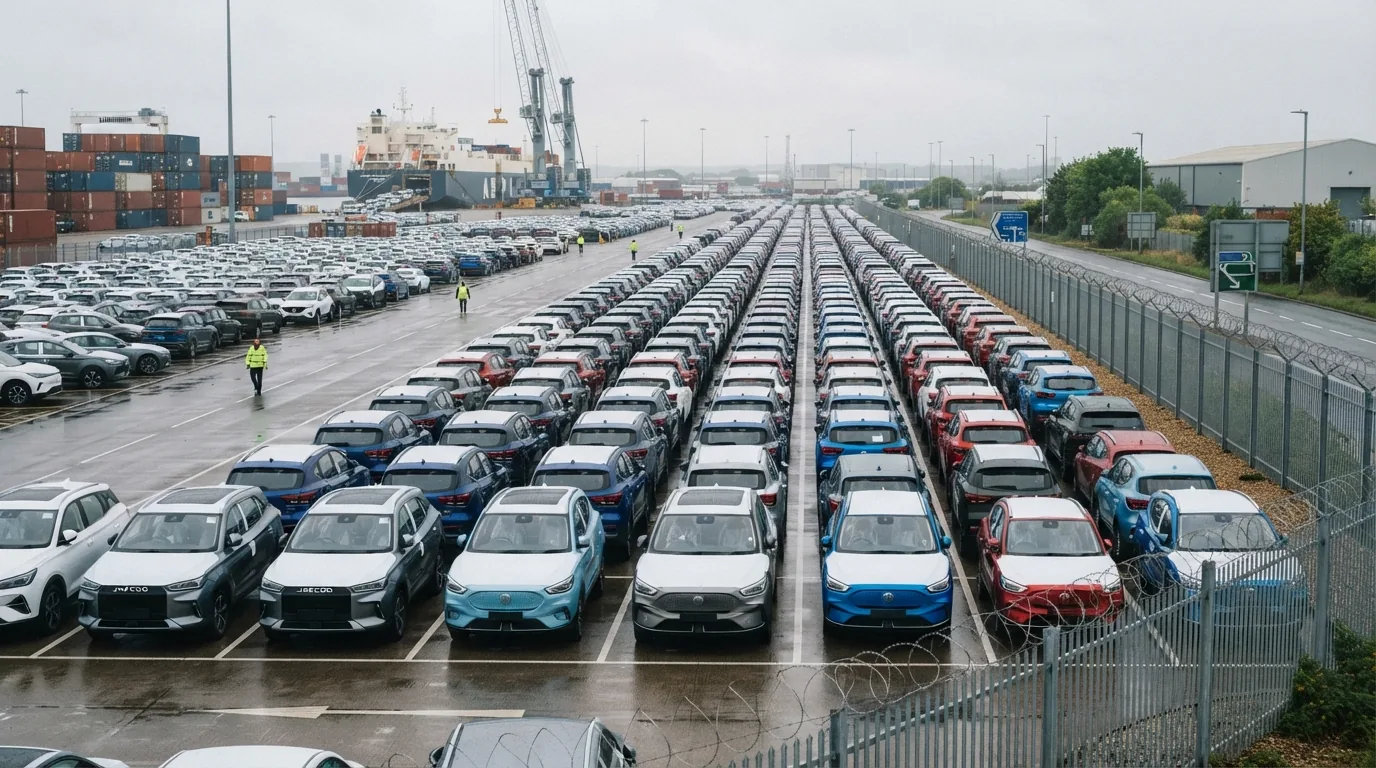
Chinese brands take 23.3% of UK car sales as Jaecoo 7 tops September
Nearly one in four new cars sold in September came from a Chinese brand, even though cars built in China get no Electric Car Grant. Here is what it means for prices, discounts and resale.
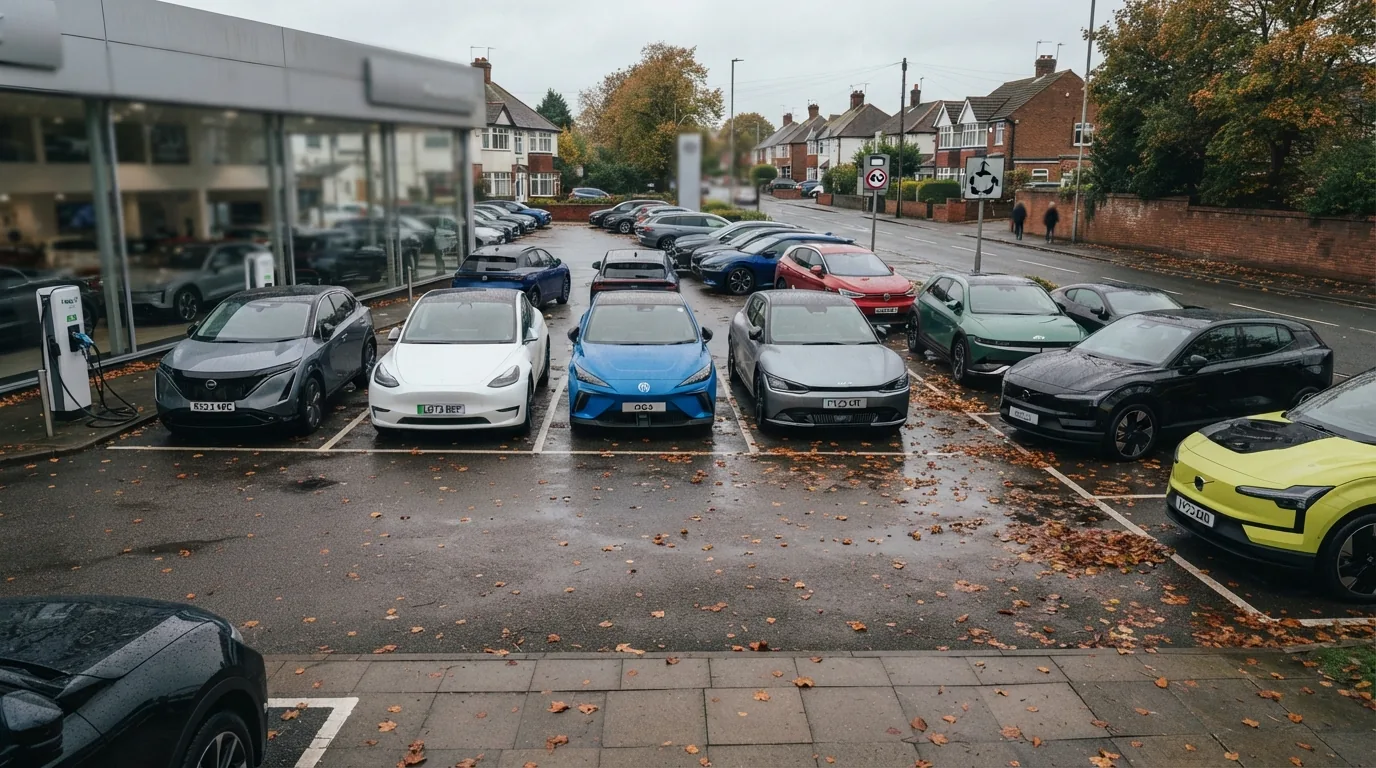
ZEV mandate: carmakers need 265,000 more EV sales by year end
Even after a record September, electric cars make up only 26.2% of 2026 sales so far against a 33% target. Here is what that gap means for EV discounts and when to order.
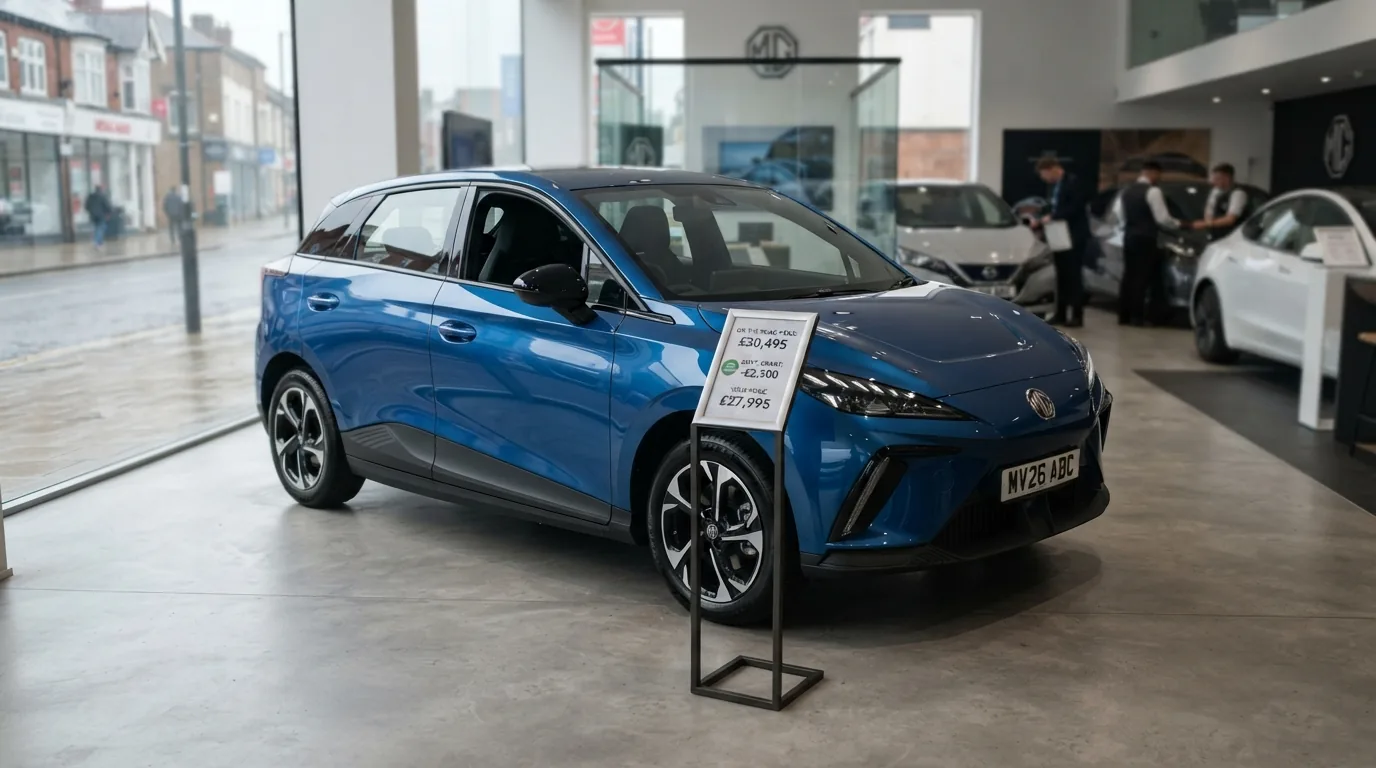
What Is the Electric Car Grant and Who Qualifies in 2026?
A plain-English guide to the UK's two-band EV purchase grant, which cars make the list and how the discount works
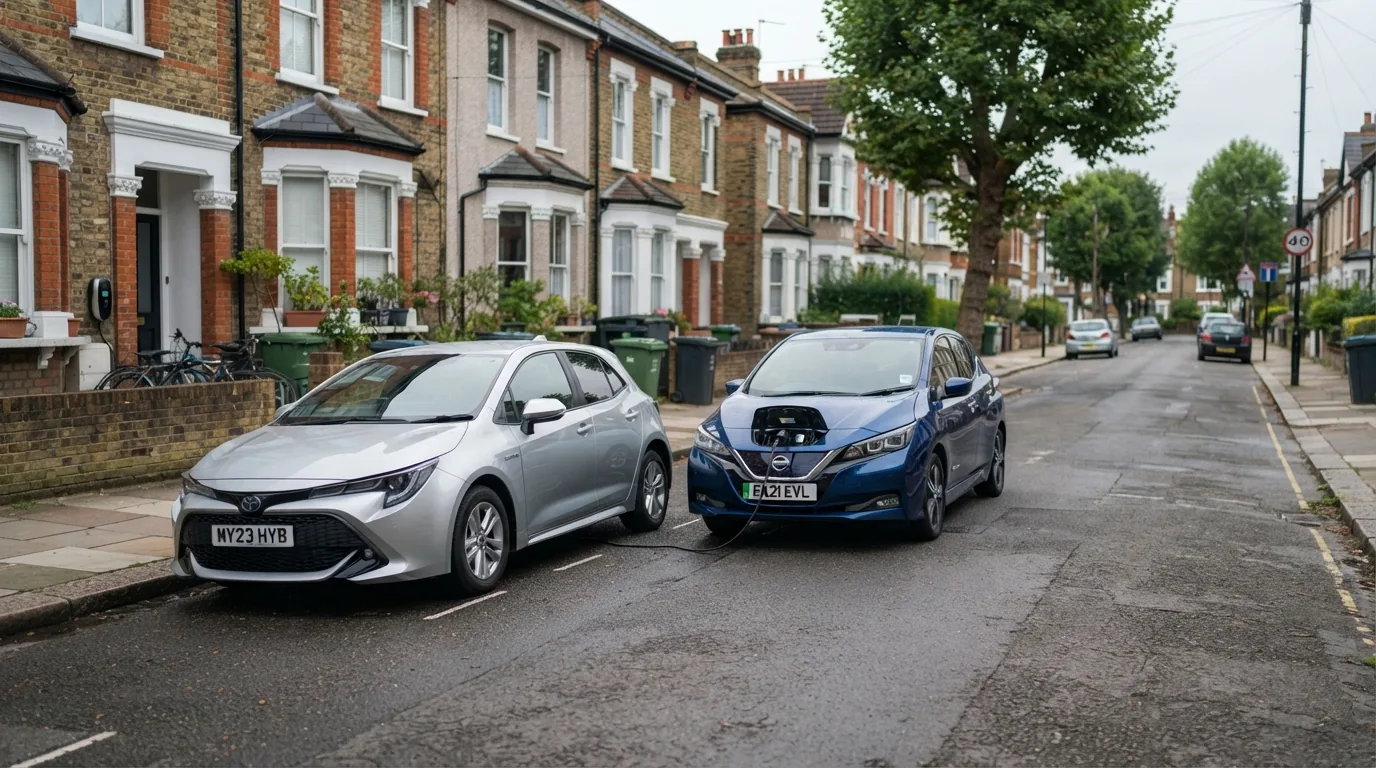
Hybrid vs Full Electric: Which Should You Switch To?
Thinking of leaving petrol behind? We compare hybrids and full electric cars for UK drivers switching from ICE, including running costs, range and what the 2035 ban means for your choice.