Sub-£20,000 electric cars: five new models on sale or due by 2027
The Hyundai Ioniq 3 and Honda Super-N already cost less than £20,000, and Renault, Dacia and Nissan have promised more. We list each one's range and which prices are actually confirmed.
Quick answers
- The Hyundai Ioniq 3 42kWh costs £18,495 after the £3,750 Electric Car Grant and is rated at 213 miles WLTP, 50 miles more than the Renault Twingo E-Tech.
- The Honda Super-N costs £18,995 with no grant, and its 199-mile figure is a city-cycle number: on the WLTP combined cycle it manages 128 miles.
- Renault promises the 163-mile Twingo E-Tech for under £20,000 and Dacia the 155-mile new Spring for under £18,000 before any grant, but neither has a UK price list yet.
- Nissan's Pixo, a 161-mile Twingo twin, gets UK prices in December and deliveries from early 2027. The Smart #2, MG2 and Leapmotor B03 follow in 2027, with UK price estimates from about £20,000.
- The cheapest new EV on sale today is the current Dacia Spring at £11,990 with 140 miles WLTP. Its replacement arrives in 2027.
Hyundai has opened UK orders for the Ioniq 3 at £18,495 once the £3,750 Electric Car Grant is applied, electrive reported on 5 October. It joins the Honda Super-N, open for orders since June at £18,995, as a new EV with a confirmed UK price below £20,000, and Renault, Dacia and Nissan have promised three more by 2027. For UK drivers, a new EV at under £20,000 no longer means only the Dacia Spring, but range and price certainty vary widely between these cars.
More small cars are on the way. The Paris Motor Show has a press day on 12 October and opens to the public on 13 October, where Smart will show the production #2 city car (Autocar), and Citroen will reveal its 2CV concept on 11 October (Autocar). Below is every new model priced, promised or expected below £20,000 on sale or due by 2027, and which of those prices are confirmed.
Which new electric cars cost under £20,000?
Five new models are priced, promised or firmly expected under £20,000 by 2027. Only two have confirmed UK prices.
| Model | UK price | Grant status | Battery | WLTP range | Status |
|---|---|---|---|---|---|
| Hyundai Ioniq 3 Advance 42kWh | £18,495 | After £3,750 grant (£22,245 before) | 42kWh | 213 miles | Orders open |
| Honda Super-N | £18,995 | Not eligible | 29.6kWh | 128 miles (199 city) | Orders open since June 2026 |
| Renault Twingo E-Tech | Under £20,000 (promised) | Price list not yet published | 27.5kWh | 163 miles | Order books due later in 2026; deliveries expected towards the end of 2026 |
| Dacia Spring (new generation) | Under £18,000 (promised) | Before any grant | 27.5kWh | 155 miles | Due in 2027 |
| Nissan Pixo | Under £20,000 (Autocar estimate) | UK prices due in December | 27.5kWh | 161 miles | Deliveries from early 2027 |
Sources: Hyundai UK, Honda UK, The Electric Car Scheme, Autocar, WhichEV and electrive.
Hyundai Ioniq 3 or Honda Super-N: which is better value?
The two cars with confirmed prices are £500 apart, but they are not close on range. Every Hyundai Ioniq 3 qualifies for Band 1 of the grant, according to Hyundai UK. The 42kWh Advance is rated at up to 213 miles, and the 61kWh version stretches that to 308 miles for £21,995 after the grant. It also has a 441-litre boot.
The Super-N costs £18,995 and gets no grant: The Electric Car Scheme reports that it is not eligible. Honda’s headline 199 miles is a WLTP city figure. On the WLTP combined cycle, which is the one used for the other cars here, its 29.6kWh battery is good for 128 miles. That is 85 miles less than the cheaper Ioniq 3. In its favour, the Super-N is a genuinely small city car, and its Boost mode raises output from 47kW to 70kW (electrive).
Our view: if one car has to do everything, including motorway trips, the Ioniq 3 is clearly the better value. The Super-N makes sense for someone who wants a characterful second car and rarely leaves town.
Twingo, Spring and Pixo: three city cars, one battery size
The next wave of sub-£20,000 cars all use a 27.5kWh LFP battery, so their ranges are within 8 miles of each other. What separates them is price and timing.
Renault Twingo E-Tech
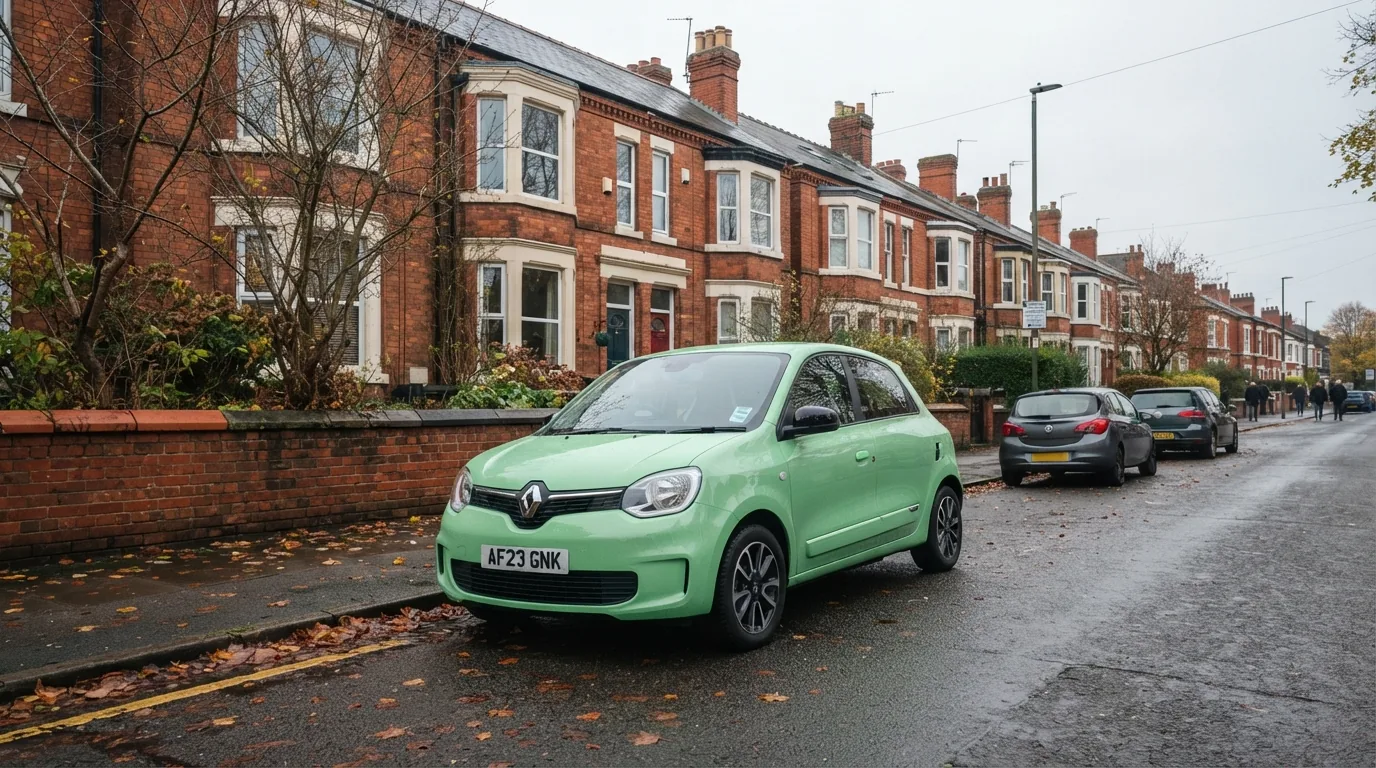
Renault promises a UK starting price under £20,000 for the Twingo, which has a 60kW motor and up to 163 miles WLTP (Autocar). More than 100 cars went to UK retailers for static display in late July, and a £100 R-Pass gives priority in the order queue (WhichEV). Reports point to order books opening later this year and deliveries towards the end of 2026, while AM Online describes a 2027 UK launch. Our Renault Twingo E-Tech price story has the details.
New Dacia Spring
Dacia says the whole UK range of the new Dacia Spring will cost under £18,000 before any government subsidy, with up to 155 miles WLTP. Final prices and the on-sale date are still to come (WhichEV). The catch is that the current Spring is cheaper: Dacia cut it to £11,990 in July, with up to 140 miles (electrive).
Nissan Pixo
The Nissan Pixo was revealed on 23 September. Renault builds it in Novo Mesto, Slovenia, and it has a 60kW motor, up to 161 miles WLTP and 50kW rapid charging that goes from 15 to 80% in about 28 minutes (electrive). UK prices are due in December, with deliveries from early 2027. Autocar calls it a sub-£20,000 Twingo twin.
Which cheap EVs could land close to £20,000?
Several more small EVs are expected near the £20,000 mark, though none has a confirmed UK price.
| Model | Expected UK price | Range | Timing |
|---|---|---|---|
| Smart #2 | About £20,000 to £25,000 (estimate); under €22,500 in Europe | About 186 miles | Early 2027 |
| MG2 | About £20,000 (estimate) | Not yet published | 2027 |
| Leapmotor B03 | Low £20,000s (estimate) | Up to 242 miles | First half of 2027 |
| Citroen 2CV | Under £15,000 target | Not yet published | Production from 2028 |
| Ford supermini on Renault platform | Not announced | Not yet published | Early 2028 |
Sources: electrive, Auto Express, Autocar, What Car? and Autocar.
The Smart #2 is a two-door, two-seat successor to the Fortwo. The MG2 figure is an estimate, not a confirmed price. The 2CV is the most aggressive on price, but it is a 2028 car; Ford has two Renault-platform models planned for early 2028 and has not confirmed the Fiesta name. For more detail, see our MG2 electric supermini report.
What can you buy for under £20,000 today?
Away from the new arrivals, the choice is thin. The current Dacia Spring costs £11,990, and the BYD Dolphin Surf Active costs £18,650 with 137 miles WLTP. The Dolphin Surf Boost has 200 miles but costs £21,950 (The Electric Car Scheme).
Just above the line are the Geely EX2 Pro at £20,990 with 155 miles (electrive), and the Fiat Grande Panda Electric and 500e, both from £20,995 in Fiat’s January price list, which cut the 500e by £4,040 (electrive). The Renault 5 E-Tech starts from £21,495 (electrive).
The grant explains the split. It takes up to £3,750 off eligible EVs with a list price of £37,000 or less, but it scores the carbon intensity of vehicle assembly and battery production, which rules out China-built cars (Which?). The Chinese-built Spring has to get under £20,000 on list price alone, while the Ioniq 3 gets there only with the full grant. Our list of Electric Car Grant eligible models shows which cars get which band.
Should you buy now or wait?
If you need one car that can also do motorway trips, we would not wait. At £18,495 after the grant, the Ioniq 3 is the only new car with a confirmed price under £20,000 and more than 200 miles of WLTP range.
Waiting makes more sense if you mainly drive in town or want a cheap second car. The Twingo’s UK price list should arrive within months, the Pixo is priced in December and the new Spring follows in 2027. All three promise about 155 to 163 miles, so you would be waiting for a lower price rather than a longer range. Until those prices are confirmed, the current Spring at £11,990 remains the cheapest way into a new EV. For a broader look at timing, see our guide to whether to buy an EV now or wait for cheaper models.
How we test and where our numbers come from
Range figures are official WLTP combined values taken from manufacturer UK specification pages, with real-world estimates drawn from independent comparative testing. Prices are UK list prices at the time of the latest update. Tax, grant and charging-scheme figures come from GOV.UK and HMRC publications. We re-check every guide when pricing, specification or policy changes. Last checked 6 October 2026.
Frequently asked questions
Which new electric cars cost under £20,000 in the UK?
The Hyundai Ioniq 3 Advance 42kWh costs £18,495 after the £3,750 grant and the Honda Super-N costs £18,995. The current Dacia Spring (£11,990) and BYD Dolphin Surf Active (£18,650) are also under £20,000, and the Renault Twingo E-Tech, new Dacia Spring and Nissan Pixo are promised or expected below that line.
Does the Honda Super-N qualify for the Electric Car Grant?
No. The Electric Car Scheme reports that the Super-N is not eligible, so £18,995 is the price you pay with no grant. Its WLTP combined range is 128 miles, while the 199-mile figure Honda quotes is for city driving.
When can you buy the Renault Twingo E-Tech in the UK?
Renault sent more than 100 left-hand-drive Twingos to UK retailers for static display in late July, with order books due to open later in the year. Reports point to deliveries towards the end of 2026, while AM Online describes a 2027 UK launch. Renault has promised a starting price under £20,000.
What is the cheapest new electric car in the UK?
The Dacia Spring, which Dacia cut to £11,990 on the road in July 2026. It has a 24.3kWh battery and up to 140 miles of range, and an all-new Spring promised at under £18,000 replaces it in 2027.
Should I wait for a cheaper electric car?
Only if you mainly drive in town and can wait for confirmed prices. The Ioniq 3 offers 213 miles for £18,495 now, while the Twingo, new Spring and Pixo offer 155 to 163 miles and have no final UK price lists yet.
Sources and further reading
- hyundai.newsHyundai UKPrimary source referenced in this article.
- electriccarscheme.comHonda Super-N: Price, Range & Sal SacSuper-N not eligible for the grant, 29.6kWh battery and 128-mile WLTP combined range.
- hondanews.euExhilarating Honda Super-N delivers small car, big fun from just £18,995Super-N UK price, 199-mile city range and Boost mode output.
- autocar.co.ukSub-£20k price, 163-mile range: new Renault Twingo aims to revive the city car classTwingo E-Tech price promise, 27.5kWh battery and 163-mile range.
- whichev.netNew Dacia Spring targets sub-£18,000 pricing and 155-mile rangeNew Spring price target before grants, battery and WLTP range.
- electrive.comDacia drops Spring below £12,000 in UKCurrent Spring price cut to £11,990 and its 140-mile range.
- electrive.comNissan Pixo: an electric return to the A-segmentPixo battery, range, charging, Slovenian production and UK timing.
- whatcar.comCitroën 2CV to return as £15k electric city car in 2028Citroen 2CV production timing and sub-£15,000 price target.

EV Compared
The EV Compared editorial team tracks the UK electric vehicle market full time: new model launches, list prices, WLTP and real-world range, public charging tariffs and the tax rules that decide what an EV actually costs to run. Every guide is checked against manufacturer specifications and official GOV.UK figures, and updated whenever the numbers move.
Related reading
View all
MG2 electric supermini: £20,000 expected ahead of 2027 UK sales
MG plans to reveal its MG2 city EV in the second half of 2026, with UK sales expected from 2027 at around £20,000. Here is what the MG GO! concept tells us, and what is still speculation.

Citroen 2CV returns as an EV targeting under £15,000 in the UK
The electric 2CV is shaped by EU small-car rules Britain has not adopted, and the production car is planned for 2028. Citroen's boss says the UK target is under £15,000 before any grant, but no price is confirmed.
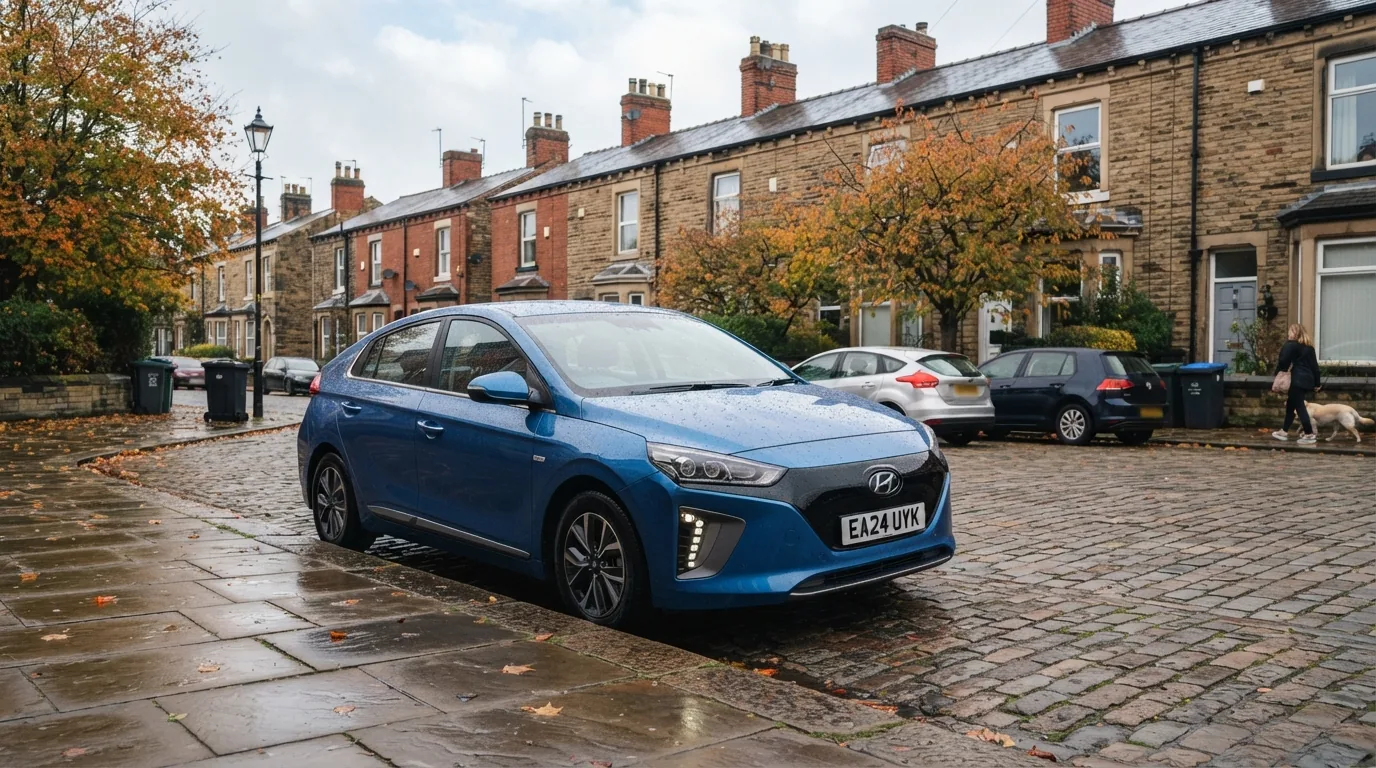
Hyundai Ioniq 3 opens UK orders at £18,495 with full £3,750 grant
Hyundai's small electric hatch gets the full £3,750 grant on every trim. That buys up to 308 miles of claimed range for £21,995, less than a longer-range Renault 5 or Kia EV2.
Nissan Pixo revealed: 161-mile Twingo twin due in UK in early 2027
Nissan is back in the city car class with a Renault Twingo twin, but UK prices are not out yet. Here is what 161 miles, 50kW charging and an expected £18,000 price would buy you.
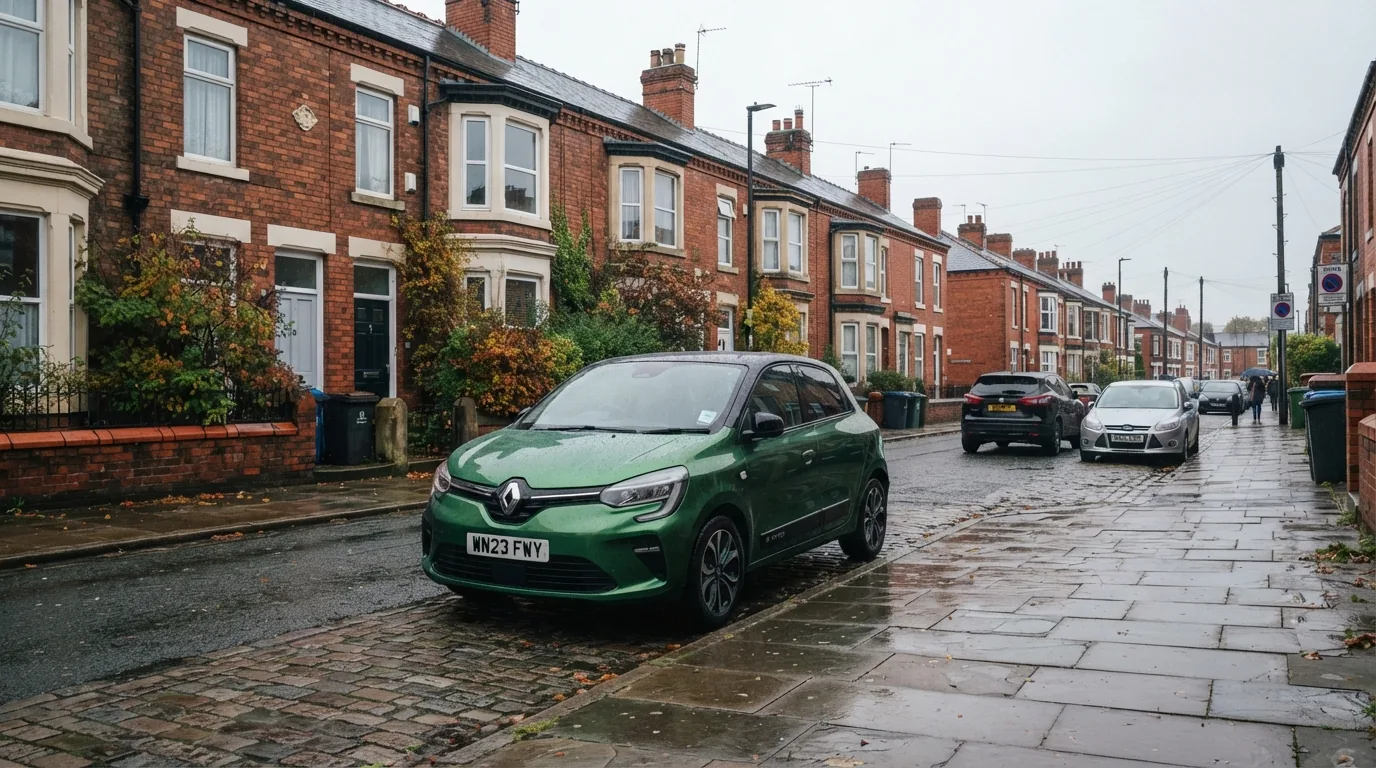
Renault Twingo E-Tech UK price: 163 miles for under £20,000
Renault promises a sub-£20,000 electric Twingo with 163 miles of range, but the UK price list and grant status are still unconfirmed. Here is what is known and how it stacks up.
Leapmotor B03: Renault 5 rival expected in UK in early 2027
Leapmotor's B03 electric supermini is due its European premiere at the Paris Motor Show this month, with UK sales expected in the first half of 2027. The price is not confirmed, but it should sit well below £29,000.