VW ID.Polo reviews: what UK testers say before November deliveries
The first UK drives of the right-hand drive ID.Polo landed on 26 October, less than two weeks before cars reach showrooms. Testers praise the refinement, cabin and boot, and grumble about a firm ride, an optional heat pump and prices higher up the range. Here is every verdict we could read, with our own range and running cost numbers.
Quick answers
- The first UK road tests of the right-hand drive VW ID.Polo were published on 26 October 2026, and Volkswagen UK says the car arrives in its retailers nationwide from 6 November.
- Scores we could read range from 7.8 out of 10 (The Car Expert) to 8.5 out of 10 (RAC) and 9 out of 10 (Electrifying.com), with 4.5 out of 5 from Auto Express and 4 out of 5 from Autotrader in earlier tests.
- The common praise is refinement, a better cabin with physical buttons, and a 441-litre boot; the common gripes are a firm ride on bigger wheels, a heat pump that costs £935 extra, and prices that climb quickly up the range.
- Volkswagen UK lists every Life and Style version as eligible for the £1,500 Electric Car Grant, which puts the cheapest ID.Polo at £22,445 and the 52kWh Life at £26,830.
- At the 3.7 miles per kWh The Car Expert recorded in cold weather, a 52kWh ID.Polo would cover about 192 miles on a full battery, against 281 miles WLTP.
- On Intelligent Octopus Go's 6.5p per kWh EV rate, that efficiency works out at about 1.8p a mile, or roughly £176 for 10,000 miles, against about £711 at the October price cap rate of 26.32p.
- The 52kWh ID.Polo Life costs £4,835 more than a Hyundai Ioniq 3 Advance 61kWh and £2,885 more than a Renault 5 techno+, but £1,665 less than a 52kWh Cupra Raval V1.
The first UK road tests of the right-hand drive Volkswagen ID.Polo were published on 26 October, and the verdict is broadly positive. The RAC scores it 8.5 out of 10 and calls it “a very impressive small electric car”, Electrifying.com gives it 9 out of 10, and Autocar headlines its drive “£24k EV is VW back at its best”. For a UK buyer, the message is that the electric Polo is refined, roomy and well made, but not the cheapest or longest-range small EV, and its ride, heat pump and upper-trim prices draw the most criticism.
Timing matters. Volkswagen UK says the ID.Polo arrives in its retailers nationwide from 6 November, so these reviews are what most buyers will read before a test drive. Below we set out every verdict we could read in full, then add our own numbers: prices against the Renault 5, Kia EV2, Hyundai Ioniq 3 and Cupra Raval, a real-world range estimate and a cost per mile at home. For trim-by-trim pricing, see our ID.Polo price and delivery guide.
What do the VW ID.Polo reviews say?
The table covers the reviews we could open. We have not driven the car ourselves, so every judgement here belongs to the outlet named.
| Outlet | Published | Version tested | Rating | Main gripe |
|---|---|---|---|---|
| RAC | 26 October 2026 | 211hp, 52kWh, UK roads | 8.5/10 | ”Gets pricey higher up the range”; slightly firm ride on bigger wheels |
| Electrifying.com | 26 October 2026 | Life Launch Edition, Oxfordshire | 9/10 | Styling “might be too safe for some”; over-cautious emergency braking |
| The Car Expert | 27 October 2026 | Style Launch Edition, 52kWh, Cotswolds | 7.8/10 | ”Interior is a little dreary”; limited rear headroom |
| Auto Express | 9 September 2026 | Style Launch Edition, 52kWh | 4.5/5 | Firm ride on rough urban roads; range and charging only average |
| Autotrader | 9 September 2026 | Not stated | 4/5 | Thump from the rear over motorway expansion joints; tyre and road noise |
| Motoring Research | Earlier drive, Austria | 52kWh, 211hp | No score | Tight rear legroom; wind rustle at high speed |
Auto Express and Autotrader published their reviews in September, so they may reflect earlier drives rather than the latest right-hand drive cars. What Car? and Fleet News also published first drives on 26 October, under the headlines “a comfortable, practical small electric car with a good range” and “The sensible touch”, but we could not open either page, so we have not quoted a rating from them. Autocar’s full review is behind a paywall, and we could not open Top Gear’s page.
What do testers like about the ID.Polo?
Three things come up again and again: refinement, the cabin and the boot.
- Refinement and comfort. The RAC says the ID.Polo is “among the quieter small electric cars on sale”. Electrifying.com calls it “classy, refined” and says it “feels a step up over its rivals”, finding it softer and more comfortable than the Renault 5.
- The interior. The RAC describes a “high quality, easy-to-use interior” and calls it “a real step forward over older electric VW cabins”. Autotrader is “pleased to see VW has reinstated physical switchgear throughout”, and Electrifying.com singles out the simple window switches and a physical volume control.
- Space. The boot holds 441 litres, or 1,240 litres with the seats folded, according to the RAC. Auto Express says that is 60 litres more than a Golf.
- Handling. Auto Express praises “excellent driving dynamics” and quick, well-judged steering, and the RAC found it more agile than the larger ID.3. The Car Expert calls it “fun to drive”.
What are the main complaints?
The criticisms are mostly minor, but they are consistent enough to be worth checking on a test drive.
- Ride. The RAC notes a “slightly firm ride on bigger wheels”, and Auto Express says the car struggles to isolate bumps on rougher urban roads compared with the Renault 5. Autotrader reports “a noticeable thump into the cabin’s rear” over motorway expansion joints.
- Noise. Autotrader says “tyre and road noise at speed are also higher than we would have expected”, and Motoring Research heard some wind rustle around the windscreen pillars at high speed.
- The heat pump. It is a £935 option, according to Auto Express and Electrifying.com, while the Renault 5 has one as standard. The RAC calls that “disappointingly” optional. A heat pump helps winter range, so it is worth thinking about if you do long journeys in cold weather.
- Rear space. The Car Expert says “rear headroom is limited”, and Motoring Research found rear legroom “rather tight”.
- Price higher up the range. The RAC and The Car Expert both say the car gets expensive in upper trims.
- Controls. The Car Expert notes that driving modes can only be changed through the touchscreen, and the RAC would like steering wheel paddles, which only the GTI gets.
Electrifying.com also points out that the general warranty is three years or 60,000 miles, shorter than many rivals, with the battery covered for eight years or 100,000 miles.
How much does the VW ID.Polo cost after the grant?
Volkswagen UK’s grant page lists all seven Life and Style versions, with both the 37kWh and 52kWh batteries, as eligible for the £1,500 Band 2 Electric Car Grant, correct as at 13 August 2026. Earlier reports, including our own price guide, said only the 52kWh cars qualified. The RAC and Carwow now both quote the ID.Polo from £22,445 including the grant, which matches Volkswagen’s list.
| Version | Battery and power | WLTP range | Price before grant | Price after £1,500 grant |
|---|---|---|---|---|
| Life | 37kWh, 116PS | Up to 200 miles | £23,945 | £22,445 |
| Life | 37kWh, 135PS | Up to 206 miles | £25,055 | £23,555 |
| Life | 52kWh, 211PS | Up to 281 miles | £28,330 | £26,830 |
| Style | 37kWh, 135PS | Up to 206 miles | £28,470 | £26,970 |
| Style | 52kWh, 211PS | Up to 281 miles | £31,745 | £30,245 |
Prices before the grant are from Electrifying.com, with the £1,110 step to the 135PS Life it reports; the RAC puts that step at £1,500, so treat the 135PS Life price as unconfirmed. Ranges are from the RAC, and the other after-grant prices match the RAC’s. Volkswagen’s own site says retailers set prices, so confirm the figure and the grant with your dealer.
How does the ID.Polo compare with the Renault 5, Kia EV2, Ioniq 3 and Raval?
These are the prices after any grant, for the entry version and the longer-range version of each car.
| Model and version | Battery | WLTP range | Price after grant | Price per WLTP mile |
|---|---|---|---|---|
| Hyundai Ioniq 3 Advance | 42kWh | Not given by Hyundai | £18,495 | n/a |
| Renault 5 evolution | 40kWh | Up to 197 miles | £21,495 | £109 |
| VW ID.Polo Life 116PS | 37kWh | Up to 200 miles | £22,445 | £112 |
| Cupra Raval Origin | 37kWh | Not confirmed | £23,785 (no grant) | n/a |
| Hyundai Ioniq 3 Advance | 61kWh | Up to 308 miles | £21,995 | £71 |
| Renault 5 techno+ | 52kWh | Up to 259 miles | £23,945 | £92 |
| Kia EV2 Air | 61kWh | Up to 275 miles | £24,245 | £88 |
| VW ID.Polo Life 211PS | 52kWh | Up to 281 miles | £26,830 | £95 |
| Cupra Raval V1 | 52kWh | Up to 275 miles | £28,495 | £104 |
Sources: Hyundai UK, electrive for Renault 5 prices, Kia UK for EV2 range (still marked WLTP pending), Cupra UK for the Raval V1 range and Carwow for the EV2 and Raval prices. Hyundai quotes up to 308 miles for the 61kWh Ioniq 3 without naming the test cycle. The Renault 5 ranges are Renault’s, from our Renault 5 update report; electrive’s figure in kilometres converts to 267 miles for the 52kWh car. Kia’s site lists the EV2 Air “from £27,995” and says that price includes grant savings, while Carwow and our Kia EV2 price report give £24,245 after the £3,750 grant, so check with a dealer. Price per WLTP mile is our own figure: the price after grant divided by the claimed range, rounded.
The pattern is clear. The ID.Polo is not the cheapest way into a small EV, and its grant is £1,500 where the Renault 5, Kia EV2 and Ioniq 3 get £3,750. The 52kWh Life costs £4,835 more than an Ioniq 3 Advance 61kWh, which claims 27 more miles, £2,885 more than a Renault 5 techno+ and £2,585 more than a Kia EV2 Air. It does undercut its Volkswagen Group sibling: a 52kWh Cupra Raval V1 costs £1,665 more. Our VW Group small EV comparison covers the Raval, Skoda Epiq and Audi A2 e-tron in more detail.
What range will you really get from an ID.Polo?
Less than the WLTP figure, as with any EV, and the testers’ efficiency numbers let us estimate how much less. The Car Expert recorded 3.7 miles per kWh over almost two hours in the Cotswolds in cold conditions. Auto Express saw about 3.5 miles per kWh on a motorway cruise and more than 4.0 around town and on country roads. Both drove the 52kWh car.
| Battery | At 3.5 miles per kWh (motorway) | At 3.7 miles per kWh (cold, mixed) | At 4.0 miles per kWh (town) | WLTP claim |
|---|---|---|---|---|
| 52kWh | About 182 miles | About 192 miles | About 208 miles | Up to 281 miles |
| 37kWh | About 130 miles | About 137 miles | About 148 miles | Up to 200 to 206 miles |
Our inputs: the battery sizes Volkswagen quotes, multiplied by the efficiency figures above. Usable capacity may be slightly different from the quoted size, and nobody we read has published efficiency for the lighter 37kWh car, so treat that row as a rough guide. The Car Expert’s own estimate for the 52kWh car was about 190 miles, close to ours. Better weather will improve these figures: Motoring Research averaged 4.8 miles per kWh on its earlier drive in Austria.
On charging, the RAC quotes a 105kW peak for the 52kWh car and 88kW for the 37kWh, with 10 to 80% in about 24 minutes on a suitable rapid charger. Auto Express describes range and charging as only average for the class.
How much does an ID.Polo cost to charge per mile?
We used The Car Expert’s 3.7 miles per kWh, a cold-weather figure, and today’s rates, checked at each source on 27 October.
| Where you charge | Rate | Cost per mile | Cost for 10,000 miles |
|---|---|---|---|
| Intelligent Octopus Go off-peak | 6.5p per kWh | About 1.8p | About £176 |
| EDF GoElectric off-peak | 6.66p per kWh | About 1.8p | About £180 |
| Standard rate at the price cap | 26.32p per kWh | About 7.1p | About £711 |
| Public rapid charger, average | 79p per kWh | About 21.4p | About £2,135 |
Rates: Octopus Energy quotes 6.5p per kWh for smart EV charging between 11:30pm and 5:30am; EDF lists 6.66p from 11pm to 6am; Ofgem sets the average direct debit unit rate at 26.32p from 1 October to 31 December, with no VAT on electricity until 31 March 2027; and Zapmap puts the average pay-as-you-go rapid price at 79p in September. These figures leave out charging losses and standing charges, so real costs will be a little higher.
The gap between charging at home on an EV tariff and relying on rapid chargers is far bigger than any difference between these cars. Our October EV tariff round-up and price cap explainer cover the options.
When can you test drive or take delivery of an ID.Polo?
Volkswagen UK says the car arrives in retailers nationwide from 6 November, and first customer deliveries are due in November. If you have ordered, ask your retailer for a delivery estimate in writing. If you are still deciding, a test drive is the best way to judge the ride and road noise that some reviewers mention: try it on roads you know, ideally on the wheel size you would buy. For background on how the car developed from the ID.2 concept, see our ID.Polo guide.
Our view
The reviews suggest Volkswagen has made a well-finished, comfortable small EV with a big boot and proper buttons, which is what many Polo buyers will want. What it does not do is beat its rivals on value. The Ioniq 3 and Renault 5 get the full £3,750 grant and cost less, and the Kia EV2 offers a bigger battery for less money. If you value refinement and a calm drive, the 52kWh Life at £26,830 is the version most reviewers would steer you towards, and the £935 heat pump is worth considering for winter motorway use. If price per mile of range matters most, test drive the Ioniq 3 and Renault 5 first.
How we test and where our numbers come from
Range figures are official WLTP combined values taken from manufacturer UK specification pages, with real-world estimates drawn from independent comparative testing. Prices are UK list prices at the time of the latest update. Tax, grant and charging-scheme figures come from GOV.UK and HMRC publications. We re-check every guide when pricing, specification or policy changes. Last checked 1 November 2026. How we work out our own figures.
Frequently asked questions
Is the VW ID.Polo any good?
UK testers are broadly positive. The RAC scores it 8.5 out of 10 and calls it a very impressive small electric car, Electrifying.com gives it 9 out of 10, and The Car Expert 7.8 out of 10. Praise centres on refinement, interior quality and boot space; the main criticisms are a firm ride on bigger wheels and higher prices for upper trims.
What are the main complaints about the VW ID.Polo?
Reviewers mention a slightly firm ride, especially on larger wheels and rough roads, a heat pump that is a £935 option rather than standard, tight rear headroom or legroom, tyre and road noise at speed, and prices that rise steeply in Style trim. Auto Express describes range and charging speed as only average for the class.
What is the real-world range of the VW ID.Polo?
Volkswagen claims up to 281 miles WLTP for the 52kWh car. The Car Expert recorded 3.7 miles per kWh in cold weather, which works out at about 192 miles from a full battery. Auto Express saw about 3.5 miles per kWh on the motorway and more than 4.0 around town, which gives roughly 182 to 208 miles.
Does the VW ID.Polo get the Electric Car Grant?
Yes. Volkswagen UK lists every Life and Style version, with both batteries, as eligible for the £1,500 Band 2 grant, correct as at 13 August 2026. That takes the Life 37kWh 116PS from £23,945 to £22,445 and the Life 52kWh from £28,330 to £26,830.
When can I get a VW ID.Polo in the UK?
Volkswagen UK says the ID.Polo arrives in its retailers nationwide from 6 November 2026, and first customer deliveries are due in November. Ask your retailer for a delivery estimate in writing when you order.
Sources and further reading
- rac.co.ukRACPrimary source referenced in this article.
- electrifying.comVolkswagen ID.Polo Review & Buying Guide 2026Life Launch Edition driven in Oxfordshire, 9/10 score, prices before the grant, £935 heat pump option and comparisons with the Kia EV2 and Renault 5.
- thecarexpert.co.ukVolkswagen ID. Polo review: first UK driveStyle Launch Edition 52kWh test in the Cotswolds, 7.8/10 score, 3.7 miles per kWh recorded in cold conditions and the main criticisms.
- autoexpress.co.ukNew Volkswagen ID. Polo 2026 review: a seriously impressive small EVStyle Launch Edition 52kWh test from 9 September, 4.5/5 rating, efficiency of about 3.5 miles per kWh on the motorway and over 4.0 in town, firm ride and average range and charging.
- autotrader.co.ukVolkswagen ID. Polo (2026) Electric review4/5 rating from 9 September, thump over expansion joints and higher than expected tyre and road noise.
- motoringresearch.comVolkswagen ID. Polo 2026 reviewEarlier drive in Austria: tight rear legroom and wind rustle around the windscreen pillars at speed.
- autocar.co.ukVolkswagen ID Polo driven: £24k EV is VW back at its bestHeadline and standfirst only, published 26 October; the full review is behind a paywall.
- volkswagen.co.ukGovernment Electric Car GrantAll seven ID.Polo Life and Style versions listed as eligible for the £1,500 Band 2 grant, correct as at 13 August 2026.
- volkswagen.co.ukVolkswagen ID. PoloID.Polo arriving in Volkswagen retailers nationwide from 6 November.
- carwow.co.ukElectric Car Grant latestID.Polo from £22,445 with the grant, and grant bands and prices for the Ioniq 3, Kia EV2 and Cupra Raval, as of 13 October 2026.
- hyundai.newsAll-New Hyundai IONIQ 3 Opens for UK Orders with £3,750 Electric Car GrantIoniq 3 Advance prices after the grant and the 308-mile range of the 61kWh car.
- electrive.comUK orders open for updated Renault 5 E-TechRenault 5 prices of £21,495 and £23,945 including the £3,750 grant.
- kia.comKia EV2EV2 Air 61kWh range of up to 275 miles WLTP, pending, and £3,750 grant eligibility.
- cupra.comCUPRA Raval V1 specsRaval V1 52kWh WLTP range of 275 miles.
- octopus.energyIntelligent Octopus Go6.5p per kWh off-peak EV charging rate, 11:30pm to 5:30am, checked 27 October 2026.
- ofgem.gov.ukEnergy price cap unit rates and standing chargesElectricity unit rate of 26.32p per kWh for 1 October to 31 December 2026, with no VAT on electricity until 31 March 2027.
- zapmap.comZapmap Charging Price IndexAverage pay-as-you-go rapid and ultra-rapid price of 79p per kWh in September 2026.

EV Compared
The EV Compared editorial team tracks the UK electric vehicle market full time: new model launches, list prices, WLTP and real-world range, public charging tariffs and the tax rules that decide what an EV actually costs to run. Every guide is checked against manufacturer specifications and official GOV.UK figures, and updated whenever the numbers move.
Related reading
View all
Renault 5 E-Tech 2027 update: more range, still from £21,495
Renault has added range and new tech to the 5 without touching the price. The catch: a Hyundai Ioniq 3 now offers more claimed miles for less money, so the value case has shifted.
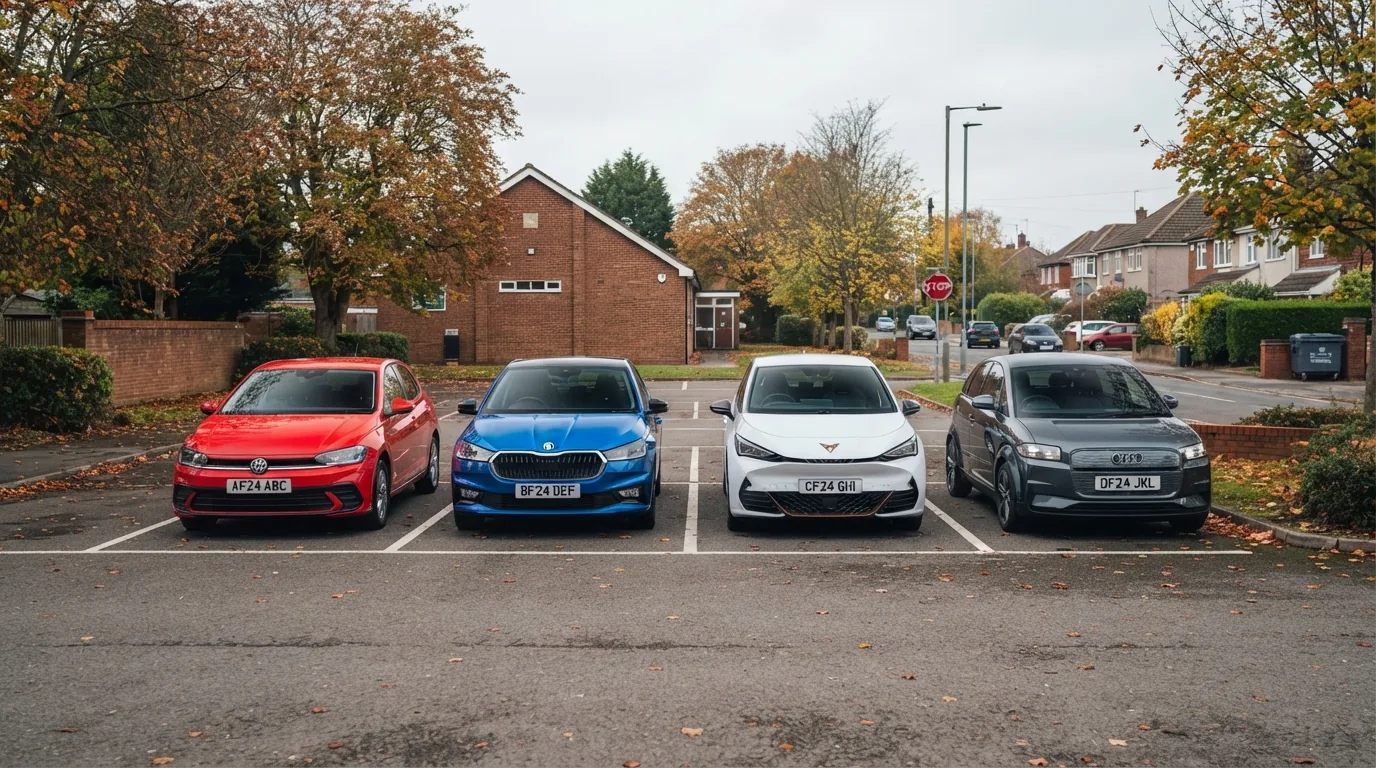
VW Group small EVs compared: ID.Polo, Raval, Epiq and A2 e-tron
Four small electric cars from one group now cost from £23,785 to £32,200 in the UK. We compare prices before and after the Electric Car Grant, ranges and delivery dates, and say which to choose.
VW ID.Polo on sale from £23,945 with first deliveries in November
Only the 52kWh ID.Polo gets the £1,500 Electric Car Grant, so the cheapest versions get nothing. We set out every UK price and pick the version that gives the most for your money.
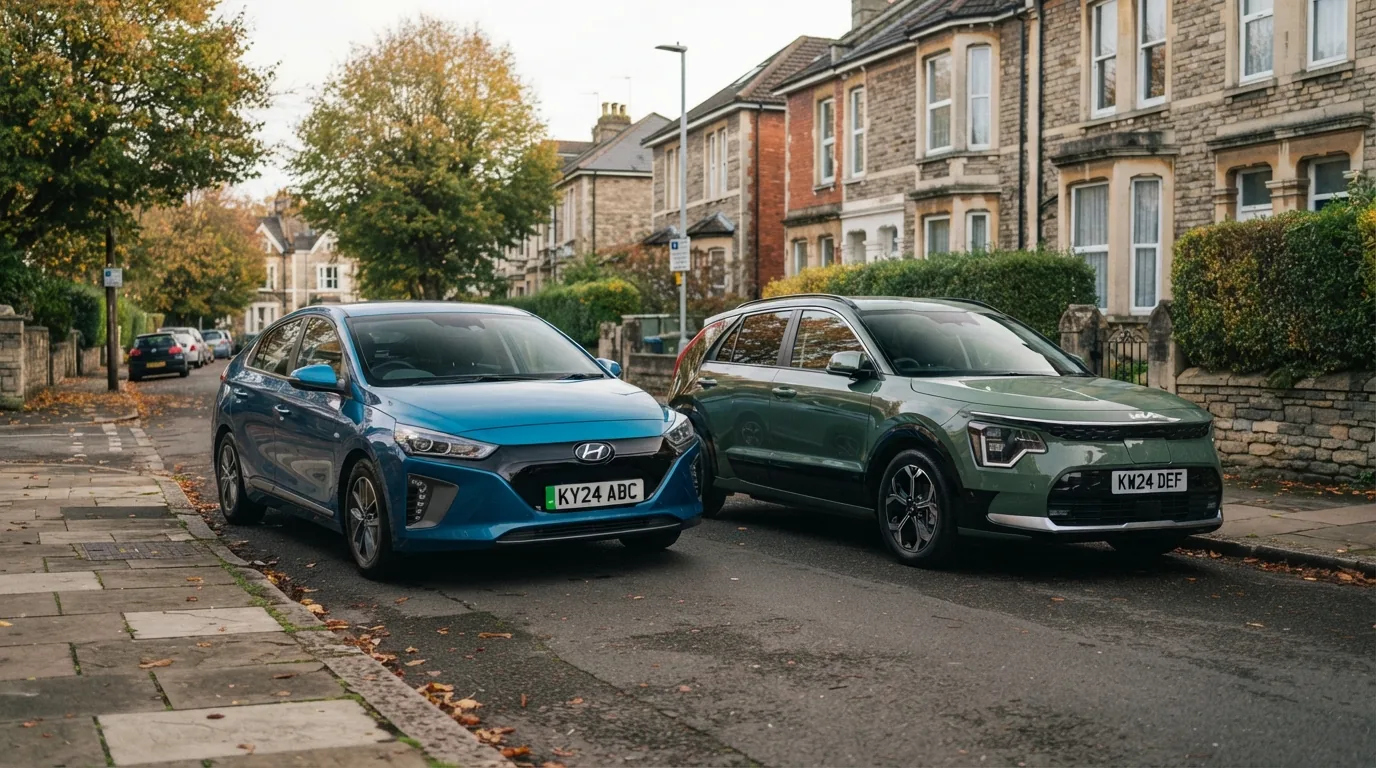
Hyundai Ioniq 3 vs Kia EV2: £2,250 cheaper, 33 more miles
The Ioniq 3 and Kia EV2 share batteries and charging speeds, but the full £3,750 grant on every Ioniq 3 makes the Hyundai cheaper at both battery sizes. Here is how they compare on price, range and space.
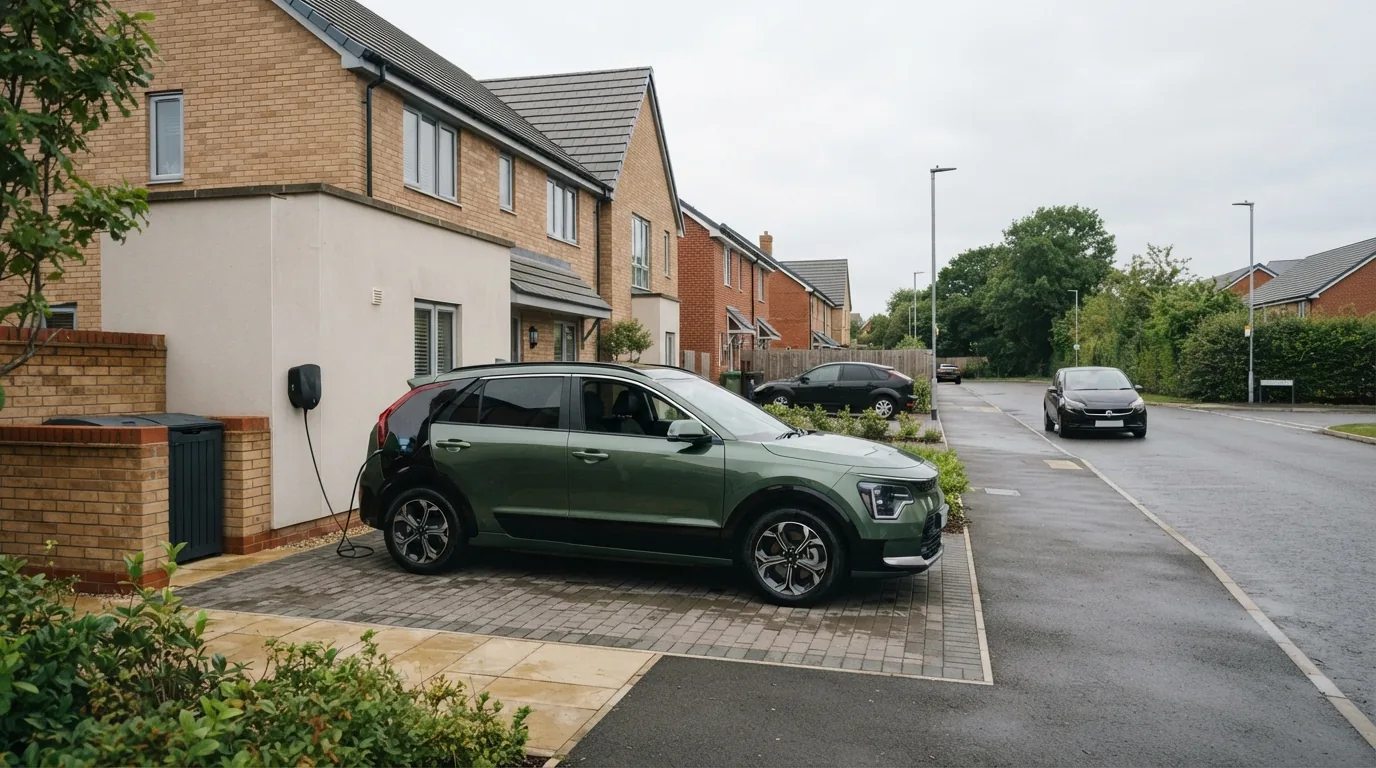
Kia EV2 UK price: from £24,245 with the grant, deliveries later in 2026
The Kia EV2 costs from £24,245 on the road once the maximum £3,750 Electric Car Grant saving is applied to the 61kWh Air. Here is how trims, grant bands, range and rivals line up.
EV Tariffs October 2026: Octopus, EDF and British Gas Off-Peak Rates
Intelligent Octopus Go is 8p per kWh, EDF GoElectric holds at 6.66p and British Gas EV Power sits at 9.5p. Here is what each costs, when you can charge and how to choose before winter.