Aviloo battery study: EQA 94.0%, Zoe 87.3% at 93,000 miles
A 500,000-test study of 20 popular used EVs puts numbers on battery degradation. 16 of the 20 keep at least 90% at 150,000km, small-pack cars such as the Renault Zoe trail, and Aviloo now offers a UK used battery warranty.
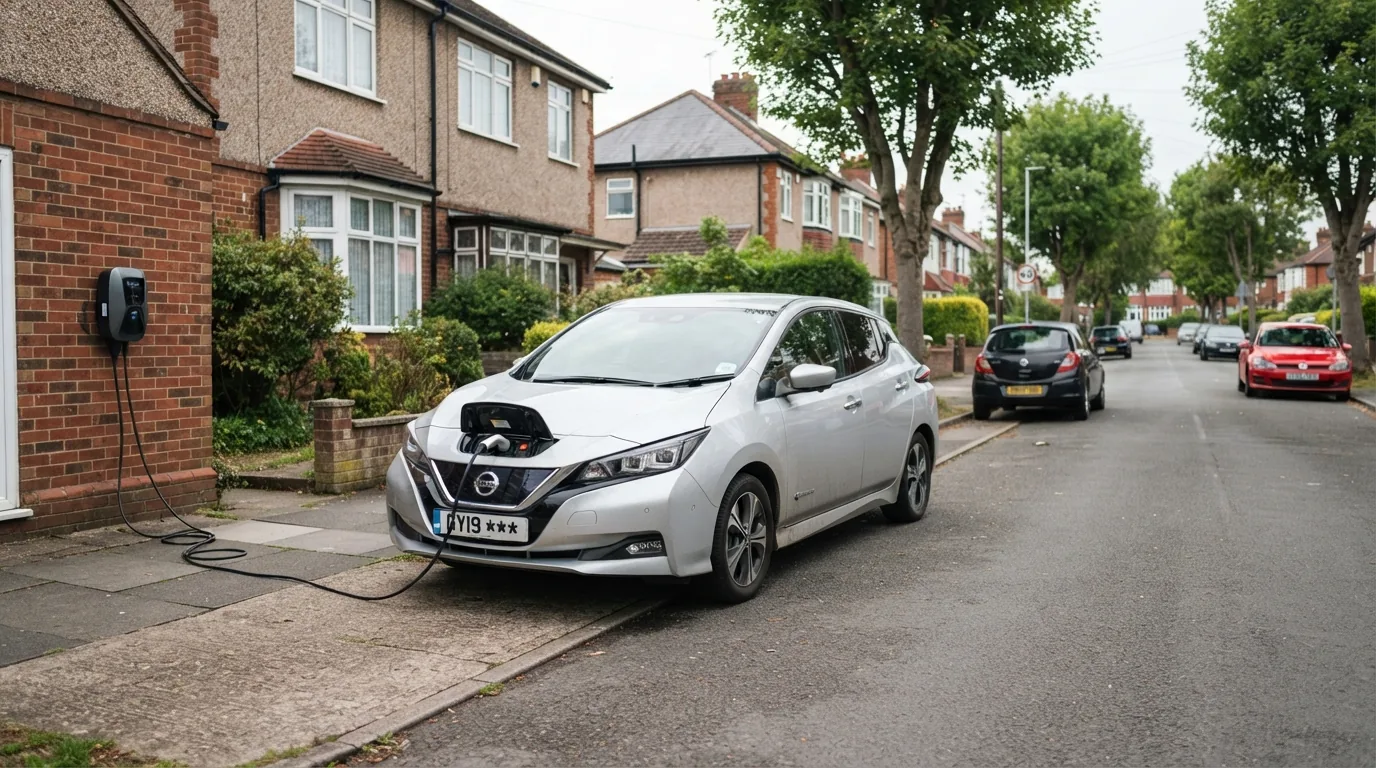
Quick answers
- Aviloo's study draws on more than 500,000 battery tests across 20 popular used EVs, measured up to 150,000km (about 93,000 miles).
- At 150,000km the Mercedes EQA leads with a median 94.0% state of health, ahead of the Hyundai Ioniq 5 at 93.8% and the BMW i4 at 93.6%.
- The Tesla Model Y reaches 90.3% at 150,000km, while the Renault Zoe sits at 87.3%, with the Nissan Leaf (86.7%) lowest of the models reported.
- Results vary within a model: Aviloo found up to 13.5% between the best and worst examples, and says it will publish the report twice a year.
- Aviloo's UK used EV battery warranty pays £2,700 if a car's battery falls below its guaranteed threshold within a year.
Aviloo has published the largest independent used EV battery study so far, based on more than 500,000 tests between 2022 and 2026 across 20 popular models. At 150,000km, about 93,000 miles, 16 of the 20 models still hold a median 90% or more of their original capacity and the best, the Mercedes EQA, holds 94.0%. The Renault Zoe, a favourite cheap used buy in Britain, sits at 87.3%. For UK buyers, it is the first big dataset to weigh against used prices.
What did the Aviloo study measure?
Aviloo is an Austrian diagnostics firm. Its results rest on its FLASH Test, a three-minute diagnostic that plugs into the OBD port and calculates state of health with a statistical model trained on real used vehicles (Electrek). State of health is the share of original usable capacity left, so a pack at 94% still delivers roughly 94% of its original range.
For each model the report gives the median state of health at 50,000km (about 31,000 miles), 100,000km (about 62,000 miles) and 150,000km (about 93,000 miles). It will be published twice a year (newmobility.news). The results were reported on 2 to 3 September 2026 (electrive).
Which EVs kept their battery best?
| Model | Median state of health at 150,000km (about 93,000 miles) |
|---|---|
| Mercedes EQA | 94.0% |
| Hyundai Ioniq 5 | 93.8% |
| BMW i4 | 93.6% |
| Tesla Model Y | 90.3% |
| Renault Zoe | 87.3% |
| Nissan Leaf (ZE1) | 86.7% |
Figures from Electrek and other coverage of the Aviloo report. The Model Y started at 94.4% at 50,000km, so it lost about four points over the next 100,000km.
A few early write-ups named the Mercedes CLA as the leader. The CLA is a 2025 launch and cannot have 150,000km of test data, while Electrek and several other reports name the EQA, so we use the EQA.
These are medians, so an individual car can land above or below them. Aviloo found up to 13.5% between the best and worst cars of the same model, so a test on the actual car you are buying matters more than the league table.
How should you read the league table?
A median is the middle result, so half the cars tested sit below it. The gap between the top three is under half a percentage point, which is too small to choose a car on. The more useful split is between the top group at about 94% and the Model Y, Zoe and Leaf lower down. The Model Y at 90.3% still keeps about nine-tenths of its original capacity after roughly 93,000 miles. Age and mileage matter too: a car well below 150,000km should sit closer to new, so ask what the odometer says before comparing any figure with this table.
Why do the Zoe and Leaf trail?
The Zoe sits about 6.7 percentage points behind the EQA. The Leaf (86.7%), Mini Cooper SE and Zoe are the lowest in the study, and they share small packs: a 40kWh battery runs through more charging cycles than a 78kWh one over the same distance. Our used Nissan Leaf against used Renault Zoe comparison covers the other points that decide a cheap city buy, and the leased battery guide explains the extra cost some older Zoes carry.
What does Aviloo’s UK warranty add?
Aviloo launched a used EV battery warranty in the UK in July 2026, alongside Germany, the Netherlands, Finland, Austria, Belgium, Ireland and Switzerland (The Energyst). Each covered car is tested and given an individual minimum state of health threshold, based on a year and/or 20,000km of use. If a later FLASH test shows it has dropped below, the buyer receives £2,700 and a refund on the test (EV Powered).
The test covers real capacity, thermal management and charging capability for 96% of EV models on the road.
What this means for you
- Do not rule out a used EV over degradation fears. The best models in this study keep about 94% after roughly 93,000 miles.
- Ask the dealer for a state of health report, or a test, on the specific car. Our guide to getting a battery health certificate explains the options.
- Use the used EV buying checklist and the battery degradation guide alongside any report.
- If you are considering a Zoe, weigh the 87.3% median against its price and check the battery lease.
How we test and where our numbers come from
Range figures are official WLTP combined values taken from manufacturer UK specification pages, with real-world estimates drawn from independent comparative testing. Prices are UK list prices at the time of the latest update. Tax, grant and charging-scheme figures come from GOV.UK and HMRC publications. We re-check every guide when pricing, specification or policy changes. Last checked 6 October 2026.
Frequently asked questions
What is battery state of health?
State of health is the share of a battery's original usable capacity that remains. A pack at 94% still delivers roughly 94% of its original range.
How healthy are used EV batteries after 93,000 miles?
In Aviloo's data, the best models keep a median of about 94% at 150,000km (about 93,000 miles). The Tesla Model Y sits at 90.3% and the Renault Zoe at 87.3%. Sixteen of the 20 models keep at least 90%.
What is the Aviloo FLASH test?
It is a three-minute, manufacturer-neutral diagnostic that assesses real battery capacity, thermal management and charging capability against factory specifications, covering 96% of EV models on the road.
What does Aviloo's UK battery warranty cover?
Each covered car is tested and given a minimum state of health threshold, based on a year and/or 20,000km of use. If a later FLASH test shows it has dropped below that threshold, the buyer receives £2,700 and a refund on the test.
Sources and further reading
- electrek.coElectrekPrimary source referenced in this article.
- electrive.comBattery health of used EVs varies significantlyCoverage of the Aviloo study published on 2 September 2026.
- newmobility.newsEV batteries age better than feared, 500,000 tests showSixteen of 20 models at 90% or more at 150,000km.
- electrifying.comHow long do EV batteries actually last? Latest research highlights degradationUK summary of the study results (not independently re-checked).
- evpowered.co.ukAviloo launches EV battery warranty for used buyersThe £2,700 payout and warranty terms.
- theenergyst.comAviloo introduces battery warranty for used EVsFLASH test description and July rollout across eight countries including the UK.

EV Compared
The EV Compared editorial team tracks the UK electric vehicle market full time: new model launches, list prices, WLTP and real-world range, public charging tariffs and the tax rules that decide what an EV actually costs to run. Every guide is checked against manufacturer specifications and official GOV.UK figures, and updated whenever the numbers move.
Related reading
View all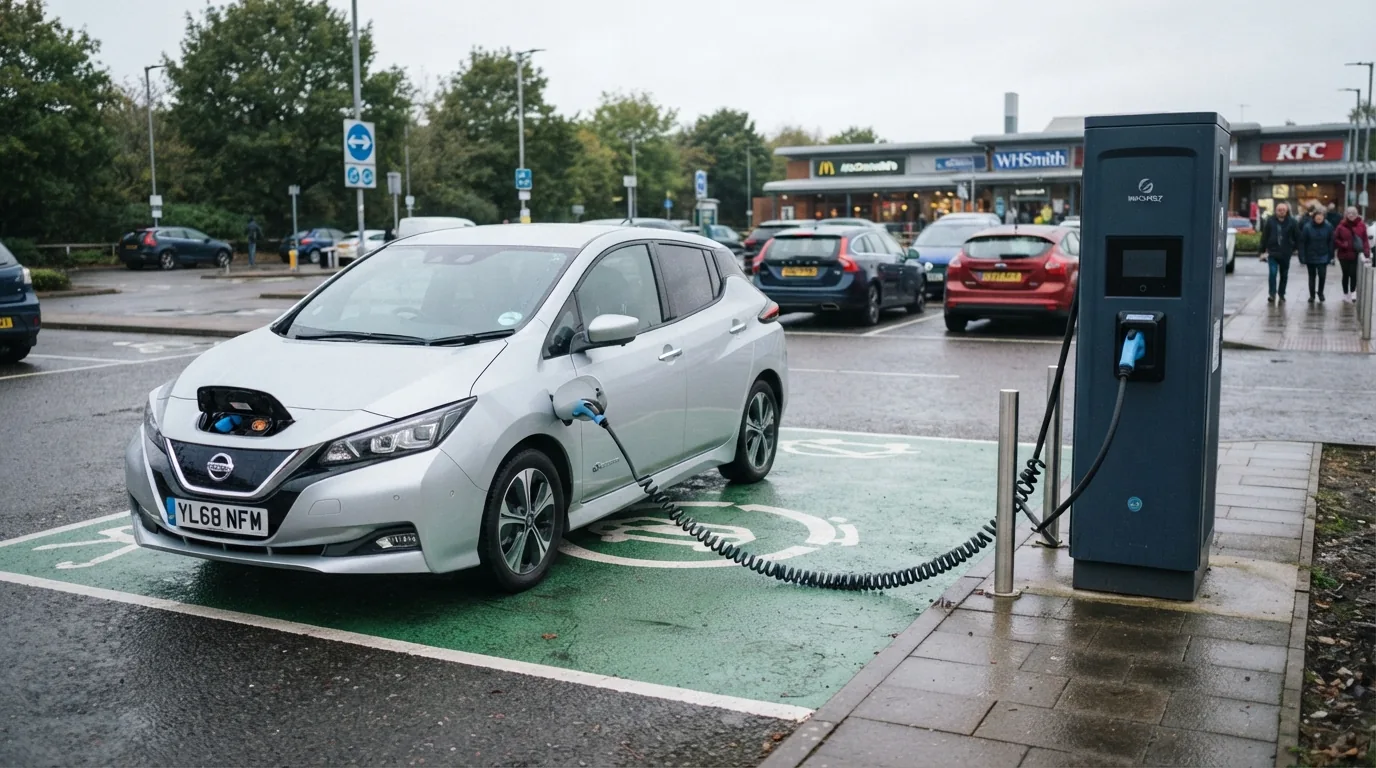
Geotab: Rapid-Charging EVs Lose Battery Capacity Twice as Fast
Geotab's fleet data puts degradation at up to 3.0% a year for cars that rely on 100kW-plus DC chargers, against 1.5% for AC and lower-power use. The UK's largest used-EV study still finds 95% average health.
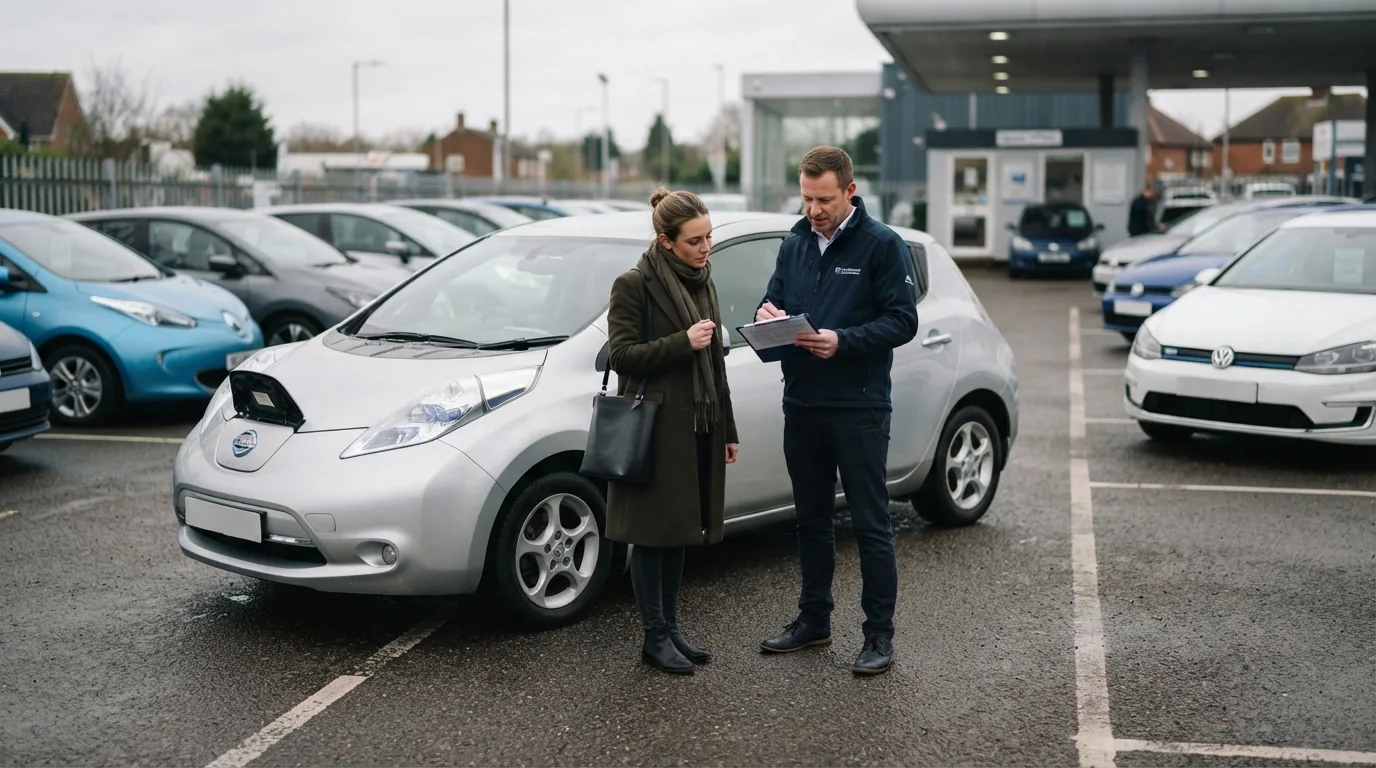
Used EV battery disputes: why written proof decides refunds
MotorCheck's analysis of 375,328 Financial Ombudsman decisions, reported by Honest John, found dealers won every battery case where they had written proof of disclosure and lost every one where they did not. Here is what to ask for and how to claim.
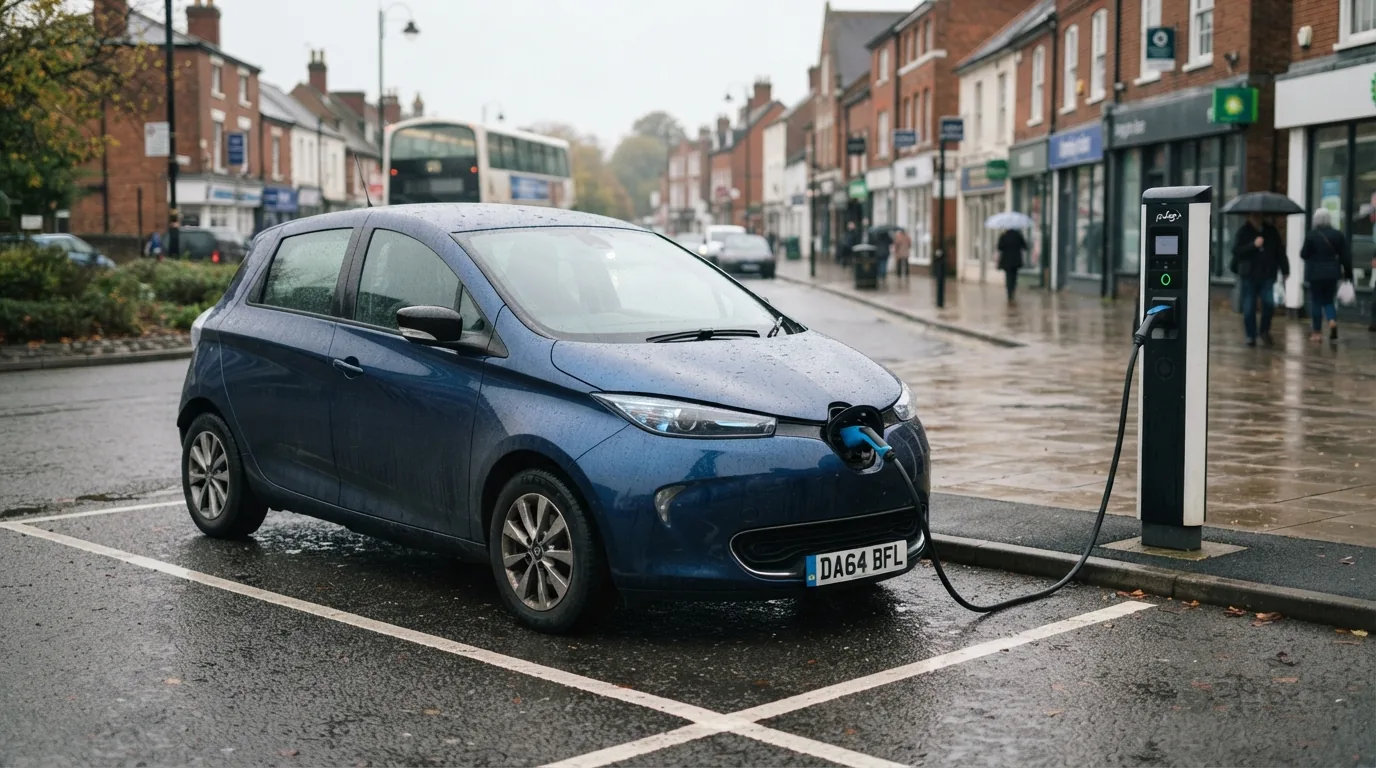
Electric Car Battery Lease Explained: Renault Zoe and Older EVs
Battery leasing was once common on the Renault Zoe and early Nissan Leaf. Here is what it means for used car buyers in 2026 and whether to proceed
Used EV Buying Checklist: 15 Things to Inspect Before You Pay
A complete pre-purchase inspection checklist for used electric cars in the UK, covering battery, charging, history, mechanical condition and consumer rights
UK EV news: record September sales, Chinese share, charging prices
The week's UK electric car news in one place: record September registrations, Chinese brands at 23.3%, charging prices, new cars, vans, the ZEV mandate review and the stories behind them.

Solid-state batteries: Samsung SDI targets 2027, China 2030
Samsung SDI, Chery, Mercedes and China's battery plan all have solid-state dates, but none puts a car on a UK forecourt soon. Here is who is closest and why today's EVs are safe to buy.