Electric truck registrations halve as UK HGV market returns to growth
SMMT figures show 9,941 new trucks registered in the third quarter, but only about one in 100 was zero-emission. Hauliers say the problem is not the lorries, it is power, grid connections and finance.
Quick answers
- New HGV registrations rose 7.2% to 9,941 in the third quarter of 2026, the first quarter of growth since the second quarter of 2024, according to the SMMT.
- Zero-emission HGV registrations fell 50.7% in the quarter to just 1.1% of the market, against 2.4% a year earlier when uptake had quadrupled.
- Year to date, zero-emission HGV demand is down 30.9%, with a 1.0% share; the overall HGV market is down 3.8%.
- Only 0.3% of the UK's licensed HGV fleet was zero-emission at the end of June 2026, while HGVs produced about 17% of domestic transport greenhouse gas emissions in 2024.
- The SMMT says the Plug-in Truck Grant and Depot Charging Scheme are not making enough impact and wants a national infrastructure strategy.
- A report by the Aldersgate Group and the REA calls for residual value and loan guarantees for smaller hauliers and for freight to be included in grid planning.
- Electric van registrations, by contrast, hit a monthly record of 4,262 in September 2025, showing how far trucks lag behind.
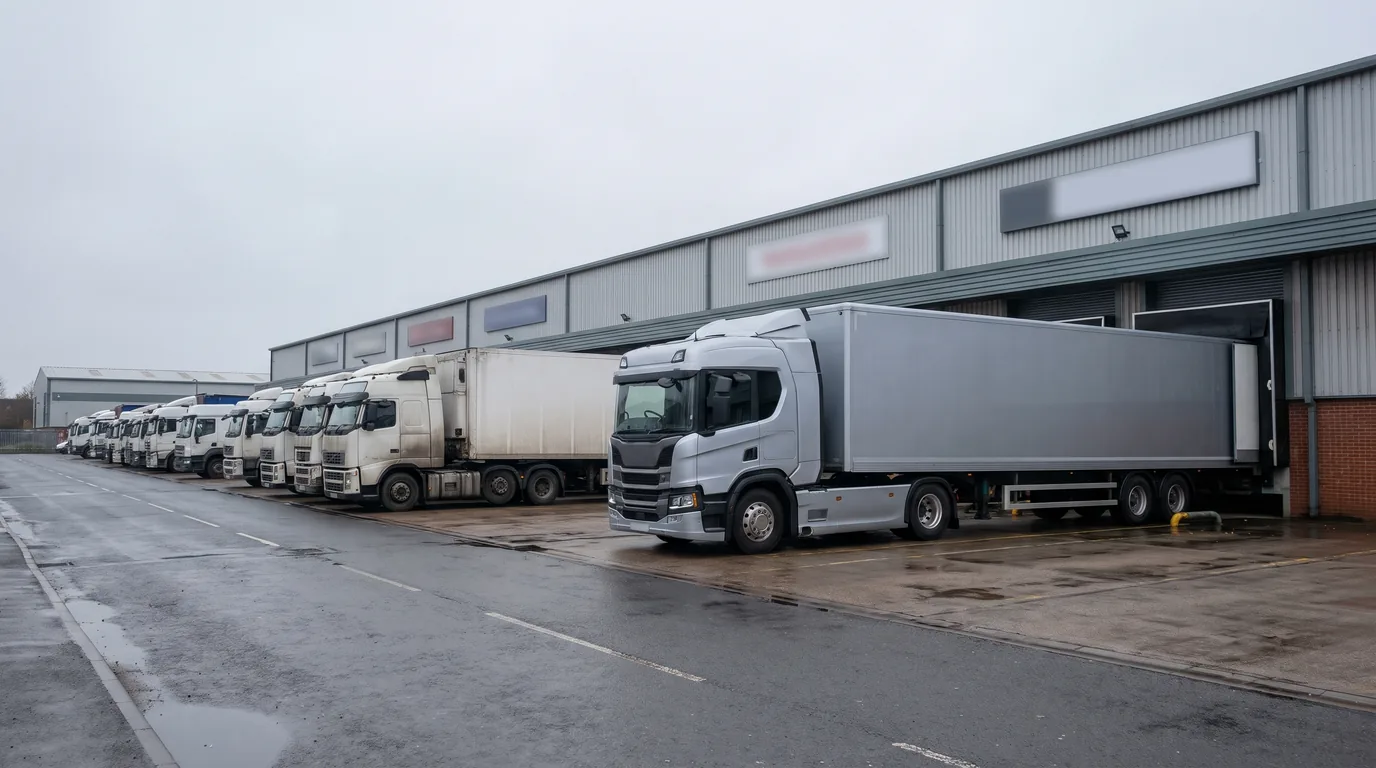
Britain’s lorry market is growing again, but electric trucks are going backwards. New heavy goods vehicle registrations rose 7.2% to 9,941 in the third quarter of 2026, the first growth in two years, according to the SMMT. Over the same period, registrations of zero-emission HGVs fell by 50.7%, to just 1.1% of the market.
That leaves electric trucks at about one in 100 new lorries, at a time when record diesel prices should be making them more attractive. Hauliers say the trucks themselves work. The problem, they say, is getting enough power to depots, the cost of electricity and the difficulty of financing vehicles nobody knows the resale value of.
What do the figures show?
| SMMT HGV figures | Q3 2026 | Year to date |
|---|---|---|
| New HGV registrations | 9,941, up 7.2% | Down 3.8% |
| Zero-emission HGV registrations | Down 50.7% | Down 30.9% |
| Zero-emission share | 1.1% (2.4% a year earlier) | 1.0% |
The overall rise is partly flattered by a weak comparison: registrations fell 14.5% in the same quarter of 2025. Even so, it was the best quarter since the third quarter of 2023. Articulated trucks rose 11.2% to 4,543, rigid trucks 4.1% to 5,398, refuse lorries 31.5% to 760 and tippers 19.1% to 847. Box vans fell 11.8% to 793.
Northern Ireland saw the biggest percentage growth, up 45.8% to 328 trucks, while the South East had the biggest volume increase, up 17.1% to 2,187.
Why did electric truck registrations fall?
Part of the fall is a high comparison: in the third quarter of 2025, zero-emission uptake had quadrupled to a 2.4% share. But the year-to-date figure, down 30.9%, shows a real slowdown.
“The decline in zero-emission registrations underlines the volatility and fragility of the transition in a sector with complex operating requirements, with market share still stuck at just one in 100 new trucks,” said Mike Hawes, SMMT chief executive.
The SMMT says the capital needed both to buy electric trucks and to build depot charging “remains a significant barrier”. It says the government’s Plug-in Truck Grant and Depot Charging Scheme are not making enough of an impact, as Motor Transport reported, and it is calling for a national infrastructure strategy and “a multi-technology approach” to cutting CO2.
What do hauliers say is holding them back?
A report by the Aldersgate Group and the Renewable Energy Association (REA), “Ready to Move”, published on 21 October and covered by Fleet News, sets out the barriers in detail:
- Grid connections. Connecting a depot can cost substantially more than the chargers, and takes too long. Freight has been largely left out of national planning for future electricity demand.
- Electricity costs. Smaller operators struggle to access competitively priced power.
- Finance. Uncertainty about resale values and battery health makes electric trucks expensive to borrow against or lease.
- Grants. Current grants mainly cover equipment, which favours operators who already have enough grid capacity, creating what the report calls a postcode lottery.
“We run battery-electric trucks in daily commercial service and they do the job,” said Jamie Sands of Welch Group. “The vehicle isn’t what’s holding the sector back. It’s power and money. Connections take too long, electricity costs too much, and lenders can’t price a used electric truck because nobody can vouch for the battery.”
Tesco’s transport director, Nick Potter, said the supermarket needed “an electricity supply and charging capacity we can rely on” to expand its electric fleet.
What is the government being asked to do?
The Aldersgate Group and REA back the existing phase-out timetable for new non-zero-emission HGVs, 2035 for lighter trucks and 2040 for the heaviest. But they want:
- A single transition roadmap, with a clear, time-limited role for low-carbon fuels where electric trucks are not yet viable.
- Residual value and loan guarantees for smaller hauliers, through the National Wealth Fund and the British Business Bank.
- A battery health standard that lenders and used truck buyers can trust.
- Freight in grid planning, with investment ahead of need at logistics hubs and freight corridors, better connection processes and support for shared charging and battery storage.
“Record diesel prices have shown how exposed our supply chains are to fuel price shocks,” said Rachel Solomon Williams of the Aldersgate Group. The report was published ahead of the Budget on 28 October and the government’s response to its consultation on a new HGV CO2 framework.
How big is the challenge?
Large. HGVs produced about 17% of domestic transport greenhouse gas emissions in 2024, yet only 0.3% of the UK’s licensed HGV fleet was zero-emission at the end of June 2026. Trucks also stay in service for many years, so slow sales now will mean diesel lorries on the road well into the 2030s.
Compare that with vans. Electric van registrations hit a monthly record of 4,262 in September 2025, an 8.9% share, though still short of the mandated target, as we covered in our electric van sales report. Cars are further ahead still, with battery EVs taking 28.3% of new car sales in September 2026.
Is anything improving?
Public charging for trucks is starting to appear. Electroway has opened a hub with 32 chargers of up to 400kW and 180 secure bays at Magna Park near Lutterworth, built without public funding, as we report in our Electroway story. Scotland’s first megawatt-scale HGV charging hub opened at Coatbridge earlier this year.
Model choice is also wide. The SMMT notes the slowdown has happened “despite a significant choice of models”, which suggests the bottleneck really is infrastructure and finance rather than the trucks.
Why should car drivers care?
Because lorries burn a large share of the country’s diesel, and the cost of moving goods feeds into what we pay in shops. With diesel near £2 a litre, fuel costs are a big part of hauliers’ bills. Electrifying freight would cut emissions, reduce exposure to oil shocks and, eventually, help stabilise delivery costs. It would also cut local air pollution on busy roads and around depots.
Which parts of the truck market grew?
The overall recovery was broad, with some segments growing much faster than others:
| HGV type, Q3 2026 | Registrations | Change |
|---|---|---|
| Articulated trucks | 4,543 | Up 11.2% |
| Rigid trucks | 5,398 | Up 4.1% |
| Tractor units | 4,453 | Up 12.3% |
| Refuse disposal vehicles | 760 | Up 31.5% |
| Tippers | 847 | Up 19.1% |
| Curtain-siders | 657 | Up 8.4% |
| Box vans | 793 | Down 11.8% |
Refuse lorries are an interesting case. Their routes are short, predictable and return to a depot every day, which makes them one of the easiest heavy vehicles to electrify, and many councils are already trialling or buying electric bin lorries. Long-haul tractor units are the hardest, because they cover long distances with heavy loads.
Why is financing an electric truck so hard?
A new diesel truck has a well-understood resale value, because there is a huge used market and decades of data. Electric trucks do not, yet. Lenders and leasing firms cannot easily predict what a five-year-old electric lorry will be worth, especially without a trusted way to measure battery health.
That uncertainty pushes up the cost of borrowing or leasing, which hits smaller hauliers hardest. The Aldersgate Group and REA report argues that a grant can make a truck cheaper to buy, but it does not solve the uncertainty that makes it expensive to finance. Its proposed answer is government-backed residual value and loan guarantees through the National Wealth Fund and the British Business Bank, plus a battery health standard that lenders and used buyers can rely on.
The same issue affected electric cars a few years ago, and battery health certificates are now becoming common in the used car market, as our guide to getting a battery health certificate explains.
Why are grid connections such a barrier?
An electric truck depot needs a lot of power. Several trucks charging at the same time can require a connection many times larger than the depot’s existing supply. Upgrading that connection can take years and, according to the report, often costs substantially more than the chargers themselves.
Because current grants mainly cover charging equipment rather than grid upgrades, operators that already have spare capacity benefit most. The report calls this a postcode lottery and wants freight included in national energy planning, with investment ahead of need at logistics hubs and along freight corridors. Elsewhere in Europe, the average logistics depot is estimated to need ten to twenty times its current power capacity to run an electric fleet.
What do supermarket fleets say?
Large operators are among the most committed. Tesco is trialling and investing in electric trucks as part of its plan to reach net zero across its own operations by 2035. But its transport director, Nick Potter, says expansion depends on “an electricity supply and charging capacity we can rely on”, and has urged the government to plan grid capacity around freight and make connections easier to secure.
Our view
The third-quarter figures are a warning. The government’s targets for zero-emission trucks will not be met if registrations keep falling. The good news is that operators are clear about what would help: faster, cheaper grid connections, affordable power and finance tools such as residual value guarantees and battery health standards. None of those need new technology. They need decisions, and the Budget and the HGV CO2 framework are the next chances to make them.
How we test and where our numbers come from
Range figures are official WLTP combined values taken from manufacturer UK specification pages, with real-world estimates drawn from independent comparative testing. Prices are UK list prices at the time of the latest update. Tax, grant and charging-scheme figures come from GOV.UK and HMRC publications. We re-check every guide when pricing, specification or policy changes. Last checked 24 October 2026. How we work out our own figures.
Frequently asked questions
How many electric lorries are sold in the UK?
Very few. Zero-emission HGVs made up just 1.1% of new truck registrations in the third quarter of 2026, after falling 50.7% year on year. Year to date, they account for 1.0% of the market, about one in 100 new trucks.
Why are electric truck sales falling?
Operators point to high purchase prices, slow and expensive grid connections for depot charging, high electricity costs and uncertainty about resale values and battery health, which makes electric trucks hard to finance. Grants help with the price but not the other barriers.
Is the UK HGV market growing?
It returned to growth in the third quarter of 2026, with registrations up 7.2% to 9,941, the first growth for two years. But it is still down 3.8% for the year to date, and the rise partly reflects a weak comparison with 2025.
What support is there for electric trucks?
The government offers the Plug-in Truck Grant for vehicles and the Depot Charging Scheme for infrastructure. The SMMT says neither is making enough impact and wants a national infrastructure strategy for HGV charging.
When will new diesel lorries be banned?
The UK plans to end sales of new non-zero-emission HGVs in two stages, 2035 for lighter trucks and 2040 for the heaviest. The Aldersgate Group and REA support that timetable but want a clearer roadmap and finance support.
Sources and further reading
- smmt.co.ukSMMTPrimary source referenced in this article.
- motortransport.co.ukHGV market grows for first time in two years but demand for electric trucks tumblesSMMT's view on the Plug-in Truck Grant and Depot Charging Scheme and its call for a national infrastructure strategy.
- fleetnews.co.ukClear plan needed from Government for electric truck transitionThe Aldersgate Group and REA report, fleet share and emissions figures, and comments from Welch Group and Tesco.

EV Compared
The EV Compared editorial team tracks the UK electric vehicle market full time: new model launches, list prices, WLTP and real-world range, public charging tariffs and the tax rules that decide what an EV actually costs to run. Every guide is checked against manufacturer specifications and official GOV.UK figures, and updated whenever the numbers move.
Related reading
View all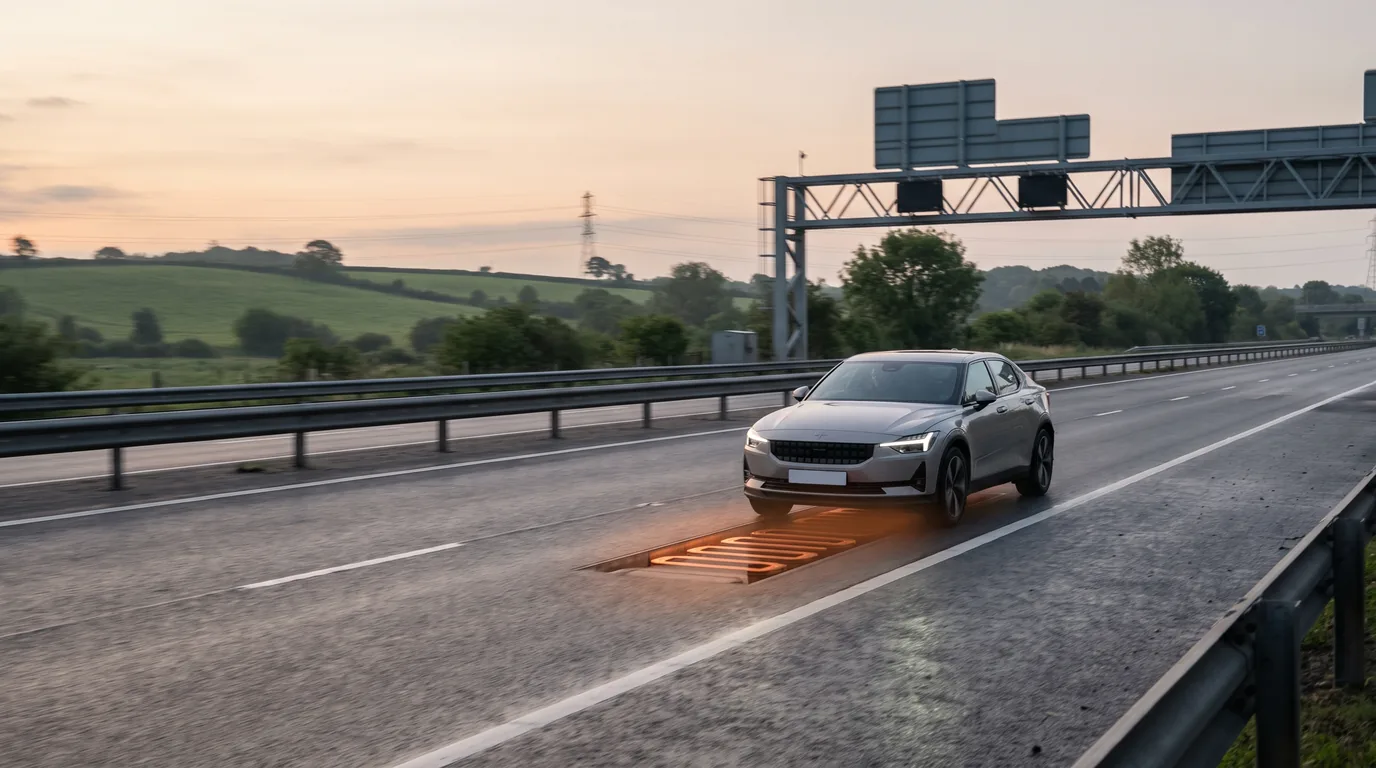
Honda will test charging EVs while they drive on a Japanese motorway in 2027
Coils buried in the road would top up electric trucks, and eventually cars, at motorway speeds. It is a promising idea, already being tried in France and Germany, but the hard part is cost.
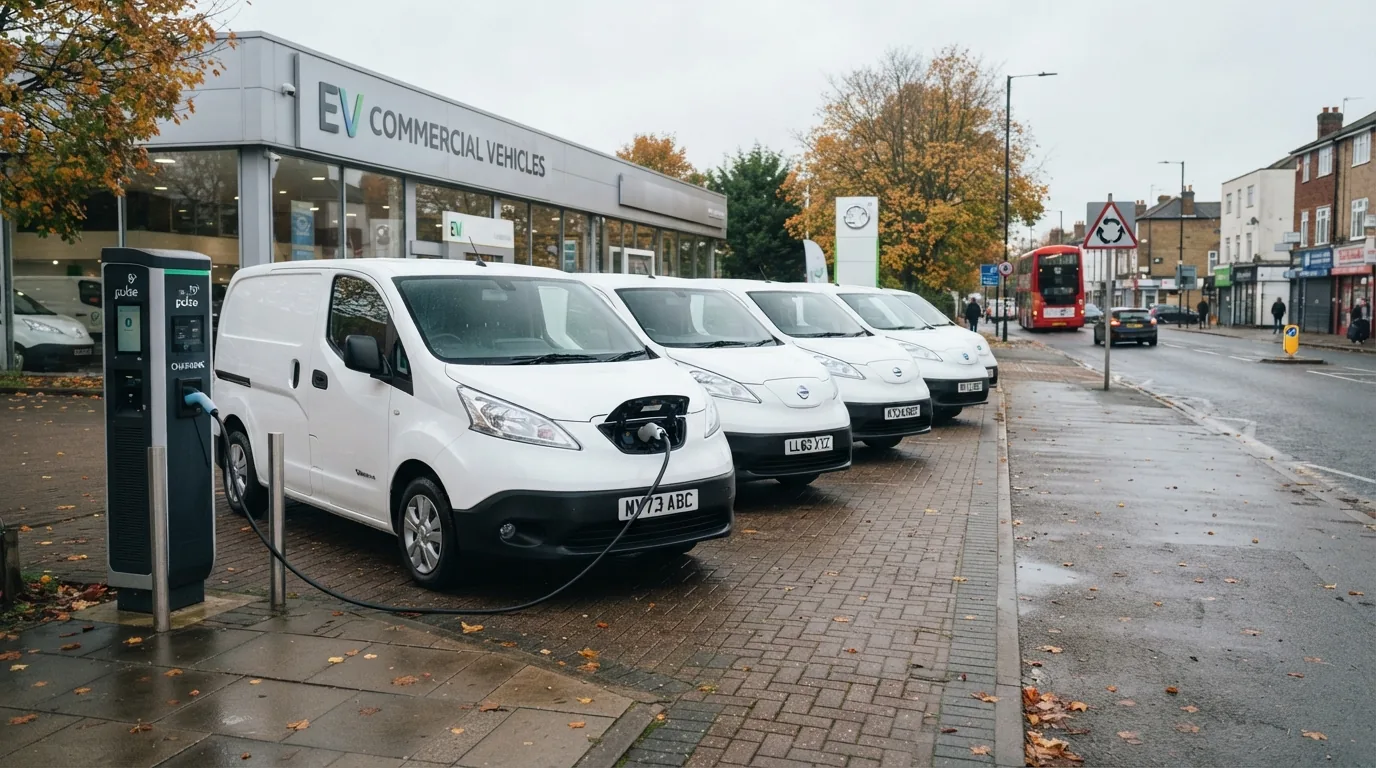
Electric van sales hit record 4,832 in September, still short of target
Battery electric vans took 9.6% of the UK market in September, a record month by volume but less than half the 24% the ZEV mandate requires this year. Here is what it means for van buyers.
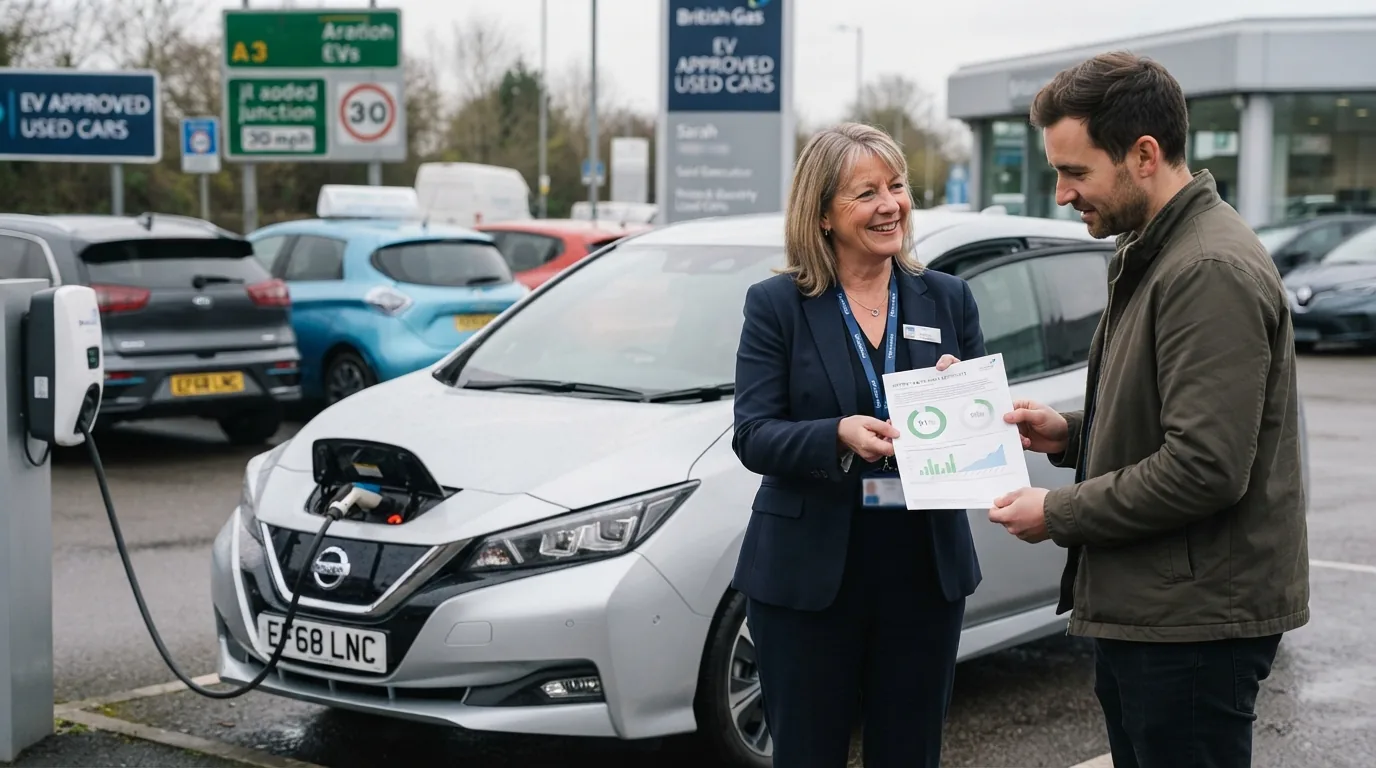
How to Get a Battery Health Certificate for a Used EV
Battery health certificates are becoming standard in the UK used EV market. Here is what they cover, who issues them, what they cost, and whether you really need one
New Renault Trafic E-Tech: 2027 Van of the Year with up to 292 miles and 800V charging
Renault's all-new electric mid-size van moves to a dedicated skateboard platform, charges far faster than the old model and tows twice as much. It goes head to head with the Kia PV7.
BYD Shark pick-up UK price: £47,290, 55 miles electric range
BYD's first pick-up is a plug-in hybrid with 55 miles of electric range, a 790kg payload and a 2,500kg towing limit. Here is who it suits, how it is taxed and how it compares with the Ford Ranger PHEV.
Electric Van MOT and Licence Rules: 4.25-Tonne Vans on a Car Licence
A standard car licence now covers zero-emission vans up to 4.25 tonnes, with no extra training, no tachograph and an ordinary MOT. Here is what changed, when, and the one towing rule to get right.