Electroway opens UK's largest electric truck charging hub at Magna Park
Built without public funding in the Midlands' Golden Triangle, the site lets fleets book a specific charger with guaranteed power. It opens as electric truck registrations fall, which makes charging the industry's biggest test.
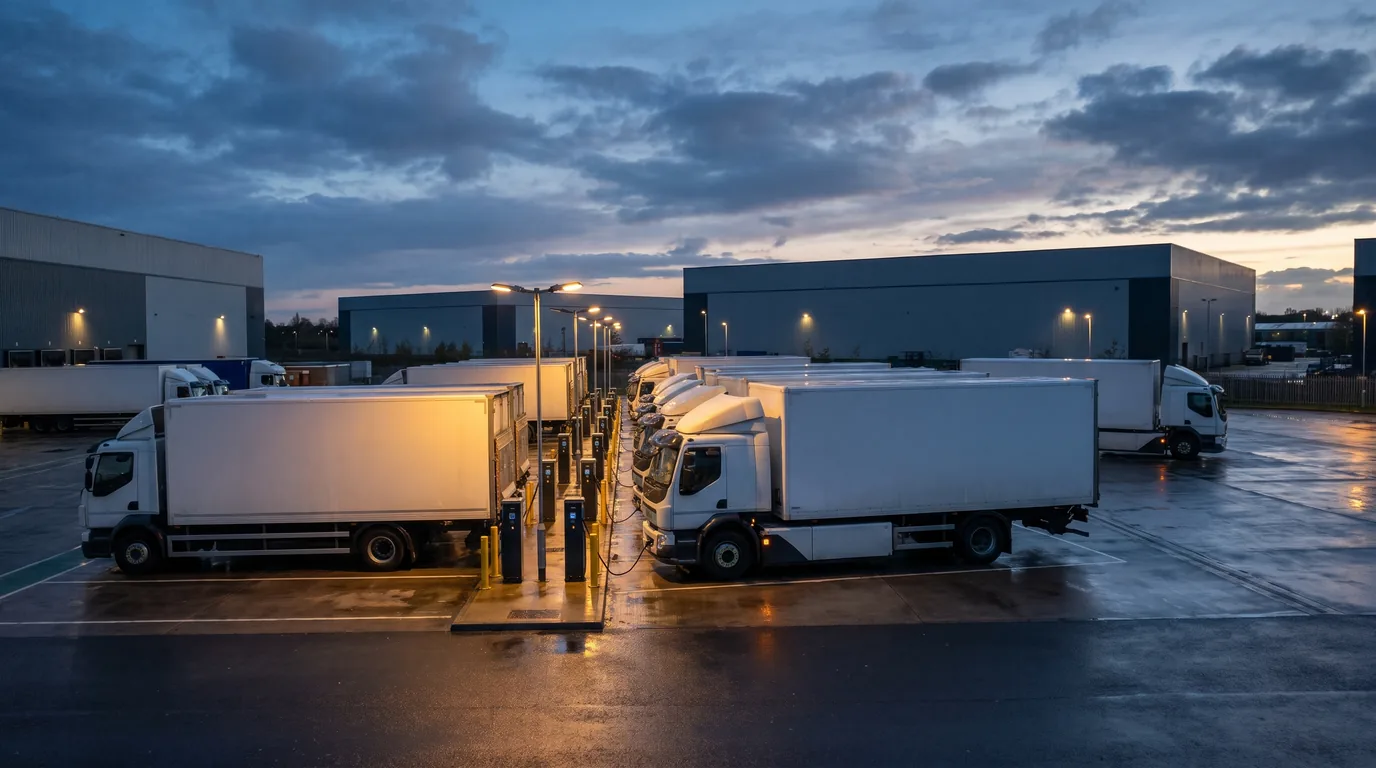
Quick answers
- Electroway has opened what it calls the UK's largest electric truck charging facility at Marq Logistics Magna Park near Lutterworth, Leicestershire, on 14 October 2026.
- The 22,500 square metre site has 32 chargers of up to 400kW, about 180 secure HGV parking bays, a driver lounge, showers, laundry and a truck wash.
- Fleets can reserve a specific charger with guaranteed charging capacity, not just a parking bay, through Bosch Road Services' booking platform.
- The site was developed without public funding and is the first of a planned 30-site Electroway network across the UK.
- Electroway is backed by Guardian Smart Infrastructure Management and Keoma Energy, with Bosch Road Services as technical operator.
- Magna Park sits in the Midlands' Golden Triangle near the M1, M6 and M69, within four hours of 85% of the UK population.
- Security is designed to TAPA Level 2, with 78 ANPR-equipped CCTV cameras; HGV and cargo crime cost an estimated £65.1m in 2025.
The UK’s largest charging facility for electric lorries has opened at Magna Park near Lutterworth in Leicestershire. Electroway’s site has 32 chargers of up to 400kW and about 180 secure parking bays for heavy goods vehicles, and it lets operators book a specific charger with guaranteed power, according to Motor Transport. It opened on 14 October 2026 and was built without public funding.
Electroway wants this to be the first of 30 sites across the UK. It arrives at a difficult moment for electric trucks: registrations of zero-emission HGVs halved in the third quarter, as we cover in our electric HGV sales report. The industry says a lack of reliable charging is one of the main reasons, and Electroway is a direct attempt to fix it.
What is at the Electroway site?
The 22,500 square metre site combines high-power charging with secure overnight parking and proper facilities for drivers.
| Feature | Detail |
|---|---|
| Chargers | 32, each up to 400kW |
| HGV parking | About 180 secure bays |
| Security | 78 CCTV cameras with ANPR, controlled access, designed to TAPA Level 2 |
| Driver facilities | Lounge, showers, laundry and truck wash |
| Booking | Reserve parking and a specific charger with guaranteed capacity |
| Public funding | None |
The location is deliberate. Magna Park is one of Europe’s largest logistics parks, in the Midlands’ “Golden Triangle” bounded by the M1, M6 and M69, close to the A5 and within four hours of 85% of the UK population.
Who is behind it?
Electroway is a platform set up by investor Guardian Smart Infrastructure Management (GSIM) and developer Keoma Energy. Bosch Road Services is the technical operator, providing the booking and payment platform, access control and security systems.
“Electroway is about removing one of the biggest practical barriers to electrifying road freight,” the company said. “Operators need to know that when a truck arrives, a charger will be available, it will deliver the power promised and the economics will work.” Robert Mah of GSIM called it the kind of “long-term smart infrastructure investment” GSIM was set up to support.
Bosch’s platform already lists more than 30,000 secure truck parking spaces at more than 600 sites in 12 European countries, including more than 50 in the UK. Electroway is the first UK site on it to combine parking with electric charging. “Electroway is a flagship project for us,” said Dr Jan-Philipp Weers, head of Bosch Road Services, according to Fleet News.
Why can fleets book a charger?
Because for a haulier, uncertainty costs money. A lorry that arrives at a hub and finds every charger busy, or delivering less power than expected, misses delivery slots and breaks drivers’ legal rest schedules. Electroway lets operators reserve not just a bay but a specific charger with guaranteed capacity, so charging can be planned into the route.
Bookings can be built into dispatch planning, matched to location, departure time, route length and the driver’s remaining legal driving hours. Bosch says it can also forecast energy use, independent of truck maker, to help plan electric journeys. That is the kind of predictability fleets get from diesel today.
Why combine charging with secure parking?
Two problems are being solved at once. The UK has a long-standing shortage of safe overnight lorry parking, and cargo crime is a real cost. According to the National Vehicle Crime Intelligence Service, there were nine HGV-related crimes a day in 2025, with curtain-slashing involved in 27% of thefts from trailers. Combined losses were estimated at £65.1m.
Electric lorries add another reason: they need hours, not minutes, to charge overnight, and the best time is when the driver is resting. A secure park with showers and a lounge is a place drivers are willing to stop, and the charging happens while they sleep. “Our goal is to provide drivers with the safe, dignified environment they deserve,” said Weers.
Why does truck charging matter beyond haulage?
Lorries burn a large share of the UK’s diesel and produce a big share of road transport emissions. Electrifying them is one of the hardest parts of decarbonising transport, and charging is the main bottleneck.
There is also a practical benefit for car drivers. Dedicated truck hubs keep heavy vehicles, which need different bays and much more power, away from car charging sites. And with diesel near £2 a litre, cheaper running costs for electric lorries could eventually help hold down delivery costs.
Is electric freight taking off?
Not yet in the UK. While electric car and van sales have grown, electric truck registrations have fallen this year, according to the SMMT’s third-quarter figures. Fleets cite high purchase prices, limited charging and high energy costs. Our report on falling electric HGV registrations has the numbers.
Electroway’s backers say Lutterworth shows the infrastructure “can be delivered commercially and at scale”. If the 30-site network follows, it would remove one of the main reasons fleets give for not switching. Elsewhere, Scotland’s first megawatt-scale HGV charging hub opened at Coatbridge this year, and London has approved its largest ultra-rapid hub for fleets from 2027.
Why is truck charging so different from car charging?
Electric lorries have very large batteries, often several times the size of a car’s, and they need to recharge in the time drivers spend on legally required breaks or overnight rest. That calls for:
- Much higher power. Electroway’s chargers deliver up to 400kW each. Some newer truck chargers aim for megawatt-level power.
- Drive-through or long bays. Articulated lorries cannot use car charging bays, so sites need space to manoeuvre and park.
- Big grid connections. Thirty-two 400kW chargers running together need a very large connection to the electricity network, often the hardest and slowest part of any project.
- Security and facilities. Drivers may stay for hours, so they need safe parking, toilets, showers and food.
That is why truck charging tends to happen at depots and dedicated hubs rather than at the motorway service areas car drivers use.
Why does guaranteed charging matter to hauliers?
Road haulage runs on tight margins and strict schedules. Drivers must take rest breaks by law, and deliveries are booked into time slots. If an electric lorry arrives at a hub and has to wait for a charger, or the charger delivers less power than expected, the knock-on effects include missed deliveries, overtime and breaches of driving-hours rules.
By letting operators reserve a specific charger with guaranteed capacity, Electroway gives fleets the kind of certainty they get with diesel. Bookings can be matched to a driver’s remaining legal driving time and route, and Bosch’s platform provides consolidated monthly invoicing, which simplifies admin for fleets.
How big a problem is lorry crime?
Large. According to the National Vehicle Crime Intelligence Service, a police unit, there were nine HGV-related crimes a day in 2025, and 27% of thefts from trailers involved curtain-slashing, where thieves cut into soft-sided trailers. Combined losses from HGV and cargo crime were estimated at £65.1m.
Secure parking is in short supply, so many drivers end up in lay-bys or industrial estates overnight. Electroway’s TAPA Level 2 security, a standard set by the Transported Asset Protection Association, includes controlled access, fencing, lighting, CCTV with number plate recognition, turnstiles, QR-code access and 24-hour remote monitoring. The government is also planning another national survey of lorry parking to find where drivers struggle most.
Who pays for it?
Electroway’s Magna Park site was built without public funding, by investor Guardian Smart Infrastructure Management and developer Keoma Energy. GSIM is the direct infrastructure investment arm of Guardian Capital Group. That is notable, because many charging projects for heavy vehicles have relied on government support.
The business model combines income from parking and charging, and Electroway hopes to repeat it at 30 sites. If it works commercially at Magna Park, it could attract more private investment into truck charging without needing public money.
What is the Golden Triangle?
The Midlands “Golden Triangle” is the area bounded by the M1, M6 and M69 motorways, home to some of the UK’s biggest distribution centres. Its central location means a lorry can reach most of the country within a single shift, which is why logistics companies cluster there. Magna Park at Lutterworth, which Electroway says spans 13.1 million square feet and more than 50 warehouses, is one of the largest logistics parks in Europe. Putting a charging hub there means electric lorries can charge where many of their journeys start and end, rather than diverting to find power.
Our view
Electroway’s Magna Park site is exactly the kind of charging electric freight needs: in the right place, with enough power, with guaranteed bookings and with facilities drivers will actually use. Building it without public money is a strong signal of confidence. The challenge is demand: with electric truck registrations falling, the network needs fleets to commit. A site that removes the charging excuse is a good start.
How we test and where our numbers come from
Range figures are official WLTP combined values taken from manufacturer UK specification pages, with real-world estimates drawn from independent comparative testing. Prices are UK list prices at the time of the latest update. Tax, grant and charging-scheme figures come from GOV.UK and HMRC publications. We re-check every guide when pricing, specification or policy changes. Last checked 24 October 2026. How we work out our own figures.
Frequently asked questions
Where is the Electroway electric truck charging hub?
It is at Marq Logistics Magna Park near Lutterworth in Leicestershire, in the Midlands' Golden Triangle close to the M1, M6, M69 and A5. Electroway says the site is within four hours of 85% of the UK population.
How many chargers does Electroway Magna Park have?
The site has 32 charge points capable of delivering up to 400kW each, along with about 180 secure HGV parking bays. It is designed for battery electric heavy goods vehicles.
Can hauliers book a charger at Electroway?
Yes. Operators can reserve a specific charger with guaranteed charging capacity, not just a parking space, through the Bosch Secure Truck Parking platform, by web portal, app or integration with fleet management systems.
Was Electroway publicly funded?
No. Electroway says the Magna Park site was developed without public funding. It is backed by investor Guardian Smart Infrastructure Management and developer Keoma Energy, and is meant to prove a commercial model for a 30-site UK network.
Why does electric truck charging matter for car drivers?
Lorries are a large share of road transport emissions and diesel use. Dedicated truck charging also keeps heavy vehicles away from car charging sites, and it supports the electrification of the supply chains that deliver goods to shops.
Sources and further reading
- motortransport.co.ukMotor TransportPrimary source referenced in this article.
- taiwannews.com.twElectroway launches UK's largest electric truck charging facilityElectroway's press release: no public funding, the 30-site ambition, partners, guaranteed charger reservations and location details.
- fleetnews.co.ukBosch opens new truck parking site with electric HGV chargingBosch Road Services' role and platform scale across Europe.

EV Compared
The EV Compared editorial team tracks the UK electric vehicle market full time: new model launches, list prices, WLTP and real-world range, public charging tariffs and the tax rules that decide what an EV actually costs to run. Every guide is checked against manufacturer specifications and official GOV.UK figures, and updated whenever the numbers move.
Related reading
View all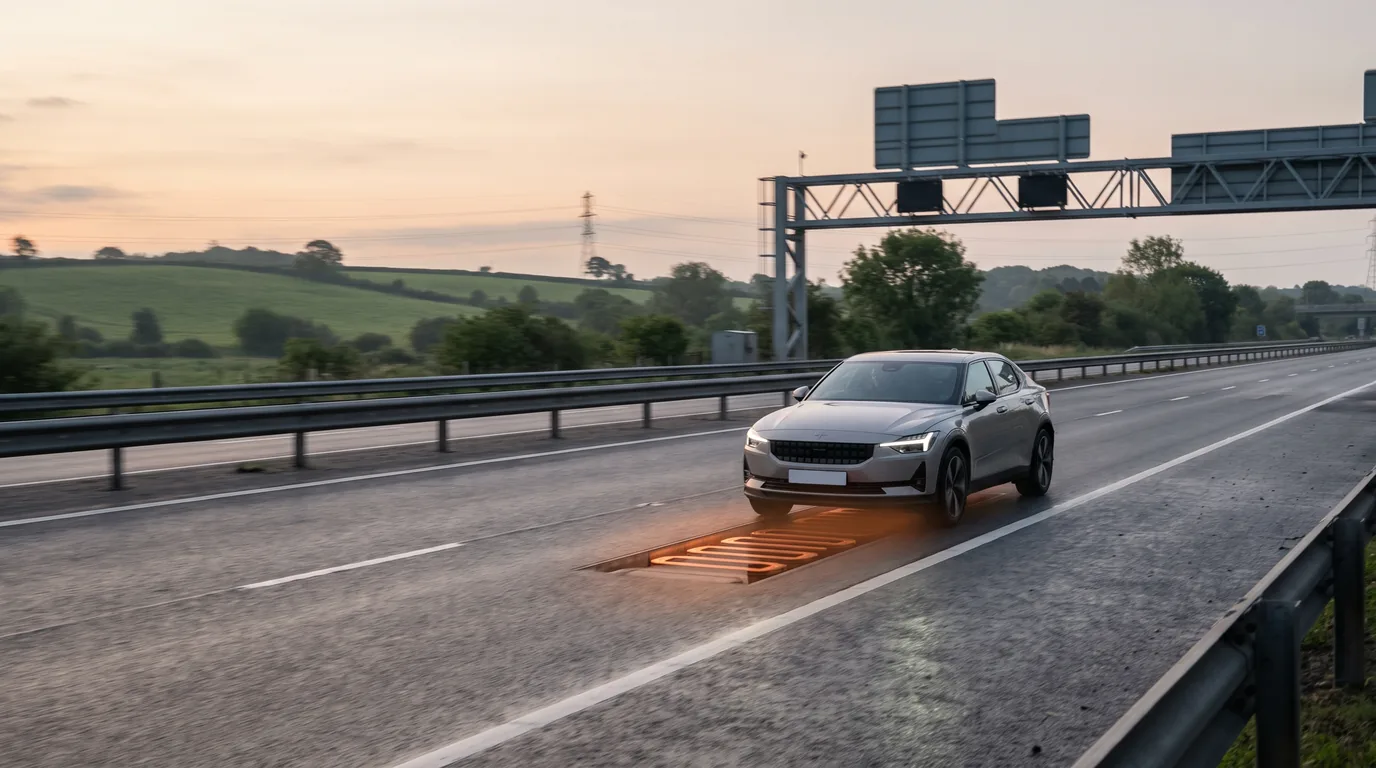
Honda will test charging EVs while they drive on a Japanese motorway in 2027
Coils buried in the road would top up electric trucks, and eventually cars, at motorway speeds. It is a promising idea, already being tried in France and Germany, but the hard part is cost.
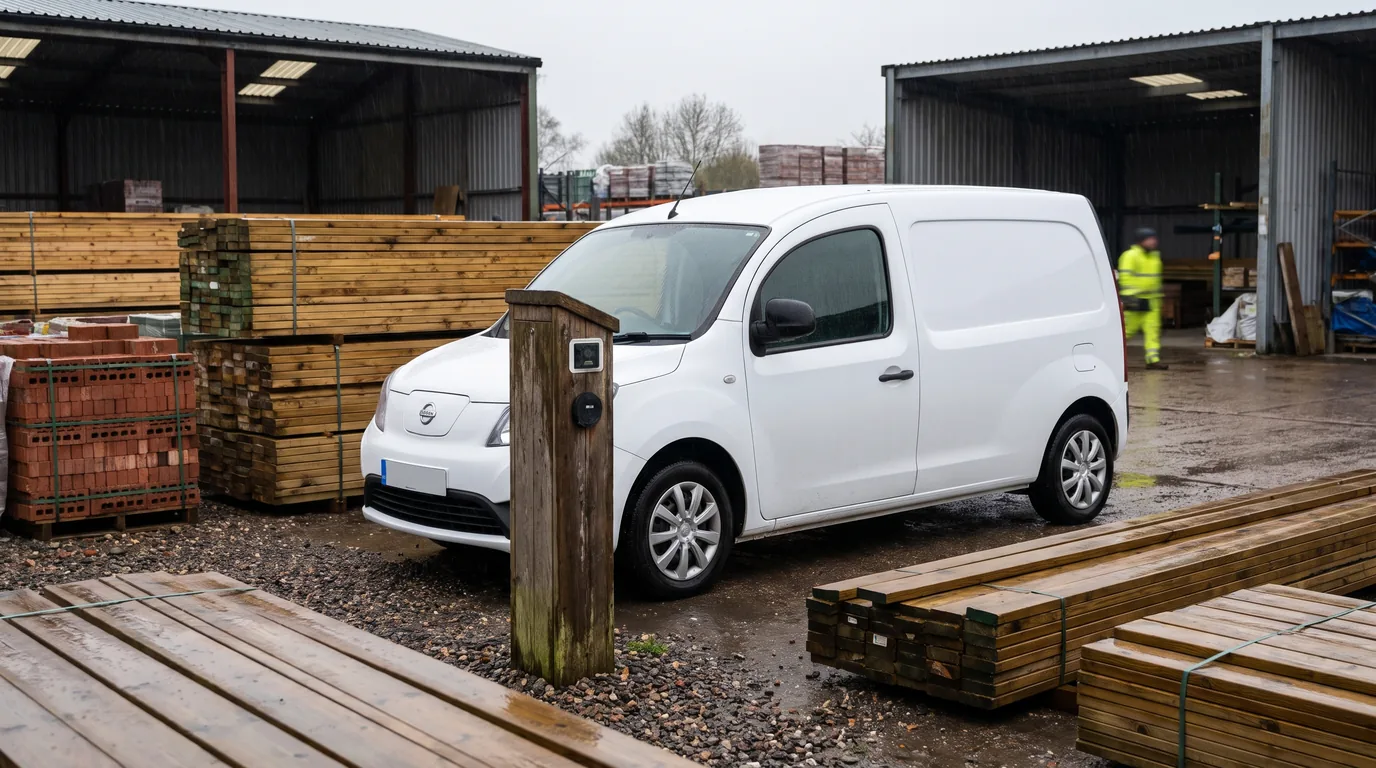
New Renault Trafic E-Tech: 2027 Van of the Year with up to 292 miles and 800V charging
Renault's all-new electric mid-size van moves to a dedicated skateboard platform, charges far faster than the old model and tows twice as much. It goes head to head with the Kia PV7.
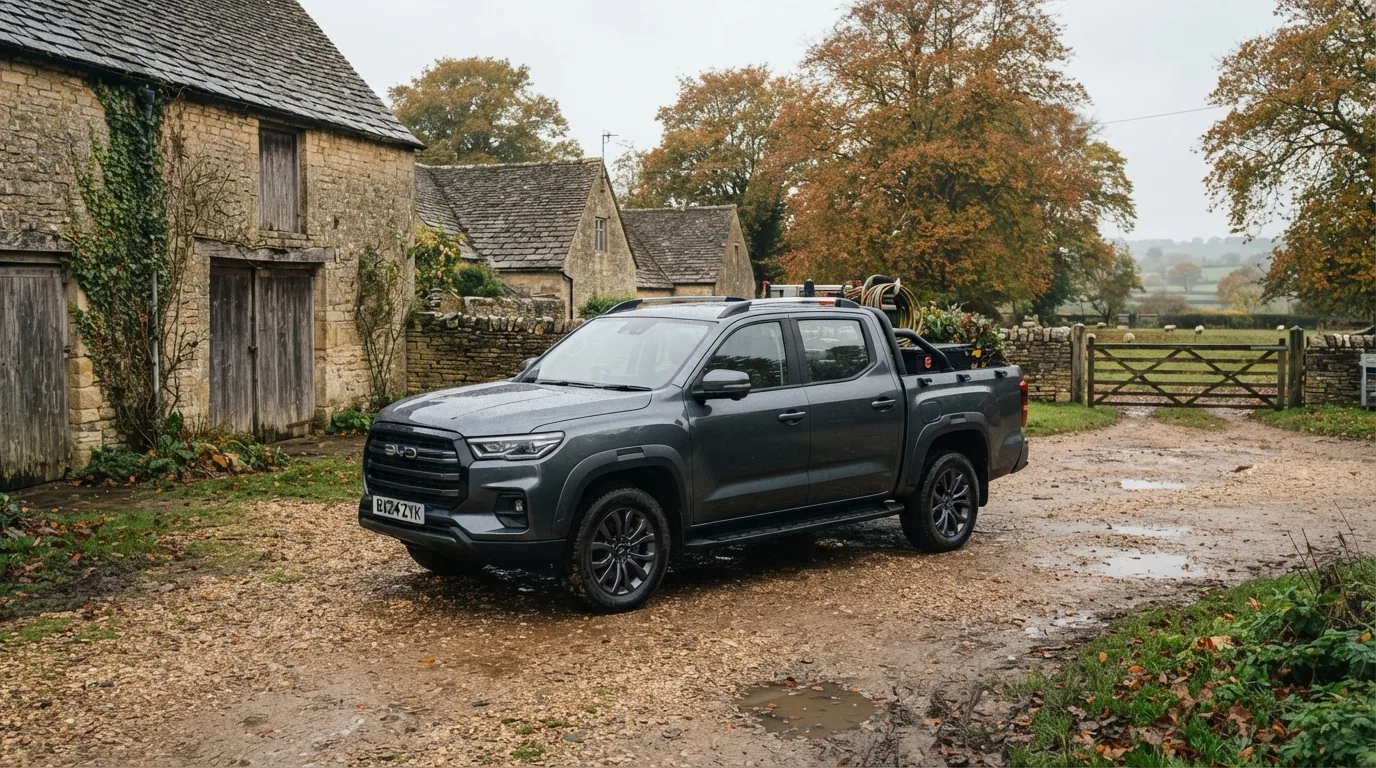
BYD Shark pick-up UK price: £47,290, 55 miles electric range
BYD's first pick-up is a plug-in hybrid with 55 miles of electric range, a 790kg payload and a 2,500kg towing limit. Here is who it suits, how it is taxed and how it compares with the Ford Ranger PHEV.
Electric Van MOT and Licence Rules: 4.25-Tonne Vans on a Car Licence
A standard car licence now covers zero-emission vans up to 4.25 tonnes, with no extra training, no tachograph and an ordinary MOT. Here is what changed, when, and the one towing rule to get right.
Electric van sales hit record 4,832 in September, still short of target
Battery electric vans took 9.6% of the UK market in September, a record month by volume but less than half the 24% the ZEV mandate requires this year. Here is what it means for van buyers.
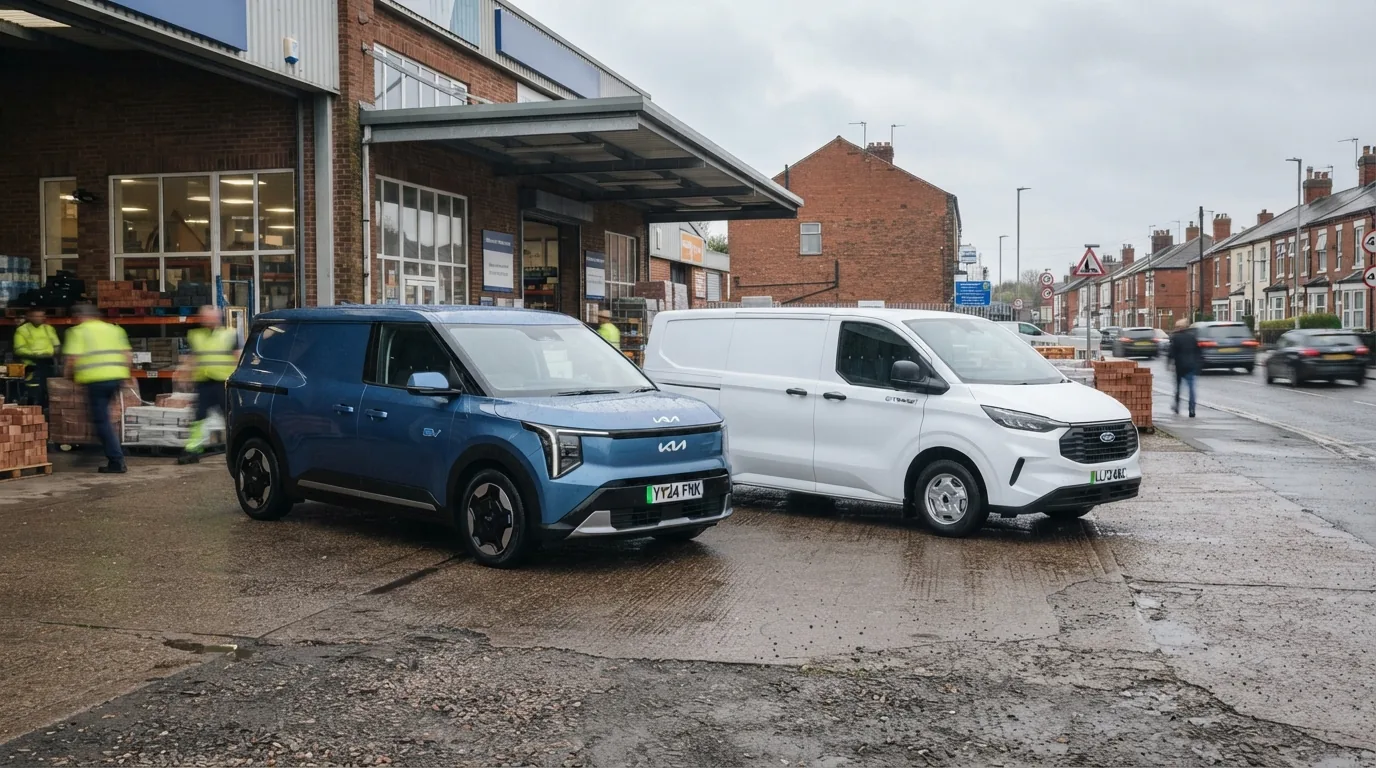
Kia PV5 Cargo vs Ford E-Transit Custom: Range, Price and Charging
Kia's PV5 Cargo costs about £15,000 less than Ford's updated 71kWh E-Transit Custom before the grant, yet goes further on a charge. The catch is a smaller load bay and a lower payload.