Electric van sales hit record 4,832 in September, still short of target
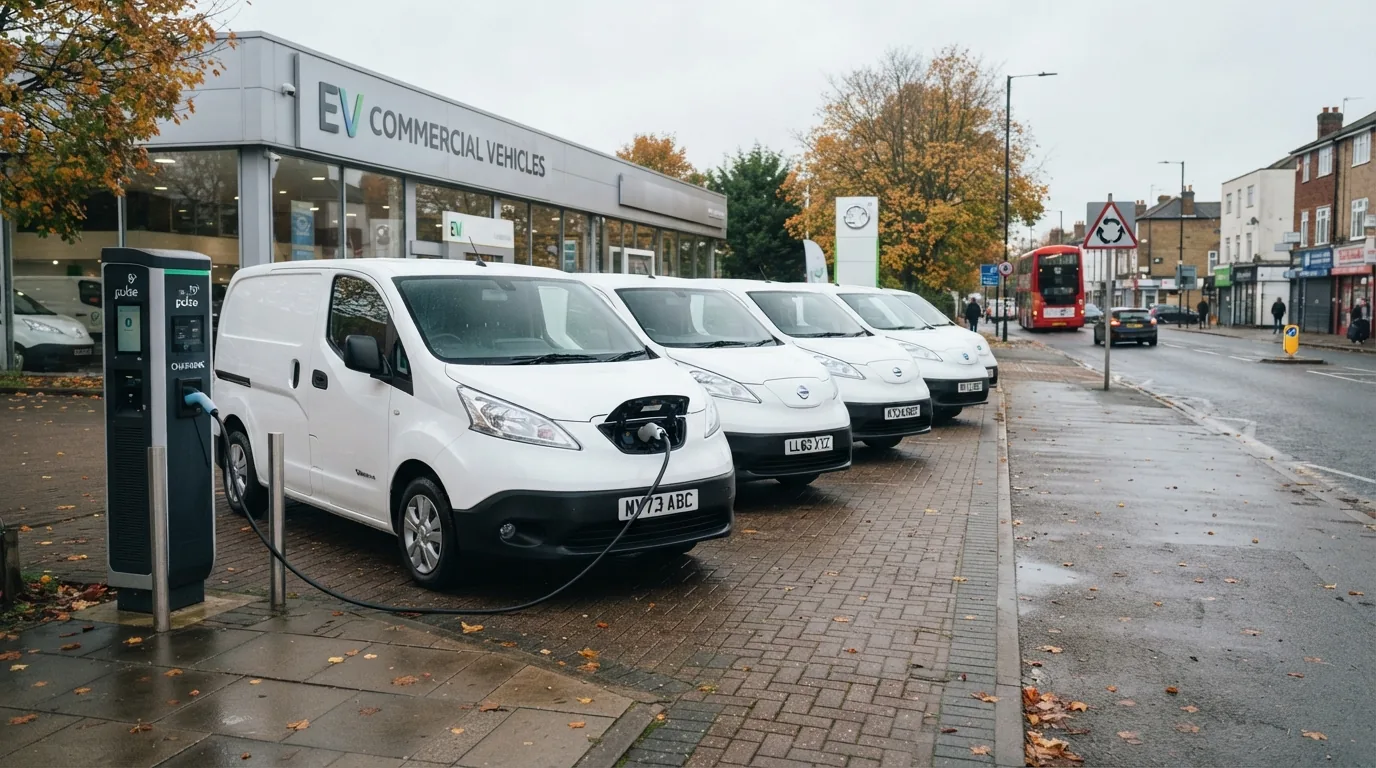
Battery electric vans took 9.6% of the UK market in September, a record month by volume but less than half the 24% the ZEV mandate requires this year. Here is what it means for van buyers.
Quick answers
- UK drivers and businesses registered 4,832 battery electric vans in September 2026, a record month and 13.4% more than a year earlier.
- That was only 9.6% of new van registrations, and the year-to-date share is 10.8%, against a 24% ZEV mandate target for 2026.
- Total new van registrations reached 49,704, up 4.8%, the highest month of 2026 and the sixth month of growth in a row.
- Plug-in hybrid vans rose more than 45% year on year to a 7.9% share, nearly as large as the fully electric share.
- SMMT credits the Plug-in Van Grant and wide model choice, and names higher purchase costs, grid delays and too few van-suitable chargers as the barriers.
UK businesses and drivers registered a record 4,832 battery electric vans in September 2026, up 13.4% on a year earlier, but they took only 9.6% of the new van market. Year to date the electric share is 10.8%, less than half the 24% that the ZEV mandate requires of manufacturers this year (SMMT). For van buyers, the gap matters because it shapes both discounts and the policy debate over the 2030 target.
What did the September van figures show?
The whole van market grew. New light commercial vehicle registrations reached 49,704, up 4.8%, the highest month of 2026 and the sixth month of growth in a row (AM Online). Pick-up buyers also have a new plug-in hybrid option in the BYD Shark, now priced for the UK.
| Measure | September 2026 |
|---|---|
| Battery electric van registrations | 4,832 |
| Change on September 2025 | Up 13.4% |
| Battery electric share, September | 9.6% |
| Battery electric share, year to date | 10.8% |
| ZEV mandate target for 2026 | 24% |
| Total new van registrations | 49,704 (up 4.8%) |
| Plug-in hybrid vans, year-on-year change | Up more than 45% |
| Plug-in hybrid share, September | 7.9% |
A bigger overall market helps explain the low share. Electric vans grew by 13.4%, which is more than the market’s 4.8%, but a larger total pulls the percentage down. August is the contrast: electric vans reached a record 16.3% share, but in a low-volume month (Business Motoring). September’s big month dragged the year-to-date figure back down (Broker News).
Why are electric van sales below target?
SMMT says demand is less than half the mandated level even though fuel prices are high, and it points to three barriers: higher purchase costs, delays to grid connections and too few chargers suited to vans. It credits the Plug-in Van Grant and the more than 40 fully electric models now on sale for the record volume.
Each barrier hits a different buyer. A sole trader weighs the price gap against a diesel van. A fleet with a depot waits on the grid. A tradesperson without a driveway needs public chargers that fit a long van, and our electric vans for sole traders guide covers the practical options.
What is the Plug-in Van Grant worth?
The grant, now called the Plug-in Van and Truck Grant, remains open in the 2026/27 financial year. Parkers reports that vans up to 2.5 tonnes can receive up to £2,500 and vans between 2.5 and 4.25 tonnes up to £5,000, with eligible vehicles needing a minimum zero-emission range (Parkers). The Department for Transport has said 2026/27 rates will be confirmed in due course, so check the current rate before you order. Our list of vans eligible for the Plug-in Van Grant shows which models qualify, and the best electric vans for fleets compares them.
Ask the dealer to show the grant on your quote, and combine it with the tax benefits for electric van businesses to see the full cost.
Why are plug-in hybrid vans growing faster?
Plug-in hybrid vans and pickups rose more than 45% year on year and took 7.9% of the market in September, nearly as much as the 9.6% for fully electric vans (AM Online). SMMT lists them under “others”, and most are believed to be plug-in hybrids.
Our reading is that buyers choose them to avoid a depot upgrade or charging worries, which are the barriers SMMT names. They run on petrol or diesel once the battery is flat, so the running-cost case is weaker than for a fully electric van, and they are not zero-emission vans, so they sit outside the electric share. Our hybrid vs full electric comparison sets out the trade-off.
What happens next?
The Government is consulting on lowering the 2030 van target from 70%, with options at 60%, 50% and 40%. We explain them in our van target consultation report. Responses close on 23 October.
What this means for you
A record month does not mean cheap vans, but it shows the market is growing. With the electric share at 10.8% against a 24% target, manufacturers have a reason to push electric van sales, and that can help you negotiate. Our ZEV mandate discounts report covers how that works for cars.
If you can charge at a depot or home, price the grant into the quote and compare running costs with your diesel. If you cannot charge at base, a plug-in hybrid may suit a mixed duty cycle, but check how often you could plug in before paying the extra.
How we test and where our numbers come from
Range figures are official WLTP combined values taken from manufacturer UK specification pages, with real-world estimates drawn from independent comparative testing. Prices are UK list prices at the time of the latest update. Tax, grant and charging-scheme figures come from GOV.UK and HMRC publications. We re-check every guide when pricing, specification or policy changes. Last checked 6 October 2026.
Frequently asked questions
How many electric vans were registered in the UK in September 2026?
4,832 battery electric vans, a record month and up 13.4% on September 2025, according to SMMT. They took a 9.6% share of the new van market.
What is the ZEV mandate target for electric vans in 2026?
24% of new van sales must be zero emission in 2026. The year-to-date electric van share to the end of September is 10.8%.
Why are electric van sales below target?
SMMT names higher purchase costs, delays to grid connections and a shortage of van-suitable public charging as the main barriers, even with high fuel prices and a wide choice of models.
How much is the Plug-in Van Grant worth?
The grant is open in 2026/27. Parkers reports up to £2,500 for vans up to 2.5 tonnes and up to £5,000 for vans between 2.5 and 4.25 tonnes. The Department for Transport has said 2026/27 rates will be confirmed in due course, so check the current rate with the dealer before you order.
Are plug-in hybrid vans counted towards the ZEV mandate target?
The electric share quoted above covers battery electric vans only. Plug-in hybrids have a petrol or diesel engine, so they are not zero-emission vans, and SMMT reports them separately from the electric figure.
Sources and further reading
- smmt.co.ukSMMTPrimary source referenced in this article.
- am-online.comUK van registrations rise in SeptemberThe 49,704 total, 4.8% growth and the 45% rise in plug-in hybrid vans.
- fleetnews.co.ukRecord electric van uptake fails to get anywhere near Government targetFleet-focused coverage of the September figures and the target gap.
- brokernews.co.ukSeptember drags 2026 electric van share downThe year-to-date electric van share after September.
- businessmotoring.co.ukElectric van share hits record 16.3% in AugustAugust's record share in a low-volume month.
- parkers.co.ukPlug-in Van Grant for electric vans: everything you need to knowGrant amounts of up to £2,500 for small vans and up to £5,000 for larger vans.

EV Compared
The EV Compared editorial team tracks the UK electric vehicle market full time: new model launches, list prices, WLTP and real-world range, public charging tariffs and the tax rules that decide what an EV actually costs to run. Every guide is checked against manufacturer specifications and official GOV.UK figures, and updated whenever the numbers move.
Related reading
View all
Electric van target could fall from 70% to 40% by 2030
The Government is consulting on four 2030 options for vans, from keeping 70% to cutting it to 60%, 50% or 40%. Responses close on 23 October. Here is what each option means for van buyers.
UK EV news: record September sales, Chinese share, charging prices
The week's UK electric car news in one place: record September registrations, Chinese brands at 23.3%, charging prices, new cars, vans, the ZEV mandate review and the stories behind them.
Kia PV5 Chassis Cab UK: 258 miles, 1,005kg payload, price due
Kia's first electric chassis cab will reach the UK only with the 71.2kWh battery, with TGS tipper, dropside and box conversions planned for the fourth quarter. Pricing has not been announced.
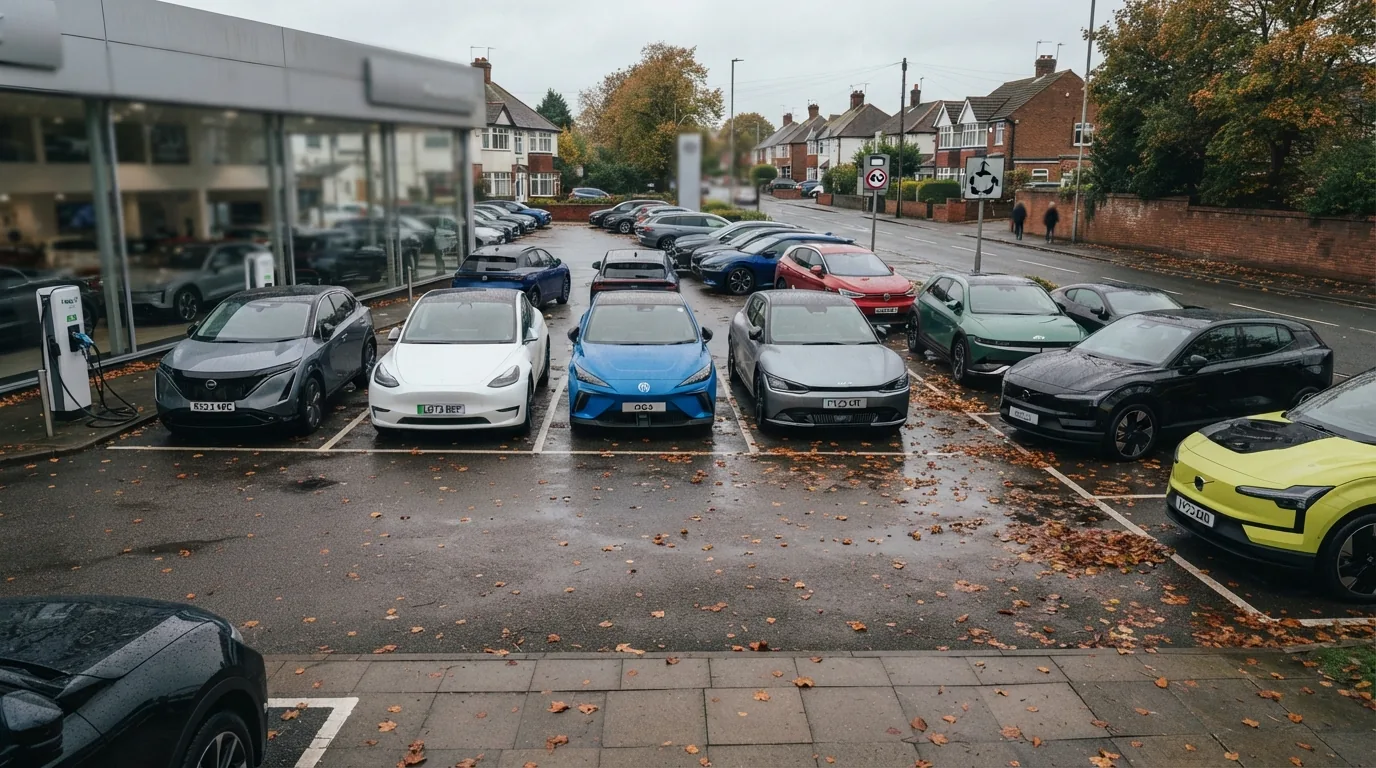
ZEV mandate: carmakers need 265,000 more EV sales by year end
Even after a record September, electric cars make up only 26.2% of 2026 sales so far against a 33% target. Here is what that gap means for EV discounts and when to order.
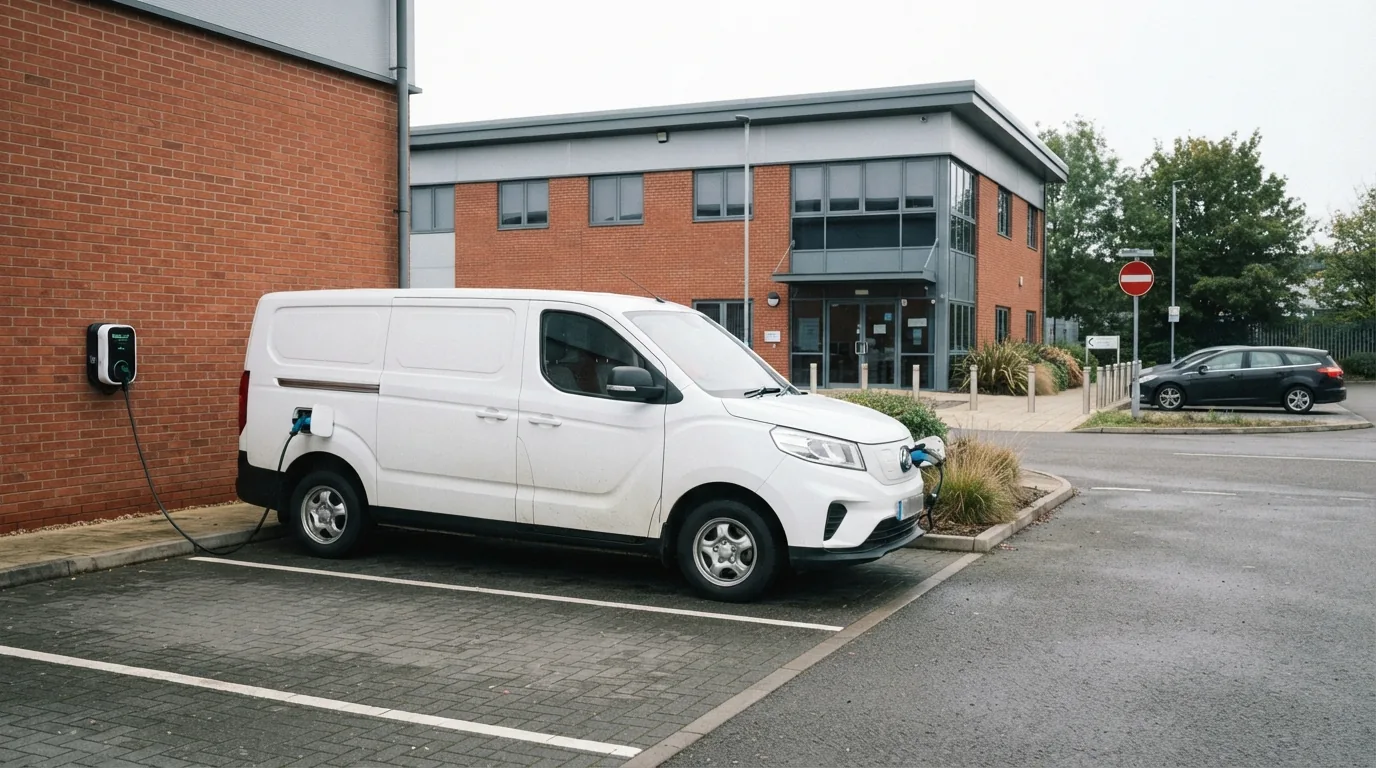
Best Electric Vans Eligible for the UK Plug in Van Grant
The Plug-in Van Grant offers up to £5,000 off a new electric van. These are the models that earn it and deserve it.
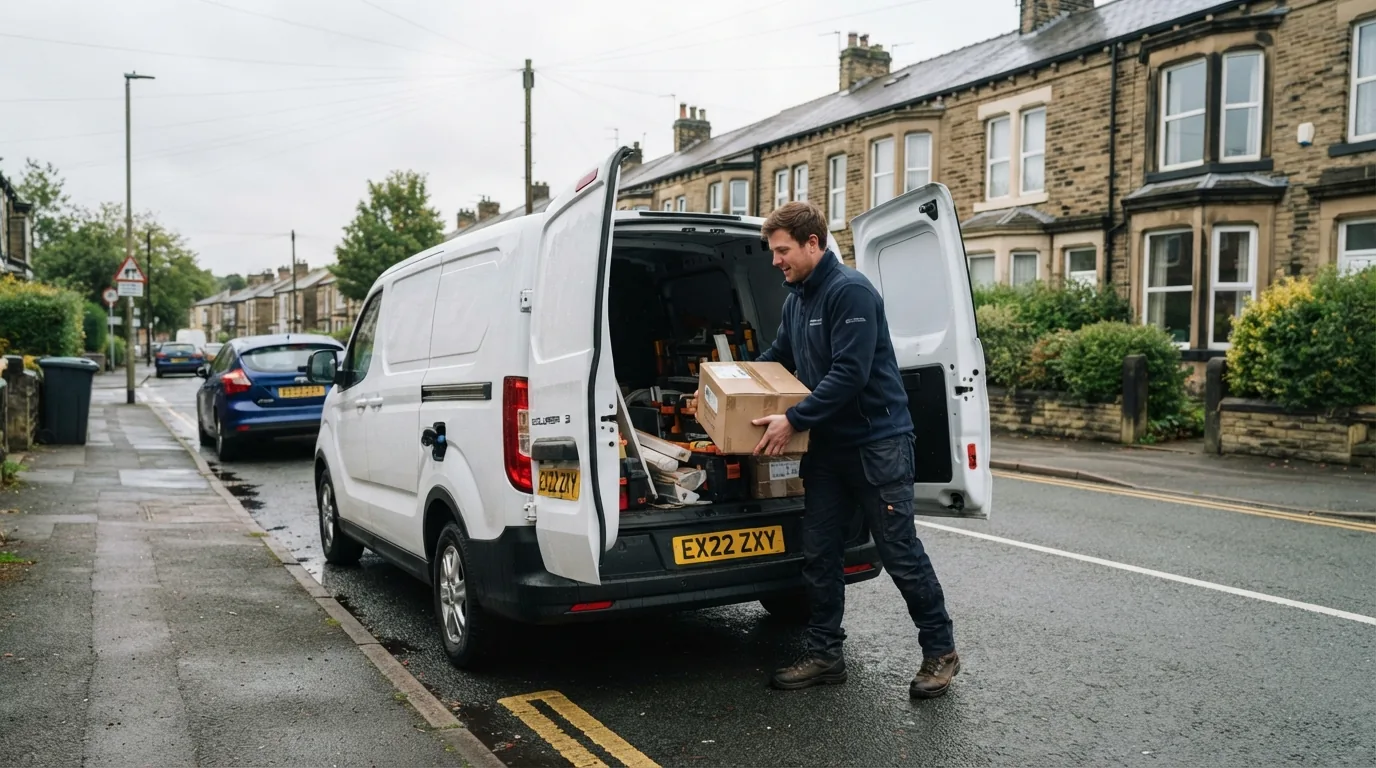
Best Electric Vans for Sole Traders in the UK
Top electric vans for the self-employed: tax relief, real-world range and 2026 model rankings