UK EV news: record September sales, Chinese share, charging prices
The week's UK electric car news in one place: record September registrations, Chinese brands at 23.3%, charging prices, new cars, vans, the ZEV mandate review and the stories behind them.
Quick answers
- Battery electric registrations rose 36.3% to a record 99,199 in September 2026, a 28.3% share of a new car market that grew 12.1% to 350,518.
- Chinese brands took 23.3% of UK new car sales in September, and BYD was the second-biggest brand, with 20,129 registrations on its own count and 20,140 on industry figures.
- Zapmap put the average rapid and ultra-rapid price at 77p/kWh in August 2026, while the October price cap makes home charging 26.32p/kWh.
- The DfT's ZEV mandate review closes on 23 October 2026, and three of its four options would cut the 2030 car target from 80%.
- The Electric Car Grant has about £1.95bn in total, and the next chance for ministers to change it is the 28 October Budget.
UK electric car registrations hit a record 99,199 in September 2026, up 36.3% for a 28.3% share of a market that grew 12.1% to 350,518, according to SMMT. This round-up pulls together the week’s stories, with the key figure from each, so a UK driver can see what changed for prices, charging and the rules. Every number below comes from the linked EV Compared report.
What changed this week
The headline is the September sales record: almost five new battery electric cars every minute, and 454,945 registered so far this year, a 26.2% share against a 33% ZEV mandate target for 2026. The Tesla Model 3 was the best-selling EV with 9,929 registrations, ahead of the Model Y on 5,946.
The Chinese brands were the other story. Chinese marques took 23.3% of UK sales, 81,776 cars against 38,934 a year earlier, and the Jaecoo 7 was the best-selling car overall. BYD said it registered 20,129 cars, up 80% on a year earlier, while industry figures put the total at 20,140. On either count it finished behind only Volkswagen on 25,972. Cars built in China do not qualify for the Electric Car Grant, so BYD, Omoda and Jaecoo have used their own discounts instead.
The week at a glance
| Cluster | Story | Key figure |
|---|---|---|
| September sales | Record month | 99,199 battery electric cars, 28.3% share |
| Chinese brands | Market share record | 23.3% of new car sales |
| New cars | Kia EV2 price | £24,245 for the 61.0kWh Air after a £3,750 saving |
| Premium | Range Rover Electric | From £154,070 (no grant at this price), up to 372 miles WLTP |
| Charging | Public charging prices | 77p/kWh rapid average, August 2026 |
| Home energy | October EV tariffs | 6.66p/kWh off-peak on EDF GoElectric |
| Vans | Electric van record | 4,832 vans, 9.6% share |
| Policy | ZEV mandate review | 2030 target could fall from 80% to 50% |
| Money | Electric Car Grant funding | About £1.95bn in total |
New cars and premium
The Kia EV2 Air with the 61.0kWh battery is £27,995 before the grant, or £24,245 after the £3,750 Electric Car Grant saving, with first deliveries scheduled for later in 2026. At the other end of the market, the Range Rover Electric costs from £154,070 and the Sport Electric from £109,810, a gap of £44,260 at entry level.
Behind the badge, JLR plans to cut around 4,000 jobs over two years to save £1.7bn, mostly salaried UK office roles. Nothing announced so far points to delays for buyers who have ordered an electric Range Rover.
Charging and running costs
Zapmap’s index put rapid charging at 77p/kWh in August, against 54p/kWh on slower public chargers. Home charging at the October price cap of 26.32p/kWh costs about a third of the rapid average. Off-peak tariffs got cheaper too: Intelligent Octopus Go fell to 7.6p per kWh, while EDF GoElectric is lowest of the major tariffs at 6.66p.
On the road, five new rapid hubs opened in September, led by Gridserve’s 24-bay site at Cobham Services on the M25.
Money and policy
The Electric Car Grant has about £1.95bn in total, and on our sums it could run out around mid-2028 if every buyer got the full £3,750 at 200,000 grants a year. The 28 October Budget is the next chance for changes. Separately, the ZEV mandate review closes on 23 October, and three of its four options would lower the 2030 car target.
For employees, salary sacrifice leasing rose almost 165% year on year in the first quarter of 2026, with company car tax on EVs at 4% in 2026/27.
Vans, used cars and batteries
UK buyers registered a record 4,832 electric vans in September, but that was only 9.6% of new van registrations against a 24% mandate target. On the used side, Aviloo’s 500,000-test study found the Mercedes EQA leads at a median 94.0% state of health at 150,000km, while used EV battery disputes turned on written proof: dealers with it won every case.
Looking further ahead, Samsung SDI targets 2027 for solid-state materials and China 2030, but no UK model with a solid-state battery has been announced. The UK fleet of zero-emission cars passed 2.017 million at the end of June, 5.8% of cars on the road.
What this means for you
- Buying new: check whether your shortlist qualifies for the grant, since Chinese-built cars do not and rely on dealer discounts.
- Charging: use the home tariff for most miles. At the October price cap, home charging costs about a third of the rapid average.
- Used: ask for written battery health proof from the dealer before you pay.
- Waiting for policy: the mandate consultation and the 28 October Budget could both change the market, so watch both.
More weekly stories sit in the EV Compared news section.
How we test and where our numbers come from
Range figures are official WLTP combined values taken from manufacturer UK specification pages, with real-world estimates drawn from independent comparative testing. Prices are UK list prices at the time of the latest update. Tax, grant and charging-scheme figures come from GOV.UK and HMRC publications. We re-check every guide when pricing, specification or policy changes. Last checked 6 October 2026.
Frequently asked questions
What is the biggest UK EV news this week?
Battery electric registrations hit a record 99,199 in September 2026, up 36.3% and a 28.3% share of the market. Year to date the share is 26.2% against a 33% mandate target for 2026.
Which electric car sold best in the UK in September 2026?
The Tesla Model 3, with 9,929 registrations. The Tesla Model Y (5,946), BYD Sealion 7 (3,191), BYD Seal (3,184) and Kia EV3 (3,026) completed the top five.
Are electric cars getting cheaper to charge?
Off-peak home tariffs fell: Intelligent Octopus Go is 7.6p per kWh from 1 October 2026. Public rapid charging averaged 77p/kWh in Zapmap's August index, so home charging remains far cheaper.
Could the 2030 ZEV mandate target change?
The Department for Transport is consulting on it until 23 October 2026. Three of the four options for cars would cut the 2030 target from 80% to 70%, 60% or 50%.
Sources and further reading
- smmt.co.ukSMMTPrimary source referenced in this article.
- zapmap.comUK EV Charging Price Index 2026: cost per kWhAverage public charging prices.
- gov.ukVehicle licensing statistics: April to June 2026Zero-emission cars on UK roads at the end of June 2026.
- gov.ukGOV.UK: Zero emission vehicle mandate reviewThe consultation on 2030 targets and flexibilities.
- smmt.co.ukSeptember's record electric van uptake still less than half mandatedSeptember 2026 electric van registrations.

EV Compared
The EV Compared editorial team tracks the UK electric vehicle market full time: new model launches, list prices, WLTP and real-world range, public charging tariffs and the tax rules that decide what an EV actually costs to run. Every guide is checked against manufacturer specifications and official GOV.UK figures, and updated whenever the numbers move.
Related reading
View all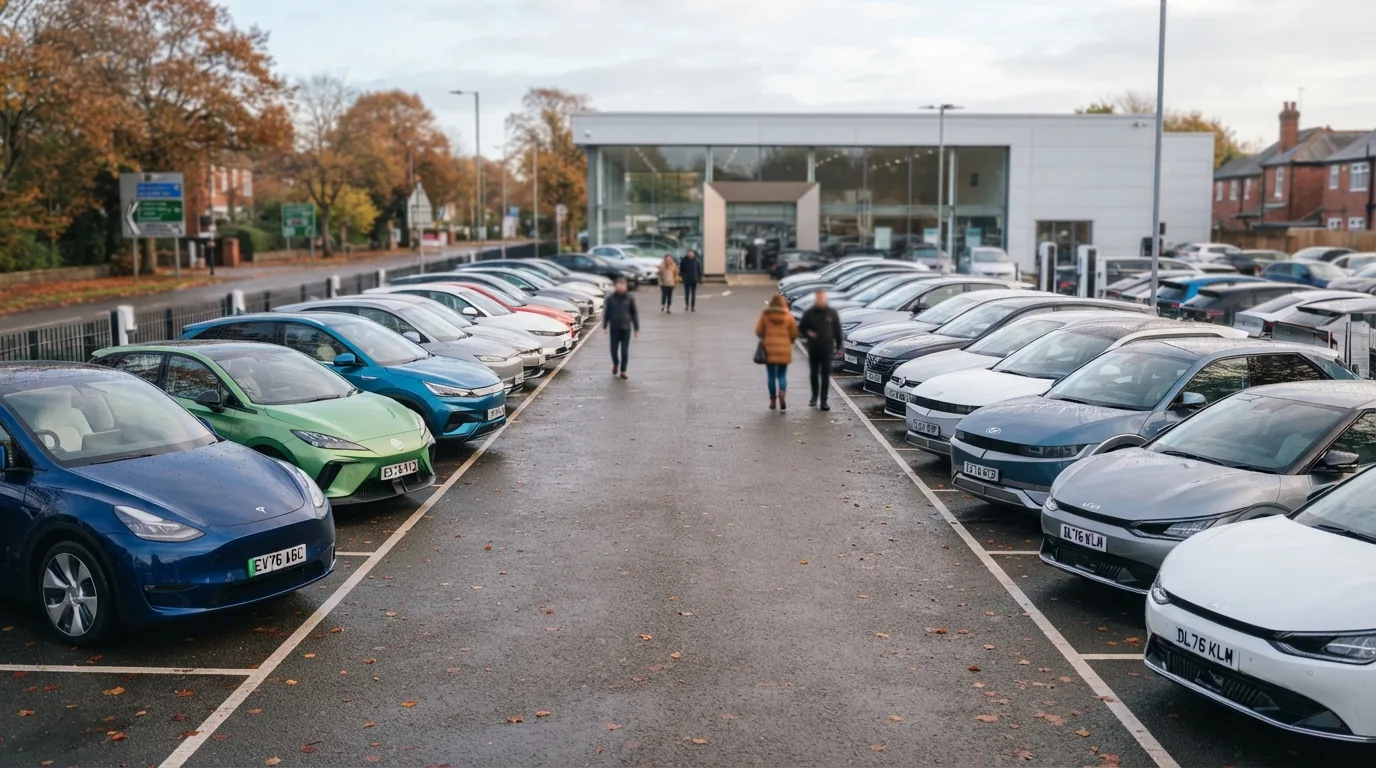
UK electric car sales hit record 99,199 in September
Battery electric cars took 28.3% of the plate-change month, the best ever for UK EV registrations. The year to date is still 26.2%, well short of this year's 33% ZEV mandate target.
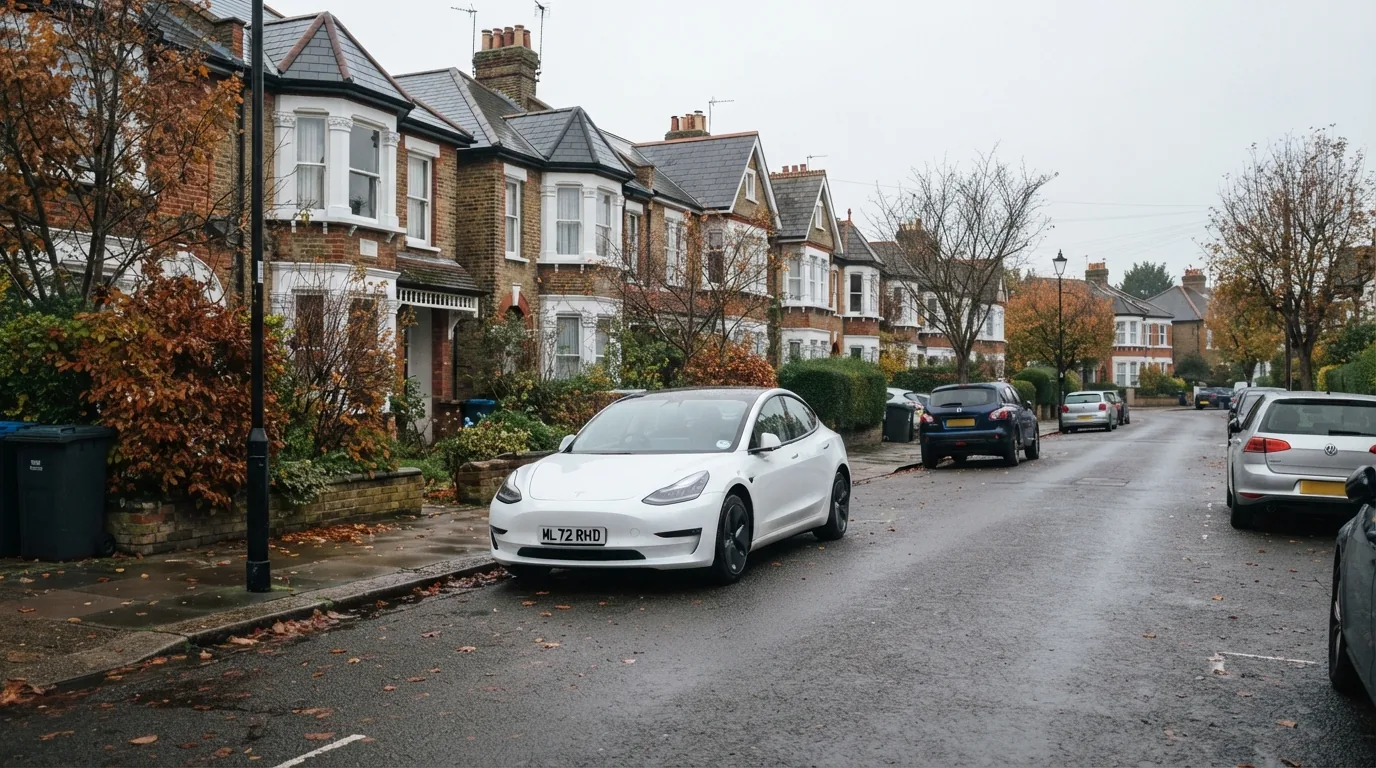
Tesla Model 3 is UK's best-selling EV in record September
The Model 3 sold 9,929 cars to finish second overall, and Tesla and BYD took four of the top five EV places. Here are the five best-selling electric cars that we could verify, and how they compare with the overall top 10.
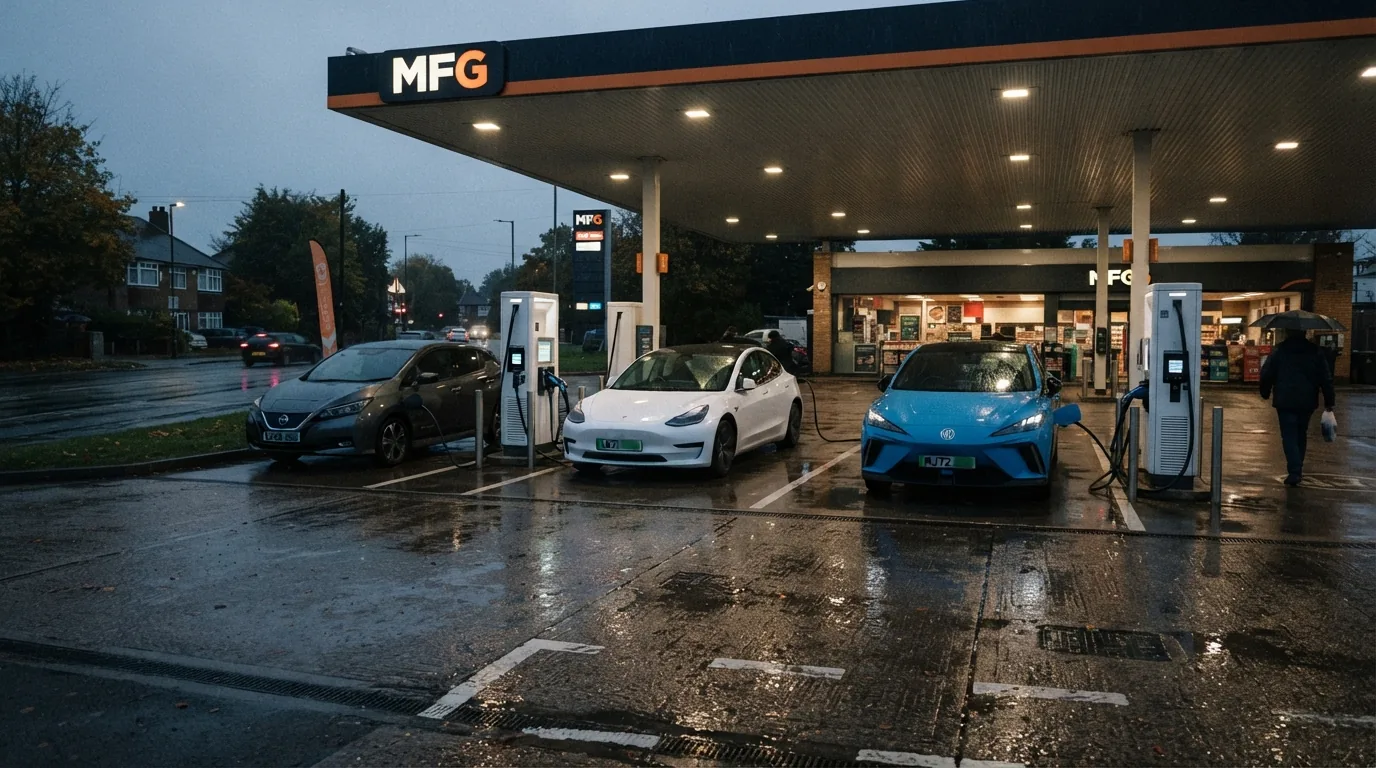
Zapmap: rapid charging averages 77p/kWh as MFG keeps 59p app price
Rapid public charging averaged 77p/kWh in August, and MFG has kept its 59p summer price for drivers who use its app. Here is what the big networks charge, and the off-peak and subscription deals that cut the bill.
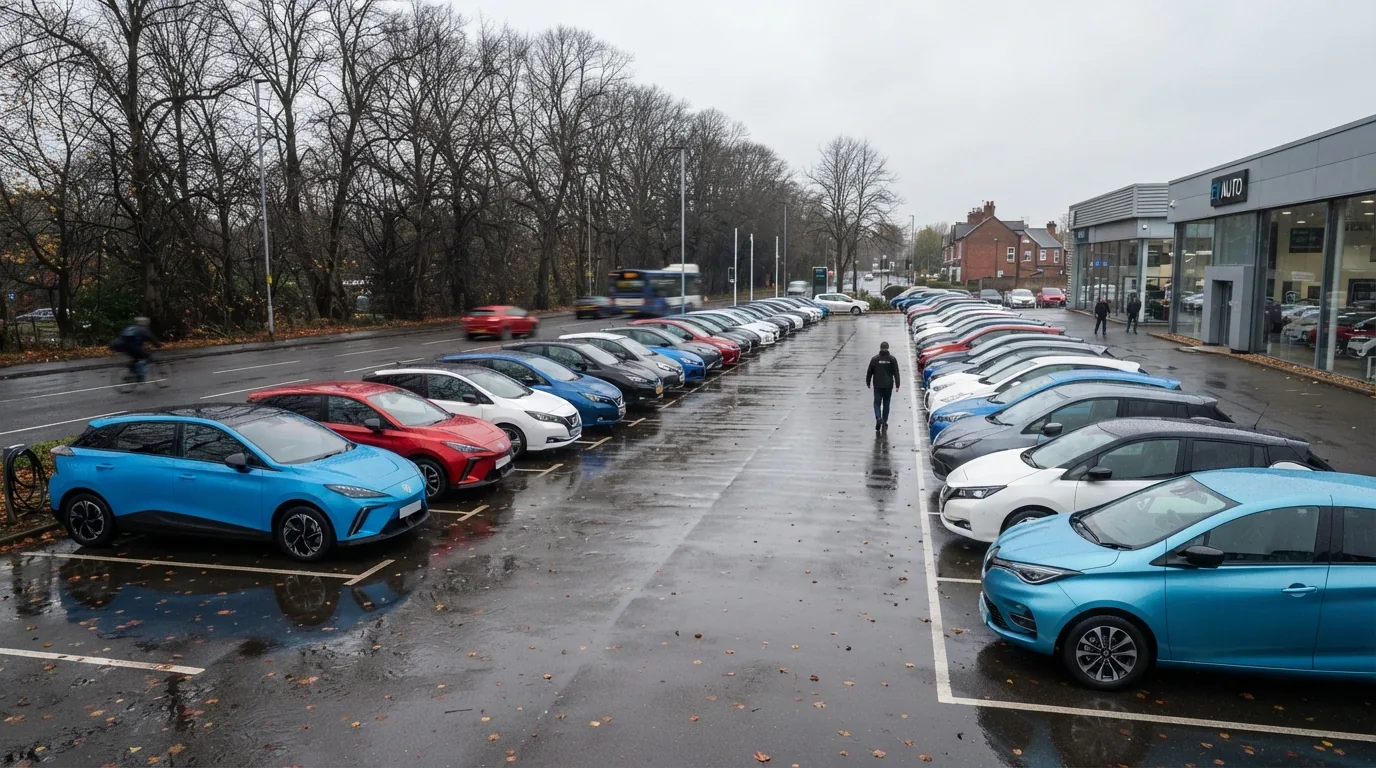
Electric Car Grant after record EV sales: will £1.95bn last to 2030?
The grant helped power September's record 99,199 EV registrations. Our sums show whether its £1.95bn reaches March 2030 depends on how many buyers get the full £3,750.
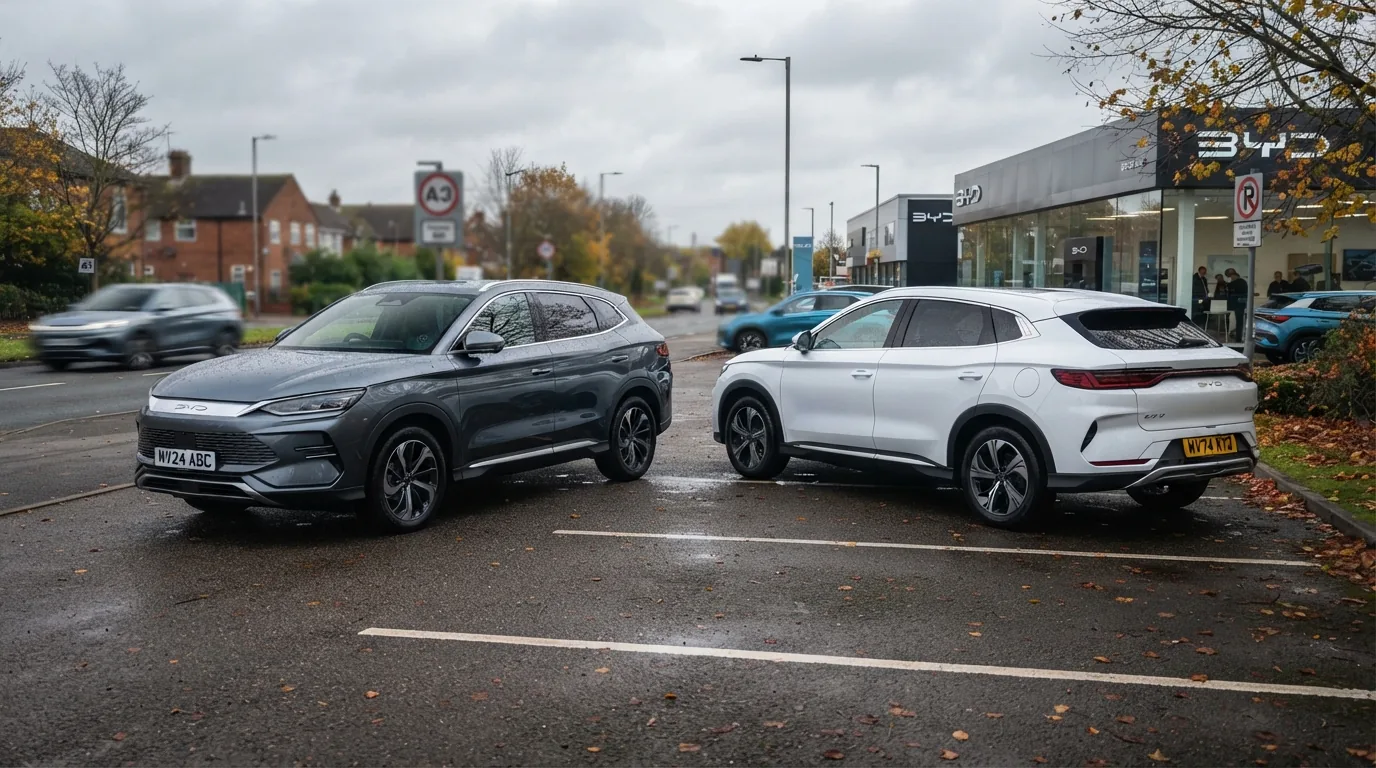
BYD hits record 20,129 UK sales in September, second only to VW
BYD outsold every brand except Volkswagen without any Electric Car Grant help, and plug-in hybrids appear to have done much of the lifting. Here is what its push means for deals and resale values.
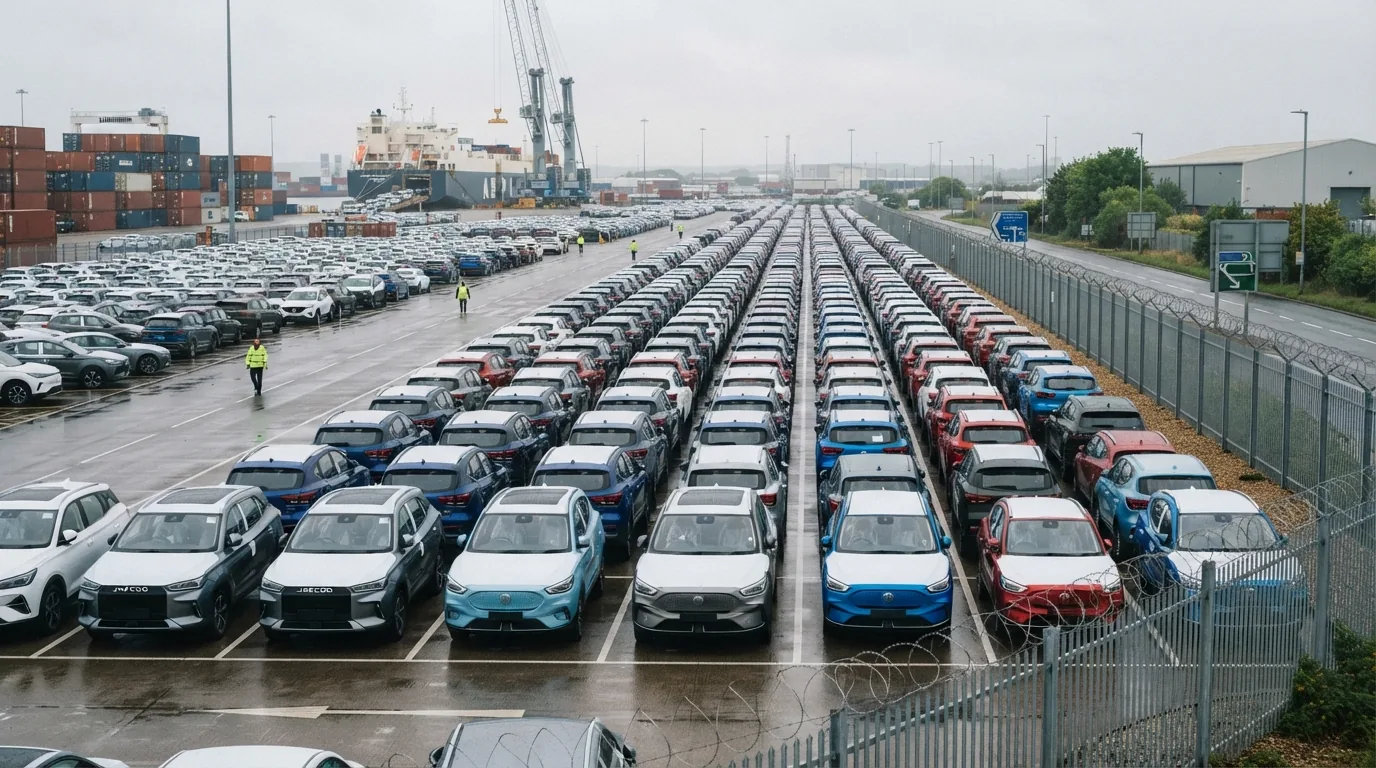
Chinese brands take 23.3% of UK car sales as Jaecoo 7 tops September
Nearly one in four new cars sold in September came from a Chinese brand, even though cars built in China get no Electric Car Grant. Here is what it means for prices, discounts and resale.