Electric Van Licence Rules: Driving 4.25-Tonne Vans on a Car Licence
A standard car licence now covers zero-emission vans up to 4.25 tonnes, with no extra training, no tachograph and an ordinary MOT. Here is what changed, when, and the one towing rule to get right.
Quick answers
- Holders of a standard Category B car licence can drive zero-emission vans with a gross weight of up to 4.25 tonnes, against 3.5 tonnes for petrol and diesel vans.
- The licence change took effect on 10 June 2025, and the mandatory five-hour training course that once stood in the way was scrapped.
- From 1 June 2026, zero-emission vans of 3.5 to 4.25 tonnes follow the same drivers' hours rules as ordinary vans, so tachographs can be removed or deactivated.
- From the same date these vans move to the Class 7 MOT, with their first test due three years after registration instead of HGV testing.
- You can tow a trailer, but van and trailer together must not exceed 7 tonnes, and the trailer itself must never exceed 3.5 tonnes.
A standard car licence now lets you drive a zero-emission van weighing up to 4.25 tonnes, 750kg more than the 3.5-tonne limit that still applies to petrol and diesel vans. Since 1 June 2026 those heavier electric vans also escape the tachograph and HGV-style testing. For a tradesperson, that removes the main legal penalty for choosing the van with the bigger battery and the bigger payload. For a payload example, see our Kia PV5 Chassis Cab report.
What does a car licence now allow?
Drivers holding a Category B licence can operate fully electric or hydrogen-powered vans with a gross vehicle weight of up to 4.25 tonnes, according to Motor Transport. The normal limit for petrol and diesel vehicles on the same licence is 3.5 tonnes. The weight above 3.5 tonnes must come from the zero-emission propulsion system.
The rule took effect on 10 June 2025, and Van Reviewer reported that the mandatory five-hour training requirement was scrapped at the same time. That course had been a hurdle for many drivers and employers moving into heavier electric vans.
The reason for the allowance is weight. Batteries make electric vans heavier than diesel equivalents, so a van that would carry the same load as a 3.5-tonne diesel can tip past the limit on its own. The higher ceiling puts the two on equal terms.
What changed on 1 June 2026?
The second stage arrived this summer. From 1 June 2026, zero-emission vans of 3.5 to 4.25 tonnes moved into GB drivers’ hours rules, which removed the tachograph requirement and the existing distance-from-base limit (Greenfleet). Tachographs can be removed or deactivated. electrive summarised the package as the removal of HGV rules for larger electric vans.
The MOT changed too. From 1 June 2026, zero-emission goods vehicles between 3,501kg and 4,250kg transitioned to Class 7 testing, meaning the first MOT falls due three years after registration and fees are lower (London Business Magazine).
| Area | Before the changes | Now |
|---|---|---|
| Licence | Category B limited to 3.5 tonnes | Category B, up to 4.25 tonnes for zero-emission vans |
| Training | Mandatory five-hour course | Scrapped |
| Tachograph | Required for vans over 3.5 tonnes | Can be removed or deactivated |
| Distance-from-base limit | Applied | Removed |
| MOT | HGV-style testing | Class 7, first test at three years |
How much can you tow?
Category B holders can tow a trailer, provided the combined maximum authorised mass of the electric or hydrogen van and its trailer does not exceed 7 tonnes (Motor Transport). The trailer itself must never exceed 3.5 tonnes.
The worked example is simple. A van with a 4.25-tonne maximum authorised mass can pull a trailer of up to 2.75 tonnes. A van with a lower plated weight leaves more headroom, but the 3.5-tonne trailer cap still applies.
Check the plates before you hitch up. The van’s own towing capacity, set by its maker, is a separate limit that sits on top of the licence rules. Our guide to electric cars for towing explains how towing capacity and range interact, and the same logic applies to vans.
Which vans does this affect?
The rule covers any zero-emission goods van that falls between 3.5 and 4.25 tonnes gross, so it matters most for larger panel vans and chassis cabs. The practical gains are bigger payloads and flexibility for crews, without extra training. Many mainstream electric vans, such as the Ford E-Transit Custom, sit below the 3.5-tonne line anyway, so the change matters most when you step up to a larger model.
If you are weighing a purchase, the wider financial picture is in our guide to the tax benefits of electric vans for businesses, and the Plug-in Van Grant explainer lists the vans that qualify for support. Government is also consulting on a longer-term target, covered in our report on the van ZEV mandate consultation.
What this means for you
- Sole traders: you can buy or lease a heavier electric van and drive it on the licence you already hold. Confirm the van’s plated gross weight is 4.25 tonnes or below, and that it is zero-emission, before you sign.
- Employers: ask your insurer to confirm cover for staff on Category B licences, and remove tachograph requirements from your compliance routine only for vans within the 3.5 to 4.25-tonne zero-emission band.
- Anyone towing: work out your combined weight first. Van plus trailer must stay within 7 tonnes, and the trailer within 3.5 tonnes.
- Running costs: plan MOT diary dates around the new Class 7 schedule, with the first test due three years after registration.
Our electric vans for sole traders guide has recommendations once you know which weight class you need.
How we test and where our numbers come from
Range figures are official WLTP combined values taken from manufacturer UK specification pages, with real-world estimates drawn from independent comparative testing. Prices are UK list prices at the time of the latest update. Tax, grant and charging-scheme figures come from GOV.UK and HMRC publications. We re-check every guide when pricing, specification or policy changes. Last checked 6 October 2026.
Frequently asked questions
Can I drive a 4.25-tonne electric van on a normal car licence?
Yes, if you hold a Category B licence and the van is fully electric or hydrogen powered. Motor Transport reports that Category B holders can drive these vans up to a gross vehicle weight of 4.25 tonnes, whereas petrol and diesel vans stay capped at 3.5 tonnes.
Do I still need the five-hour training course?
No. The mandatory five-hour training requirement was scrapped when the 4.25-tonne rule took effect on 10 June 2025, as Van Reviewer reported.
Can I tow a trailer behind a 4.25-tonne electric van?
Yes, as long as the combined maximum authorised mass of van and trailer does not exceed 7 tonnes. A 4.25-tonne van can therefore pull a trailer of up to 2.75 tonnes, and no trailer may exceed 3.5 tonnes.
Do heavier electric vans still need a tachograph?
Not from 1 June 2026. Zero-emission vans of 3.5 to 4.25 tonnes moved into GB drivers' hours rules, which removed the tachograph requirement and the distance-from-base limit. Tachographs can be removed or deactivated.
When does the first MOT fall due on a heavier electric van?
From 1 June 2026, zero-emission goods vehicles between 3,501kg and 4,250kg move into Class 7 MOT testing. Under Class 7 the first MOT is due three years after registration and fees are lower than for HGV tests.
Sources and further reading
- motortransport.co.ukMotor TransportPrimary source referenced in this article.
- vanreviewer.co.uk4.25t electric van driving licence changes start todayThe 10 June 2025 start date and the scrapped five-hour training requirement.
- electrive.comUK removes HGV rules for larger electric vansThe June 2026 removal of HGV rules for 3.5 to 4.25-tonne electric vans.
- greenfleet.netRegulatory alignment of diesel and electric vans confirmed from JuneConfirmation of the drivers' hours and tachograph changes taking effect in June 2026.
- londonbusinessmag.co.ukUK Electric Van MOT Changes 2026The move of 3,501kg to 4,250kg zero-emission vans to Class 7 MOTs, with the first test at three years.
- athlon.comIndustry insight: UK regulatory changes for 4.25t electric vansFleet-focused summary of the licence, tachograph and MOT changes.

EV Compared
The EV Compared editorial team tracks the UK electric vehicle market full time: new model launches, list prices, WLTP and real-world range, public charging tariffs and the tax rules that decide what an EV actually costs to run. Every guide is checked against manufacturer specifications and official GOV.UK figures, and updated whenever the numbers move.
Related reading
View all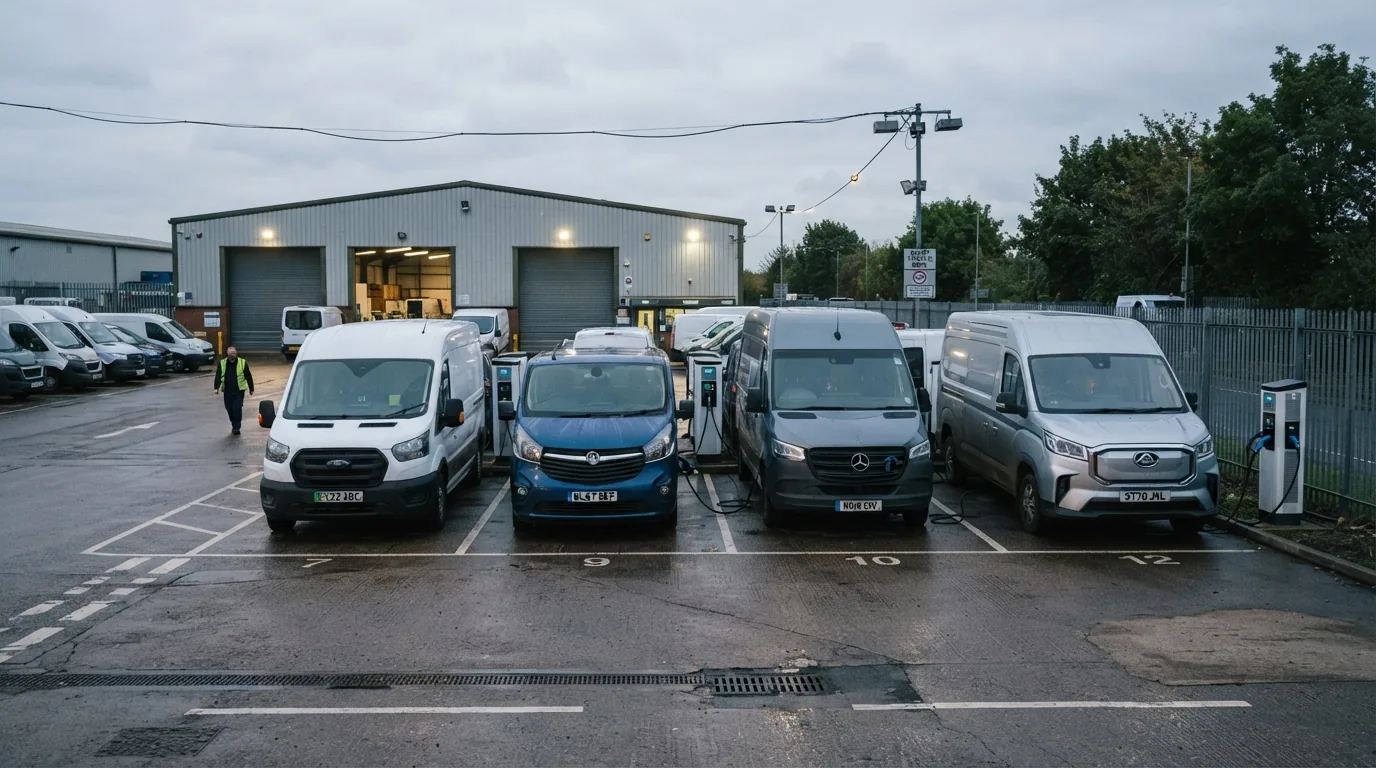
Best Electric Vans for UK Fleets in 2026
Top electric vans ranked for fleet operators by range, payload, charging and total cost
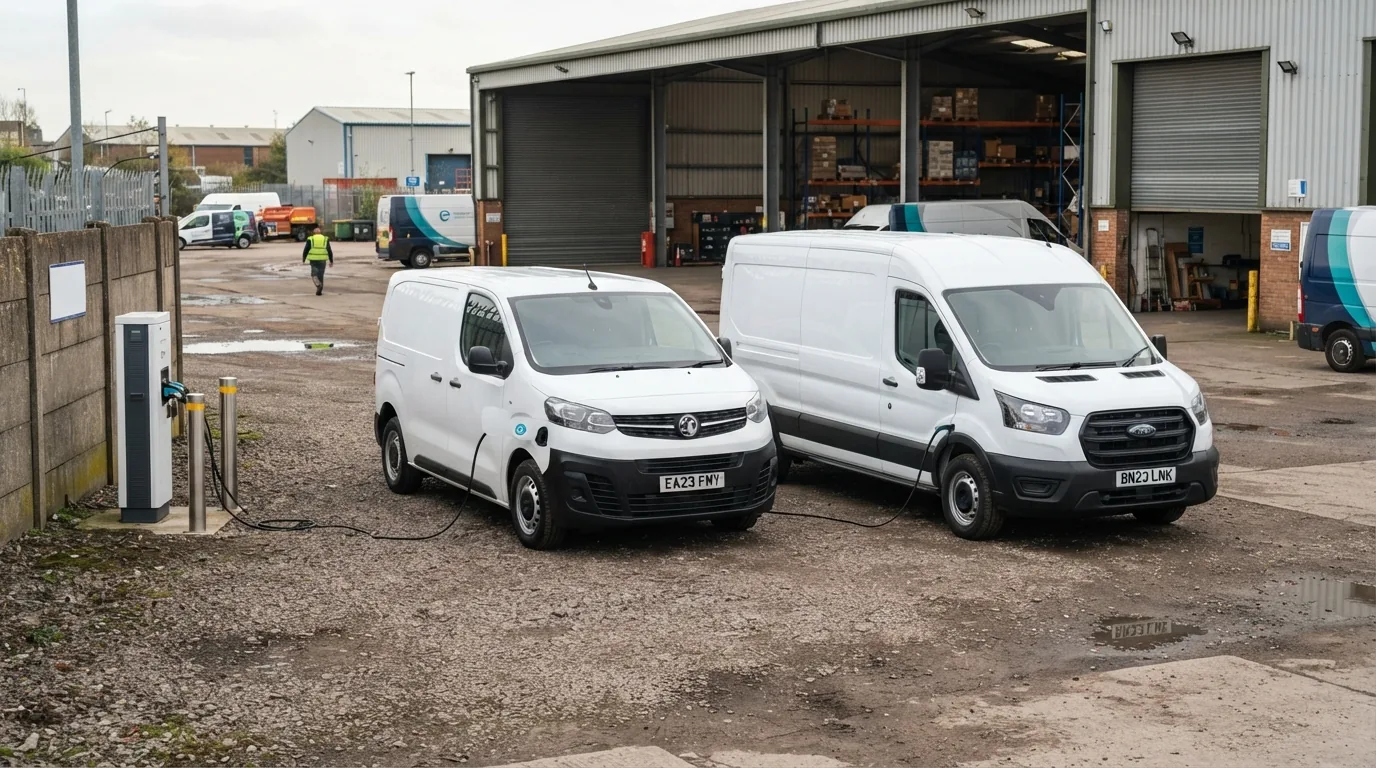
Ford E-Transit vs Vauxhall Vivaro Electric: Best UK Fleet Van?
Head-to-head on range, payload, price and fleet running costs in 2026
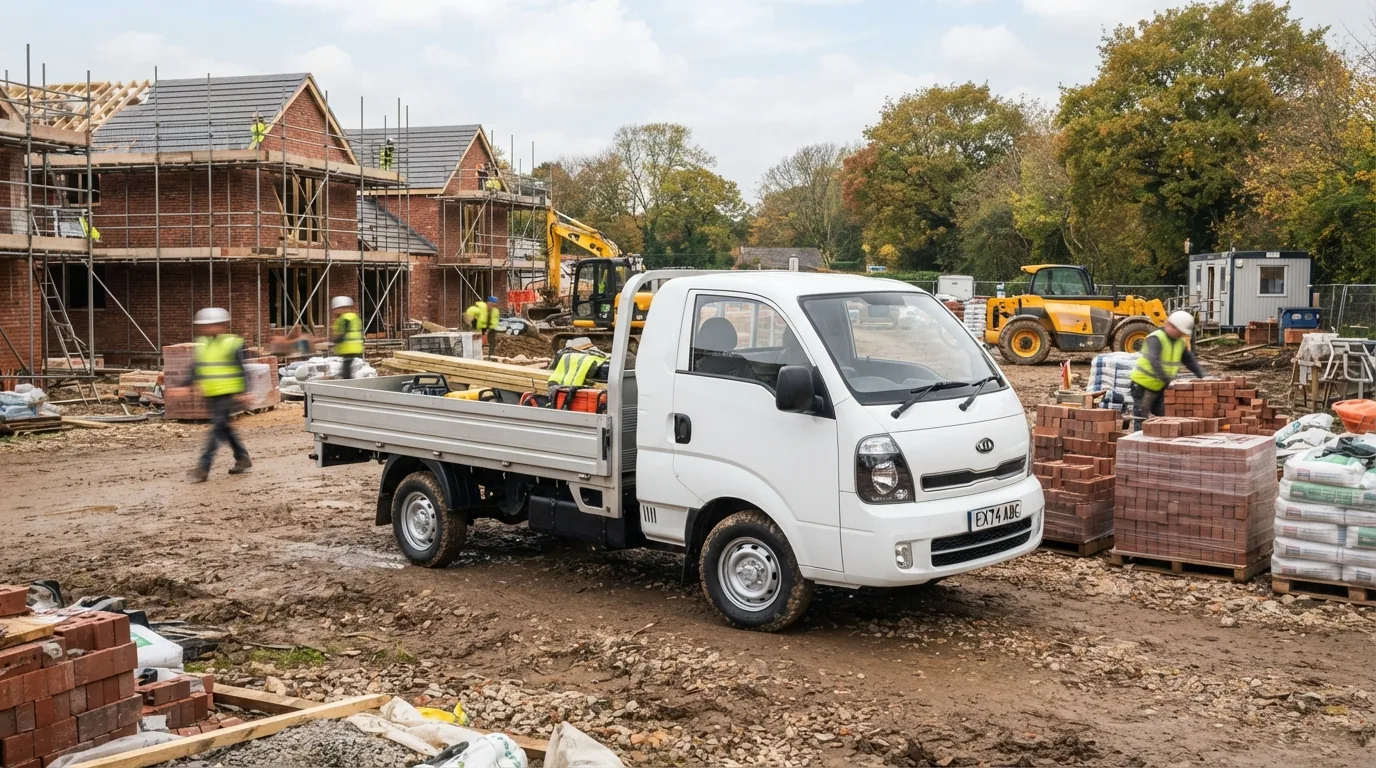
Kia PV5 Chassis Cab UK: 258 miles, 1,005kg payload, price due
Kia's first electric chassis cab will reach the UK only with the 71.2kWh battery, with TGS tipper, dropside and box conversions planned for the fourth quarter. Pricing has not been announced.
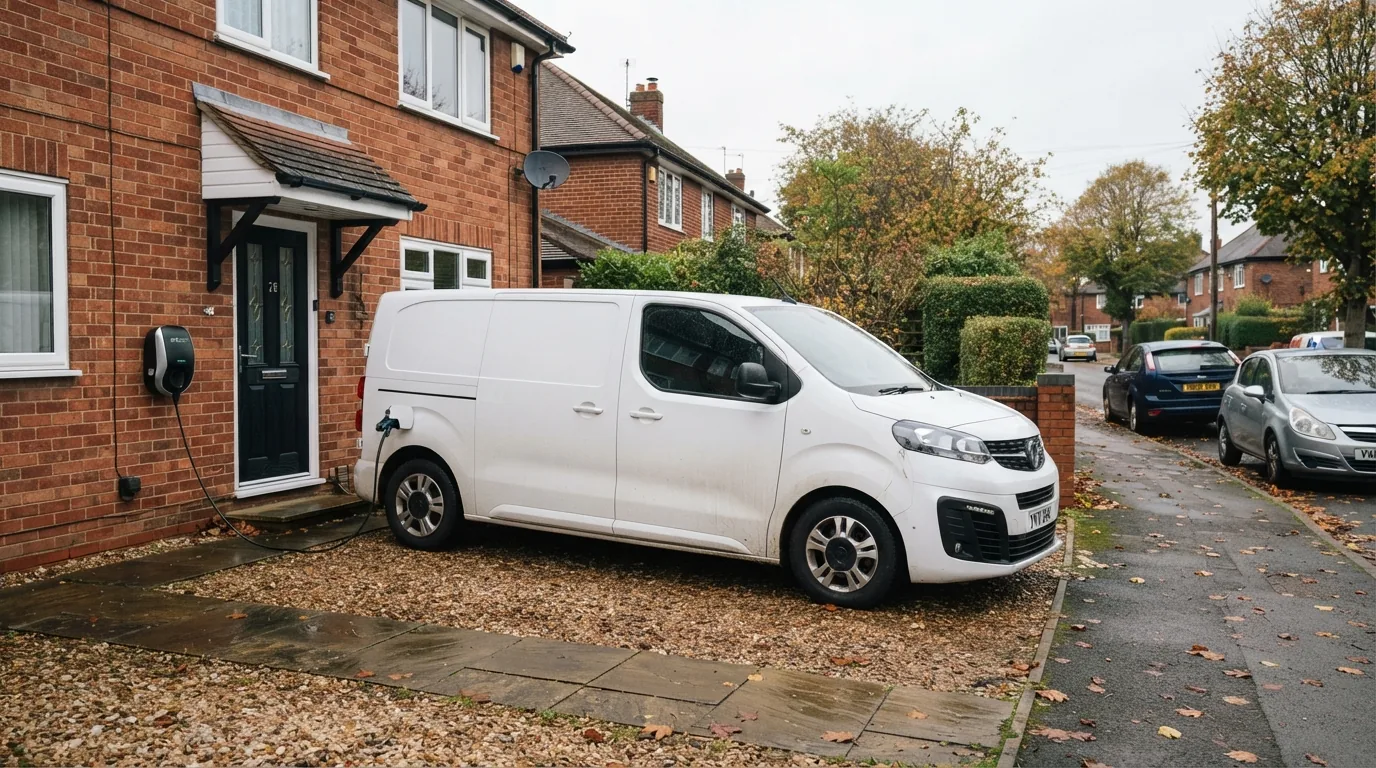
Electric van target could fall from 70% to 40% by 2030
The Government is consulting on four 2030 options for vans, from keeping 70% to cutting it to 60%, 50% or 40%. Responses close on 23 October. Here is what each option means for van buyers.
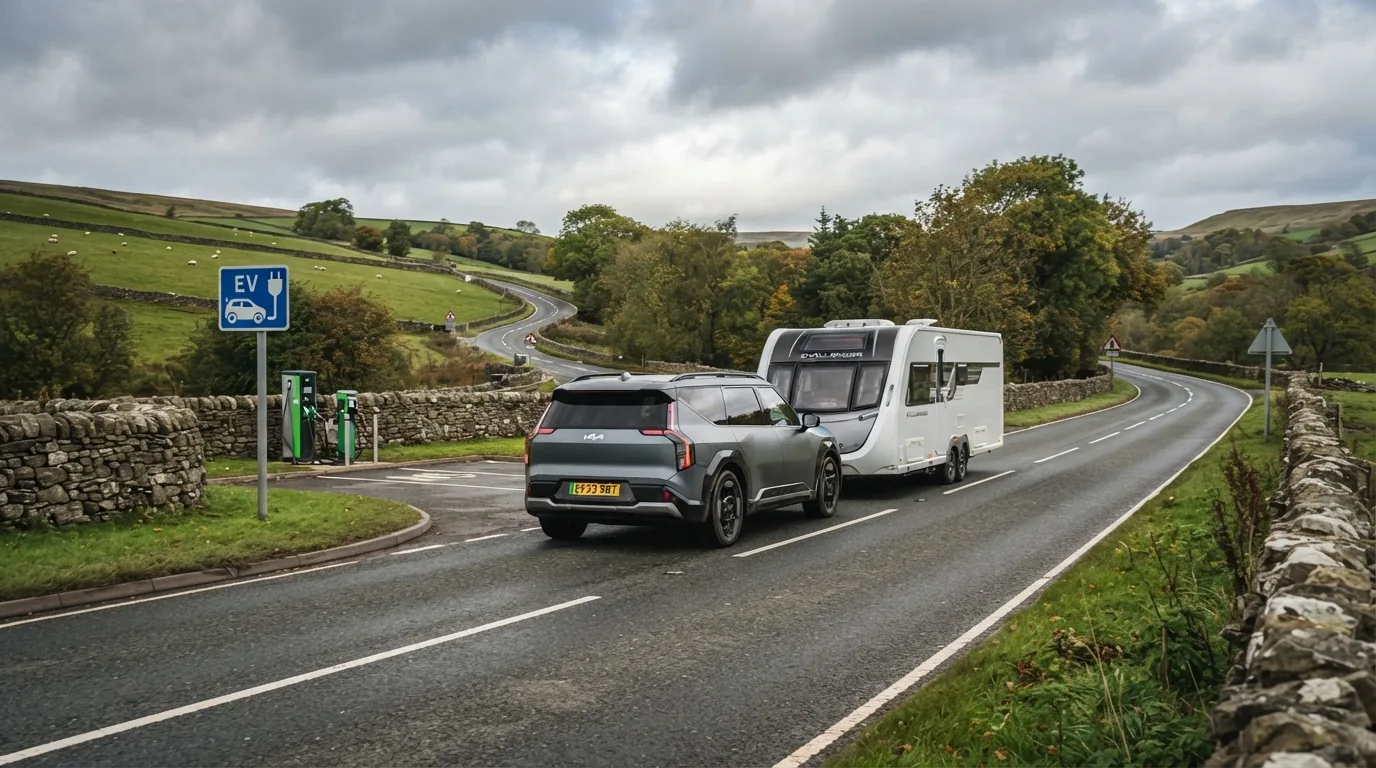
Best Electric Cars for Towing in the UK
Ranked by towing capacity, range when hitched and practical suitability for UK caravanning and trailer use
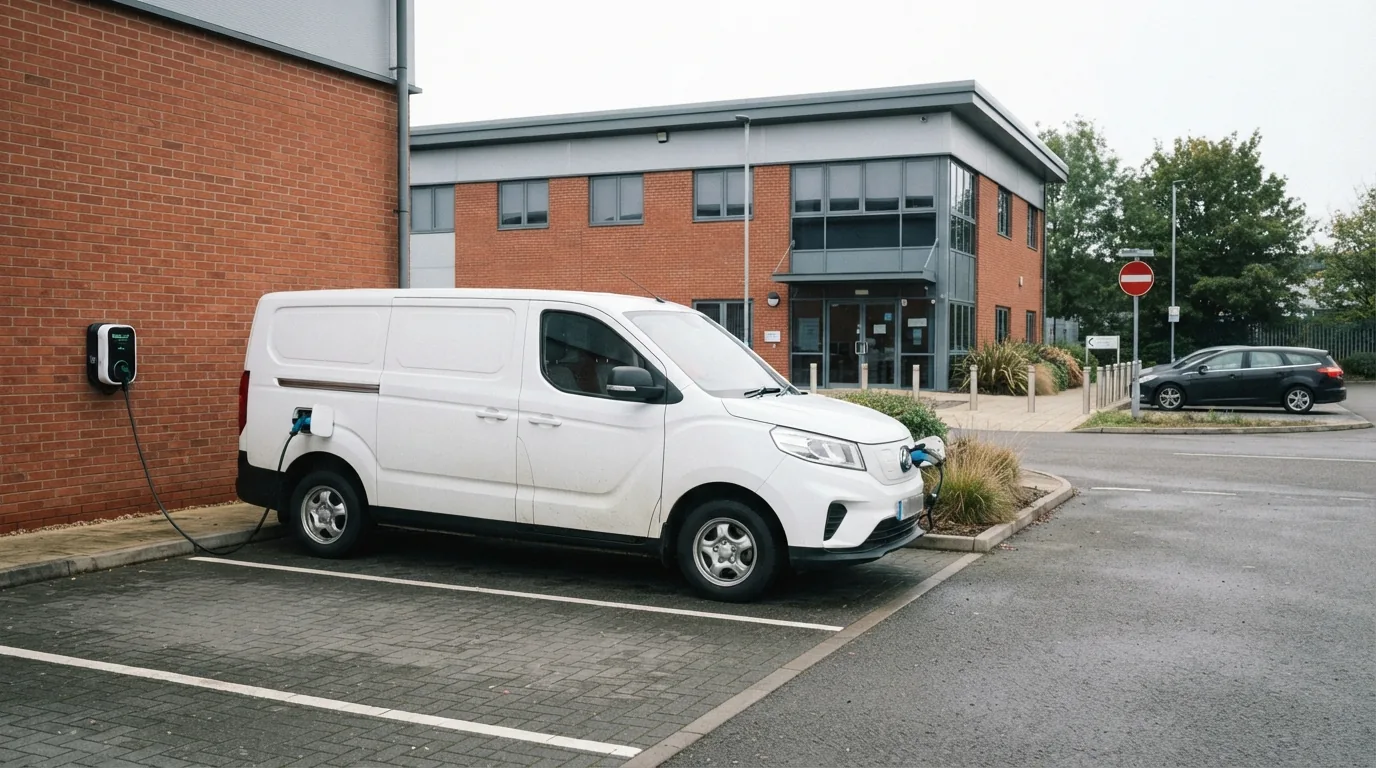
Best Electric Vans Eligible for the UK Plug in Van Grant
The Plug-in Van Grant offers up to £5,000 off a new electric van. These are the models that earn it and deserve it.