What is BYD and where is it from? The Chinese battery maker now selling 1 in 26 new UK cars
BYD is a Chinese company from Shenzhen that started out making rechargeable batteries in the 1990s and now sells electric cars and plug-in hybrids in more than 100 countries and regions, including the UK.
Quick answers
- BYD is a Chinese company based in Shenzhen; Wang Chuanfu founded it as a battery maker in February 1995 and it started building cars through BYD Auto in 2003.
- BYD says its name stands for Build Your Dreams, and the company is listed on the Hong Kong and Shenzhen stock exchanges.
- BYD registered 74,470 new cars in the UK from January to October 2026, up 90.5% on the same period of 2025, giving it a 3.9% market share according to the SMMT.
- In 2025 BYD sold 2,254,714 battery electric cars worldwide against Tesla's 1,636,129 deliveries, Auto Express reported.
- The lowest-priced BYD in the UK is the Dolphin Surf at £18,650 in November 2026, the European name for the car sold in China as the Seagull.
- On EV Compared's figures, a BYD Dolphin costs 1.38p a mile to charge on a 6.5p/kWh off-peak home tariff and 17.45p a mile on an 82p/kWh public rapid charger.
- BYD's sales in China fell 27.81% in the first ten months of 2026 while its exports rose 93.75%, which is why headlines talk about BYD falling even as UK sales climb.
BYD is a Chinese company from Shenzhen that began as a rechargeable battery maker in the 1990s and now builds electric cars, plug-in hybrids, buses and batteries. In the UK it registered 74,470 new cars from January to October 2026, 3.9% of the market, according to the SMMT.
If you searched for a “dyb car”, you almost certainly meant BYD. The brand’s first car arrived in British showrooms in March 2023, so many drivers are seeing the badge for the first time. This guide explains where the company comes from, who owns it, what it sells here and how it stacks up against Tesla, using published data. EV Compared has not driven these cars.
What does BYD stand for?
BYD stands for Build Your Dreams, according to the company’s own UK launch material. Its Chinese name is 比亚迪, written Biyadi in pinyin. In adverts, in showrooms and on the cars, the brand is simply BYD, said as three letters.
Where is BYD from and when was it founded?
BYD is from Shenzhen in southern China. Wang Chuanfu, who had been running another battery company, founded Shenzhen BYD Industrial in February 1995, according to his BYD biography. BYD’s own company boilerplate dates the business to 1994.
The first products were rechargeable batteries, which is why people still describe BYD as a battery maker first. The car business, BYD Auto, followed in 2003. The group also makes electronics, solar products, energy storage and rail systems, and sells electric buses; BYD has sold electric buses in the UK since 2013, ten years before its cars came here.
Two decisions explain BYD’s shape today. In March 2022 it stopped making petrol-only cars and switched to battery electric cars and plug-in hybrids, Carscoops reported. And because it builds its own cells, including the LFP Blade battery used across its range, it controls more of its own supply chain than a car maker that buys in batteries.
Who owns BYD?
BYD is a public company listed on the Hong Kong and Shenzhen stock exchanges, with founder Wang Chuanfu as chairman. Warren Buffett’s Berkshire Hathaway bought about 10% of BYD in 2008 and had sold all of it by 30 June 2025, according to a Berkshire filing reported by Fortune.
BYD runs several passenger car brands. In China these include Denza, Fangchengbao and Yangwang alongside the BYD Dynasty and Ocean ranges. BYD UK has said Denza is coming to Britain, and our page on Denza, BYD’s premium brand covers what to expect.
How big is BYD?
BYD sold 2,254,714 battery electric cars worldwide in 2025, up 28%, against Tesla’s 1,636,129 deliveries, Auto Express reported. Counting plug-in hybrids too, BYD sells new energy vehicles in more than 100 countries and regions on six continents, the company says.
| Milestone | Year | Source |
|---|---|---|
| Wang Chuanfu founds Shenzhen BYD Industrial | 1995 | BYD |
| BYD Auto founded | 2003 | BYD UK |
| Berkshire Hathaway buys about 10% | 2008 | Fortune |
| BYD electric buses on sale in the UK | 2013 | BYD |
| Stops making petrol-only cars | March 2022 | Carscoops |
| First UK car, the Atto 3, delivered | March 2023 | BYD |
| UK sales of about 8,700 cars | 2024 | paultan.org |
| Outsells Tesla on battery electric cars worldwide | 2025 | Auto Express |
| 74,470 UK registrations, January to October | 2026 | SMMT |
| First European car plant, Szeged, Hungary, due to start | Q4 2026 | Just Auto |
How fast is BYD growing in the UK?
BYD’s UK registrations have almost doubled this year. The SMMT’s figures give it 74,470 registrations from January to October 2026, up 90.5% from 39,103 in the same months of 2025. Its October share was 4.0%, up from 2.4% a year earlier. That is roughly one new car in every 26 sold in Britain so far this year.
BYD said in October 2025 that the UK had become its biggest market outside China, Auto Express reported. In the first quarter of 2026 it registered 21,337 cars here, and its best seller was not a pure EV but the BYD Seal U DM-i plug-in hybrid. It had 132 UK retail sites at that point, aiming for 150.
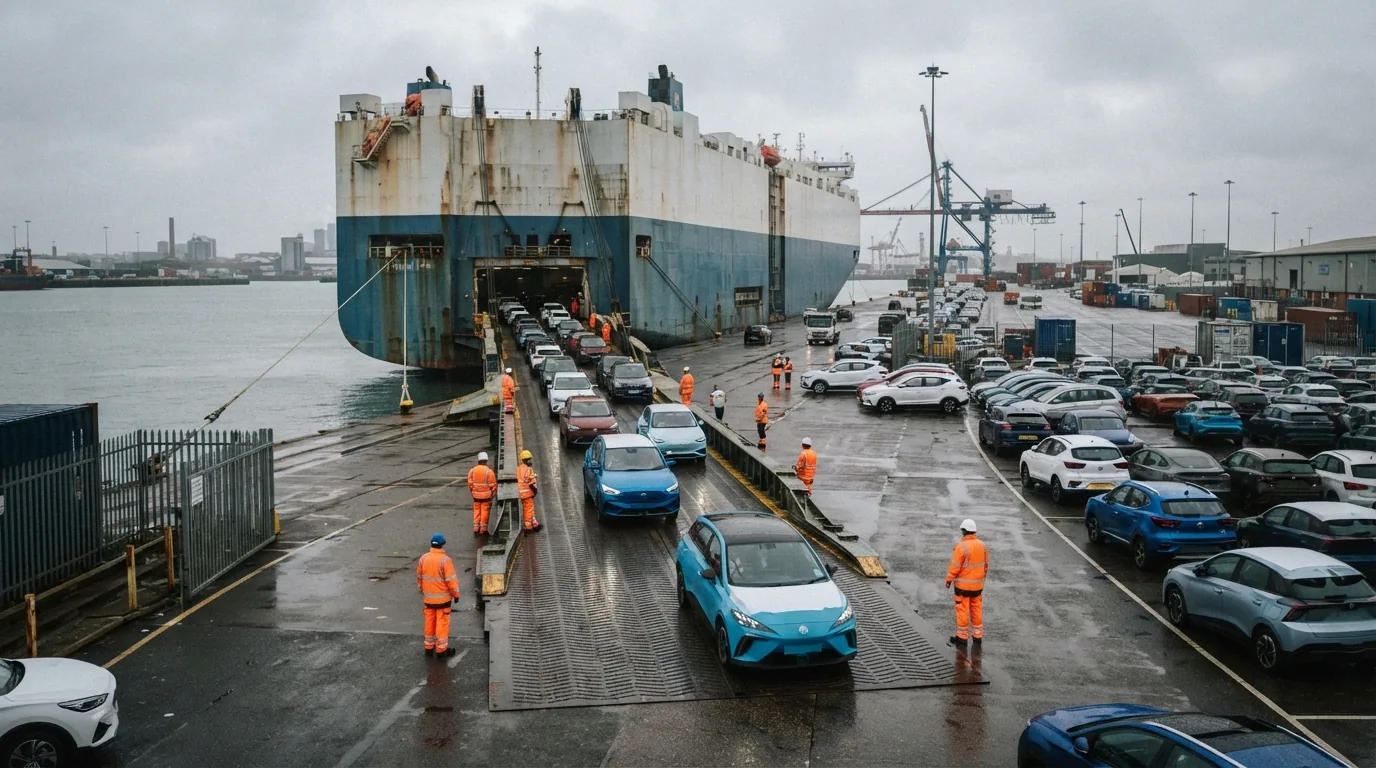
None of BYD’s cars in our dataset qualifies for the government’s Electric Car Grant, so a BYD has to win on list price and equipment alone. The government’s possible response to Chinese imports is covered in our guide to proposed UK tariffs on Chinese electric cars.
What BYD cars can you buy in the UK, and what do they cost?
BYD sells seven models in our UK dataset, six fully electric and one plug-in hybrid, from £18,650 to £46,990 in November 2026. The running costs below are EV Compared’s own: efficiency is WLTP miles divided by usable battery, priced at a 6.5p/kWh off-peak home rate and an 82p/kWh public rapid rate, ignoring charging losses (our methodology).
| BYD model | Type | Price (Nov 2026) | WLTP range | Usable battery | Max DC | Boot | Home p/mile | Rapid p/mile |
|---|---|---|---|---|---|---|---|---|
| Dolphin Surf | Electric | £18,650 | 137 miles | 30 kWh | 65 kW | 308 L | 1.42p | 17.96p |
| Dolphin | Electric | £26,195 | 211 miles | 44.9 kWh | 65 kW | 345 L | 1.38p | 17.45p |
| Atto 2 | Electric | £30,850 | 214 miles | 51.1 kWh | 82 kW | 400 L | 1.55p | 19.58p |
| Seal U DM-i | Plug-in hybrid | £33,205 | 50 miles electric | 18.3 kWh | 18 kW | 425 L | n/a | n/a |
| Atto 3 | Electric | £38,990 | 316 miles | 74.8 kWh | 220 kW | 490 L | 1.54p | 19.41p |
| Seal | Electric | £45,730 | 354 miles | not published | 150 kW | 485 L | n/a | n/a |
| Sealion 7 | Electric | £46,990 | 300 miles | 82.5 kWh | 150 kW | 520 L | 1.79p | 22.55p |
The BYD Dolphin Surf is the car sold in China as the Seagull. It is a small four-seat city car that charges from 10 to 80% in 30 minutes, at £136 of list price per mile of WLTP range. Above it, the BYD Dolphin is a five-seat family hatchback, and the Atto 2 is a compact SUV with a 400-litre boot.
The BYD Atto 3 was BYD’s first UK car. It now has 316 miles of WLTP range and the highest peak charging power of the BYDs listed here, 220 kW, with a 25-minute 10 to 80% time.
At the top, the BYD Seal saloon has the longest WLTP figure in the table, 354 miles. The BYD Sealion 7 is the family SUV, with the biggest boot here at 520 litres.
What does a BYD cost to run? A worked UK example
A BYD Dolphin driven 10,000 miles a year costs about £138 a year to charge on a 6.5p/kWh off-peak home tariff, on EV Compared’s figures. That comes from its 1.38p a mile, which in turn comes from 211 WLTP miles on 44.9 kWh, or 4.70 miles per kWh.
The same 10,000 miles on 82p/kWh public rapid chargers would cost about £1,745, at 17.45p a mile. On the standard price cap rate of 26.32p/kWh, without an off-peak tariff, it is 5.60p a mile, or £560 a year. A full charge of the Dolphin’s battery at home on the off-peak rate costs £2.92.
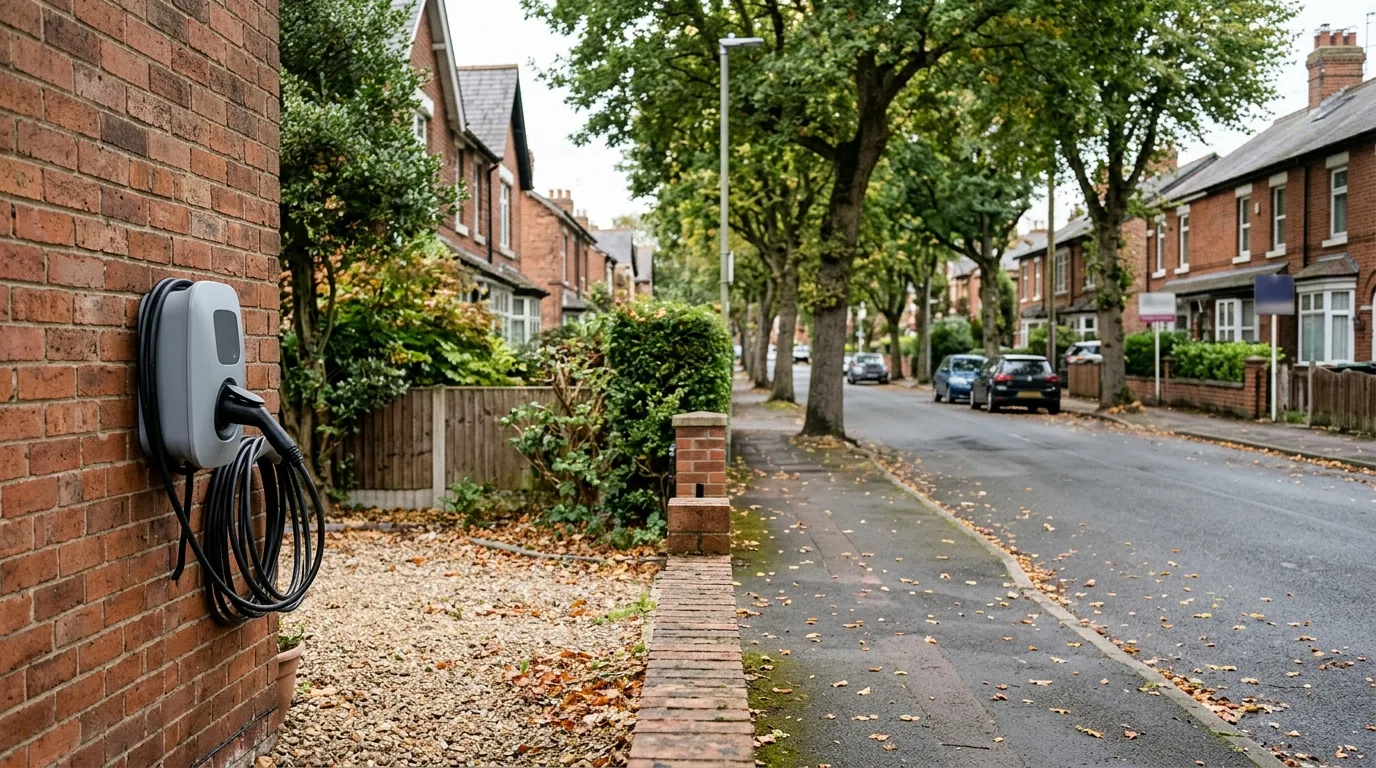
The gap is the point: a BYD, like any EV, is cheap to run if you charge at home overnight and expensive if you rely on rapid chargers. Home charging set-up and installers are covered on Best Chargers.
Is BYD as good as Tesla?
On published figures, BYD’s cars match Tesla’s for range at similar sizes, while Tesla keeps an edge on rapid charging power and price in the saloon class. The Seal has 354 miles WLTP at £45,730 against 332 miles for the Tesla Model 3 at £37,990, so the Model 3 is £7,740 cheaper and charges at up to 175 kW against the Seal’s 150 kW.
The Atto 3 turns that round: 316 miles at £38,990 against 309 miles for the Tesla Model Y at £44,990, although the Model Y’s 854-litre boot is far larger than the Atto 3’s 490 litres. Neither brand wins outright; the choice comes down to the model, the body style and the money.
Why is BYD falling?
BYD’s sales are falling in China, not overseas. Its domestic sales were down 27.81% from January to October 2026, so total sales were down 2.16% to 3,621,744, according to CnEVPost’s reading of BYD’s monthly filings. Exports rose 93.75% over the same period, and October sales returned to growth, up 10.97% to 490,168.
That shift explains why BYD is pushing so hard in Britain and building its first European car plant in Szeged, Hungary. Executive vice president Stella Li told Reuters that production there would start in the fourth quarter of 2026, about a year later than planned.
Should you go fully electric instead of a BYD plug-in hybrid?
Yes, if most of your driving is local and you can charge at home. The Seal U DM-i plug-in hybrid covers 50 miles on electricity from an 18.3 kWh battery, then runs on petrol. The fully electric Atto 3 costs £5,785 more but covers 316 miles on electricity at 1.54p a mile on an off-peak home tariff, with no petrol at all.
The plug-in hybrid makes more sense for drivers who regularly cover long distances without home charging, or who cannot yet install a charger.
What BYD means for choosing a car
BYD suits buyers who want a lot of range and equipment for the money, charge mainly at home, and are happy with a newer brand that had 132 UK retail sites in early 2026 rather than a long-established dealer network. It suits less well buyers who want the Electric Car Grant, which no BYD in our dataset gets, or who want years of UK ownership history, since BYD has sold cars here only since 2023.
Our verdict, based on published data rather than our own driving: BYD is a large, battery-led car maker whose UK prices and ranges compete with the established brands. Pick the model that fits your mileage and parking, then compare it with grant-eligible rivals before you buy.
How we test and where our numbers come from
Range figures are official WLTP combined values taken from manufacturer UK specification pages, with real-world estimates drawn from independent comparative testing. Prices are UK list prices at the time of the latest update. Tax, grant and charging-scheme figures come from GOV.UK and HMRC publications. We re-check every guide when pricing, specification or policy changes. Last checked 10 November 2026. How we work out our own figures.
Frequently asked questions
What does BYD stand for?
BYD stands for Build Your Dreams, according to BYD's own press material. The company's Chinese name is 比亚迪, written Biyadi in pinyin. On the cars, in adverts and in the showroom, the brand is simply BYD.
Where is BYD from?
BYD is from Shenzhen in southern China, where Wang Chuanfu set up Shenzhen BYD Industrial in February 1995 to make rechargeable batteries. Its first European car plant, in Szeged, Hungary, is due to start production in the fourth quarter of 2026, executive vice president Stella Li told Reuters.
Who owns BYD?
BYD is a public company listed on the Hong Kong and Shenzhen stock exchanges, with founder Wang Chuanfu as chairman. Warren Buffett's Berkshire Hathaway bought about 10% in 2008 and had sold its entire stake by 30 June 2025, according to a Berkshire filing reported by Fortune.
Is BYD as good as Tesla?
On published figures BYD matches Tesla on range in comparable models: the BYD Seal has 354 miles WLTP at £45,730 against 332 miles for the Tesla Model 3 at £37,990. Tesla charges faster on paper and costs less here. BYD sold more battery electric cars than Tesla worldwide in 2025.
How much does a BYD Seagull cost in the UK?
The Seagull is sold in the UK as the BYD Dolphin Surf, priced from £18,650 in November 2026. It has a 30 kWh usable battery, a 137-mile WLTP range and charges at up to 65 kW on a rapid charger, taking 30 minutes from 10 to 80%.
Why is BYD falling?
BYD's sales in China are falling: domestic sales were down 27.81% in January to October 2026, so total sales were down 2.16% even though exports rose 93.75%, according to CnEVPost's reading of BYD's filings. In the UK the opposite is happening, with registrations up 90.5%.
Is BYD a good car brand to buy in the UK?
BYD suits UK buyers who want a lot of range and equipment for the price and who will charge mostly at home. Its UK network had 132 retail sites in early 2026. None of its cars in our dataset qualifies for the Electric Car Grant, so compare list prices with grant-eligible rivals.
Sources and further reading
- smmt.co.ukSMMT new car registrations, October 2026BYD registered 6,065 cars in October 2026 (4.0% share, against 3,499 and 2.4% a year earlier) and 74,470 from January to October (3.9% share, up 90.5% on 39,103).
- autoexpress.co.ukBYD beats Tesla in global sales as Elon Musk's EV brand slumpsBYD sold 2,254,714 battery electric cars in 2025, up 28%; Tesla delivered 1,636,129; BYD said in October 2025 that the UK was its biggest market outside China.
- bydukmedia.comBYD UK records record-breaking sales in the first quarter of 202621,337 UK registrations in Q1 2026; Seal U DM-i the best seller; 132 UK retail sites with 150 targeted; Denza UK launch to come; BYD founded in 1994 as a battery maker, BYD Auto in 2003; listed in Hong Kong and Shenzhen; present in over 100 countries and regions on six continents.
- media.byd.comWang Chuanfu, BYD mediaWang Chuanfu is chairman of BYD and founded Shenzhen BYD Industrial Co., Ltd. in February 1995, after running a battery company.
- bydglobal.comBYD company introductionBYD's four businesses: automotive, electronics, new energy (batteries, solar, storage) and rail transit; passenger brands Dynasty, Ocean, Fangchengbao, Denza and Yangwang; Chinese name 比亚迪.
- byd.comThe all-new BYD Atto 3 debuts in the UKBYD stands for Build Your Dreams; UK Atto 3 deliveries from 15 March 2023 from £36,490; BYD electric buses sold in the UK since 2013; LFP Blade Battery.
- cnevpost.comBYD October 2026 salesOctober 2026 sales of 490,168, up 10.97%; January to October 3,621,744, down 2.16%; domestic down 27.81%, overseas up 93.75%.
- just-auto.comBYD Hungary production pushed to Q4 2026Stella Li told Reuters the Szeged plant, BYD's first European car factory, will start production in Q4 2026, about a year later than expected; the Turkey plant is on hold.
- paultan.orgBYD Seagull to be called Dolphin Surf in UK, EuropeThe Seagull is sold as the Dolphin Surf in the UK and Europe; BYD sold 8,700 cars in the UK in 2024.
- fortune.comWarren Buffett has sold his stake in BYDBerkshire Hathaway invested in BYD in 2008 with about a 10% stake; a filing showed the holding at zero by 30 June 2025.
- carscoops.comBYD stops production of ICE-only carsBYD stopped making petrol-only cars in March 2022 and now builds battery electric cars and plug-in hybrids.

EV Compared
The EV Compared editorial team tracks the UK electric vehicle market full time: new model launches, list prices, WLTP and real-world range, public charging tariffs and the tax rules that decide what an EV actually costs to run. Every guide is checked against manufacturer specifications and official GOV.UK figures, and updated whenever the numbers move.
Related reading
View all
Reeves pay-per-mile tax: what the 3p a mile EV charge from April 2028 means for you
From 1 April 2028 electric cars pay 3p a mile and plug-in hybrids 1.5p a mile in Electric Vehicle Excise Duty, on top of normal road tax, so a typical EV driver pays about £240 to £270 a year.
UK weighs Chinese EV tariffs of up to 45%: what it means for prices
The Times reports that ministers are drawing up options to match the EU's duties, which would end Britain's open door to Chinese-built EVs. Nothing is decided, and the government has not confirmed a plan.
BiK Rates for Electric Cars 2026/27 to 2030/31: The Full Table
An electric company car is taxed at 4% of its list price in 2026/27, and the rate rises each April to 10% in 2030/31, still far below plug-in hybrids from 2028 and petrol cars.
Electric Car Leasing Explained: PCH, PCP, Salary Sacrifice and What a Good Deal Looks Like
Leasing an electric car means paying an initial rental and a fixed monthly fee to use a new car for a set term, then handing it back, and the only fair way to compare deals is the total cost over that term.
MHEV meaning: mild hybrid vs plug-in hybrid vs electric car explained
MHEV stands for mild hybrid electric vehicle: a petrol or diesel car with a small 48-volt motor that helps the engine but can never drive the car on electricity alone.
Are electric cars reliable? The latest reliability data by brand and model
Yes: electric cars break down less often than petrol and diesel cars, but reliability varies widely from one electric model to the next.