Range Rover Sport Electric: EV450 could bring it under £100,000 in the UK
JLR says the lower-powered EV450 'may' come to the UK, with prices already listed on a car data platform. It has the same 118.5kWh battery and only slightly more range. Here is how the versions compare.
Quick answers
- The Range Rover Sport Electric EV550 is on sale in the UK from about £109,000 for the Dynamic SE, with the Autobiography at £122,780 and First Edition at £126,290; deliveries start in early 2027.
- JLR says the lower-powered EV450 'may' come to the UK; listed prices are just over £99,000 for the Dynamic SE and about £112,000 for the Autobiography.
- Both share a 118.5kWh usable 800-volt battery, twin motors and 850Nm; the EV550 has 550PS (542bhp), the EV450 450PS (444bhp).
- The EV550 does 0-62mph in 4.5 seconds, the EV450 in 5.4 seconds; both top out at 124mph.
- WLTP range is 374 miles for the EV550 and 377 miles for the EV450; JLR quotes about 333 miles real-world for the EV550.
- Charging adds 136 miles in 10 minutes and goes from 10% to 80% in 22 minutes on a 350kW charger.
- The Sport adds Active Roll Control and standard all-wheel steering of up to 7.3 degrees, and its centre of gravity is 73mm lower than the combustion version.
The Range Rover Sport Electric could cost less than £100,000 in the UK, if a lower-powered version arrives. The EV550 is on sale now from about £109,000, with deliveries from early 2027. JLR says the EV450, already announced for other markets, “may” come to the UK, and prices of just over £99,000 have appeared on a leading car data platform, according to Auto Express.
The catch is that the cheaper version brings very little extra range. Both share the same 118.5kWh battery and motors; the EV450 simply has less power. Here is how the versions compare, and how the Sport differs from its bigger sibling, the Range Rover Electric, which we review in our Range Rover Electric roundup.
How do the EV550 and EV450 compare?
| Range Rover Sport Electric | EV550 | EV450 |
|---|---|---|
| Power | 550PS (542bhp) | 450PS (444bhp) |
| Torque | 850Nm | 850Nm |
| 0-62mph | 4.5 seconds | 5.4 seconds |
| Top speed | 124mph | 124mph |
| Battery | 118.5kWh usable, 800-volt | Same |
| WLTP range | 374 miles | 377 miles |
| Real-world range (JLR) | About 333 miles | Not quoted |
| Charging | 10-80% in 22 minutes; 136 miles in 10 minutes | Same |
| UK price | From about £109,000 | Just over £99,000 listed, if it comes to the UK |
In the EV550, power varies by mode: 542bhp in Dynamic, 493bhp in Comfort and 276bhp in Eco. JLR describes its all-wheel-drive system as “virtual”, because there is no transfer case or locking differential; software manages torque front to rear and side to side.
What are the UK prices?
Confirmed EV550 prices:
- Dynamic SE: about £109,000
- Autobiography: £122,780
- First Edition: £126,290
- SV Ultimate: to follow, price not yet confirmed
If the EV450 arrives, it is listed at just over £99,000 in Dynamic SE trim and about £112,000 as an Autobiography. JLR has not confirmed UK sales.
All are well above the Electric Car Grant’s price cap and will pay the expensive car supplement on Vehicle Excise Duty. As company cars, though, they would pay the low electric benefit-in-kind rate, 4% in 2026-27, which makes the running cost case very different from a V8. Our company car tax guide explains the numbers.
Is the EV worth it over the V8?
On straight-line pace, the V8 SV is quicker: the EV550 is seven-tenths of a second slower to 62mph, which Auto Express blames on a 285kg weight penalty and an 84bhp power deficit. But the EV produces 850Nm, 100Nm more than the 4.4-litre V8 SV, and programme chief Simon Fairbrother says in-gear acceleration from 50 to 75mph is “more than comparable with the V8 going for gaps to pass slower vehicles”.
The bigger difference is running costs. The Sport has always been a thirsty car, and Auto Express notes the electric version targets buyers previously put off by its fuel consumption. JLR has sold a million Range Rover Sports in 20 years.
How is the Sport different from the Range Rover Electric?
Both use JLR’s in-house electric powertrain and the MLA platform, which becomes 61% more torsionally rigid with the battery fitted. But the Sport is deliberately tuned to feel different. “Range Rover Sport should be our most dynamic, sporty [SUV],” said Range Rover managing director Martin Limpert. “We are moving it further apart from Range Rover Electric in dynamics, acoustics and feel.”
The Sport’s extra hardware includes:
- Active Roll Control. An electro-hydraulic system that can apply up to 1,400Nm per axle to stop body roll.
- Standard all-wheel steering, turning the rear wheels by up to 7.3 degrees, plus brake-based torque vectoring.
- A lower centre of gravity, 73mm lower than the combustion Sport.
- Shared dual-chamber air suspension and twin-valve active Bilstein dampers.
Its regenerative braking is strong enough that JLR fitted smaller friction brakes than the V8’s, with a special nitrogen coating to stop the discs rusting from lack of use. One-pedal driving is engaged by pulling the gear selector back.
What does it sound like?
The Sport gets its own synthetic sound. Where the Range Rover Electric’s tones were played on a piano, the Sport’s sound designer, Alex Vine, started with a low-frequency bassline and added notes to make it more aggressive. Engineers thought it sounded like a supercharger, he said.
What does it look like?
Almost exactly like the combustion Sport. The only differences are a blanked-off grille, new aerodynamic wheels and a rear diffuser without exhaust pipes.
Should you wait for the EV450?
If you mainly drive at legal speeds and want the lowest price, the EV450 makes sense: 444bhp and 5.4 seconds to 62mph is still very quick for a large SUV, and it has the same battery, charging and equipment level for a given trim. But Auto Express notes the power reduction brings “minimal increase in range”, just three miles on the WLTP test, so do not expect it to go much further.
If the EV450 does not come to the UK, the EV550 Dynamic SE at about £109,000 remains the entry point. Either way, deliveries start in early 2027.
How does it fit the electric luxury SUV market?
The Sport Electric sits between mainstream premium EVs and the full-size Range Rover Electric, which starts at about £154,000. Rivals include the Porsche Cayenne Electric and the electric Mercedes-AMG GT SUV, which we cover in our AMG GT electric report, as well as the BMW iX and its performance versions. Few combine the Range Rover’s off-road ability with this level of on-road dynamics.
What is it like to drive?
Auto Express has driven a prototype, and its early impressions back up JLR’s claims. It found the lower centre of gravity made the Sport feel “more planted and controlled”, and praised the one-pedal driving mode, which it said has “lovely biddable precision underfoot” and comes into its own off-road, where you can control the car without moving between accelerator and brake.
Lift off the accelerator and the Sport slows smoothly as fast-switching silicon carbide inverters recover energy. That regenerative braking does so much of the work that the friction brakes are used less often, which is why JLR could fit smaller ones than on the V8 and why they need a special coating to avoid rusting. Vehicle dynamics manager Ross Restell said smaller brakes also cut unsprung weight, which helps the steering and ride.
Is it still a capable off-roader?
Yes. The Sport Electric shares the Range Rover family’s off-road technology, including Terrain Response modes and the precise torque control electric motors allow. The full-size Range Rover Electric keeps a 900mm wading depth, as we report in our Range Rover Electric review roundup, and electric motors suit low-speed off-roading because they deliver torque instantly and smoothly.
The Sport is tuned more for the road than its bigger sibling, but it is still very much a Land Rover product, designed to cope with mud, snow and rough tracks as well as motorways.
How far does it really go?
JLR quotes a real-world range of about 333 miles for the EV550, against 374 miles on the WLTP test. Range Rover says its double-stacked battery and advanced thermal management help keep range stable in different conditions.
In practice, expect less in winter and at sustained motorway speeds, as with any EV. A heavy, powerful SUV like this uses more energy than a family car, so it is worth checking real-world efficiency on a test drive. At home, though, charging a 118.5kWh battery on an off-peak tariff costs a fraction of filling a V8 Range Rover Sport, which is the whole point for many buyers.
What does it cost to run compared with the V8?
Exact figures depend on your mileage, tariff and the car’s real-world efficiency, but the gap is large. A V8 Range Rover Sport uses a lot of fuel, and with petrol at about £1.74 a litre, fuel bills add up quickly. Charging at home on an off-peak tariff costs a few pence a mile. Even after the 3p-a-mile pay-per-mile tax arrives in April 2028, which we explain in our eVED guide, the electric Sport should be far cheaper to run for a home charger.
Company car drivers would see the biggest saving, with benefit-in-kind tax at 4% in 2026-27 rather than the 37% top rate that applies to high-emission cars.
Deliveries of both electric Range Rovers are expected to be in high demand, so if you are interested, talk to a dealer early about build slots and current lead times.
Our view
The Range Rover Sport Electric looks like the more rounded of JLR’s two new electric Range Rovers: sharper to drive, much cheaper than the full-size car and still very capable. An EV450 under £100,000 would widen its appeal, even if its range is barely better. For buyers who were put off the Sport by its fuel bills, an electric version with a 333-mile real-world range could be the one that finally makes sense.
How we test and where our numbers come from
Range figures are official WLTP combined values taken from manufacturer UK specification pages, with real-world estimates drawn from independent comparative testing. Prices are UK list prices at the time of the latest update. Tax, grant and charging-scheme figures come from GOV.UK and HMRC publications. We re-check every guide when pricing, specification or policy changes. Last checked 24 October 2026. How we work out our own figures.
Frequently asked questions
How much is the Range Rover Sport Electric?
The EV550 starts from about £109,000 for the Dynamic SE, with the Autobiography at £122,780 and the First Edition at £126,290. A cheaper EV450 may come to the UK from just over £99,000, but JLR has not confirmed it.
What range does the Range Rover Sport Electric have?
The EV550 has a WLTP range of 374 miles, and JLR quotes about 333 miles in real-world driving. The lower-powered EV450 manages 377 miles on the official test, only slightly more.
What is the difference between the Range Rover Sport EV450 and EV550?
Power. The EV550 has 550PS (542bhp) and the EV450 has 450PS (444bhp), with the same 850Nm of torque, battery and motors. The EV550 reaches 62mph in 4.5 seconds and the EV450 in 5.4 seconds.
When can I get a Range Rover Sport Electric?
The EV550 is on sale now in the UK, with deliveries starting in early 2027. The EV450 has been announced for international markets, and JLR says it may come to the UK.
How is the Range Rover Sport Electric different from the Range Rover Electric?
They share the battery and motors, but the Sport is tuned to be more dynamic, with Active Roll Control, standard all-wheel steering, a sportier suspension set-up and a different synthetic sound. The Sport is also much cheaper, from about £109,000 against about £154,000.
Sources and further reading
- autoexpress.co.ukAuto ExpressPrimary source referenced in this article.
- autoexpress.co.ukRange Rover Electric reviewThe larger Range Rover Electric's price and shared JLR powertrain.

EV Compared
The EV Compared editorial team tracks the UK electric vehicle market full time: new model launches, list prices, WLTP and real-world range, public charging tariffs and the tax rules that decide what an EV actually costs to run. Every guide is checked against manufacturer specifications and official GOV.UK figures, and updated whenever the numbers move.
Related reading
View all
Pay-per-mile EV tax: draft law lets officials inspect cars over mileage fraud
Draft laws for the Electric Vehicle Excise Duty, due in April 2028, set out for the first time how mileage will be policed. Here is what the powers say, how your bill will be worked out and what it means if you drive an EV.
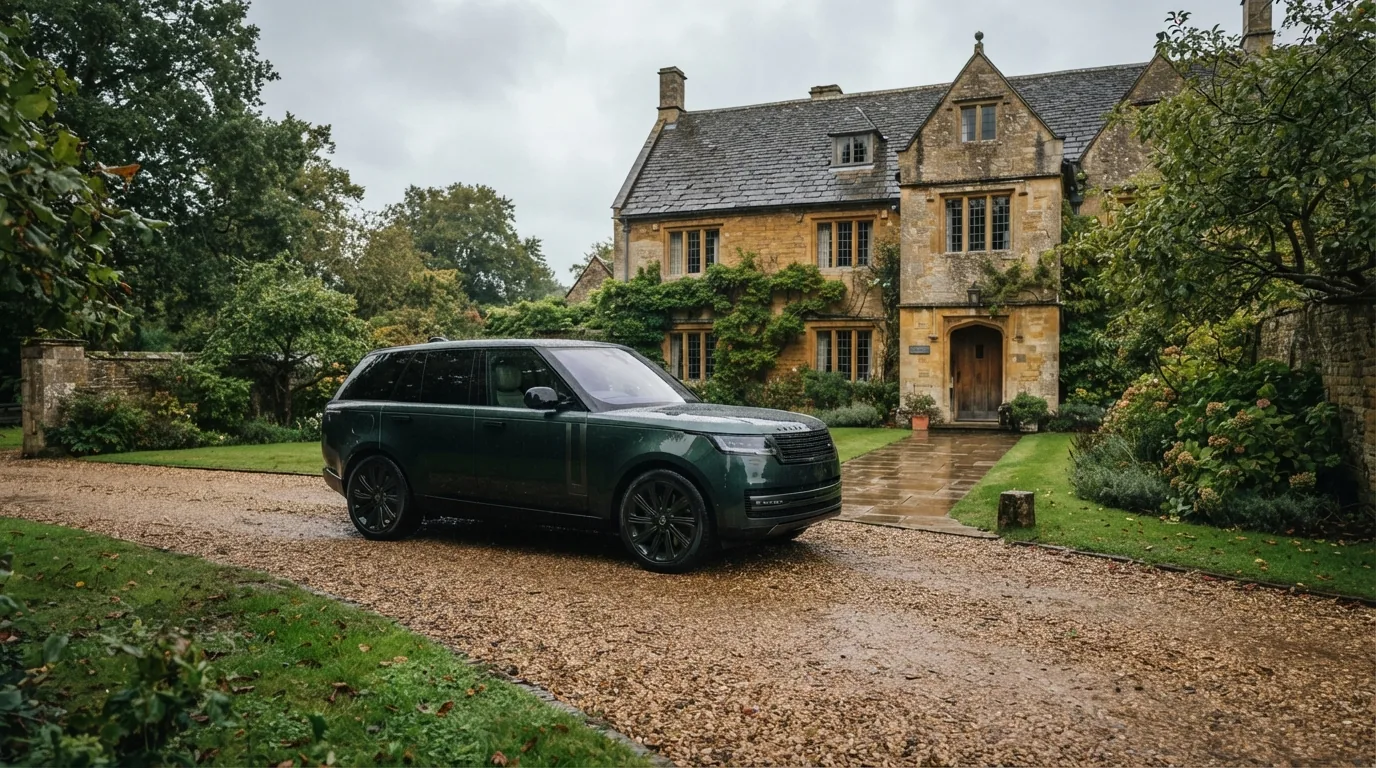
Electric Defender UK: when it arrives and JLR's EV line-up
A small electric Defender is due in 2027, but the full-size one has slipped to the early 2030s. Here is what JLR will actually sell, from the £154,070 Range Rover Electric to Freelander.
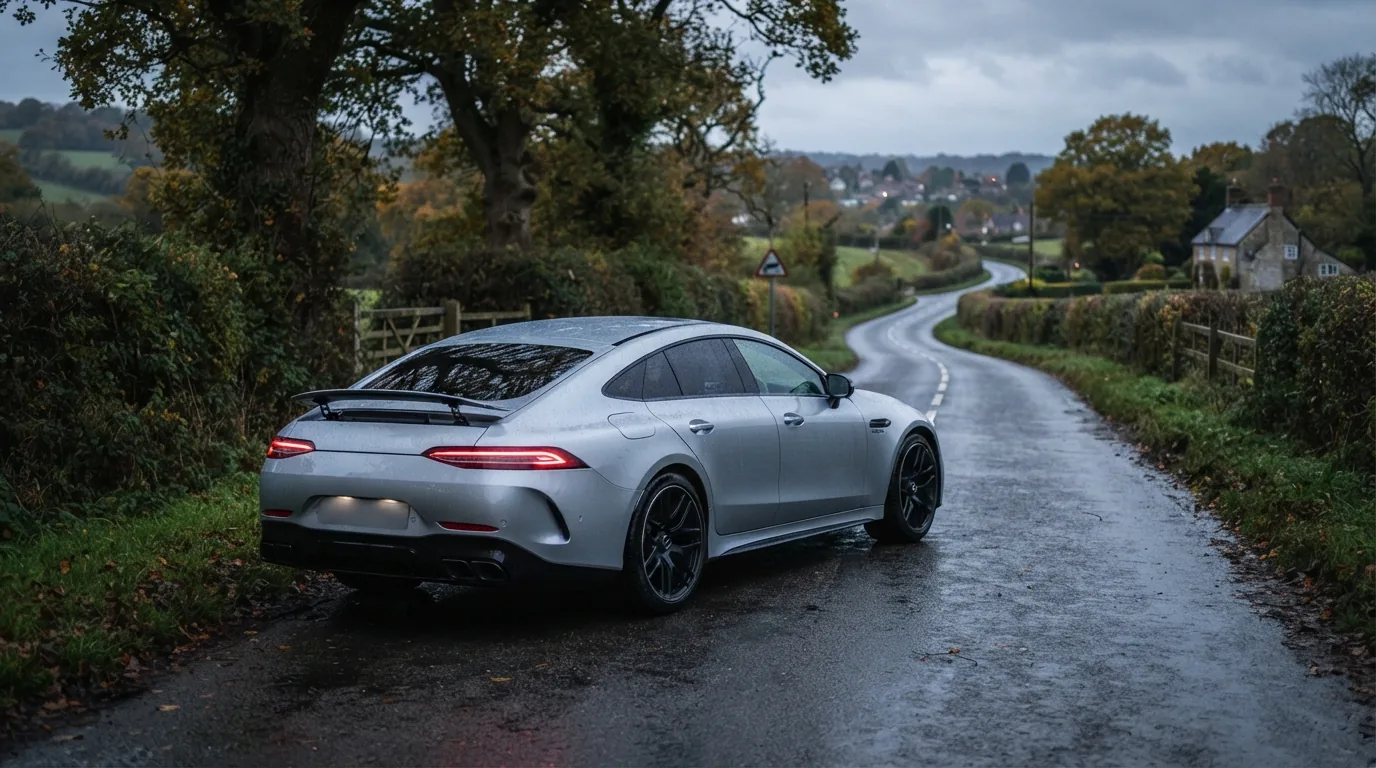
Mercedes-AMG GT 4-Door EV UK price: from £103,275, GT 63 1,169hp
Mercedes-AMG's electric four-door GT starts at £103,275 in the UK and tops out at £159,870 for the 1,169hp GT 63. Here is what each version offers, how the simulated engine sound works and who it competes with.
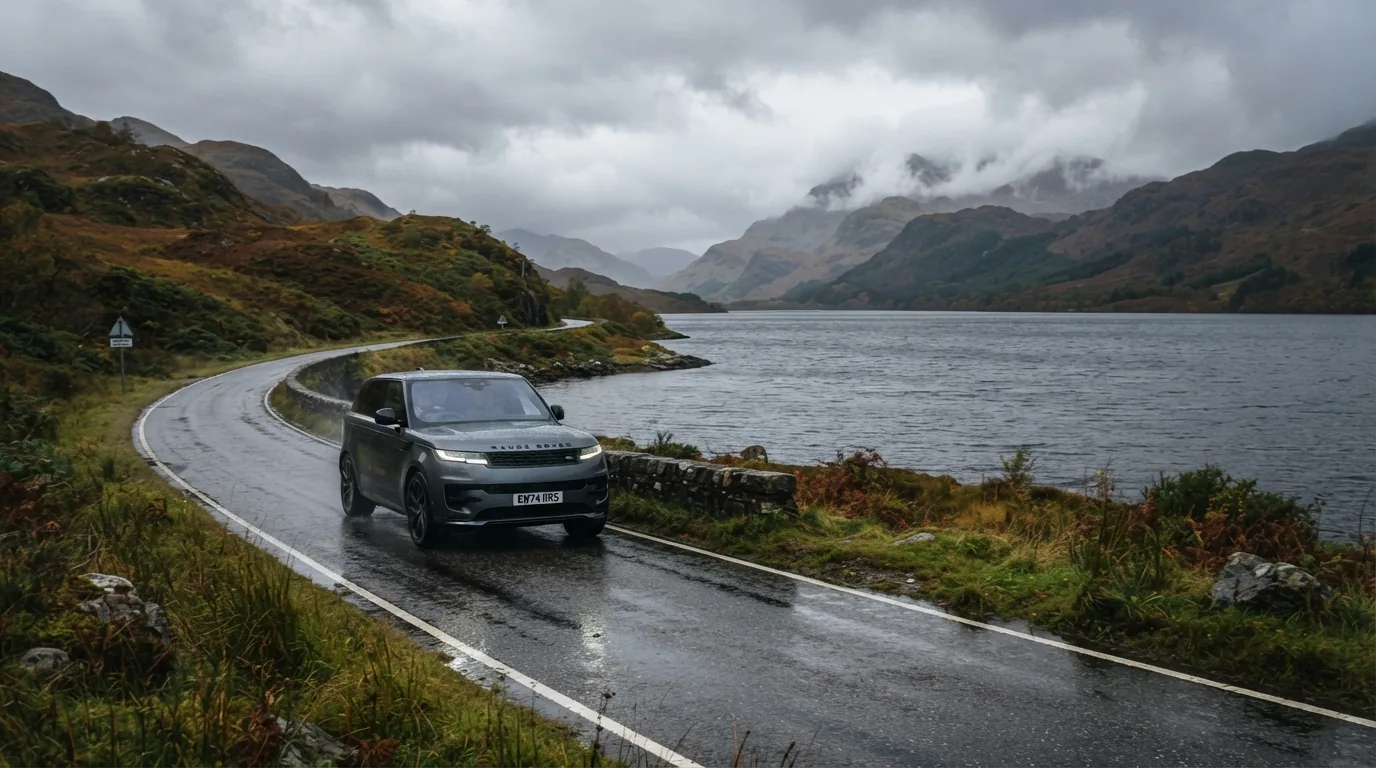
Range Rover Sport Electric UK price: from £109,810, 378 miles
UK orders are open for the electric Range Rover Sport, with three trims from £109,810, 550PS and up to 378 miles WLTP. It costs £44,260 less than the full-size Range Rover Electric.
How Does Company Car Tax Work for Electric Vehicles?
Understand the P11D value, appropriate percentage and how the tax is collected through your pay, everything you need to know about EV company car tax in 2026/27.
BMW iX5 60 xDrive order books open on 8 October
The first fully electric BMW X5 is due to go on order on 8 October with a 141kWh battery and up to 525 miles of range. BMW has not confirmed a UK price or UK order date, and production does not start until December.