Range Rover Electric UK reviews: quieter, more capable and from £154,000
After a decade in development, the electric Range Rover has been driven on UK roads and in the Highlands. Reviewers say it is the best Range Rover yet in most respects, with the price, weight and a 330-mile real-world range as the caveats.
Quick answers
- The Range Rover Electric starts at about £154,000 for the Autobiography, £13,000 more than the equivalent plug-in hybrid; long-wheelbase SV models start at £181,400.
- It has a 118.5kWh usable battery, two motors with up to 542bhp and 850Nm, 0-62mph in 4.5 seconds (0-60mph in 4.3) and a 124mph top speed.
- WLTP range is up to 372 miles; JLR quotes about 330 to 333 miles in real-world driving.
- An 800-volt system allows 10% to 80% in about 22 minutes on a 350kW charger, or about 136 miles in 10 minutes.
- It keeps the Range Rover's 900mm wading depth and off-road ability, gains twin-chamber air suspension and weighs about 2,810kg.
- The powertrain was designed, engineered and built in-house by JLR in the UK; nearly 77,000 people had joined the waiting list by June 2026.
- There is no seven-seat option, and the boot holds 925 litres floor to roof.
The Range Rover Electric has finally been driven on British roads, and the verdict is close to unanimous: it is the best Range Rover yet in most respects. Auto Express says electric power “genuinely enhances the car’s unique skillset”, making it “quieter, more composed, more capable off road and cheaper to run” than the versions with engines. Fleet News calls it “an exceptional luxury EV”.
It is also very expensive, starting at about £154,000, and its real-world range of about 330 miles may not suit every long-distance driver. Here is what you get, what UK reviewers found, and how it compares with the petrol and plug-in hybrid Range Rovers. It is a car JLR has been building towards for a decade, and one that nearly 77,000 people had registered interest in by June.
What is the Range Rover Electric?
It is a fully electric version of the current fifth-generation Range Rover, launched in 2022, sharing its body and its MLA-Flex platform, which was designed from the start to take a battery. The electric powertrain was designed, engineered and built in-house by JLR in the UK, and the car is built at Solihull. JLR says it is 40% more efficient than any previous JLR vehicle.
From the outside you would barely know. The only visual clues are a blanked-in grille, no tailpipes, different wheel designs and small “EV” badges on the wheel centre caps. Inside, space is the same as the other Range Rovers, with no raised floor or intrusions, according to the Express and Star.
| Range Rover Electric | Figure |
|---|---|
| Battery | 118.5kWh usable, 800-volt |
| Motors | Two, one per axle |
| Power and torque | Up to 542bhp (550PS) and 850Nm in Dynamic mode |
| 0-62mph | 4.5 seconds (0-60mph in 4.3) |
| Top speed | 124mph |
| WLTP range | Up to 372 miles |
| Real-world range (JLR) | About 330 to 333 miles |
| Charging | 10% to 80% in about 22 minutes on 350kW |
| Weight | About 2,810kg |
| Wading depth | 900mm |
| Boot | 925 litres floor to roof |
How much does it cost?
The standard-wheelbase car starts with the Autobiography at about £154,000, which Auto Express says is £13,000 more than the equivalent plug-in hybrid. Other versions:
- First Edition: from £157,610, with special “Tailgate Event Suite” seats, a limited traditional colour palette and leather-free seats.
- SV and SV Black: more luxurious and bespoke trims.
- Long wheelbase: SV and SV Black only, from £181,400.
- SV Ultra: a four-seat long-wheelbase flagship.
Even the Autobiography comes with digital LED headlights, a Meridian sound system, a panoramic sunroof, a centre console fridge, 24-way heated, cooled and massaging front seats and a cabin fragrance diffuser.
What is it like to drive?
Reviewers agree that electric power suits the Range Rover’s character. “If the core strengths of electric powertrains were going to suit any car, they would suit the Range Rover,” said Auto Express. “The famous ‘waft’ has long defined what these cars feel like on the road and the effortless, surging performance from the motors gels beautifully with that cushioned, isolated experience.”
evo said it delivers “the effortless, peerless sensations a V8 Range Rover offers but with a powertrain that delivers seamless power and torque in near silence”, and that it would choose the electric car over a V8.
The engineering underneath is new. The battery under the floor makes the body much stiffer, which let JLR fit twin-chamber air suspension in place of the single-chamber system on other Range Rovers, tuned to reduce the front-to-back pitching that can affect such a soft-riding car. The brakes have been retuned, and a “Single Pedal” mode includes a “Chauffeur Stop” setting to make stopping as smooth as possible.
There is one caveat. On the twisting roads of the North Coast 500, the Express and Star found the car best in Dynamic mode, which gives full power and stiffer suspension. In Comfort mode, it said, “twisting roads resulted in a rather blancmange-like experience”. In normal low-speed driving, though, “the combination of sheer silence and comfortable suspension is utterly beguiling”.
Drive modes and power
Power depends on mode. Dynamic gives the full 542bhp; Comfort delivers similar power more gradually; Eco cuts it further to save energy. The Terrain Response system adjusts suspension and how power is split between the motors.
Is it still a proper off-roader?
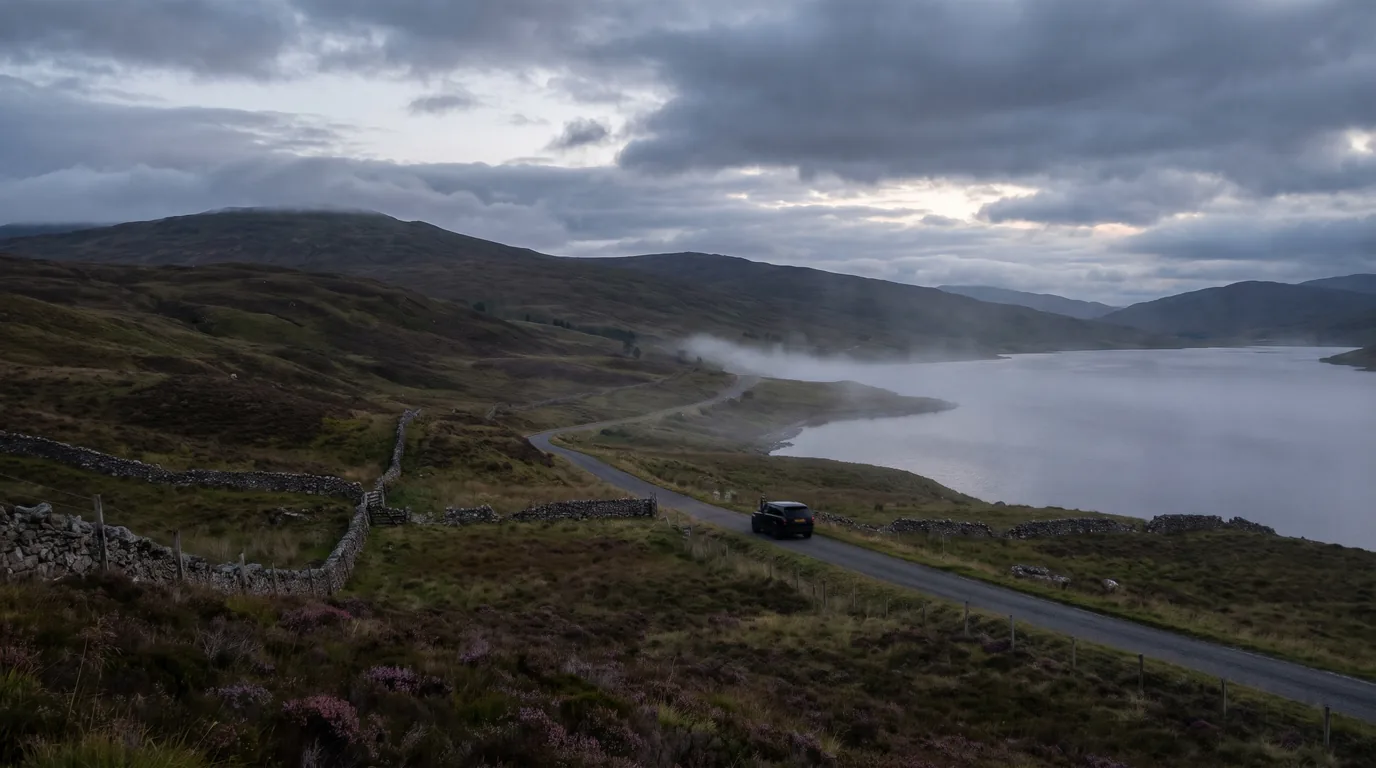
Yes, and arguably a better one. It keeps the 900mm wading depth of other Range Rovers and does not need a low-range gearbox, because electric motors deliver torque instantly and precisely. JLR says its slip control system responds 100 times faster than a standard car’s. The Express and Star said the Electric “loses none of the standard combustion-engined Range Rover’s imperious off-road ability”, and Fleet News tested it off-road in Scotland. JLR quotes a towing capacity of more than 7,700lb, about 3.5 tonnes, in US-market figures.
How far does it go and how fast does it charge?
The official WLTP range is up to 372 miles, and JLR claims about 330 to 333 miles in real-world driving, which evo notes is similar to what a V8 Range Rover covers on a tank. JLR’s ThermAssist heat management system is said to add up to 25 miles of range and cut heating energy use by 40%, according to Fleet News.
Charging is quick thanks to the 800-volt system: about 22 minutes from 10% to 80% on a 350kW charger, or about 136 miles in 10 minutes. Few UK chargers currently deliver 350kW, so expect slower times on many networks. Our Ionity and Tesla Supercharger comparison explains where the fastest chargers are.
Auto Express sums up the trade-off: “The 330-mile real-world range might curtail the long-distance ambitions of some customers, but the Range Rover Electric will be the pick of the line-up for the majority of buyers.”
Any downsides?
A few:
- Price. It costs £13,000 more than the plug-in hybrid, and more than most rivals.
- Weight. At about 2,810kg it is very heavy, which affects efficiency and could matter if a weight-based SUV tax ever arrived, as we discuss in our SUV tax report.
- No seven seats. The seven-seat option offered on combustion Range Rovers is not available, because of where the rear motor sits.
- High floor. Fleet News notes shorter occupants need to stretch to get in.
Is it a good company car?
Surprisingly, yes, for those who can justify the list price. As an EV it pays benefit-in-kind tax at 4% in 2026-27. Fleet News estimates higher-rate taxpayers would pay about £260 a month, far less than for a petrol or diesel Range Rover of similar value. Rates rise to 9% by 2029-30, as we explain in our BVRLA company car tax report. It will also pay the expensive car supplement on road tax and, from April 2028, the 3p-a-mile eVED charge.
How does it compare with rivals?
There are few direct rivals at this level. Fleet News says the BMW iX is not on the same level of luxury or price, and that only the Mercedes-Benz G-Class Electric offers a similar blend of luxury and off-road ability. Bentley is preparing its own super-luxury electric SUV, the Torcal, and Mercedes-AMG has revealed a far more powerful electric GT SUV. Our report on the Mercedes-AMG GT electric covers that rival.
What about the Range Rover Sport Electric?
The smaller Range Rover Sport Electric shares the same battery and motors, with sportier tuning, and is on sale from just under £110,000, with deliveries from early 2027. A cheaper EV450 version could bring it below £100,000, as we report in our Range Rover Sport Electric story.
Why does it matter for JLR?
A great deal. JLR is moving Jaguar to an all-electric line-up led by the Type 01, as we covered in our Jaguar Type 01 report, and the Range Rover is its most valuable nameplate. A successful electric Range Rover, built in Britain with a British-designed powertrain, also matters for UK manufacturing at a time when the industry is debating the ZEV mandate and trade with the EU.
Where is it built?
The Range Rover Electric is built at JLR’s Solihull plant in the West Midlands, alongside the other Range Rovers. Its electric drive units are designed and built in-house by JLR in the UK.
That matters for UK manufacturing jobs, and for buyers who want to support British-built cars.
Our view
The Range Rover Electric does what an electric luxury car should: it makes the original better. It is quieter, smoother and just as capable off-road, and for most owners its real-world range will be enough. The price puts it out of reach for nearly everyone, and the lack of seven seats will rule it out for some families. But as a statement of what a British-built electric car can be, it is hugely impressive.
How we test and where our numbers come from
Range figures are official WLTP combined values taken from manufacturer UK specification pages, with real-world estimates drawn from independent comparative testing. Prices are UK list prices at the time of the latest update. Tax, grant and charging-scheme figures come from GOV.UK and HMRC publications. We re-check every guide when pricing, specification or policy changes. Last checked 24 October 2026. How we work out our own figures.
Frequently asked questions
How much is the Range Rover Electric?
The Range Rover Electric starts at about £154,000 for the Autobiography trim, which Auto Express says is £13,000 more than the equivalent plug-in hybrid. The First Edition starts at £157,610 and long-wheelbase SV models from £181,400.
What is the Range Rover Electric's range?
It has an official WLTP range of up to 372 miles from a 118.5kWh usable battery. JLR says real-world range is about 330 to 333 miles, similar to the distance a V8 Range Rover covers on a tank.
How fast does the Range Rover Electric charge?
It uses an 800-volt system and charges from 10% to 80% in about 22 minutes on a 350kW charger, adding about 136 miles in 10 minutes according to JLR.
Can the Range Rover Electric go off-road?
Yes. It keeps the same 900mm wading depth as other Range Rovers and reviewers found it at least as capable off-road, helped by instant electric torque and a slip control system JLR says reacts 100 times faster than a standard car's.
Is the Range Rover Electric a good company car?
Its price is very high, but as an EV it pays benefit-in-kind tax at 4% in 2026-27. Fleet News estimates higher-rate taxpayers would pay about £260 a month, far less than for a petrol or diesel Range Rover.
Sources and further reading
- autoexpress.co.ukAuto ExpressPrimary source referenced in this article.
- evo.co.ukRange Rover Electric review: why we'd have the EV550 over a V8The £154,070 price, 0-60mph in 4.3 seconds, 372-mile WLTP range, platform design and comparison with the V8.
- fleetnews.co.ukRange Rover Electric first drive: an exceptional luxury EVTrims and prices, the 925-litre boot, equipment and the lack of a seven-seat option.
- expressandstar.comUK Drive: The Range Rover goes electric, but has it lost its spark?North Coast 500 drive, drive modes, the 900mm wading depth, Chauffeur Stop and the First Edition price.
- fleetnews.co.ukRange Rover Electric promises 333-mile real-world rangeCharging times, ThermAssist, the 4% BIK rate and £260 monthly tax estimate, and trim levels.
- techtimes.comRange Rover Electric Confirmed for Late 2026 Launch With 76,976 on WaitlistThe waiting list, JLR's 40% efficiency claim and Solihull production.

EV Compared
The EV Compared editorial team tracks the UK electric vehicle market full time: new model launches, list prices, WLTP and real-world range, public charging tariffs and the tax rules that decide what an EV actually costs to run. Every guide is checked against manufacturer specifications and official GOV.UK figures, and updated whenever the numbers move.
Related reading
View all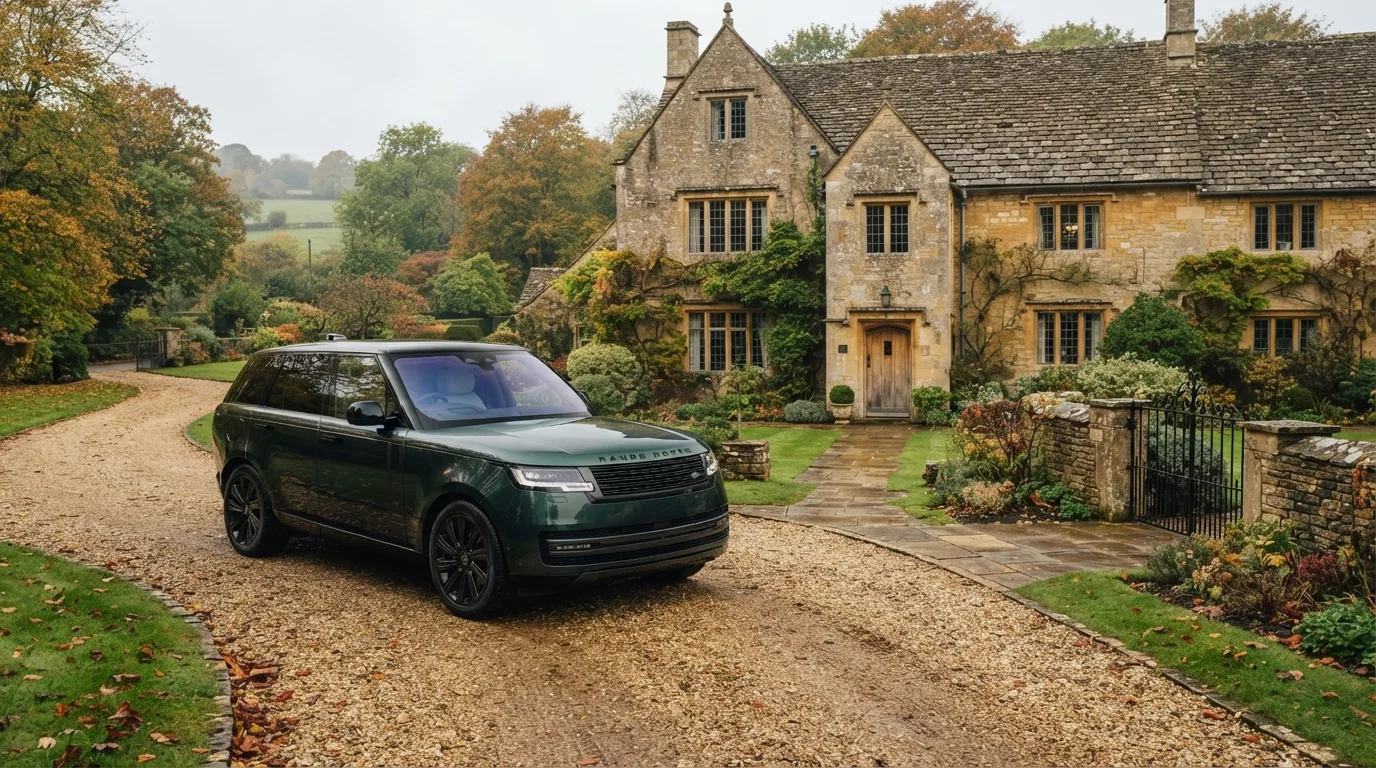
Range Rover Electric UK price: from £154,070, 372-mile range
The first fully electric Range Rover can now be ordered in the UK from £154,070, with a 118.5kWh battery, twin motors and 800V charging. Here is what the money buys, and how it compares with the cheaper Sport.
Leasing industry wants EV company car tax capped at 9% after 2030
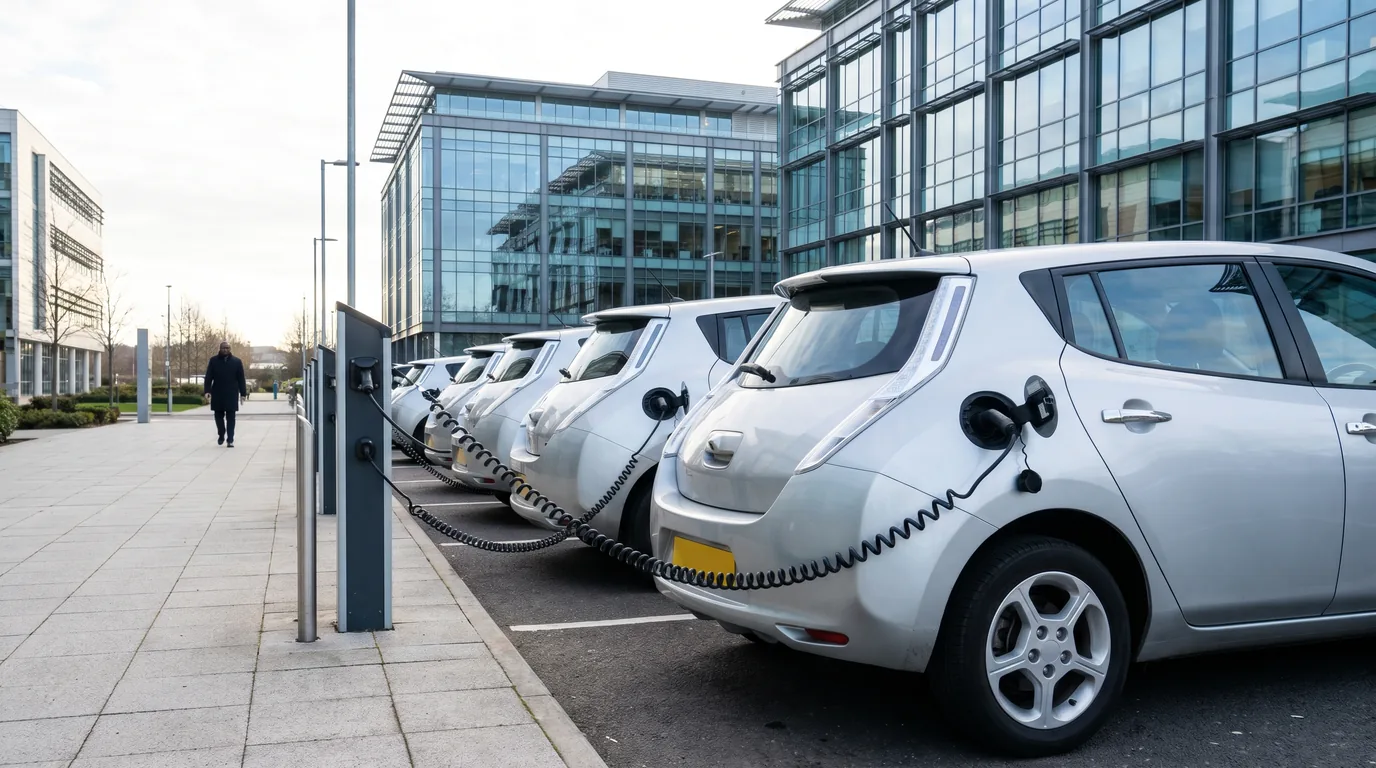
Electric company car tax is set to more than double by 2029-30, and nothing has been set for the years after. Leasing firms say certainty is vital, because salary sacrifice drivers are four times as likely as private lessees to choose an EV.
Could the Budget bring an 'SUV tax'? How a weight levy would hit electric cars
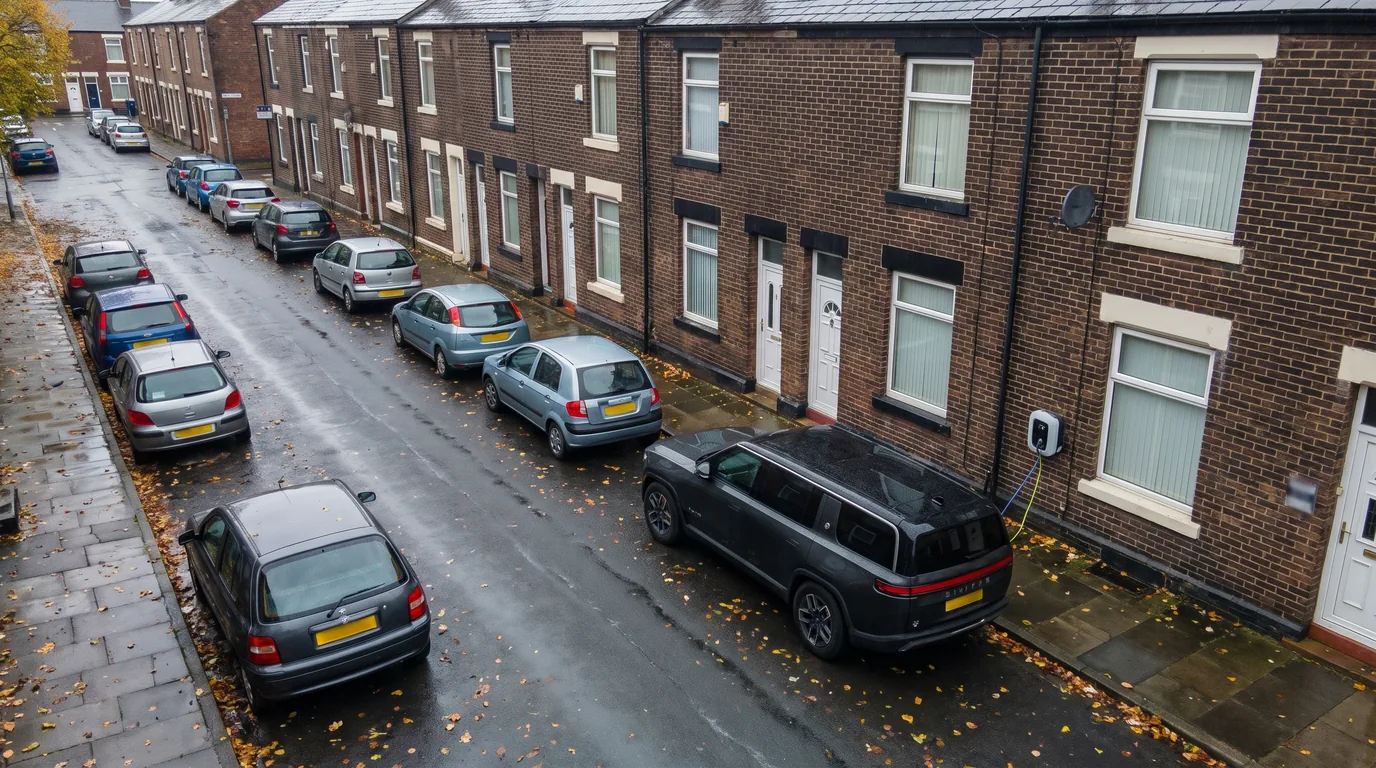
Ahead of the 28 October Budget, campaigners are pressing for a Large Vehicle Levy and councils from Cardiff to Bath are already charging more to park big cars. Here is how the proposals work and why heavy EVs are in the frame.
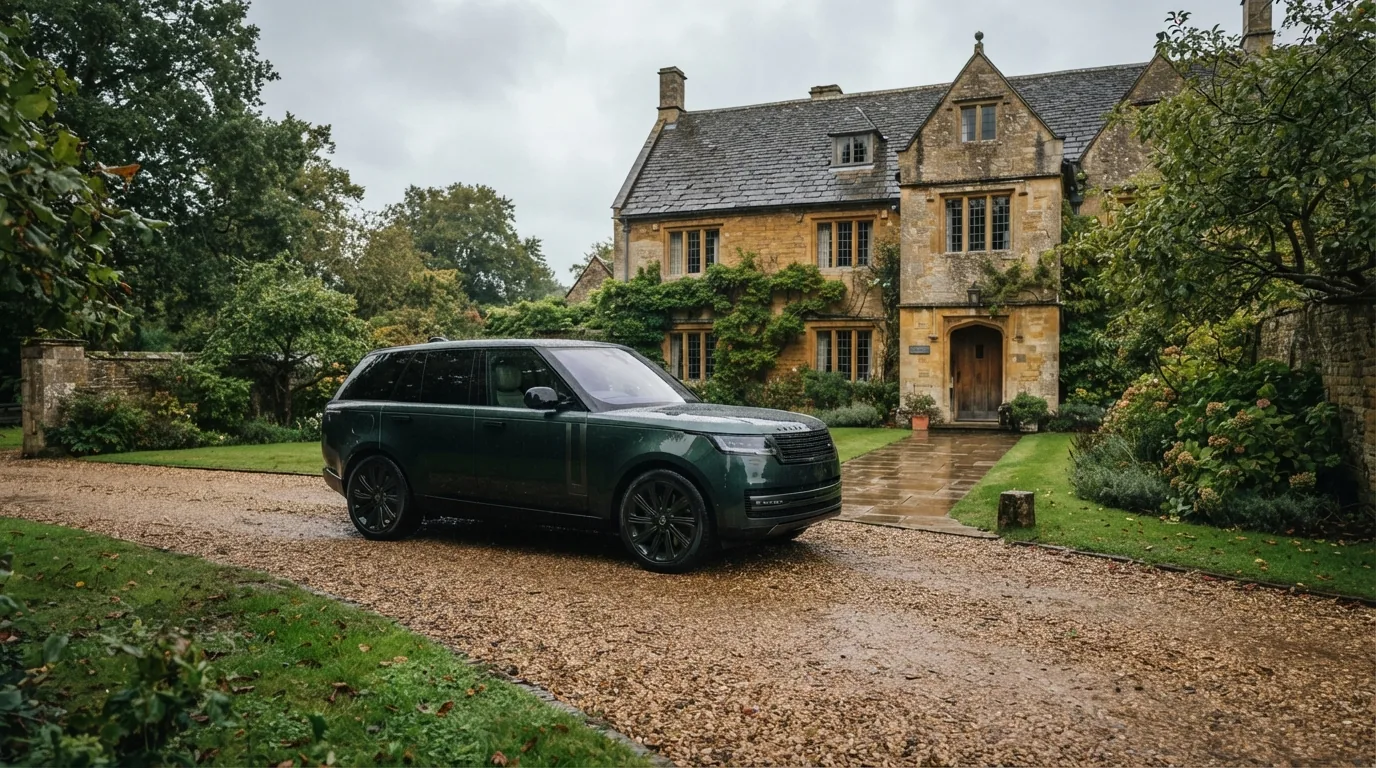
Electric Defender UK: when it arrives and JLR's EV line-up
A small electric Defender is due in 2027, but the full-size one has slipped to the early 2030s. Here is what JLR will actually sell, from the £154,070 Range Rover Electric to Freelander.
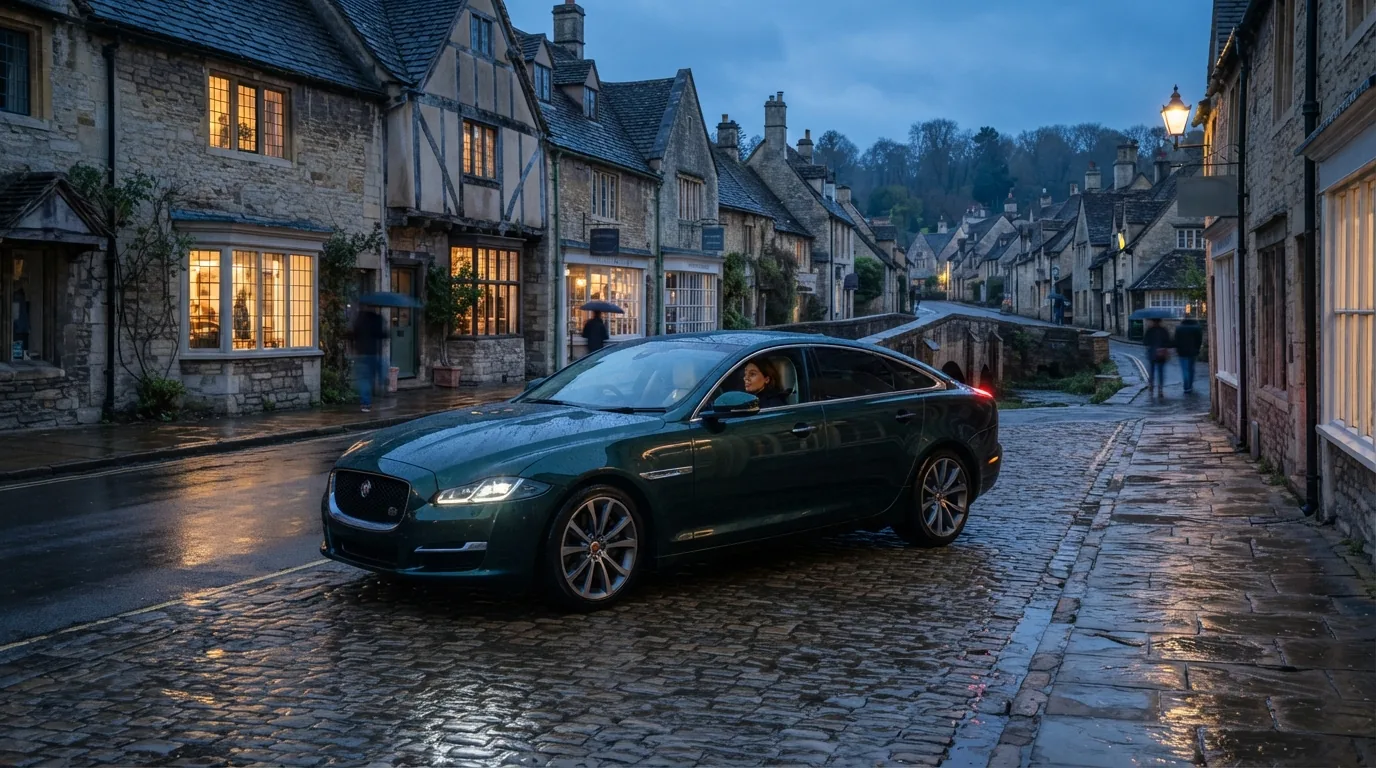
Jaguar Type 01 revealed: 1,000PS electric GT, expected from £120,000
Jaguar has revealed its first new electric car since the I-Pace in New York: a Solihull-built, tri-motor four-door GT. Here are the headline figures, the expected UK price and how it lines up against the Mercedes-AMG GT 4-Door EV.
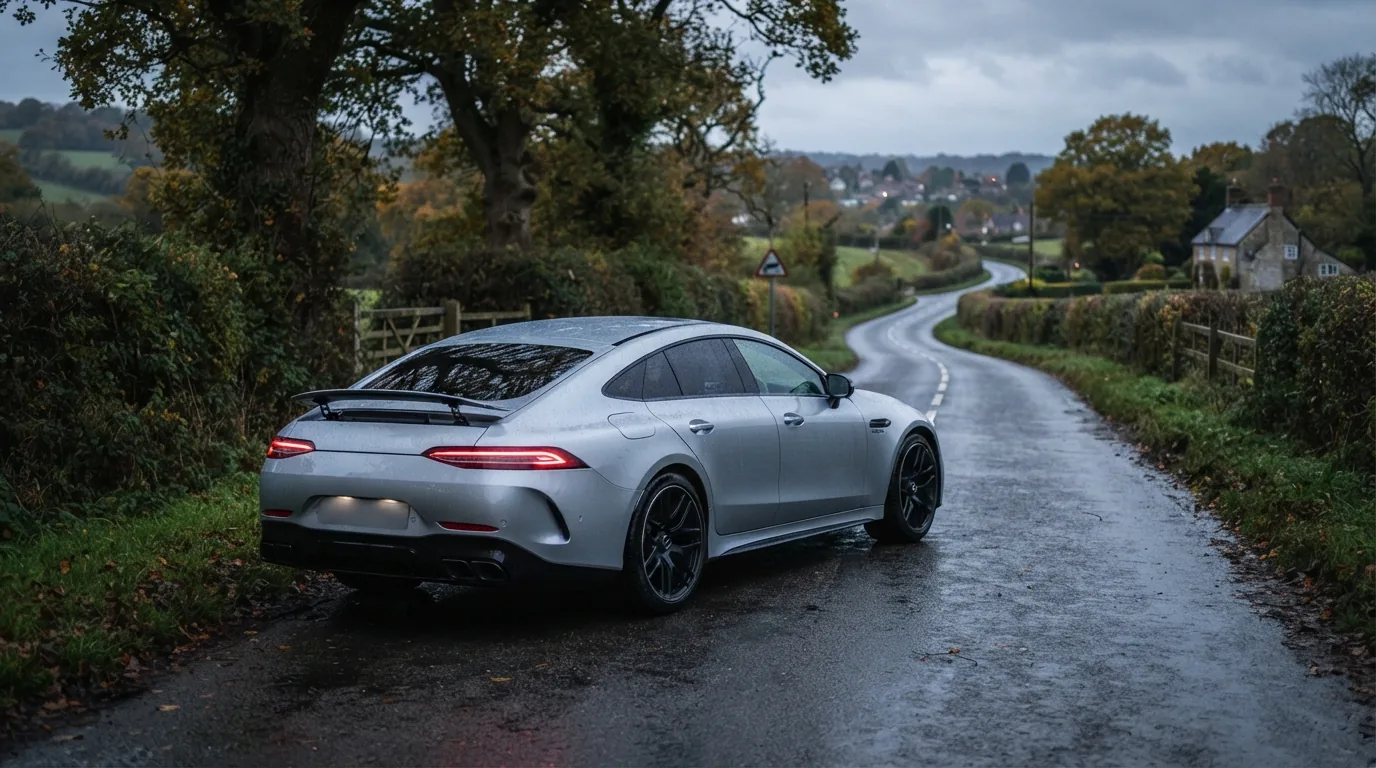
Mercedes-AMG GT 4-Door EV UK price: from £103,275, GT 63 1,169hp
Mercedes-AMG's electric four-door GT starts at £103,275 in the UK and tops out at £159,870 for the 1,169hp GT 63. Here is what each version offers, how the simulated engine sound works and who it competes with.