Renault boss calls UK petrol car ban 'stupid' and links it to an EU deal
François Provost told The Sunday Times there is 'no good date' for a 100% electric mandate, and that the UK will need to align on Chinese imports and EV targets if it wants into the EU's protected car market.
Quick answers
- Renault chief executive François Provost told The Sunday Times on 18 October 2026 that the UK's planned 2030 ban on new petrol and diesel cars is 'stupid' and that there is 'no good date' for mandating 100% electric sales.
- Provost said the UK would need to align with Brussels on tariffs for Chinese imports, and adjust its ZEV mandate, to join the EU's 'Made in Europe' scheme, formally the Industrial Accelerator Act.
- At the Paris motor show on 12 October, Provost and Stellantis's Emanuele Cappellano both said the UK should be treated like one of the EU's 27 member states under the new rules.
- Under the proposed Industrial Accelerator Act, cars must be made in Europe with enough European parts to keep qualifying for EV grants and public-sector purchases in the EU.
- The EU confirmed on 12 October that it will cap hybrid imports from China at 350,000 cars a year from December, which it expects to halve China's 6% share of that market.
- The UK has so far rejected its own tariffs on Chinese cars, but business secretary Jonathan Reynolds said in October that the decision was under review.
Renault’s chief executive, François Provost, has called the UK’s planned 2030 ban on new petrol and diesel cars “stupid” and said Britain should drop it if it wants a place in the EU’s protected car market. In an interview with The Sunday Times on 18 October 2026, summarised by Sharecast, Provost said there was “no good date” for requiring 100% electric sales. He also said the UK would need to line up with Brussels on tariffs for Chinese cars to join the “Made in Europe” scheme.
It is the third time in a week that Provost has pressed the point. He made a similar case at the Paris motor show on 12 October, reported by The Guardian, and again on 16 October, when The Telegraph quoted him saying a UK deal would need “some adjustment of the ZEV mandate”. For UK buyers, the comments matter because they tie three separate debates together: the ZEV mandate, possible tariffs on Chinese cars, and Britain’s access to the EU market where most UK-built cars are sold.
What exactly did François Provost say?
Provost’s argument is that UK car policy should match the EU’s, on electric car targets and on China, if Britain wants to be treated as part of Europe’s industry. “The two policies should be consistent,” he told The Telegraph. “CO2 policy. Deal with China. Regulation. If the UK decides it wants to join [Made in Europe], I think as a consequence, the mandatory condition is a deal with China, some adjustment of the ZEV mandate. It is common sense.”
In The Sunday Times he went further, describing the UK’s combustion engine ban as “stupid” and saying there was “no good date” for mandating 100% electric sales.
In Paris he was more diplomatic. “I’m not here to demand whatsoever,” he said, “but I think if UK is willing to join this ecosystem of IAA, there is some open question about the level of imports.” He said Renault wanted an industry that “is not closed to Chinese competitors, but if you want to operate in Europe, you have to deeply invest in the whole value chain, final manufacturing, suppliers, R&D, technologies.”
What is Made in Europe and why does the UK want in?
Made in Europe is the EU’s plan to make sure its subsidies and public spending support cars built in Europe rather than imports. Its formal name is the Industrial Accelerator Act (IAA). Under the proposals, cars would have to be built in Europe, with enough European parts and materials, to keep qualifying for EV grants and to be bought by public bodies in the EU.
The problem for Britain is the definition of “Europe”. If Brussels sticks to the 27 member states, UK factories are outside it. That would put cars built at plants such as Nissan in Sunderland, Toyota in Burnaston and Stellantis in Ellesmere Port at a disadvantage in the market where many of them are sold. Toyota, for example, says about 80% of its Burnaston output goes to continental Europe, as we report in our piece on Toyota’s warning over the ZEV mandate.
The UK has lobbied hard to be included, and it has support. Provost and Emanuele Cappellano, who runs Stellantis’s European brands including Vauxhall, Peugeot, Citroën and Fiat, both said in Paris that the UK should count as if it were one of the 27. “I think that UK somehow needs to be equalised to the EU 27,” Cappellano said. Europe’s main car industry lobby groups, ACEA and Clepa, back UK inclusion too. Some voices in France, including its industry minister, had argued the UK should be left out because of Brexit.
A Franco-German deal in mid-October set out how the UK could join, which we cover in our report on the UK and Made in Europe. The price, according to reports, is alignment on Chinese tariffs.
What do Renault and Stellantis want the UK to do about China?
Both firms want the UK to stop letting Chinese cars in without limits. Cappellano was blunter than Provost. “It’s very difficult to defend industrial footprint and at the same time let the market completely open to import,” he said. “Either one or the other.”
The EU is already tightening its own rules. On 12 October it confirmed a cap of 350,000 hybrid cars a year imported from China, starting in December, which it expects to halve China’s share of that market from 6%. That sits on top of the anti-subsidy duties the EU already charges on Chinese-built electric cars.
The UK has gone the other way so far. It has no extra tariffs on Chinese cars, which is one reason Chinese brands now take more than a fifth of UK new car sales. Business secretary Jonathan Reynolds said in October that the decision was under review. Our explainer on possible UK tariffs on Chinese electric cars sets out the options and what they could add to prices, and our report on China’s warning to the UK covers Beijing’s response.
Is Provost right that there is “no good date” for 100% EV sales?
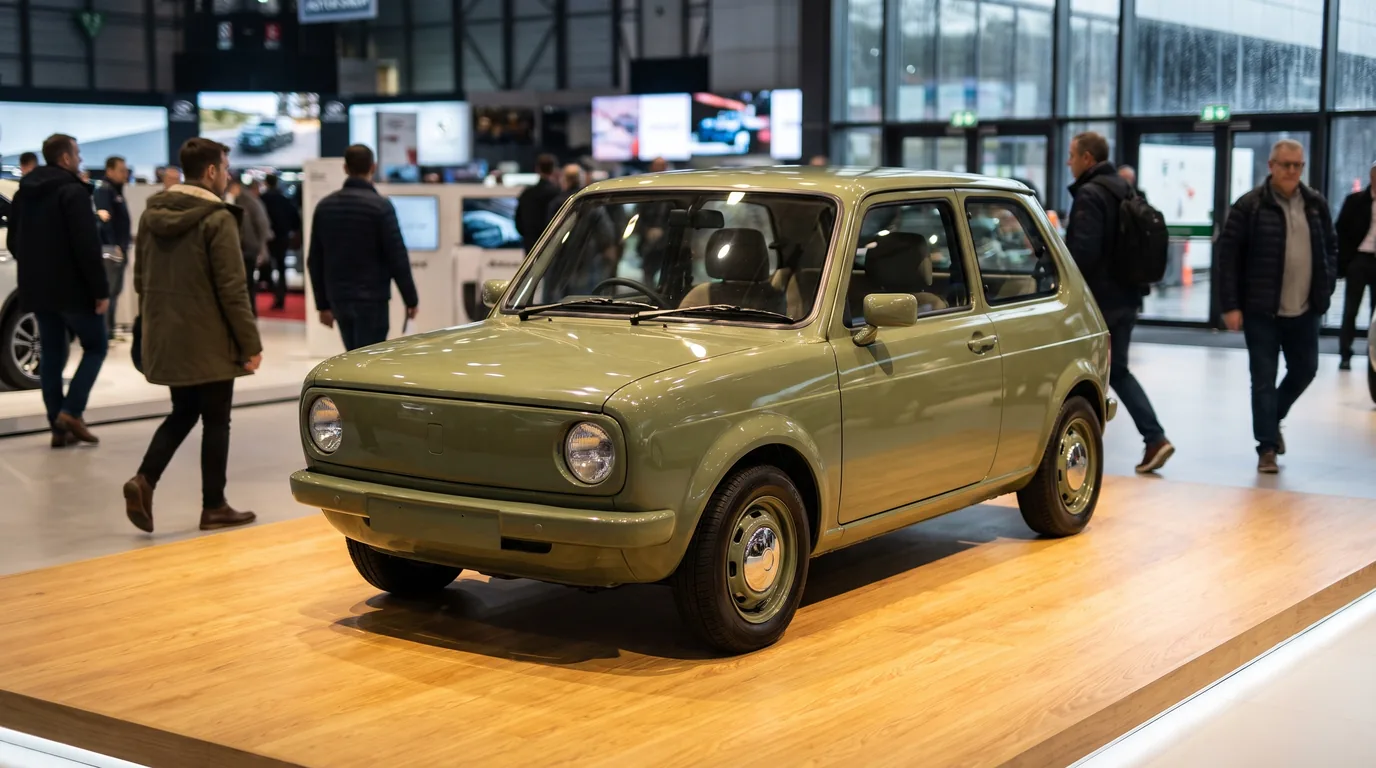
He is making a commercial argument, and it should be read as one. Renault sells some of the most popular small EVs in the UK, including the Renault 5, Renault 4 and the new Twingo. It is not anti-electric. What it objects to is a fixed legal date, set by a single country, that is tougher than the rules in the EU, where Renault sells most of its cars.
There are reasonable points on both sides:
- For Provost’s view. A 100% mandate leaves no room for buyers whose needs are not yet met by EVs, such as some rural drivers or people who tow. Car makers say heavy year-end discounting to hit targets is costing them money.
- Against it. A fixed date gives charging firms, energy companies and battery investors certainty. The groups defending the mandate say it is the UK’s biggest carbon-cutting policy of the decade and that it is already working: battery electric cars took a record 28.3% of the market in September.
It is also worth being clear about what the UK’s rules actually say. From 2030, new cars that run only on petrol or diesel can no longer be sold. Full hybrids and plug-in hybrids can be sold until 2035. Used petrol and diesel cars can be bought and sold indefinitely. Our guide to what the 2030 ban means goes through it in detail.
Where does this leave the ZEV mandate review?
Provost’s comments add to industry pressure on a review that already looks set to soften the 2030 target. Reports in October said the government was considering cutting the share of new cars that must be zero-emission in 2030 from 80% to 60%, after earlier talk of 50%. The 2035 target of 100% would stay.
| Who | Position on the 2030 target |
|---|---|
| Current law | 80% of new cars zero-emission |
| Government, as reported in October 2026 | Considering 60% |
| Toyota | 50% for cars, 40% for vans |
| Renault | Align with the EU and adjust the mandate; calls a 100% date “stupid” |
| Climate, health and transport groups | Keep 80% unchanged |
Our ZEV mandate review explainer covers the consultation itself.
What does it mean for UK car buyers?
In the short term, nothing changes. Renault’s prices, warranties and line-up are not affected by Provost’s comments, and no tariff or rule change has been announced. Over the next year, though, three things could shift what you pay:
- EV discounts. Much of the discounting on electric cars is driven by the mandate. If the 2030 target is cut, brands will be under less pressure to cut prices, finance rates and lease costs to hit quotas. Our look at the ZEV mandate gap and year-end discounts explains how that works.
- Chinese car prices. If the UK adds tariffs on Chinese-built cars to join Made in Europe, brands such as BYD, MG, Omoda, Jaecoo and Leapmotor could raise prices or switch production to factories elsewhere. That could narrow the price gap that has made them so popular.
- UK-built cars. If the UK is left out of Made in Europe, UK plants become less attractive places to build new models. That is a slower-moving risk, but it affects the supply of cars such as the Nissan Leaf and Juke built in Sunderland.
If you are shopping for a small electric car now, Renault’s own range, including the cars that qualify for the Electric Car Grant, is one of the most competitive in the market. Our Renault 5 and Citroën ë-C3 comparison is a good starting point.
What happens next?
Three dates and decisions will settle much of this. The Autumn Budget on 28 October is the first, because any new EV incentives would make a higher mandate easier to defend. The second is the government’s response to the ZEV review, which has no published date. The third is the EU’s final version of the Industrial Accelerator Act, where the definition of “European” and the terms for the UK are still being negotiated.
Provost’s message is that these are one decision, not three. Whether ministers agree is the question the industry is now waiting on.
How we test and where our numbers come from
Range figures are official WLTP combined values taken from manufacturer UK specification pages, with real-world estimates drawn from independent comparative testing. Prices are UK list prices at the time of the latest update. Tax, grant and charging-scheme figures come from GOV.UK and HMRC publications. We re-check every guide when pricing, specification or policy changes. Last checked 23 October 2026. How we work out our own figures.
Frequently asked questions
What did the Renault boss say about the UK petrol ban?
François Provost told The Sunday Times that the UK's 2030 ban on new petrol and diesel cars is 'stupid' and that there is 'no good date' for requiring 100% electric sales. He said the UK should drop it if it wants access to the EU's Made in Europe programme.
What is the EU's Made in Europe scheme?
It is the EU's proposed Industrial Accelerator Act, which would require cars to be made in Europe with enough European parts and materials to qualify for EV grants and public procurement in the EU. As drafted it covers EU member states, so UK factories risk being left out.
Is the UK going to put tariffs on Chinese electric cars?
Not yet. The UK has so far rejected tariffs on Chinese cars, but business secretary Jonathan Reynolds said in October 2026 that the decision is under review. Joining Made in Europe would likely require some alignment with EU tariffs.
Will the 2030 petrol and diesel ban be scrapped?
There is no sign of that. The government's review of the ZEV mandate is looking at the 2030 sales target, reportedly at 60% instead of 80%, but the end of new petrol and diesel-only car sales in 2030 remains government policy.
Does this change anything for people buying a Renault now?
No. Renault's UK range and prices are unaffected by the debate for now. The comments are about future rules, which may affect how much brands discount EVs and how much Chinese-built cars cost if tariffs arrive.
Sources and further reading
- theguardian.comThe GuardianPrimary source referenced in this article.
- sharecast.comSunday newspaper round-up: Barclays, RenaultSummary of Provost's Sunday Times interview calling the 2030 ban 'stupid' and saying there is 'no good date' for 100% electric sales.
- finance.yahoo.comToyota threatens UK retreat over electric car rulesProvost's comment that joining Made in Europe would require 'a deal with China, some adjustment of the ZEV mandate'.

EV Compared
The EV Compared editorial team tracks the UK electric vehicle market full time: new model launches, list prices, WLTP and real-world range, public charging tariffs and the tax rules that decide what an EV actually costs to run. Every guide is checked against manufacturer specifications and official GOV.UK figures, and updated whenever the numbers move.
Related reading
View all
UK offered a place in 'Made in Europe', but the price is China tariffs
A Franco-German deal opens the EU's new local-content rules to British car factories, and softens the EU's 2035 target to 90%. The catch is that Britain would have to follow Brussels on trade defence against China.
A weaker ZEV mandate could cost the Treasury up to £16.7bn, industry warns
As ministers lean towards a 60% target for 2030, charging firms, energy groups and campaigners have put numbers on what a softer mandate would cost in lost tax, slower charger roll-out and air pollution.
China warns it will 'resolutely retaliate' if the UK taxes Chinese EVs
China's commerce ministry has told Britain not to follow Brussels, as ministers weigh tariffs as the price of joining the EU's Made in Europe scheme. Here is what is at stake for buyers of Chinese-built cars.
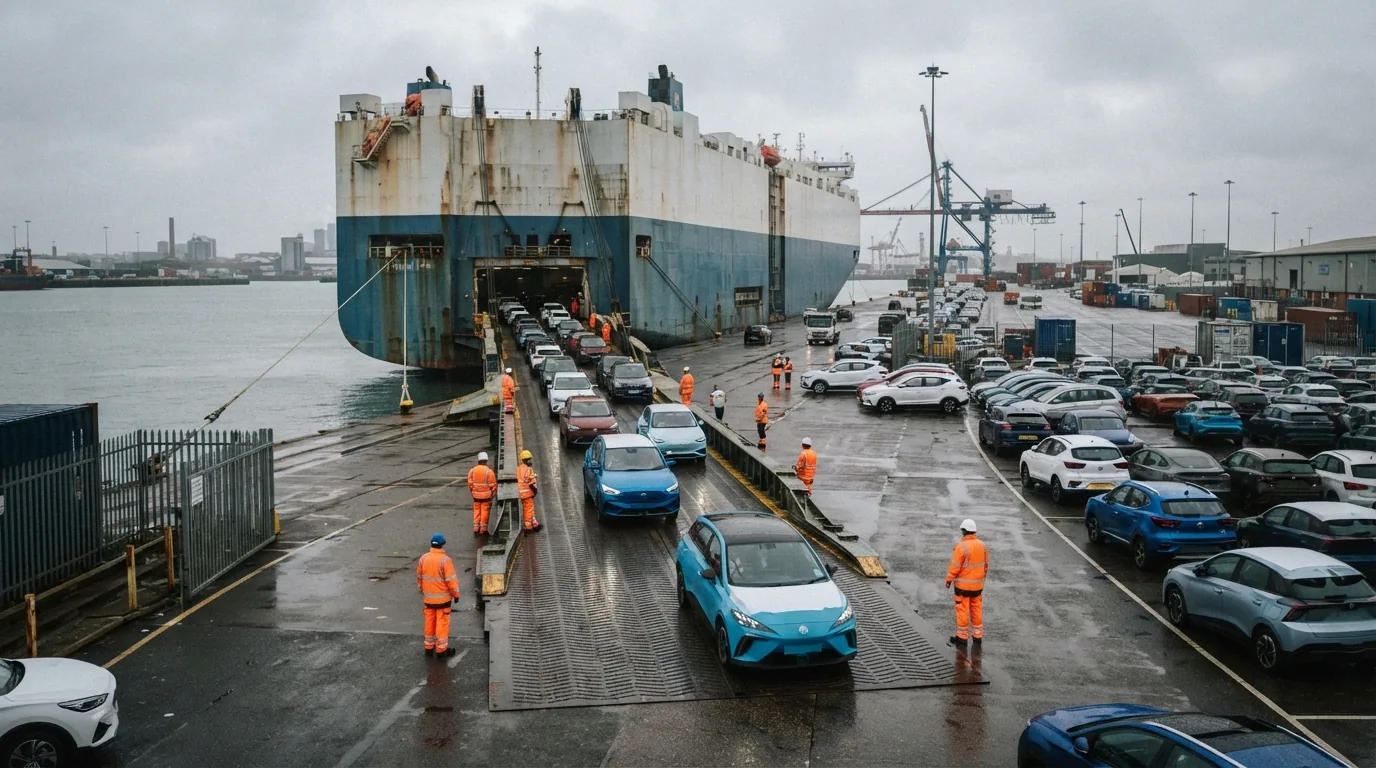
UK weighs Chinese EV tariffs of up to 45%: what it means for prices
The Times reports that ministers are drawing up options to match the EU's duties, which would end Britain's open door to Chinese-built EVs. Nothing is decided, and the government has not confirmed a plan.
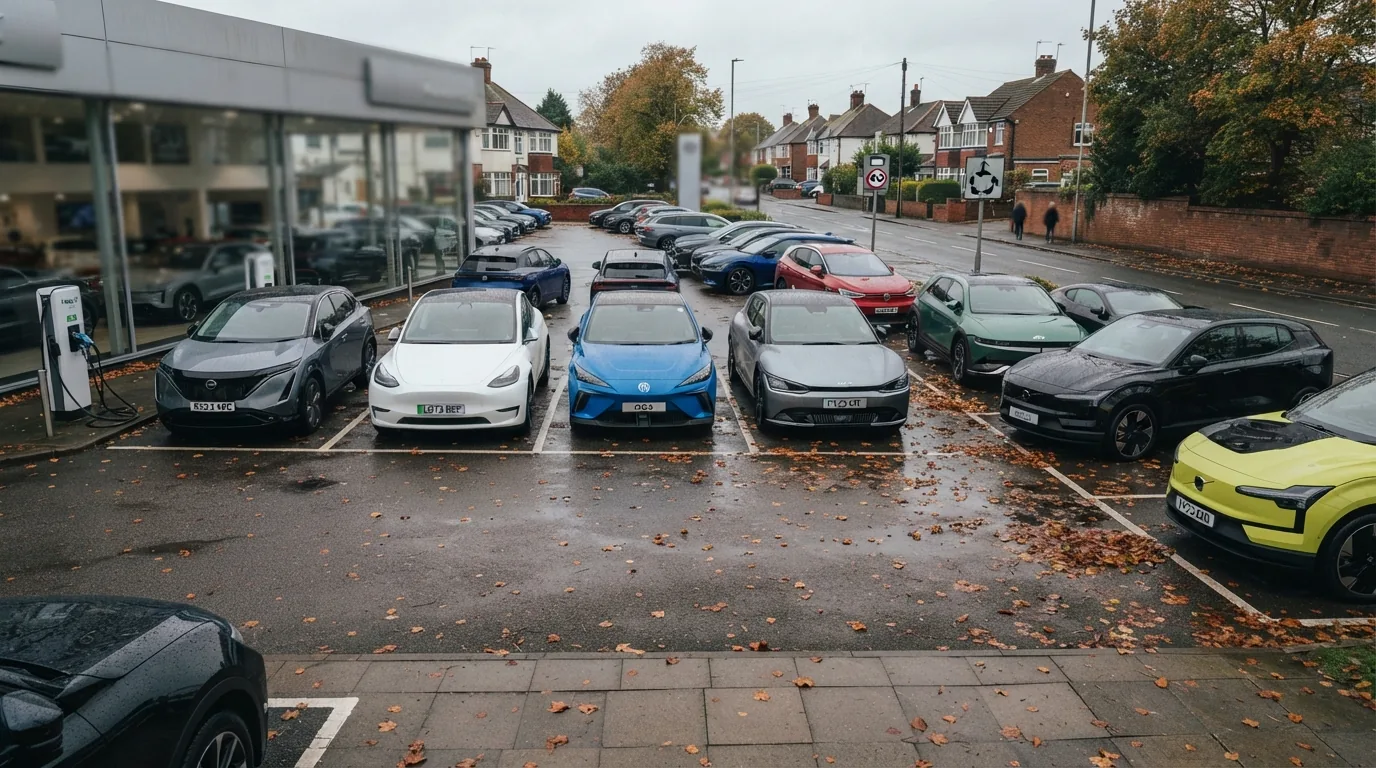
ZEV mandate: carmakers need 265,000 more EV sales by year end
Even after a record September, electric cars make up only 26.2% of 2026 sales so far against a 33% target. Here is what that gap means for EV discounts and when to order.
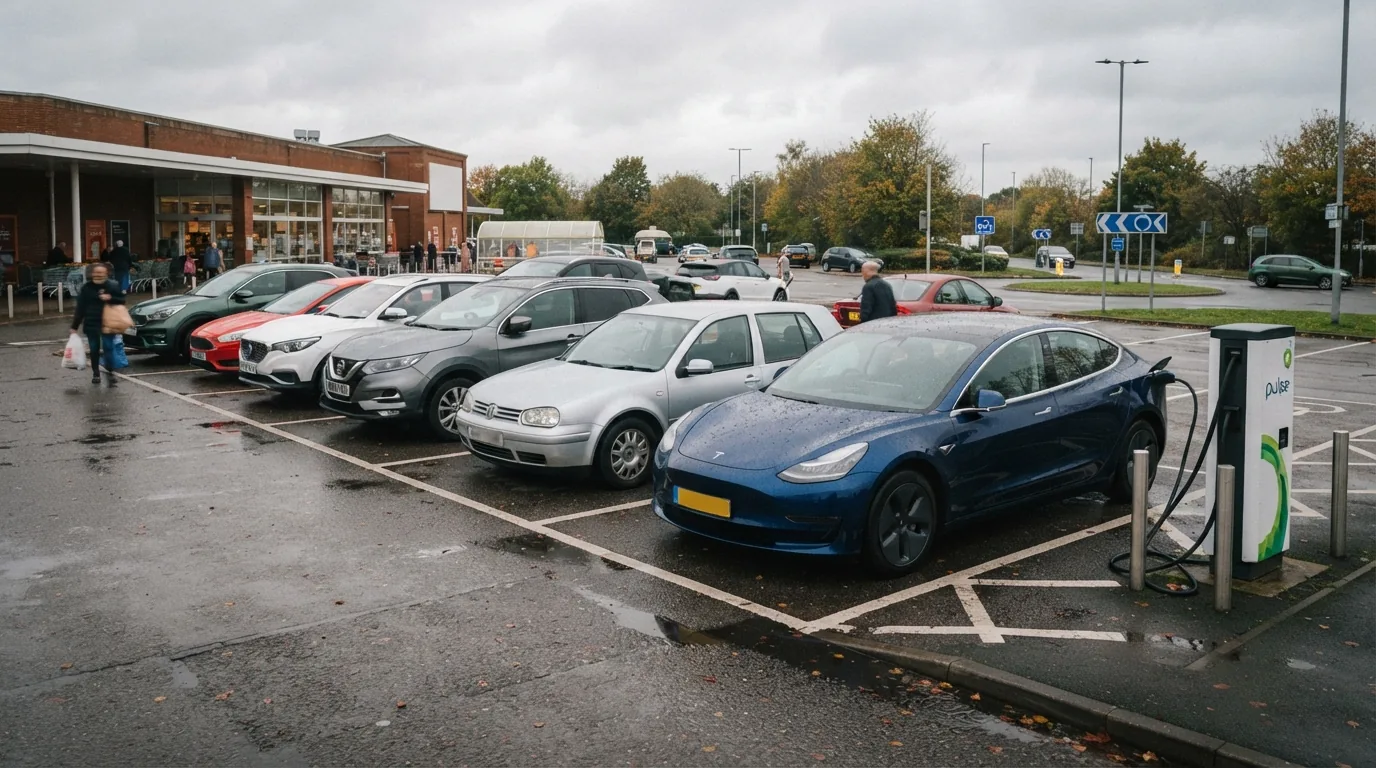
ZEV mandate review: 2030 EV target could fall from 80% to 50%
Ministers are weighing a 2030 electric car target of 70%, 60% or 50% instead of 80%, with responses due on 23 October. Here is who wants what, and what a softer target means for buyers.