UK offered a place in 'Made in Europe', but the price is China tariffs
A Franco-German deal opens the EU's new local-content rules to British car factories, and softens the EU's 2035 target to 90%. The catch is that Britain would have to follow Brussels on trade defence against China.
Quick answers
- France dropped its opposition on 15 October 2026 to the UK being treated as European under the EU's Industrial Accelerator Act, known as 'Made in Europe', for the car industry.
- The Franco-German paper offers an opt-in to countries that were in the EU single market on 1 January 2020, which covers the UK and Norway, subject to 'full reciprocity'.
- Joining would require 'dynamic alignment' with EU trade defence measures, including the 2024 tariffs on Chinese EVs, the hybrid import quota and future measures.
- The same deal would soften the EU's 2035 target for new car CO2 from a 100% cut to a 90% cut, without the alternative-fuel offsets the European Commission had proposed.
- Downing Street said inclusion 'would be good news for the British automotive industry'; the next big moment is a UK-EU summit in Brussels on 20 November.
- MEPs have tabled 5,100 amendments, and the act is expected to be finalised at the end of 2026 or early 2027.
- The EU's December 2024 countervailing duties on some Chinese EV makers reach as high as 35.3%, on top of the EU's 10% import duty.
Britain has been offered a way into the EU’s new “Made in Europe” rules for cars, but only if it follows Brussels on tariffs against Chinese electric vehicles. France dropped its opposition to UK inclusion on 15 October 2026, backing a joint paper with Germany that would let the UK opt in “subject to an agreement on full reciprocity”, according to The Guardian. Downing Street called the move “good news for the British automotive industry”.
For UK drivers, the deal connects two things that have looked separate: the future of British car factories and the price of Chinese-built EVs. It also softens the EU’s own 2035 target, which matters because UK policy has tended to move in step with Europe’s. Our report on China’s threat of retaliation covers Beijing’s response.
What is Made in Europe?
Made in Europe is the informal name for the EU’s Industrial Accelerator Act, a draft law to protect European manufacturing from cheap, state-subsidised competition, mainly from China. Under the proposals, cars would have to be built in Europe, with enough European parts and materials, to keep qualifying for EU EV grants and to be bought by public bodies.
The question for the UK has always been whether “Europe” means the EU’s 27 members or something wider. If it means only the 27, UK-built cars would be treated like imports from anywhere else. That would be a serious problem: about 80% of UK-built cars are exported, and more than half go to the EU.
What exactly have France and Germany proposed?
The Franco-German paper would open Made in Europe for cars to countries that were in the single market on 1 January 2020. “For the automotive sector, ‘Made in Europe’ should comprise the EU27 and an opt-in to further include European partners who were part of the EU single market as of 01/01/2020, subject to an agreement on full reciprocity, i.e. adopting the European preference scheme relevant to the automotive sector,” it says.
That date is deliberate. The UK was still in the single market then, during the Brexit transition, and so was Norway. An Elysée official later told Politico that the scope could also extend to Switzerland under certain conditions.
The conditions are the important part. Opt-in countries would have to accept:
- Dynamic alignment on trade defence. That means matching the EU’s 2024 tariffs on Chinese-built EVs, its new quota on Chinese hybrid imports, and any future measures.
- Anti-circumvention rules. These stop countries being used as a back door into the EU market.
- Alignment on third-country investment. That would cover the conditions the EU places on, for example, Chinese firms building factories in Europe.
“Dynamic” is the key word. It means the UK would not just copy today’s tariffs but follow future EU decisions too.
How did the deal come about?
It was part of a wider bargain between France and Germany. According to Politico, Germany agreed to accept stricter local-content requirements for cars, a long-standing French demand. In return, France backed Germany’s push to relax the EU’s 2035 target for new cars.
Germany had already been pressing the UK. Earlier in October, Politico reported that Chancellor Friedrich Merz’s government wanted UK tariffs on Chinese EVs as a condition of any opt-out, to counter claims from other EU countries that Britain was trying to “cherry pick” the benefits of membership. Prime Minister Andy Burnham met Merz on his first official visit to Germany that week.
The pressure has been coming from car makers too. Ola Källenius, the head of Mercedes-Benz and president of the European car makers’ body ACEA, warned that locking the UK out would be a “deliberate choice” by EU leaders to “hurt” the car industry across the bloc. Renault and Stellantis made similar arguments at the Paris motor show, as we covered in our report on Renault’s call for a reset.
What happens to the EU’s 2035 combustion engine ban?
The same deal would soften it. The EU’s current rule requires new cars to cut CO2 by 100% from 2021 levels by 2035, with the European Commission proposing that 10% of that could be “earned” through offsets and investments in alternatives. France and Germany now want a 90% target without the offsets.
That would leave room, in principle, for some plug-in hybrids and range-extender cars to be sold in the EU after 2035. It still needs agreement from the other member states and the European Parliament.
The UK has its own rules, which end the sale of new petrol and diesel-only cars in 2030 and require 100% zero-emission new car sales from 2035. If the EU softens 2035, expect more pressure on the UK to do the same, alongside the existing review of the UK’s 2030 target. Our guide to the ZEV mandate review covers that.
What does the UK government say?
The government welcomes the offer but has not committed to tariffs. A Downing Street spokesperson said: “This is a Franco-German proposal and there is still a European process to run, but if confirmed, we welcome the objective to have UK included in the Industrial Accelerator Act and this would be good news for the British automotive industry and the jobs and investment it supports across the UK.”
Asked whether the UK accepted it would have to impose tariffs, No 10 said it was “premature to speculate” and that “the UK obviously has its own trade policy and it keeps all tariffs under review.”
Ministers have been sending mixed signals. Trade minister Anas Sarwar said the UK and EU must “act in lockstep” on China. Business secretary Jonathan Reynolds said he would not be coerced. Hamish Falconer, the minister for European relations, said earlier in October he was “surprised” at reports that tariffs were a condition, adding: “That’s not the kind of conversation that I’m having with my European counterparts.”
Liam Byrne, who chairs the Commons business and trade committee, is in no doubt. “Sometimes politics is the least worst choice,” he said. “Aligning with Europe on trade defence against an over-subsidised China is the way we deliver for all of us.”
What would joining mean for UK-built cars?
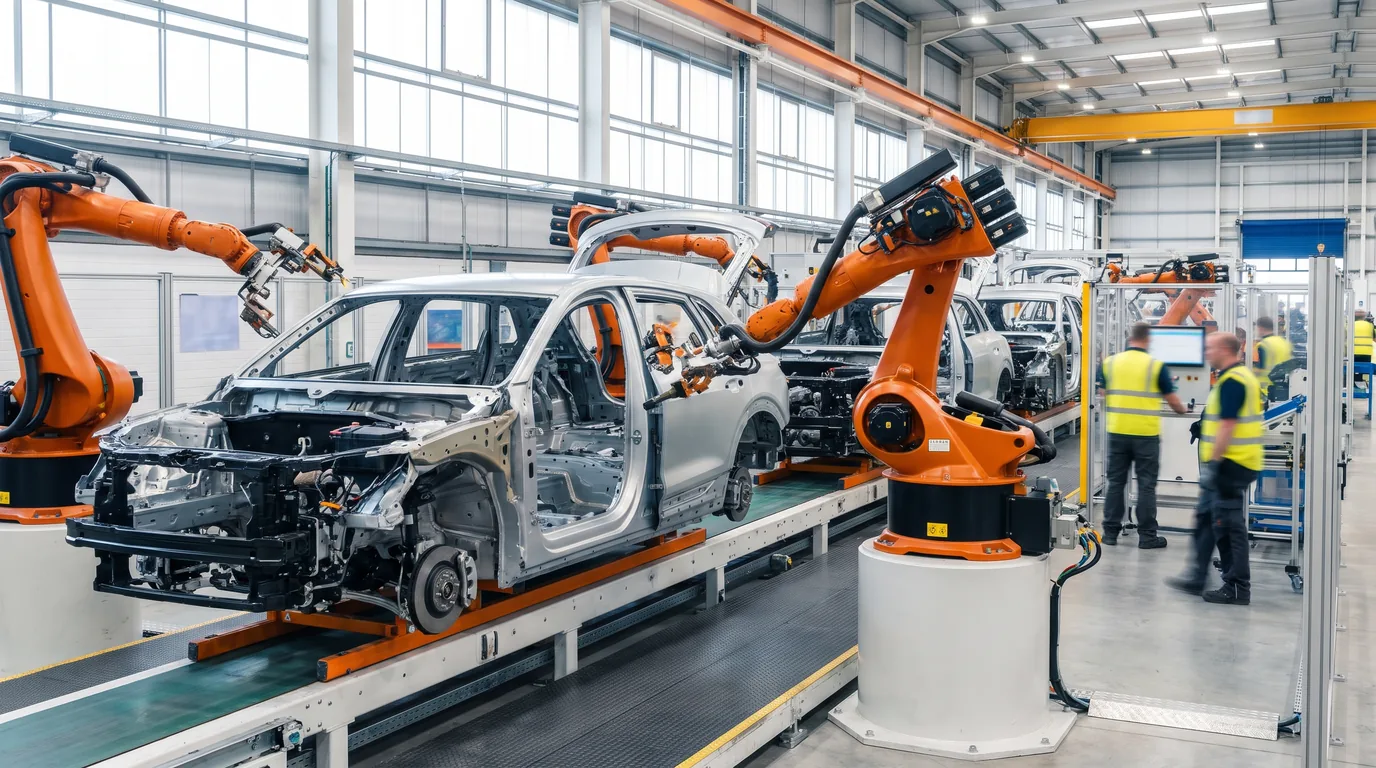
It would keep UK factories on an equal footing with EU ones when selling into Europe. Cars built in Britain would count as European for EU grants and public contracts, which matters for:
- Nissan in Sunderland, which builds the Leaf, Qashqai and Juke.
- Toyota in Burnaston, which sends about 80% of its output to Europe, as we covered in our Toyota report.
- BMW’s Mini plant in Oxford, along with JLR, Bentley and others.
Without inclusion, these plants would find it harder to win new models, which is where the long-term risk to jobs lies.
What would joining mean for car prices?
It would most likely raise the price of China-built EVs in the UK, though by how much is uncertain. The EU’s countervailing duties on Chinese EV makers, imposed in December 2024, reach as high as 35.3% for some companies, on top of the EU’s 10% import duty, according to Politico. The UK currently charges only the 10%.
Brands could respond in different ways: pass on the cost, absorb it to protect market share, or build cars in Europe instead. Chinese brands, which took 23.3% of the UK market in September as covered in our sales analysis, have every reason to try to protect their position.
There is also a benefit for buyers of UK and EU-built cars. If those factories stay competitive, the supply of grant-eligible EVs built in Europe should keep growing. Cars built in China do not qualify for the UK’s Electric Car Grant of up to £3,750, as our grant guide explains.
What happens if the UK is left out?
If the UK does not join, cars built in Britain would be treated like imports from anywhere else under the EU’s rules, losing access to EU grants and public contracts. Over time, that would make UK factories less attractive places to build new models, putting jobs at risk.
That is why the industry wants an answer quickly.
UK car makers, from Nissan in Sunderland to Toyota in Burnaston, will be watching the negotiations closely, because their next investment decisions depend on the answer.
What happens next?
Several things have to happen before anything changes in showrooms:
- The EU has to finish the law. MEPs have tabled 5,100 amendments, and the act is expected to be finalised at the end of 2026 or early 2027, according to The Guardian.
- The UK and EU have to agree terms. A UK-EU summit is due in Brussels on 20 November, where the wider relationship, including emissions trading and youth mobility, is on the agenda.
- The UK has to decide on tariffs. Any new tariff would have to go through a formal investigation, which could take more than a year under WTO rules.
So the practical effect for most buyers is unlikely before 2027. But the direction is clear: the price of keeping UK factories inside Europe’s market is likely to be a tougher line on Chinese imports.
How we test and where our numbers come from
Range figures are official WLTP combined values taken from manufacturer UK specification pages, with real-world estimates drawn from independent comparative testing. Prices are UK list prices at the time of the latest update. Tax, grant and charging-scheme figures come from GOV.UK and HMRC publications. We re-check every guide when pricing, specification or policy changes. Last checked 23 October 2026. How we work out our own figures.
Frequently asked questions
What is Made in Europe?
Made in Europe is the informal name for the EU's Industrial Accelerator Act, a draft law that would give cars and other products made in Europe, with enough European content, preferential access to EU subsidies, EV grants and public procurement. It is designed to protect European industry from subsidised Chinese competition.
Can the UK join Made in Europe?
A Franco-German proposal on 15 October 2026 says the UK can opt in for the car industry, because it was in the EU single market on 1 January 2020. It would need to accept full reciprocity and dynamic alignment with EU trade defence measures, including tariffs on Chinese EVs.
Why does Made in Europe matter for UK car factories?
About 80% of UK-built cars are exported, and more than half go to the EU. If the UK were left out, cars built at plants such as Nissan in Sunderland, Toyota in Burnaston and Mini in Oxford could lose access to EU grants and public contracts, making them harder to sell.
Is the EU scrapping its 2035 petrol car ban?
France and Germany want to soften it. Their deal would change the 2035 target from a 100% cut in new car CO2 to a 90% cut, without requiring offsets for the remaining 10%. That would leave some room for plug-in hybrids and range extenders after 2035, if EU lawmakers agree.
When will the UK decide on Made in Europe?
There is no fixed date. The EU still has to finalise the Industrial Accelerator Act, expected at the end of 2026 or early 2027, and the UK and EU will discuss their wider relationship at a summit in Brussels on 20 November 2026.
Sources and further reading
- aol.co.ukThe Guardian via AOLPrimary source referenced in this article.
- politico.euFrance, Germany strike bargain on Made in Europe, car emissionsThe deal's softening of the EU 2035 target to 90%, the inclusion of the UK and Switzerland under conditions and the 20 November UK-EU summit.
- politico.euGermany wants UK to raise tariffs on Chinese EVsGermany's position, the EU's December 2024 countervailing duties of up to 35.3% and Jonathan Reynolds's comments on the review.
- theguardian.comNo 10 leaves option open to impose Chinese EV tariffs if UK joins EU schemeThe 5,100 amendments, timing of the act, UK export figures and Ola Källenius's warning.

EV Compared
The EV Compared editorial team tracks the UK electric vehicle market full time: new model launches, list prices, WLTP and real-world range, public charging tariffs and the tax rules that decide what an EV actually costs to run. Every guide is checked against manufacturer specifications and official GOV.UK figures, and updated whenever the numbers move.
Related reading
View all
Renault boss calls UK petrol car ban 'stupid' and links it to an EU deal
François Provost told The Sunday Times there is 'no good date' for a 100% electric mandate, and that the UK will need to align on Chinese imports and EV targets if it wants into the EU's protected car market.
Toyota warns it could cut UK sales unless the ZEV mandate is eased
Toyota Motor Europe says the zero-emission vehicle mandate is not sustainable, wants the 2030 target cut to 50% and will not guarantee its Derbyshire plant. Here is what the row means if you are buying a car.
Xpeng wants to sell 500,000 cars a year in Europe by 2030, more than Ford
Speaking at the Paris motor show, He Xiaopeng set a target that would make the Chinese brand one of Europe's biggest. It has sold about 60,000 cars in Europe so far, so it plans to build far more locally.
Jaecoo 7, BYD Seal and Leapmotor C10 lead a Chinese shift in UK car leasing
The UK's largest lease broker says the Jaecoo 7 is its most-delivered car for a second year, the BYD Seal is its top EV and electric cars have jumped to 39% of deliveries. Price, it says, now beats the badge.
Connected Kerb opens Aberdeen factory to build 25,000 on-street chargers by 2030
The on-street charging firm is moving manufacturing to Scotland after buying Trojan Energy and its flush kerbside chargers. For drivers without a driveway, it signals more residential chargers on the way.

Geely Project KO11: Defender-style plug-in hybrid off-roader coming to the UK
Revealed at the Paris motor show, the KO11 will sit above the Monjaro in Geely's range. In China it has up to 925hp, lidar-based driver assistance and a 1,050-litre boot. Geely has confirmed it for the UK, but not its name or specs.